Textured hair protective styles historically served as vital cultural markers, practical health solutions, and powerful symbols of identity and resilience.
Historical movements, from forced assimilation to cultural pride, profoundly influenced Black hair product demand by shifting needs from straightening to celebrating natural textures.
Ancient African hair rituals offer profound solutions for modern textured hair challenges by grounding care in heritage, holistic wellness, and natural wisdom.
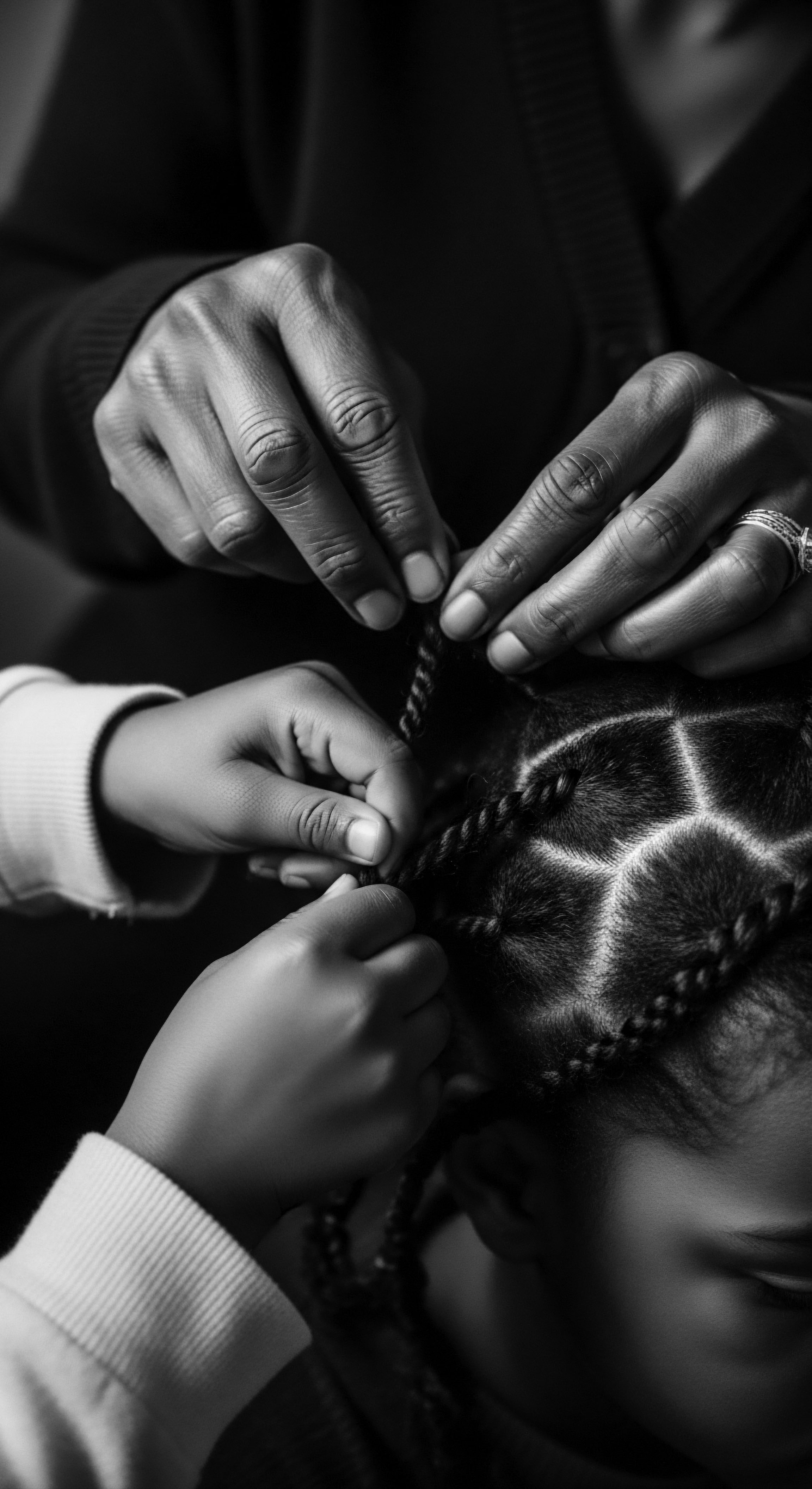
Ancient African traditions shaped modern protective styling by prioritizing low manipulation, moisture retention, and cultural expression for textured hair heritage.
The Tignon Law, a historical mandate for free Black women to cover their hair, profoundly influences modern perceptions by perpetuating biases against textured hair while simultaneously inspiring enduring cultural resistance and pride.
The Tignon Law shaped modern perceptions by embedding bias against textured hair, yet simultaneously sparked a resilient assertion of Black hair heritage and identity.
Ancestral hair care practices offer foundational wisdom, aligning with modern textured hair science to illuminate heritage-rich methods for hair health.
Modern science affirms historical textured hair oiling heritage by validating its efficacy in nourishing, protecting, and strengthening diverse hair textures.
Historical hair symbolism, especially within textured hair heritage, guides product desires by emphasizing natural forms, protective practices, and holistic well-being rooted in ancestral wisdom.
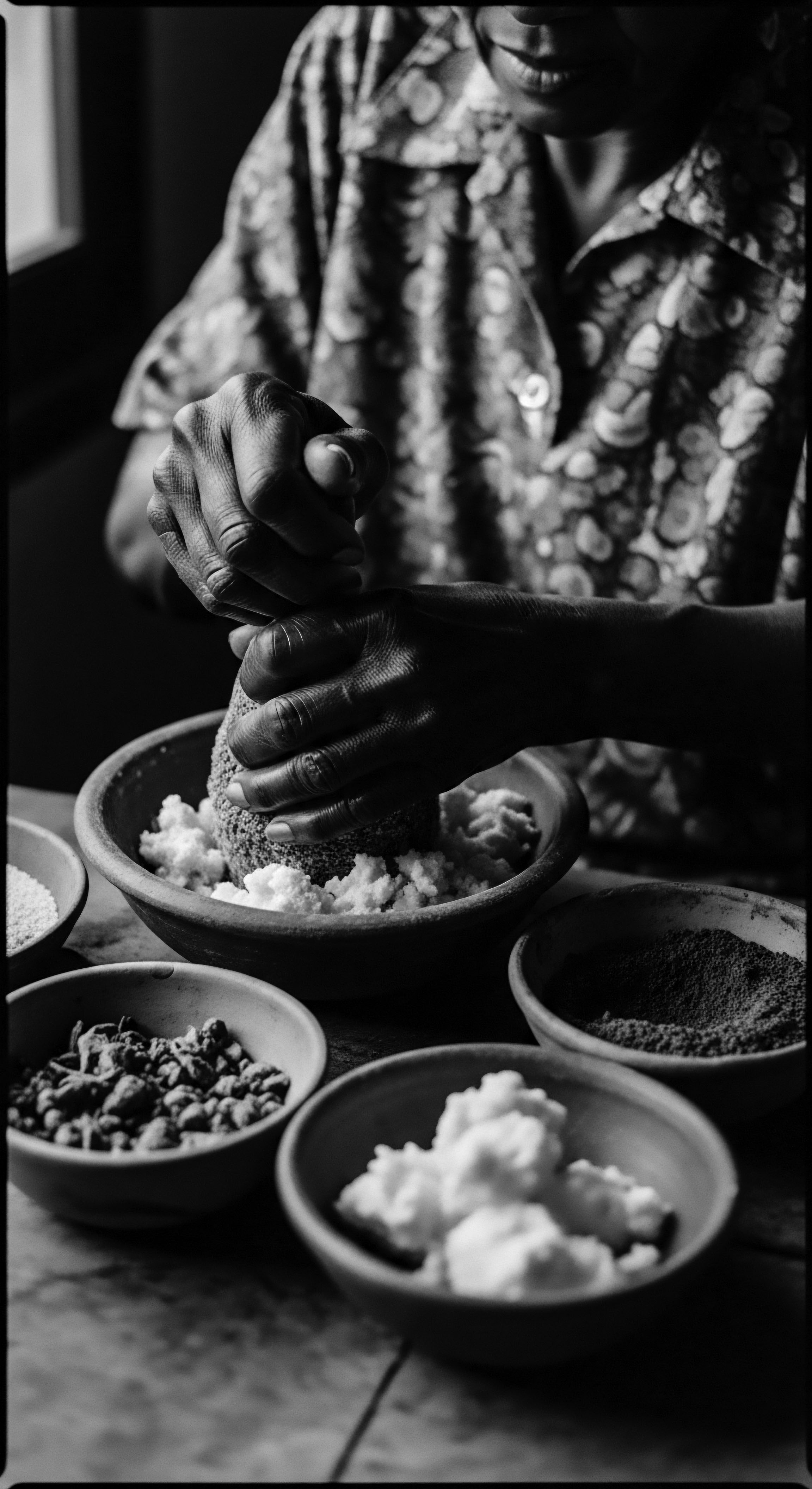
Ancestral oiling rituals for textured hair centered on botanicals like shea, coconut, and castor, reflecting deep cultural heritage and practical care.
Traditional African botanicals offer deep nourishment for textured hair by providing moisture, strength, and protective qualities, rooted in centuries of ancestral wisdom.
The Afro pick gained symbolic power by embodying Black pride and resistance during the Civil Rights Movement, connecting to ancient African hair heritage.
Current legal protections, such as the CROWN Act, reflect textured hair heritage by safeguarding natural and protective styles, acknowledging their cultural and historical significance against discrimination.
Textured hair discrimination stems from historical attempts to dehumanize and control Black identity, rooted in pseudoscientific racial hierarchies and colonial subjugation of ancestral heritage.
The ancestral roots of Black hair care rituals are a profound heritage, intertwining practical techniques, cultural significance, and holistic well-being.
Traditional hair care rituals, rooted in heritage, offer proven methods for nourishing and protecting textured hair, affirming a profound connection to ancestral wisdom.
The Tignon Law's true intention was to control and visually diminish free women of color in New Orleans, yet they transformed it into a symbol of textured hair heritage and resistance.
We use cookies to personalize content and marketing, and to analyze our traffic. This helps us maintain the quality of our free resources. Manage your preferences below.
This helps support our free resources through personalized marketing efforts and promotions.
Analytics cookies help us understand how visitors interact with our website, improving user experience and website performance.
Personalization cookies enable us to customize the content and features of our site based on your interactions, offering a more tailored experience.