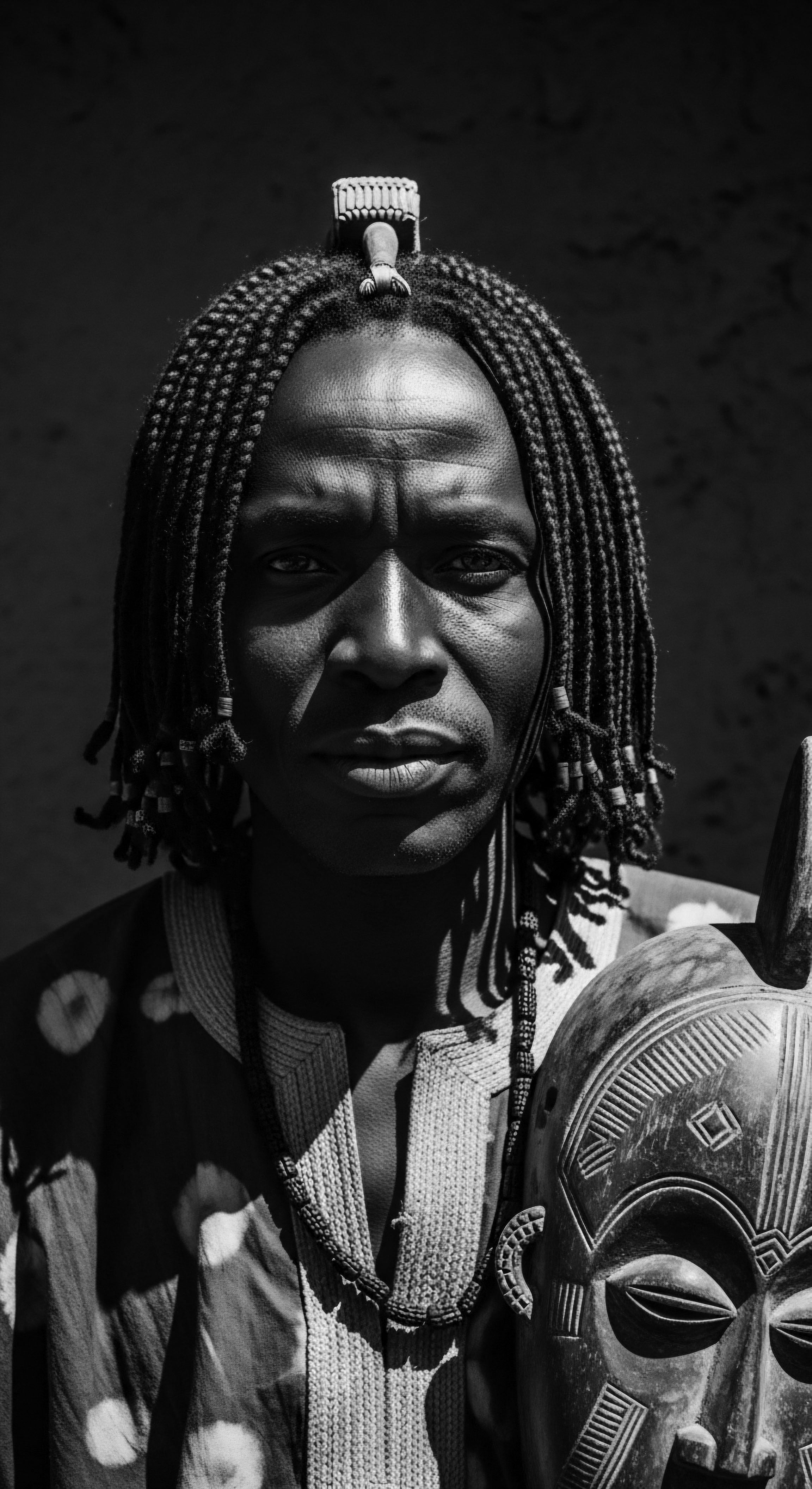
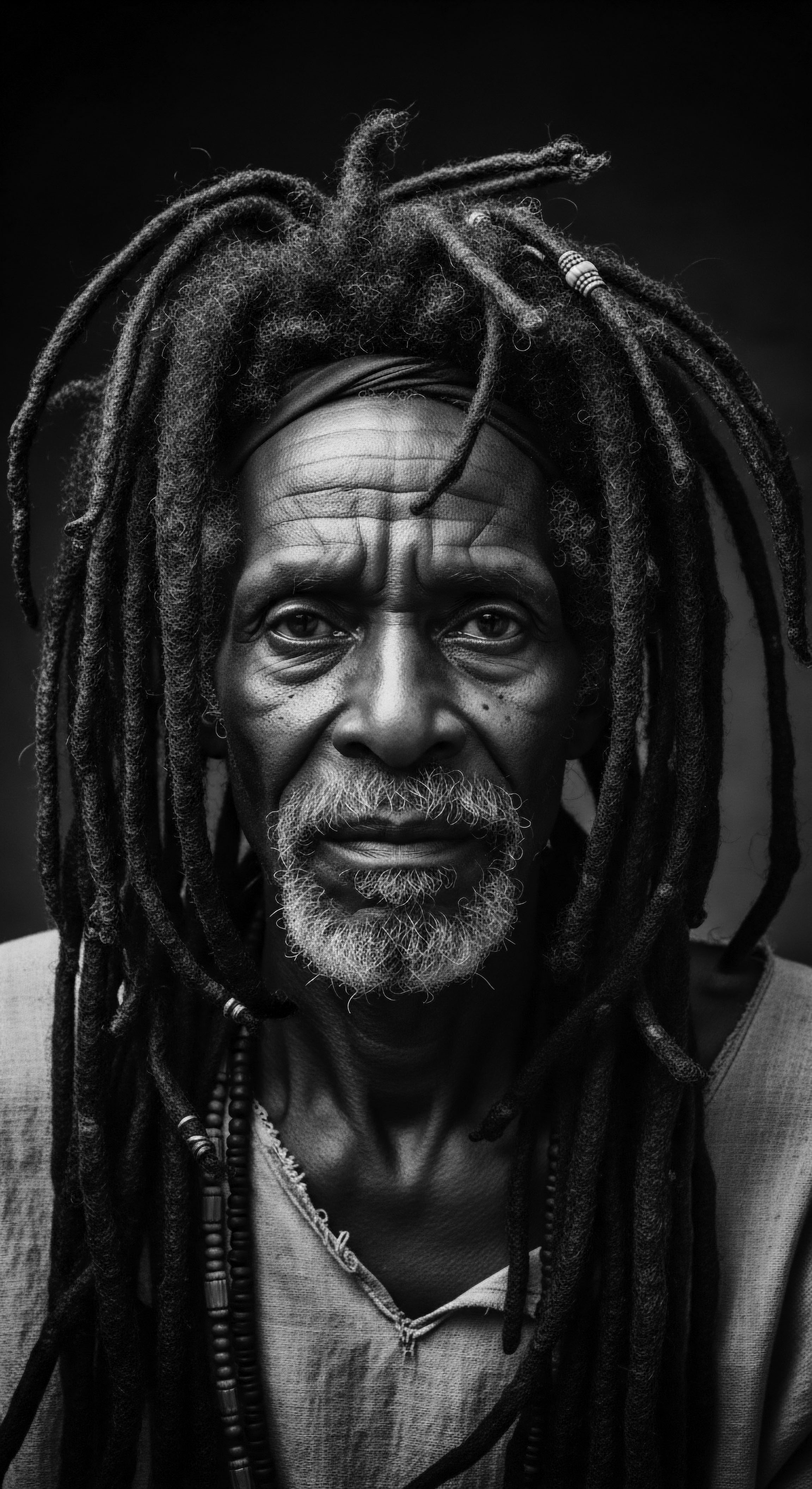
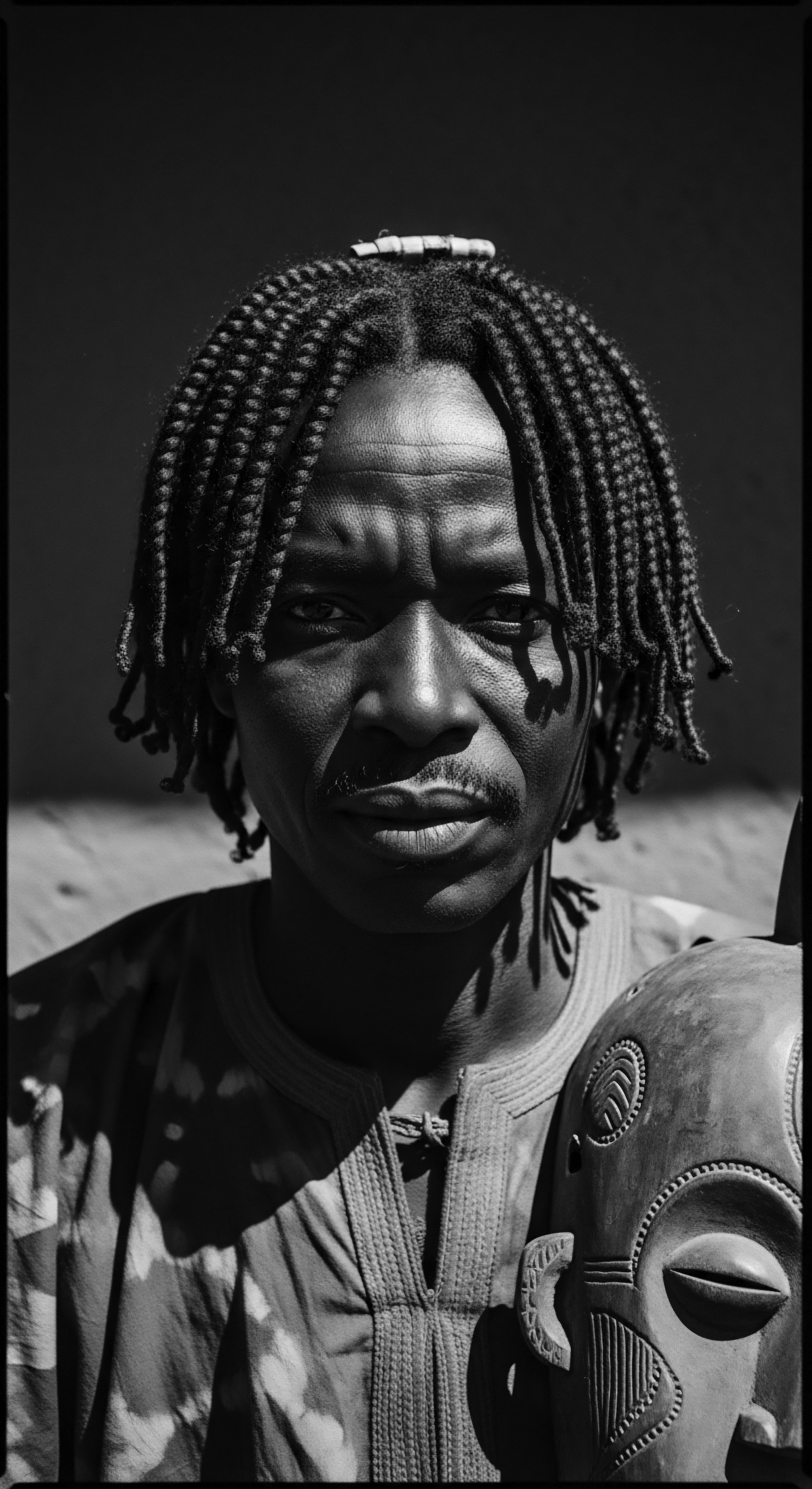
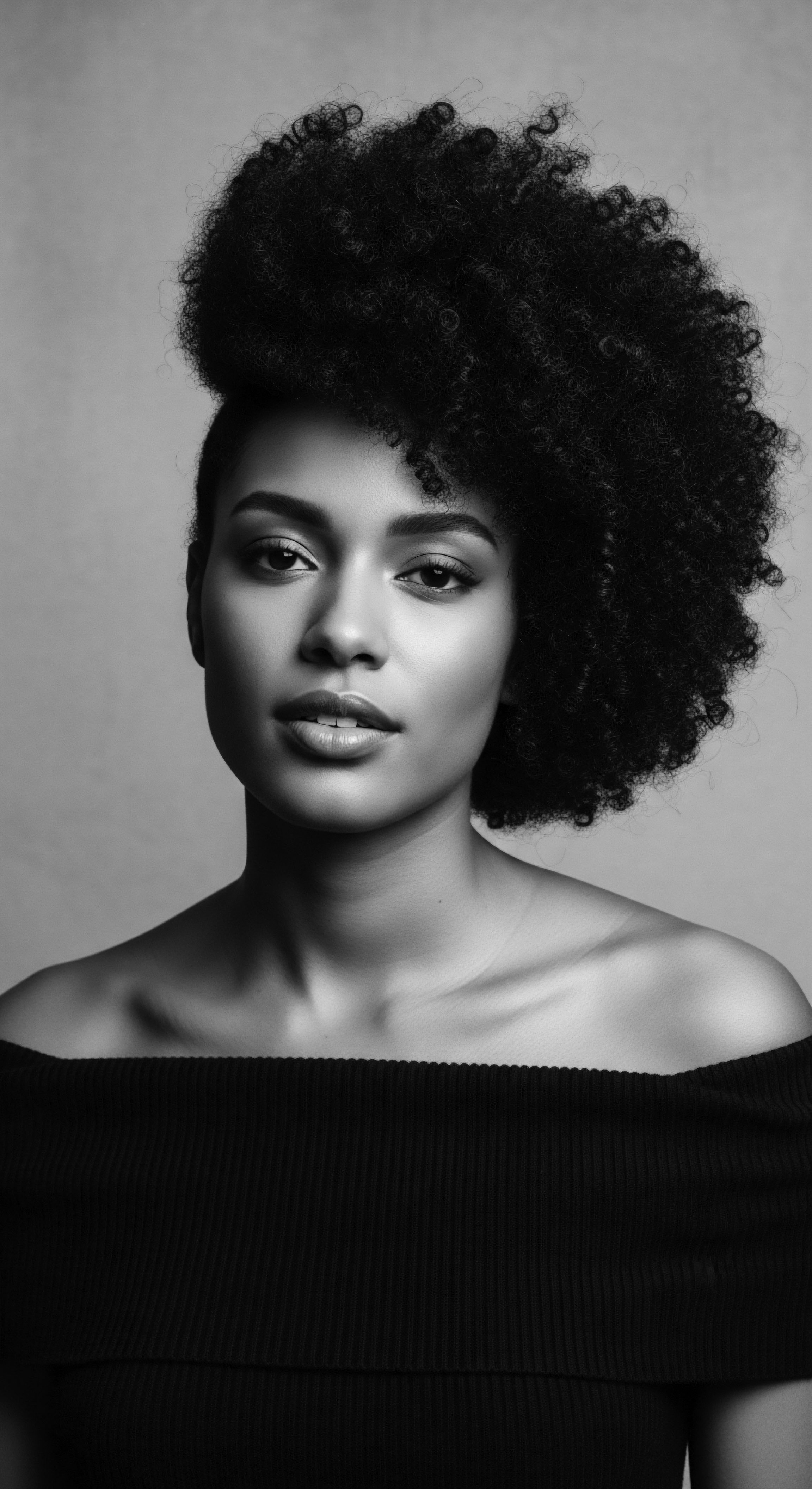
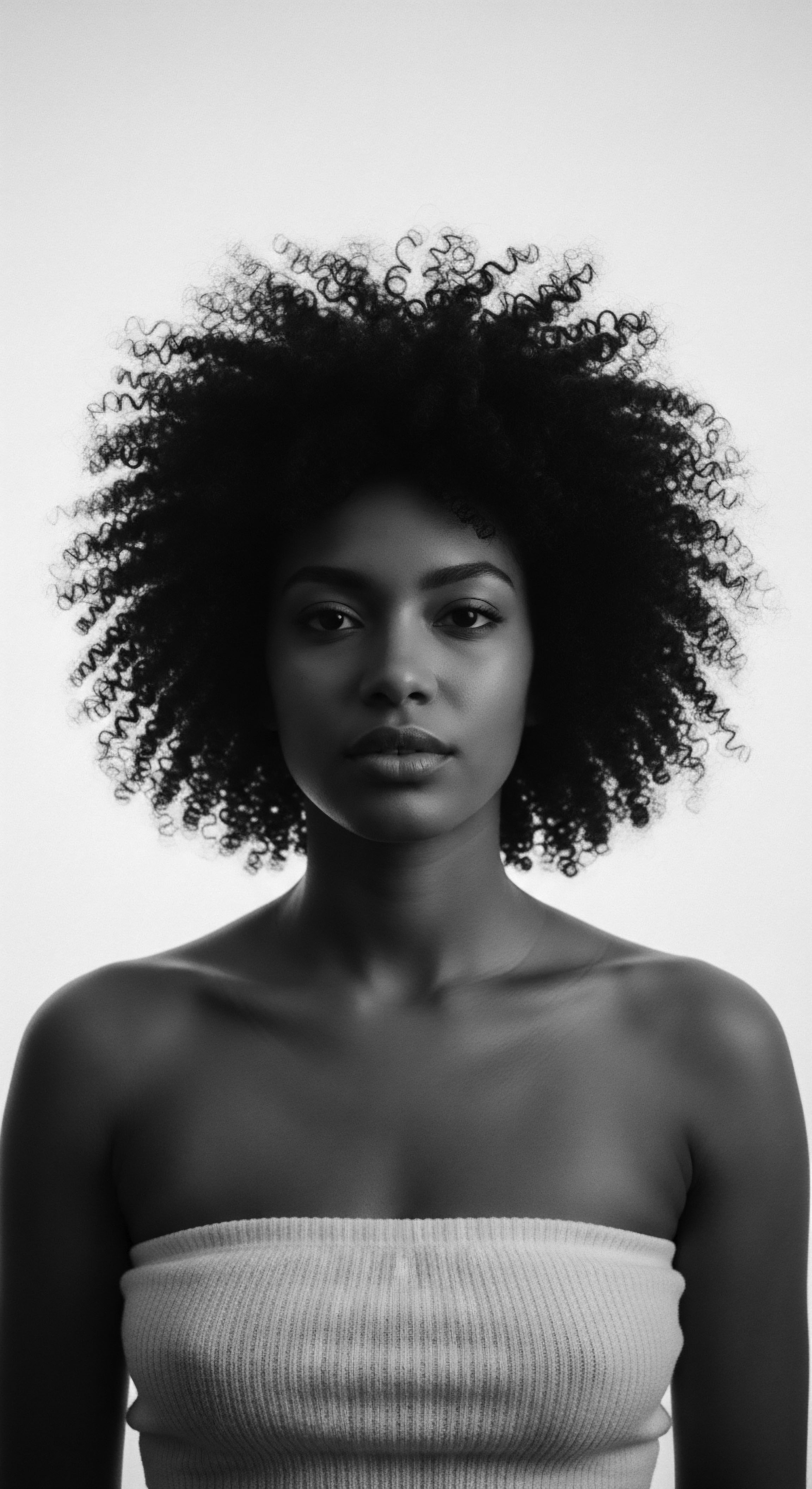
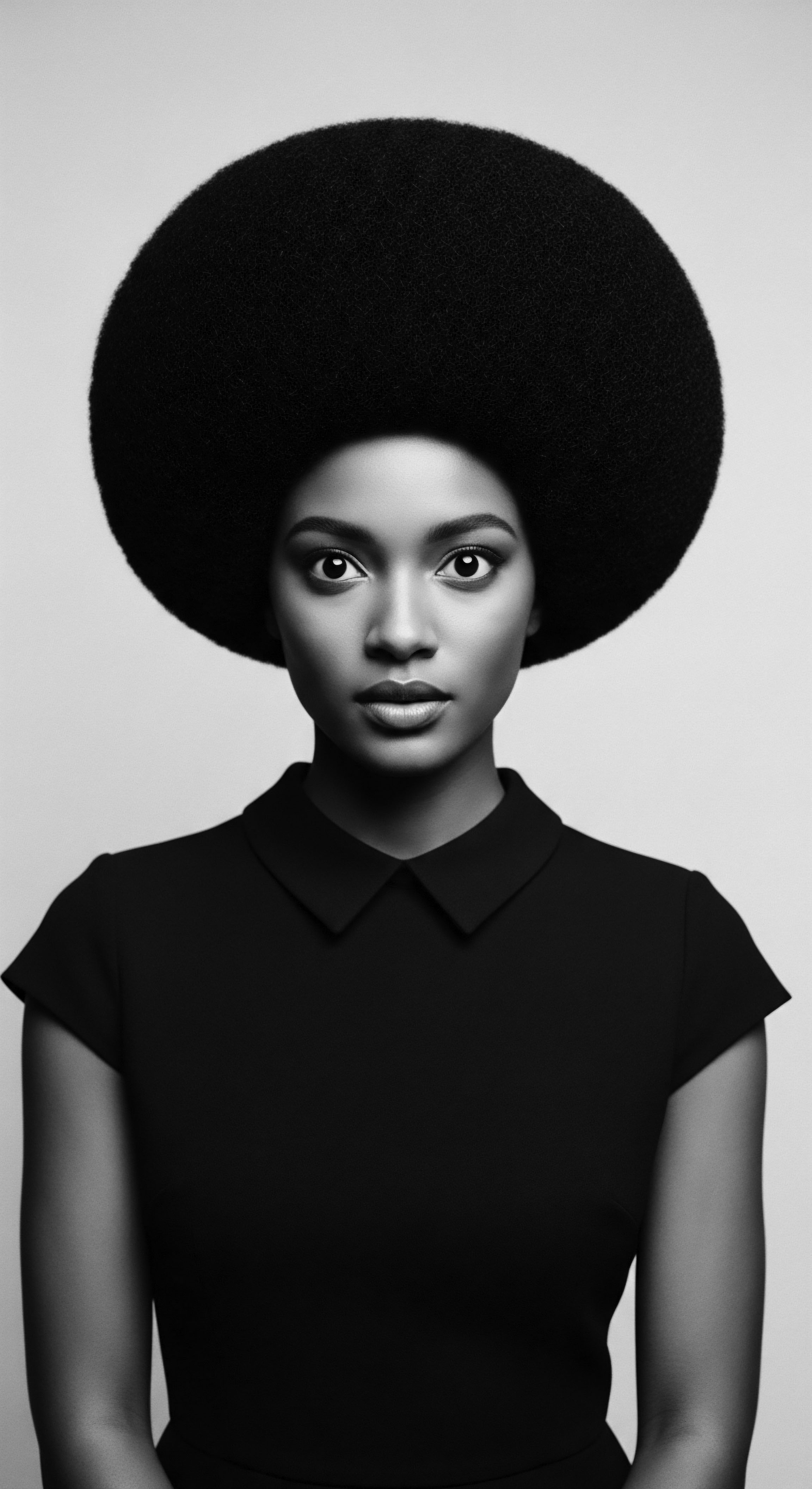
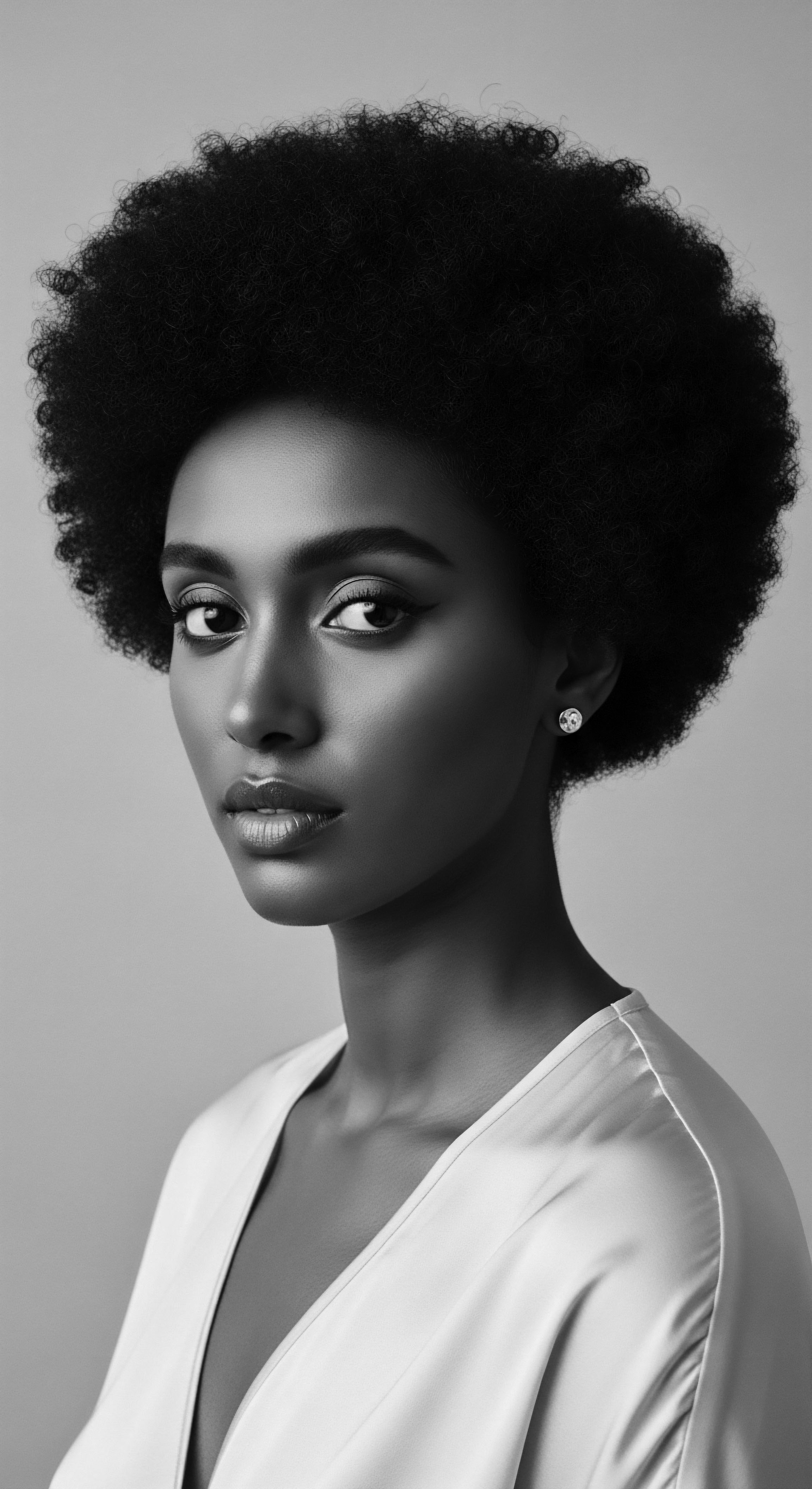
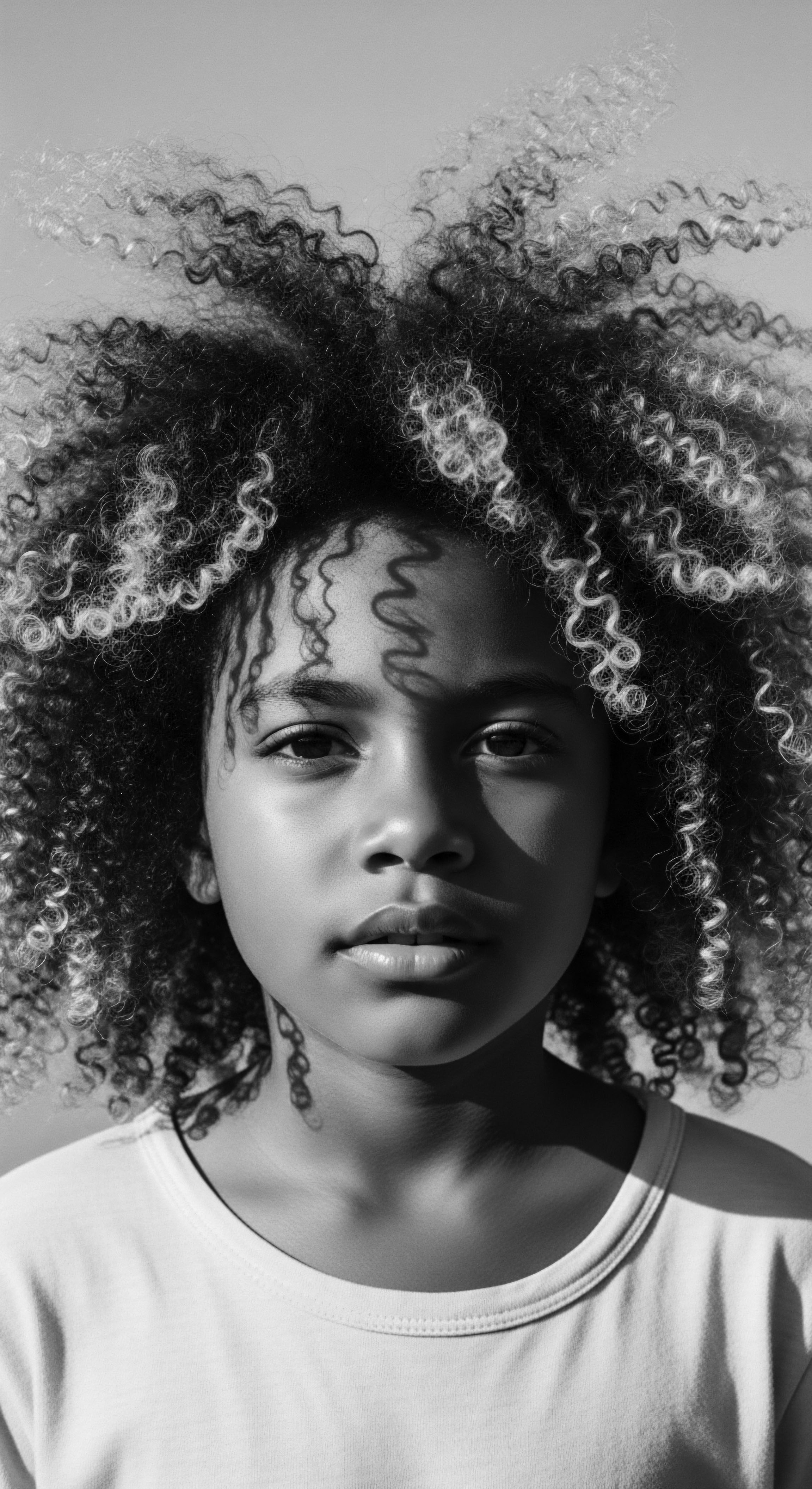
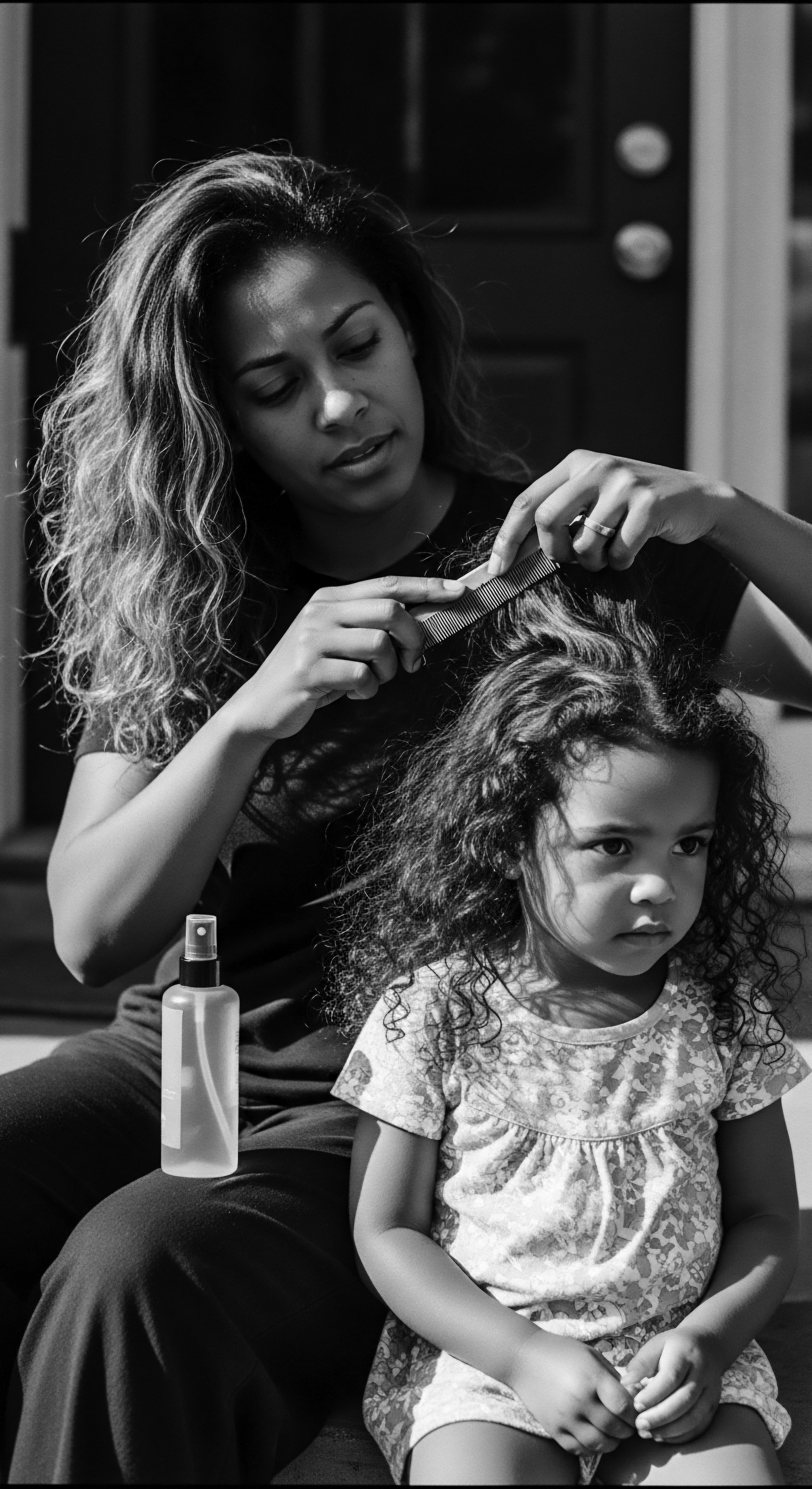
African butters, particularly shea, historically served as essential emollients and protective agents for textured hair adornment, deeply intertwined with cultural identity and ancestral practices.
The historical link between moisturized hair and Black cultural identity is rooted in ancestral practices of care and resilience, deeply woven into textured hair heritage.
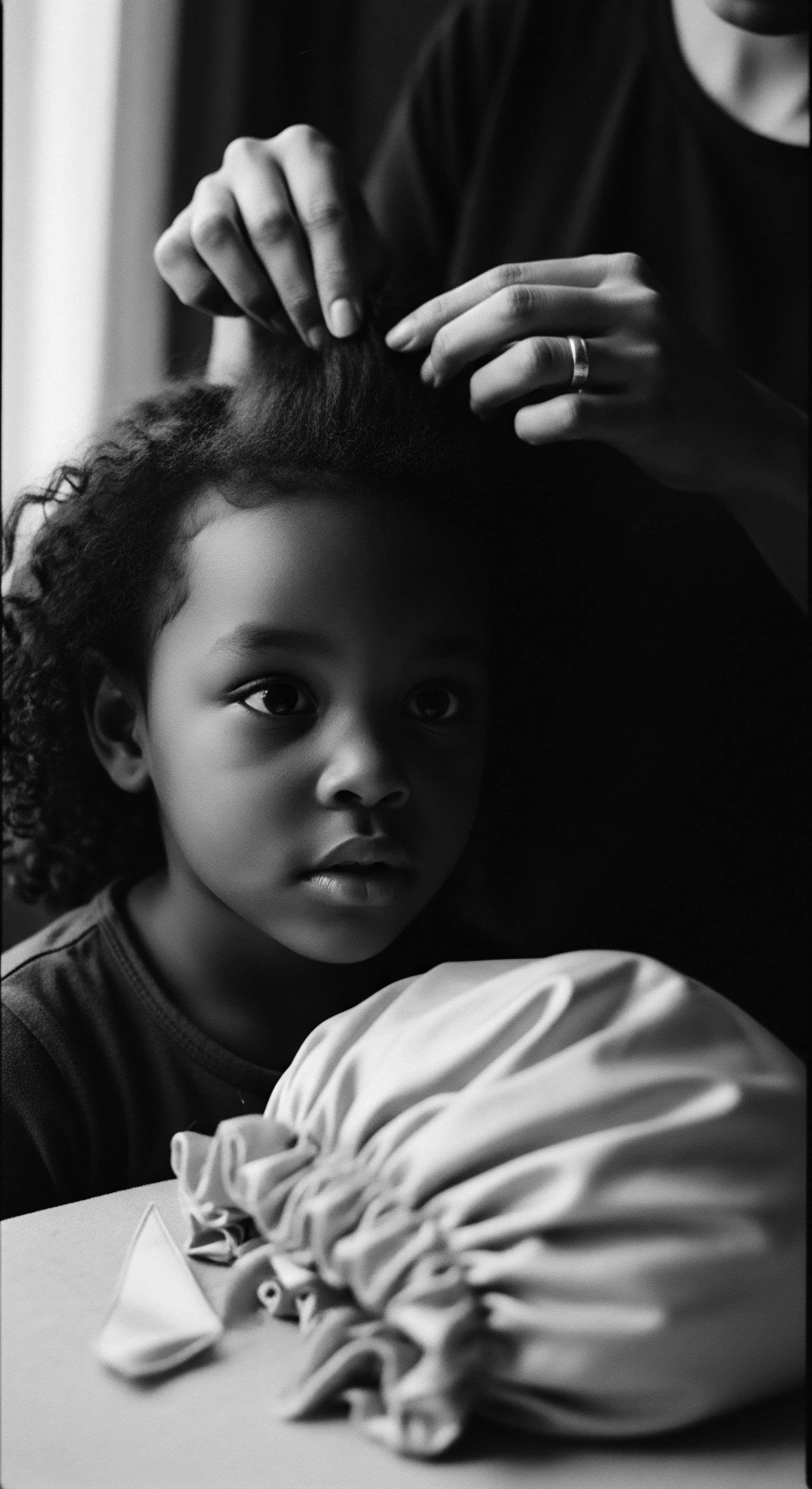
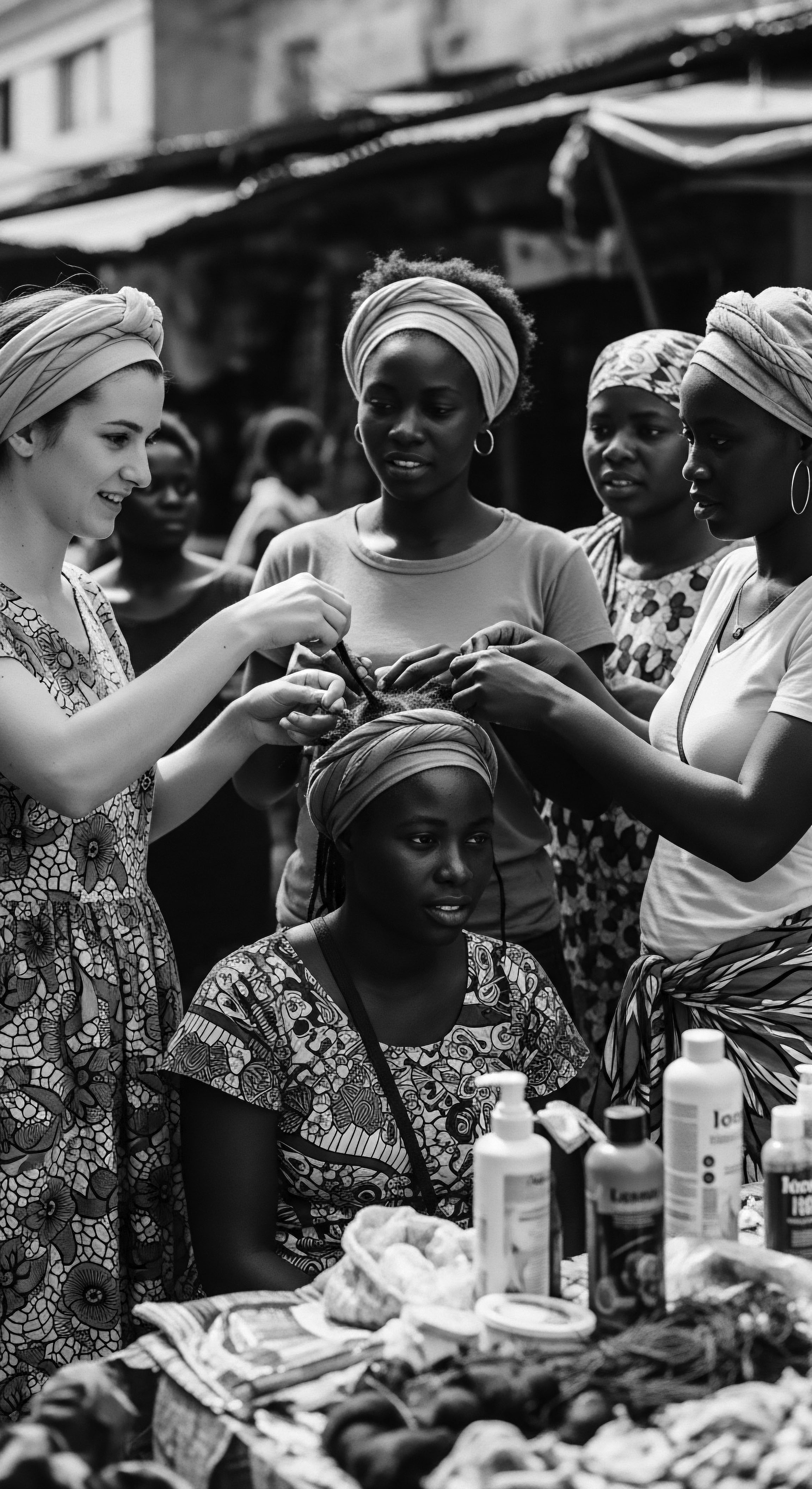
Historical head coverings, rooted in ancestral wisdom, offer a timeless blueprint for modern textured hair routines by safeguarding moisture and protection.
Castor oil's cultural role evolved from ancient African medicinal and beauty practices to a symbol of resilience and identity in textured hair heritage.
Ancient African hair practices endured cultural disruption by transforming into powerful symbols of identity, resistance, and continuity, preserving heritage through adaptive care and communal rituals.
Modern science increasingly validates ancient African hair oiling rituals, affirming their profound efficacy for textured hair heritage through biochemical and structural understanding.
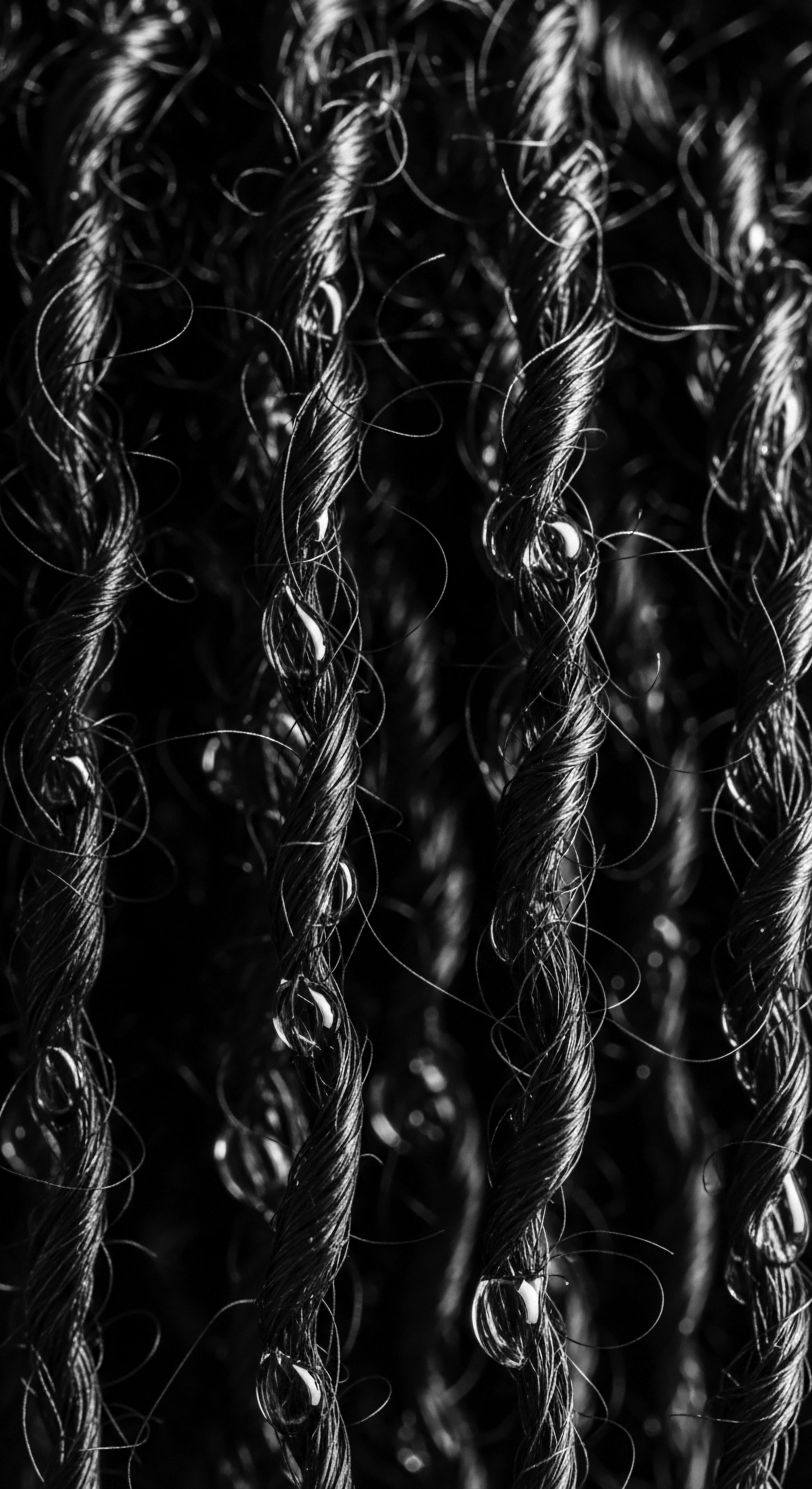
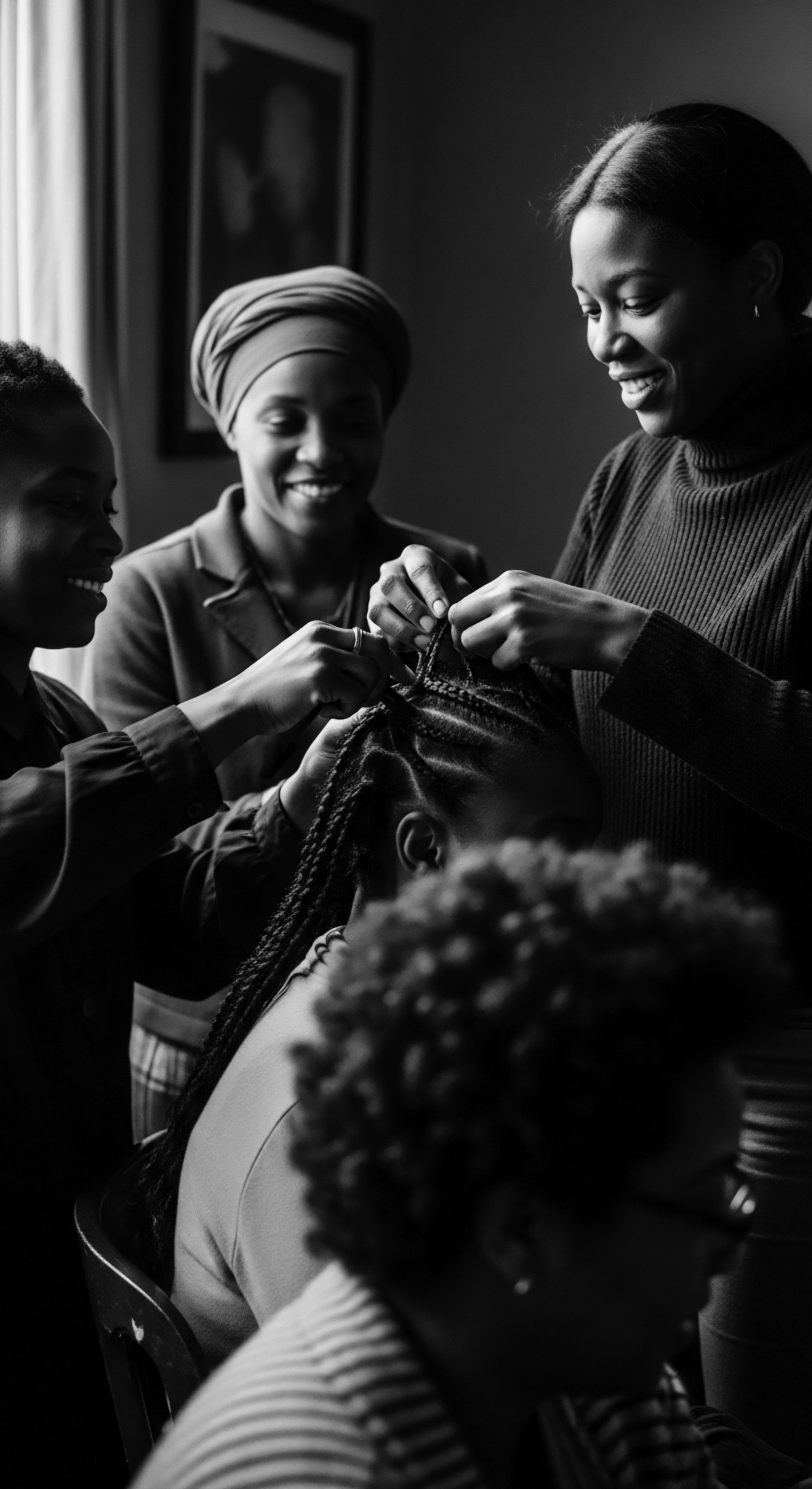
Ancestral protective styles, like braids and twists, preserved textured hair health by minimizing breakage and retaining moisture, reflecting deep heritage wisdom.
Traditional African oils hold profound historical significance, serving as ancestral tools for textured hair care, cultural expression, and communal identity.
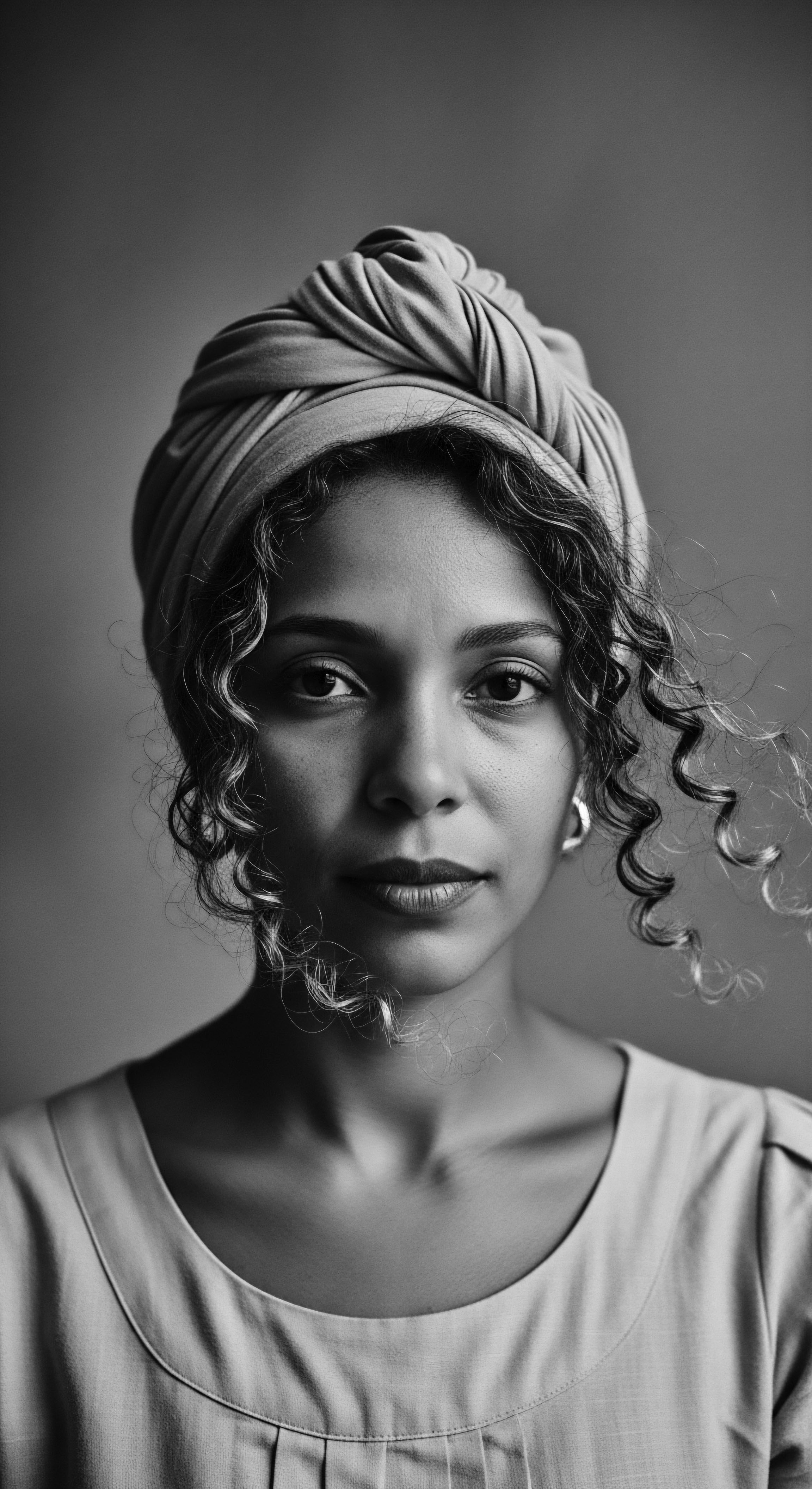
Historical head coverings offer profound lessons for modern textured hair routines, providing insight into protection, moisture retention, and cultural identity.
Enslaved people used textured hair for covert communication, hiding survival tools, and preserving cultural identity through intricate styles and shared rituals.
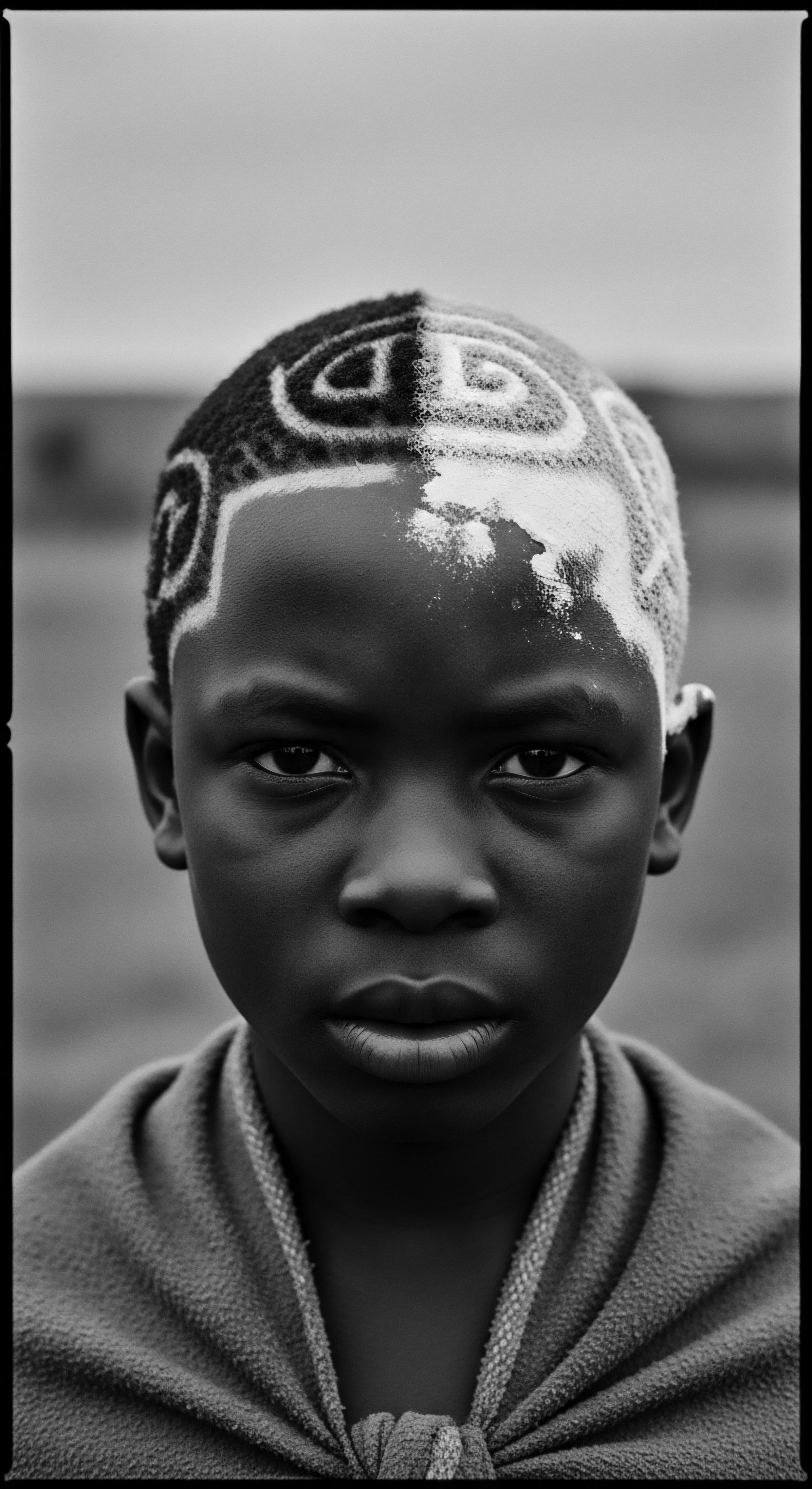
Historical styling techniques profoundly shape contemporary textured hair identity by transmitting ancestral knowledge, cultural resilience, and holistic care practices.
Ancestral hair practices provide a foundational heritage of holistic care, ingredients, and protective styling that deeply informs modern textured hair wellness.
Ancestral practices deeply influence modern textured hair routines through historical protective styling, natural ingredient use, and holistic care rooted in cultural heritage.
Historical head coverings, born from ancestral wisdom, directly shaped modern bonnets by emphasizing friction reduction and moisture retention for textured hair heritage.
Traditional ingredients like shea butter and chebe powder protect textured hair by sealing moisture and reinforcing strands, echoing ancestral heritage.
The best hair bonnet materials, such as silk, satin, and bamboo lyocell, minimize friction and retain moisture, continuing a long heritage of textured hair protection.
Hair discrimination attacks textured hair heritage, undermining identity and cultural expression through historical bias and ongoing societal pressure.
Specific textured hair ingredients hold deep historical significance, reflecting ancestral wisdom, cultural identity, and resilience across Black and mixed-race heritage.
We use cookies to personalize content and marketing, and to analyze our traffic. This helps us maintain the quality of our free resources. Manage your preferences below.
This helps support our free resources through personalized marketing efforts and promotions.
Analytics cookies help us understand how visitors interact with our website, improving user experience and website performance.
Personalization cookies enable us to customize the content and features of our site based on your interactions, offering a more tailored experience.