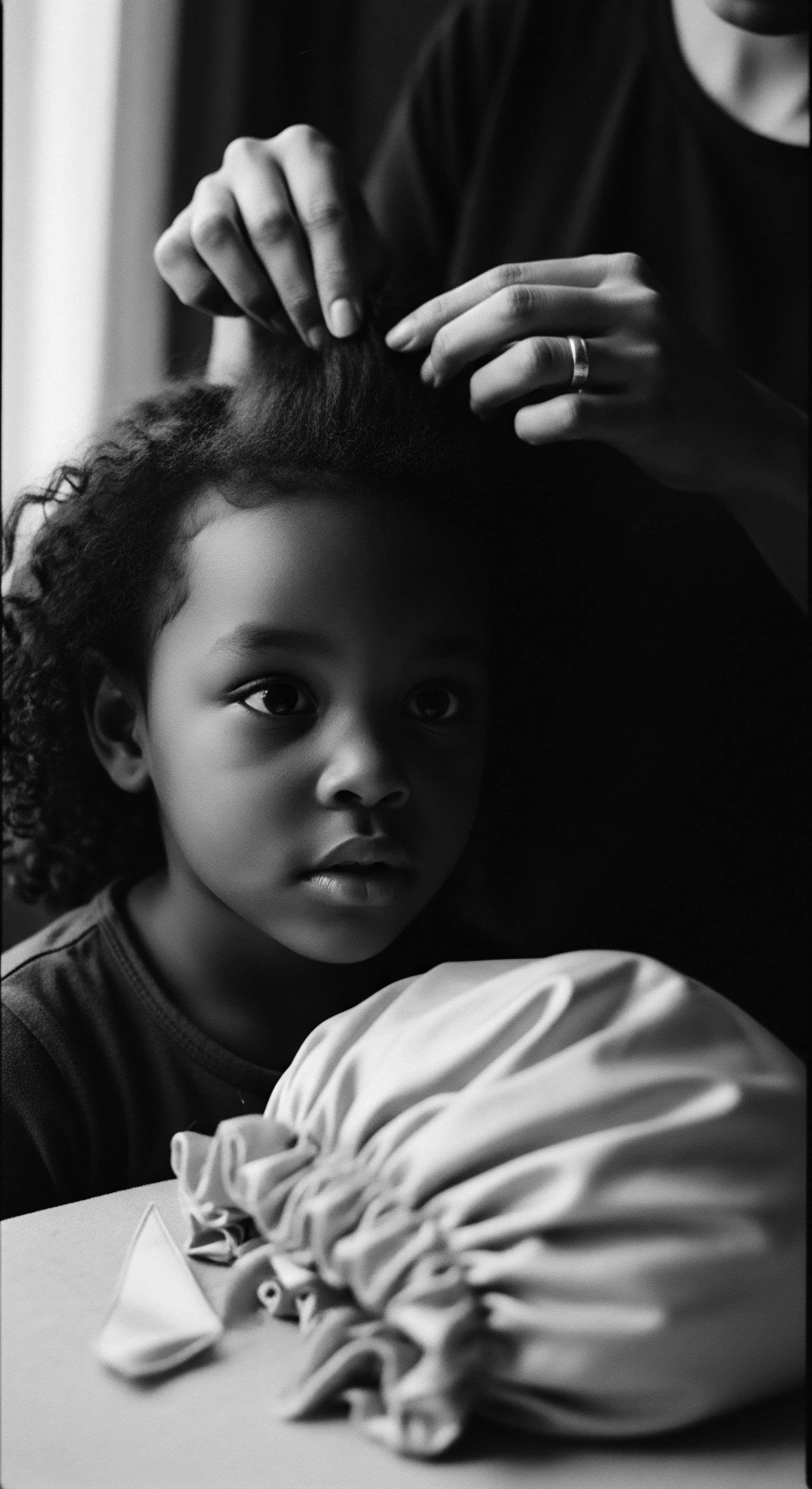
Modern bonnets are a continuation of traditional hair protection practices, stemming from ancestral wisdom to safeguard textured hair from environmental stressors and maintain its health overnight.
The CROWN Act safeguards the right to wear natural and protective textured hairstyles, affirming a deep connection to Black hair heritage and civil rights.
Ancient communities nurtured textured hair with natural ingredients, protective styles, and communal rituals, reflecting deep heritage and cultural significance.
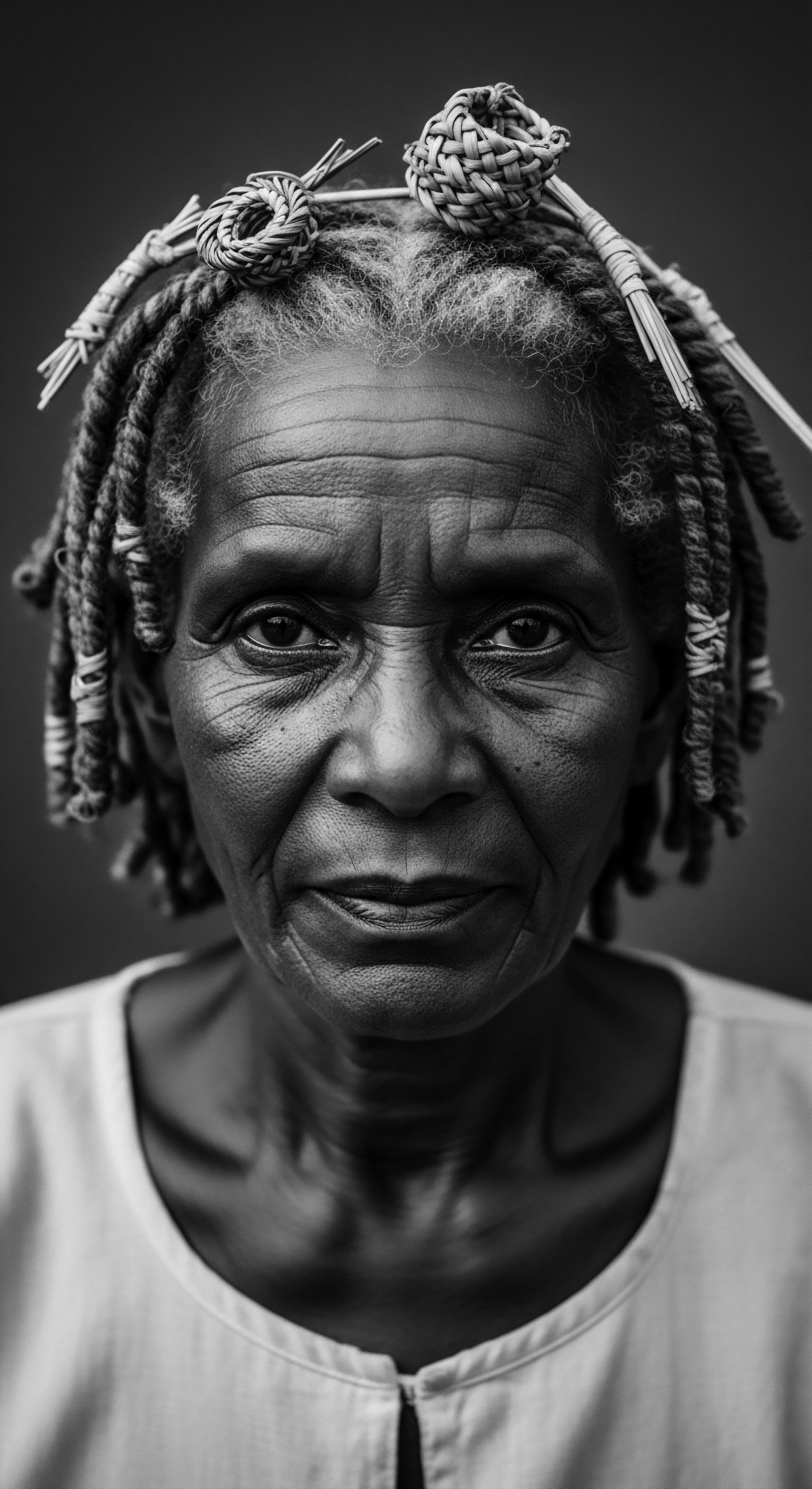
Ancient African hairstyles conveyed status through intricate patterns, adornments, and styles indicating age, marital status, wealth, and tribal heritage.
Ancient hair rituals, steeped in ancestral wisdom, profoundly shape modern textured hair identity and care by providing foundational techniques, ingredients, and a deep cultural heritage.
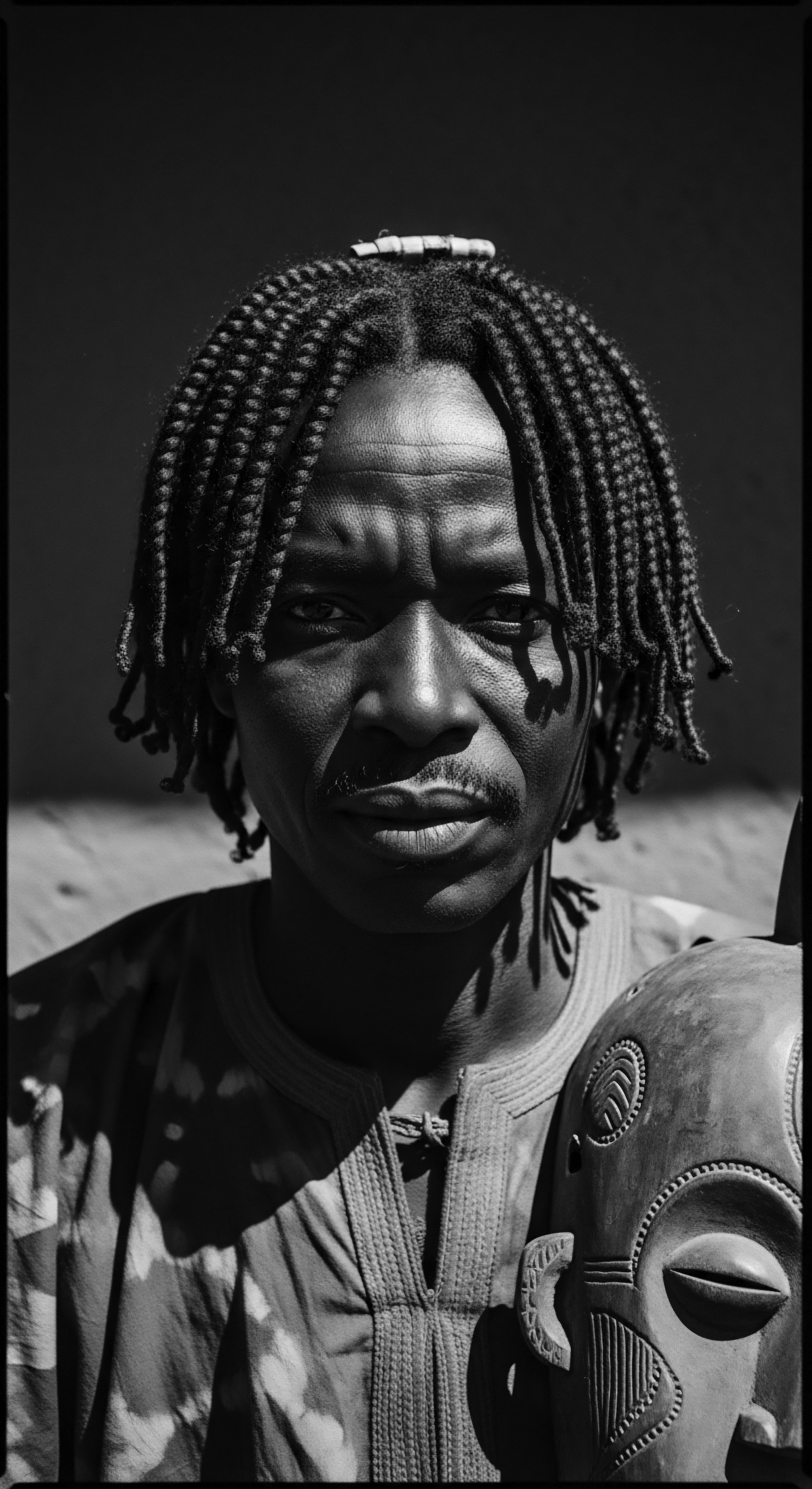
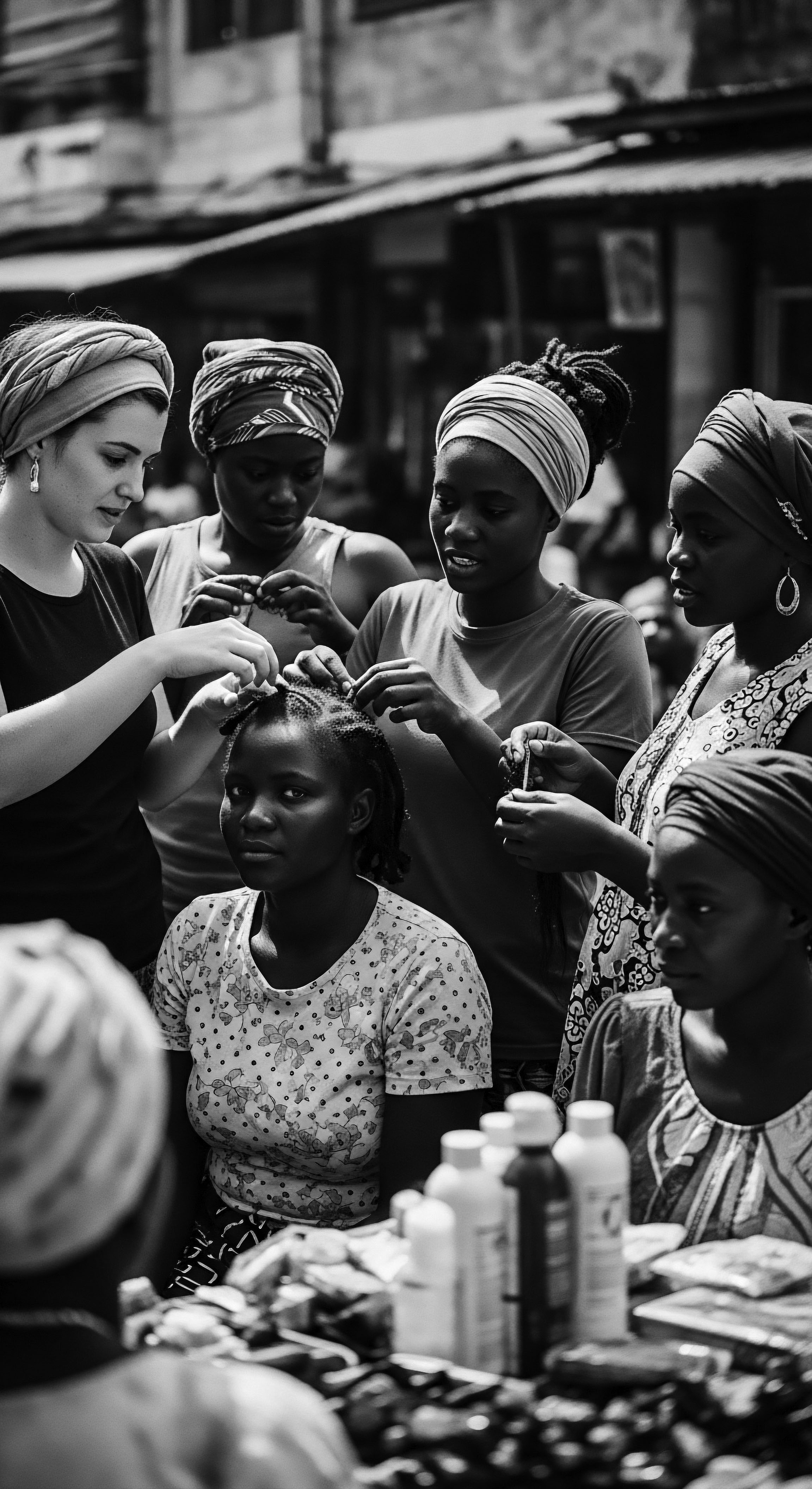
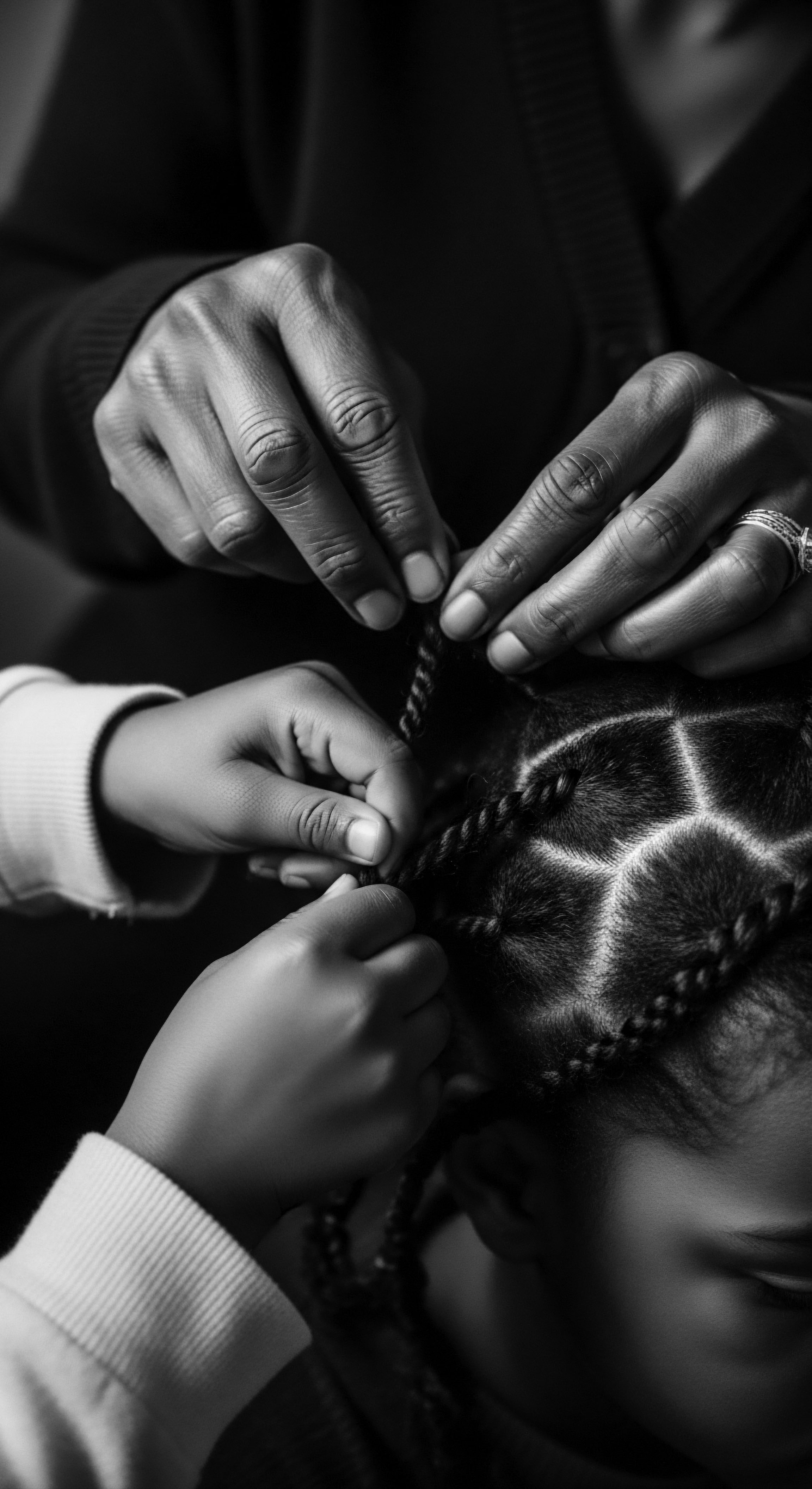
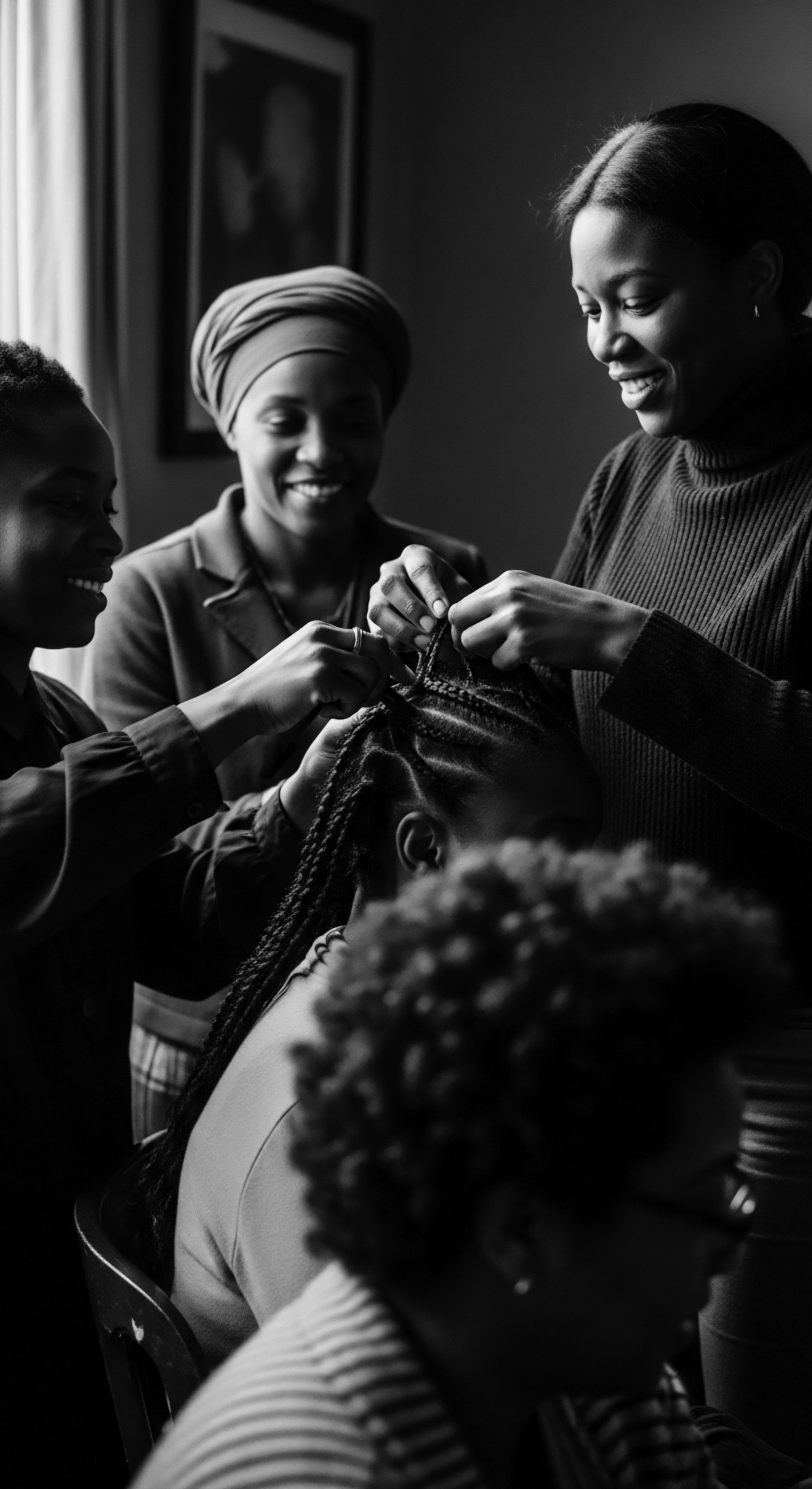
Braiding in African heritage profoundly shaped identity, communication, and community, serving as a protective and symbolic art form for textured hair.
Ancient African communities used hair to convey identity and status through intricate styles, adornments, and rituals, a heritage deeply woven into textured hair's cultural significance.
Traditional practices, deeply rooted in ancestral knowledge, sustained textured hair during oppressive periods through protective styling and natural ingredients, serving as a powerful affirmation of heritage.
Hair for African and diasporic communities holds deep historical significance as a symbol of identity, spirituality, and resistance, deeply rooted in textured hair heritage.
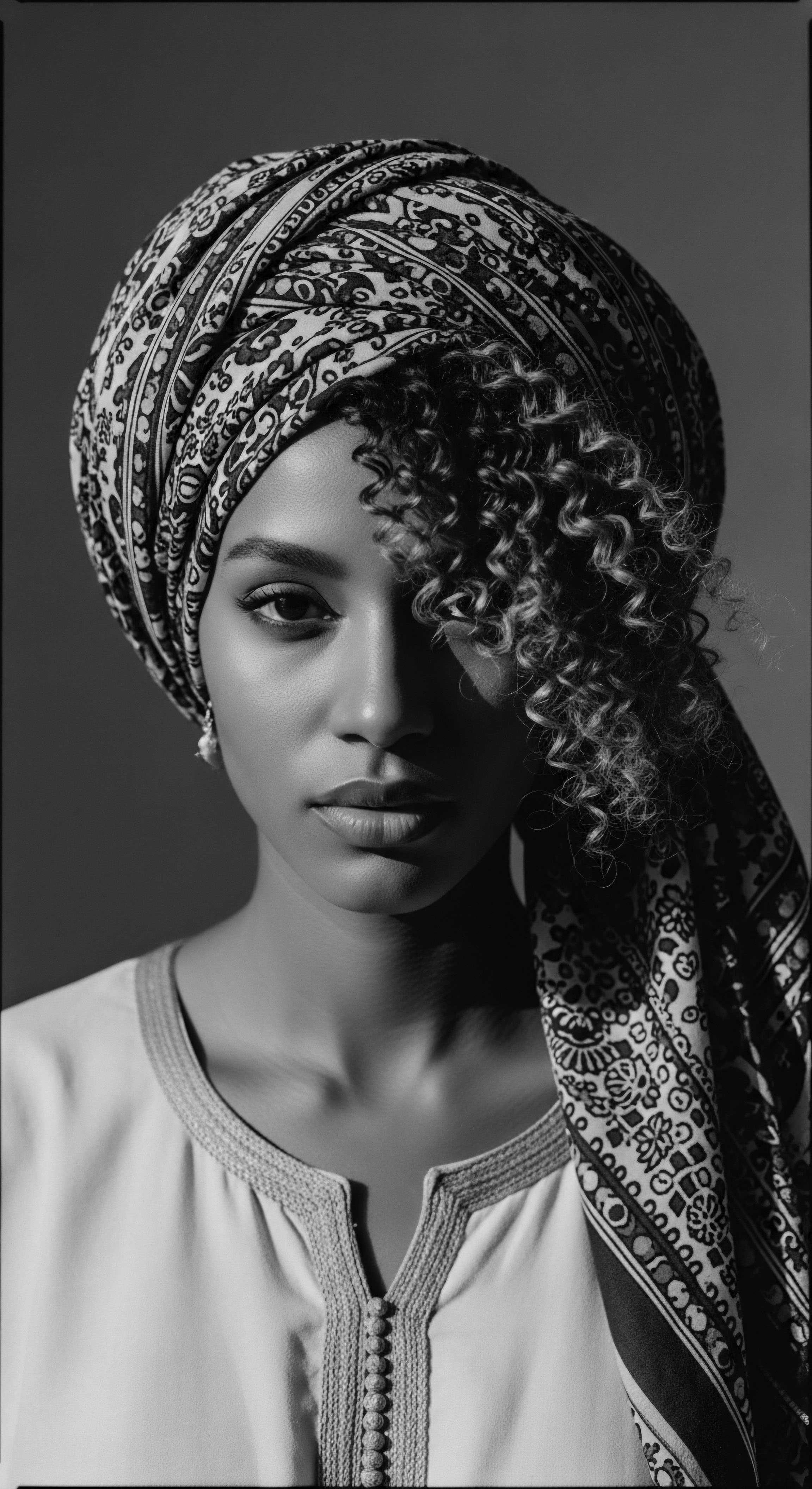
Modern science affirms traditional headwrap practices by demonstrating how smooth fabrics reduce friction, preserving textured hair's delicate structure and moisture.
Early societies cared for textured hair through natural ingredients, protective styling, and communal rituals, reflecting deep cultural heritage and spiritual connections.
Ancient braiding patterns conveyed community standing by visually articulating social roles, marital status, and lineage within textured hair heritage.
Ancestral clay practices, like those of the Himba and North African traditions, preserve textured hair health by cleansing, nourishing, and protecting strands with earth's natural minerals.
Ancestral hair practices, particularly protective styles and communal care, became vital tools for communication, sustenance, and preserving identity, affirming textured hair heritage during enslavement.
Heritage deeply influenced ancient hair care rituals by dictating practices rooted in the unique needs of textured hair, communal identity, and spiritual connection.
Historical evidence shows textured hair as a resistance tool through covert communication, cultural preservation, and identity assertion, deeply rooted in Black heritage.
Cornrows served as hidden maps by encoding escape routes, directions, and vital supplies within their intricate patterns and concealed objects, a testament to textured hair heritage.
We use cookies to personalize content and marketing, and to analyze our traffic. This helps us maintain the quality of our free resources. Manage your preferences below.
This helps support our free resources through personalized marketing efforts and promotions.
Analytics cookies help us understand how visitors interact with our website, improving user experience and website performance.
Personalization cookies enable us to customize the content and features of our site based on your interactions, offering a more tailored experience.