How did ancestral hair care influence modern science?
Ancestral hair care, deeply rooted in textured hair heritage, provides empirical wisdom and natural ingredient knowledge that modern science now validates and refines.
What historical precedents inform contemporary hair protection laws?
Historical precedents, like the Tignon Laws, reveal how controlling textured hair served as social suppression, directly informing the contemporary need for legal protection of hair heritage.
What historical hair practices align with modern science?
Historical hair practices for textured hair often align with modern science through their focus on moisture retention, gentle manipulation, and natural ingredient benefits, deeply rooted in heritage.
How did textured hair traditions serve as tools of resistance during slavery?
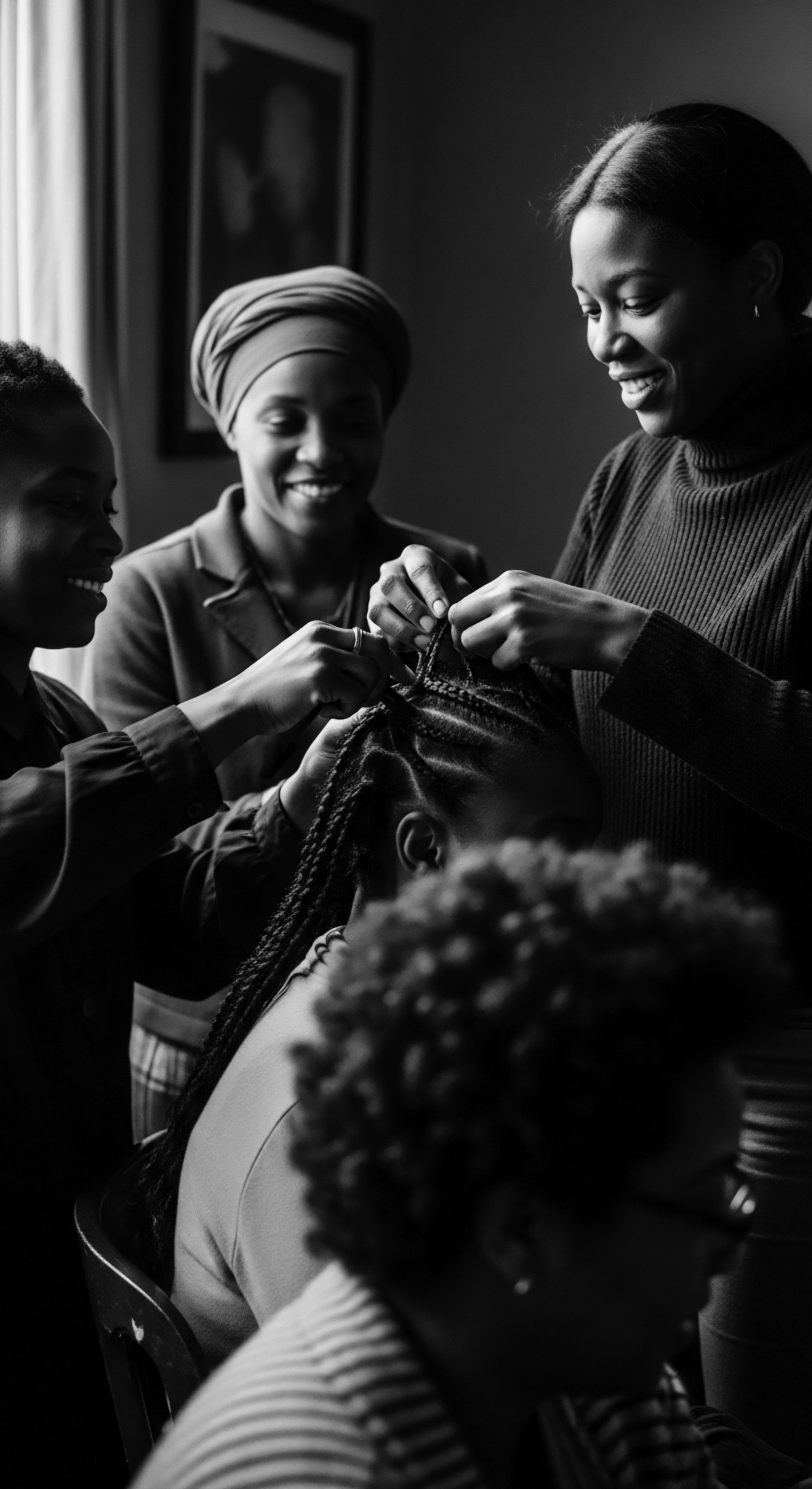
Textured hair traditions provided a clandestine means of communication, survival, and cultural preservation, asserting identity amidst enslavement.
How does hair legislation affirm cultural identity?
Hair legislation affirms cultural identity by legally protecting textured hair, acknowledging its deep connection to ancestral heritage and self-expression.
How do African plants preserve hair strength?
African plants fortify hair strength through compounds like fatty acids and proteins, echoing ancestral heritage in protective care.
How did Black hair become a symbol of resistance and cultural pride through history?
Black hair became a symbol of resistance and pride through its enduring connection to ancestral identity and defiant cultural expression.
Why is understanding textured hair biology central to anti-discrimination efforts?
Understanding textured hair's unique biology is central to anti-discrimination efforts, affirming its heritage and dismantling systemic bias.
How do traditional shea butter practices support African women’s heritage?
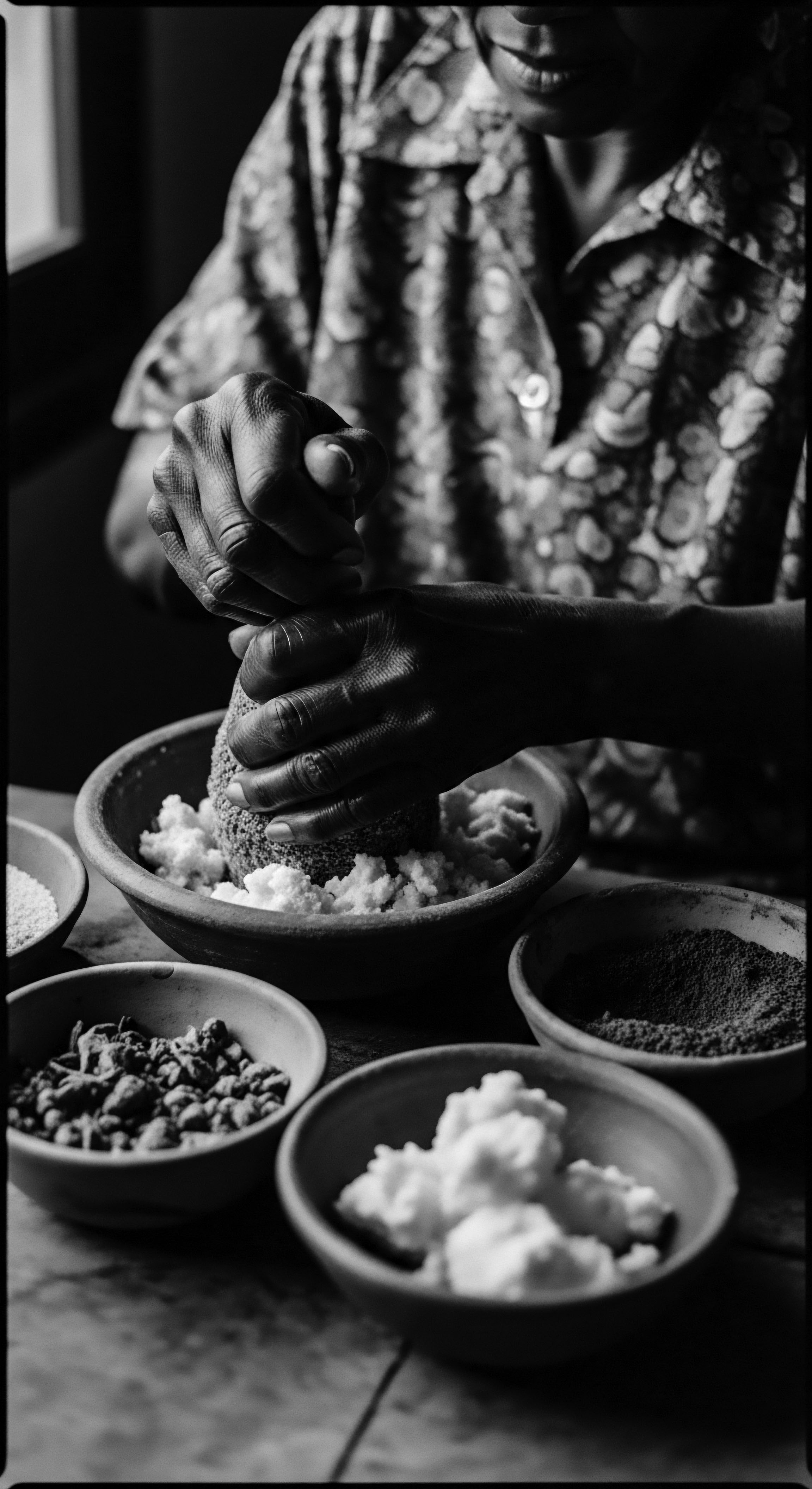
Traditional shea butter practices deeply support African women's heritage by preserving ancestral hair care wisdom and fostering economic autonomy.
In what ways do traditional hair care practices from Africa influence modern moisturizing regimens?
Traditional African hair care practices, centered on natural ingredients and protective styling, directly influence modern moisturizing regimens by prioritizing deep hydration and moisture retention for textured hair heritage.
What ancestral hair practices protected textured hair in antiquity?
Ancestral hair practices protected textured hair through meticulous braiding, nourishing oil applications, and culturally significant head coverings.
How did historical oil use shape Black hair identity?
Historical oil use profoundly shaped Black hair identity by providing nourishment, protection, and a vital link to ancestral care practices and cultural heritage.
What oils were fundamental to ancient hair traditions?
Ancient hair traditions deeply relied on oils like castor, shea, and coconut to nourish and protect textured hair, linking care to cultural heritage.
How did ancient African communities moisturize hair?
Ancient African communities moisturized textured hair using natural oils and butters, a heritage practice for vitality.
What traditional hair care practices shaped textured hair heritage?
Traditional hair care practices shaped textured hair heritage by emphasizing moisture, protection, and identity through ancestral wisdom and natural elements.
What historical role did botanicals play in Black hair care traditions?
Botanicals historically provided essential nourishment and protection for Black hair, deeply intertwining with textured hair heritage and ancestral practices.
What historical discrimination led to hair protection laws?
Historical discrimination, particularly against textured hair, led to protection laws like the CROWN Act to affirm Black hair heritage and combat systemic bias.
How does shea butter nourish textured hair?
Shea butter deeply nurtures textured hair by sealing in moisture and protecting delicate strands, continuing a rich ancestral heritage of care.
How does shea butter’s composition aid textured hair?
Shea butter's fatty acids and unsaponifiables seal moisture and protect textured hair, honoring ancestral care practices for resilience.
What historical events solidified hair as a symbol of Black defiance?
Historical events, from slavery's forced dehumanization to the Civil Rights movement and modern CROWN Act, solidified Black hair as a profound symbol of defiance and cultural heritage.
How did ancient braids convey identity?
Ancient braids, particularly in textured hair cultures, served as dynamic chronicles of identity, lineage, and community history.
How does hair texture connect to cultural identity?
Hair texture connects to cultural identity through ancestral lineage, historical practices, and ongoing expressions of communal heritage.
What historical practices confirm the efficacy of natural ingredients for coils?
Historical practices confirm the efficacy of natural ingredients for coils through centuries of ancestral wisdom and tangible results.
In what ways did textured hair symbolize defiance and identity throughout history?
Textured hair historically symbolized defiance and identity through its inherent structure, ancestral styling, and cultural reclamation.
How does the CROWN Act connect to ancestral hair practices?
The CROWN Act connects to ancestral hair practices by protecting natural textures and styles, affirming heritage against historical discrimination.
How does shea butter’s historical journey illuminate its cultural heritage for textured hair?
Shea butter's historical journey illuminates its cultural heritage for textured hair through ancestral care rituals, communal economic empowerment, and its symbolic role in identity.
Does ancestral hair care validate modern science?
Ancestral hair care, deeply rooted in textured hair heritage, offers intuitive practices often corroborated by modern scientific understanding.
What is the CROWN Act’s core purpose?
The CROWN Act's core purpose is to prohibit race-based hair discrimination, safeguarding the right to wear natural and protective styles rooted in textured hair heritage.
What historical significance do hair practices hold for Black identity?
Black hair practices hold profound historical significance, serving as powerful expressions of identity, resistance, and cultural heritage.