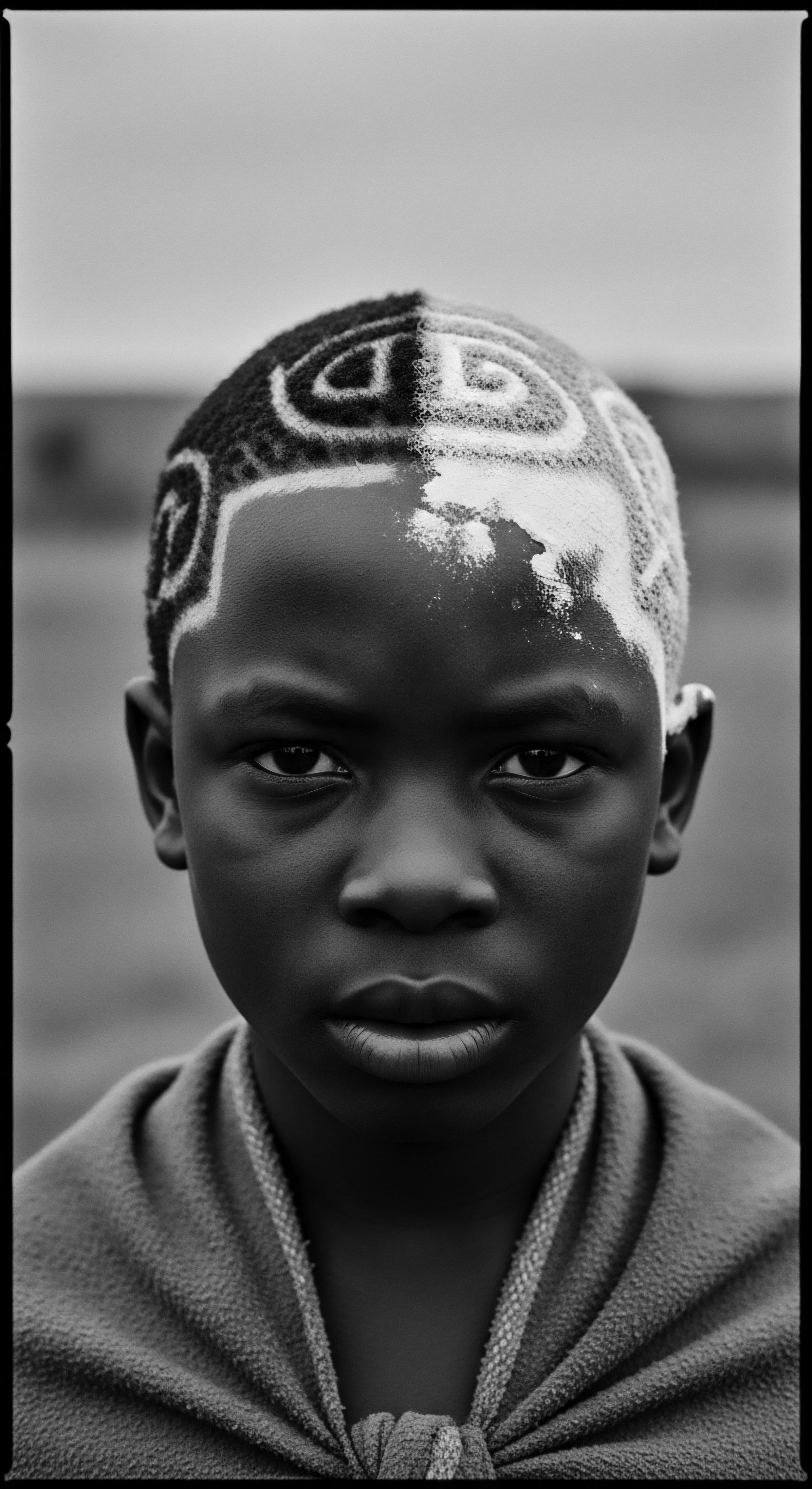
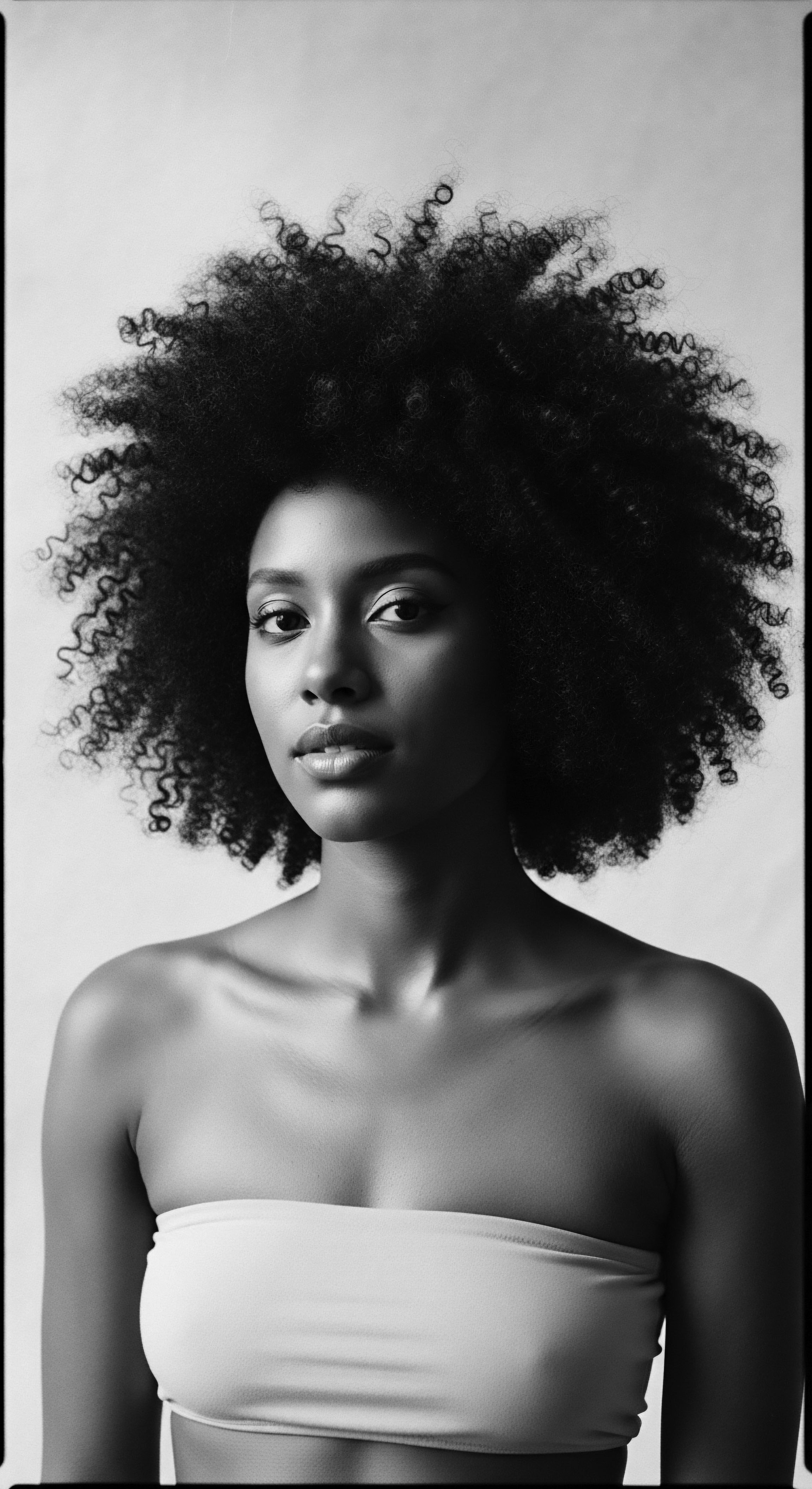
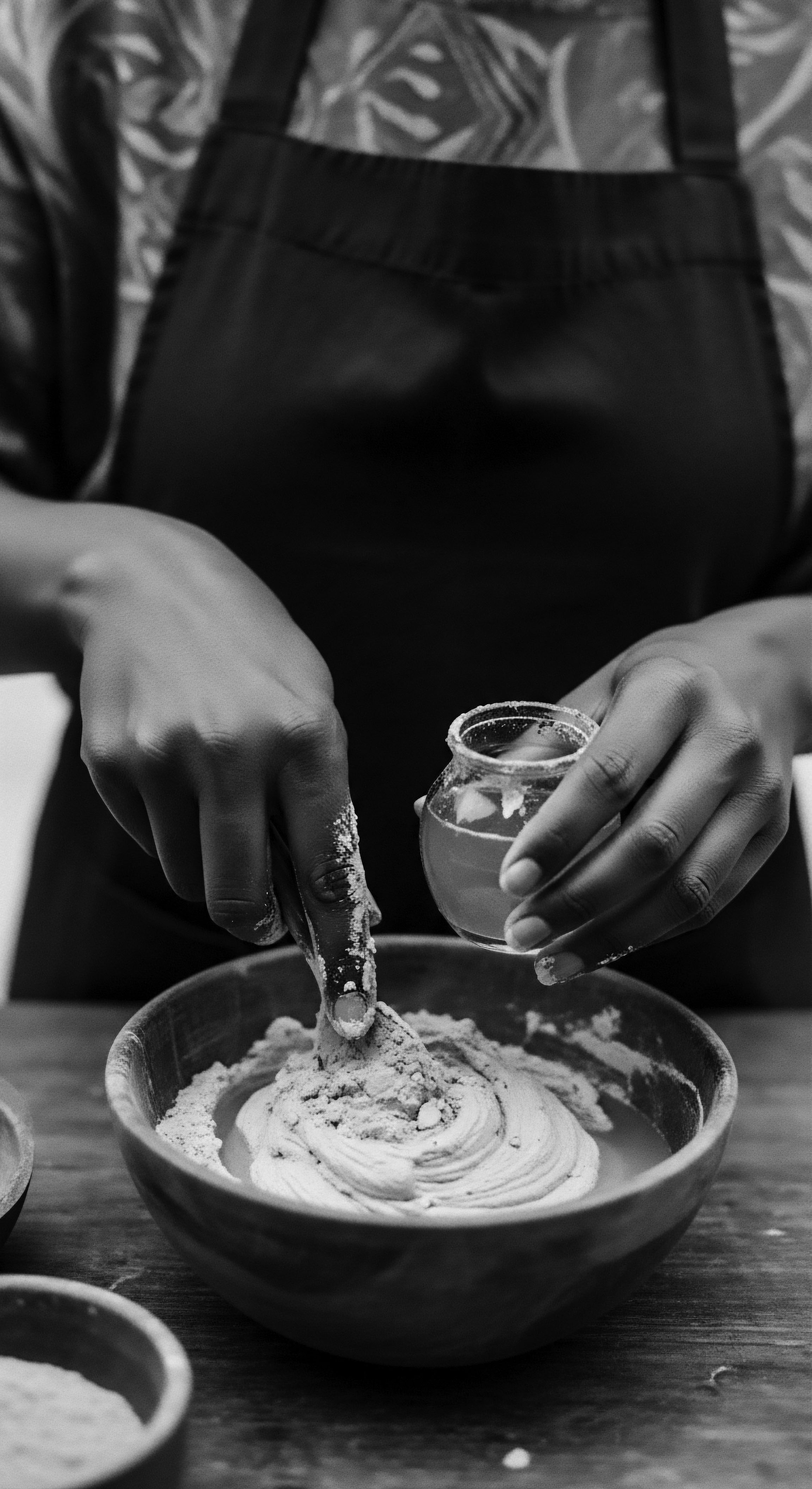
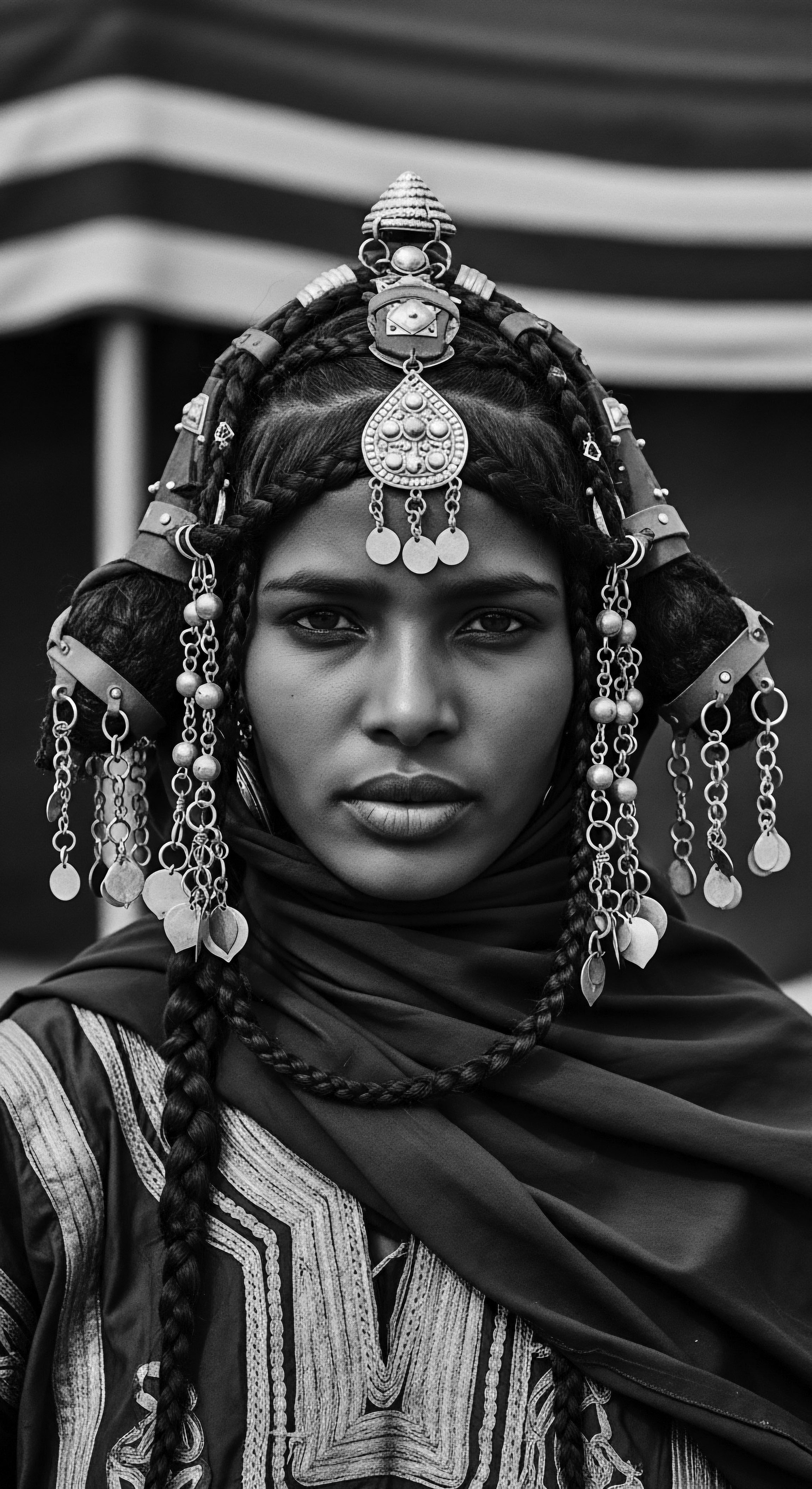
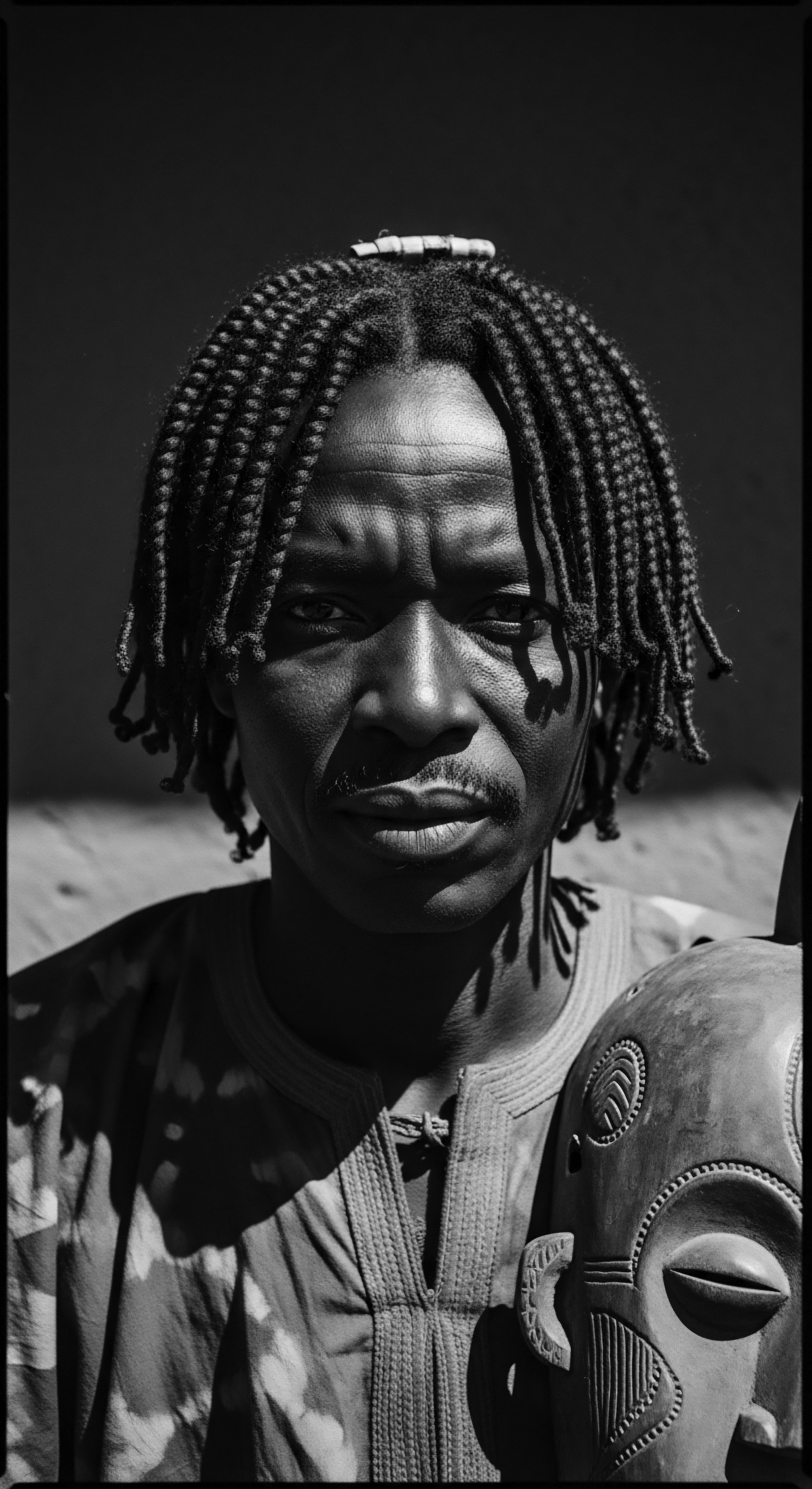
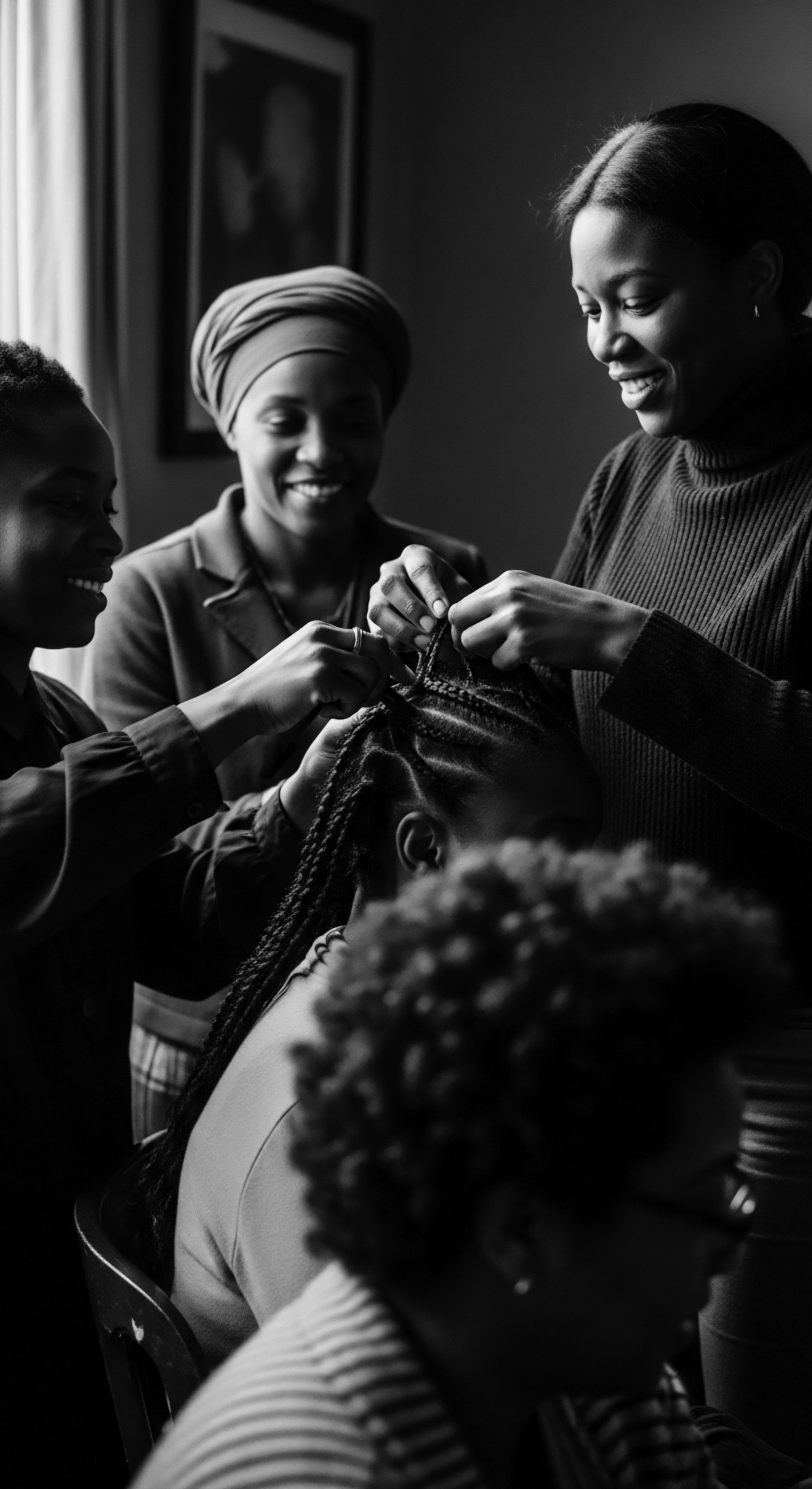
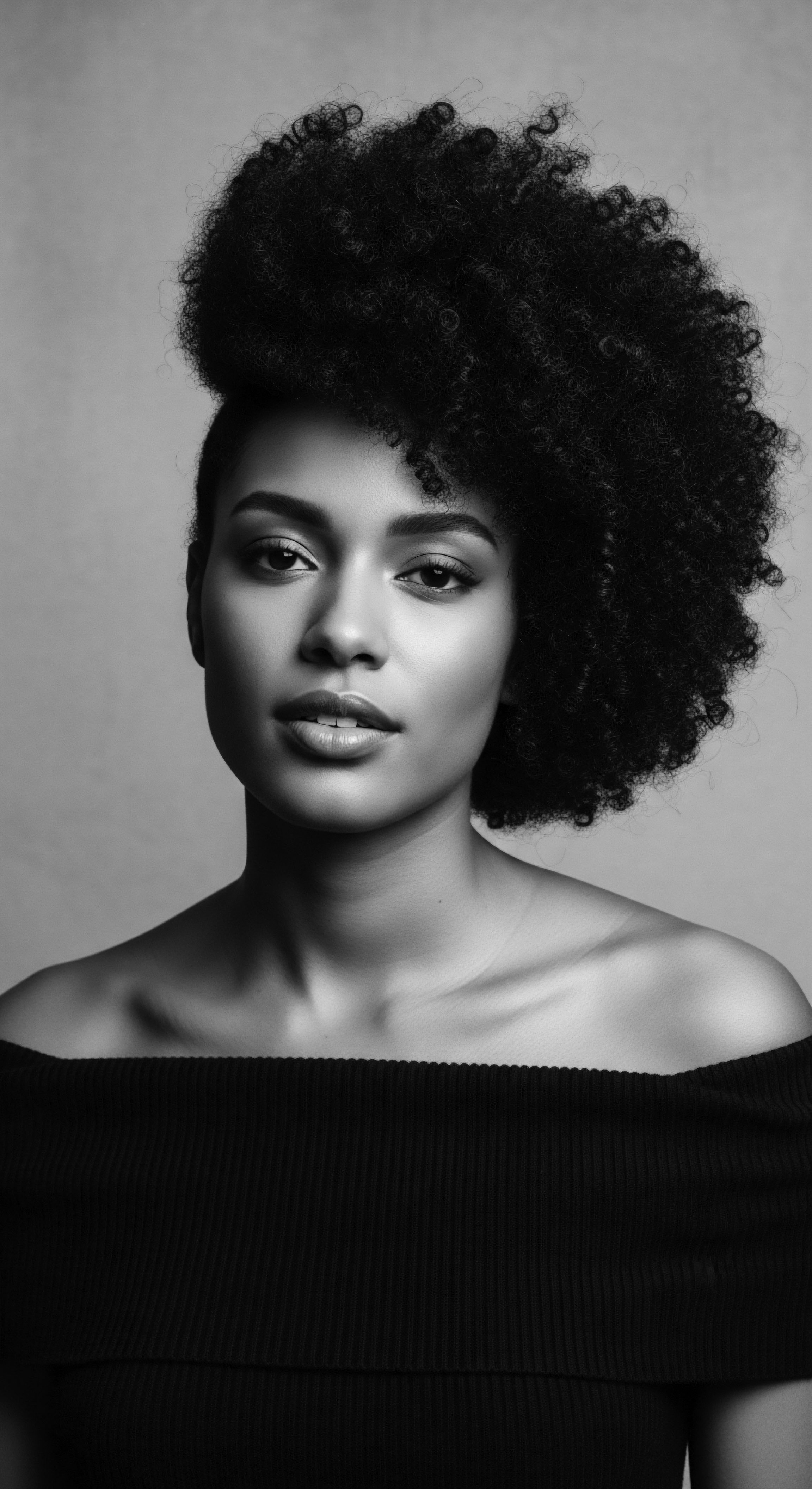
Historical textured hair care methods reveal a profound ancestral wisdom, blending natural resources with cultural significance for holistic well-being.
Textured hair heritage deeply influences today's beauty industry by shaping product innovation, styling practices, and the very definition of beauty standards.
Historical shifts transformed Black hair oil use from ancient protective rituals to acts of resilience and reclamation, deeply preserving textured hair heritage.
Ancestral tools, like combs and pins, profoundly shaped early textured hair practices by enabling care, styling, and the expression of deep cultural heritage.
Early African societies cared for textured hair through protective styling, natural ingredients, and communal rituals that celebrated heritage and identity.
The CROWN Act safeguards textured hair wearers by prohibiting discrimination, allowing cultural expression and fostering self-acceptance grounded in heritage.
Hair tools symbolize cultural resistance by serving as tangible connections to ancestral practices and expressions of self-determination within textured hair heritage.
Modern anti-discrimination laws, like the CROWN Act, legally affirm the heritage of textured hair by protecting culturally significant styles from historical biases.
Traditional textured hair rituals offer scientific benefits by aligning with biological needs for moisture retention, cuticle protection, and reduced manipulation.
Historical textured hair practices endured suppression by transforming into covert communication, cultural resistance, and profound self-preservation rituals.
Protective styling techniques for textured hair stem from ancestral practices safeguarding strands and signifying cultural identity across generations.
Textured hair heritage profoundly guides modern product development by inspiring formulations, styling tools, and holistic care philosophies rooted in ancestral wisdom.
Hair tools historically served as profound cultural markers, embodying ancestral practices, social status, and acts of resistance within textured hair heritage.
Botanical practices deeply rooted in textured hair heritage enhance modern routines by offering time-tested, natural solutions for health and identity.
Hair texture connects to ancestral protection through its biological structure and inherited cultural practices that shielded against environmental harshness and preserved identity.
Traditional nighttime hair protection, rooted in ancestral practices, fundamentally shapes modern textured hair care by prioritizing moisture retention and friction reduction.
Traditional African hair practices profoundly influence modern products by providing foundational knowledge, effective techniques, and inspiring cultural reverence for textured hair heritage.
Historical hair practices contributed to length retention through protective styling, natural emollients, and communal care that honored textured hair's unique heritage.
Traditional hair ingredients are deeply rooted in ancestral wisdom, reflecting centuries of cultural practices and a profound connection to textured hair heritage.
Historical Black hair care practices deeply inform modern textured hair routines by providing foundational techniques, ancestral ingredients, and a profound heritage of identity and resilience.
We use cookies to personalize content and marketing, and to analyze our traffic. This helps us maintain the quality of our free resources. Manage your preferences below.
This helps support our free resources through personalized marketing efforts and promotions.
Analytics cookies help us understand how visitors interact with our website, improving user experience and website performance.
Personalization cookies enable us to customize the content and features of our site based on your interactions, offering a more tailored experience.