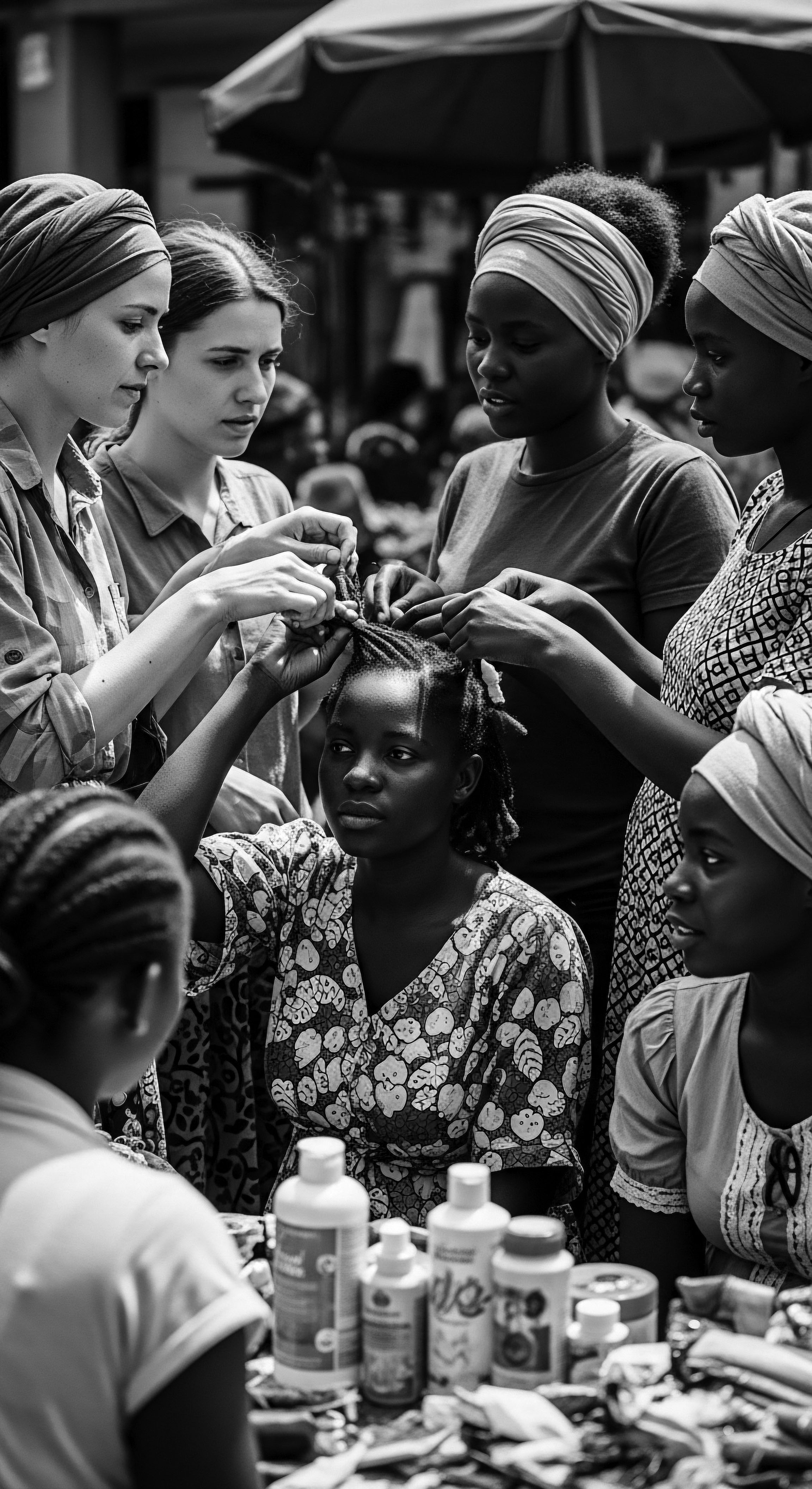
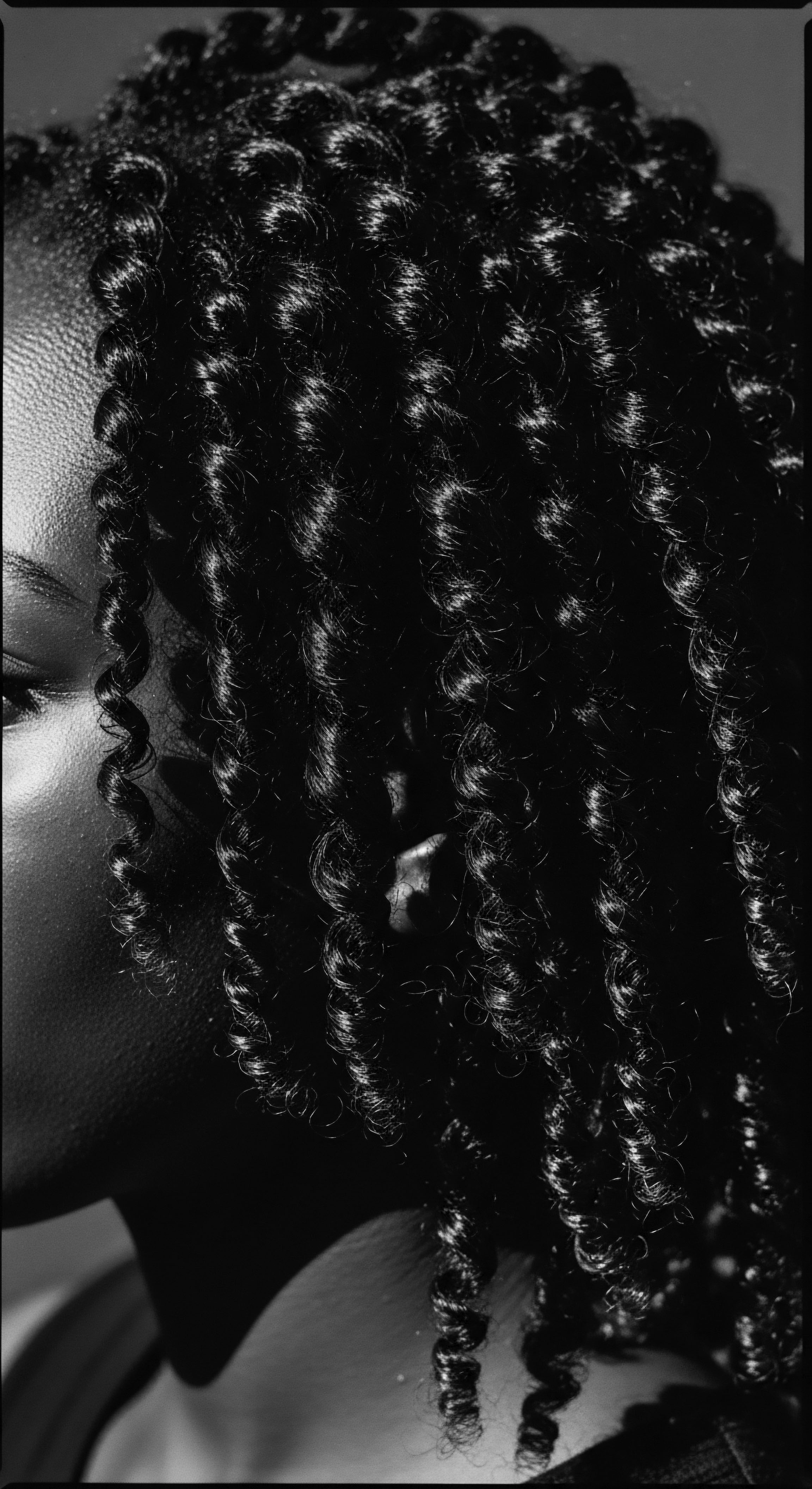
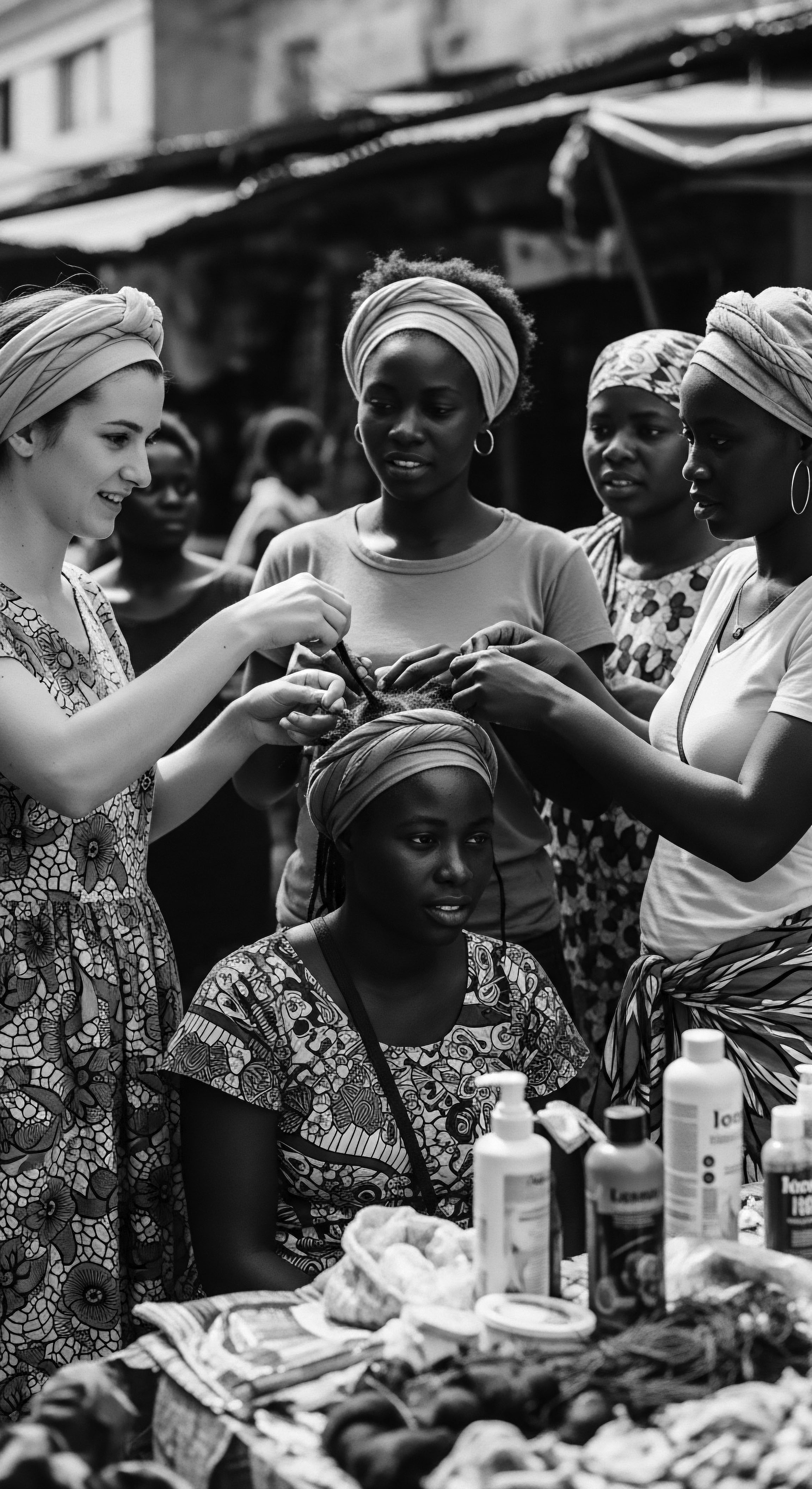
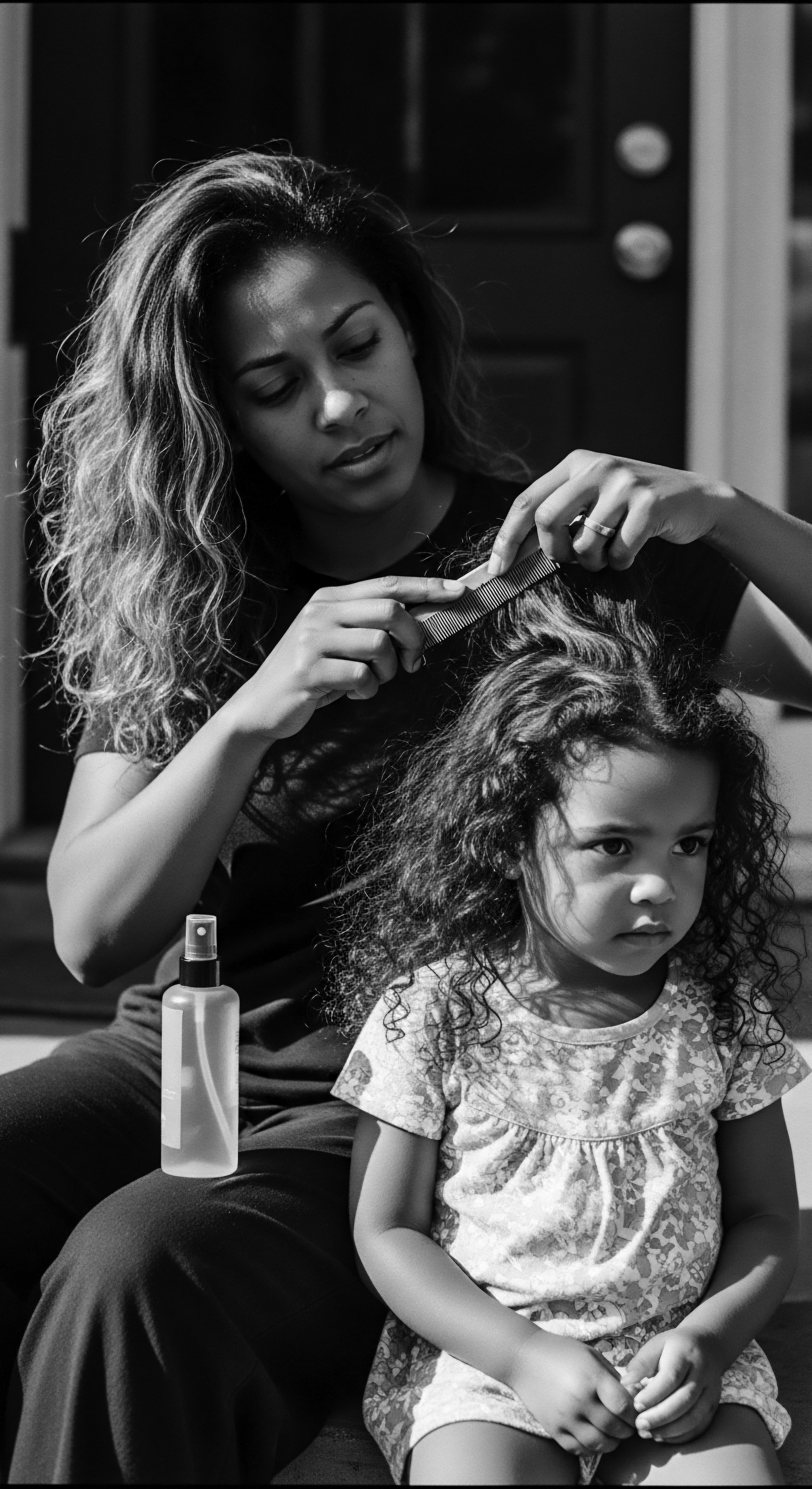
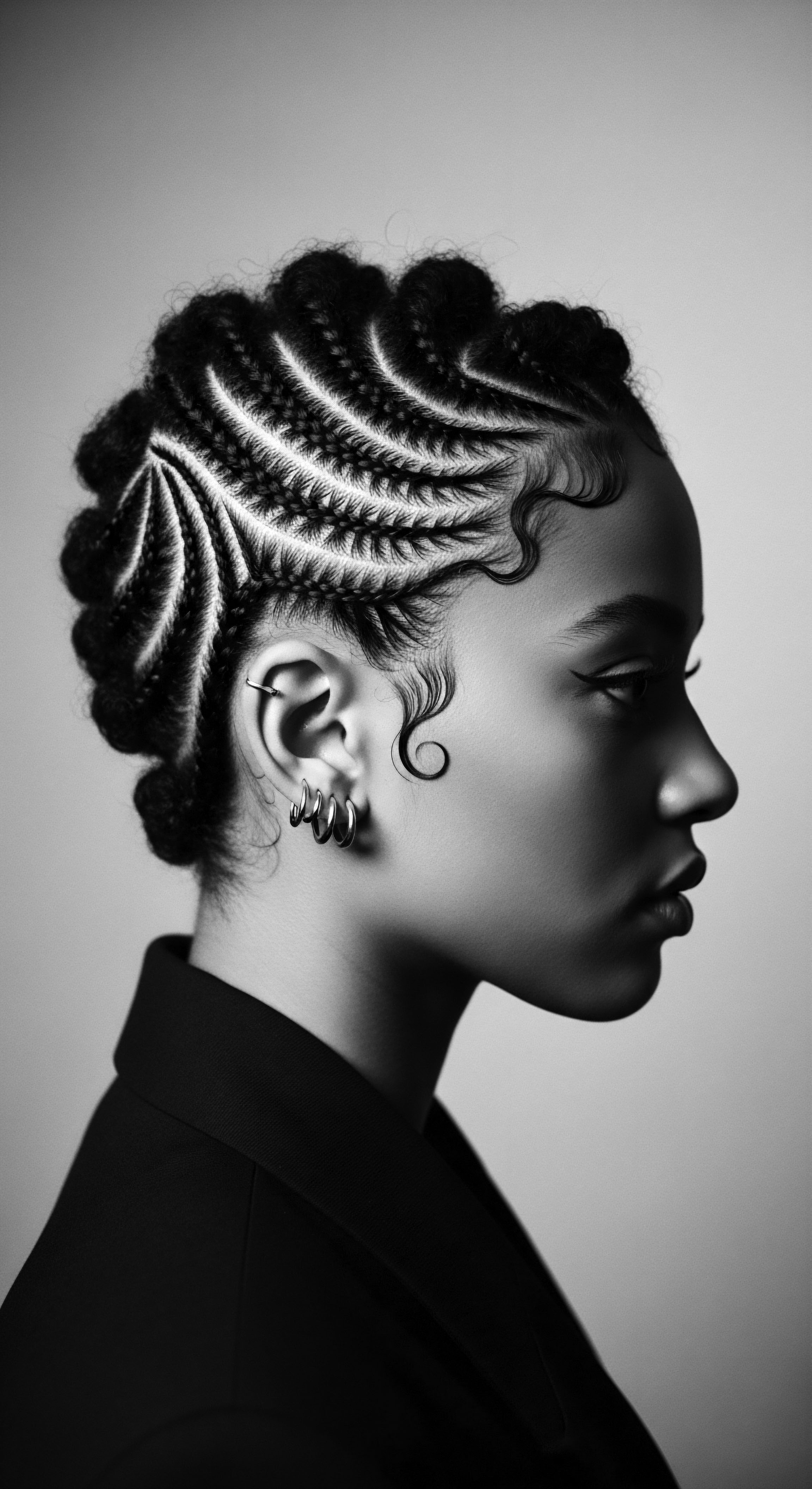
Ancestral hair practices linked physical vitality, social cohesion, and spiritual grounding, reflecting a holistic view of well-being within textured hair heritage.
Key nutrients for textured hair health, deeply rooted in heritage, support its unique structure and vitality through essential proteins, vitamins, and minerals.
Ancestral hair rituals preserve cultural identity by transmitting historical knowledge, fostering community bonds, and serving as symbols of resilience and self-expression for textured hair heritage.
Modern hair discrimination mirrors historical legal suppression by devaluing textured hair, a heritage marker, echoing ancestral struggles for identity and acceptance.
Ancient hair care tools profoundly influenced communal practices and resistance by serving as identity markers, fostering social bonds, and becoming instruments of defiance for textured hair heritage.
Ancient African hair signified status through elaborate styles, adornments, and communal rituals, reflecting social standing, age, and spiritual connection within textured hair heritage.
Historical hair care methods intuitively aligned with textured hair's structure by prioritizing moisture, protection, and gentle handling, deeply rooted in ancestral wisdom.
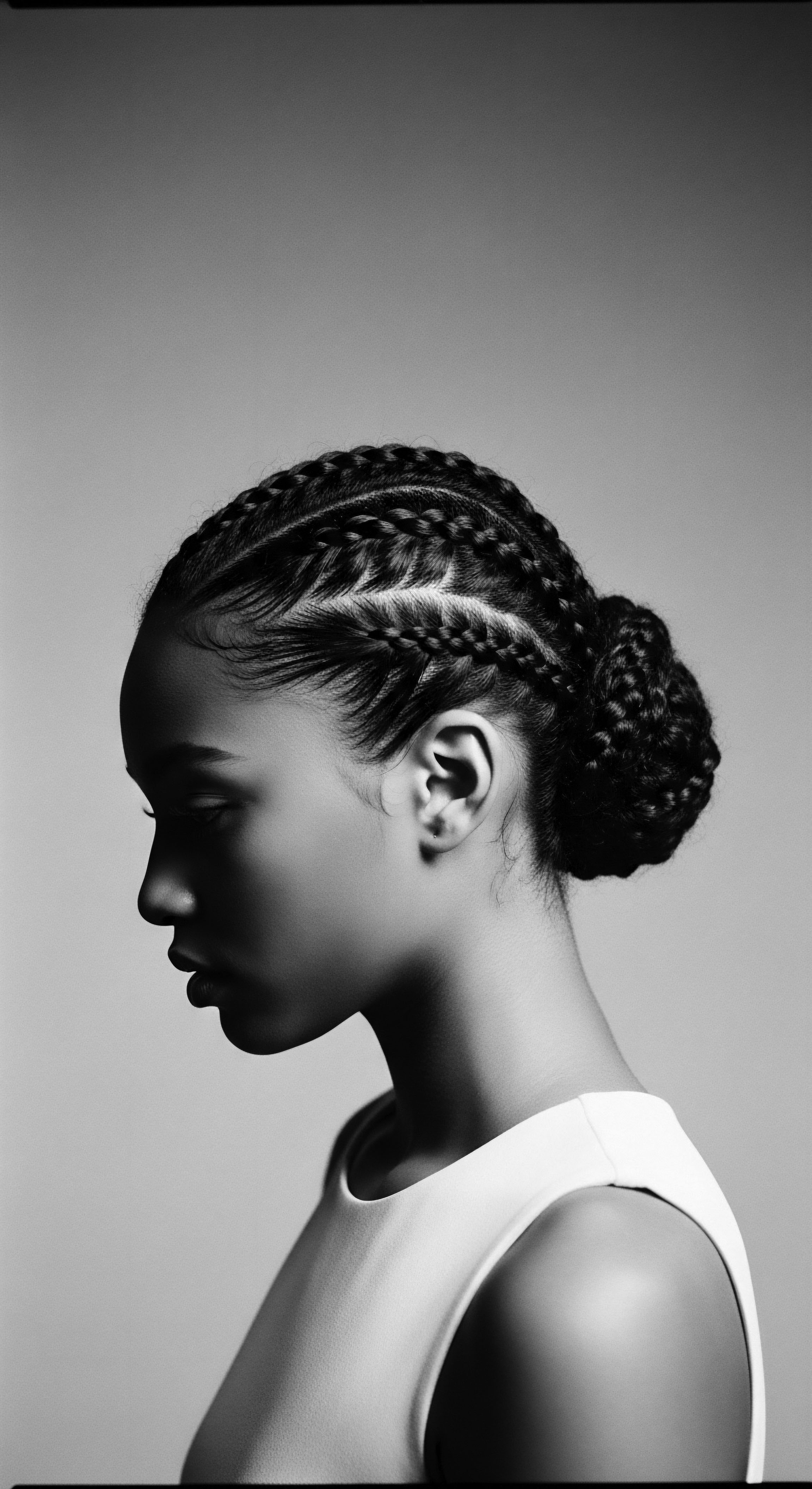
Braids for textured hair hold deep historical meaning as symbols of identity, communication, resistance, and protective care, rooted in ancestral heritage.
Historical laws restricting Black hair expression sought to dismantle identity, yet communities transformed these mandates into affirmations of textured hair heritage.
Ancient African hair traditions resonate with modern protective styling by offering foundational principles of care, protection, and cultural identity for textured hair.
The Afro pick symbolizes heritage through its ancient origins in African grooming, its role in the Black Power movement's assertion of identity, and its enduring connection to the care and celebration of textured hair.
Enslaved communities ingeniously repurposed natural materials and everyday items for hair care, transforming survival into a powerful act of textured hair heritage preservation.
Hair bonnets hold historical roots in African protective practices, evolving into symbols of Black identity, resistance, and essential textured hair care.
Bonnets hold deep historical significance in Black hair care heritage, evolving from ancestral protection and cultural expression to a symbol of resistance and self-care for textured hair.
Historical African hair rituals provide foundational knowledge for modern textured hair wellness, emphasizing protection, natural ingredients, and identity.
Ancestral hair care for textured hair prioritized natural ingredients, protective styling, and communal rituals deeply connected to identity and spirituality.
African butters affirm ancestral hair wellness by providing essential nutrients and protective qualities that scientifically validate long-standing traditional care for textured hair.
We use cookies to personalize content and marketing, and to analyze our traffic. This helps us maintain the quality of our free resources. Manage your preferences below.
This helps support our free resources through personalized marketing efforts and promotions.
Analytics cookies help us understand how visitors interact with our website, improving user experience and website performance.
Personalization cookies enable us to customize the content and features of our site based on your interactions, offering a more tailored experience.