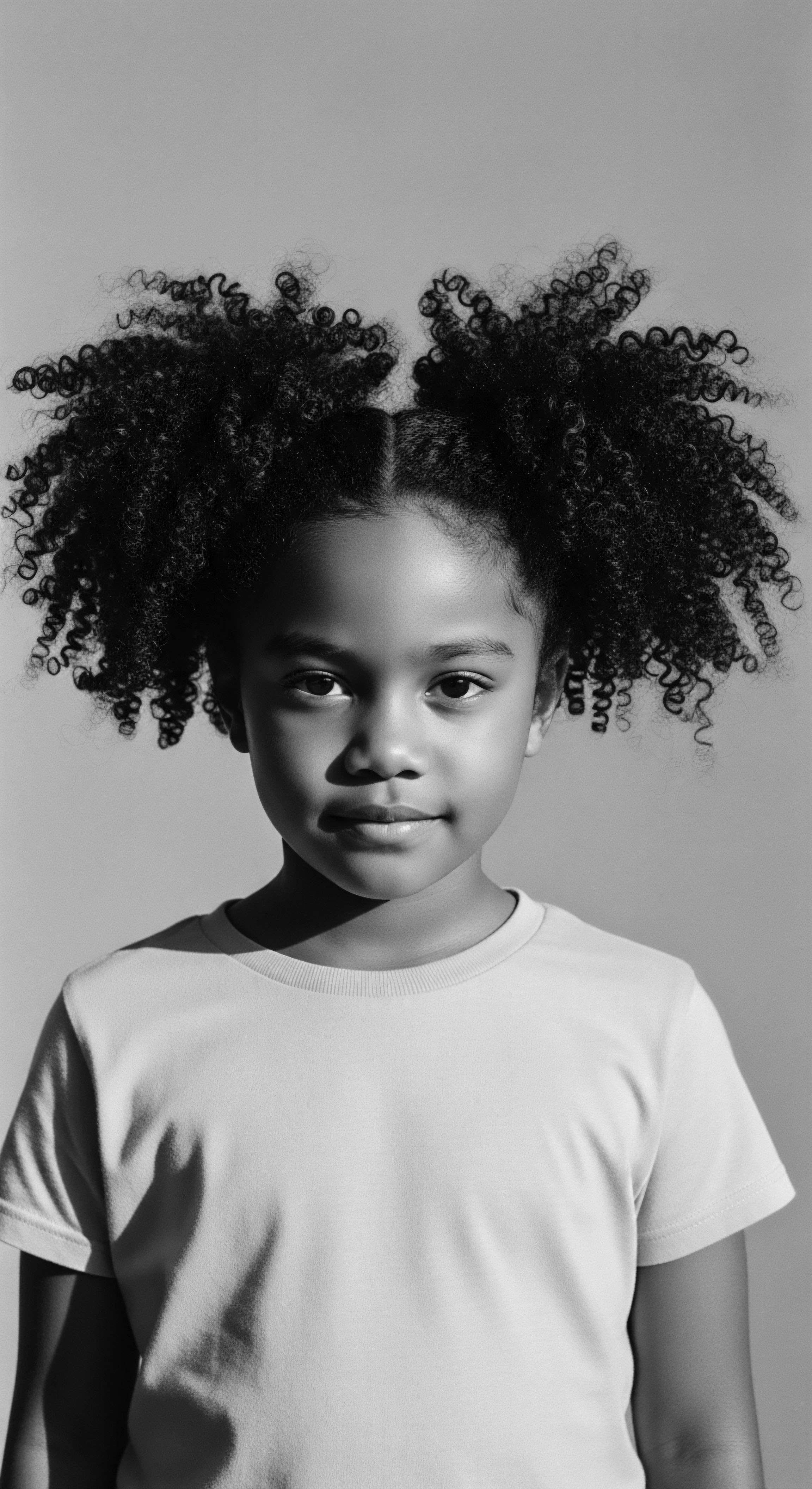
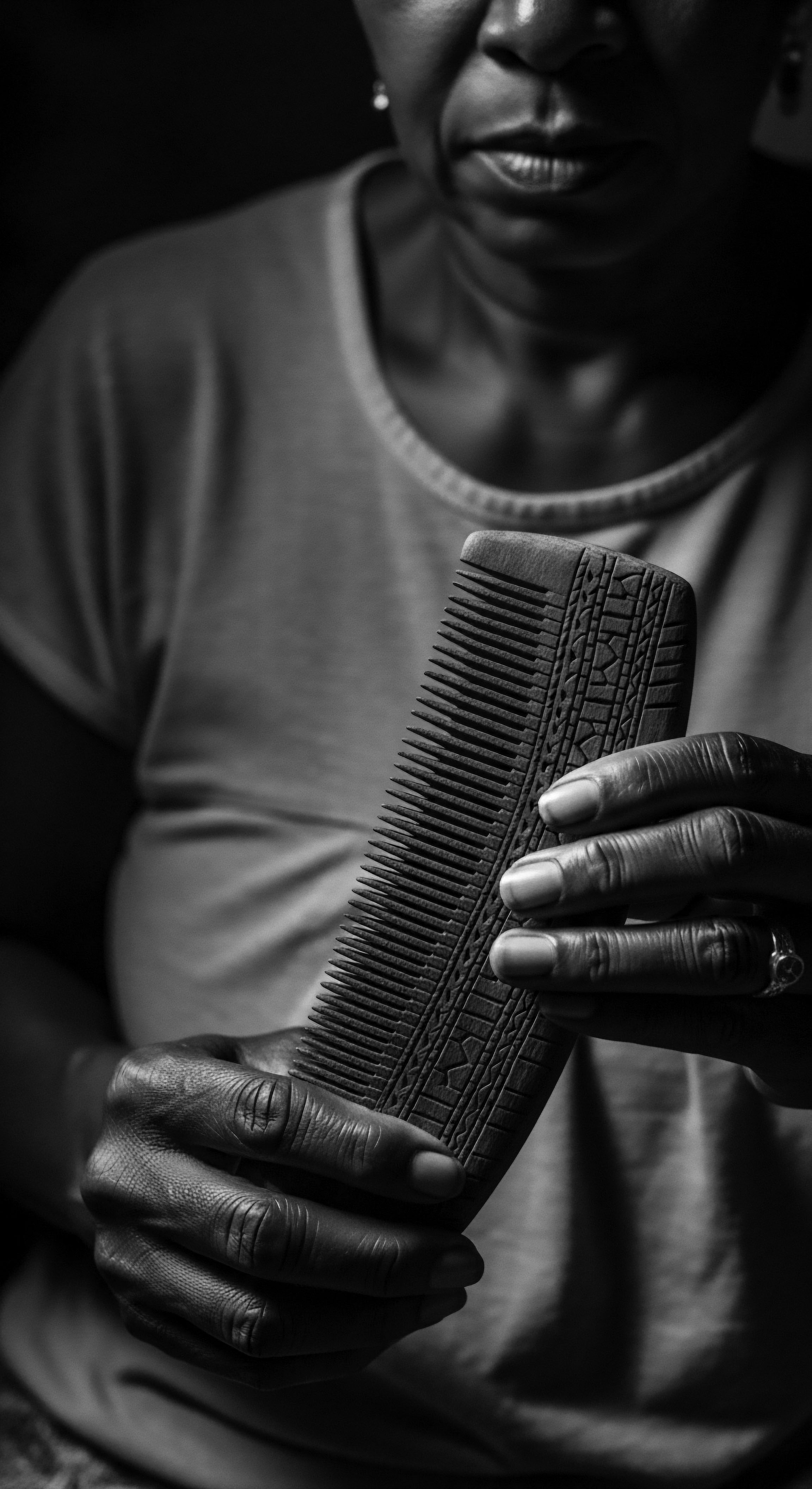
The CROWN Act influences textured hair wellness and self-acceptance by legally affirming heritage-based hair choices against historical discrimination.
Ancestral hair practices profoundly shape modern self-expression by connecting individuals to a rich textured hair heritage of identity, resistance, and cultural pride.
Traditional hair adornment shapes cultural identity by serving as a visible link to ancestral practices, embodying historical narratives, and affirming textured hair heritage.
Historical laws, like the Tignon Laws, regulated Black hair appearance to enforce social hierarchy, yet sparked profound acts of textured hair heritage and self-expression.
Traditional ingredients like shea butter and Chebe powder support textured hair health by providing deep moisture and strengthening the hair shaft, drawing directly from rich ancestral care practices.
The CROWN Act protects cultural identity by safeguarding the right to wear natural, textured hair and traditional styles, affirming ancestral heritage.
Ancestral practices shielded scalp health through natural ingredients, protective styles, and communal rituals, deeply connected to textured hair heritage.
Hair discrimination suppressed ancestral practices by devaluing traditional styles, communal care, and natural ingredients, severing connections to textured hair heritage.
Ancestral hair care profoundly shaped modern routines by transmitting vital wisdom on textured hair's unique needs, protective styling, and holistic wellness, deeply rooting current practices in heritage.
Jamaican Black Castor Oil's unique alkaline composition and rich fatty acids directly link to ancestral hair health practices focused on nourishing and protecting textured hair.
Ancient African communities used diverse plants like shea, baobab, aloe, and chebe, recognizing their unique properties to nourish and protect textured hair.
Traditional textured hair care relied on natural ingredients like shea butter, coconut oil, and botanical extracts, reflecting a deep ancestral connection to the earth and cultural identity.
Jamaican Black Castor Oil is traditionally prepared by roasting, grinding, and boiling castor beans, a heritage-rich process passed down through generations.
International declarations indirectly protect cultural hair identity by affirming human rights, cultural expression, and intangible heritage, crucial for textured hair heritage.
Bonnets hold a deep historical connection to African hair practices, originating from a necessity for hair protection during enslavement and evolving into a symbol of cultural identity and resilience for textured hair heritage.
Cultural narratives profoundly alter textured hair understanding by rooting its perception in ancestral wisdom, historical resilience, and evolving identity.
The CROWN Act safeguards cultural expression by prohibiting discrimination against natural and protective textured hairstyles, affirming Black hair heritage.
Cornrows aided historical resistance by serving as hidden maps, concealing sustenance, and acting as a visual symbol of cultural identity and defiance.
Ancient cornrow practices offer timeless principles of protection, moisture retention, and gentle manipulation, deeply informing modern textured hair care routines through a rich heritage lens.
Braiding protects textured hair by reducing manipulation, minimizing environmental exposure, and preserving moisture, a practice rooted in ancestral heritage.
Historical hair oiling rituals forged community bonds through shared care, cultural transmission, and the collective affirmation of textured hair heritage.
Ancestral hair care ingredients, rooted in deep heritage, offer timeless benefits for modern textured hair through natural nourishment and protective practices.
The ancestral origin of braids is rooted in ancient African societies, evolving as vital expressions of identity, status, and survival within textured hair heritage.
We use cookies to personalize content and marketing, and to analyze our traffic. This helps us maintain the quality of our free resources. Manage your preferences below.
This helps support our free resources through personalized marketing efforts and promotions.
Analytics cookies help us understand how visitors interact with our website, improving user experience and website performance.
Personalization cookies enable us to customize the content and features of our site based on your interactions, offering a more tailored experience.