How do oils protect textured hair?
Oils protect textured hair by sealing moisture, reducing friction, and reinforcing its natural lipid layer, echoing ancestral practices of care.
In what ways does hair care transmit cultural heritage across generations?
Hair care transmits cultural heritage through ancestral practices, styling traditions, and shared rituals that strengthen identity and community.
Can traditional African hair care offer lasting health benefits for textured hair?
Traditional African hair care, deeply rooted in heritage, offers lasting health benefits for textured hair through its emphasis on natural ingredients, protective styles, and holistic well-being.
Why does textured hair need more moisture?
Textured hair's unique structure, coupled with ancestral care practices and historical resilience, demands consistent moisture for its health and heritage.
How do traditional oils benefit textured hair health?
Traditional oils deeply nourish textured hair, sealing moisture and strengthening strands, thereby honoring centuries of ancestral heritage.
In what ways do ancient cultural practices shape modern textured hair identity?
Ancient cultural practices profoundly shape modern textured hair identity by transmitting ancestral wisdom, care rituals, and symbols of resilience.
Can understanding hair oiling’s history deepen cultural connection?
Understanding hair oiling's history deepens cultural connection by revealing ancestral wisdom, scientific ingenuity, and enduring self-affirmation for textured hair heritage.
How do ancestral hair practices define wellness?
Ancestral hair practices define wellness by weaving physical care with cultural identity, communal bonds, and spiritual connection to textured hair heritage.
How does textured hair heritage connect to modern mixed-race self-acceptance?
Textured hair heritage connects to mixed-race self-acceptance by grounding identity in ancestral narratives and challenging imposed beauty norms.
What historical care rituals sustain textured hair health?
Historical care rituals for textured hair, rooted in ancestral wisdom, prioritized moisture, protection, and communal tending.
In what ways do bonnets represent Black women’s cultural autonomy?
Bonnets embody Black women's cultural autonomy by safeguarding textured hair, extending ancestral care practices, and asserting self-definition.
In what ways do community hair rituals strengthen ancestral bonds?
Community hair rituals strengthen ancestral bonds by serving as living archives of heritage, transmitting identity, resilience, and wisdom across generations.
What ancestral practices led to bonnet use?
Ancestral practices of hair covering emerged from the biological needs of textured hair and evolved into profound cultural symbols of heritage and protection.
How does oiling preserve hair’s natural moisture?
Oiling preserves hair's moisture by creating a protective barrier and strengthening the strand, a wisdom deeply rooted in textured hair heritage.
What historical hair practices shaped mixed-race identity?
Historical hair practices shaped mixed-race identity through a blend of ancestral preservation and adaptation to societal beauty standards.
In what ways do traditional oiling rituals honor textured hair heritage?
Traditional oiling rituals honor textured hair heritage by nurturing its unique structure and preserving cultural identity through ancestral practices.
What traditional plant oils aided African hair vitality?
Traditional African plant oils, deeply rooted in heritage, nourished textured hair by providing moisture, protection, and cultural identity.
How does hair texture signify lineage?
Hair texture profoundly signifies lineage by reflecting ancestral genetics, historical cultural practices, and enduring resilience within textured hair heritage.
What is the historical significance of braids in Black culture?
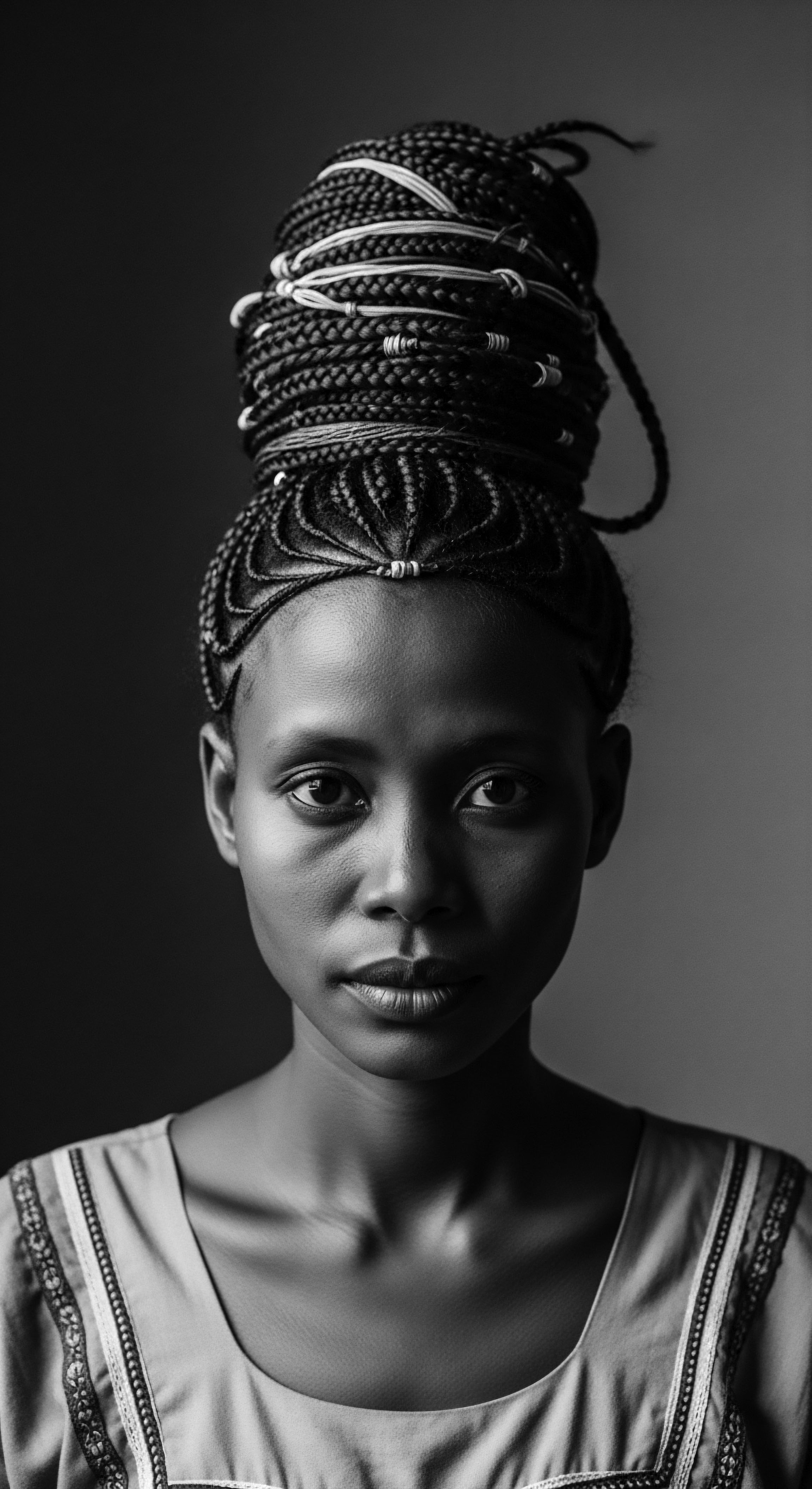
Braids in Black culture are a profound historical expression of identity, communication, and resilience, deeply rooted in textured hair heritage.
Can traditional African cleansing agents like black soap improve scalp health?
Traditional African black soap, rooted in centuries of ancestral practice, can improve textured scalp health through its natural cleansing and botanical properties.
How do historical Black hair traditions influence contemporary self-perception?
Historical Black hair traditions shape contemporary self-perception by linking individuals to a rich textured hair heritage of resilience and cultural pride.
What cultural significance do oils hold for textured hair?
Oils for textured hair embody a profound cultural significance, rooted in ancestral practices for protection, identity, and communal heritage.
Can traditional African hair care offer lasting health?
Traditional African hair care, rooted in ancestral wisdom and natural ingredients, offers lasting health by nurturing textured hair's unique heritage.
What is the historical significance of cornrows for self-perception?
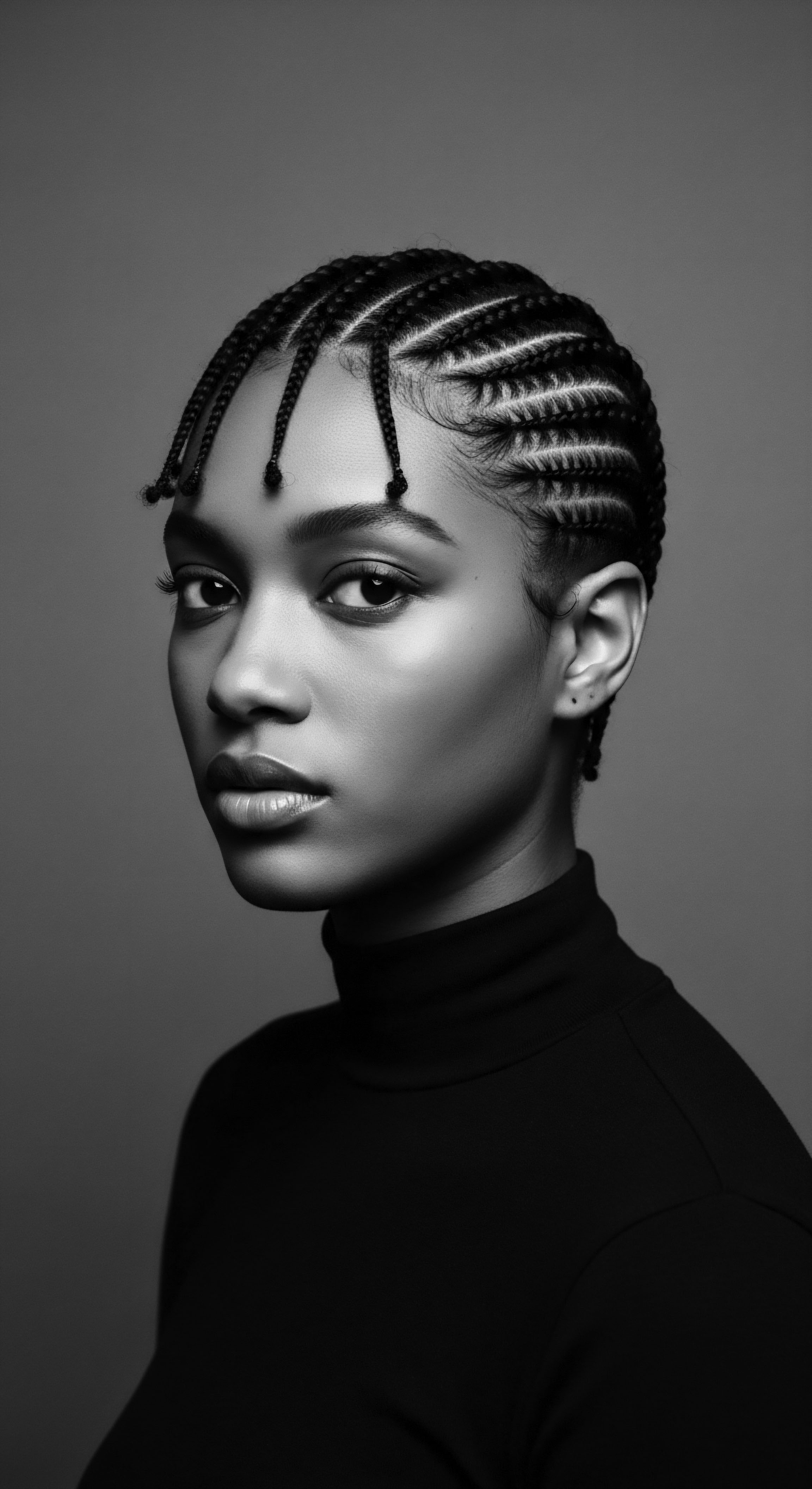
Cornrows are a living chronicle of textured hair heritage, serving as ancient cultural markers, silent maps of resistance, and enduring symbols of self-definition.
What historical significance do African hair practices hold for identity?
African hair practices hold profound historical significance, serving as visual archives of identity, status, spirituality, and enduring cultural heritage.
Can ancestral hair practices offer insights for contemporary textured hair care?
Ancestral hair practices offer profound insights for contemporary textured hair care by connecting us to a rich heritage of wisdom and resilience.
How did historical practices shape textured hair’s scalp vitality?
Historical practices nurtured textured hair's scalp vitality through natural ingredients, protective styles, and communal rituals, preserving heritage.
What ancestral hair practices sustained communities?
Ancestral hair practices sustained communities by fostering identity, transmitting generational wisdom, and serving as vital cultural and survival tools for textured hair heritage.
How do ancestral oils benefit coily hair?
Ancestral oils nourish coily hair by sealing moisture, reducing breakage, and promoting scalp health, honoring a rich textured hair heritage.