Historical stereotypes viewing textured hair as "unprofessional" or "other" directly influenced rulings, notably the Tignon Laws and later employment discrimination cases, challenging heritage.
Ancestral oils remain effective for textured hair, their efficacy rooted in centuries of heritage-informed practices and validated by modern scientific understanding.
Ancestral ingredients supported textured hair vitality through plant-based oils, butters, and herbs, reflecting deep cultural heritage and environmental wisdom.
Enslaved communities adapted hair care by resourcefully using available materials and transforming traditional practices into acts of cultural preservation and covert communication.
The CROWN Act legally protects the right to wear natural and protective textured hairstyles, affirming a deep connection to Black and mixed-race cultural heritage.
Ancestral hair practices connect to modern product formulation by providing foundational knowledge and ingredients that deeply honor textured hair heritage.
Hair hydration in Black communities reflects a deep connection to textured hair heritage, serving as a powerful symbol of identity and cultural resilience through history.
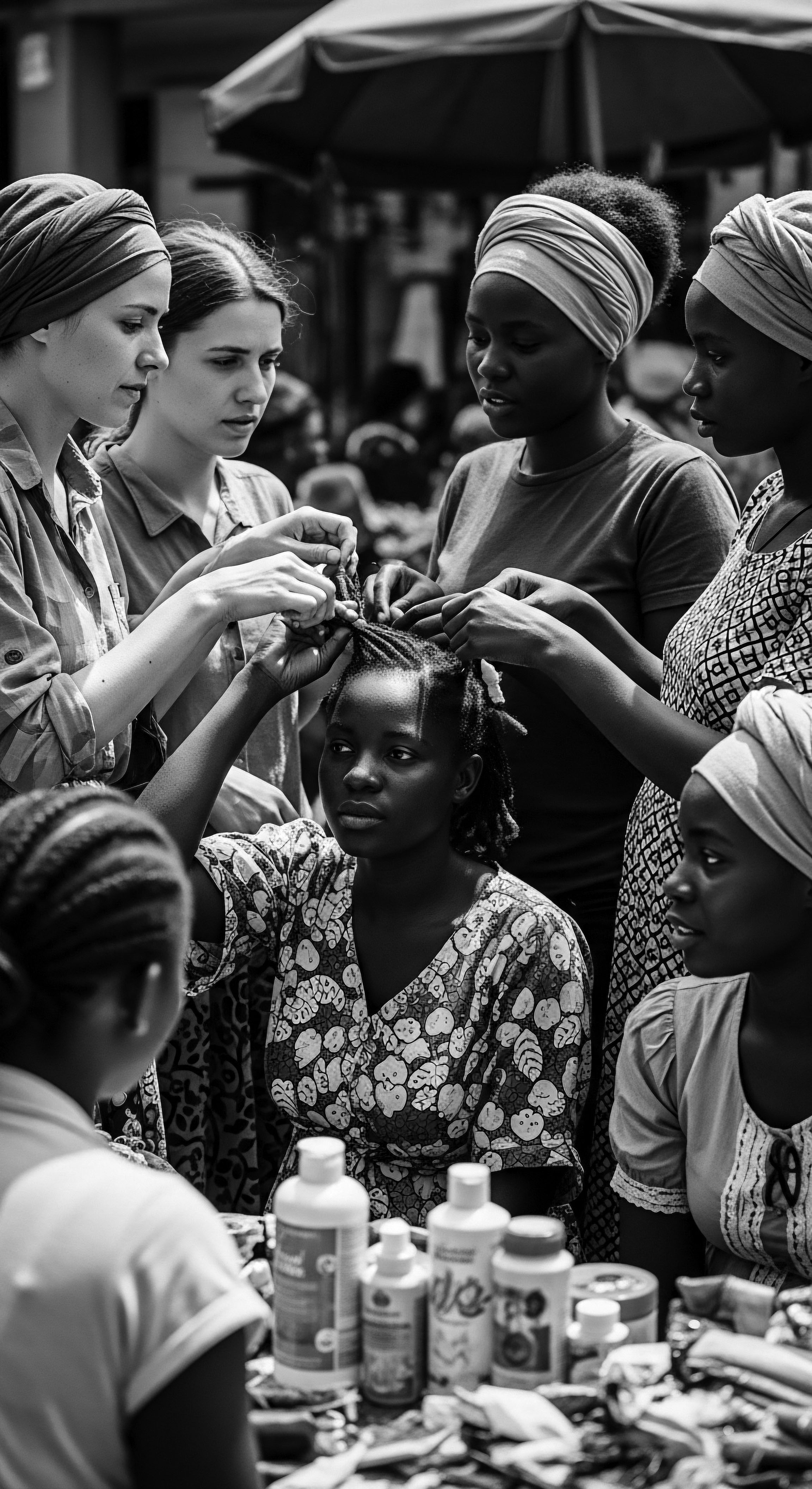
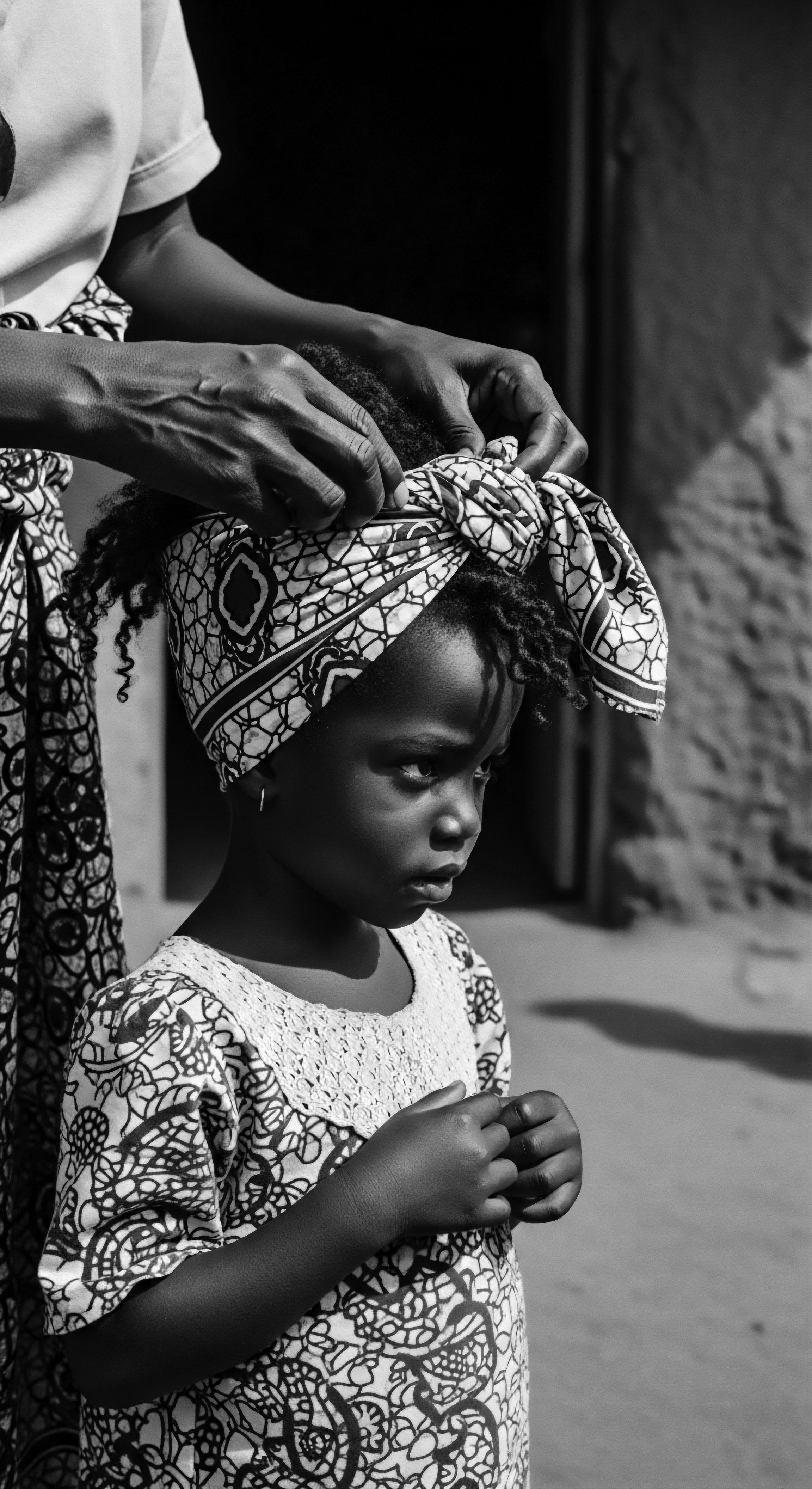
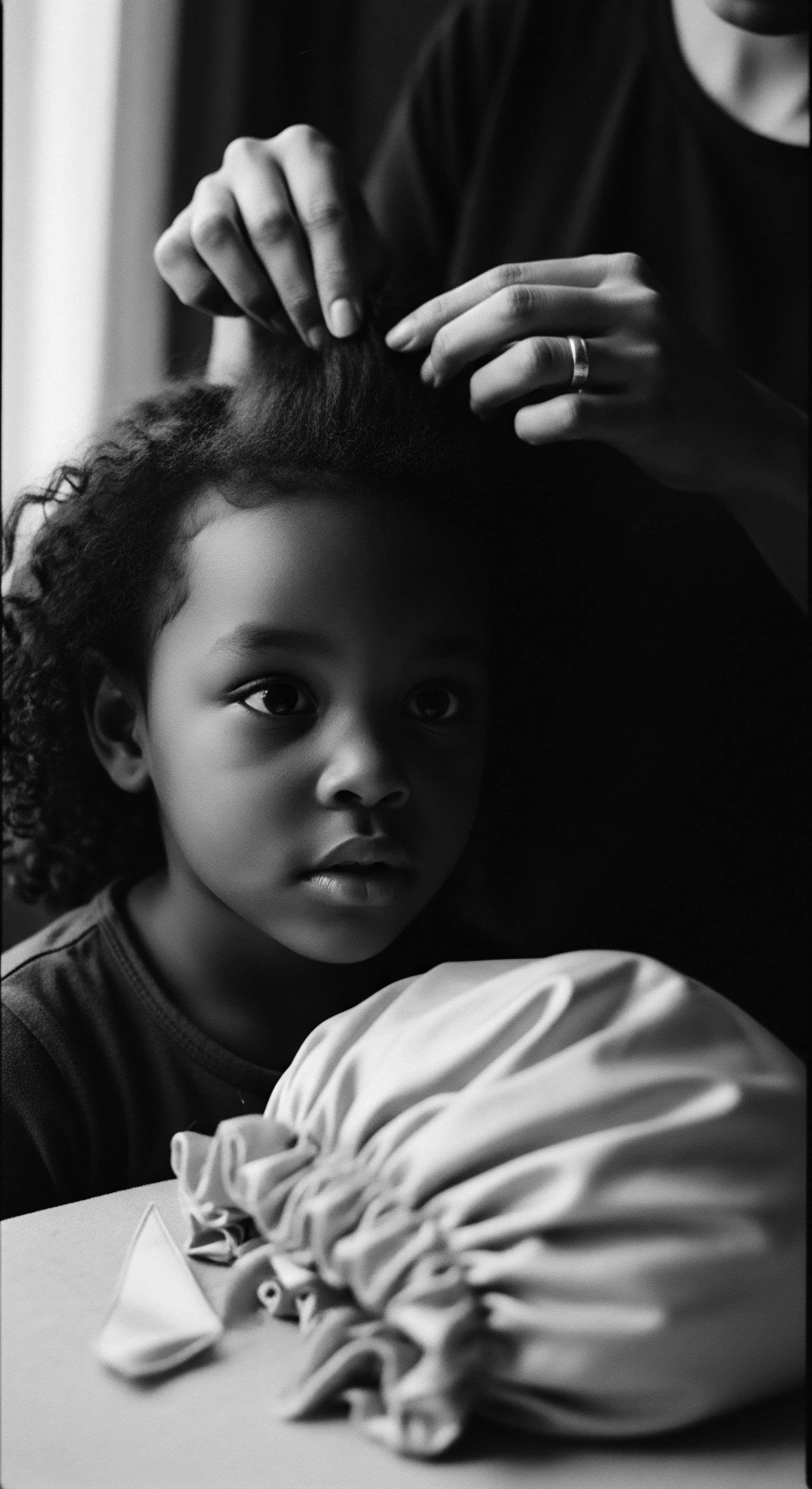
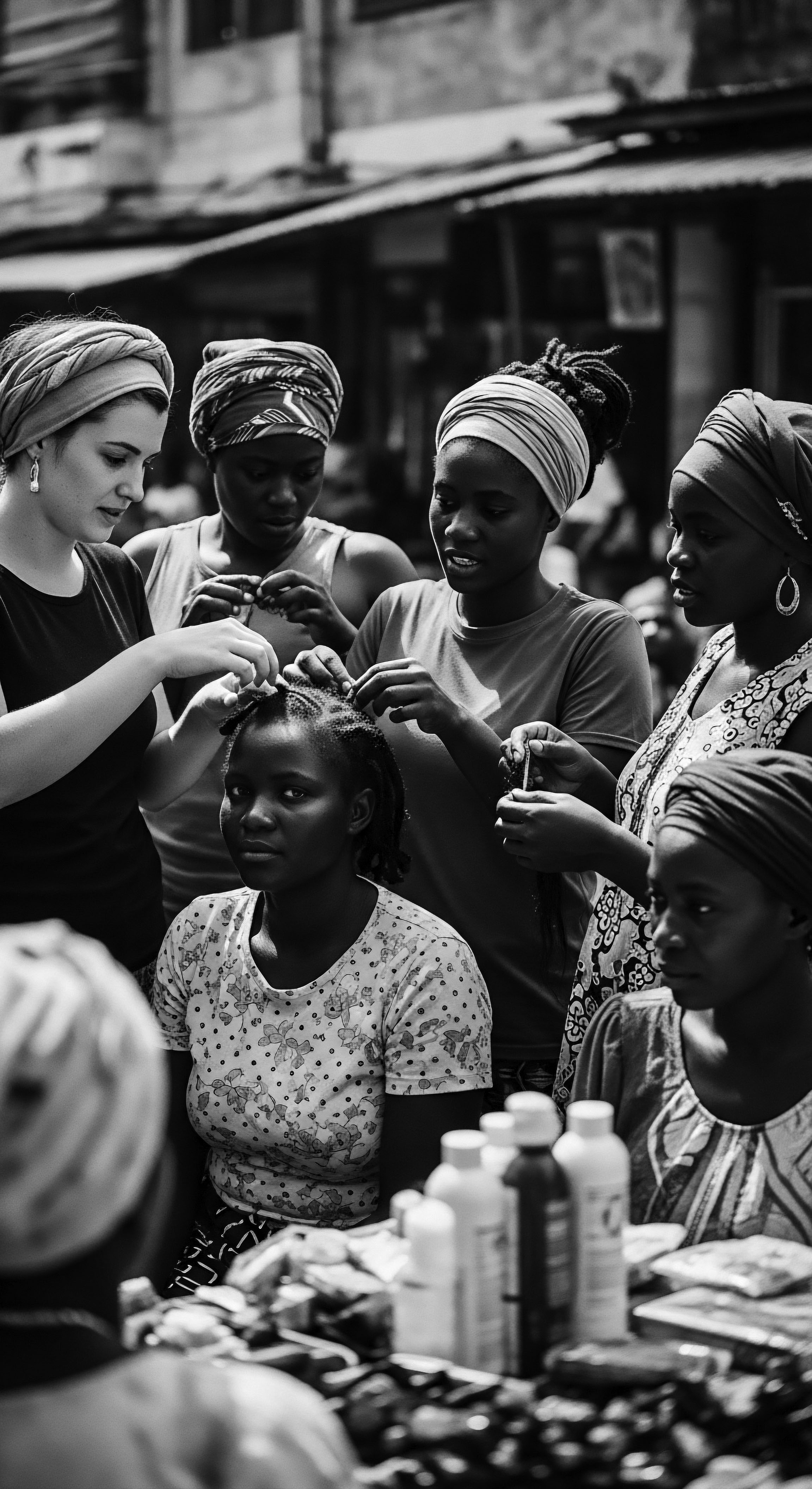
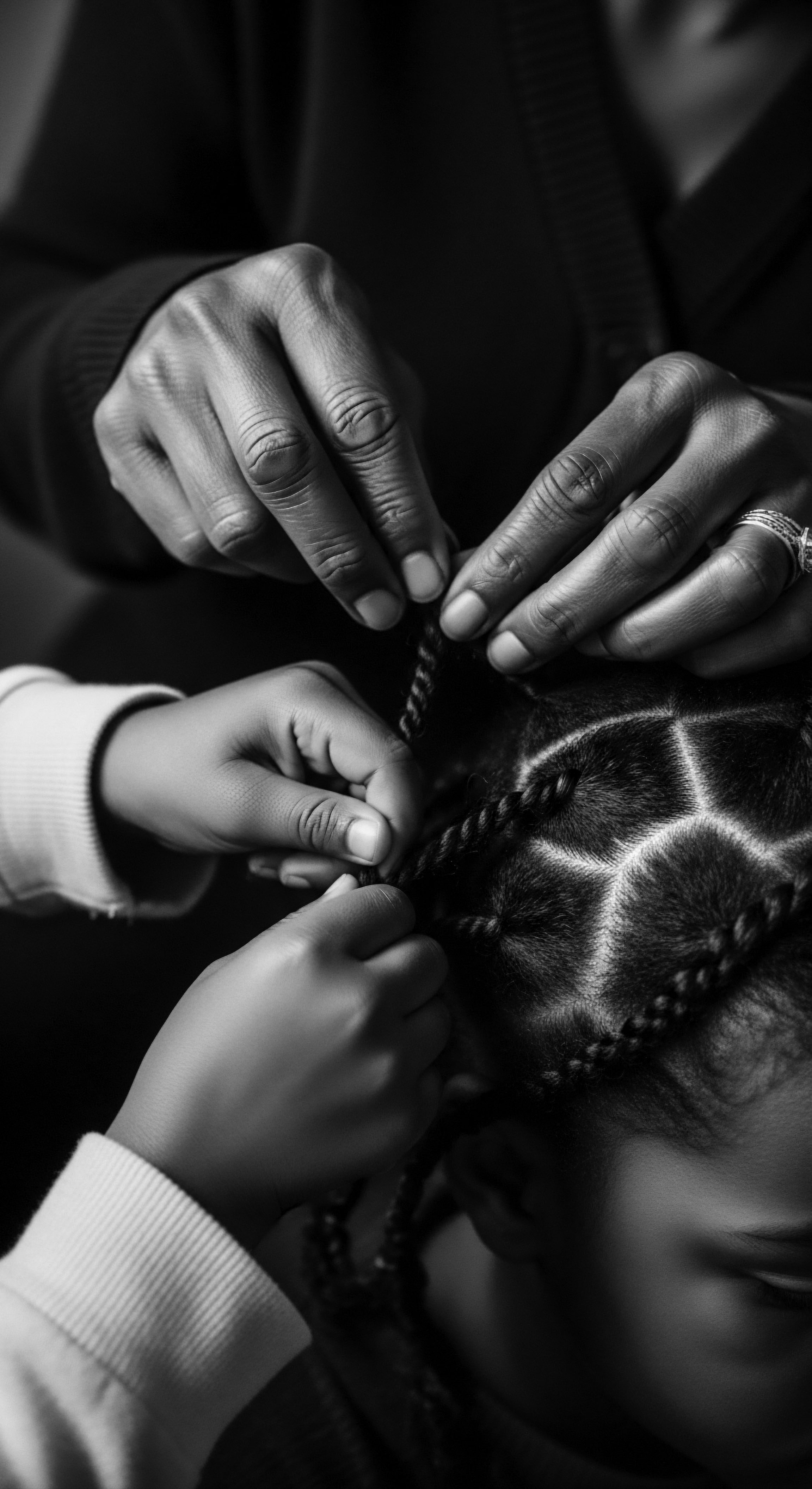
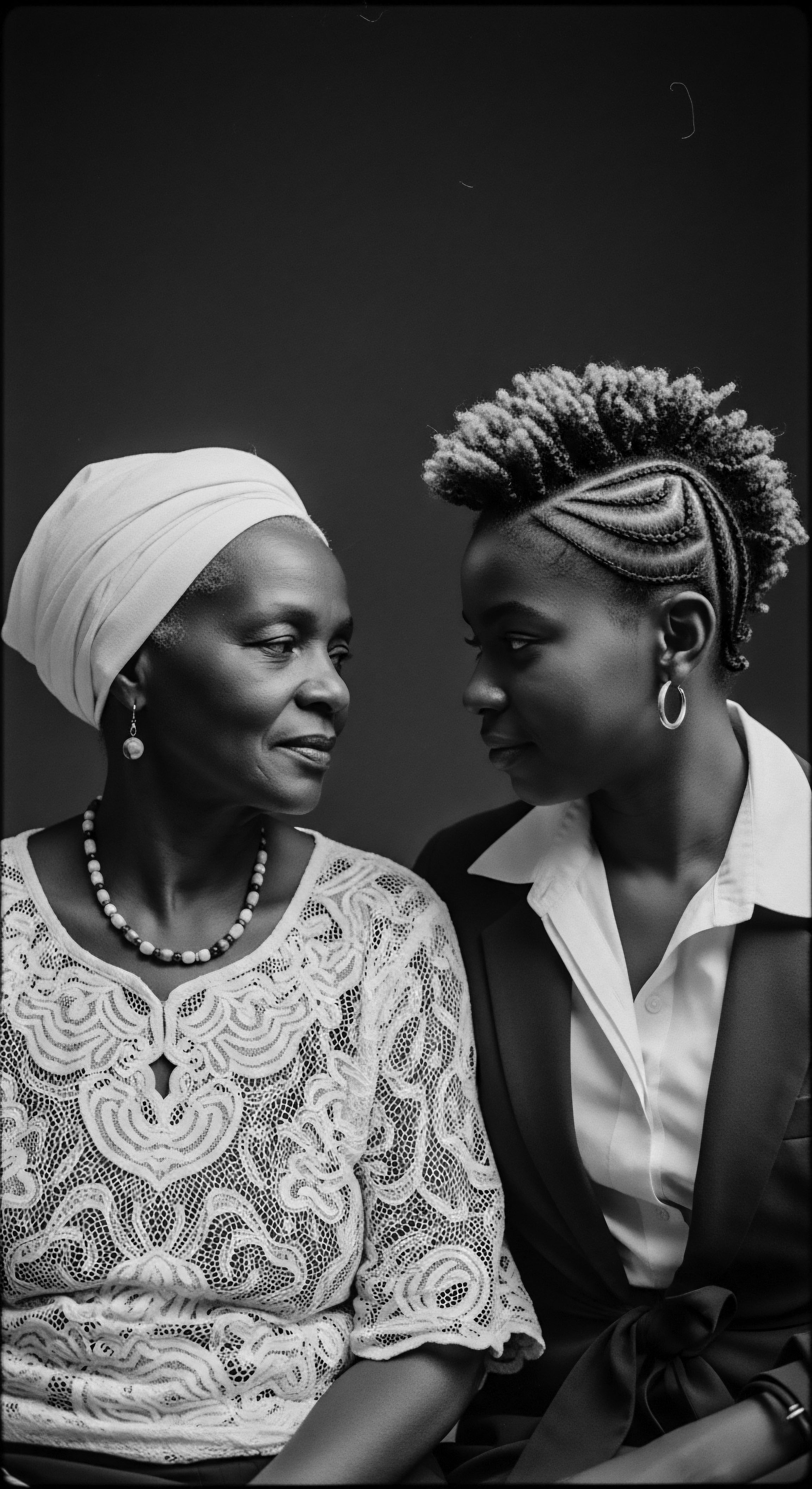
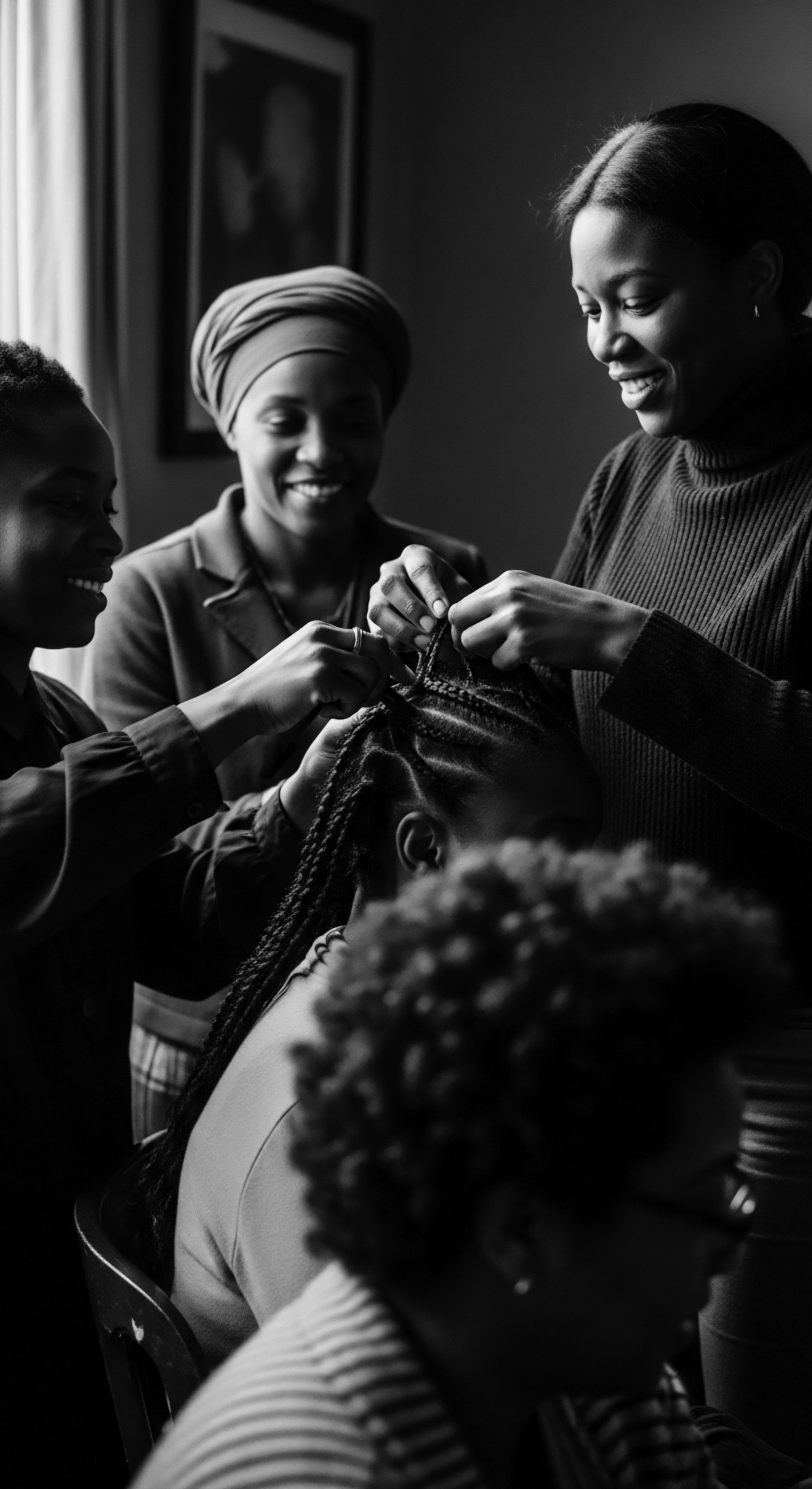
Communal hair care rituals strengthen cultural bonds by fostering intergenerational knowledge transfer, shared identity, and collective resilience within textured hair heritage.
Historical laws sought to control Black women's hair choices, yet cultural resilience transformed oppression into expressions of textured hair heritage.
Ancestral oils like shea butter, castor, and palm kernel oil sustained Black hair by providing deep moisture and protection, honoring a rich heritage of natural care.
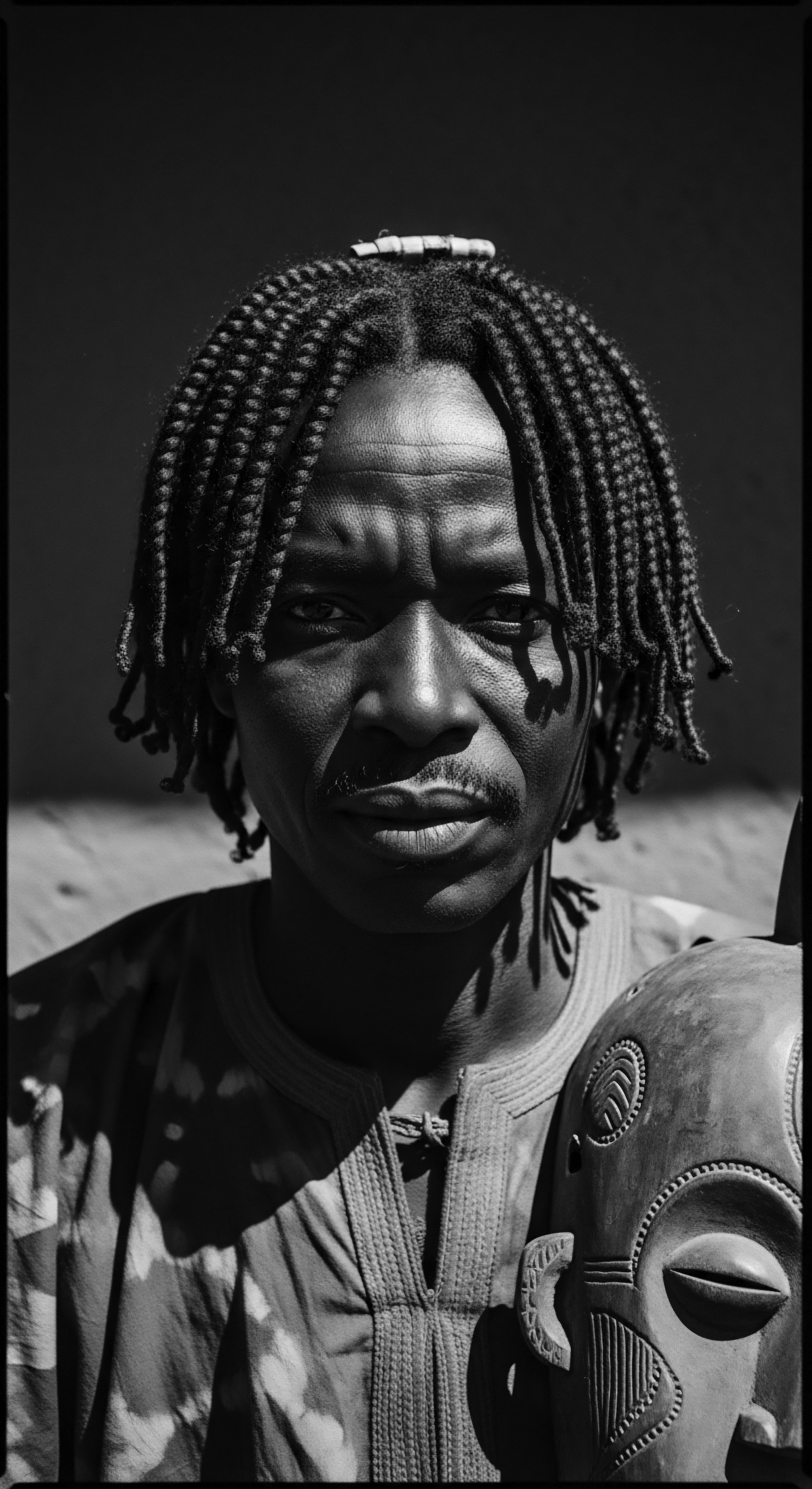
Black hair traditions historically served as powerful markers of social standing, spiritual connection, and collective resistance, deeply weaving into textured hair heritage.
Ancestral African communities protected hair from environmental stressors using botanical oils, protective styles, and head coverings, deeply rooted in textured hair heritage.
Hair connects to ancestral roots through its biological structure, cultural symbolism, historical practices, and ongoing legacy within textured hair heritage.
Ancestral hair rituals with plants survived the diaspora through resilient cultural memory, botanical adaptation, and the ingenuity of enslaved communities.
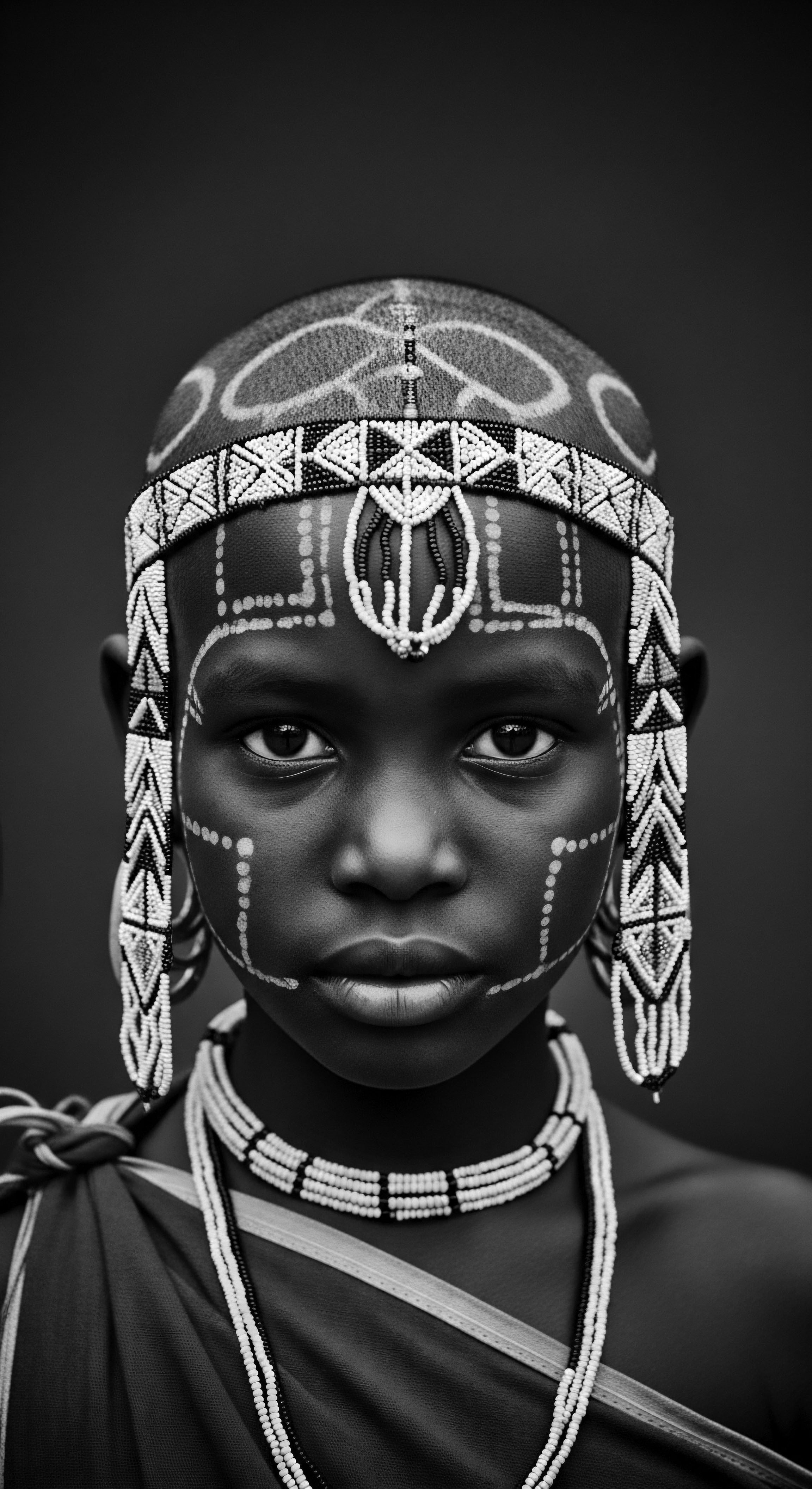
Ancient textured hair designs visually articulated social roles, spiritual beliefs, and survival strategies, profoundly solidifying community bonds and heritage.
Modern hair tools subtly echo ancestral African design principles through their forms, functions, and cultural symbolism, honoring textured hair heritage.
Traditional tools shaped textured hair care by serving as extensions of ancestral wisdom, adapting to maintain hair health and convey cultural identity across generations.
Historical hair practices deeply influence modern textured hair care and identity by transmitting ancestral wisdom, styling techniques, and cultural resilience.
Ancient African hair rituals communicated social standing through intricate styles, adornments, and grooming practices, directly reflecting an individual's age, marital status, tribal affiliation, and societal role, deeply connecting to textured hair heritage.
We use cookies to personalize content and marketing, and to analyze our traffic. This helps us maintain the quality of our free resources. Manage your preferences below.
This helps support our free resources through personalized marketing efforts and promotions.
Analytics cookies help us understand how visitors interact with our website, improving user experience and website performance.
Personalization cookies enable us to customize the content and features of our site based on your interactions, offering a more tailored experience.