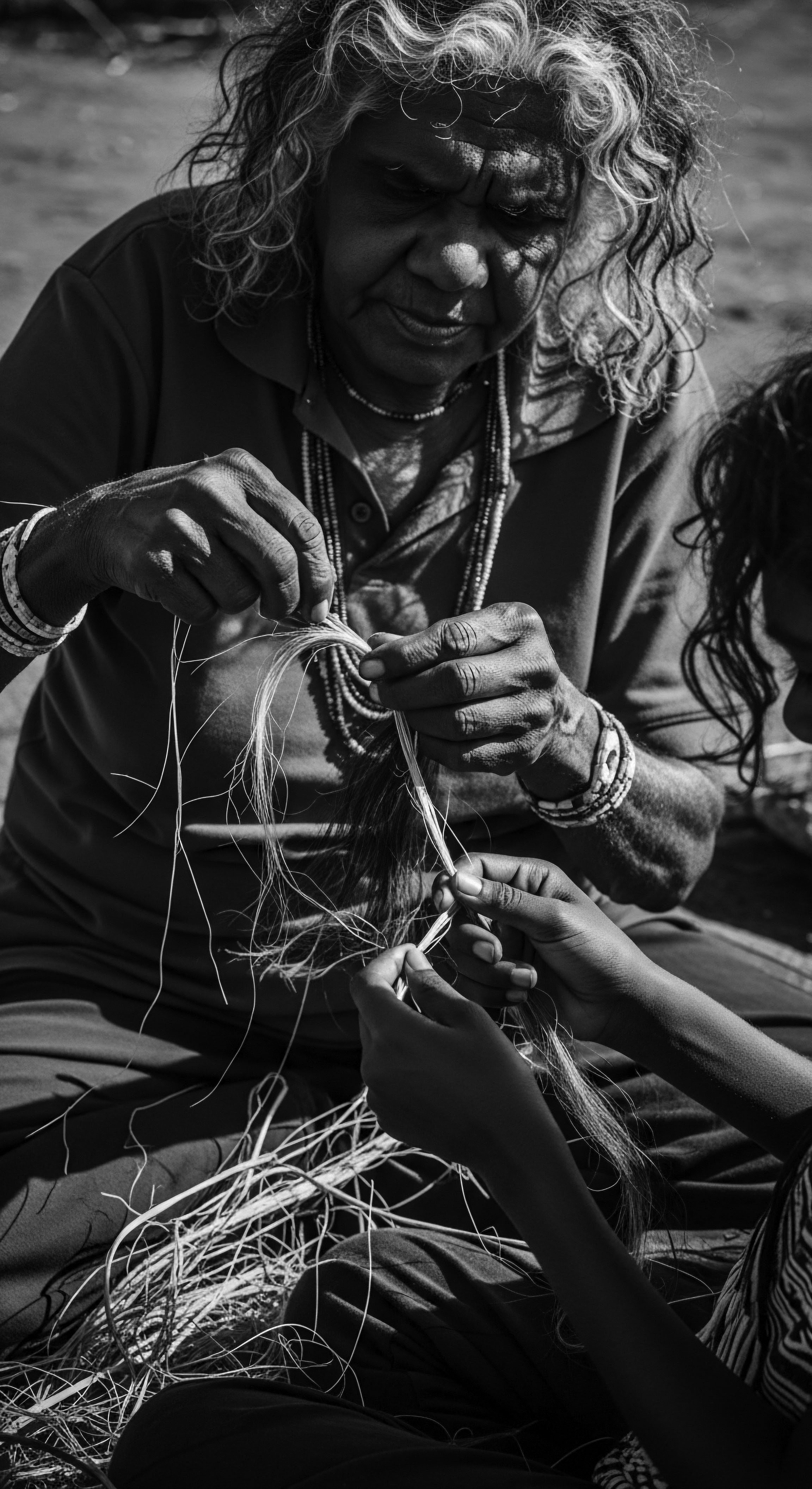
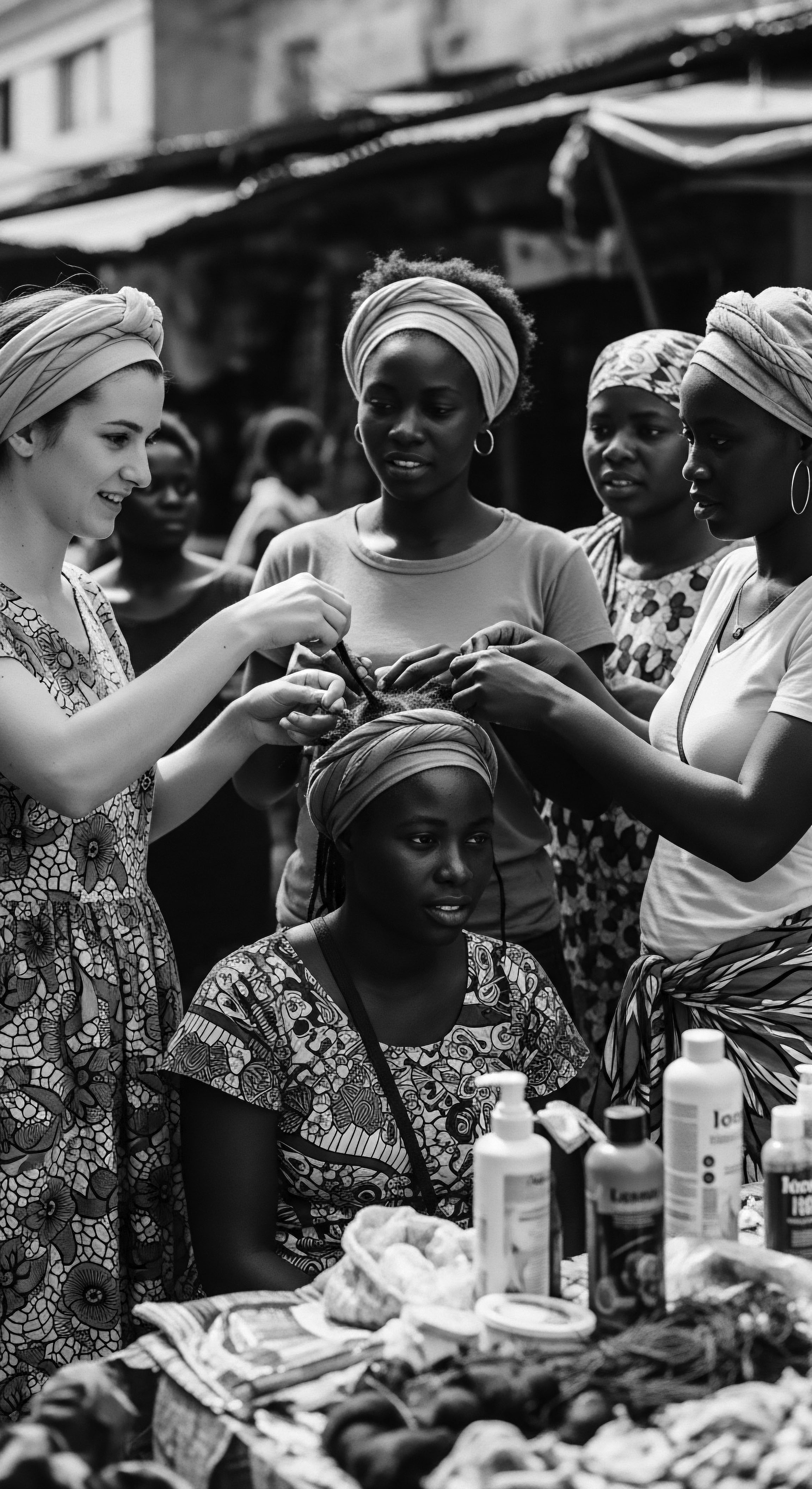
Ancient Egyptian hair care profoundly shaped identity through elaborate styling, hygiene rituals, and symbolic adornment, reflecting social status and spiritual connection, deeply influencing textured hair heritage.
Traditional African hair oiling practices align with modern hair science by providing essential nutrients and protection, affirming a heritage of intuitive hair wellness.
Contemporary laws like the CROWN Act affirm Black hair heritage by prohibiting discrimination against natural textures and protective styles, validating centuries of cultural expression.
Shea butter, a time-honored ancestral balm, deeply supports a healthy scalp barrier for textured hair by moisturizing, soothing, and reinforcing its protective functions.
Modern science affirms ancestral hair care practices for textured hair, validating their benefits through understanding its unique biological structure and material properties.
Understanding hair's intrinsic structure deepens cultural appreciation by revealing the scientific basis for inherited beauty, traditional care rituals, and enduring identity within textured hair heritage.
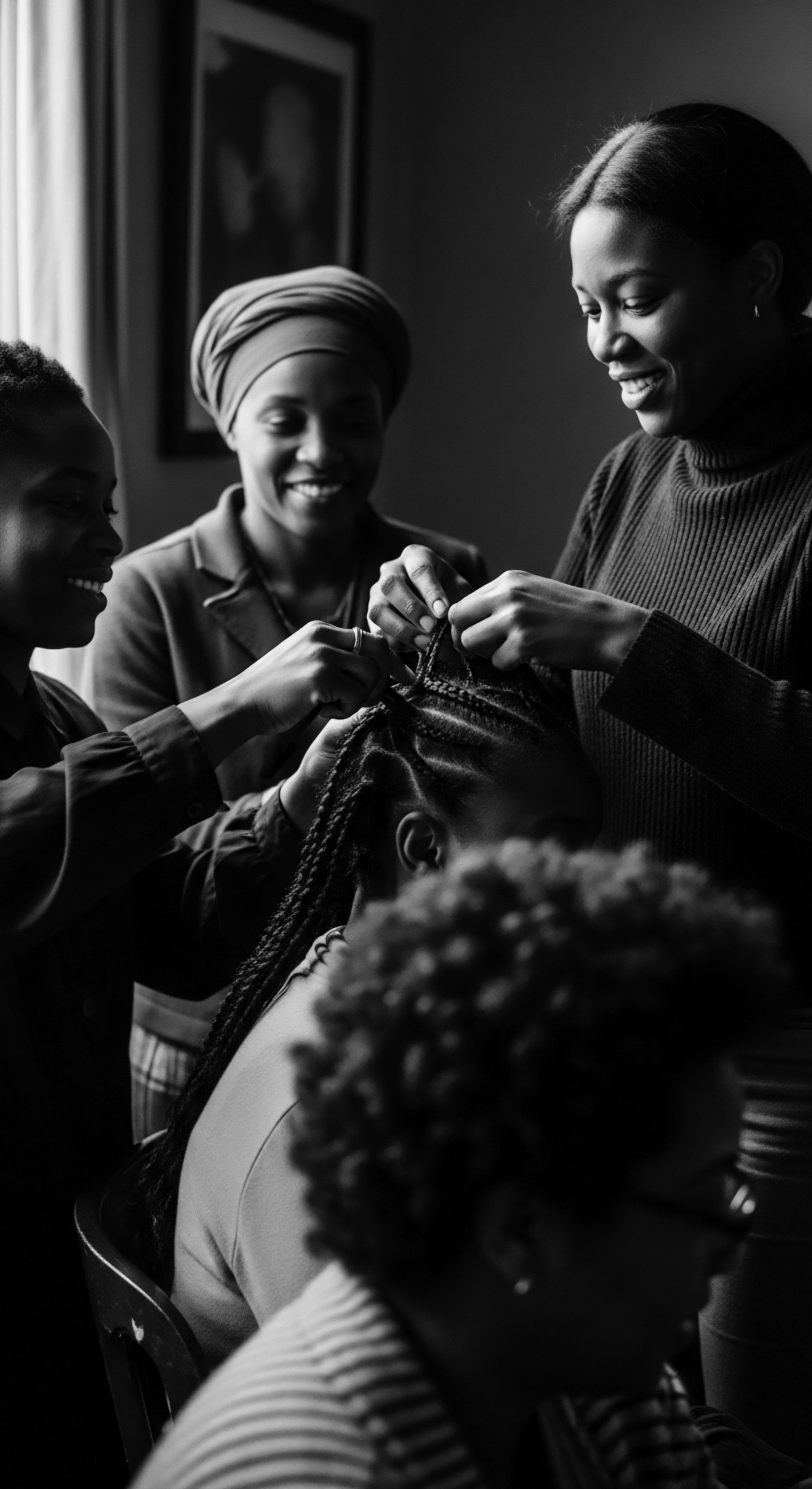
Ancestral African hair practices became vital survival strategies during enslavement, offering covert communication, psychological resilience, and a profound connection to heritage.
Historical practices inform modern textured hair care by transmitting ancestral wisdom, natural ingredient use, and cultural significance, shaping contemporary regimens and identity.
Ancient oils shaped cultural identity by serving as essential nourishment for textured hair, linking individuals to ancestral practices and communal heritage.
Ancestral ingredients offer profound benefits for textured hair, rooted in centuries of cultural heritage and validated by modern scientific understanding.
Enslaved people utilized plants like castor bean, aloe vera, and foraged herbs, alongside animal fats, for hair care, adapting ancestral knowledge to preserve textured hair heritage.
Botanicals hold profound historical significance for textured hair as ancestral tools for care, cultural expression, and identity preservation across generations.
Traditional ingredients offer modern protection for textured hair by providing ancestral wisdom and natural compounds that moisturize, strengthen, and shield strands.
Ancient West African hair care oils, deeply rooted in heritage, offer profound insights into modern textured hair routines by emphasizing holistic nourishment and protection.
The science of botanicals deeply aligns with textured hair heritage through ancestral wisdom, traditional practices, and proven plant compounds nourishing unique curl patterns.
West African oils like shea butter and palm kernel oil historically strengthened textured hair by providing moisture, protection, and vital nutrients, preserving a rich heritage of care.
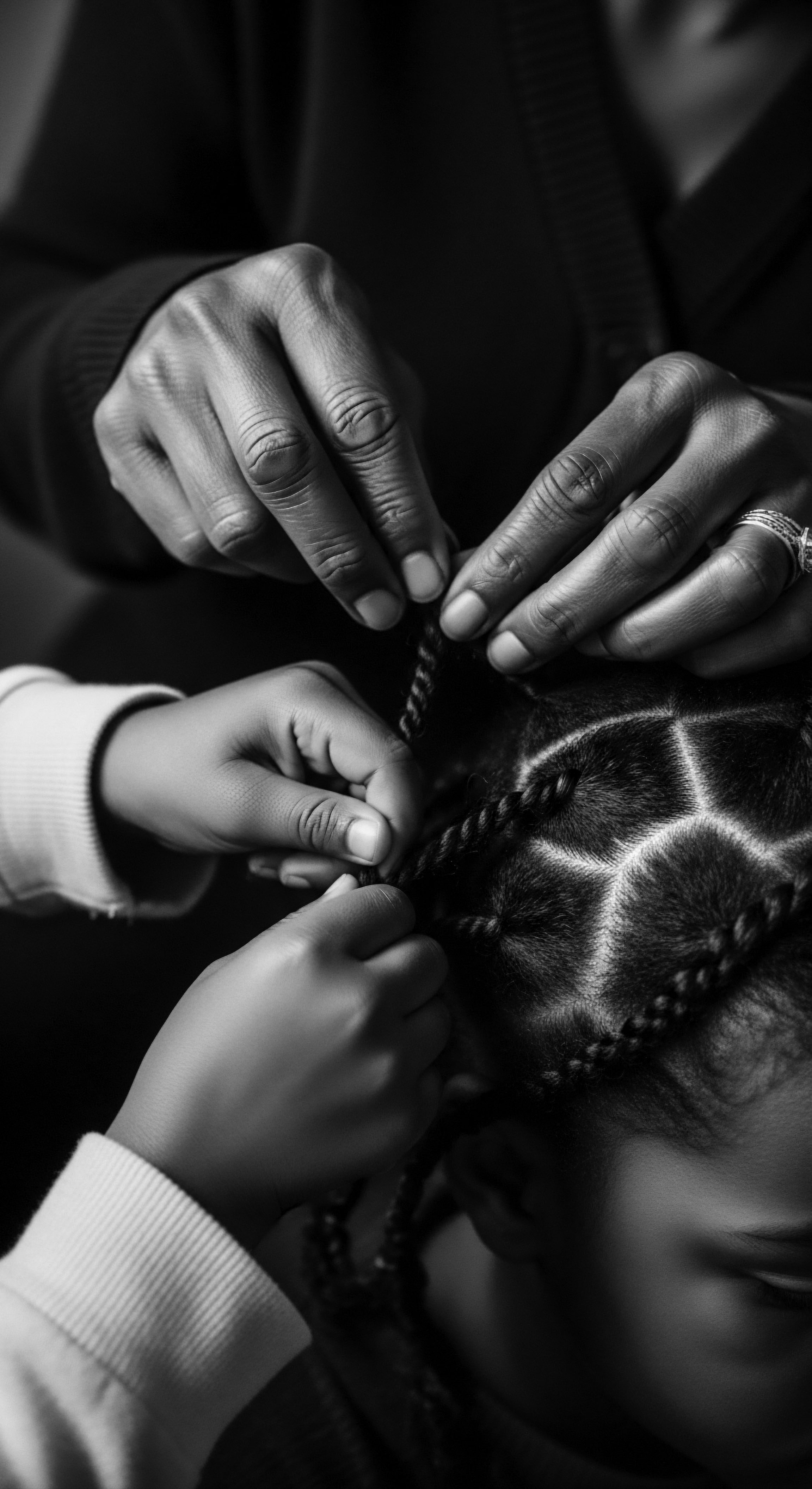
Historical protective styles for textured hair, rooted in ancestral practices, directly shaped product innovation by revealing inherent needs for moisture, protection, and scalp health.
Traditional African botanicals profoundly influence contemporary textured hair product innovation by offering ancestral wisdom for moisture, protection, and strength, deeply rooted in heritage.
Modern science confirms ancestral textured hair care practices through shared principles of moisture retention, gentle handling, and botanical nourishment.
We use cookies to personalize content and marketing, and to analyze our traffic. This helps us maintain the quality of our free resources. Manage your preferences below.
This helps support our free resources through personalized marketing efforts and promotions.
Analytics cookies help us understand how visitors interact with our website, improving user experience and website performance.
Personalization cookies enable us to customize the content and features of our site based on your interactions, offering a more tailored experience.