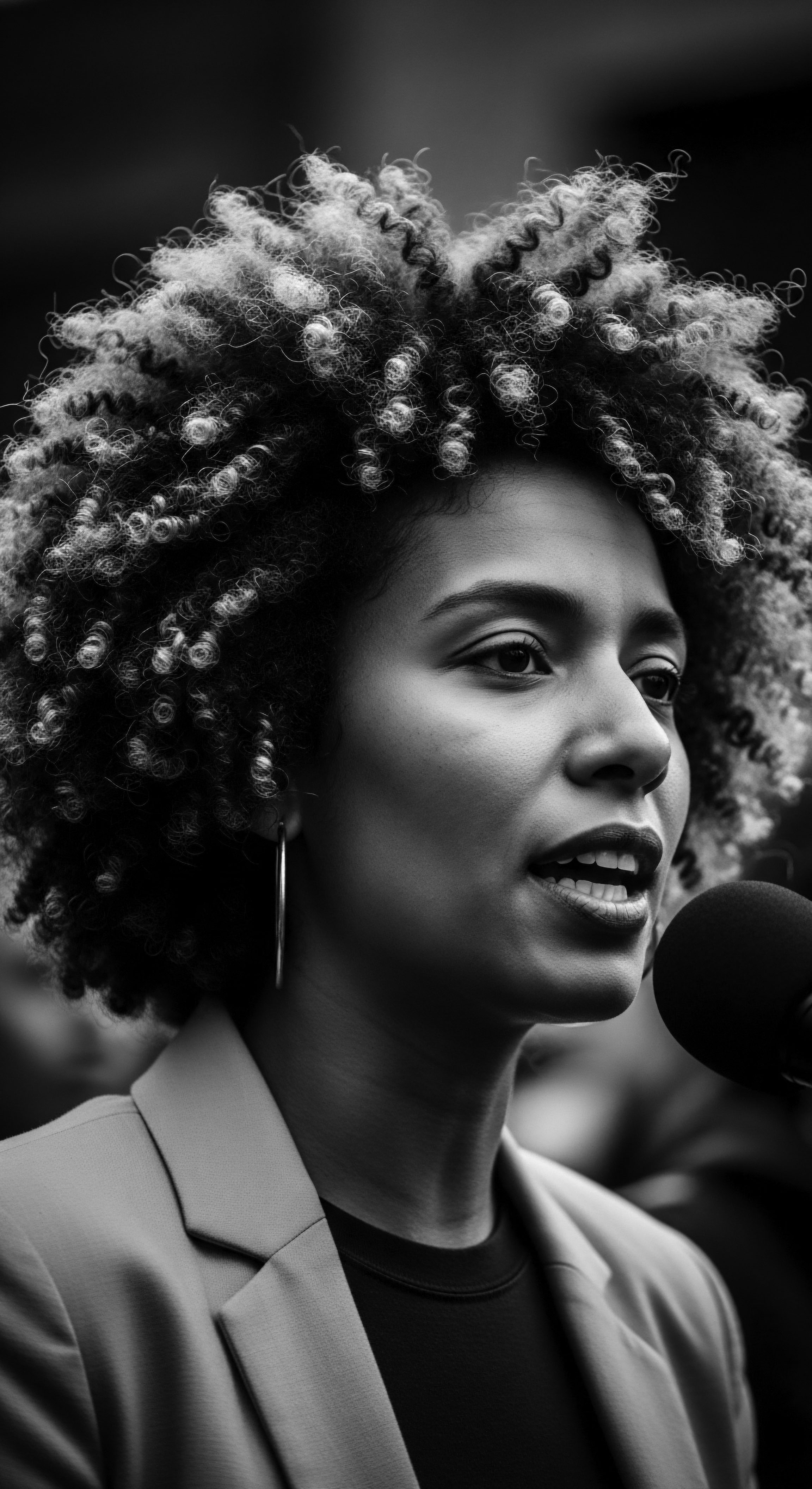
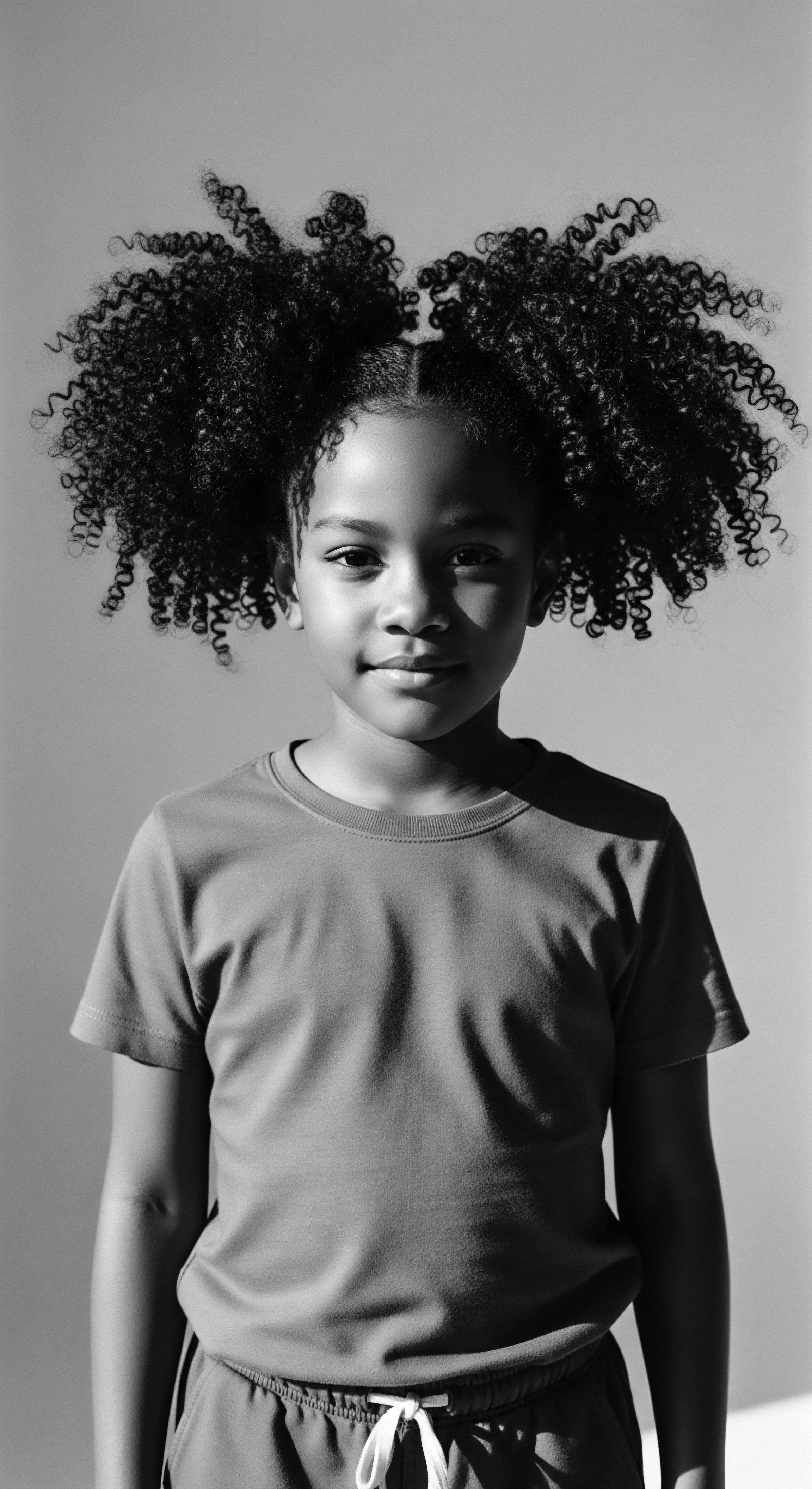
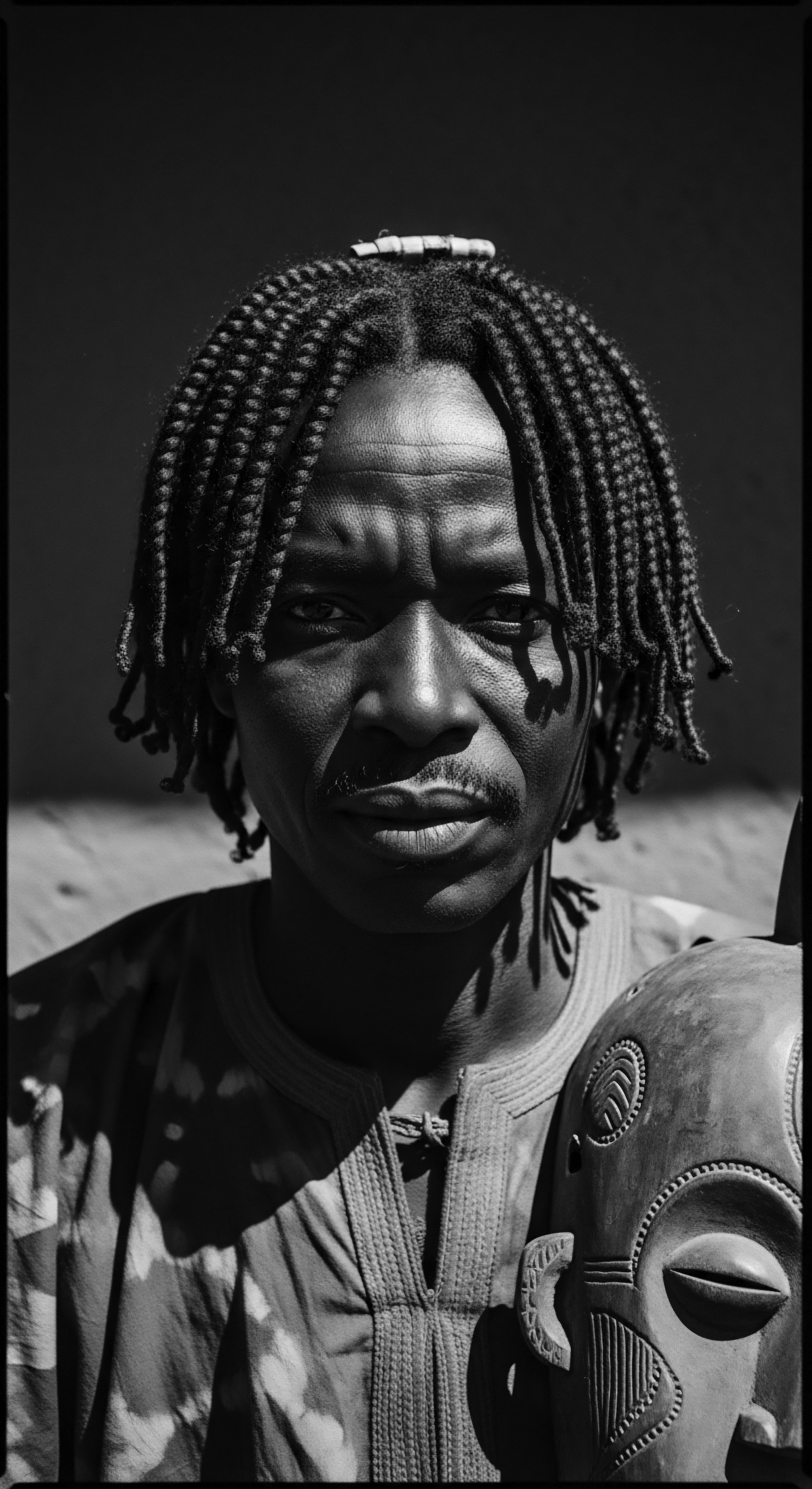
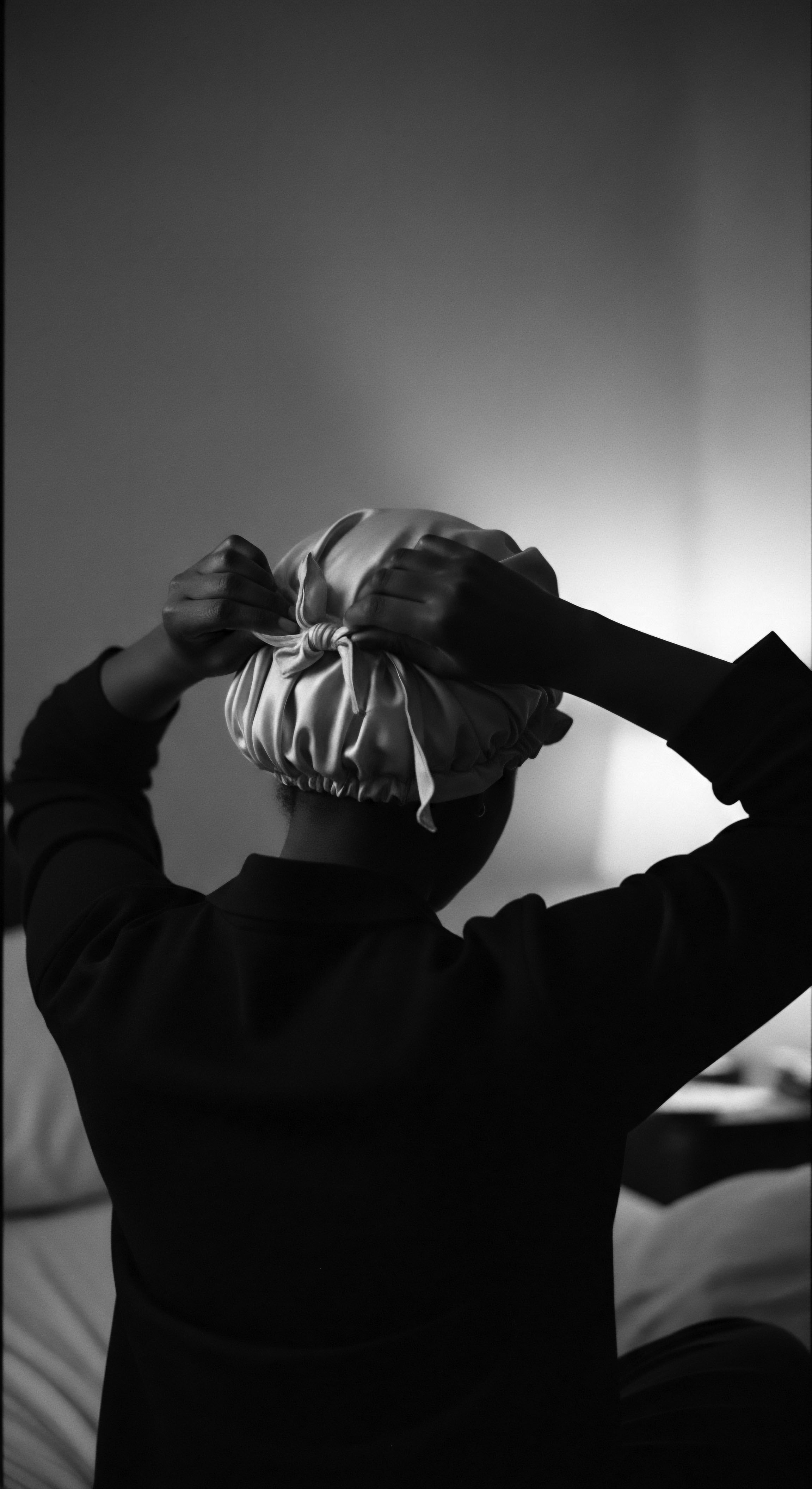
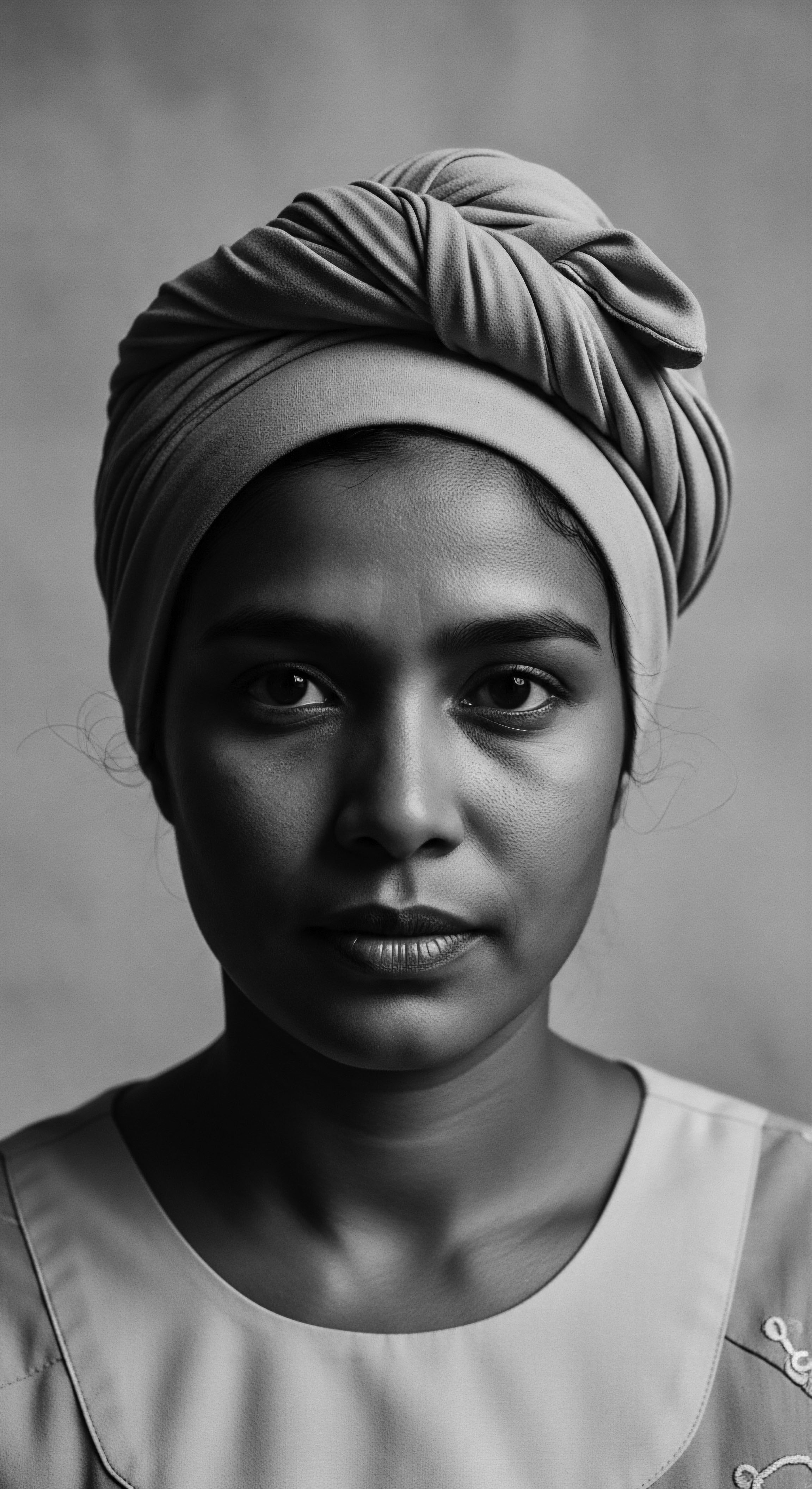
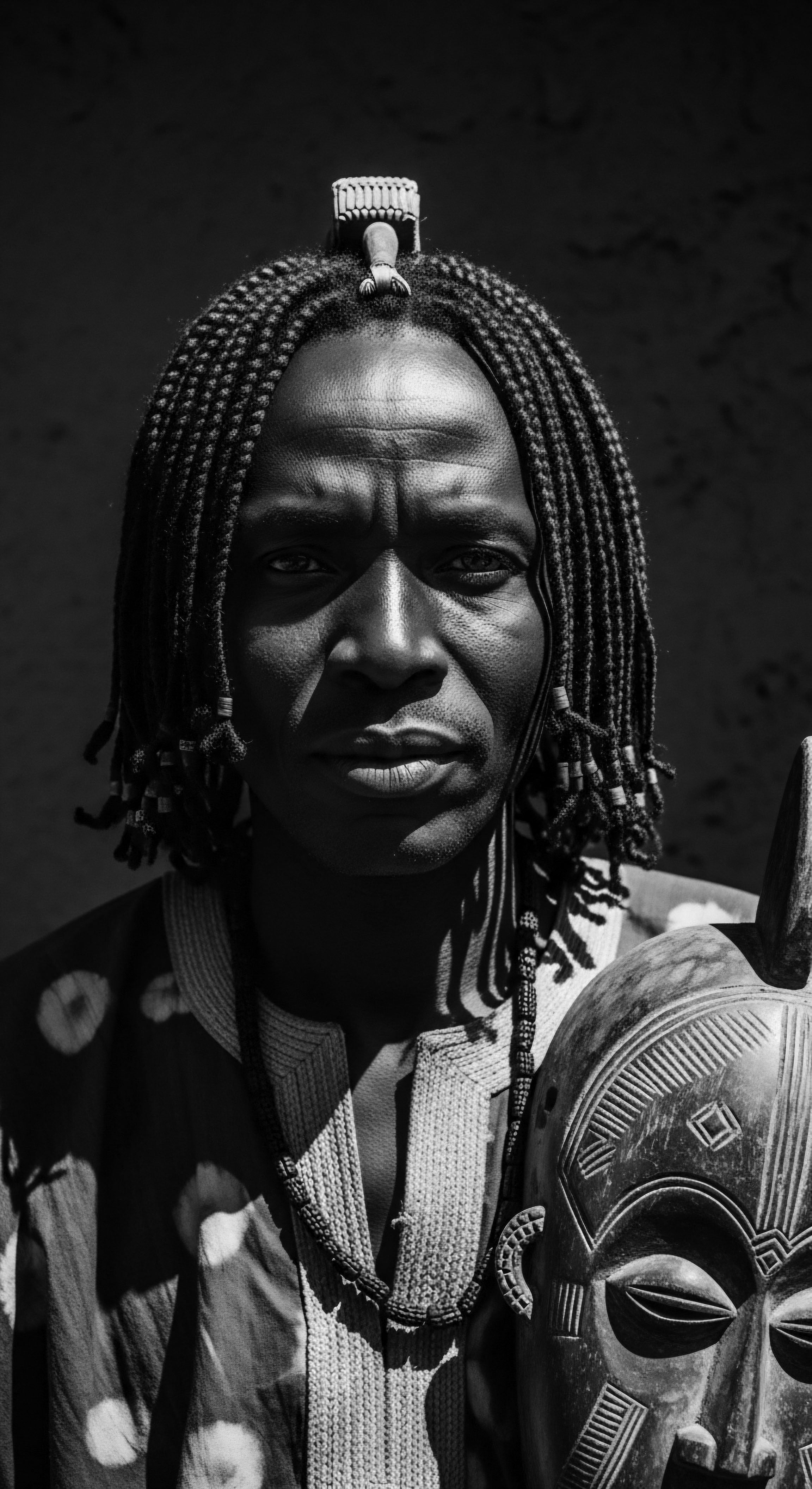
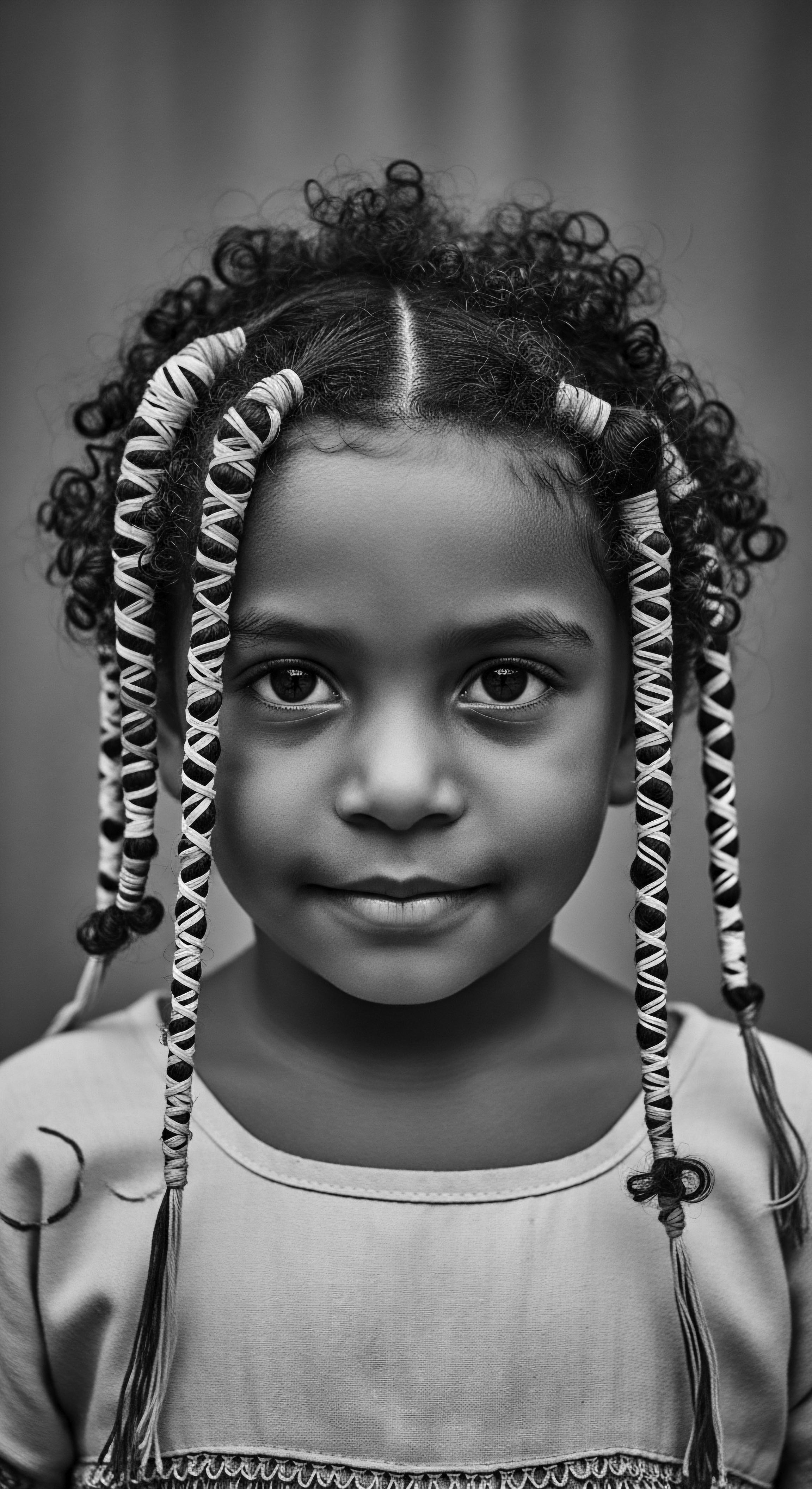
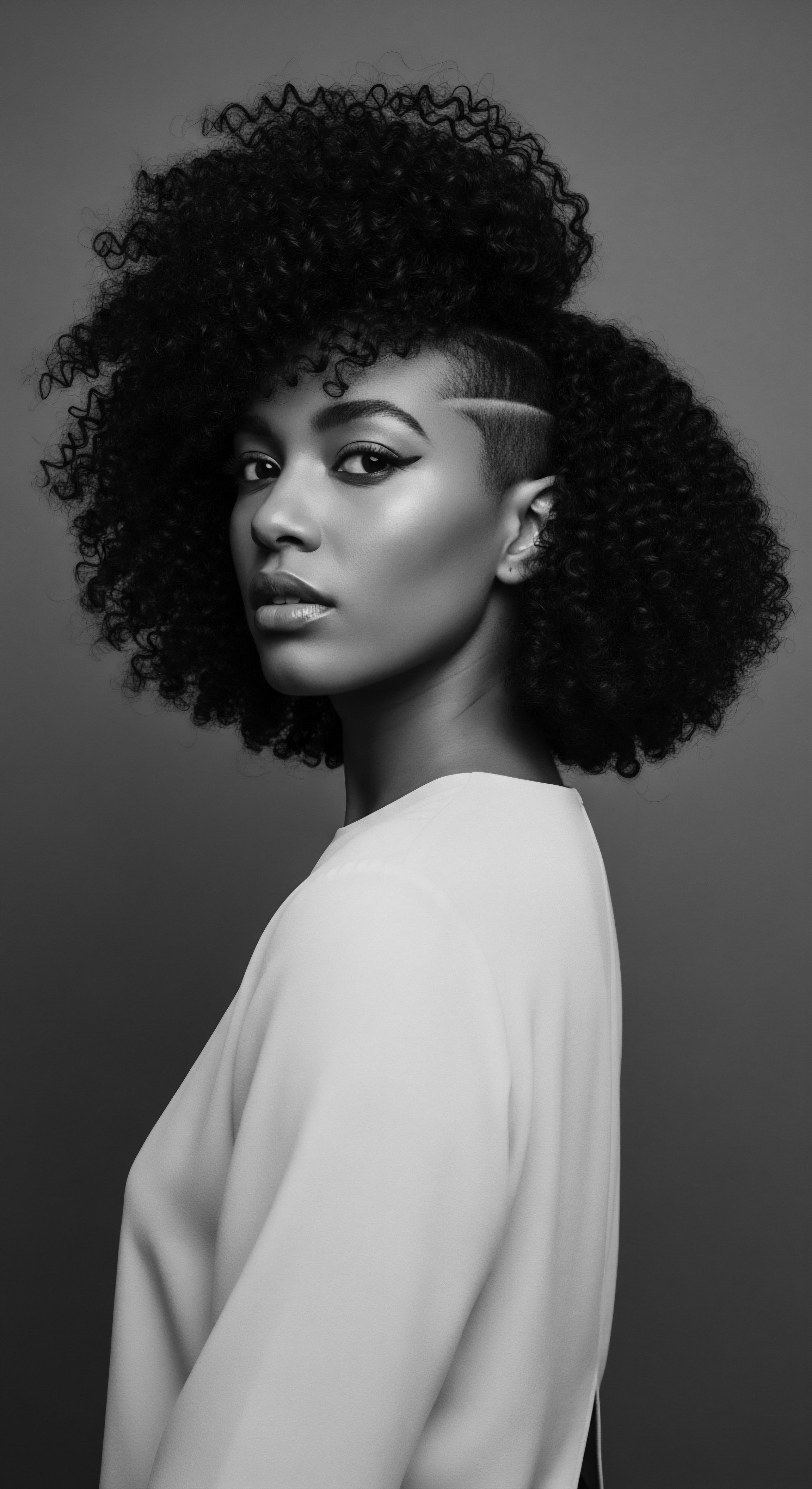
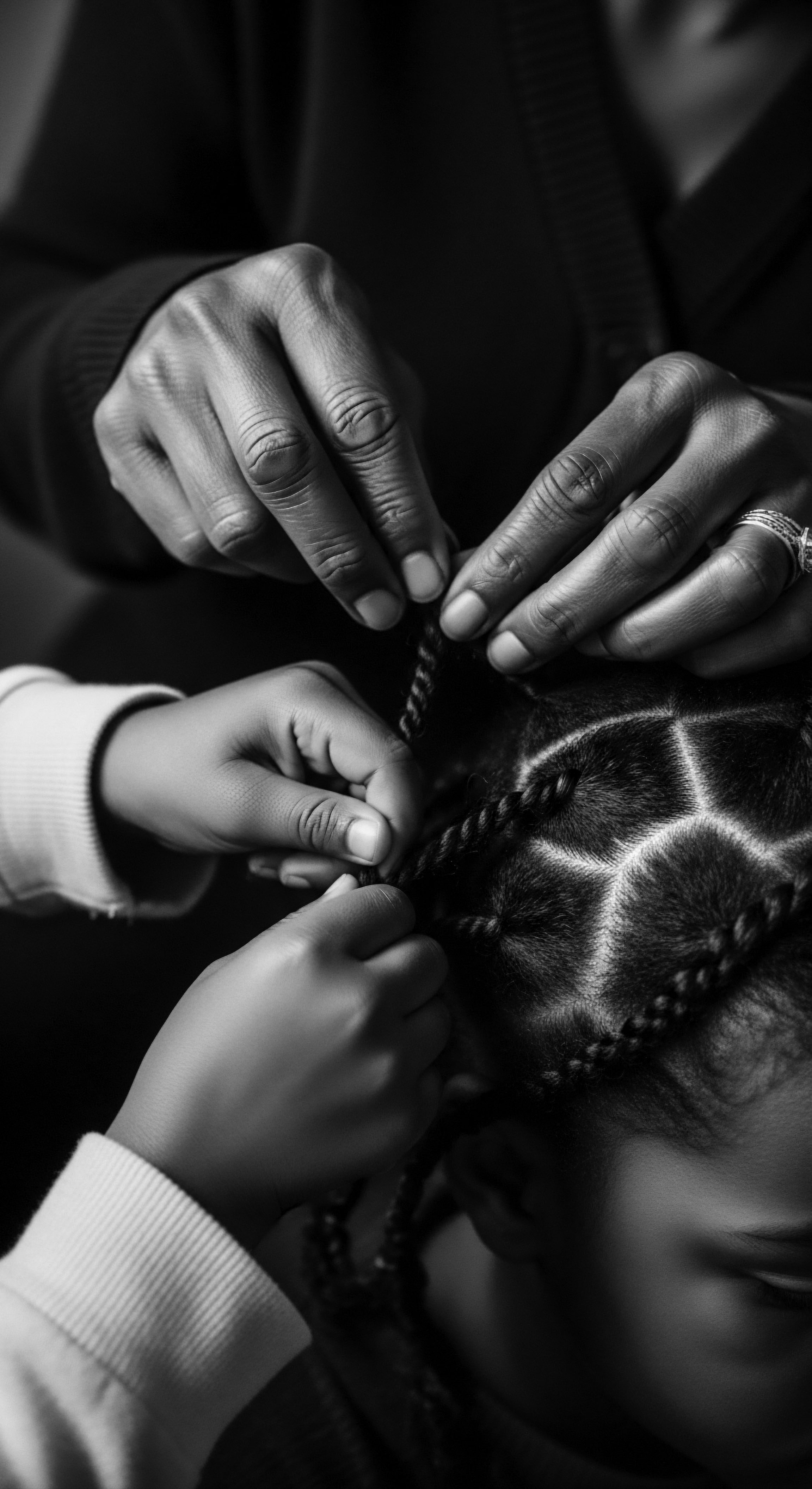
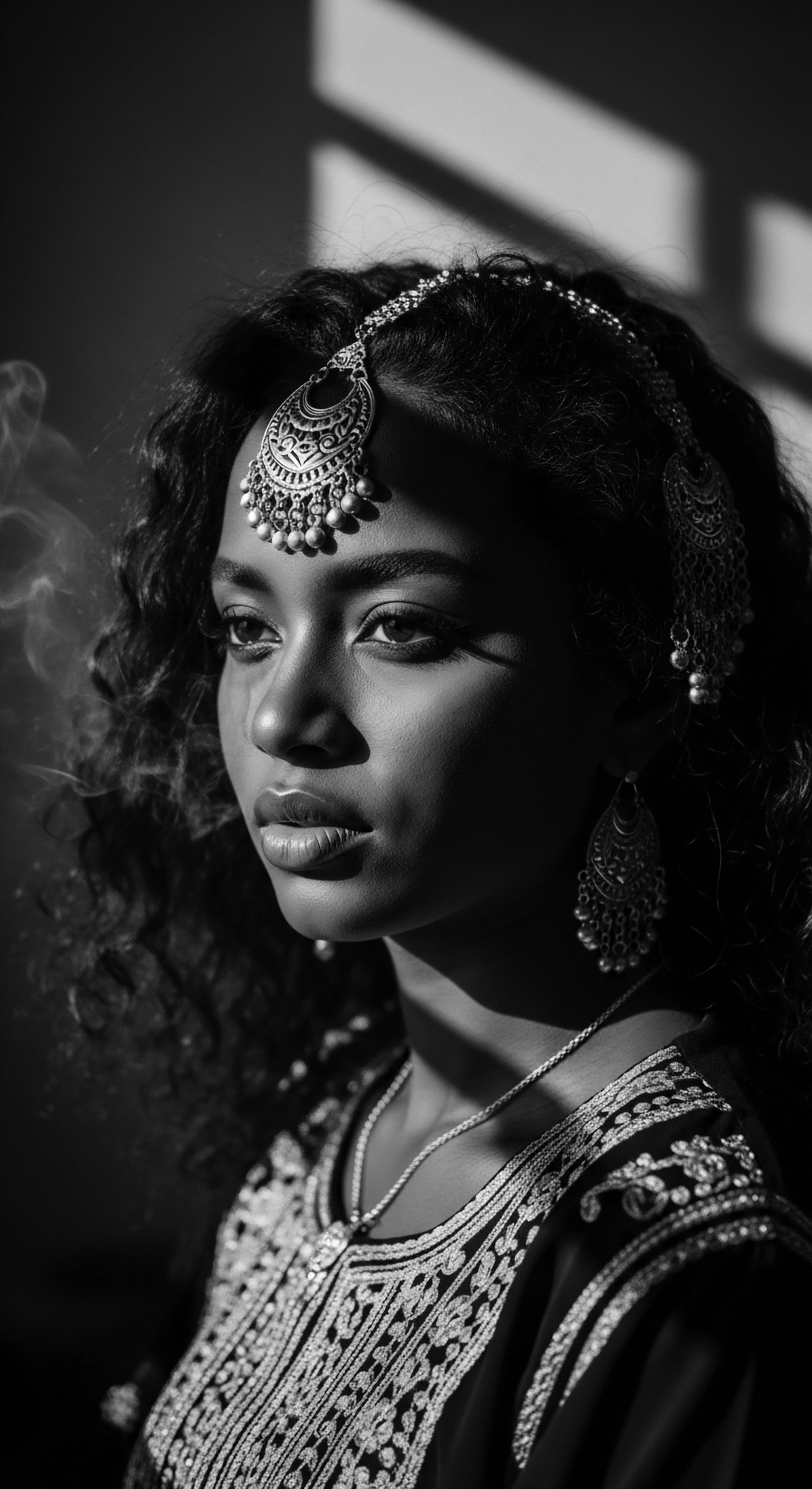
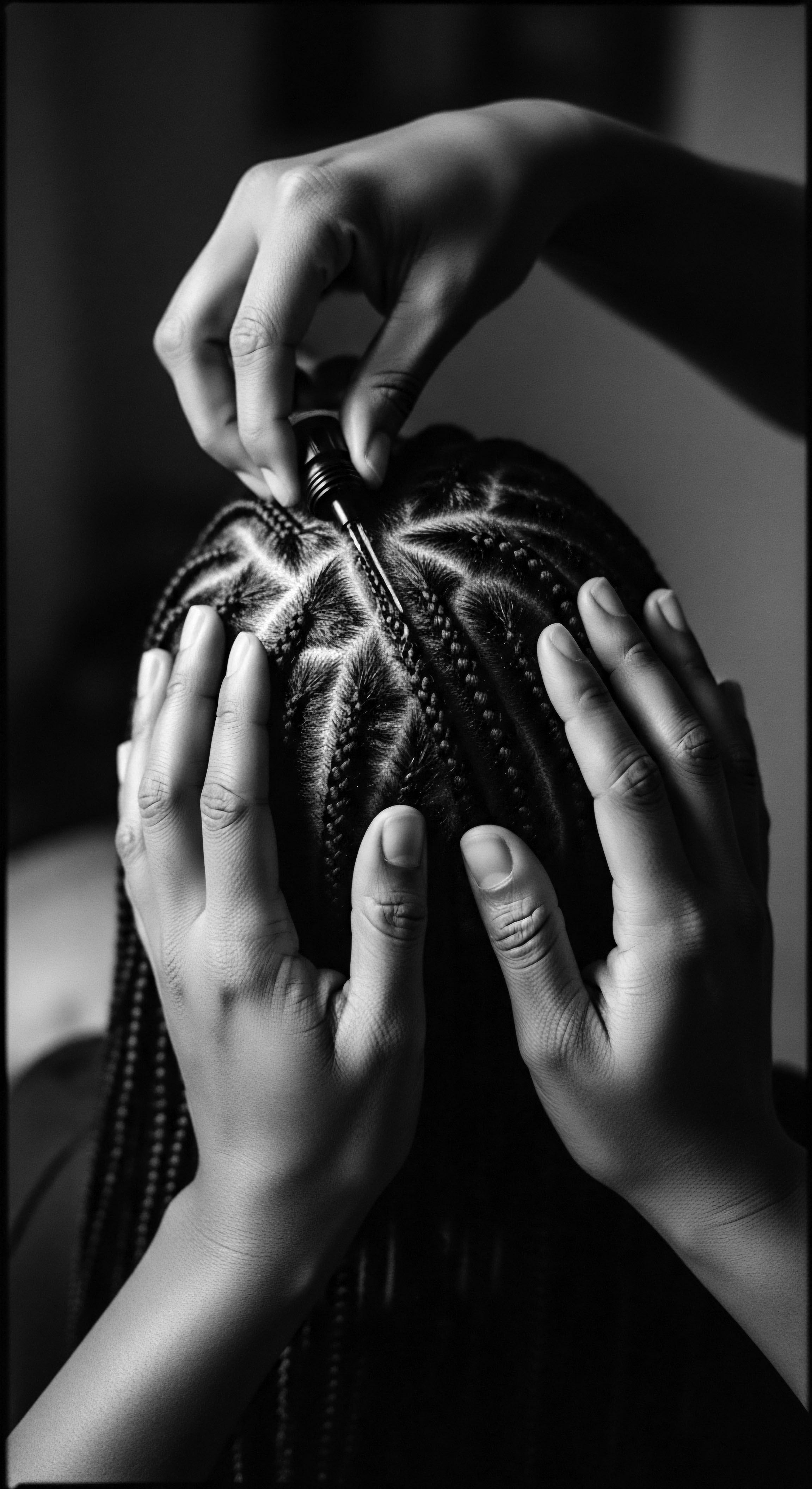
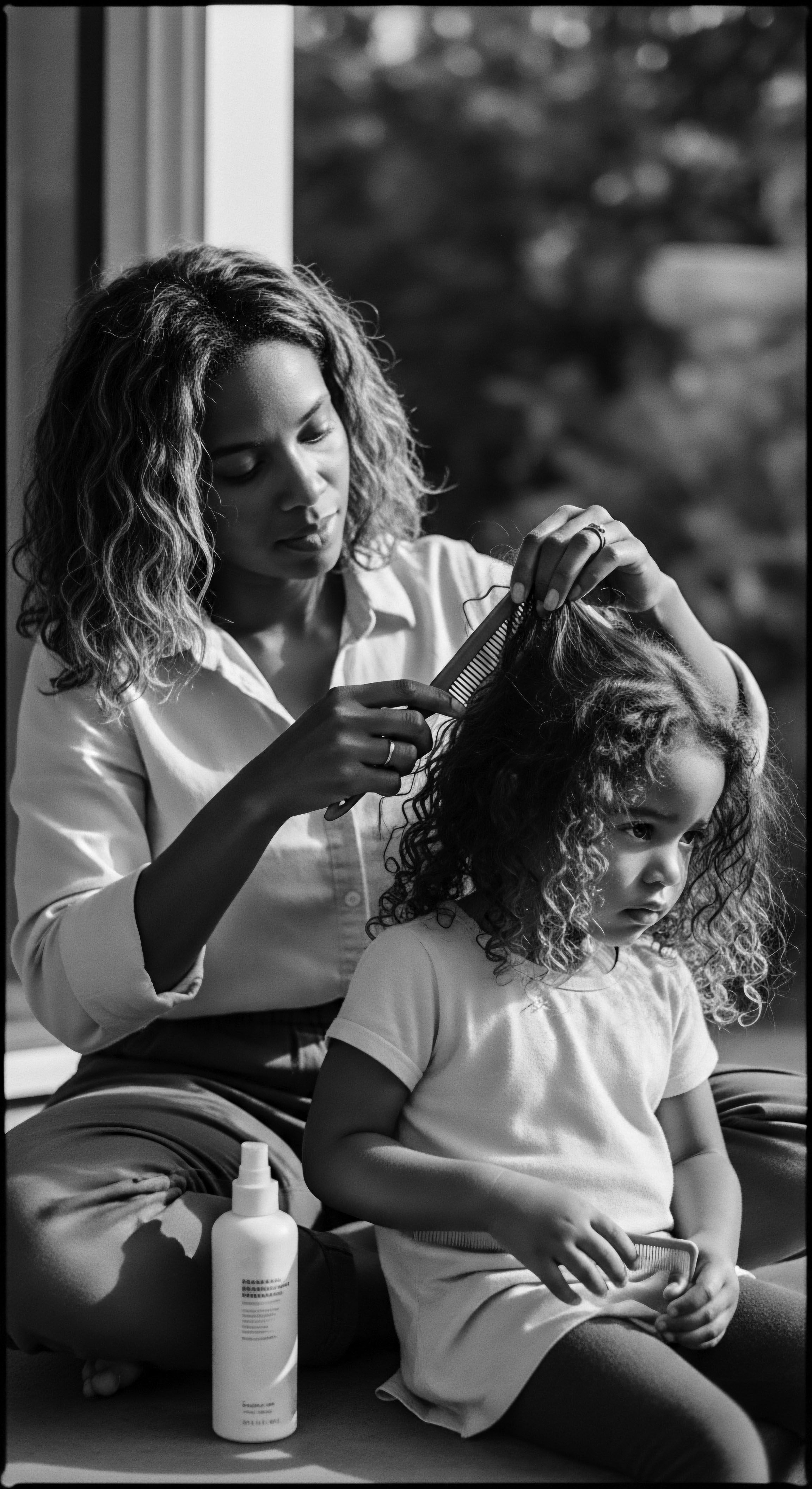
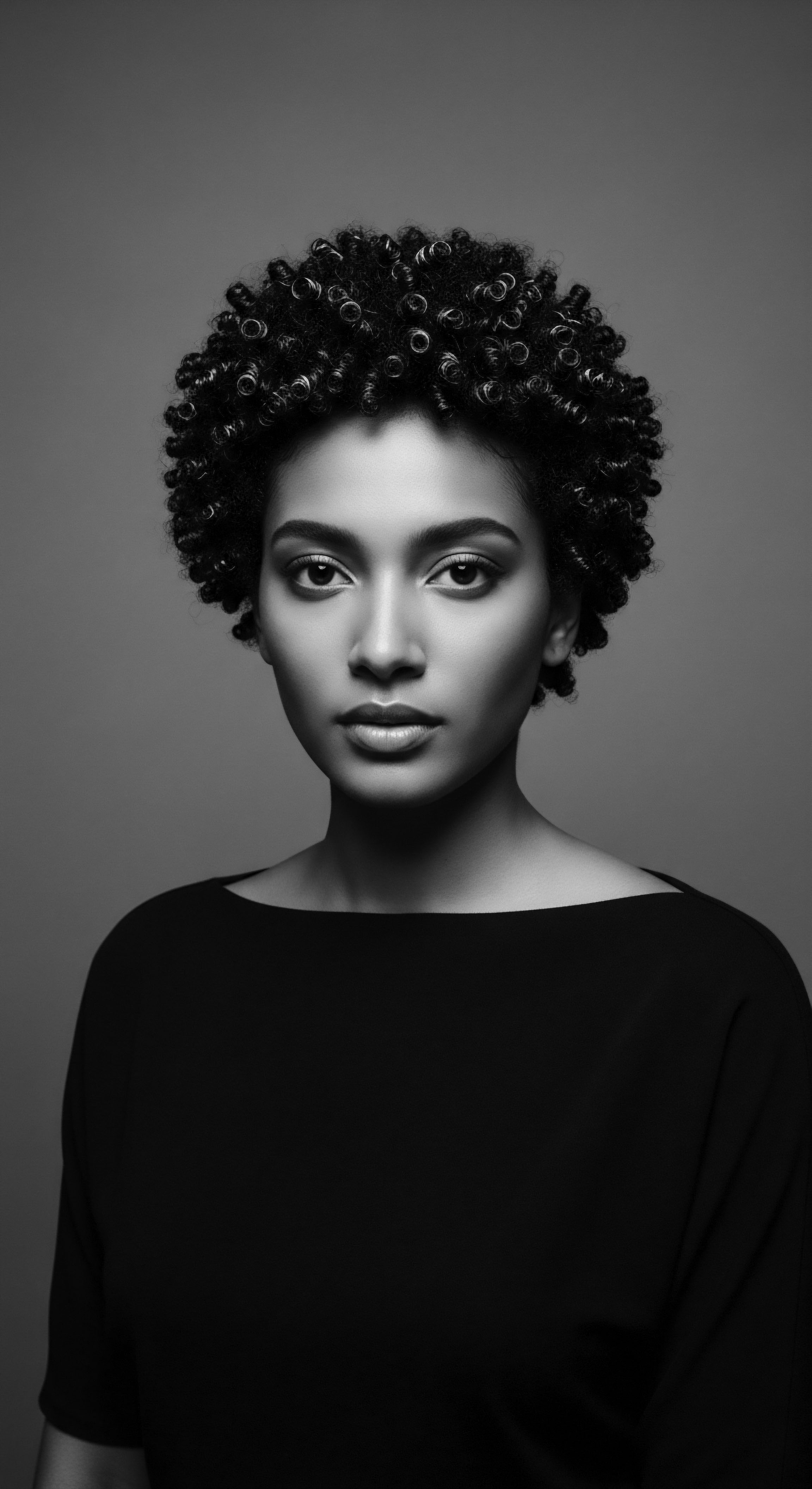
Contemporary textured hair practices directly preserve heritage through techniques, tools, and ingredients rooted in ancestral wisdom and cultural resilience.
Ancestral beliefs viewed textured hair as a spiritual conduit, identity marker, and physical testament to heritage, shaping care through protective styles and natural ingredients.
Modern laws recognize textured hair heritage by explicitly protecting culturally significant hairstyles as extensions of racial identity, reversing historical discrimination.
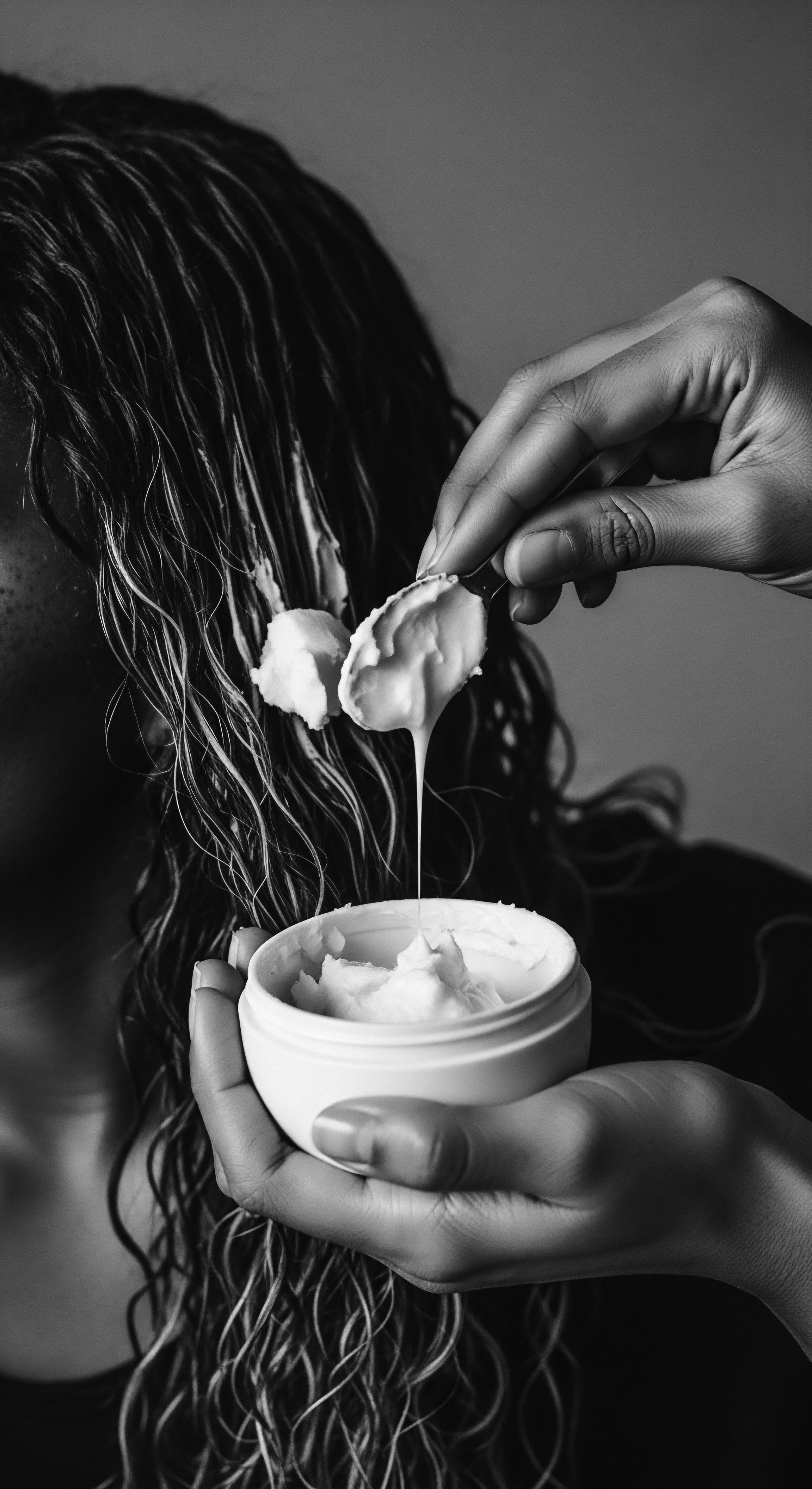
Shea butter mirrors textured hair's resilience by serving as a centuries-old balm, deeply rooted in ancestral care, providing moisture, protection, and a cultural link to heritage.
Ancient communities viewed hair as a profound cultural marker, conveying identity, status, and spiritual connection, deeply shaping textured hair heritage.
Oils played a fundamental historical role in textured hair identity, providing essential nourishment, protection, and cultural significance rooted in ancestral practices.
Ancestral practices shaped shea butter use by recognizing its protective and moisturizing qualities for textured hair, integrating it into sacred rituals of care and communal expression.
African hair oils historically defined identity through communal rituals, spiritual connections, and cultural resilience, deeply rooted in textured hair heritage.
Ancestral hair care practices preserved Black identity and heritage by transforming strands into living archives of cultural memory, resilience, and communal wisdom.
Ancient textured hair care protected from sun through physical styles, natural oil application, and head coverings, embodying a rich heritage of environmental adaptation.
Ancient hair rituals, particularly from African heritage, directly shape modern product ingredients by offering a time-tested blueprint for nourishing and protecting textured hair.
Ancestral African practices fortified hair through deep understanding of its natural qualities, using protective styles and plant-based ingredients for health.
Textured hair heritage has historically challenged professional dress codes, compelling a shift towards cultural recognition and legislative protection.
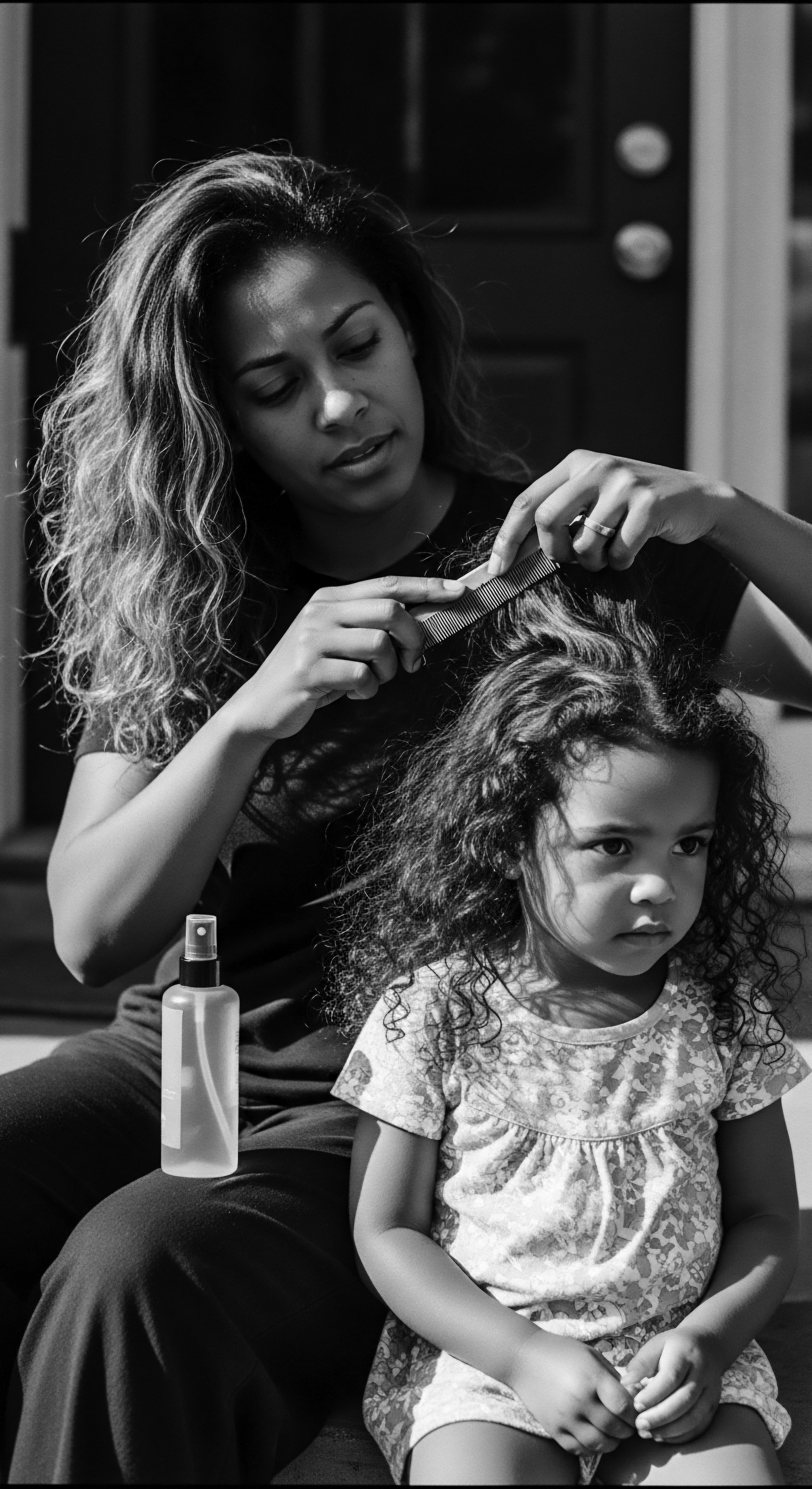
Historical hair oiling rituals fostered community bonds by creating shared spaces for intergenerational learning, social support, and cultural preservation within textured hair heritage.
CROWN Act provisions protect Black hair heritage in schools by legally prohibiting discrimination against natural hair textures and protective styles, affirming cultural identity.
Ancient protective styles shielded textured hair by minimizing manipulation, retaining moisture, and offering physical defense, deeply rooted in Black hair heritage.
Shea butter upholds textured hair heritage by offering ancestral nourishment and protection, deeply rooted in African traditions and validated by modern science.
Ancient African communities utilized natural oils and butters to deeply moisturize, protect, and strengthen textured hair, preserving its vitality and cultural significance.
Shea butter's components aid the scalp barrier by mimicking natural lipids, providing deep moisture, and soothing irritation, continuing a heritage of textured hair care.
The CROWN Act legally safeguards textured hair, recognizing its deep connection to Black and mixed-race heritage, protecting cultural expression from discrimination.
We use cookies to personalize content and marketing, and to analyze our traffic. This helps us maintain the quality of our free resources. Manage your preferences below.
This helps support our free resources through personalized marketing efforts and promotions.
Analytics cookies help us understand how visitors interact with our website, improving user experience and website performance.
Personalization cookies enable us to customize the content and features of our site based on your interactions, offering a more tailored experience.