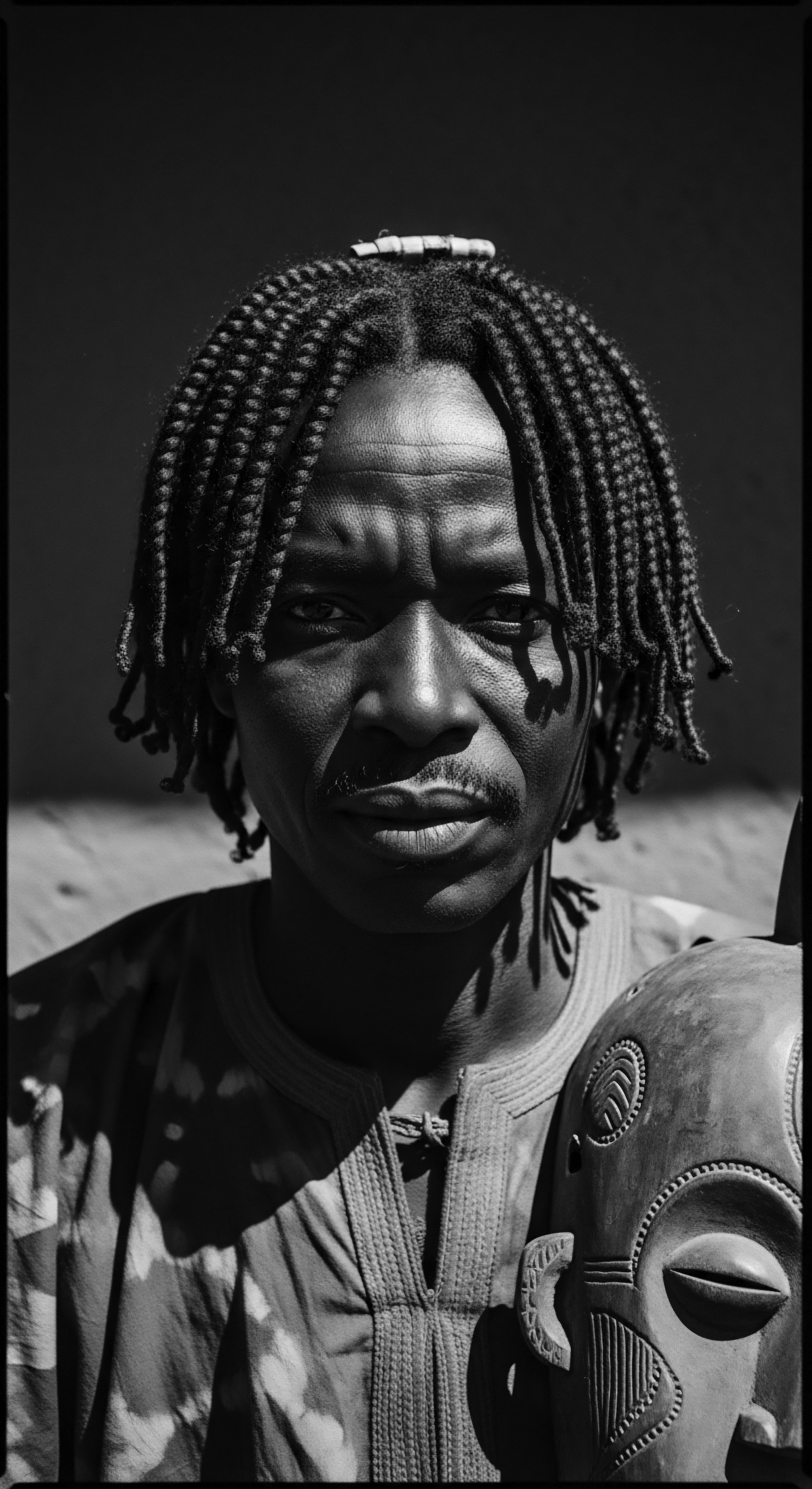
Traditional African hair wisdom deeply informs modern hair science and product development by providing ancestral knowledge of botanicals, holistic care, and protective styling, all centered on textured hair heritage.
Historical textured hair care practices deeply influence contemporary routines by providing a foundational understanding of hair biology, inspiring protective styles, and offering a legacy of natural ingredients and holistic wellness, all rooted in profound cultural heritage.
Ancestral hair practices profoundly shape contemporary care by embedding grooming in heritage, fostering resilience, and validating natural ingredients for textured hair health.
Textured hair symbolized resilience by serving as a cultural archive, a tool for survival, and a powerful statement of identity across historical periods.
Ancestral textured hair care relied on botanical oils like shea butter, palm oil, and argan oil for environmental defense, a legacy of heritage and resilience.
Ancient ingredients protected textured hair through natural oils, butters, and herbs, forming a shield against environmental stressors and preserving cultural heritage.
Ancestral hair care practices, deeply rooted in heritage, are scientifically affirmed for their effectiveness in nourishing and protecting textured hair.
Hair curl arises from specific genetic markers influencing follicle shape and protein arrangement, a heritage deeply woven into textured hair's diverse beauty.
Traditional oils connect to mixed-race hair identity by serving as tangible links to ancestral practices and botanical wisdom, embodying a rich heritage of care.
Historical oiling practices for coily hair, rooted in ancestral wisdom, deeply align with modern hair science by providing essential lipids for moisture, protection, and structural integrity.
Ancient African hair practices connected communities by serving as a visual language of identity, status, and spiritual belief, fostering communal rituals that strengthened social bonds and preserved textured hair heritage.
Jim Crow policies compelled Black individuals to alter natural hair for survival, deeply impacting textured hair heritage and fostering self-sufficient beauty culture.
Traditional oils connect to ancestral hair rituals by offering scientifically sound nourishment and protection, deeply rooted in textured hair heritage.
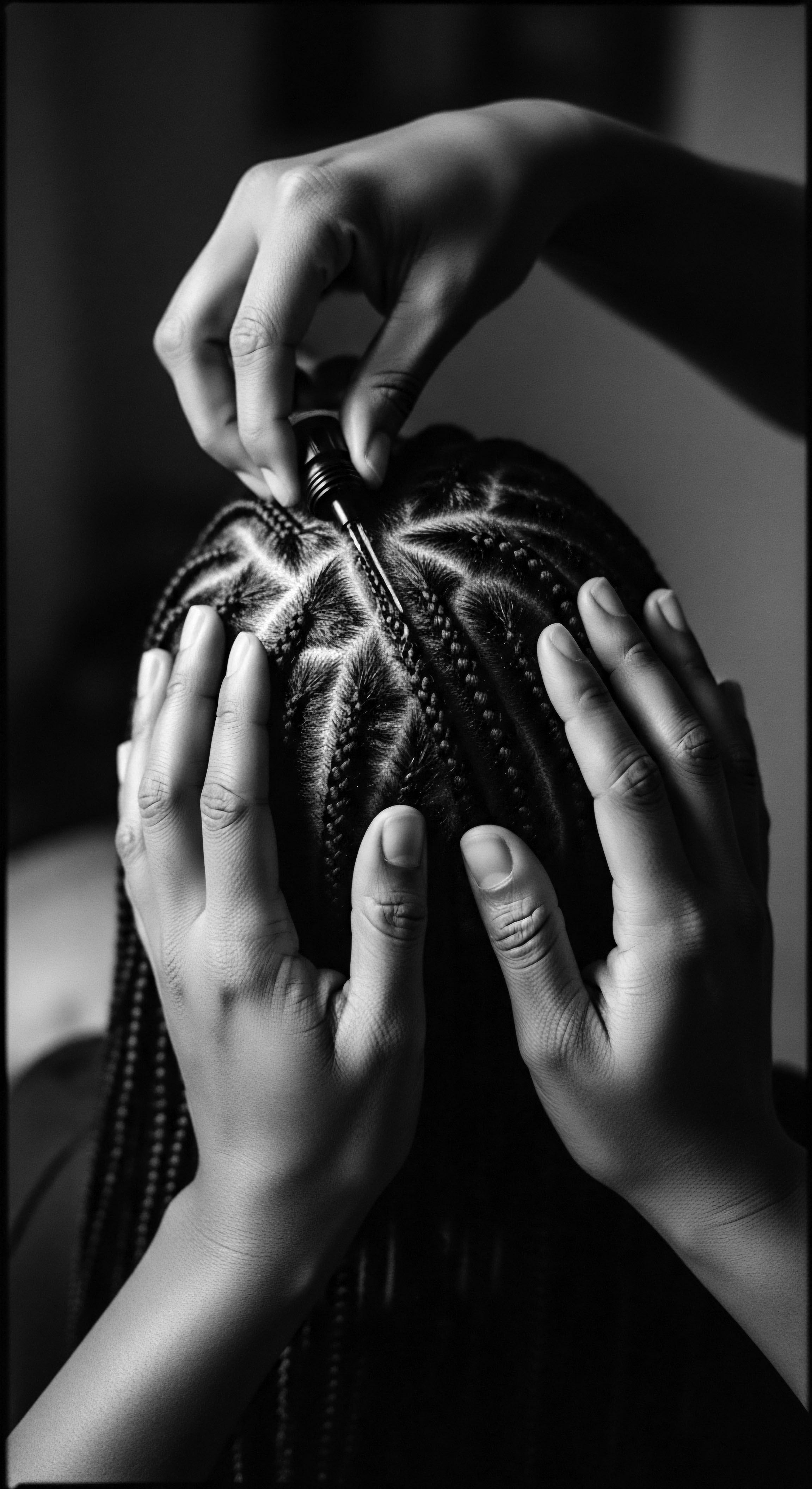
Protective styles connect to ancestral wisdom by preserving textured hair health through inherited techniques that shield strands and honor cultural identity.
Shea butter's fatty acids, vitamins, and anti-inflammatory compounds scientifically validate its historical use for moisturizing, protecting, and soothing textured hair, affirming ancestral care practices.
Ancient oils like shea butter, coconut, olive, castor, argan, and jojoba traditionally moisturized textured hair, rooted in diverse ancestral heritage.
Ancient plant compounds, like shea butter and baobab oil, shielded textured hair through emollients, antioxidants, and physical barriers, a heritage of natural protection.
Ancient plant-based ingredients like shea butter, baobab oil, and amla were essential for nourishing and protecting textured hair across diverse ancestral cultures.
Traditional shea butter production is a cornerstone of textured hair heritage, symbolizing ancestral wisdom, communal resilience, and identity preservation.
Ancestral shea butter processing preserves vital compounds, profoundly impacting its utility for textured hair by deepening moisture and honoring heritage.
We use cookies to personalize content and marketing, and to analyze our traffic. This helps us maintain the quality of our free resources. Manage your preferences below.
This helps support our free resources through personalized marketing efforts and promotions.
Analytics cookies help us understand how visitors interact with our website, improving user experience and website performance.
Personalization cookies enable us to customize the content and features of our site based on your interactions, offering a more tailored experience.