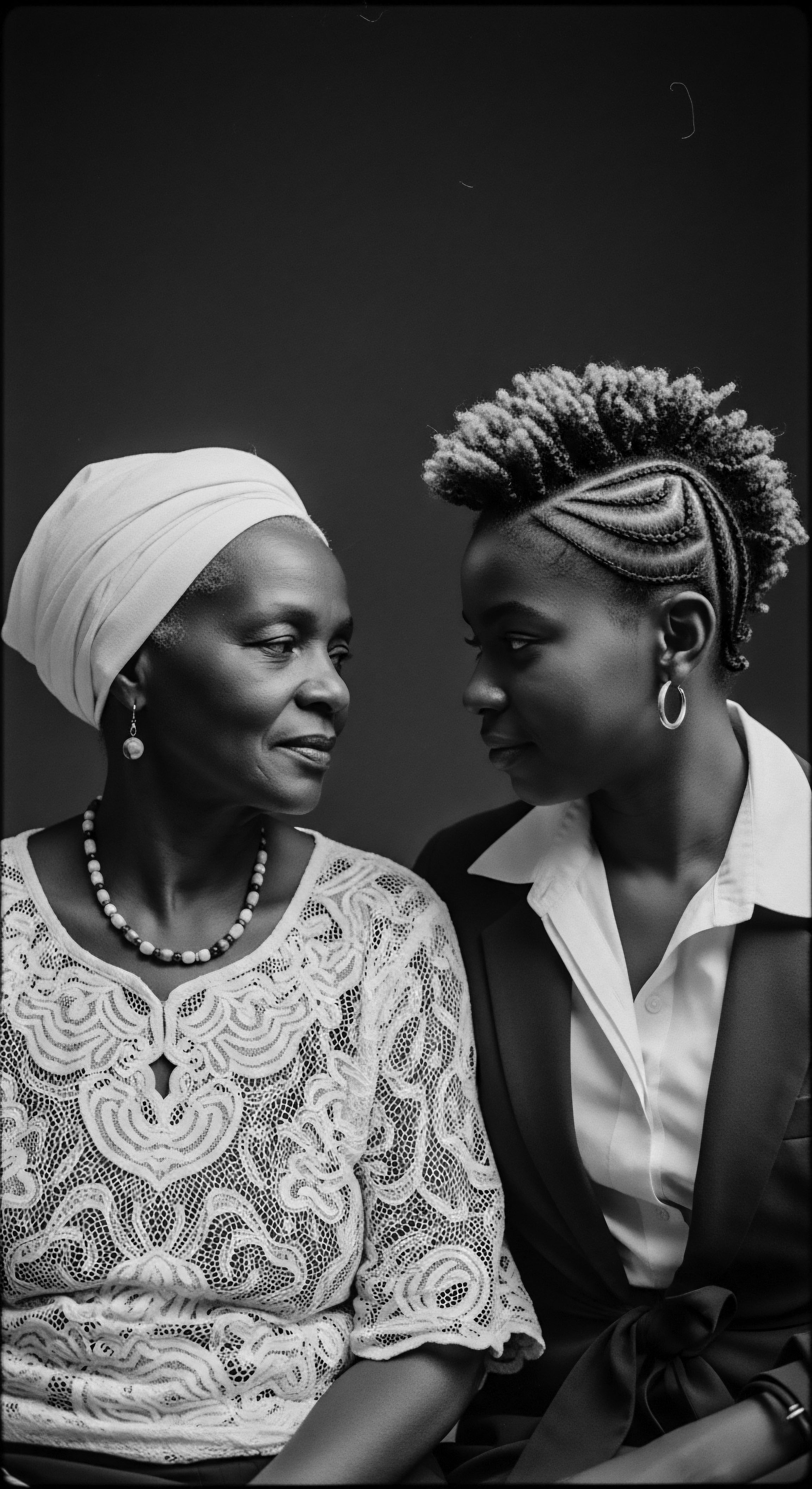
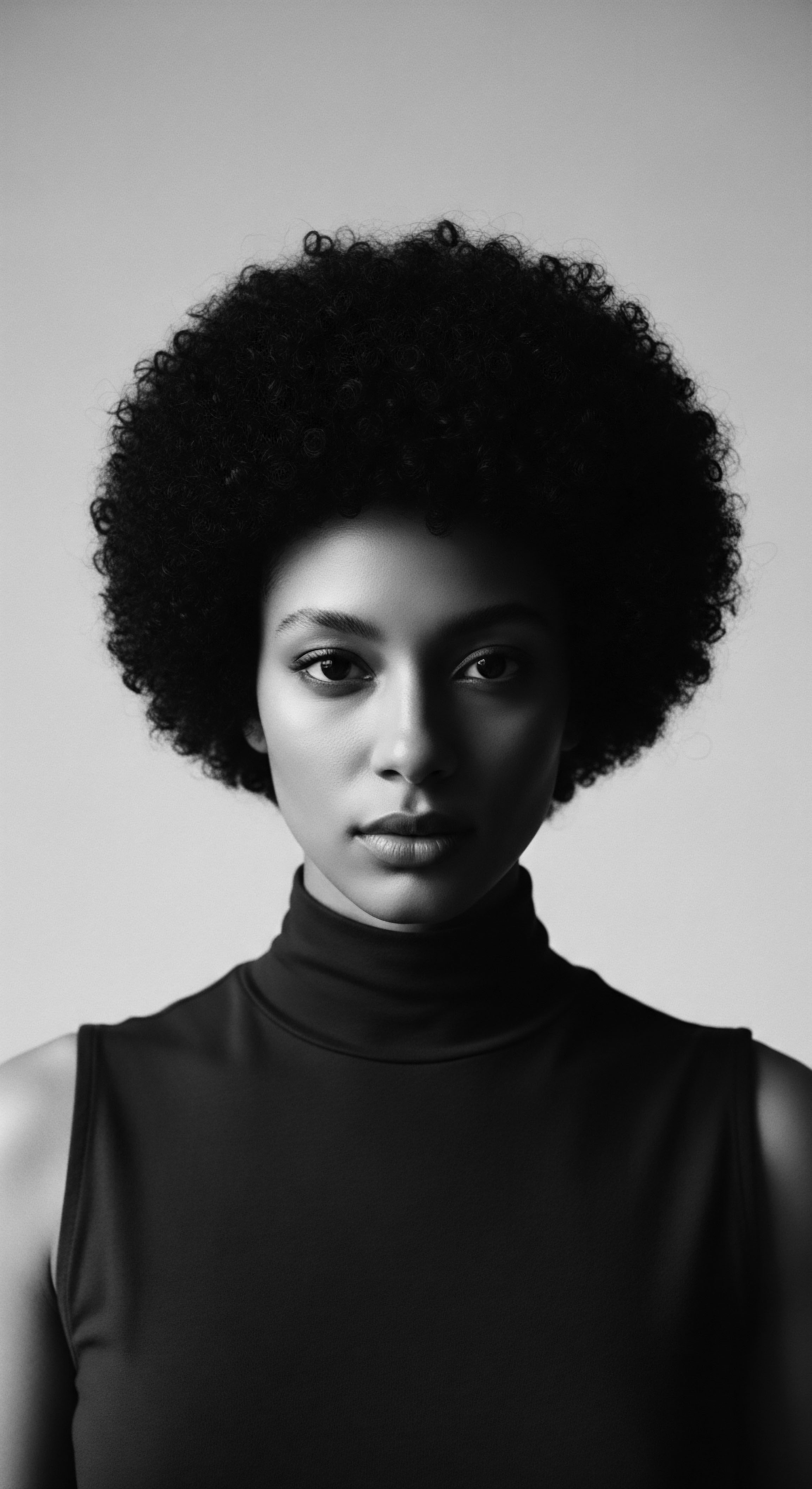
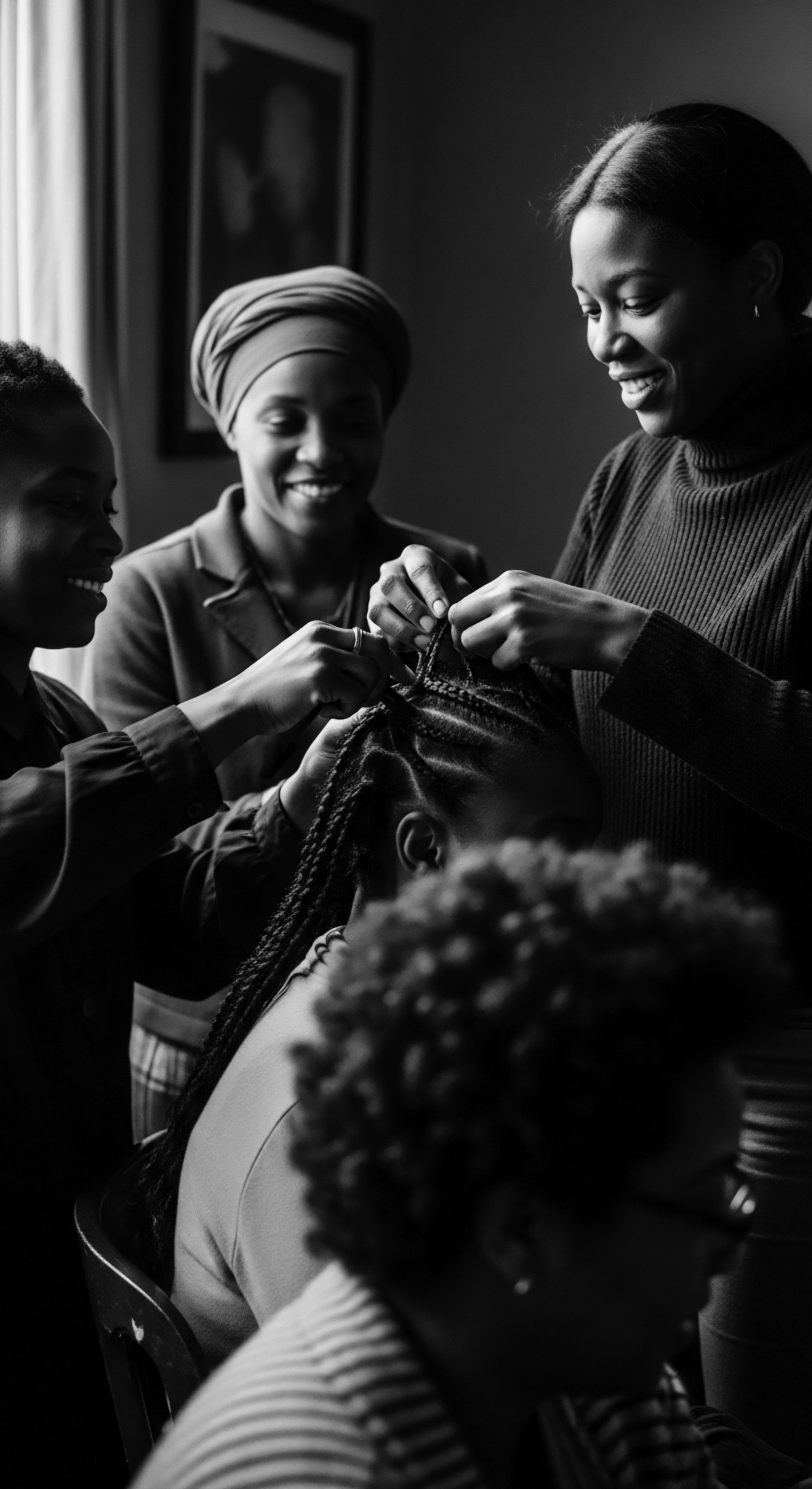
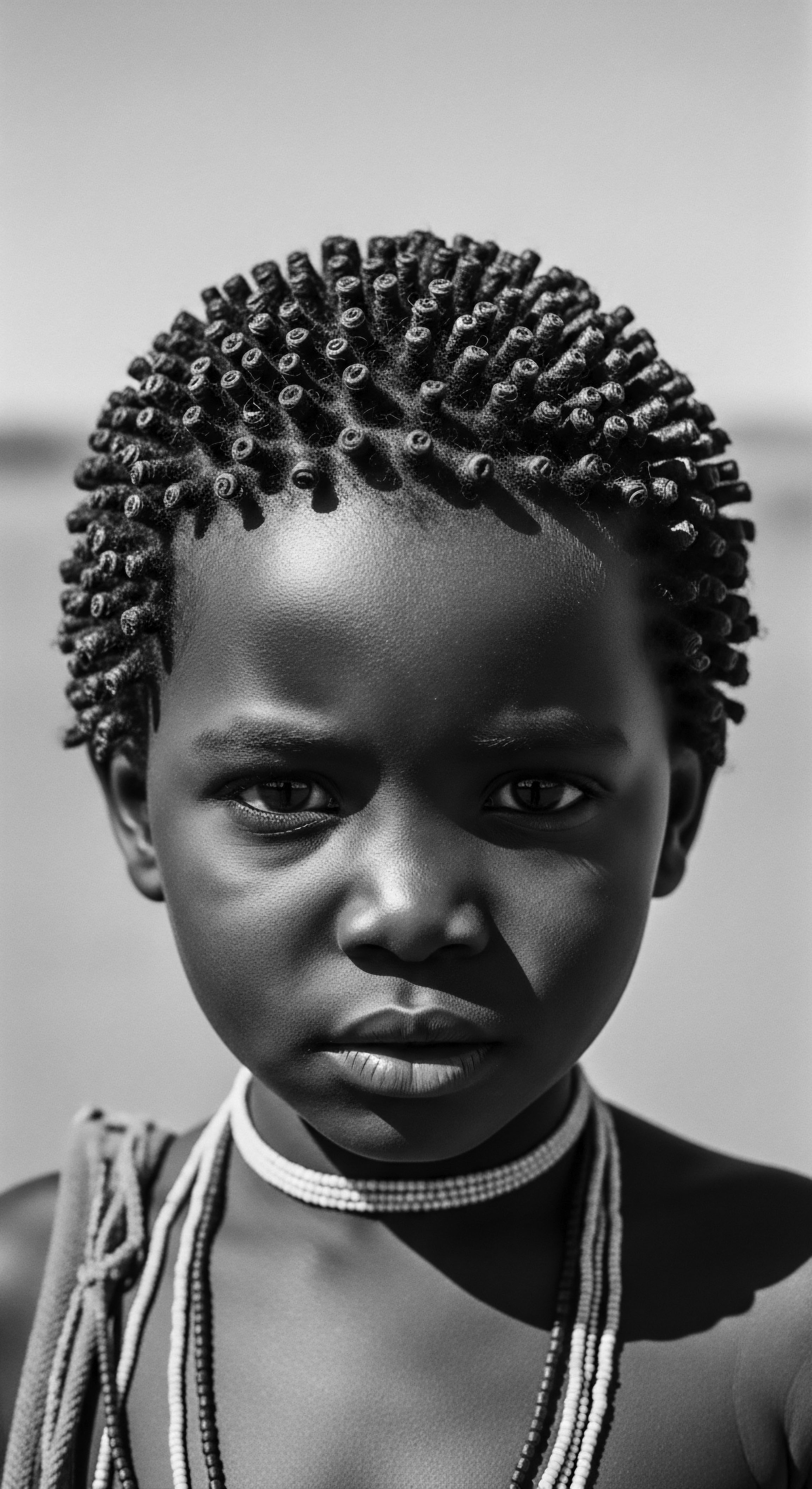
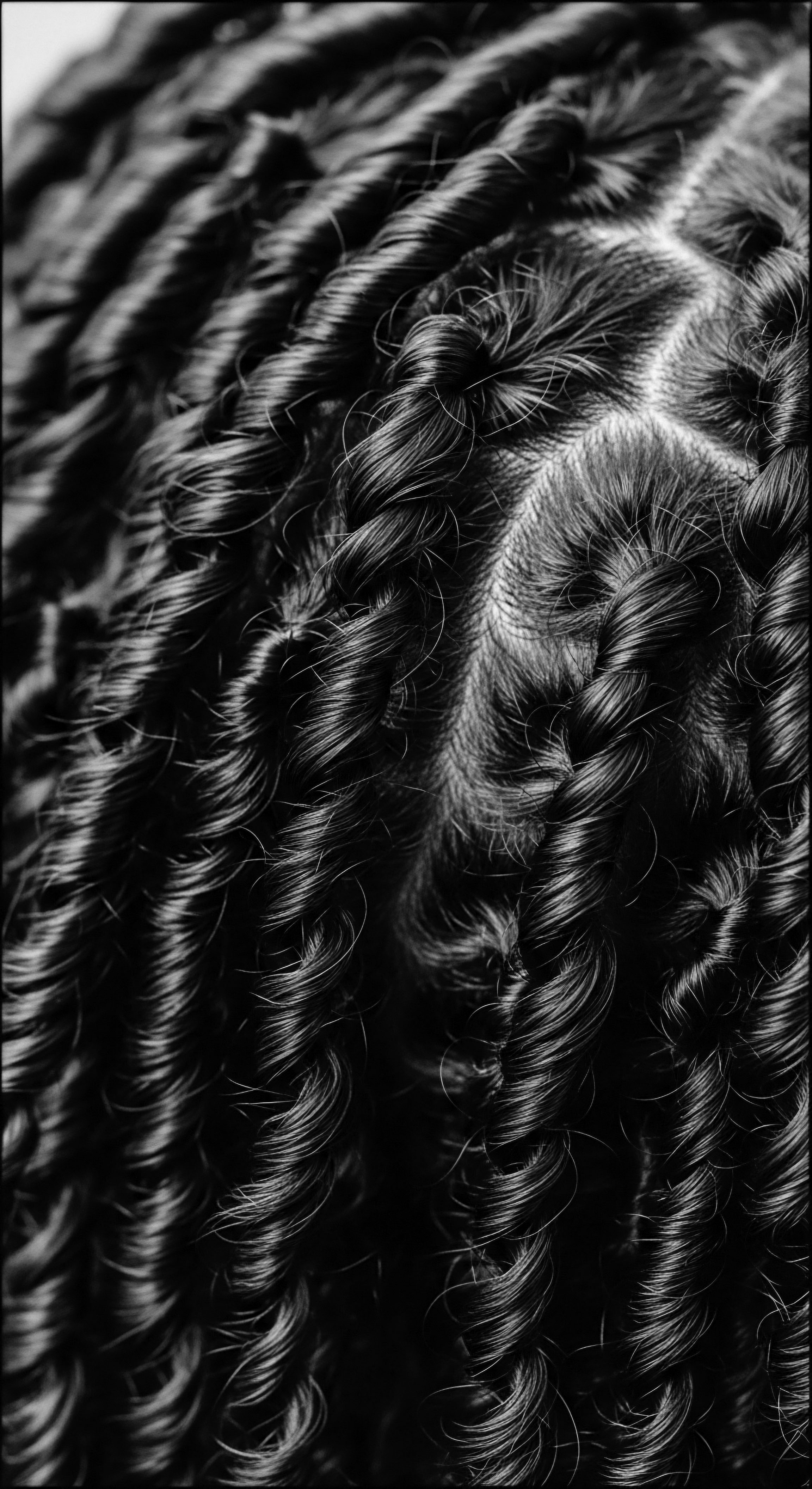
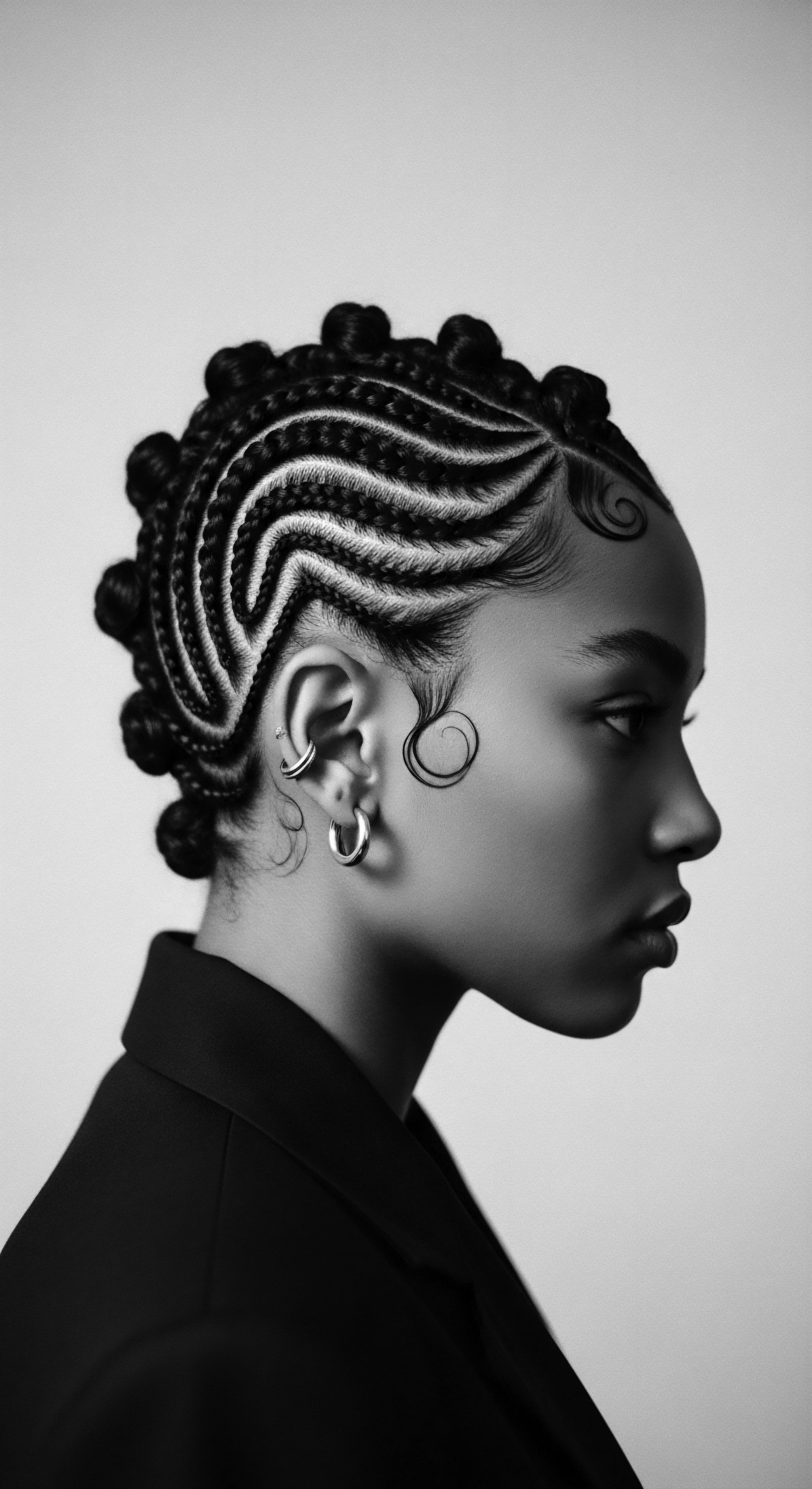
Historical African hair rituals continue to influence modern textured hair care through foundational practices, protective styling, and natural ingredient use, all rooted in heritage.
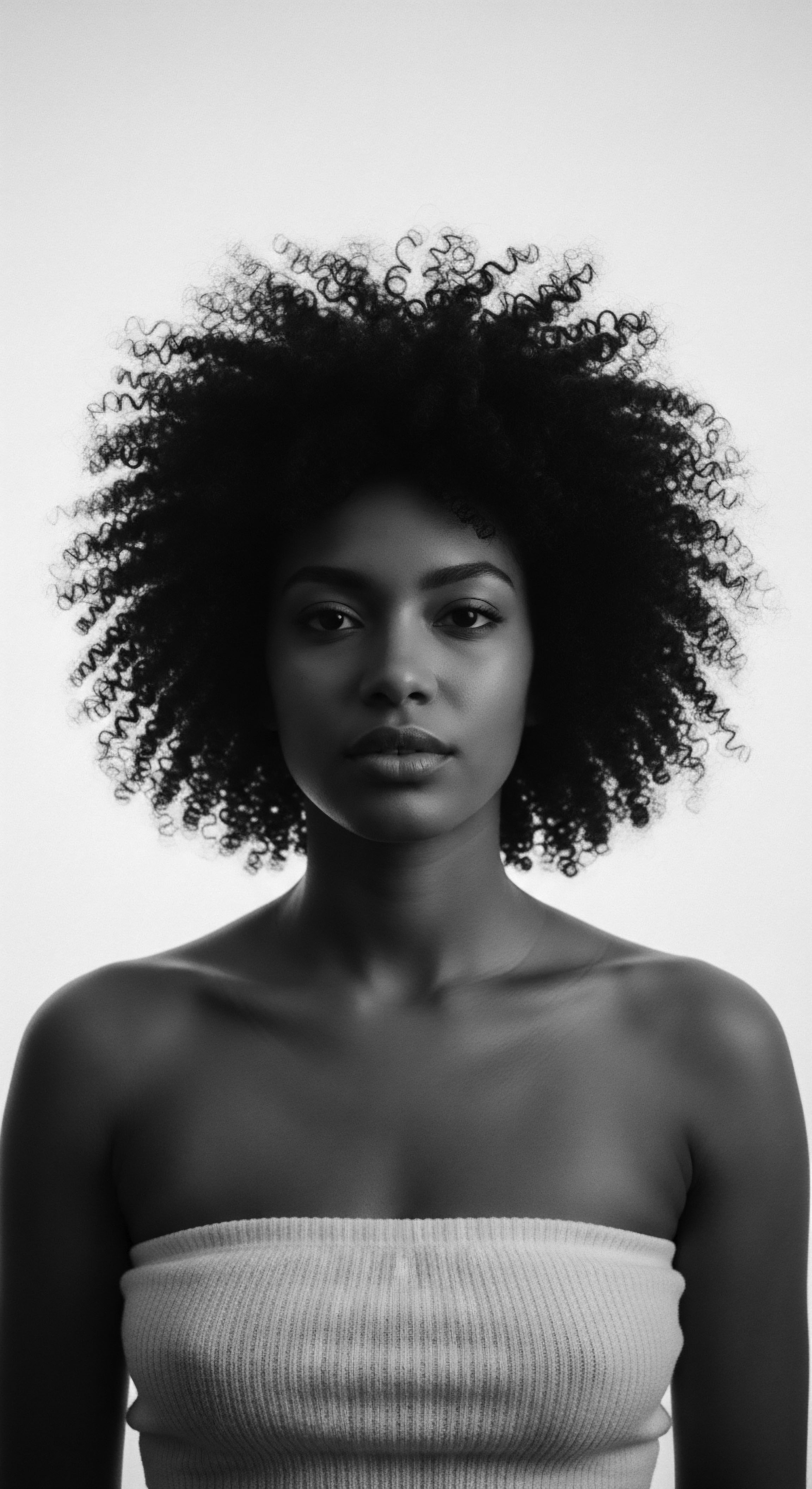
Textured hair heritage profoundly shapes modern self-perception and wellness practices by connecting individuals to ancestral wisdom and cultural identity.
Ancient African hair styling reflected community values and heritage by serving as a visual language for social status, age, marital standing, tribal affiliation, and spiritual beliefs, deeply connecting individuals to their collective identity and ancestral wisdom.
Textured hair styles historically served as vital markers of social standing, spiritual connection, and enduring cultural identity, particularly within Black and mixed-race heritage.
Shea butter's rich fatty acid and unsaponifiable composition provides deep moisture and protection, upholding ancestral practices for textured hair vitality.
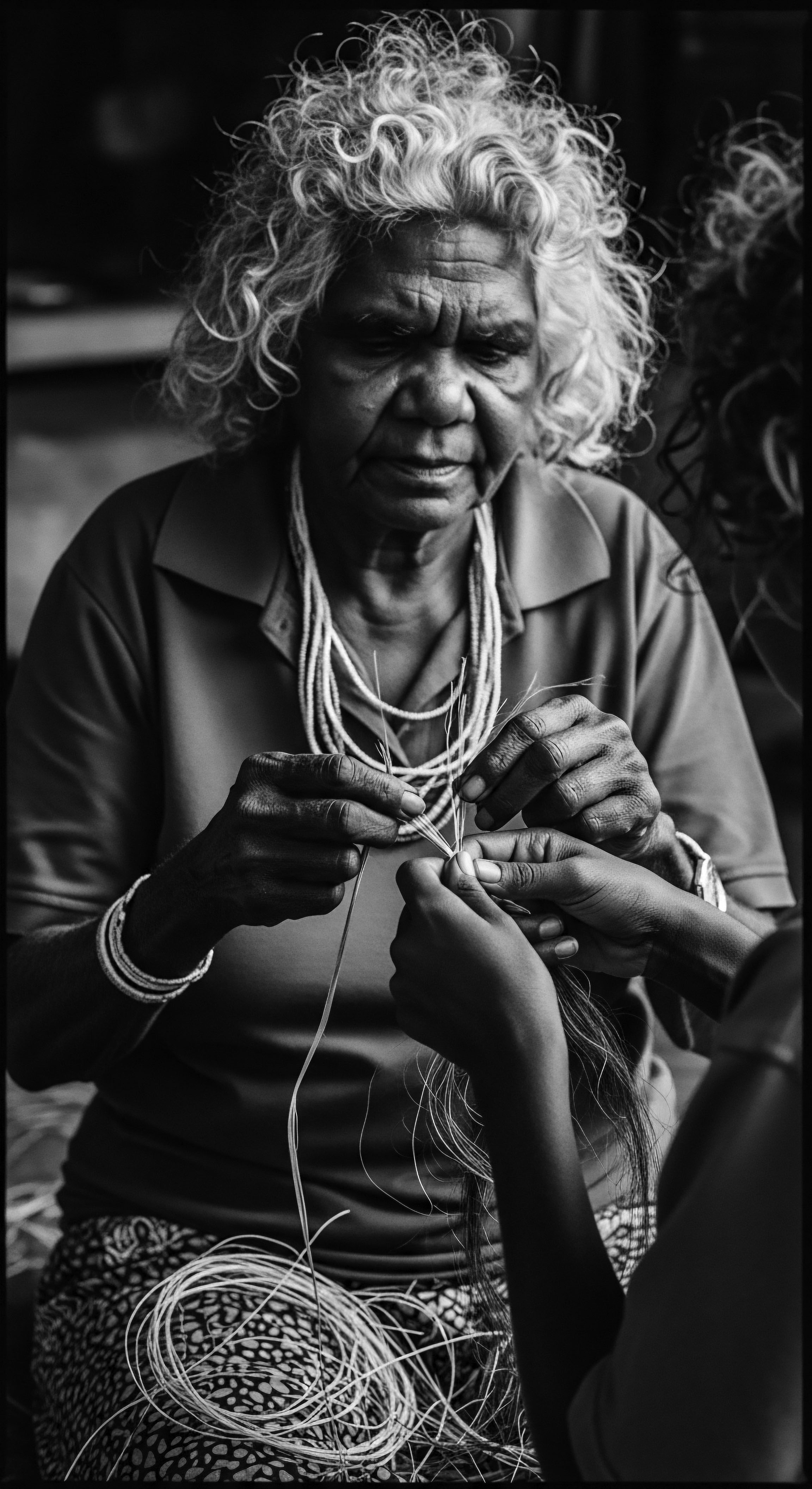
Ancient African care traditions nourished textured hair through natural ingredients, protective styling, and rituals reflecting deep cultural and spiritual heritage.
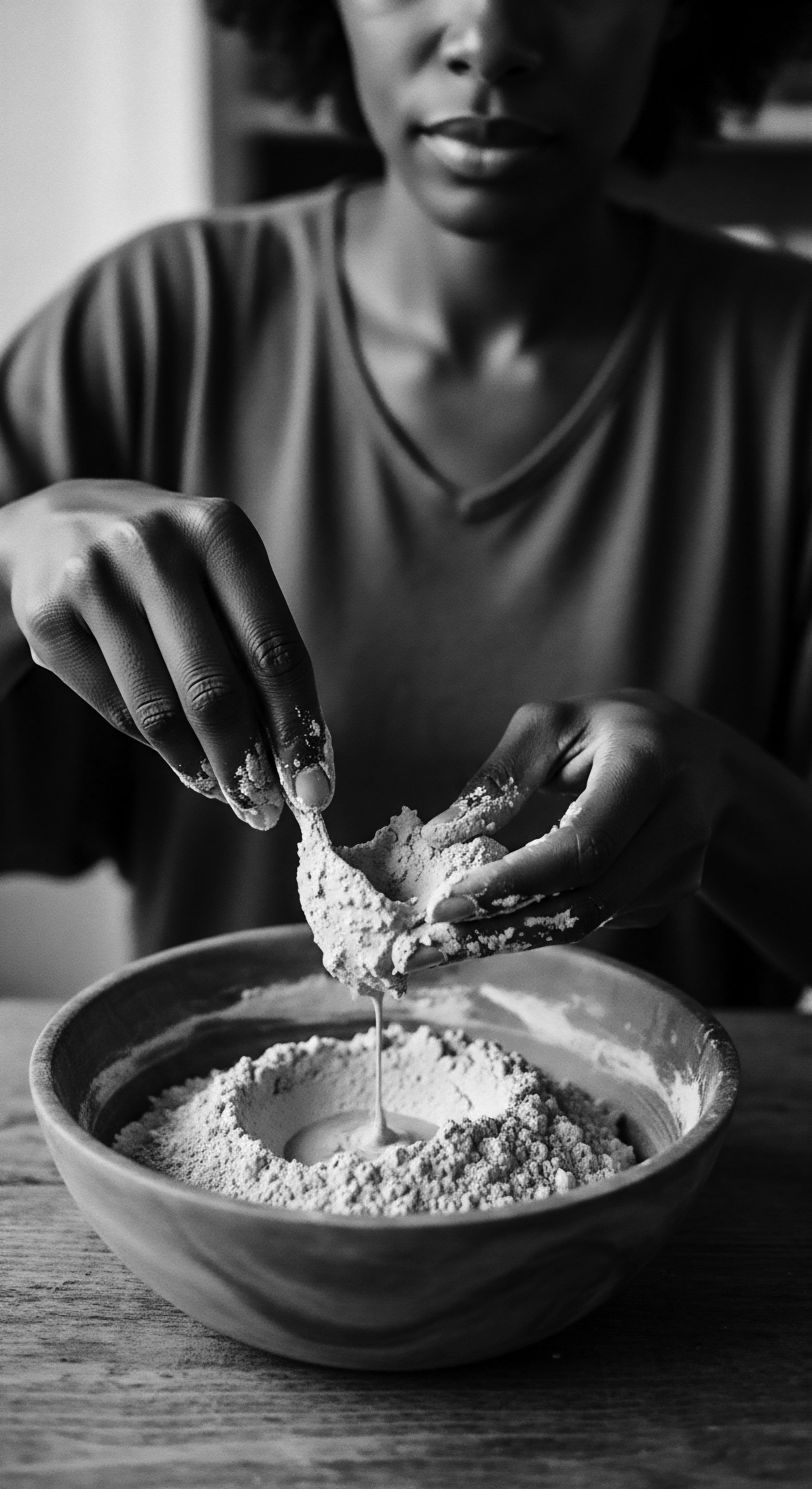
Ancient African hair care used natural ingredients like shea butter, rhassoul clay, palm oil, and baobab oil to nourish and protect textured hair, deeply rooted in heritage and community rituals.
Shea butter holds profound historical significance for West African women's livelihoods, serving as a vital economic resource and a cornerstone of textured hair heritage.
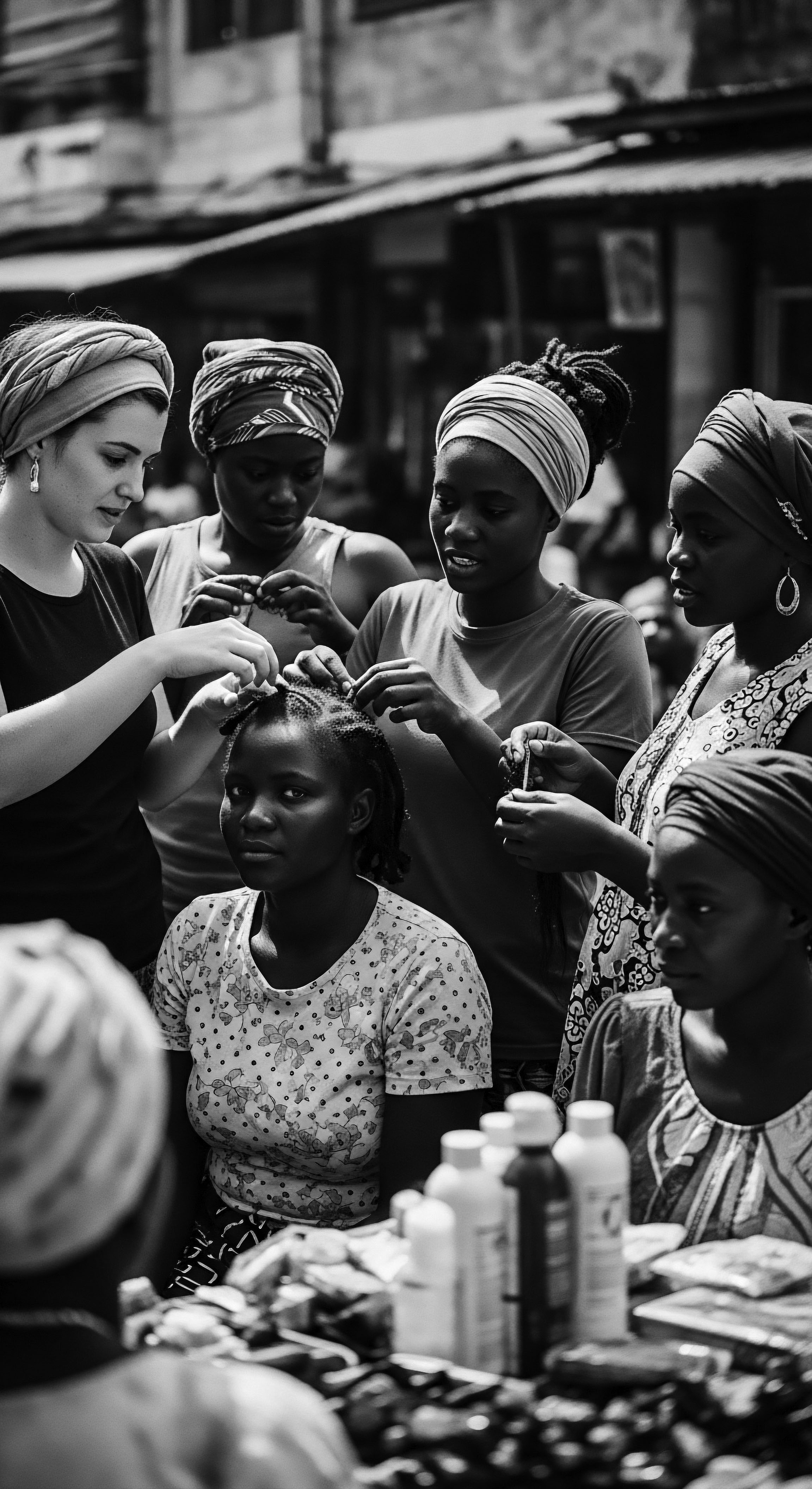
Textured hair heritage connects ancestral African practices to modern wellness through shared rituals, botanical wisdom, and a holistic view of beauty and identity.
Protective styles served as a vital, covert communication system and a symbol of cultural resilience for enslaved Africans, deeply connecting to textured hair heritage.
African ingredients hold a deep historical connection to textured hair, serving as foundational elements in ancestral care rituals that shaped cultural identity and resilience.
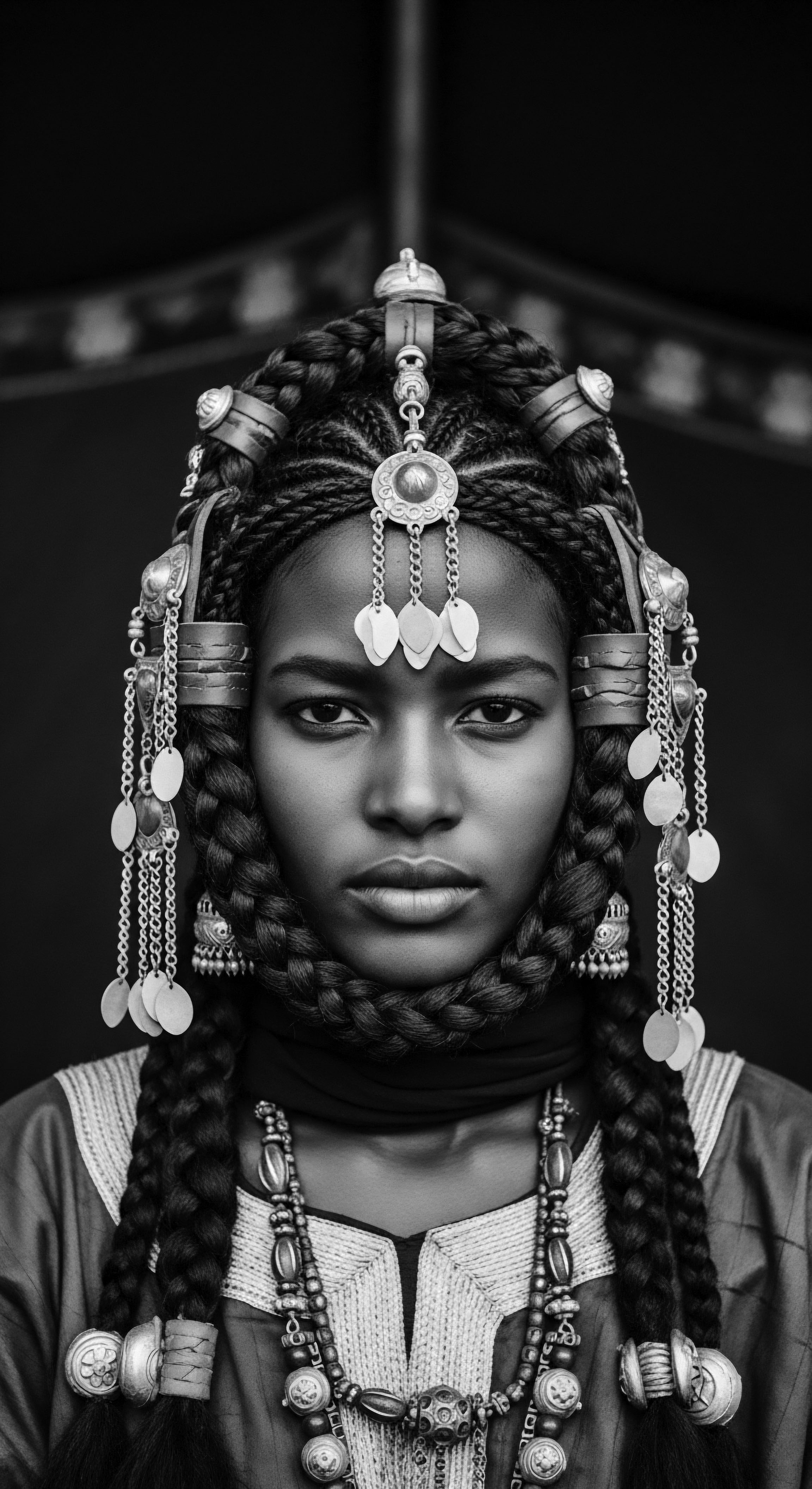
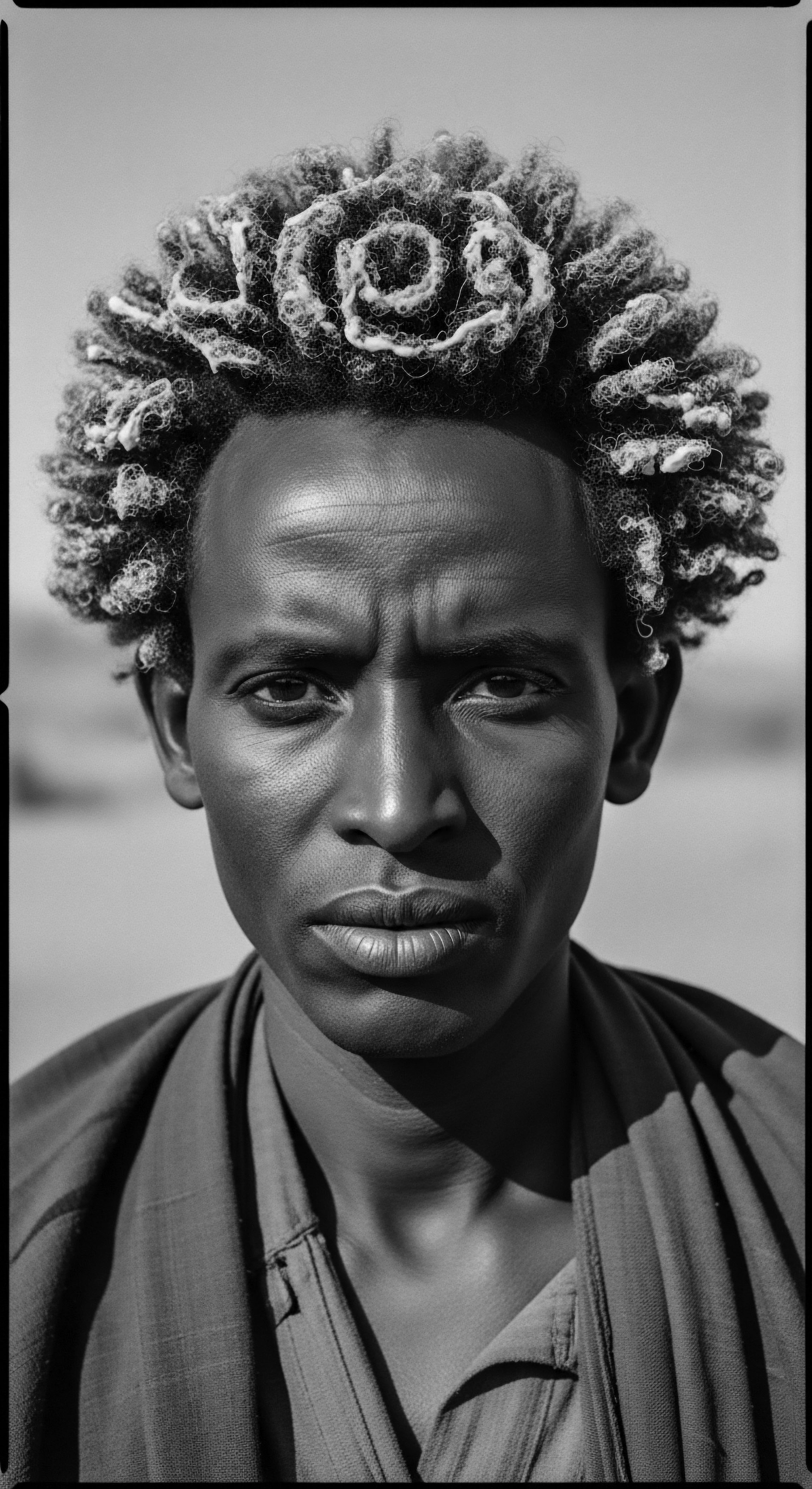
Ancient African hair traditions communicated social standing, marital status, age, and spiritual roles through intricate styles and adornments, reflecting a deep textured hair heritage.
Ancestral coily hair traditions, rooted in moisture, protection, and botanical wisdom, directly shape contemporary care practices and cultural identity.
Ancient practices offer new avenues for textured hair research by revealing effective protective techniques, potent natural ingredients, and holistic care philosophies rooted in heritage.
Ancient African hair care conveyed standing through intricate styles, adornments, and rituals reflecting identity, wealth, and spiritual connection within textured hair heritage.
Hair oiling holds profound cultural meanings for Black communities, symbolizing heritage, resilience, spiritual connection, and communal care for textured hair.
Ancient African communities utilized natural oils like shea butter, palm, baobab, and argan to nourish and protect textured hair, deeply shaping its heritage.
Hair care rituals, particularly for textured hair, served as vital cultural anchors, preserving identity, transmitting ancestral knowledge, and strengthening community bonds for survival.
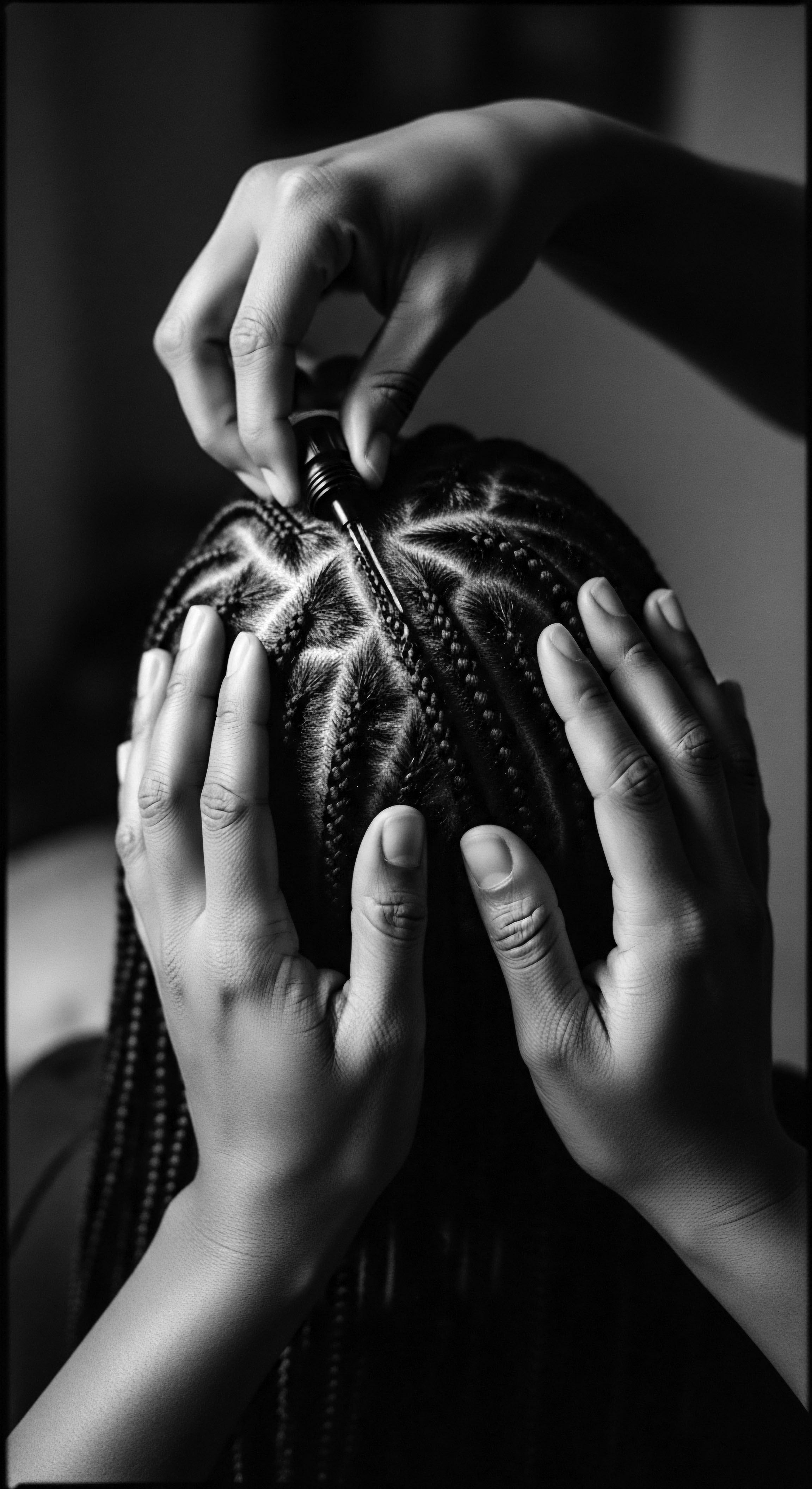
Cornrows symbolize Black identity and resistance today by embodying a rich textured hair heritage, rooted in ancient African practices and acts of defiance during enslavement.
We use cookies to personalize content and marketing, and to analyze our traffic. This helps us maintain the quality of our free resources. Manage your preferences below.
This helps support our free resources through personalized marketing efforts and promotions.
Analytics cookies help us understand how visitors interact with our website, improving user experience and website performance.
Personalization cookies enable us to customize the content and features of our site based on your interactions, offering a more tailored experience.