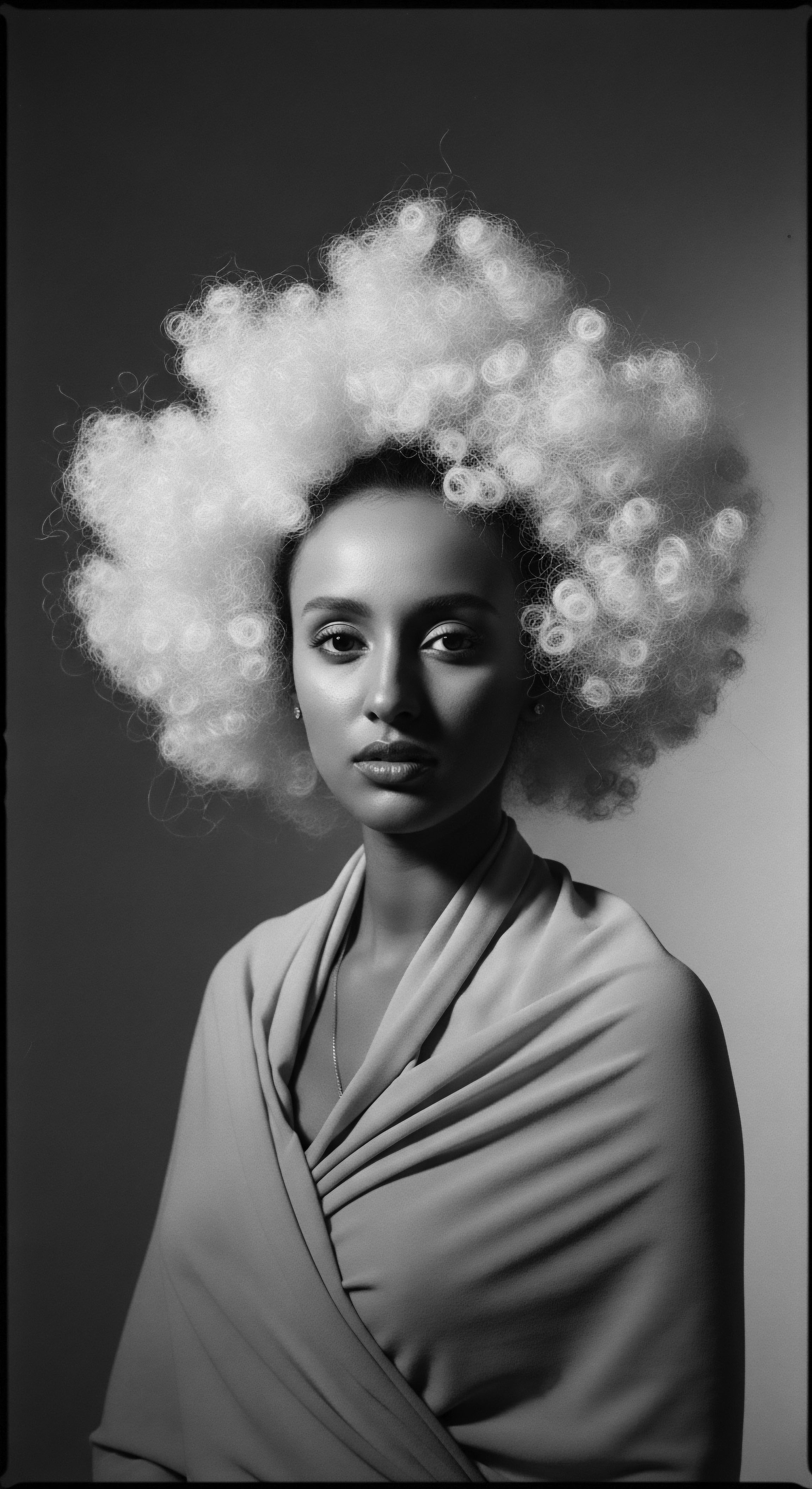
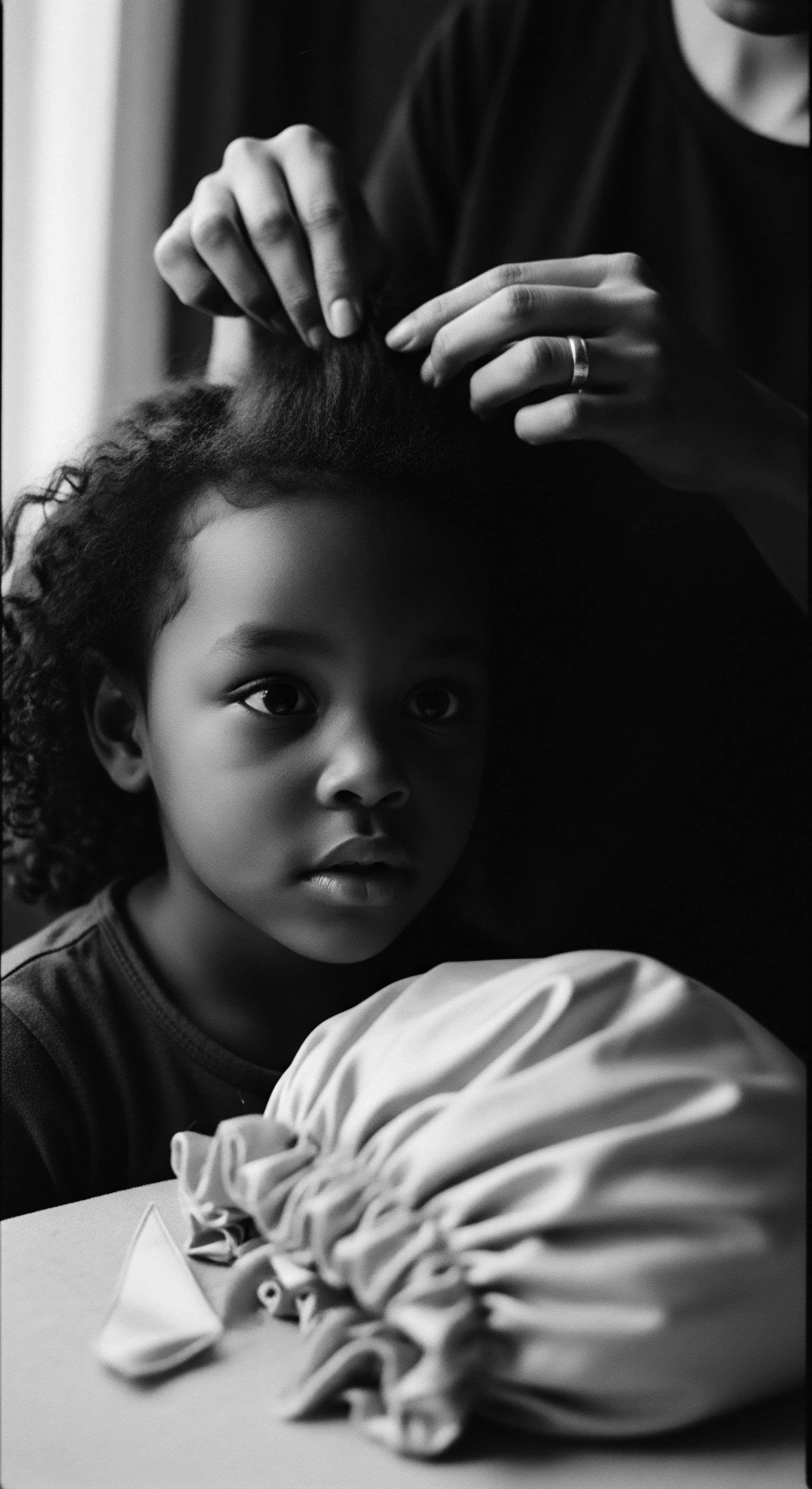
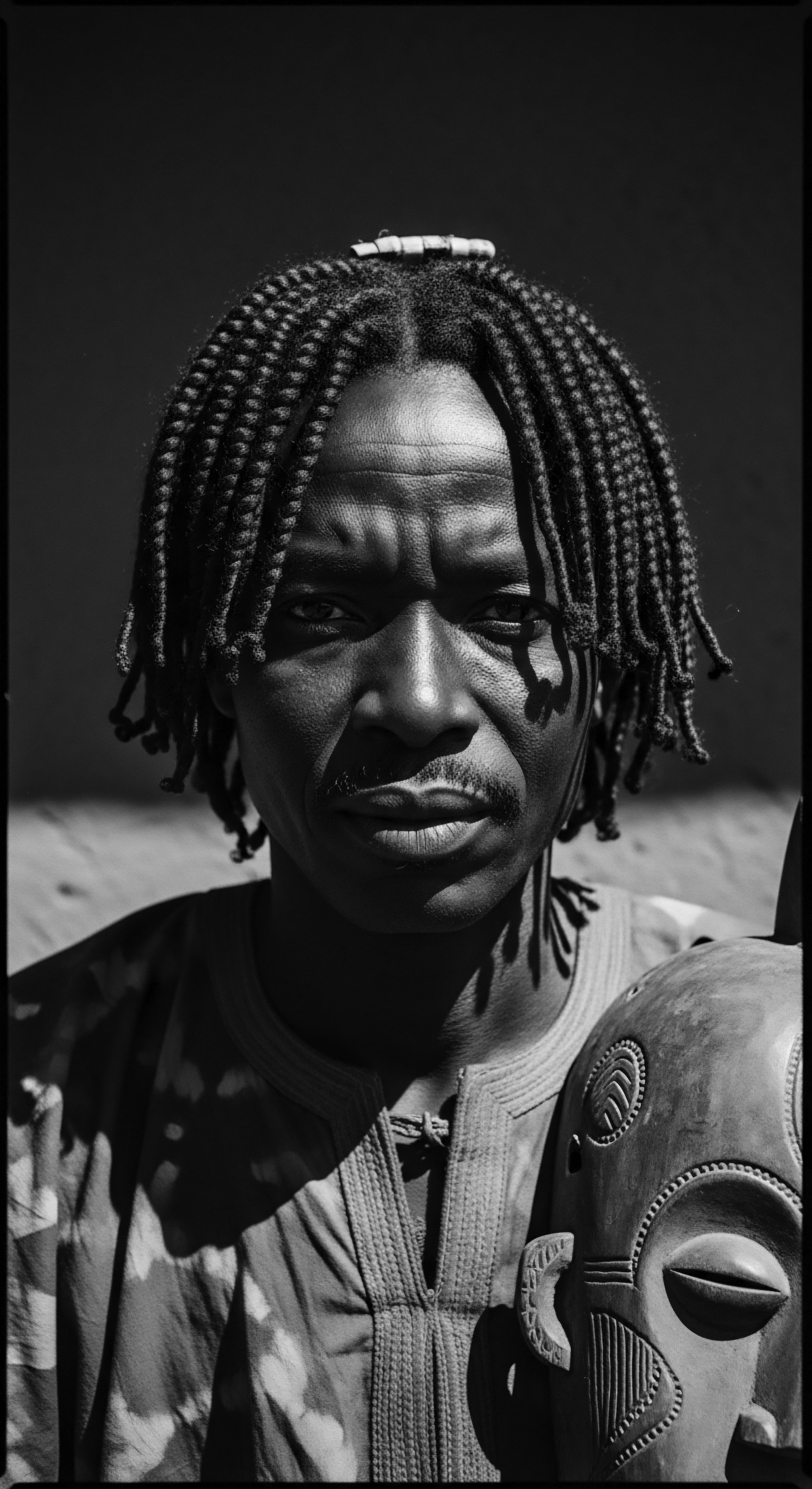
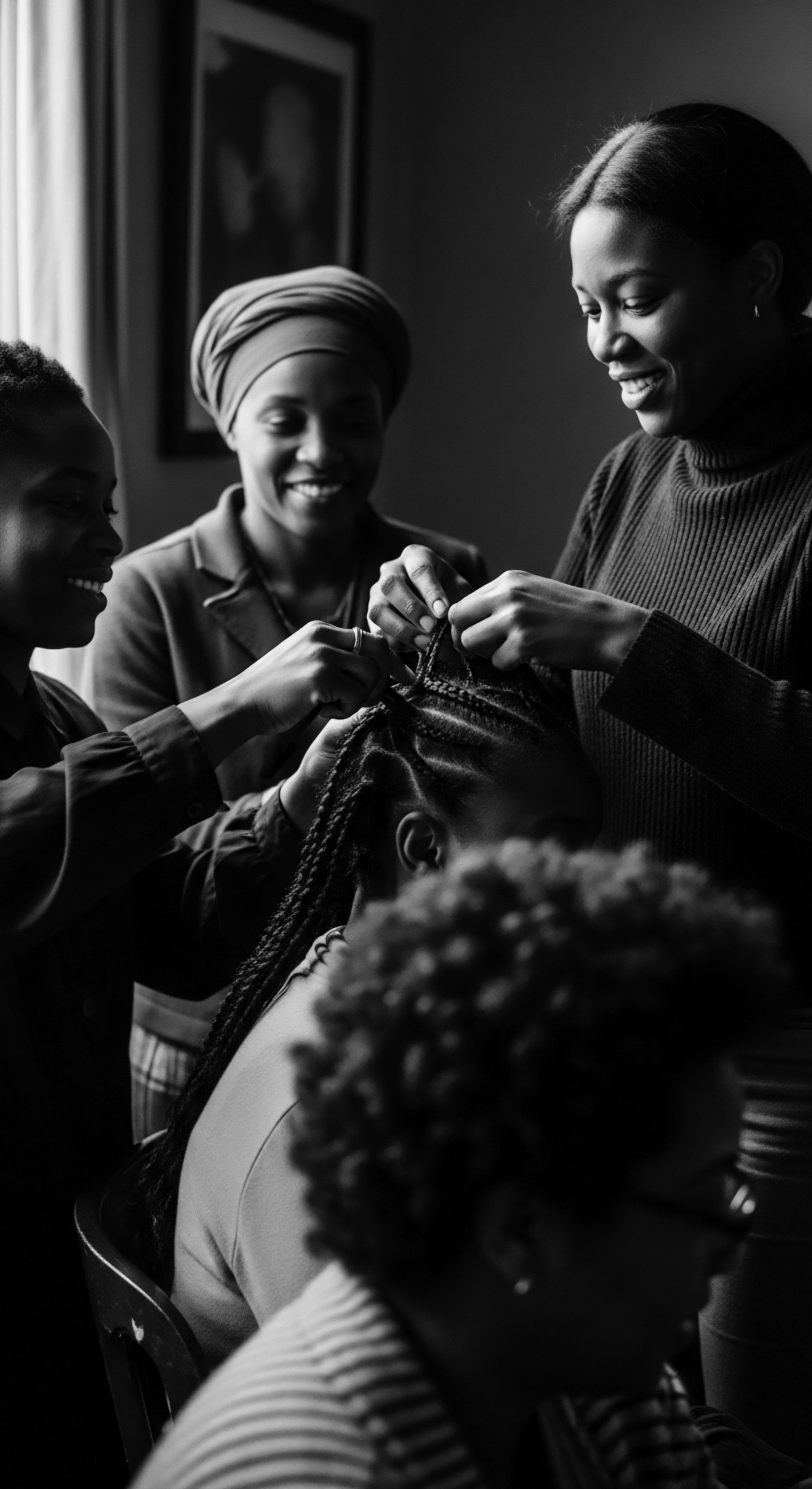
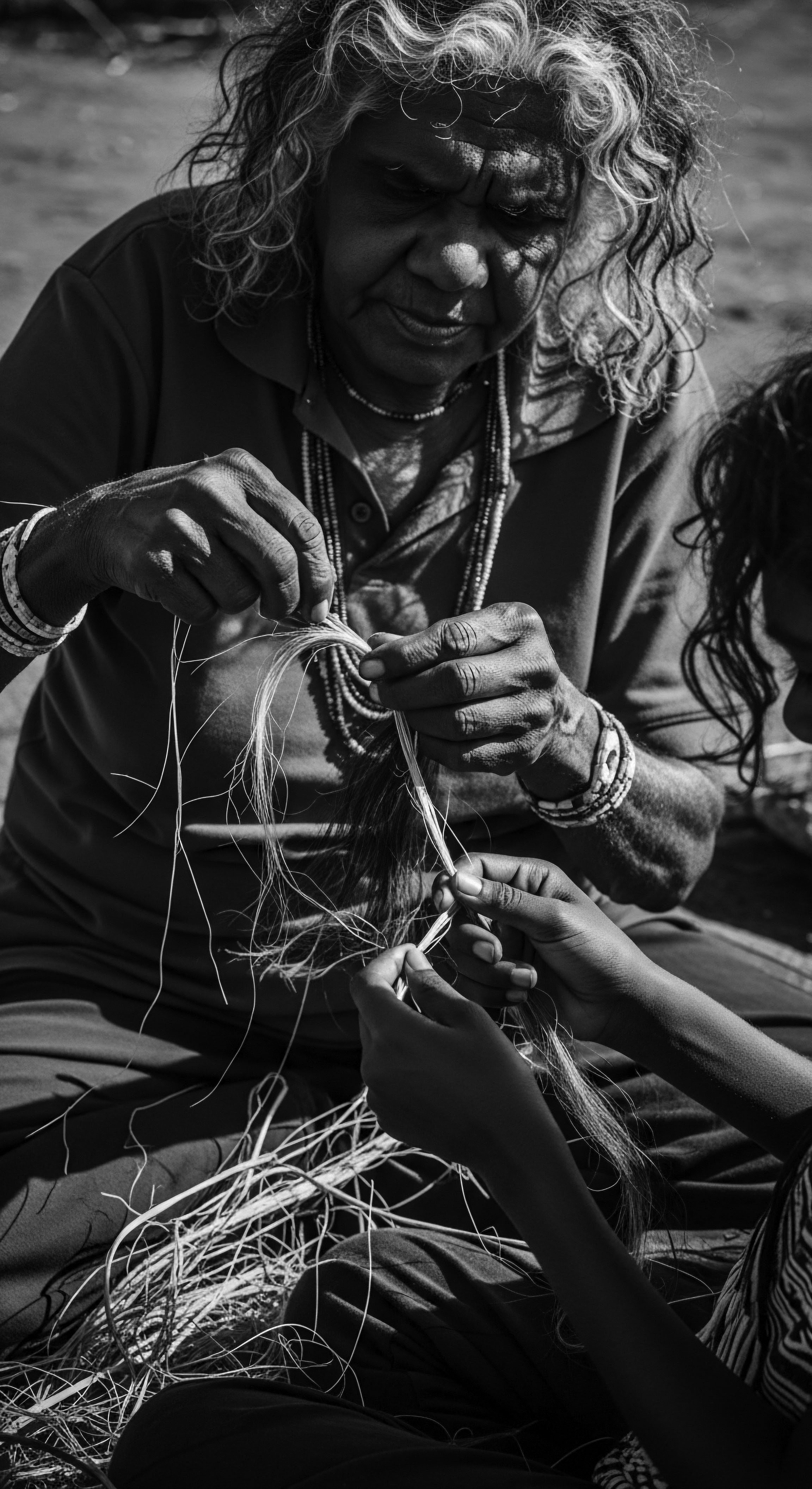
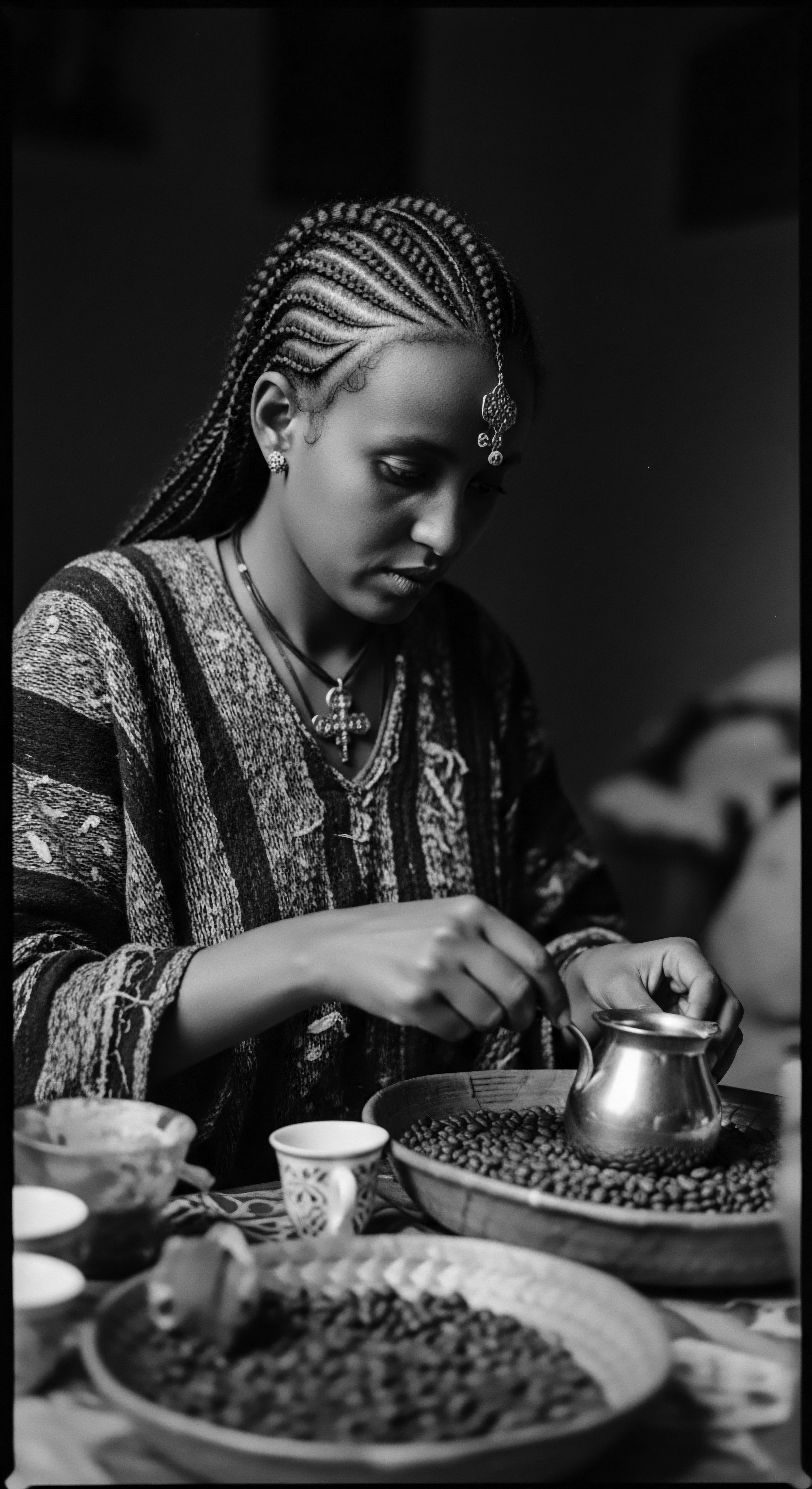
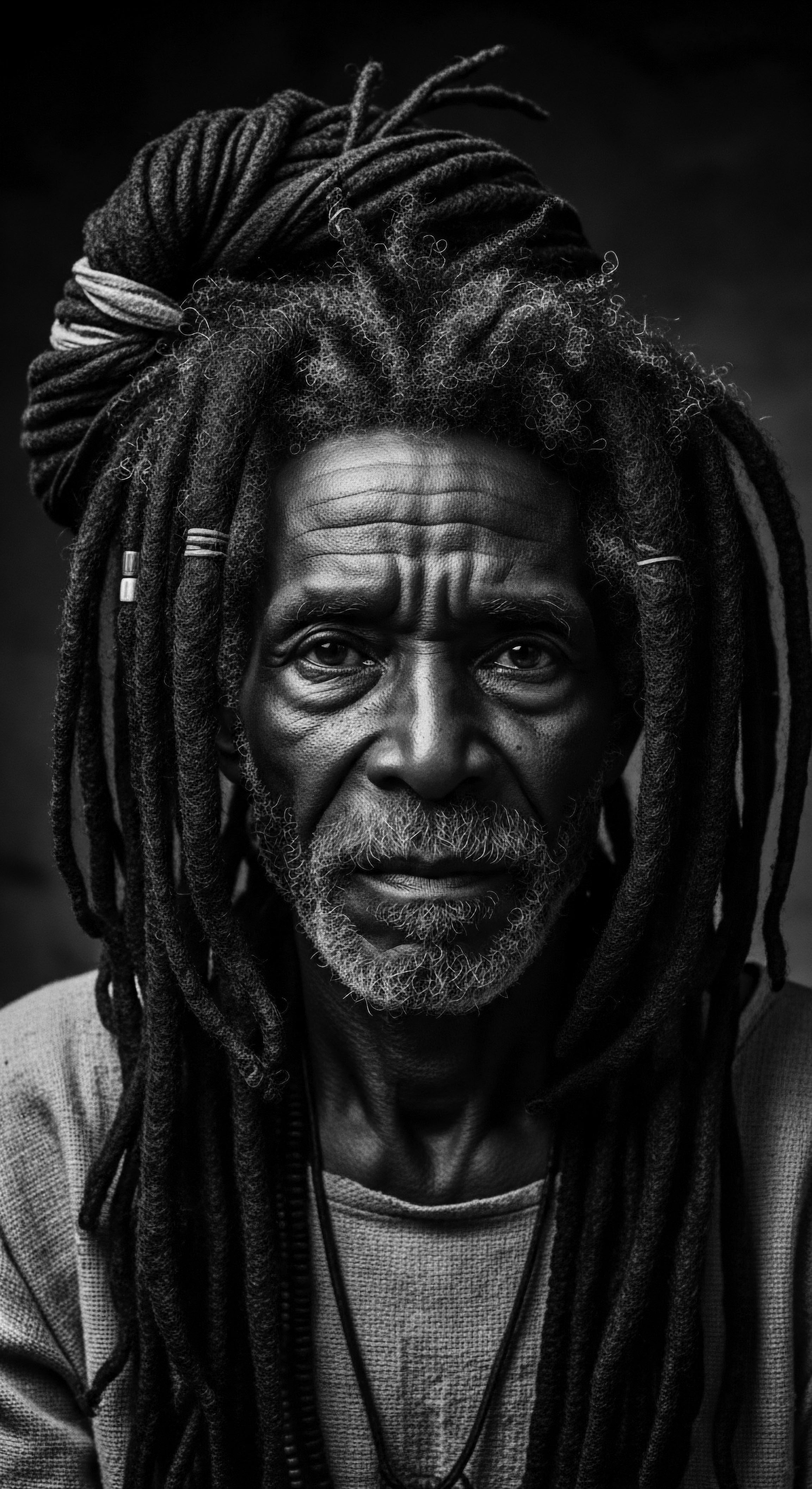
Head coverings link to African diasporic identity by protecting textured hair and serving as a rich, enduring symbol of heritage and cultural expression.
Textured hair's unique biology, with its coiled structure and elliptical follicles, directly informed ancestral grooming practices focused on moisture, protection, and cultural expression.
Ancestral hair care practices profoundly connect to modern textured hair regimens through shared principles of protection, natural ingredient use, and a deep understanding of hair's inherent nature, all rooted in a rich cultural heritage.
Ancestral hair practices, steeped in cultural identity and resilience, laid the groundwork for modern beauty standards and cultural pride for textured hair.
Black hair care practices were shaped by ancestral wisdom, forced adaptations during enslavement, and movements for cultural pride and self-acceptance.
Protective styles historically safeguarded textured hair from environmental damage and served as coded communication and sustenance, profoundly aiding survival and preserving cultural heritage.
Traditional African oils, sourced from diverse plants, were vital for moisturizing, protecting, and strengthening textured hair, deeply rooted in cultural heritage and ancestral wisdom.
Modern science confirms shea butter's benefits for textured hair, validating ancestral claims through its rich fatty acids and anti-inflammatory compounds, upholding a heritage of profound care.
Historical laws sought to control Black women's hair identity by enforcing Eurocentric standards, directly assaulting their textured hair heritage and cultural expression.
Ancestral shea butter practices deeply influence modern textured hair care by providing a heritage of moisture, protection, and symbolic connection to cultural identity.
Ancient hair traditions, especially for textured hair, deeply shaped identity by signifying social status, spiritual connection, and cultural belonging.
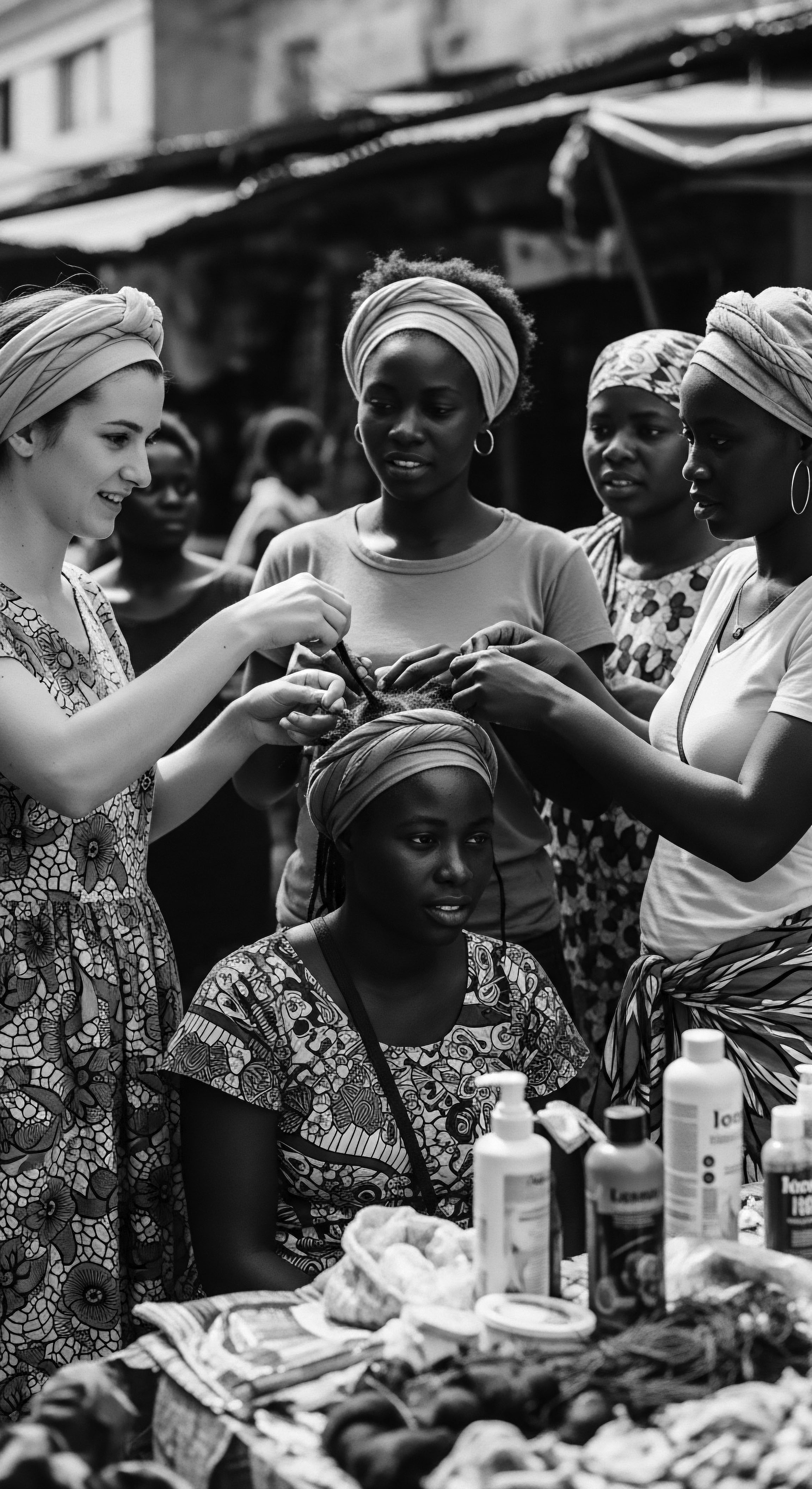
Traditional African hair practices fostered community bonds through shared rituals, cultural communication, and collective identity rooted in textured hair heritage.
Ancestral practices used shea butter to protect textured hair by sealing moisture, reducing breakage during styling, and shielding against environmental damage.
Historical textured hair formulations drew upon ancestral plant wisdom, utilizing ingredients like shea butter and coconut oil for their protective and nourishing qualities, deeply connecting care to heritage.
Historical African hair tools provide profound guidance for modern coily strand care by revealing ancestral wisdom rooted in hair's biological and cultural heritage.
Ancient hair practices connected to hair biology by intuitively addressing the unique needs of textured hair through protective styling, natural ingredients, and holistic wellness, preserving its heritage.
Traditional plant butters seal moisture in textured hair through fatty acids, honoring ancestral practices and sustaining hair health across generations.
We use cookies to personalize content and marketing, and to analyze our traffic. This helps us maintain the quality of our free resources. Manage your preferences below.
This helps support our free resources through personalized marketing efforts and promotions.
Analytics cookies help us understand how visitors interact with our website, improving user experience and website performance.
Personalization cookies enable us to customize the content and features of our site based on your interactions, offering a more tailored experience.