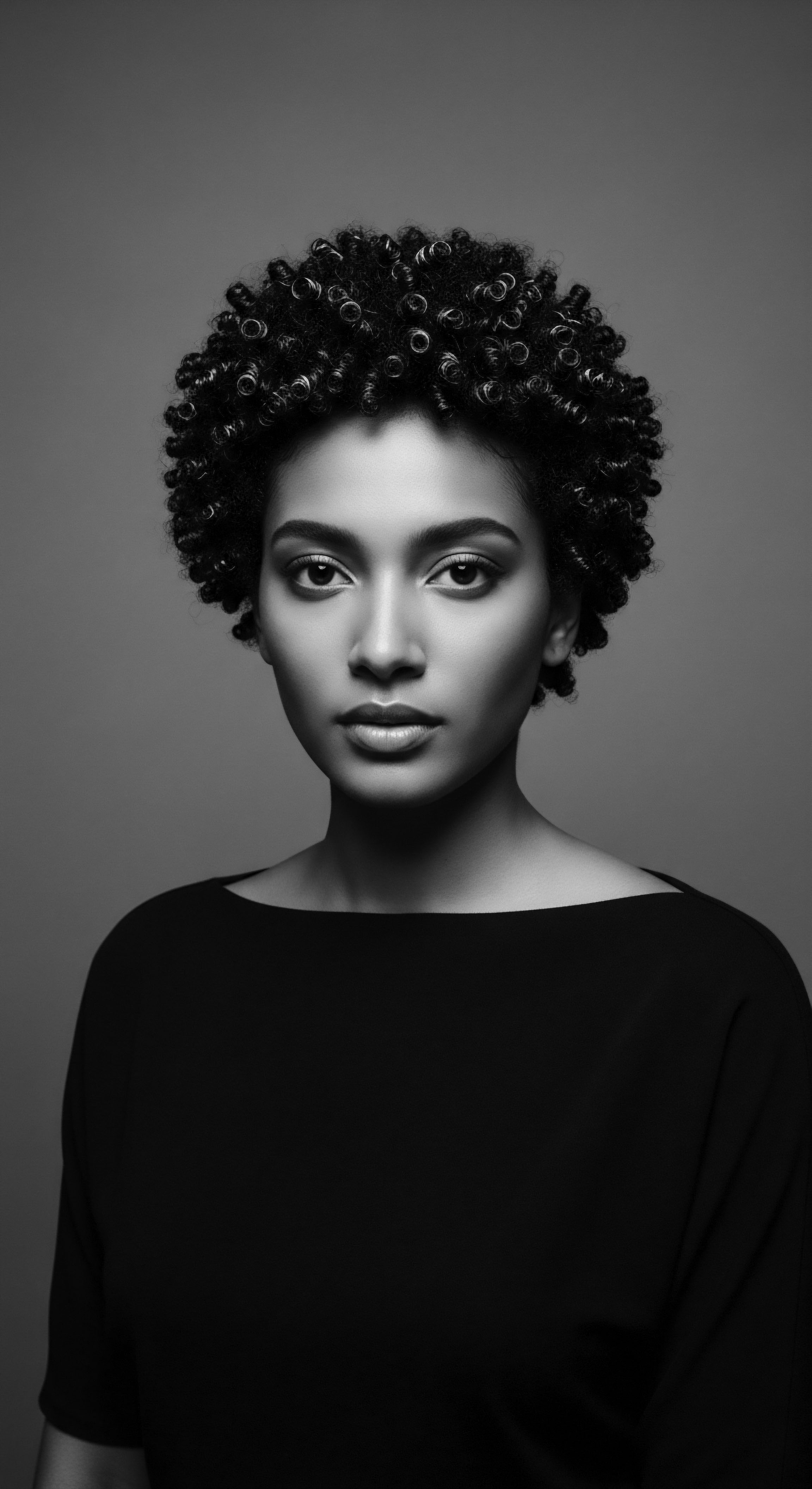
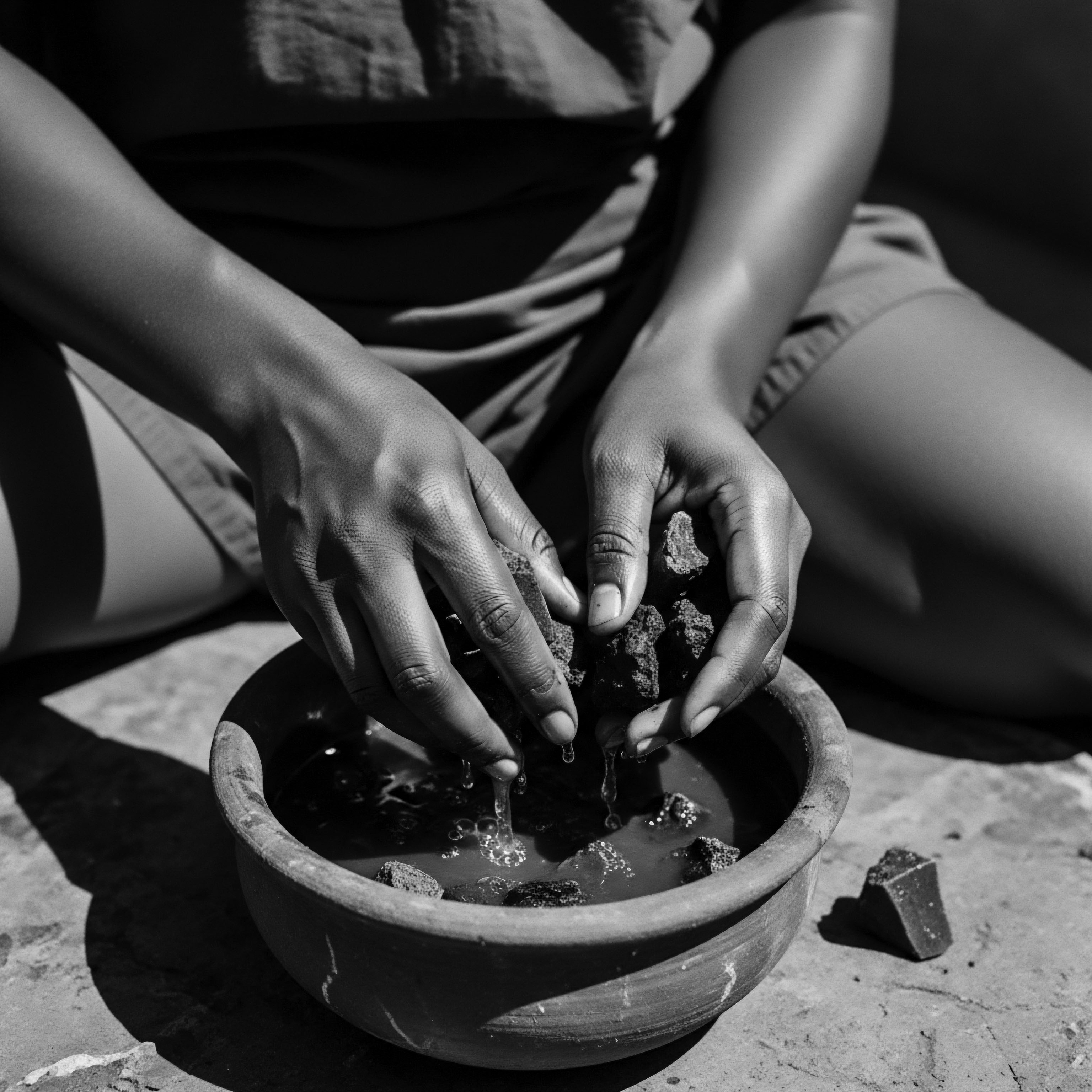
Red palm oil supports textured hair growth and scalp well-being by offering rich moisture, antioxidants, and a direct link to ancestral African hair care heritage.
Ancient dyes colored textured hair through plant-based pigments like henna and indigo, applied in pastes that interacted with keratin, deeply connecting to cultural heritage and ancestral practices.
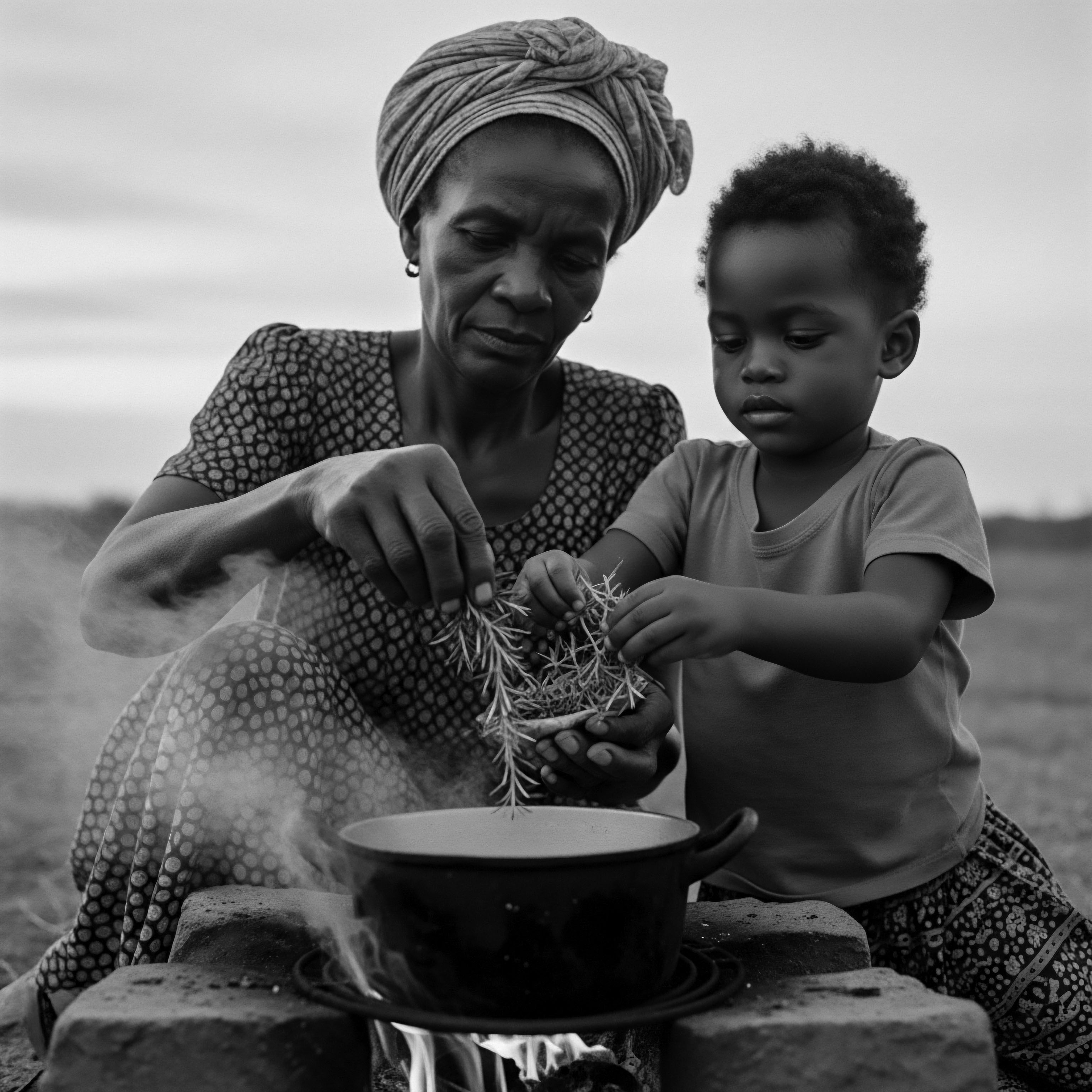
Plants purify textured hair through natural compounds like saponins and clays, embodying ancestral wisdom for gentle, effective cleansing rooted in heritage.
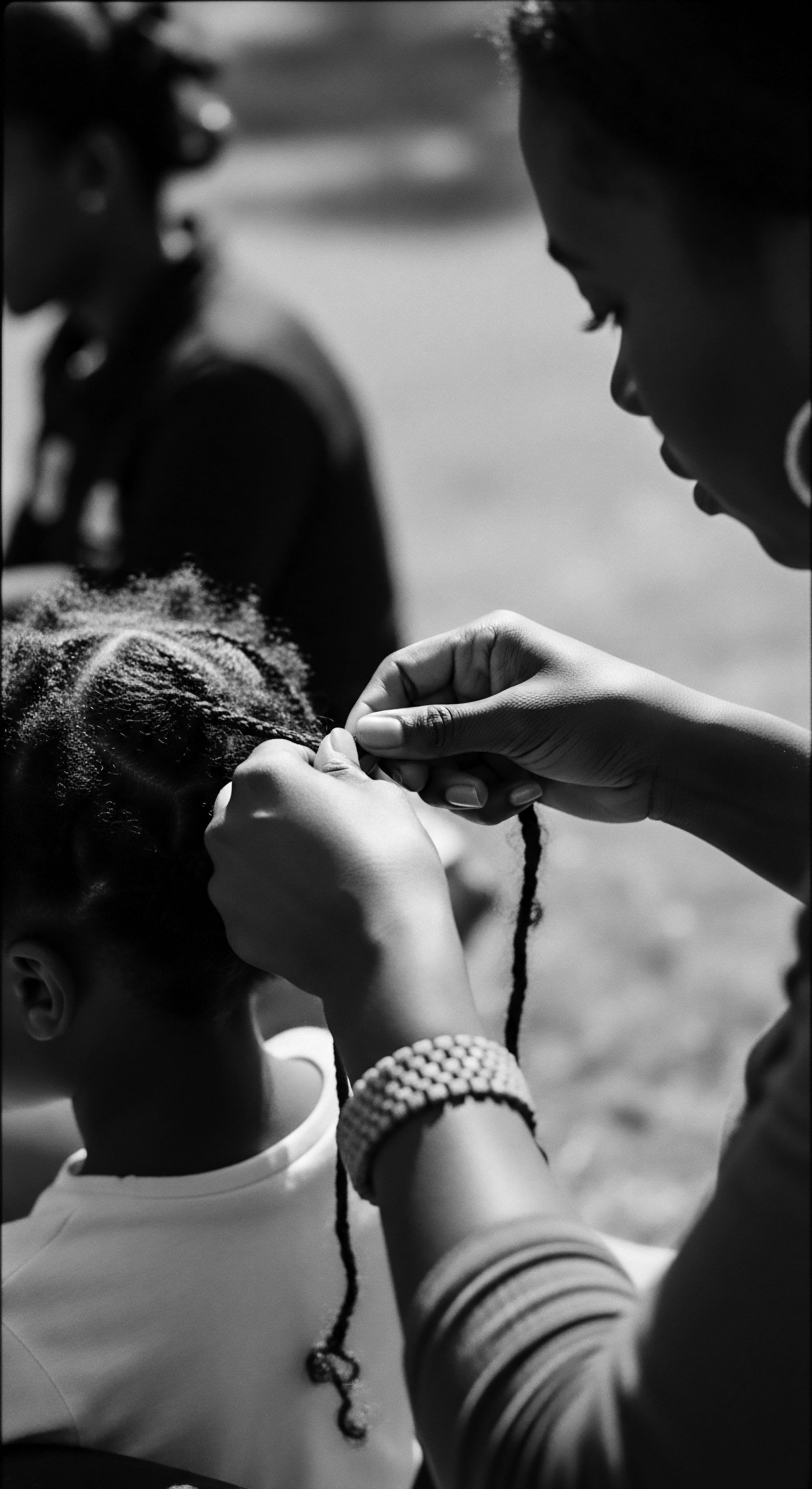
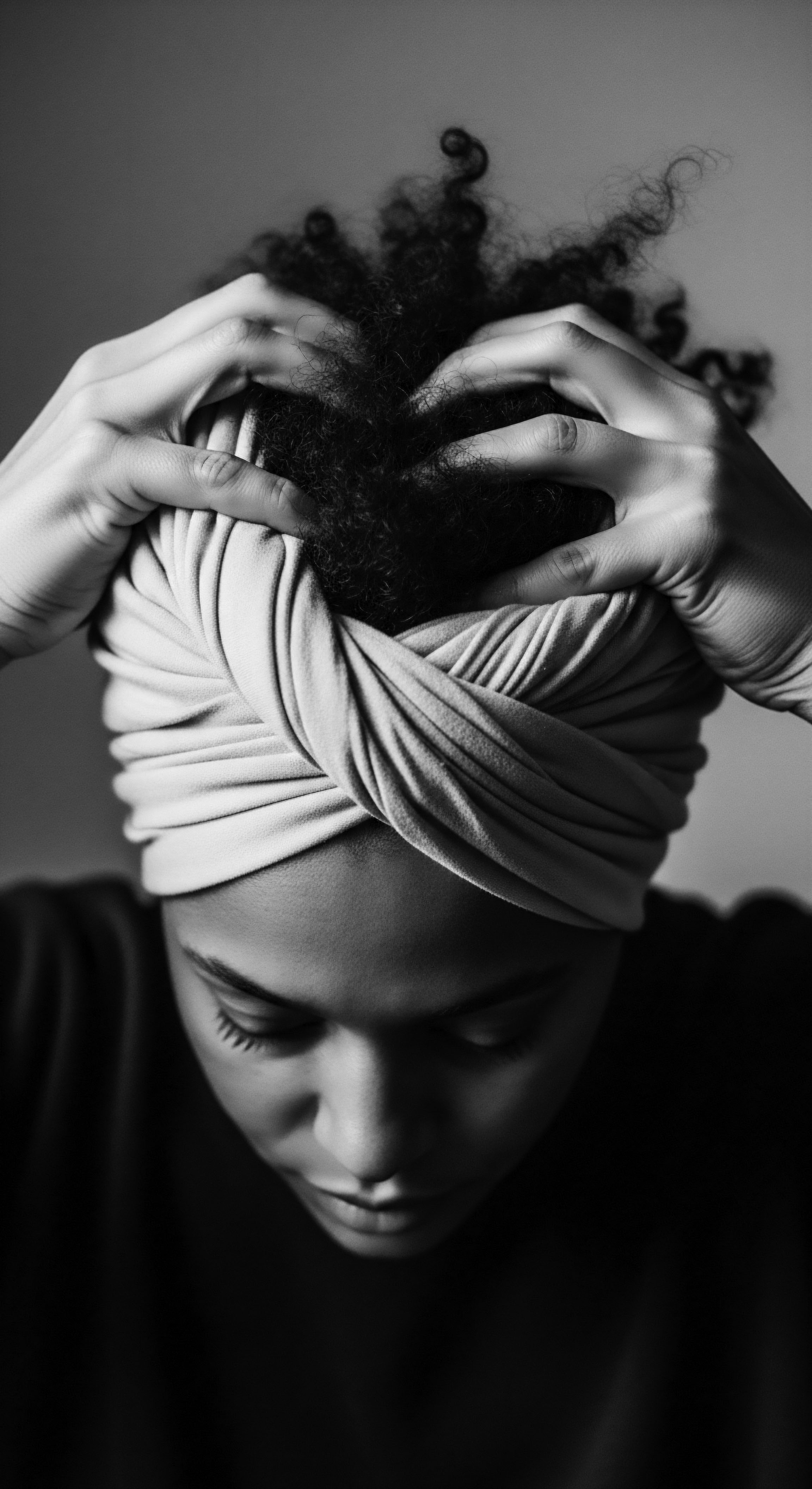
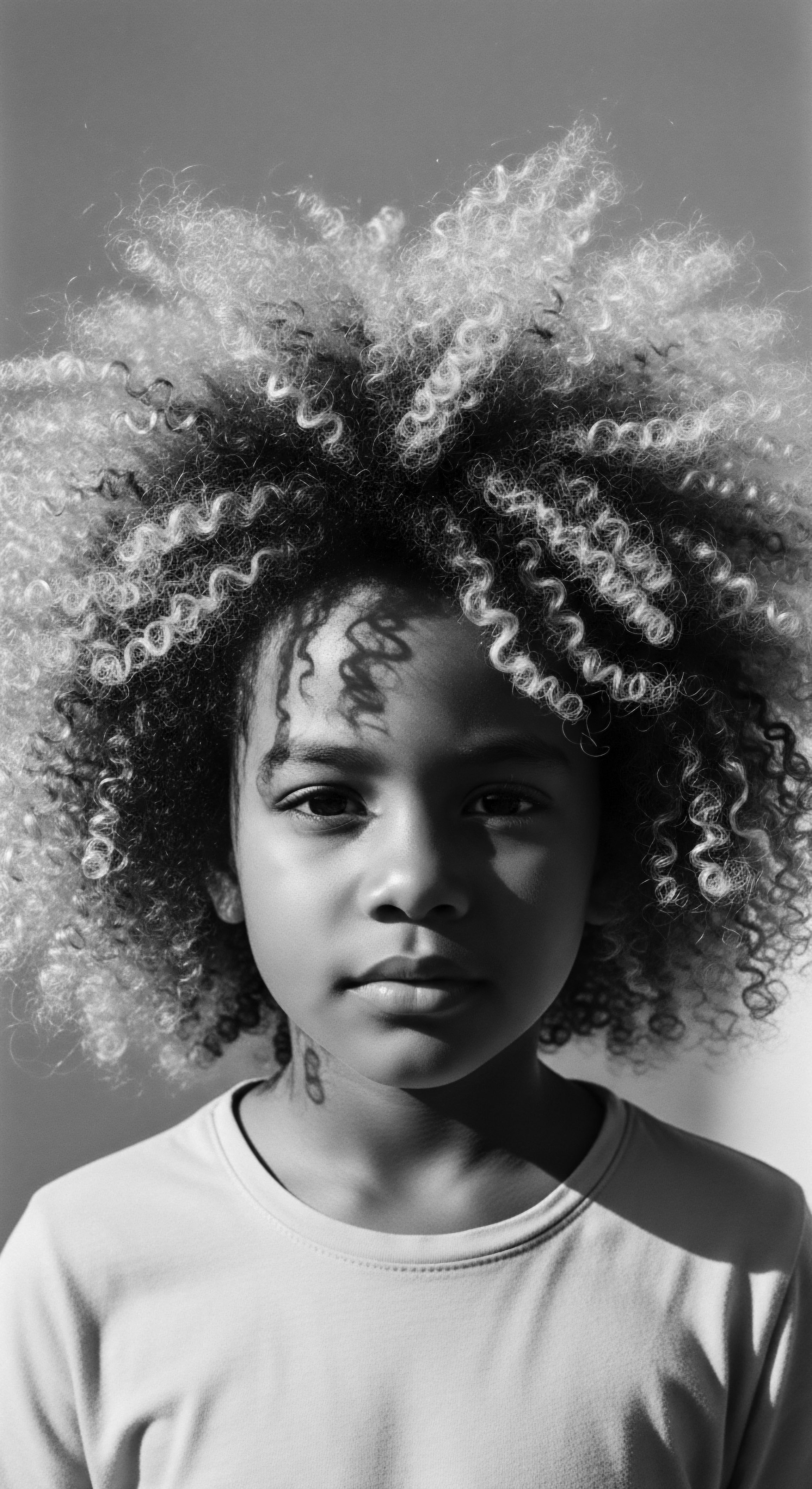
Textured hair wellness serves as a direct, living connection to the profound ingenuity and cultural heritage of ancestral Black and mixed-race communities.
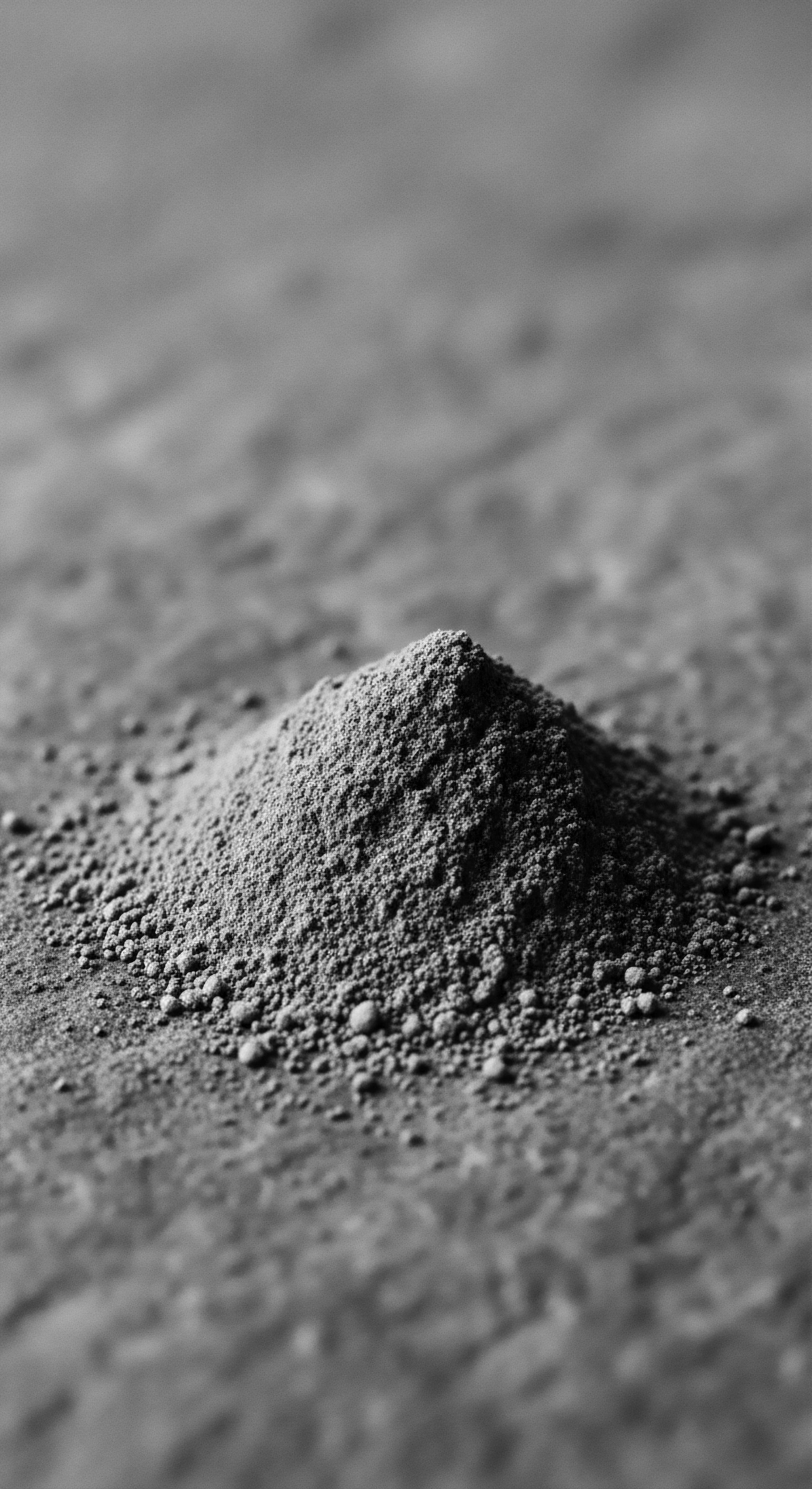
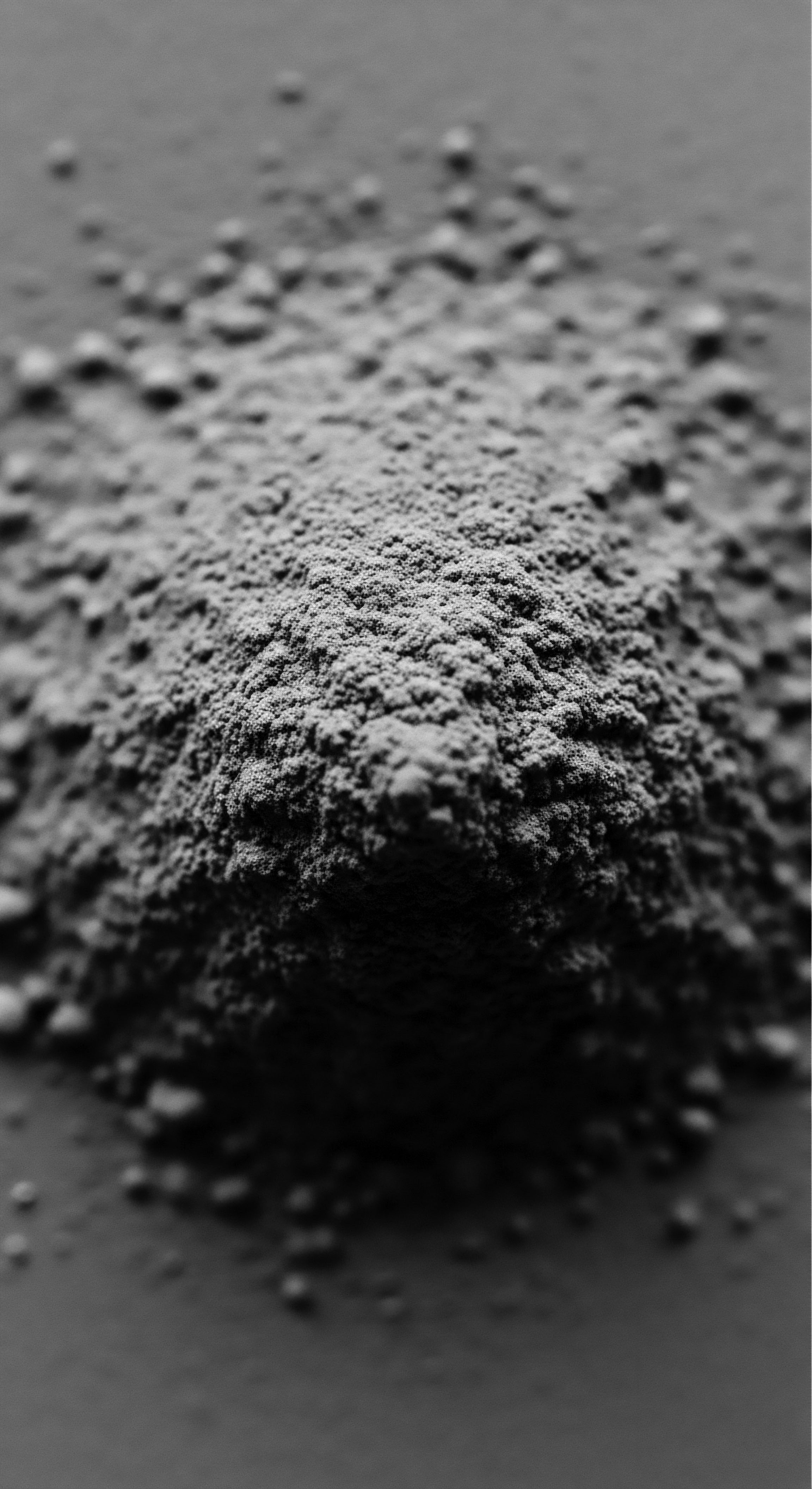
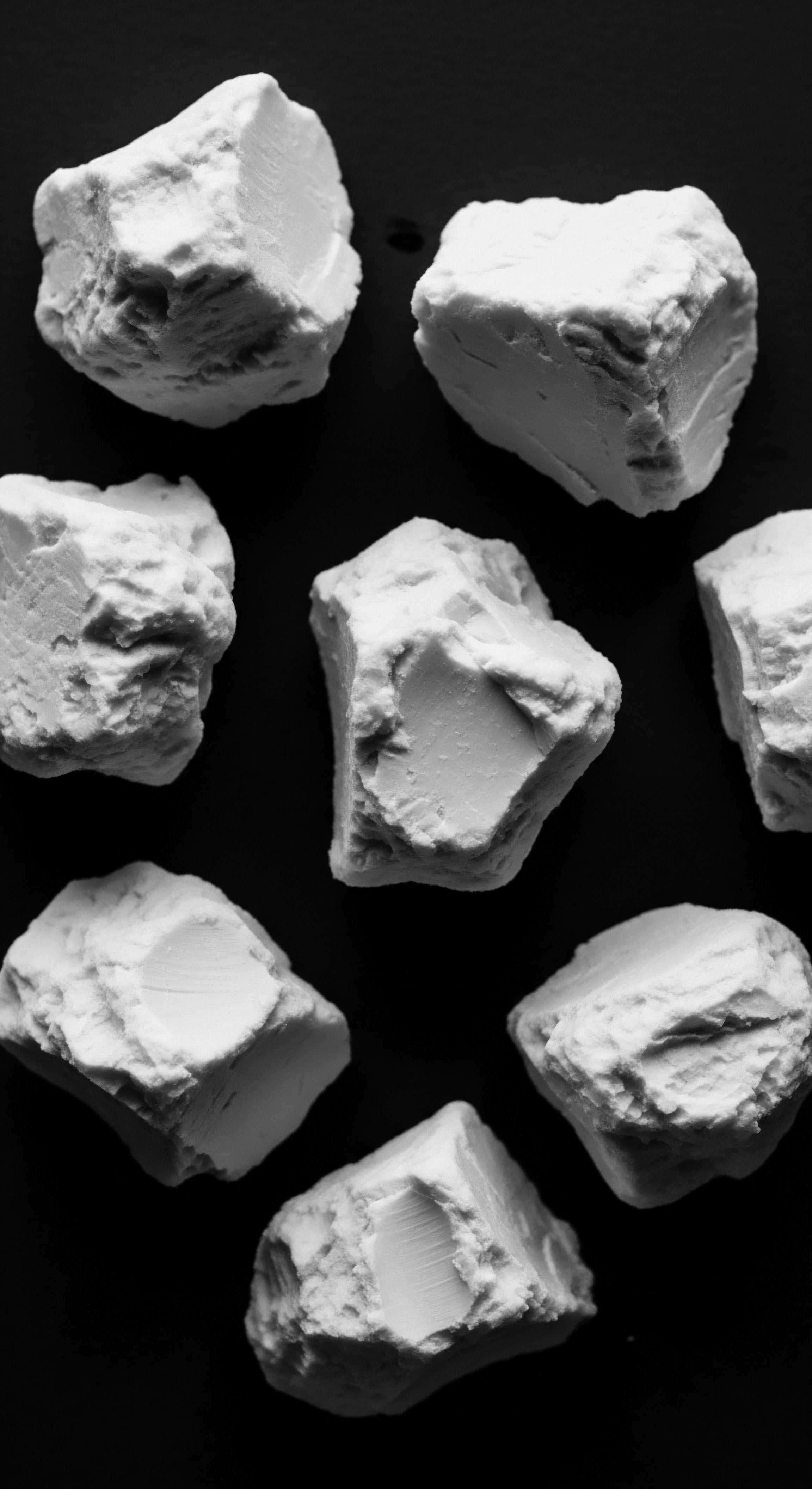
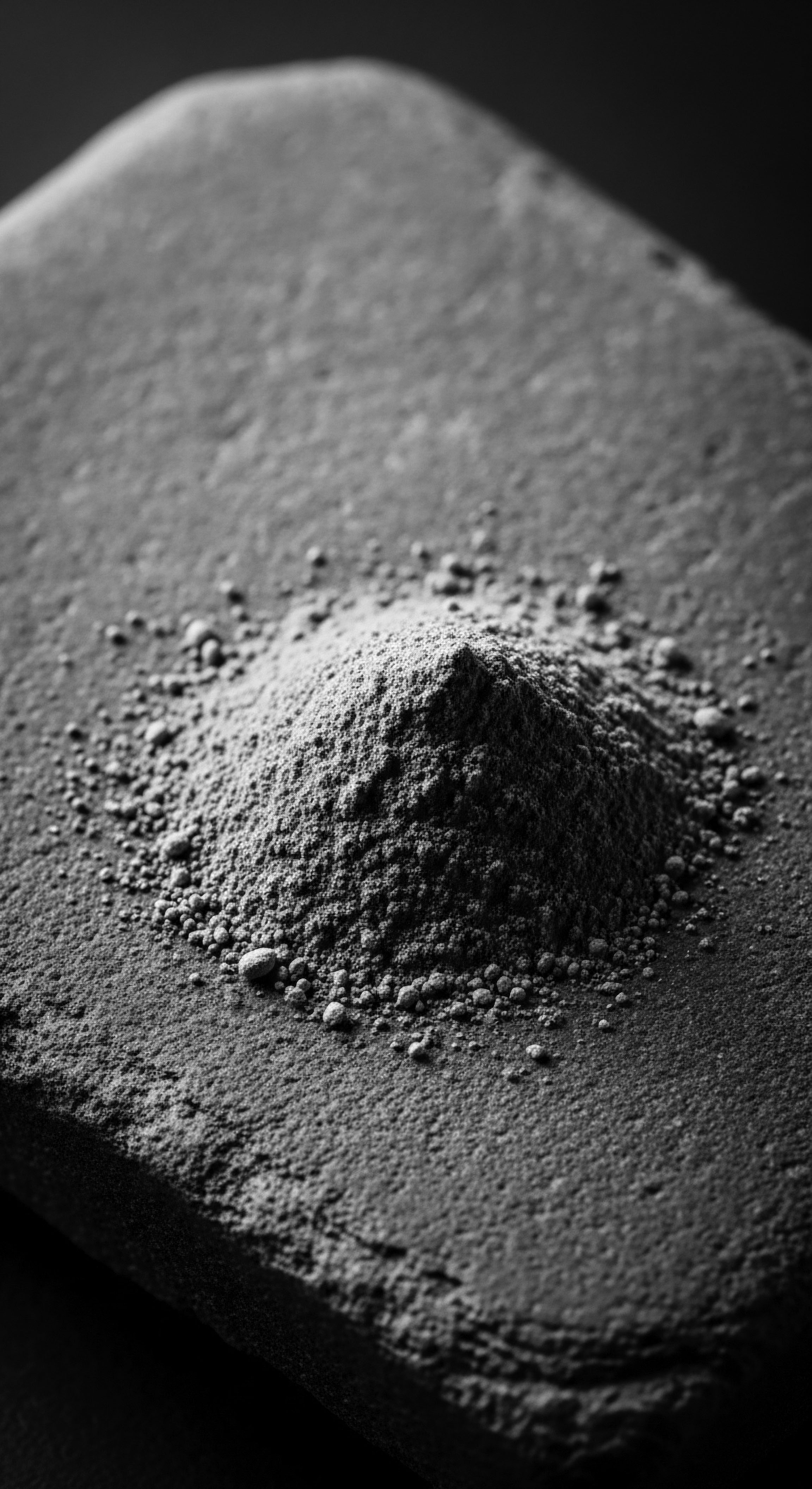
Ancient clay practices, deeply rooted in ancestral wisdom, influenced modern textured hair care by providing natural cleansing, mineral enrichment, and protective benefits that honor heritage.
Historical chemical treatments, like lye relaxers and formaldehyde-laden keratin products, often severely damaged textured hair and compromised holistic wellbeing.
Traditional oils hold deep cultural meaning in textured hair sun protection, embodying generations of ancestral knowledge and resilient care practices.
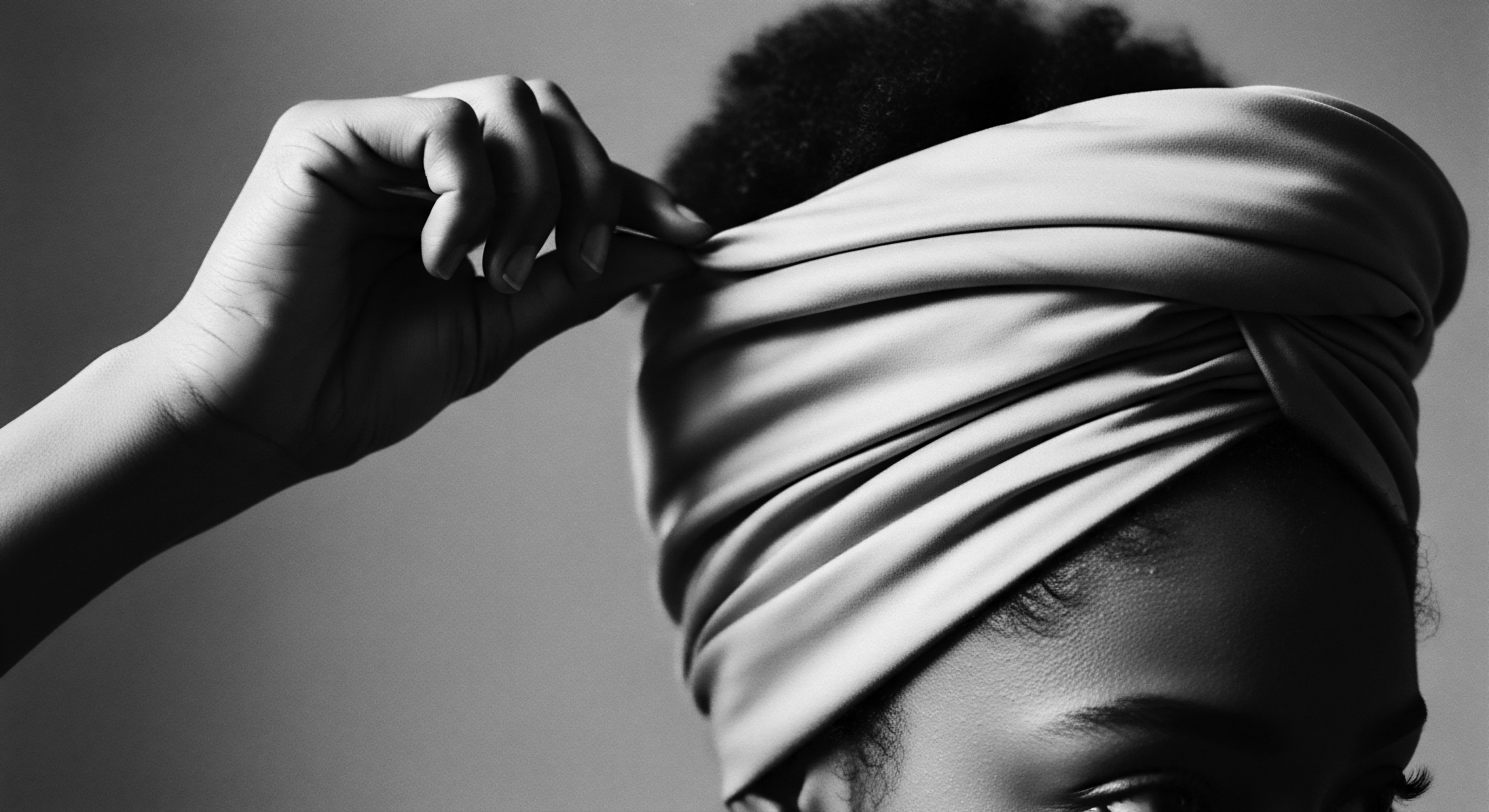
Smooth surfaces reduce friction on textured hair, preserving cuticle integrity and moisture, a protective practice rooted deeply in Black hair heritage.
African hair heritage prominently features traditional oils like shea, palm, castor, baobab, argan, and kalahari melon for profound moisture and strength.
Botanical cleansing for textured hair served as a deeply rooted cultural practice, connecting communities to ancestral wisdom through natural care and identity.
Historical methods for textured hair care intuitively preserved and strengthened hair's keratin structure, mirroring modern protein benefits through deep ancestral wisdom.
Rhassoul clay became a heritage staple through centuries of use in North African rituals, celebrated for its gentle cleansing and nourishing properties for textured hair.
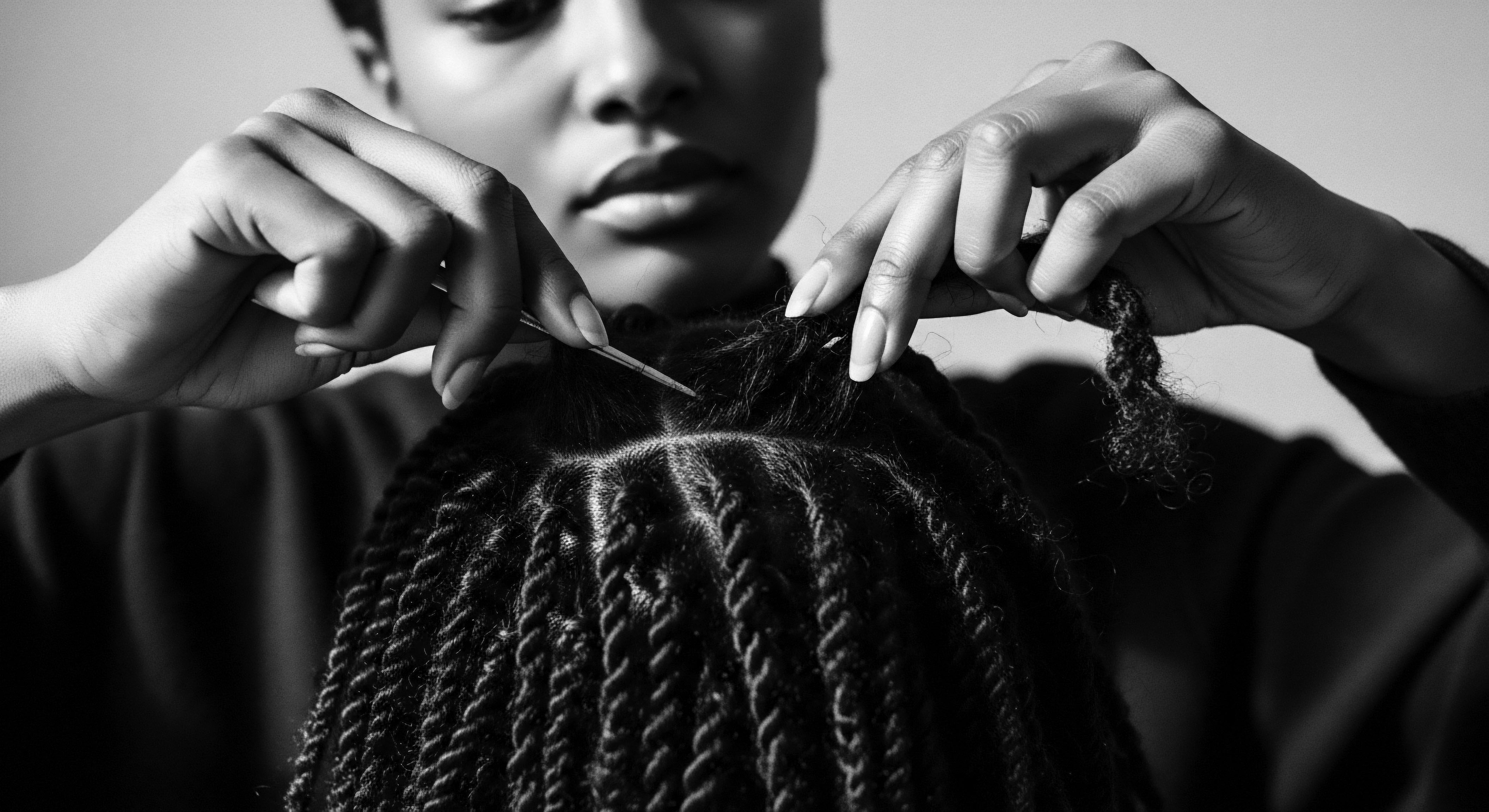
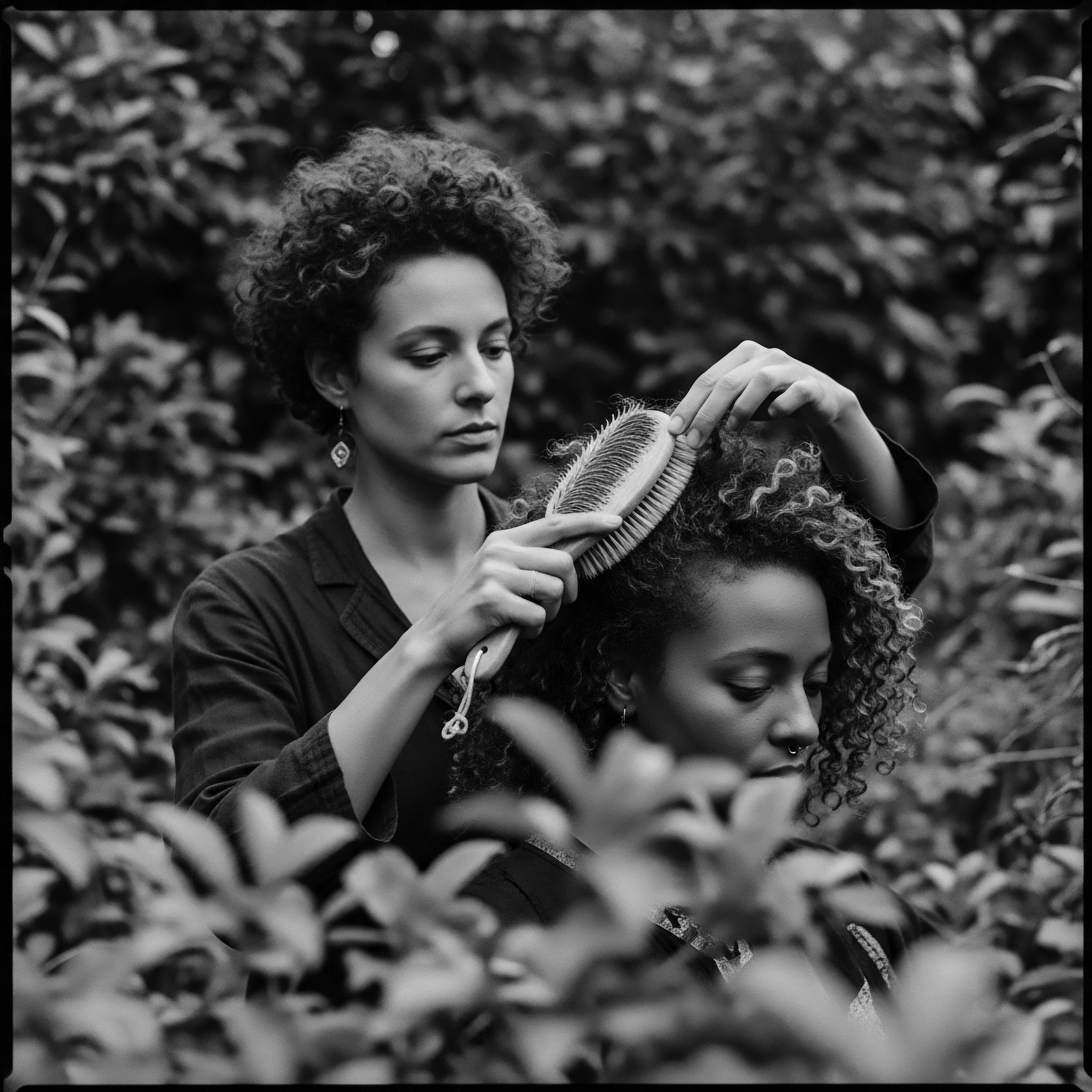
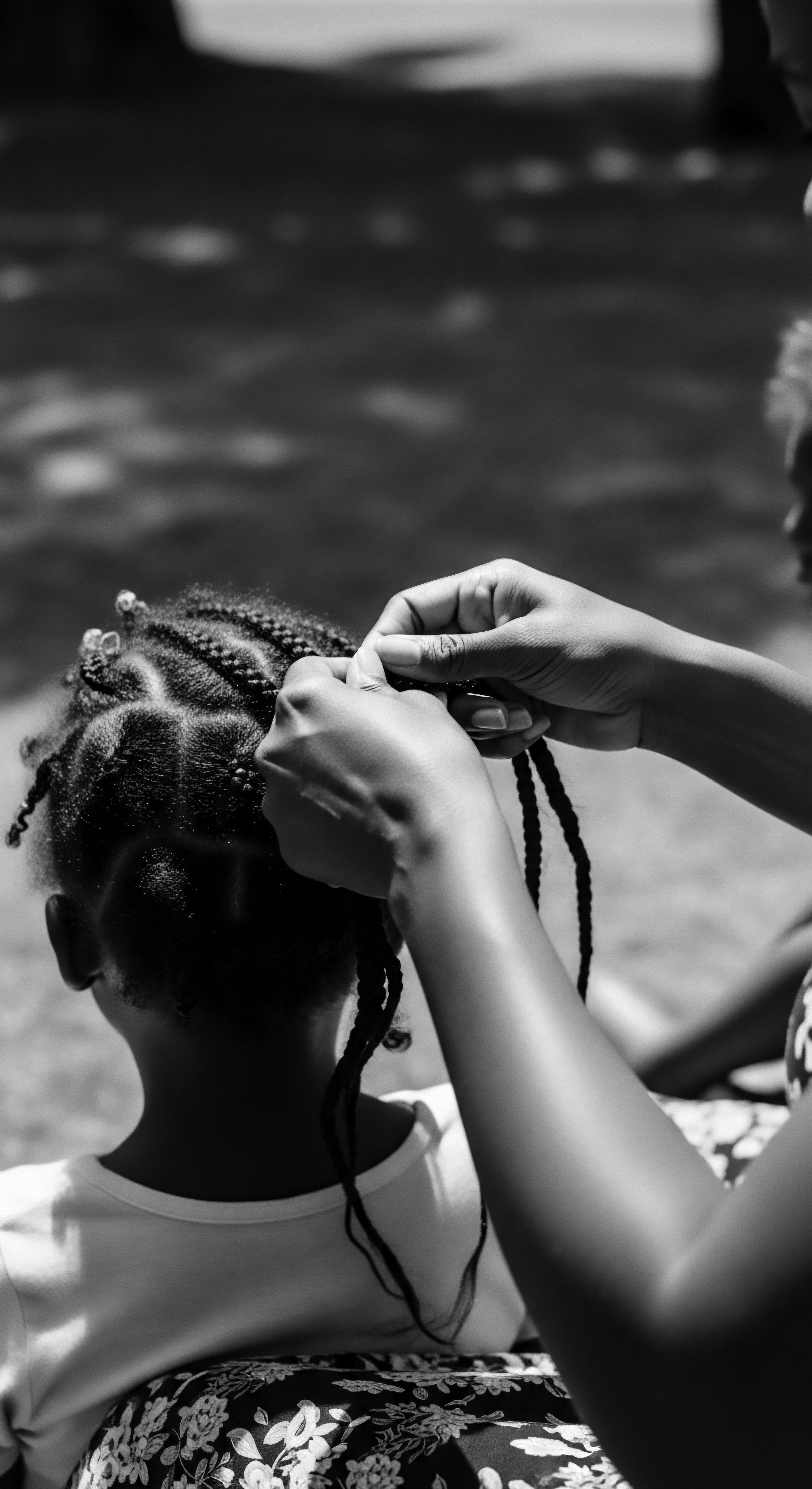
Ancestral hair care traditions deeply inform modern textured hair practices through a shared heritage of protective styling, natural ingredients, and communal rituals.
Historical dietary impacts significantly affected textured hair, often evidenced by deficiencies like pellagra, shaping its health through generations.
Ancestral oils deliver plant compounds like fatty acids and antioxidants, providing deep moisture and protection that supports the unique structure of textured hair inherited through generations.
Ancestral ingenuity, using natural elements like shea butter and coconut oil, profoundly hydrated textured hair for millennia, a testament to enduring wisdom.
We use cookies to personalize content and marketing, and to analyze our traffic. This helps us maintain the quality of our free resources. Manage your preferences below.
This helps support our free resources through personalized marketing efforts and promotions.
Analytics cookies help us understand how visitors interact with our website, improving user experience and website performance.
Personalization cookies enable us to customize the content and features of our site based on your interactions, offering a more tailored experience.