Does Ghassoul clay improve textured hair moisture?
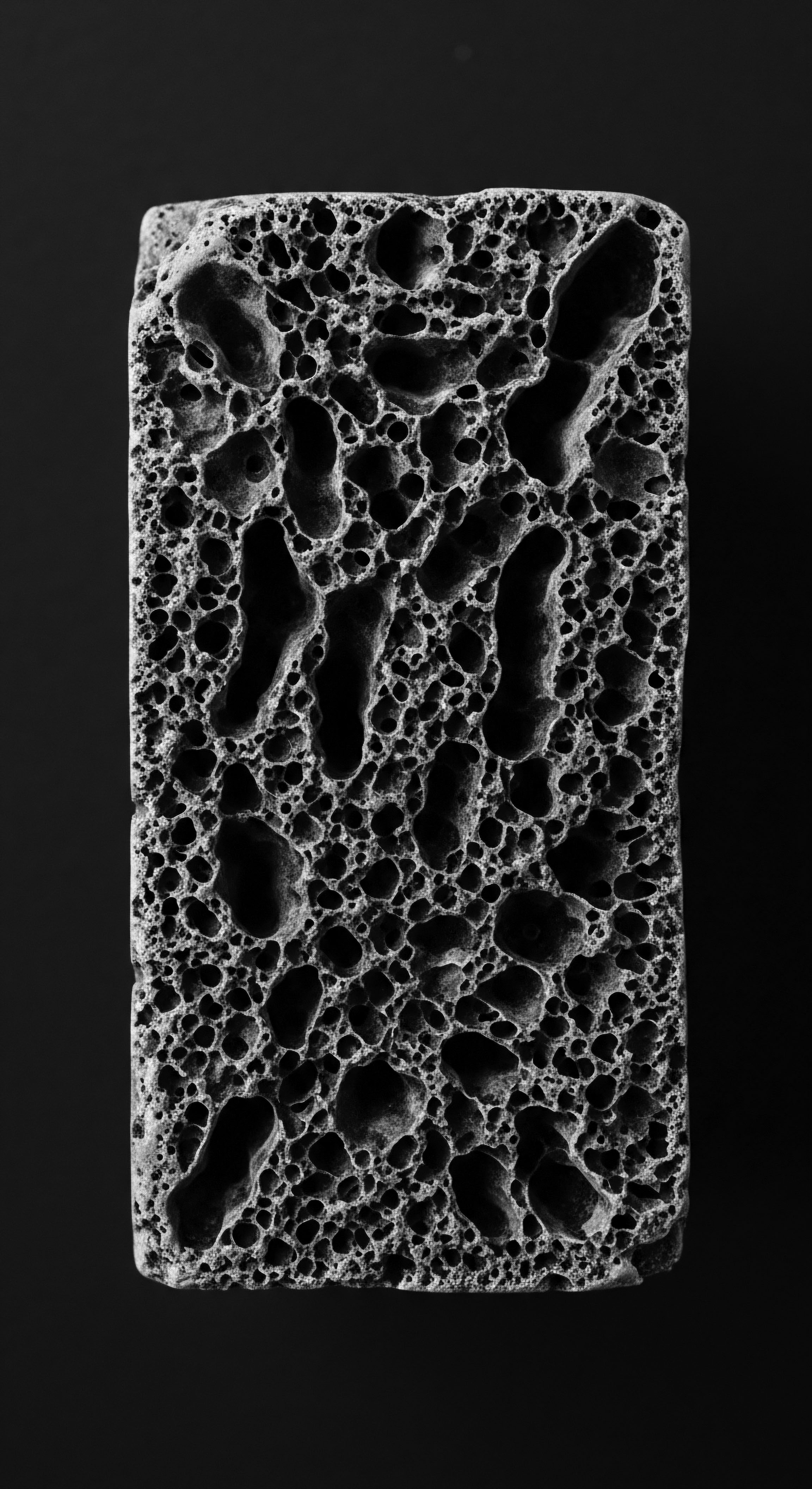
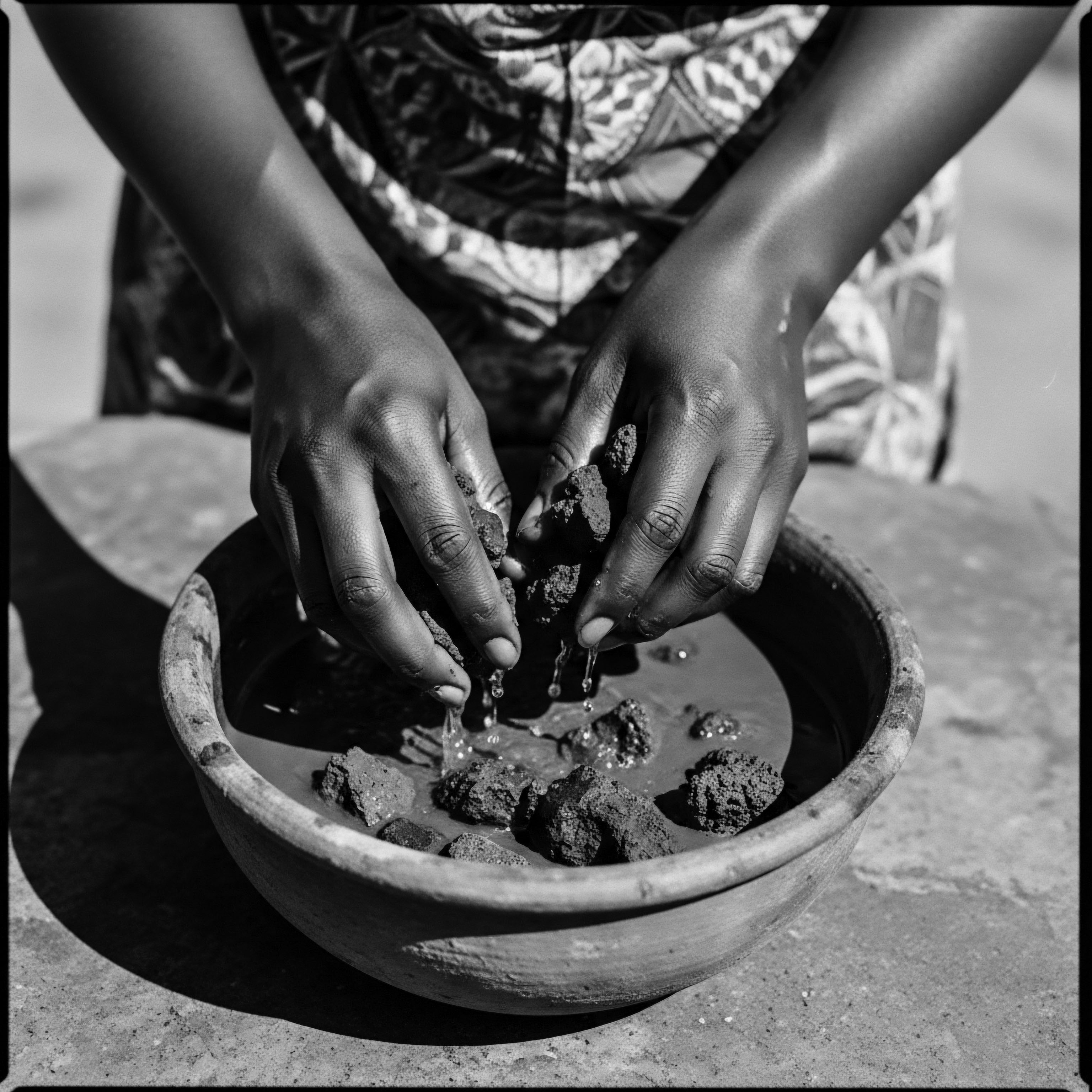
Ghassoul clay purifies textured hair and scalp without stripping, helping strands retain moisture better by removing buildup and supporting structural health.
Can science confirm the heritage benefits of traditional hair botanicals?
Science confirms that many traditional hair botanicals offer verifiable benefits, aligning with textured hair heritage.
What historical evidence shows Ghassoul clay use for textured hair?
Historical evidence shows Ghassoul clay from Morocco used for centuries as a gentle cleanser for textured hair, rooted in North African heritage.
Can modern formulations replicate the heritage essence of rice water rituals?
Modern rice water products can mirror traditional benefits, yet true replication demands a connection to mindful, heritage-infused care.
What ancient traditions inform modern care for textured strands?
Ancient traditions inform modern care for textured strands by providing historical context, effective techniques, and natural ingredient wisdom.
In what ways do traditional hair rituals connect individuals to their textured hair heritage?
Traditional hair rituals link individuals to textured hair heritage by preserving ancestral knowledge, communal bonds, and identity through shared care practices.
Which traditional ingredients supported textured hair health for millennia?
Traditional plant-based oils, butters, and herbs provided millennia of hydration, strength, and protection for textured hair, rooted in ancestral knowledge.
What communal rituals upheld textured hair’s hydration heritage?
Communal rituals such as shared oiling sessions and protective braiding upheld textured hair's hydration heritage by physically applying moisture and safeguarding strands from environmental loss.
How do historical styling methods aid modern textured hair protection?
Historical styling methods, rooted in ancestral knowledge, provide crucial protection for textured hair by minimizing manipulation and sealing in moisture.
In what specific ways has textured hair become a protected symbol of identity?
Textured hair has become a protected symbol through ancestral reverence, cultural reclamation movements, and anti-discrimination legislation.
What specific earth compounds nurtured textured hair heritage?
Earth compounds like clays and ochre, rich in vital minerals, historically cleansed, protected, and adorned textured hair, deeply rooted in ancestral heritage.
Can modern science validate traditional fatty acid practices for textured hair?
Modern science affirms that traditional fatty acid practices benefit textured hair by improving moisture, strength, and scalp health.
How does textured hair porosity connect to ancestral moisturizing rituals?
Textured hair porosity connects to ancestral moisturizing rituals through an intuitive understanding of hair’s moisture receptiveness.
What historical examples confirm the validity of textured hair heritage?
Textured hair heritage is confirmed by ancient African symbolism, resistance during slavery, and enduring traditional care.
How do traditional African cleansing ingredients hydrate textured hair?
Traditional African cleansing ingredients hydrate textured hair through natural emollients and gentle compounds, honoring ancestral knowledge.
How do historical foodways impact textured hair health?
Historical foodways shaped textured hair health through ancestral nutrient-rich diets, colonial impositions, and enduring heritage practices.
How did ancestral practices shape current textured hair care?
Ancestral practices shaped textured hair care by instilling a heritage of protective styling, natural ingredient use, and holistic wellness.
What materials best preserve textured hair?
Optimal textured hair preservation relies on smooth, non-absorbent materials like silk and satin, echoing ancestral protective practices.
Why do traditional protective styles benefit textured hair’s health?
Traditional protective styles deeply benefit textured hair health by preserving length and moisture, rooted in ancestral knowledge and cultural heritage.
Which ancient plants cleansed textured scalps?
Ancient plants like African Black Soap and Rhassoul Clay naturally cleansed textured scalps, preserving moisture through ancestral wisdom.
How has traditional hair care evolved for textured hair?
Traditional hair care for textured hair has evolved from ancient practices rooted in identity, community, and natural resources, continually adapting while preserving a profound cultural heritage.
How does textured hair porosity connect to ancestral oil selection?
Textured hair porosity connects to ancestral oil selection through generations of intuitive understanding of hair's needs and the properties of natural botanicals.
How did historical practices prepare textured hair for styling?
Historical practices prepared textured hair through natural moisturizers, gentle stretching, and communal rituals, preserving cultural heritage.
Baobab Practices
Meaning ❉ The Baobab Practices define a holistic approach to textured hair care, rooted in African heritage and the symbolic resilience of the baobab tree.
How did textured hair styles symbolize community roles?
Textured hair styles profoundly conveyed community roles, social status, and ancestral lineage through intricate designs and communal rituals.
What traditional ingredients are used in textured hair care routines?
Traditional ingredients for textured hair care stem from ancestral wisdom, providing natural solutions rooted in cultural heritage.
In what ways did traditional practices shield textured hair from damage?
Ancestral practices shielded textured hair through protective styles, natural ingredients, and holistic communal care rooted deeply in heritage.
Natural Coloration
Meaning ❉ Natural Coloration describes the intrinsic, genetically determined hues of hair, shaped by melanin, texture, and a rich ancestral heritage.
What historical care practices support textured hair’s hydration?
Historical care for textured hair centered on natural ingredients and protective styling to sustain its hydration, a testament to ancestral ingenuity.