How did ancient ash cleansers nourish textured hair?
Ancient ash cleansers nourished textured hair by transforming natural oils into soap, a practice deeply rooted in diverse cultural heritage.
Can traditional hair methods offer solutions for today’s textured hair challenges?
Traditional hair methods offer enduring solutions for textured hair challenges, deeply rooted in ancestral knowledge and heritage.
What ancestral tools shaped textured hair rituals?
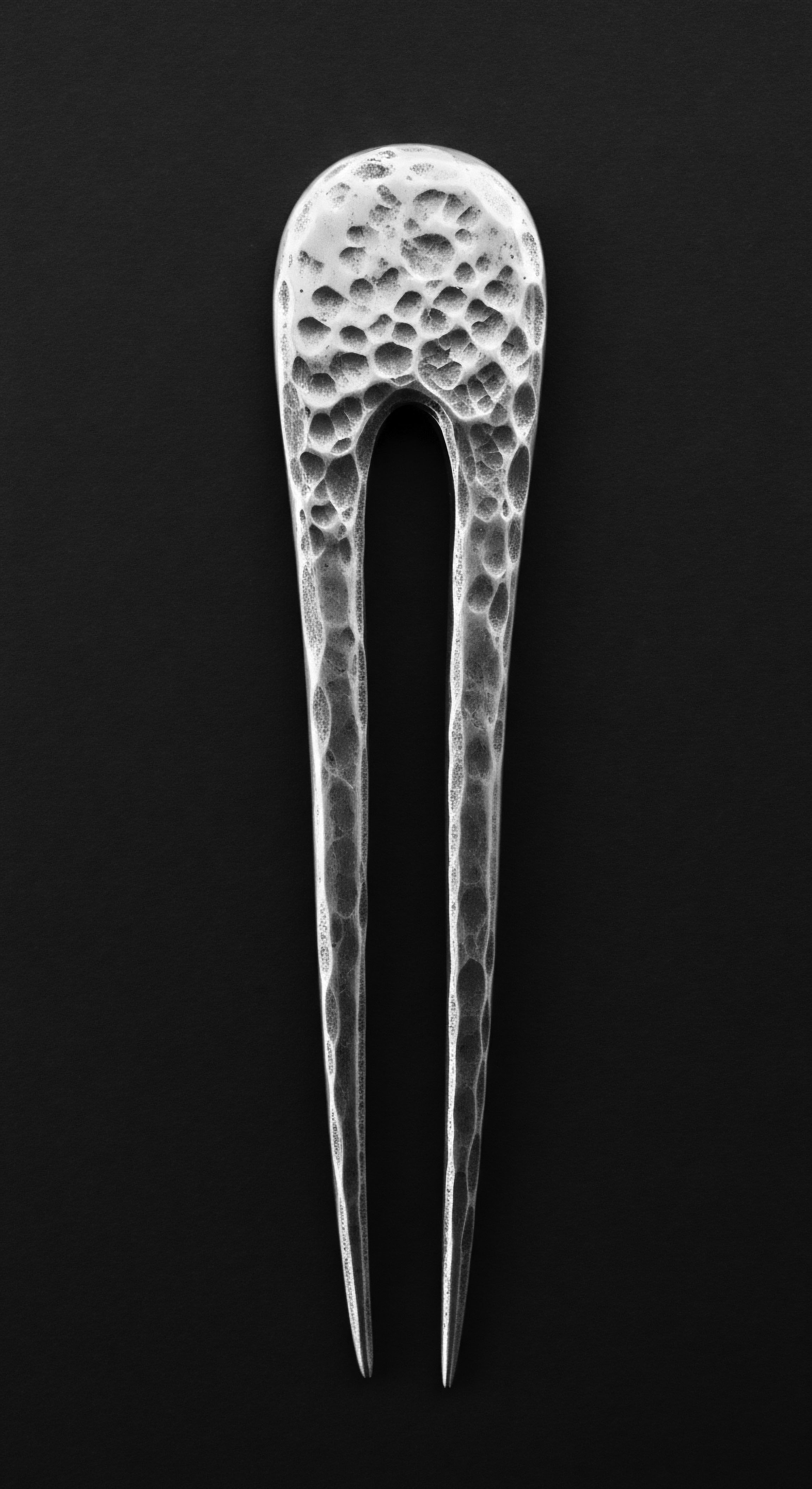
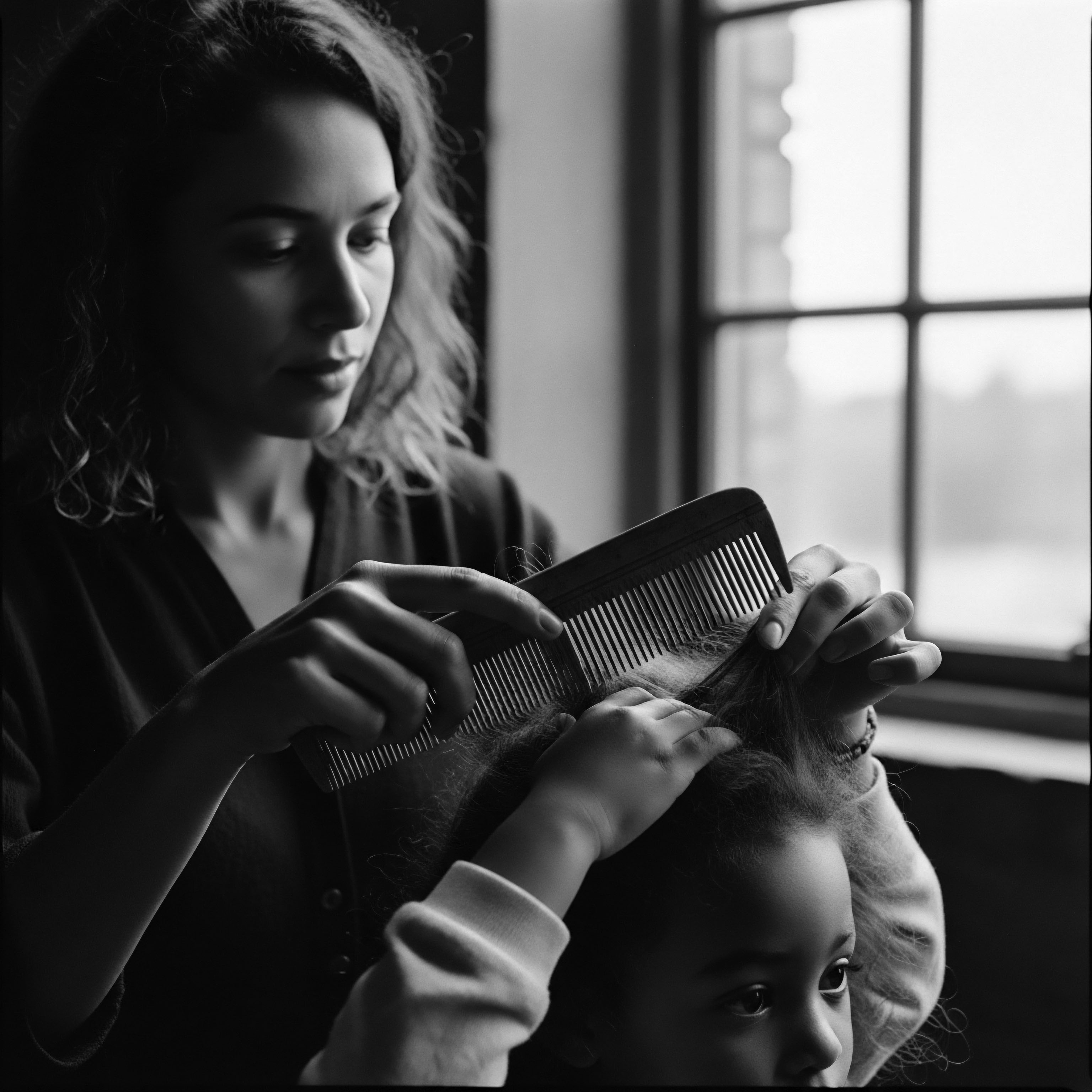
Ancestral tools, from symbolic combs to protective coverings, shaped textured hair rituals by reinforcing cultural heritage and nurturing identity.
Did ancient hair practices align with modern sun science for textured hair?
Ancient hair practices intuitively aligned with sun science, offering physical barriers and nourishing care rooted in heritage.
How do Amazonian ingredients benefit textured hair?
Amazonian ingredients hydrate and fortify textured hair, continuing ancestral practices that honor its unique heritage.
Can traditional hair practices inform modern textured hair care product development?
Traditional hair practices deeply inform modern textured hair product development by revealing timeless principles of care rooted in ancestral wisdom and cultural heritage.
How do historical styling methods affect modern textured hair care?
Historical styling practices deeply influence modern textured hair care, connecting contemporary routines to ancestral wisdom and resilience.
What traditional oils aid textured hair moisture?
Traditional oils like shea butter, coconut, and castor oil deeply aid textured hair moisture through their ancestral application and unique properties.
How did heritage shape hair moisture retention?
Heritage shaped textured hair moisture retention through ancestral practices, natural ingredients, and protective styles that sealed hydration.
What is the scientific benefit of fats for textured hair health?
Fats scientifically aid textured hair health by sealing moisture, strengthening strands, and soothing the scalp, echoing ancestral care traditions.
How does textured hair’s structure affect its natural moisture levels?
Textured hair’s unique coiled structure and lifted cuticle layers prevent natural oils from reaching the full strand, leading to lower natural moisture levels.
How have ancestral practices shaped modern textured hair regimens and products?
Ancestral practices, rooted in cultural meaning and natural ingredients, fundamentally shaped modern textured hair regimens.
Can understanding cultural hair heritage inform modern well-being practices?
Understanding textured hair heritage deeply enriches modern well-being practices, affirming identity and fostering holistic self-care.
How do specific minerals in Rhassoul clay benefit scalp health and textured hair’s resilience?
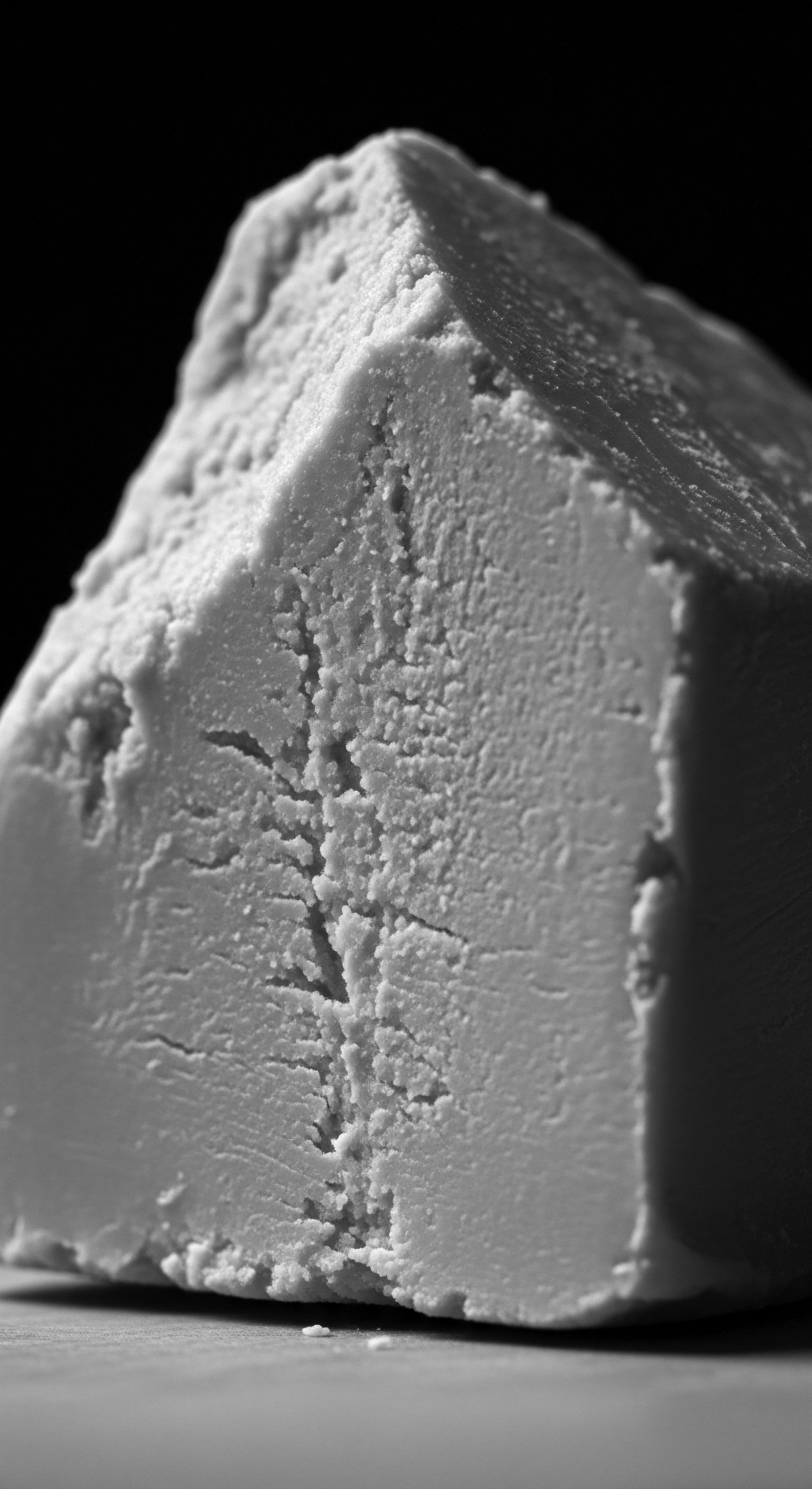
Rhassoul clay's minerals, rooted in ancient Moroccan traditions, cleanse and fortify textured hair, connecting us to a rich heritage of natural care.
What ancestral knowledge of natural ingredients for textured hair does Ghassoul clay embody?
Ghassoul clay embodies ancestral knowledge for textured hair by offering gentle cleansing and mineral nourishment, a timeless heritage practice.
What traditional methods supported textured hair length?
Traditional methods for textured hair length primarily involved protective styling, natural anointing agents, and careful nightly routines rooted in cultural heritage.
What is the historical significance of clay for textured hair cleansing across the diaspora?
Clay’s historical significance for textured hair cleansing reflects ancestral wisdom in purifying and protecting coils across the diaspora.
What natural ingredients did ancient communities use for textured hair care?
Ancient communities used plant oils, butters, clays, and herbal infusions from their local environments for textured hair care.
How do clays align with textured hair’s moisture needs?
Clays align with textured hair’s moisture needs by cleansing without stripping and delivering vital minerals, a practice deeply rooted in ancestral heritage.
What is textured hair’s ancient heritage?
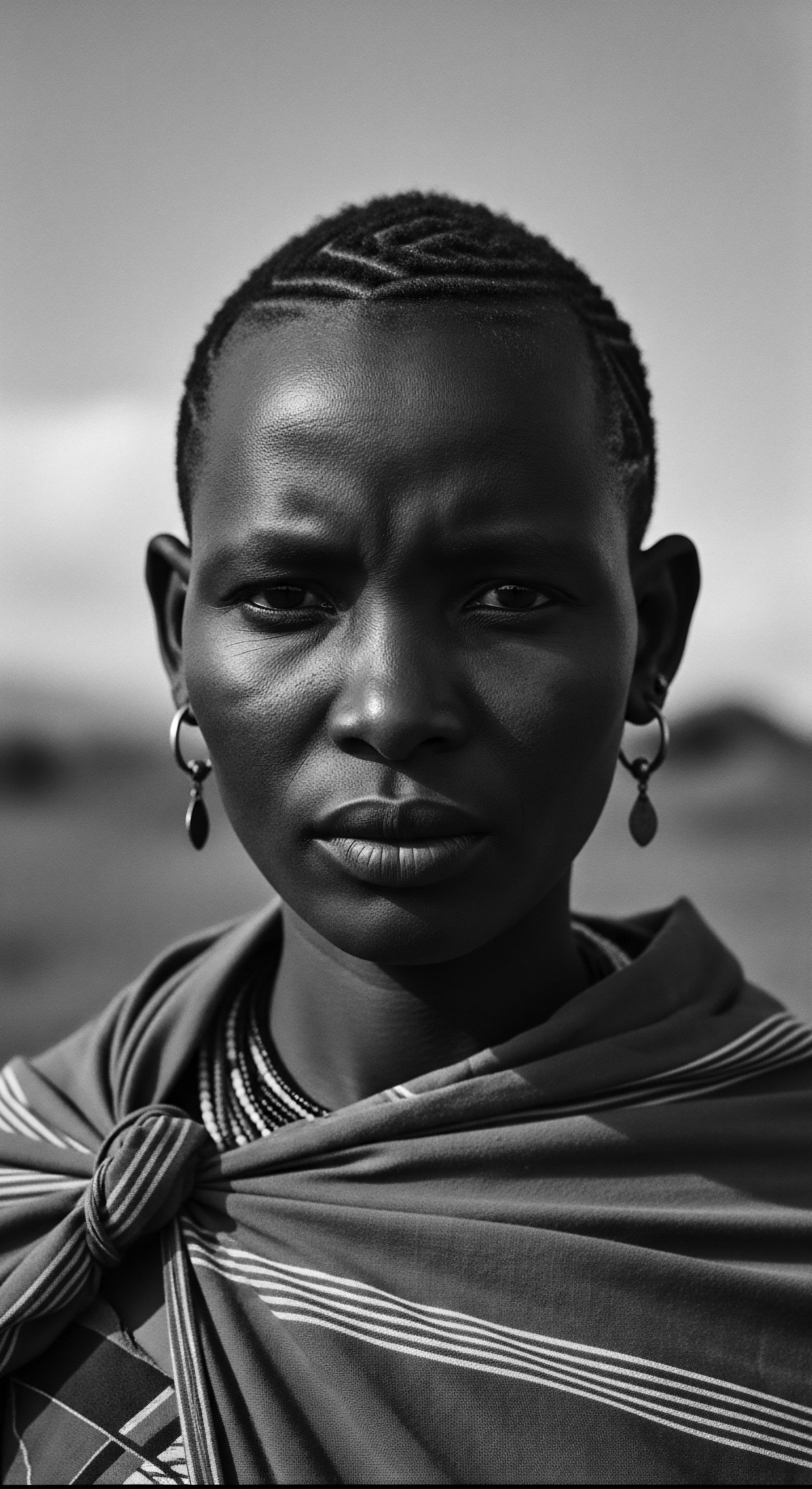
Textured hair's ancient heritage is a profound narrative of biological adaptation, communal wisdom, and unwavering cultural resilience.
Solar Adaptation
Meaning ❉ Solar Adaptation describes how textured hair and its ancestral care traditions inherently interact with and respond to the sun's energy.
What ancestral customs influence modern textured hair moisture regimens?
Ancestral customs influence modern textured hair moisture regimens through enduring practices of natural ingredient use, protective styling, and holistic care rooted in heritage.
Which traditional cleansers suit diverse textured hair?
Traditional cleansers for textured hair, rooted in heritage, include mineral clays and saponin-rich plants, emphasizing gentle purification.
Historical Migration
Meaning ❉ Historical Migration is the dynamic movement of peoples that shaped the genetic diversity, cultural practices, and identity narratives of textured hair across global communities.
Can ancient plant wisdom solve modern textured hair problems?
Ancient plant wisdom from textured hair heritage offers effective solutions for modern hair problems.
Why do textured strands require specific moisture practices?
Textured strands demand specific moisture practices because their unique coiled structure and lifted cuticles inherently lead to quicker moisture loss, a reality understood and addressed through centuries of ancestral care and heritage.
How did ancestry shape textured hair’s moisture needs?
Ancestry shaped textured hair's moisture needs through inherited structure and climatic adaptation, driving generations to develop protective hydration rituals.
Textured Scalp Relief
Meaning ❉ Textured Scalp Relief restores comfort and cultivates vitality for textured hair, honoring its deep biological and ancestral heritage.
In what ways did oiling rituals preserve the cultural identity of textured hair across generations?
Oiling rituals preserved textured hair identity by integrating biological necessity with profound cultural meaning and generational knowledge transfer.