Which fatty acids protect textured hair from damage?
Fatty acids like lauric and oleic acid, found in heritage oils, shield textured hair from damage.
What ancestral ingredients shape textured hair regimens?
Ancestral ingredients shaped textured hair regimens through deep botanical knowledge, communal rituals, and protective techniques rooted in heritage.
African Beauty Heritage
Meaning ❉ African Beauty Heritage embodies the enduring cultural, spiritual, and historical significance of textured hair in African and diaspora communities.
What historical care principles guide textured hair?
Historical care for textured hair is guided by ancestral practices emphasizing moisture, protection, and community, honoring its heritage.
What is the spiritual meaning behind traditional textured hairstyles?
Traditional textured hairstyles embody a spiritual connection to ancestral wisdom, identity, and resilience, profoundly rooted in heritage.
What scientific principles validate traditional botanical cleansing for textured hair?
Traditional botanical cleansing for textured hair is validated by the natural chemistry of plants that gently cleanse, balance pH, and nourish the scalp, honoring ancestral wisdom.
What ancient practices used earth compounds for textured hair?
Ancient practices often used natural clays and ochres to cleanse, protect, and style textured hair, deeply rooted in cultural heritage.
What historical influences shaped textured hair scalp health?
Historical influences on textured hair scalp health reflect ancestral practices, colonial disruptions, and resilient self-care rooted in heritage.
What ancestral beliefs shaped textured hair hydration?
Ancestral beliefs shaped textured hair hydration through sacred plant-based rituals and protective styling, honoring heritage and preserving vitality.
In what ways did historical cleansing methods foster communal bonds for textured hair?
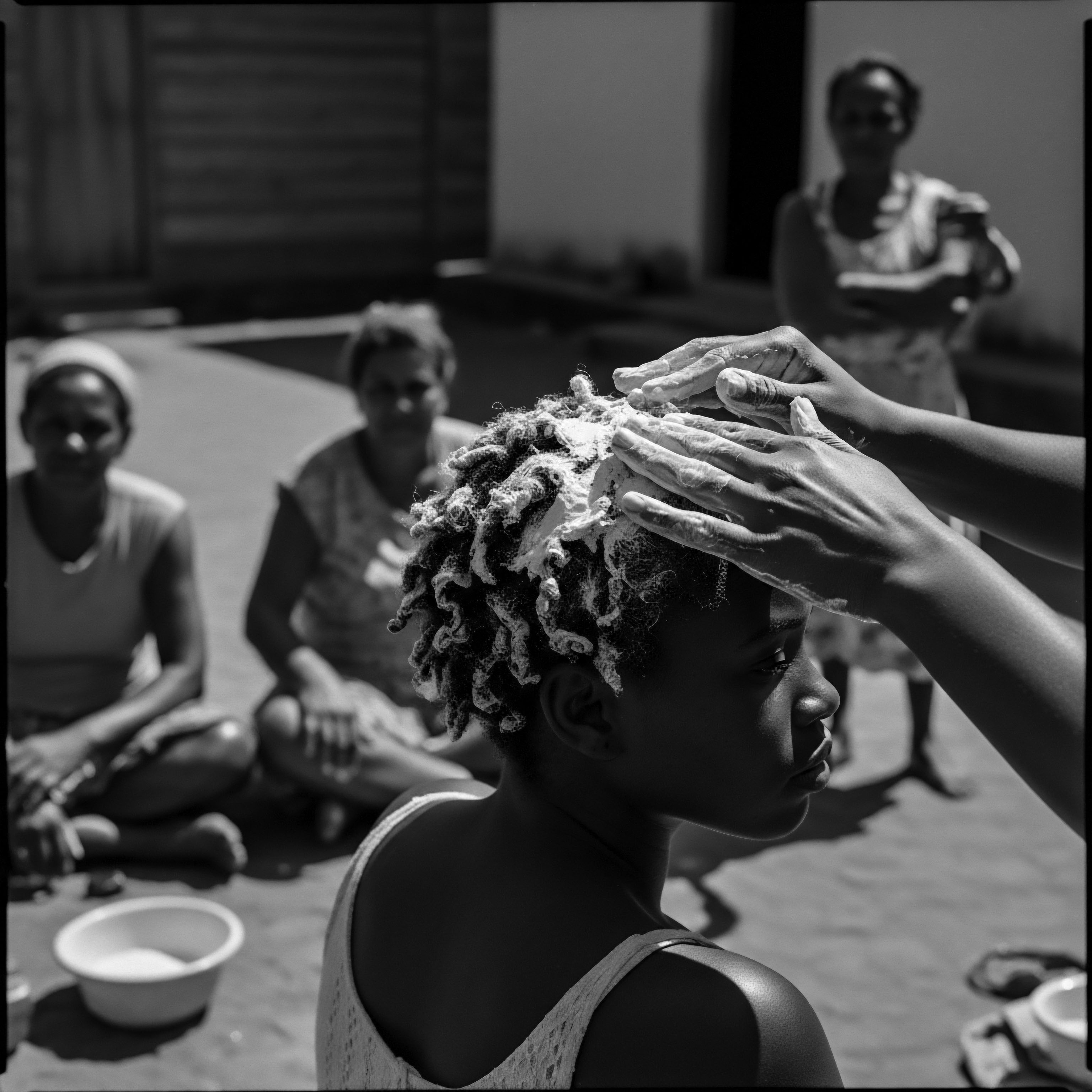
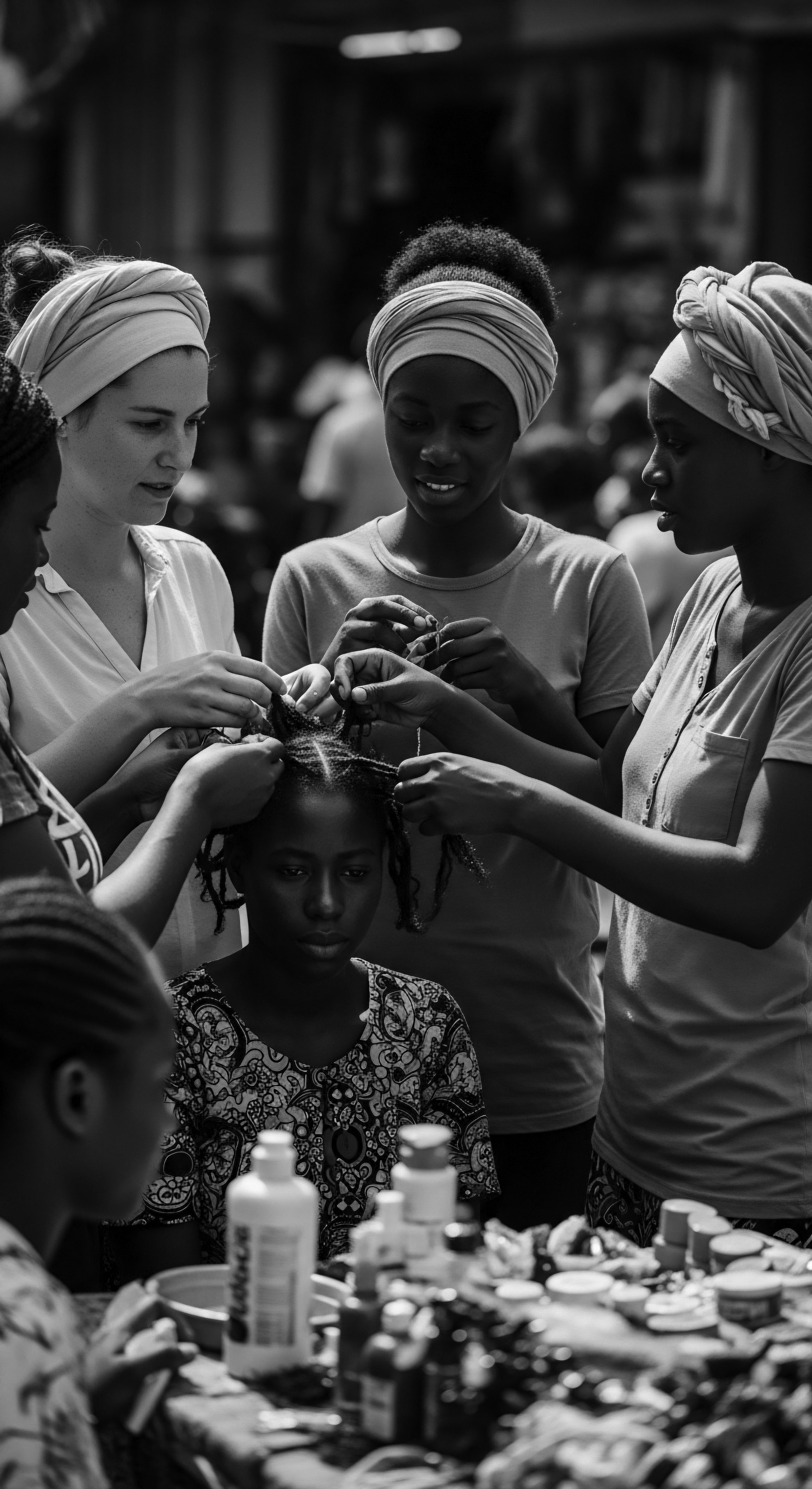
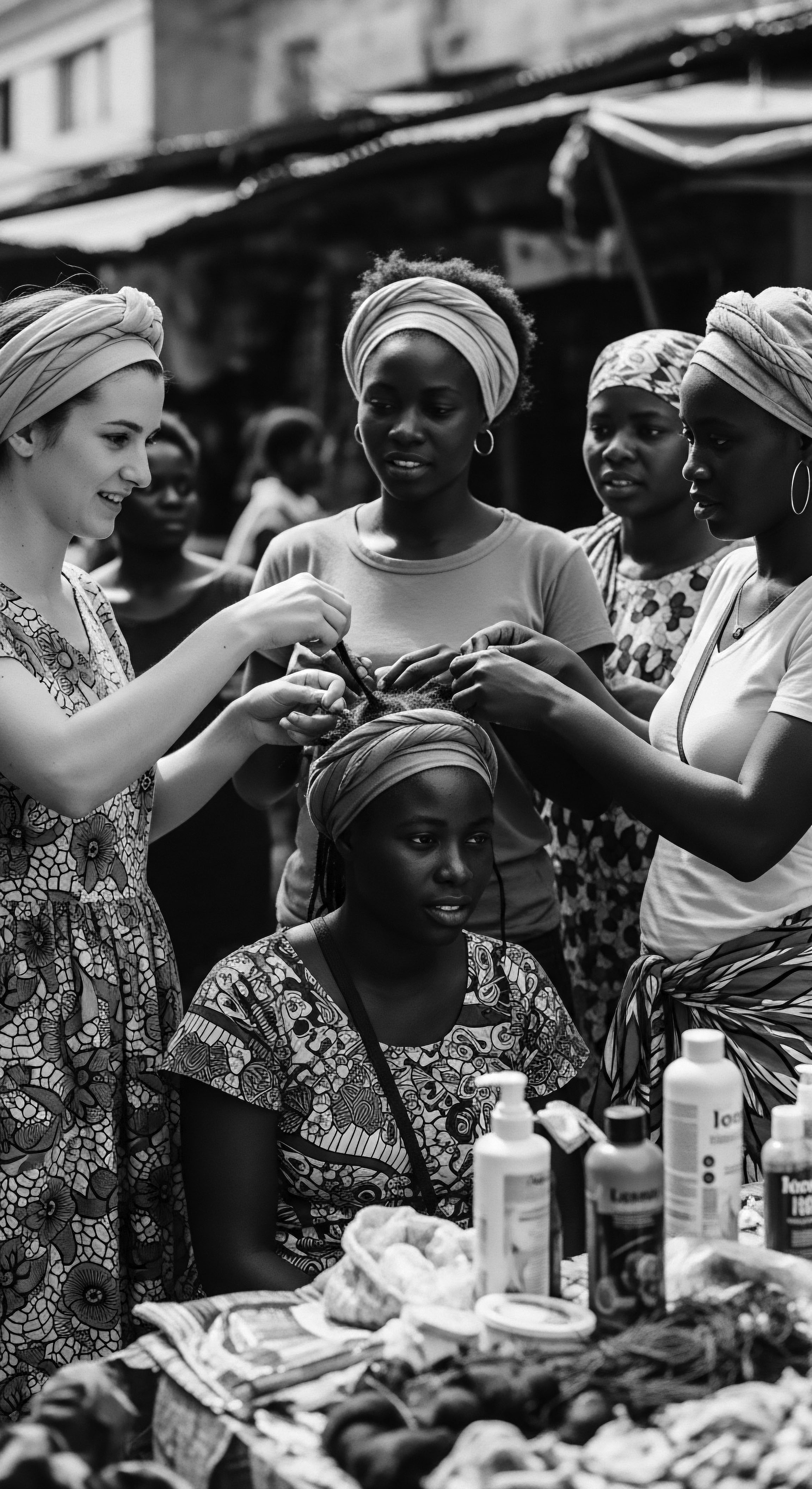
Historical textured hair cleansing methods created powerful communal bonds, preserving heritage through shared rituals and knowledge exchange.
What is the cultural significance of hair oiling for heritage?
Hair oiling for textured hair heritage signifies a timeless link to ancestral care, fostering scalp vitality and cultural identity.
How does the heritage of red palm oil connect to contemporary hair rituals?
Red palm oil connects to contemporary hair rituals by providing essential nutrients, drawing from millennia of textured hair heritage.
Can modern science connect with ancestral textured hair practices?
Modern science can indeed connect with ancestral textured hair practices, validating time-honored rituals and revealing the deep heritage embedded in every strand's care.
What is the historical significance of clay for Black hair heritage?
Clay's historical significance for Black hair heritage lies in its ancestral use for cleansing, conditioning, and cultural expression.
What traditional botanicals are used in textured hair care practices today?
Traditional botanicals nourish textured hair by leveraging ancestral wisdom, offering deep hydration and protective benefits rooted in diverse heritage practices.
What is the ancestral significance of specific oils in Black hair heritage?
Ancestral oils signify deep cultural wisdom, providing nourishment and protection integral to Black hair identity and heritage.
How did detangling practices preserve Black heritage?
Detangling practices preserved Black heritage through ancestral knowledge, communal rituals, and acts of resilience against oppression.
Can modern science validate ancient methods for textured hair hydration?
Modern science confirms ancient textured hair hydration methods, validating ancestral wisdom regarding botanical emollients and protective practices.
Can textured hair’s natural melanin composition affect botanical dye vibrancy?
Textured hair’s melanin composition deepens botanical dye vibrancy, creating unique, heritage-rich hues.
How does Jamaican Black Castor Oil relate to heritage?
Jamaican Black Castor Oil embodies generations of diasporic resilience, linking African ethnobotanical wisdom to textured hair care heritage.
Can traditional baobab practices improve modern textured hair regimens?
Traditional baobab practices can enhance modern textured hair regimens by reconnecting them to a heritage of deeply moisturizing, protective, and culturally resonant care.
What historical role did communal cleansing rituals play in heritage?
Communal cleansing rituals historically nurtured textured hair, fostering intergenerational bonds and preserving cultural identity through shared ancestral practices.
What historical factors influenced moisture retention for textured hair?
Historical factors like hair structure, protective styling, ancestral ingredients, and climate profoundly shaped textured hair moisture retention within a rich heritage.
What is the scientific basis for fermented rice water in hair heritage?
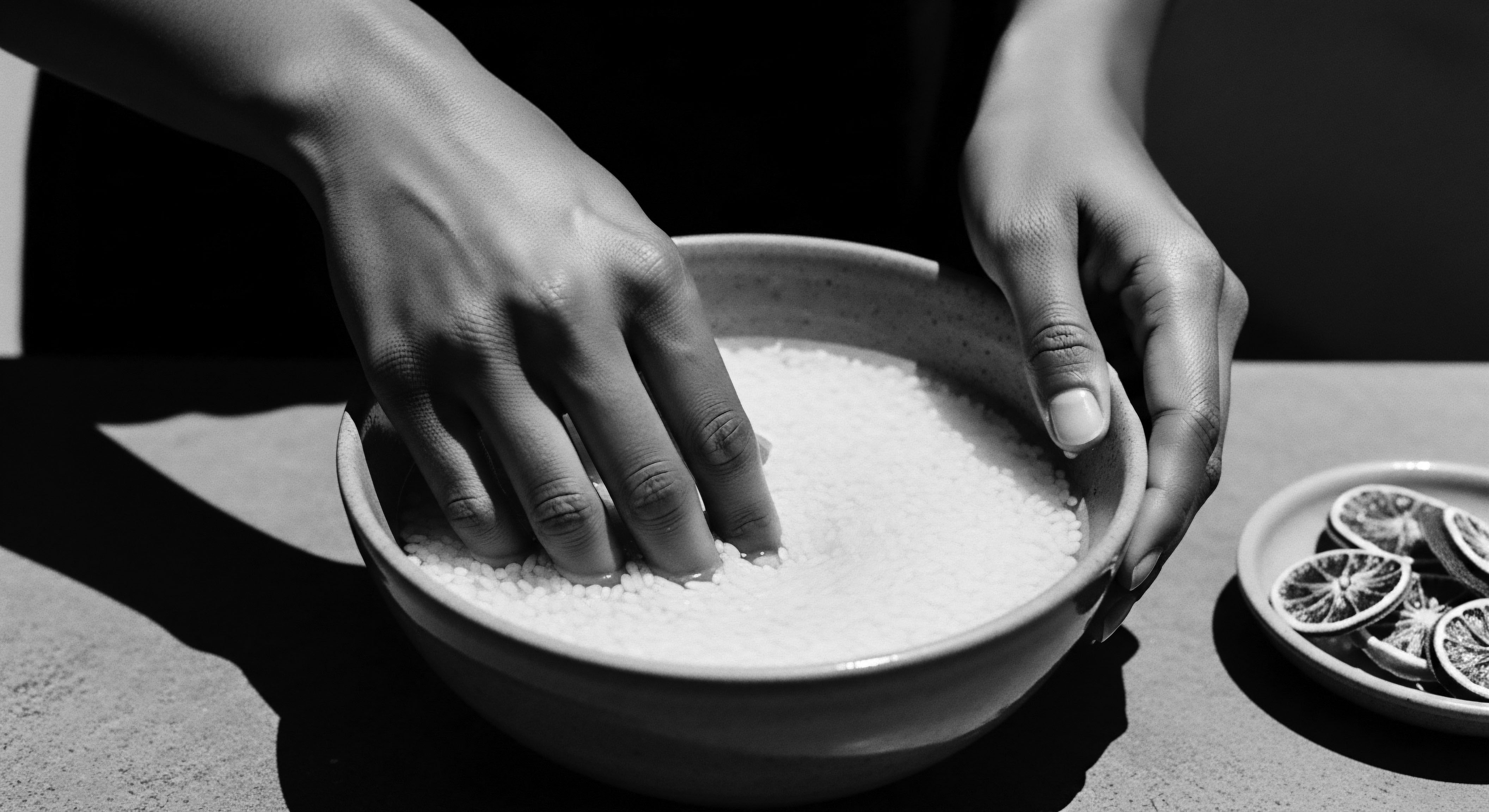
Fermented rice water strengthens textured hair with inositol and amino acids while balancing scalp pH, echoing ancient heritage practices.
Do traditional hair oils provide meaningful UV defense for textured hair?
Traditional hair oils offer a modest degree of sun defense for textured hair, a practice deeply rooted in ancestral care and cultural heritage.
What cultural rituals accompanied historical plant dye use on textured hair?
Cultural rituals surrounding historical plant dye use on textured hair were profound expressions of identity, status, and spiritual connection.
Which traditional ingredients are still used in textured hair products?
Ancestral oils, butters, and plant extracts continue to nourish and protect textured hair, honoring centuries of cultural wisdom.
What historical cleansing practices sustained textured hair hydration?
Historical cleansing practices sustained textured hair hydration through gentle, natural agents and mindful rituals.
What plants offered historical hair color for textured strands?
Historical hair coloring for textured strands primarily relied on plants like henna and indigo, connecting ancestral communities to the earth's heritage.