What is the scientific basis for oils helping textured hair retain moisture?
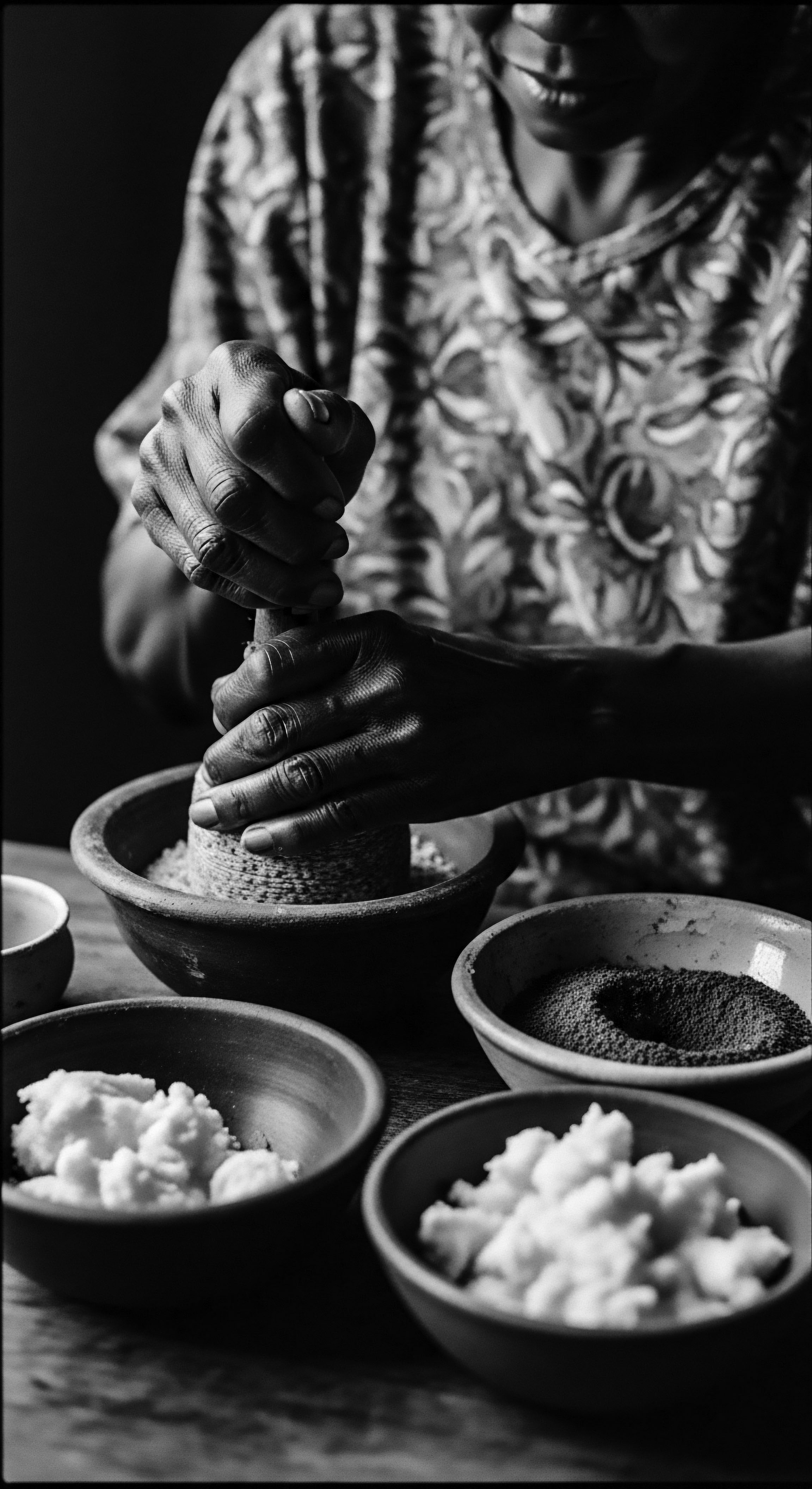
Oils create a protective film and can penetrate textured hair strands, reducing moisture evaporation and strengthening hair, mirroring ancestral practices.
What plant-based ingredients were traditionally used for Afro-textured hair?
Traditional care for Afro-textured hair relied on indigenous plant ingredients, a deeply rooted heritage of nourishment and identity.
What ancestral wisdom about botanicals continues to guide textured hair wellness today?
Ancestral botanical wisdom guides textured hair wellness by providing time-honored remedies for moisture, strength, and cultural identity.
What ancestral oils for textured hair strength are validated by scientific study?
Ancestral oils like shea butter and coconut oil are scientifically validated to strengthen textured hair through deep conditioning and protective barrier formation, upholding a rich heritage.
How did African food heritage strengthen textured hair through history?
African food heritage strengthened textured hair through nutrient-dense diets and topical applications, rooted in ancestral wisdom.
How did ancestors care for textured hair with botanicals?
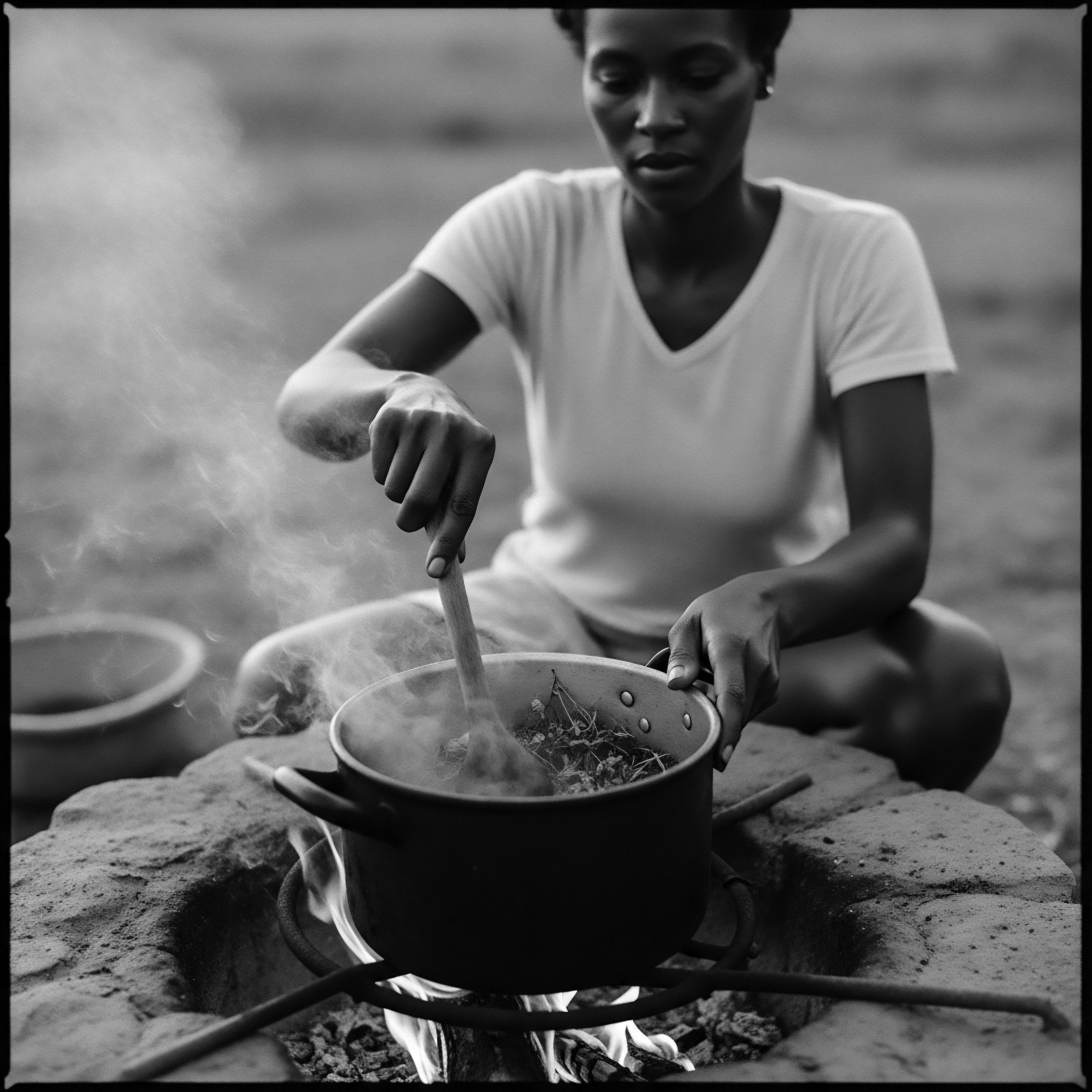
Ancestors nurtured textured hair with indigenous botanicals, practices deeply rooted in cultural heritage and holistic well-being.
Which plants cleansed textured hair?
Ancestral wisdom reveals diverse plants like saponin-rich acacia and mucilaginous okra traditionally cleansed textured hair, honoring its heritage.
Which plants were historically essential for textured hair?
Ancestral communities relied on plants like shea, hibiscus, and aloe for textured hair, embodying a deep heritage of natural care.
What ancient African clay practices influenced textured hair resilience?
Ancient African clay practices fortified textured hair resilience through mineral enrichment, UV protection, and gentle cleansing, connecting directly to cultural heritage.
What are the historical uses of natural cleansers for textured hair?
Ancestral communities cleansed textured hair with natural, gentle earth-based clays and saponin-rich plants, deeply embedding these practices within their cultural heritage.
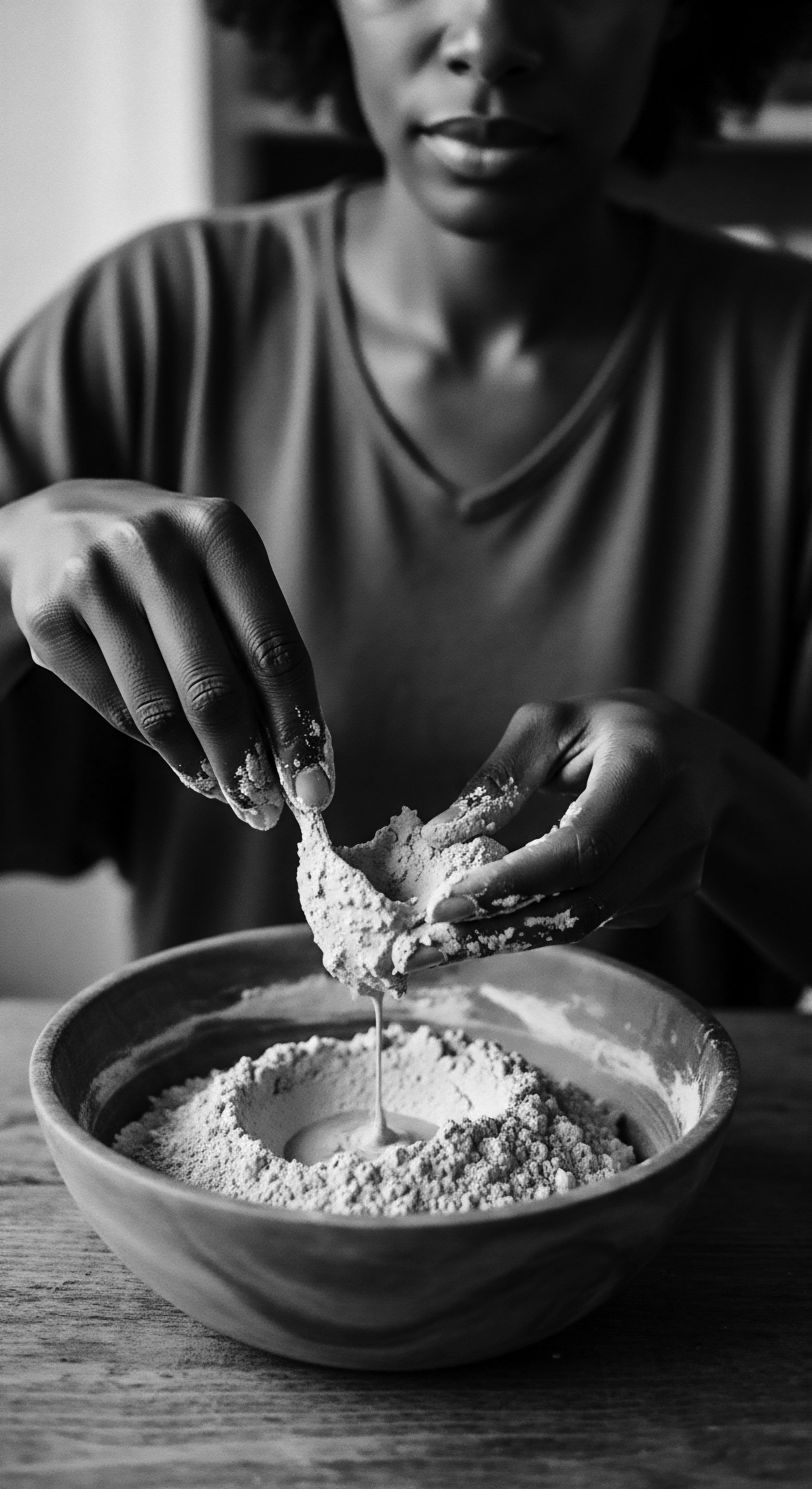
Can natural clays cleanse textured hair?
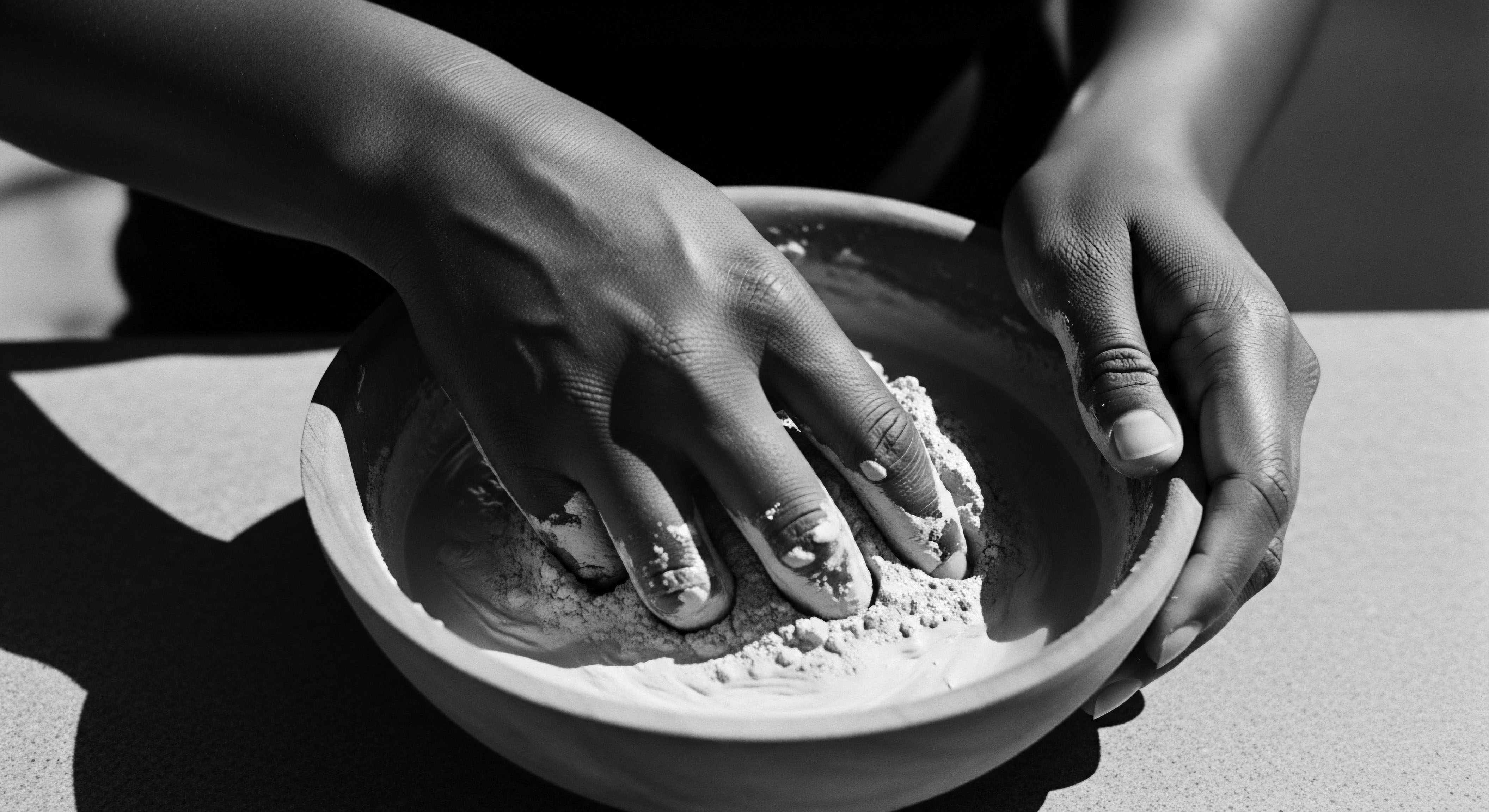
Natural clays cleanse textured hair by drawing out impurities without stripping natural oils, a practice rooted in ancestral heritage.
In what ways did textured hair serve as a symbol of identity and resistance throughout history?
Textured hair has served as a powerful, enduring symbol of identity and resistance throughout history, deeply rooted in ancestral heritage and cultural affirmation.
What are rhassoul clay’s core benefits for textured hair?
Rhassoul clay cleanses and softens textured hair by absorbing impurities and infusing strands with essential minerals, continuing a rich ancestral heritage of natural care.
Can traditional Earth-based practices improve textured hair health?
Traditional Earth-based practices deeply rooted in heritage improve textured hair health by emphasizing natural ingredients and protective care.
Which historical practices address textured scalp dryness?
Historical practices addressing textured scalp dryness often relied on nutrient-rich plant oils, butters, and gentle cleansers, deeply connected to textured hair heritage and ancestral wisdom.
Gourd Utility
Meaning ❉ Gourd Utility is the historical and ongoing practical, material, and symbolic use of gourds in textured hair care practices.
What is the lineage of textured hair cultural practices?
Textured hair cultural practices represent a rich heritage of identity, resistance, and communal care originating in ancient African societies.
Indigenous Beauty Supply
Meaning ❉ Indigenous Beauty Supply encapsulates the ancestral knowledge, practices, ingredients, and communal wisdom used for holistic textured hair care.
What traditional foods promoted textured hair health?
Ancestral diets rich in diverse, whole foods supplied the foundational nutrients that deeply promoted textured hair health and resilience, honoring an enduring heritage.
Slippery Elm Benefits
Meaning ❉ Slippery Elm Benefits refers to the unique hydrating and soothing properties of its inner bark's mucilage, highly valued in heritage hair care.
Why did ancestors use natural oils for textured hair?
Ancestors used natural oils for textured hair to provide essential moisture, protection, and cultural expression.
What is the scientific basis for hair bonnets in heritage care?
Hair bonnets reduce friction and maintain moisture, scientifically preserving textured hair’s health, a practice deeply rooted in ancestral care.
In what ways did ceremonial henna applications contribute to textured hair health and cultural resilience over time?
Ceremonial henna applications fortified textured hair by binding to keratin, offering protection and shine, while simultaneously serving as a powerful symbol of cultural identity and ancestral connection over time.
Potassium Carbonate
Meaning ❉ Potassium Carbonate is a foundational alkaline salt, historically derived from wood ash, crucial for ancient hair cleansing, texture modification, and cultural practices in textured hair heritage.
What cultural practices shaped Rhassoul clay’s heritage in Black hair care?
Rhassoul clay's heritage in Black hair care is shaped by ancestral Moroccan cleansing rituals and a deep cultural reverence for natural purity.
What is henna’s historical connection to cultural identity and textured hair?
Henna’s historical connection to cultural identity and textured hair lies in its ancestral use for protection, adornment, and communal bonding.
Biological Hair
Meaning ❉ Biological hair refers to the complex protein fiber emerging from hair follicles, whose unique characteristics reflect genetic heritage and shape cultural care traditions.
What is the heritage of cornrow braids?
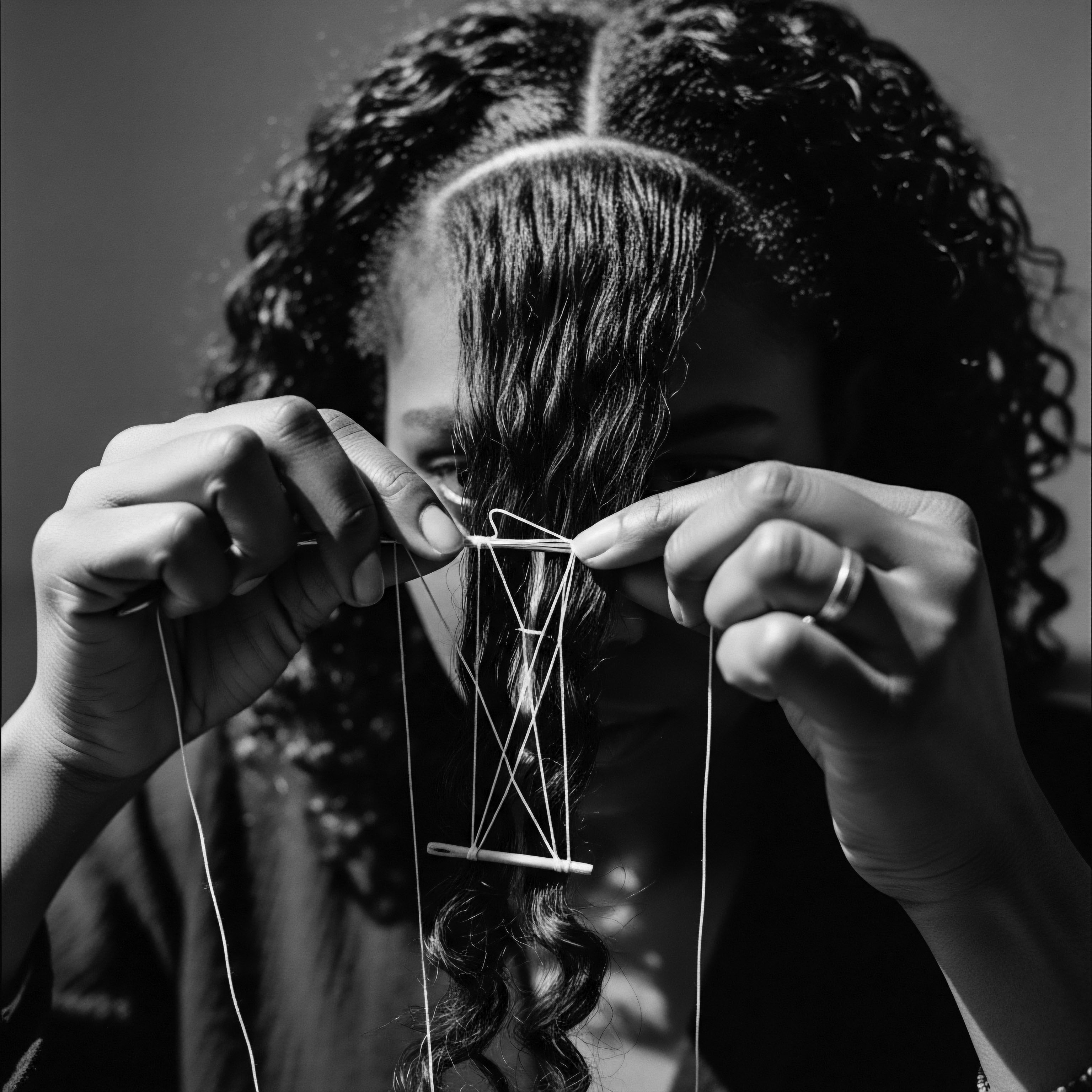
Cornrow braids carry a heritage spanning millennia, signifying identity, communication, and resilience within textured hair communities.
How did henna empower ancestral textured hair care?
Henna empowered ancestral textured hair care by fortifying strands and enriching cultural identity through ancient practices.