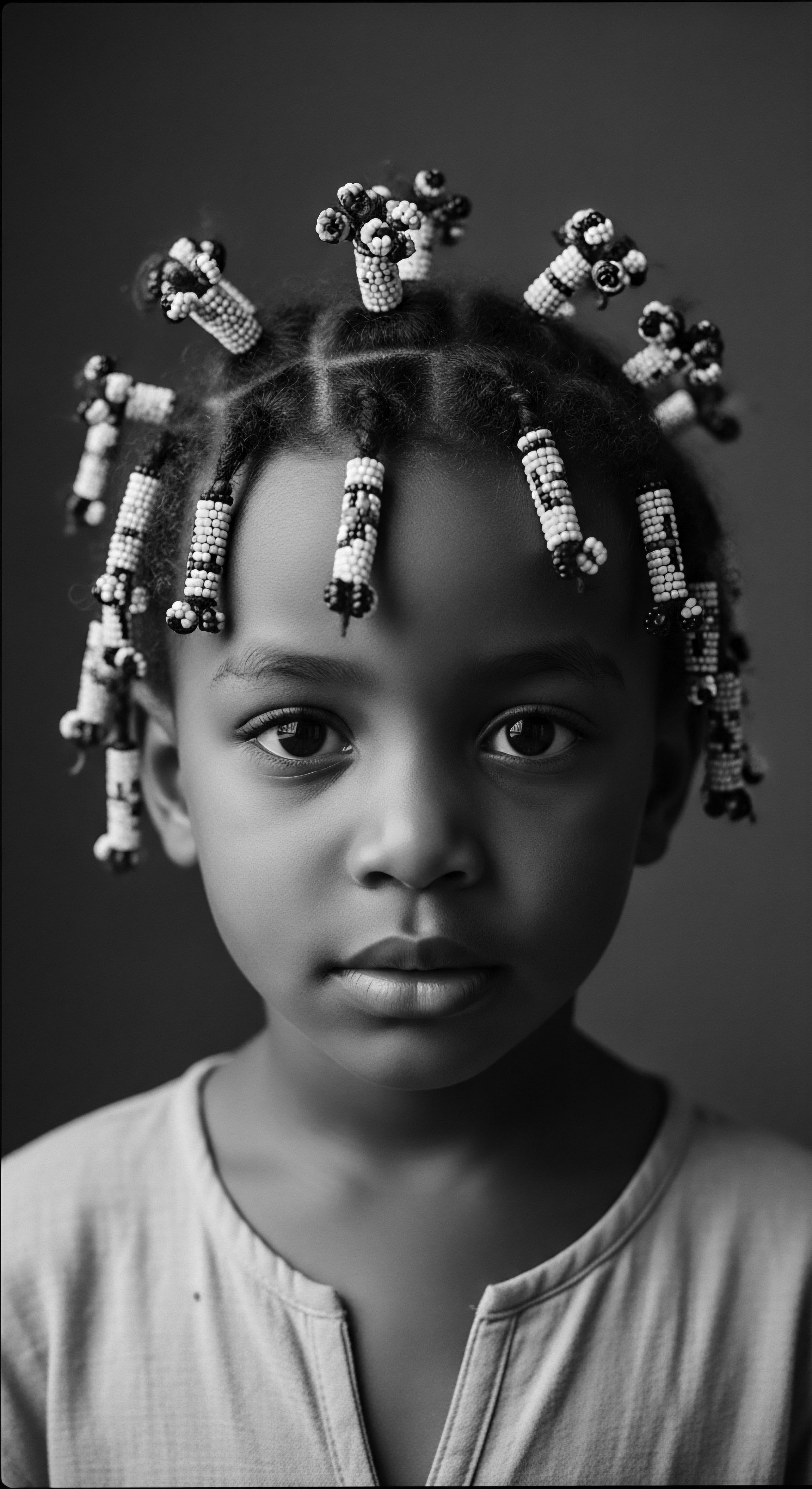
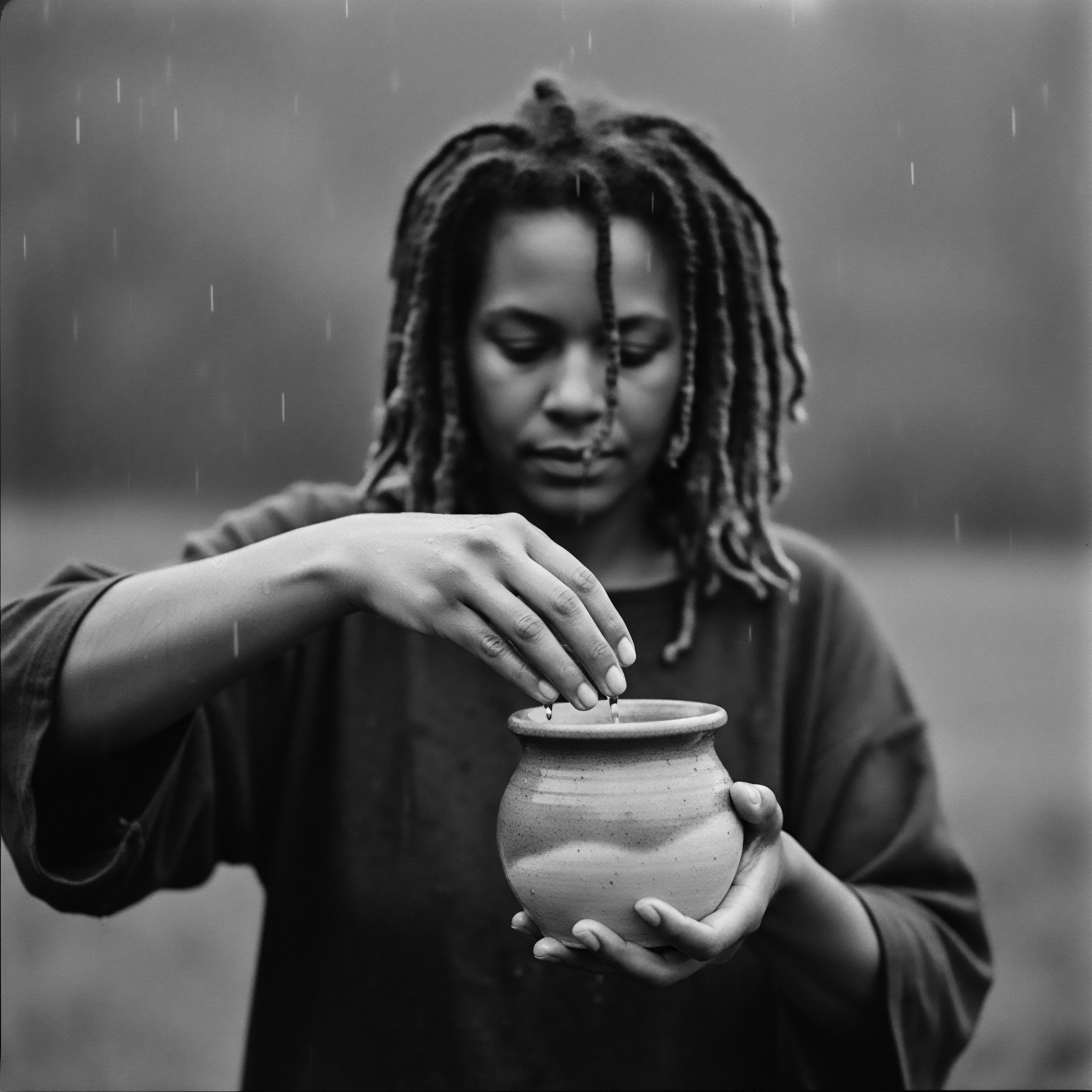
Can historical hair practices offer insights into modern textured hair routines?
Historical hair practices offer ancestral wisdom, providing a heritage foundation for modern textured hair routines.
How has rhassoul clay shaped hair cleansing heritage?
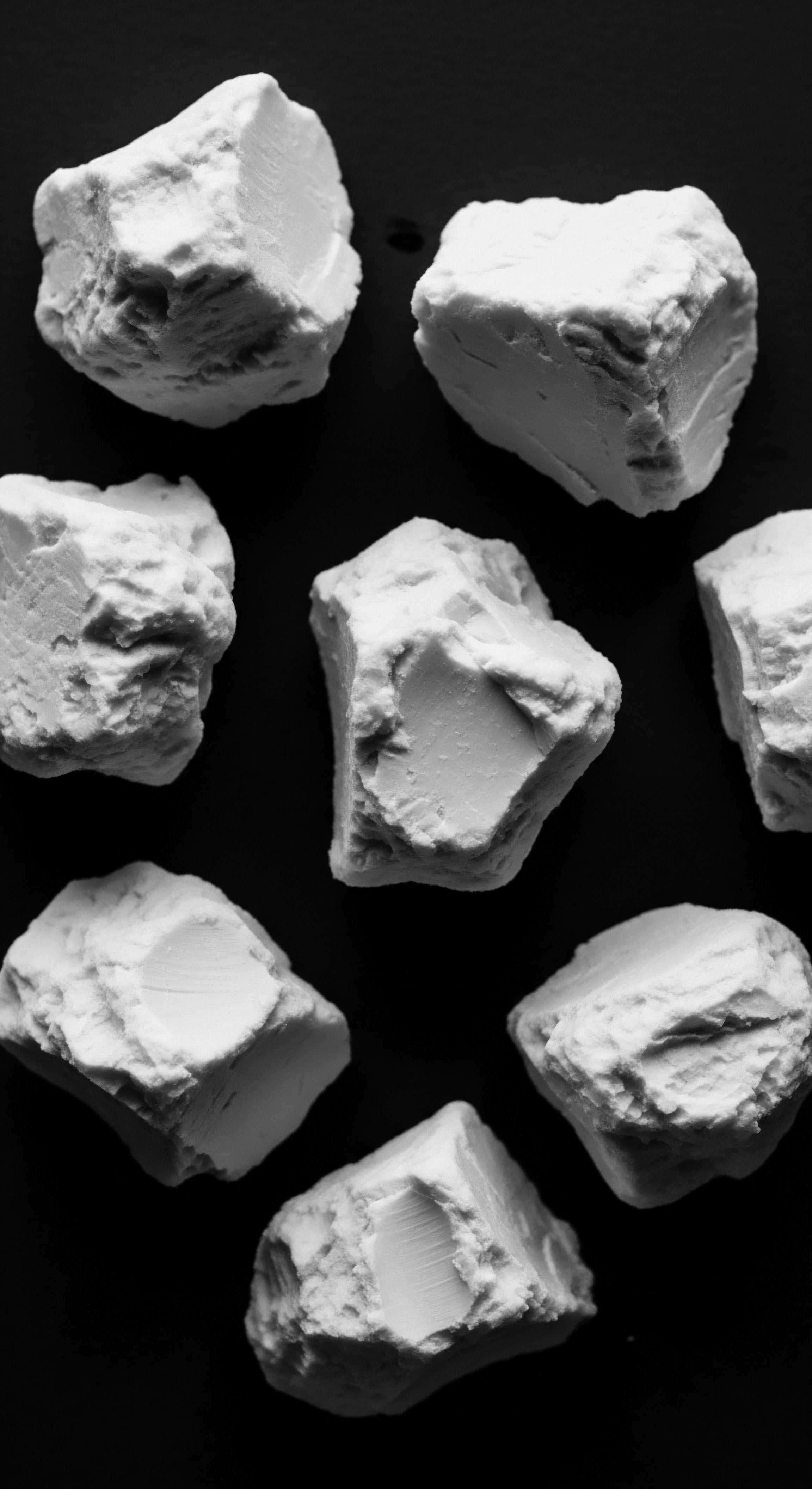
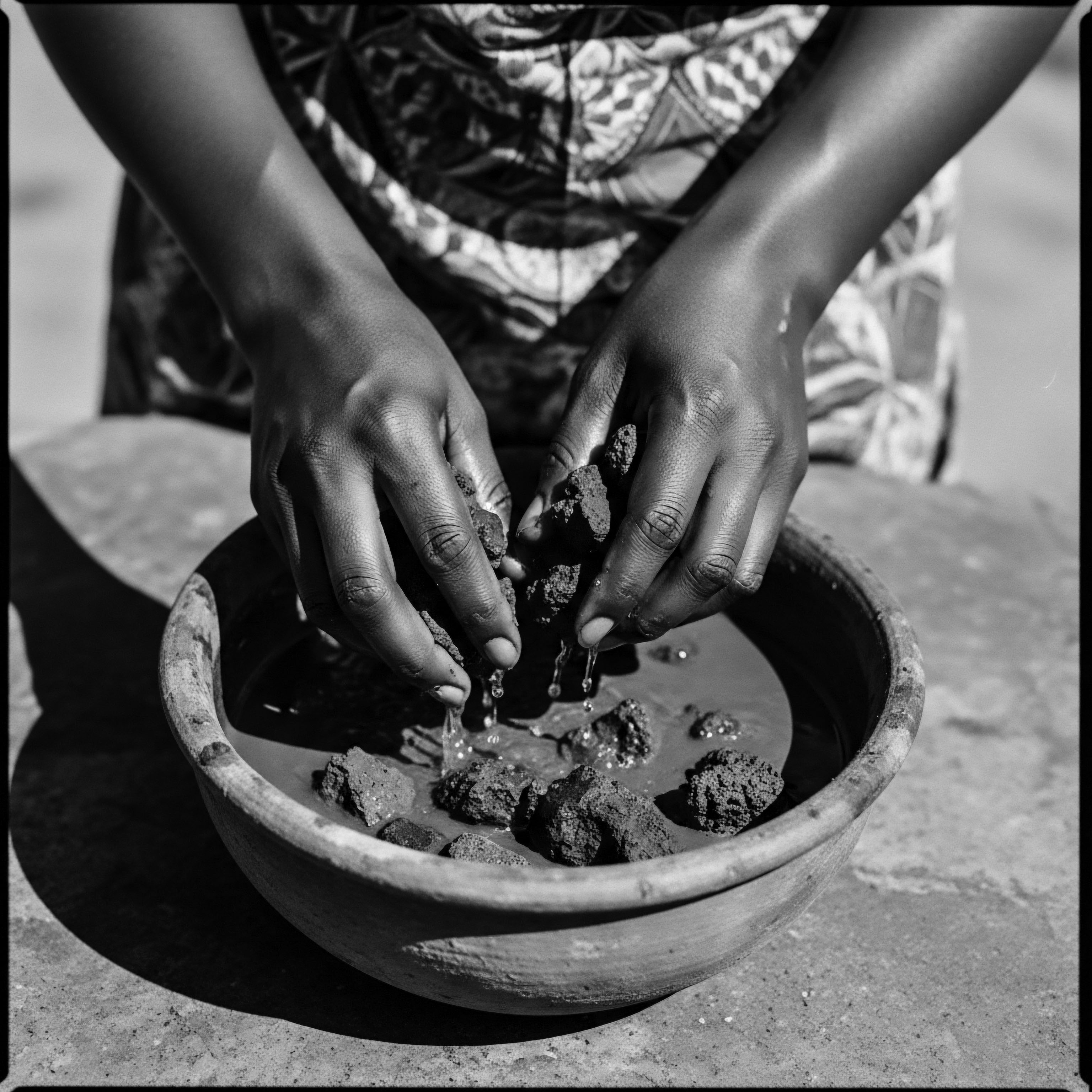
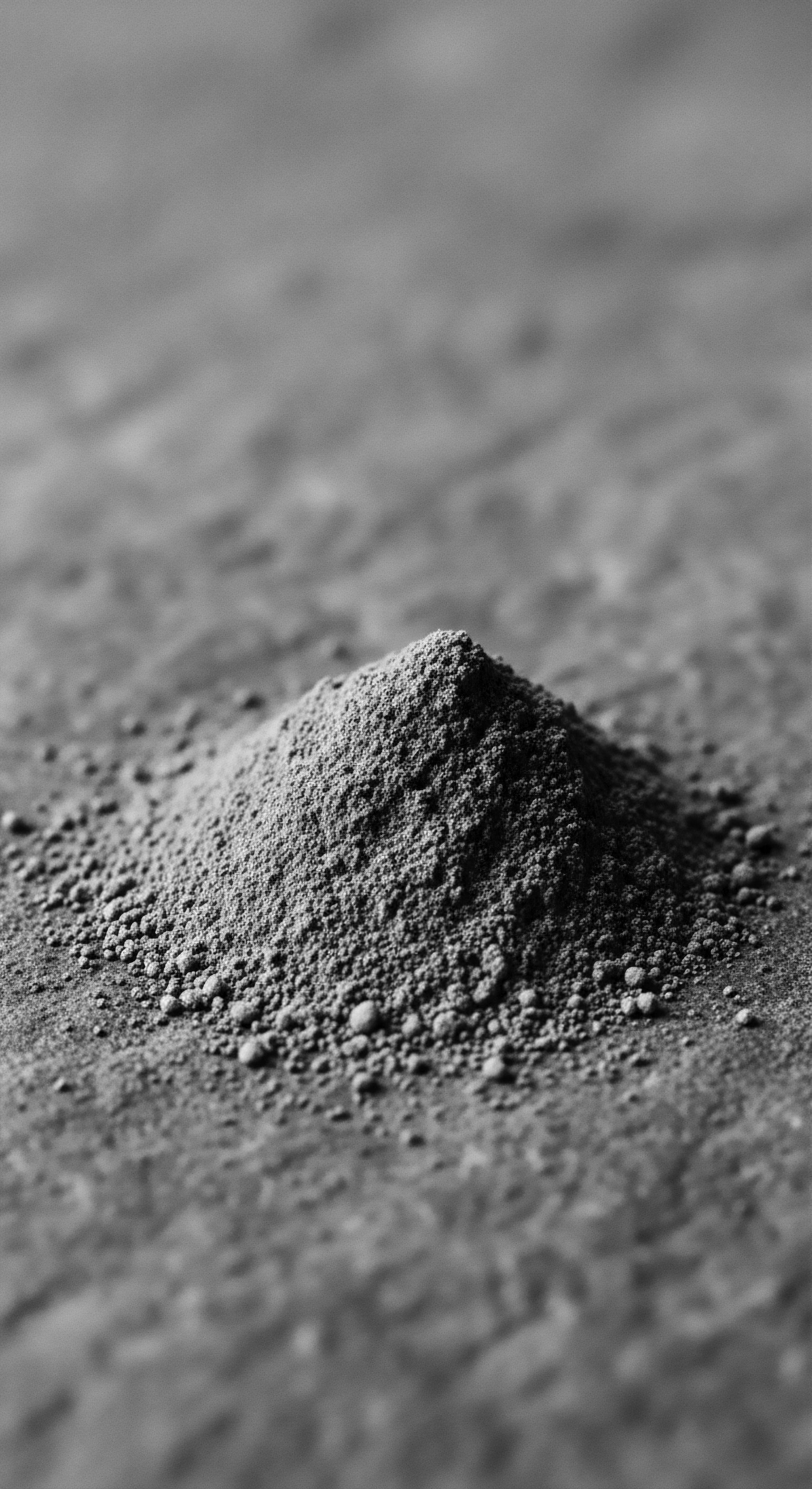
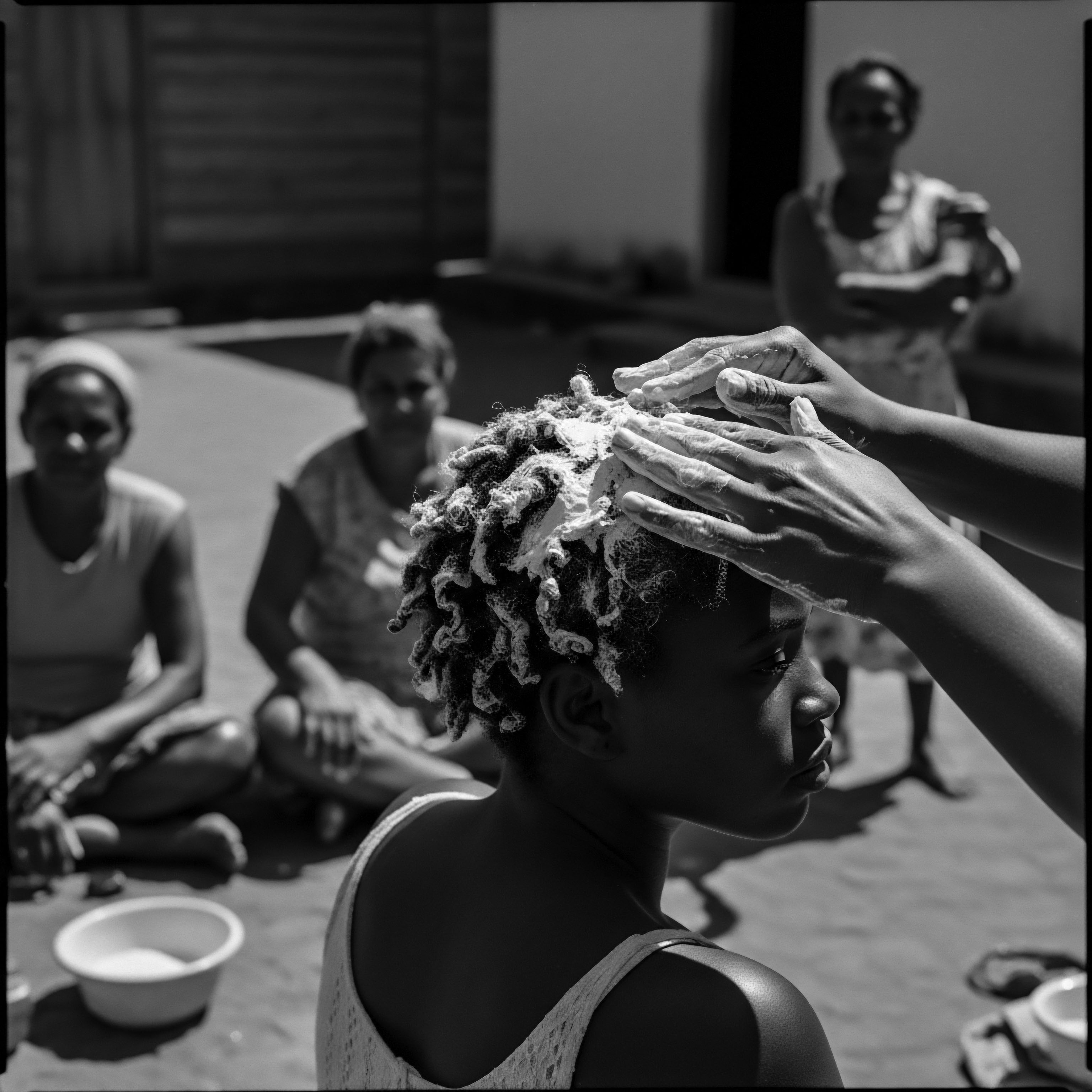
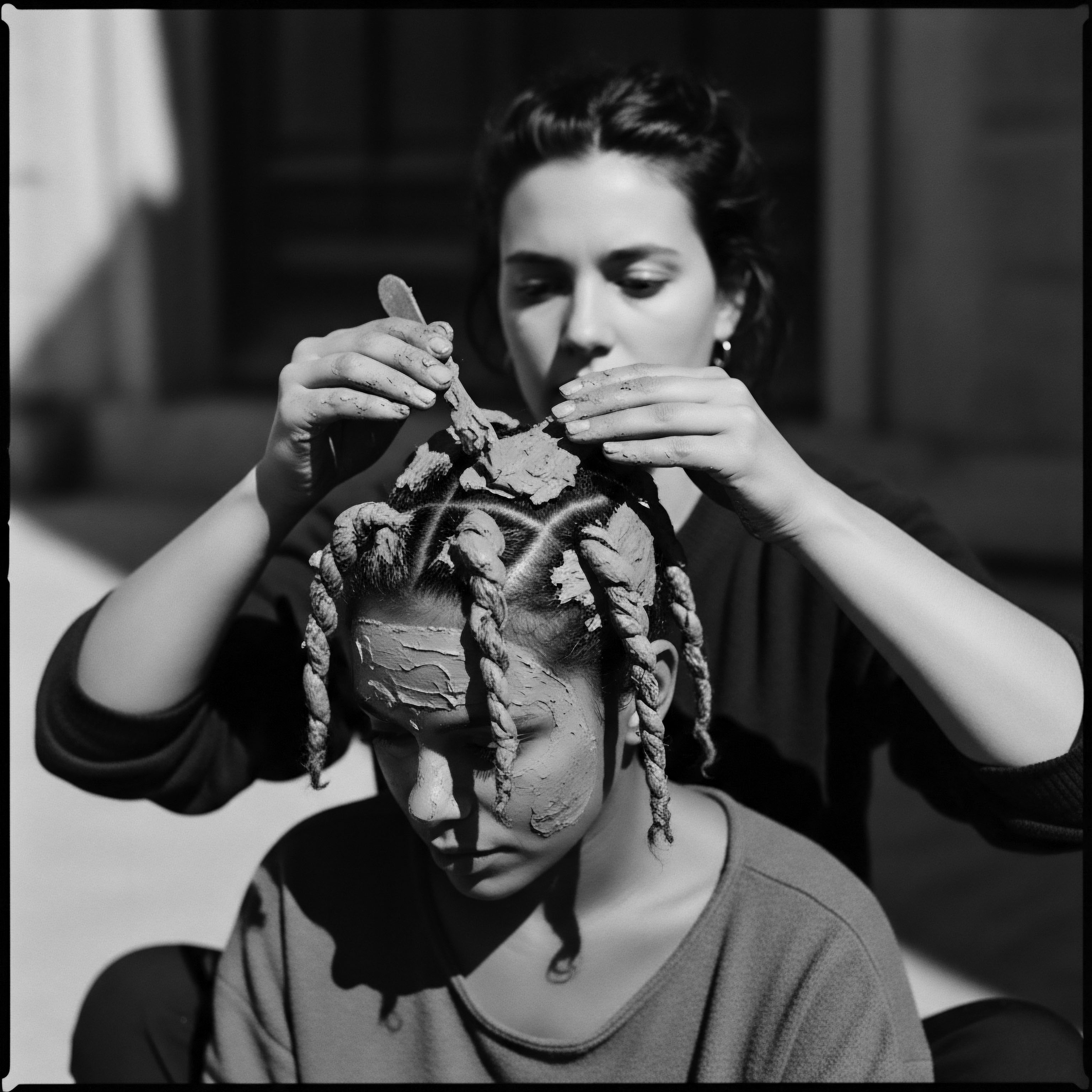
Rhassoul clay profoundly shaped textured hair cleansing heritage by offering a gentle, mineral-rich alternative rooted in ancient North African traditions.
How did rhassoul clay’s mineral content aid textured hair?
Rhassoul clay’s minerals, like magnesium and silica, gently cleansed, conditioned, and fortified textured hair within ancestral traditions.
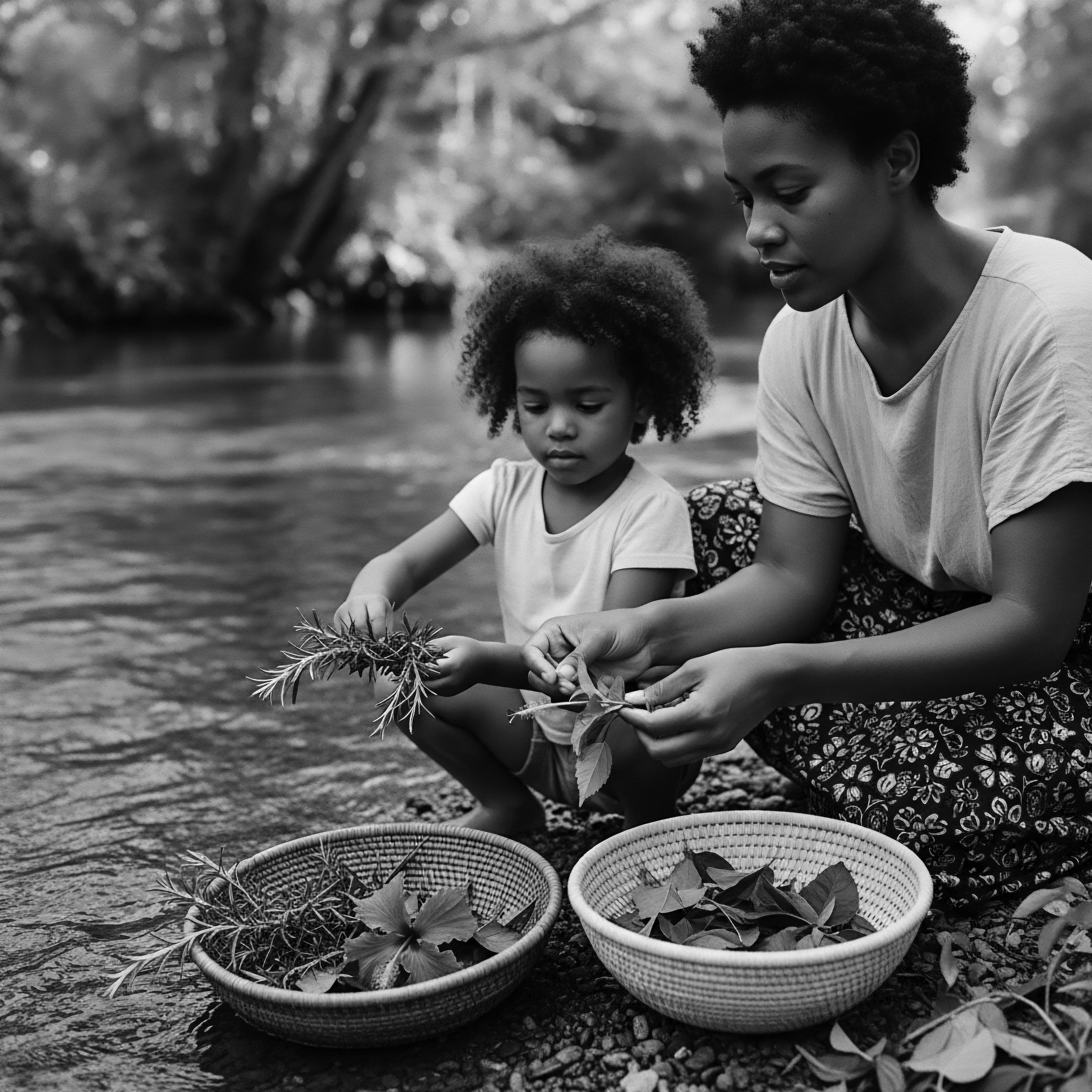
Which historical botanical ingredients foster hair strength and growth in Black heritage?
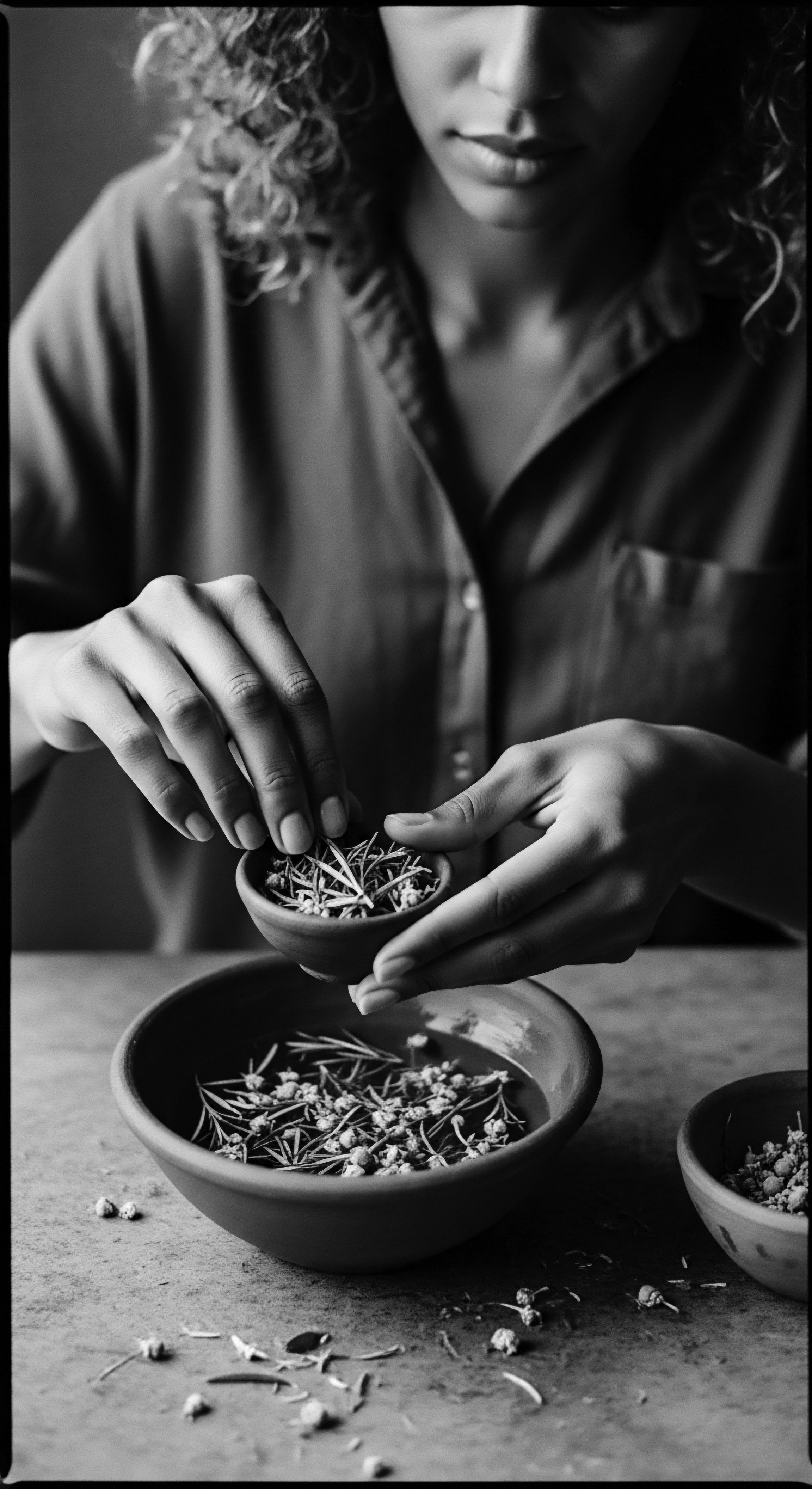
Historical botanical ingredients like Shea butter and Chebe powder traditionally nourished and strengthened textured hair, preserving ancestral heritage.
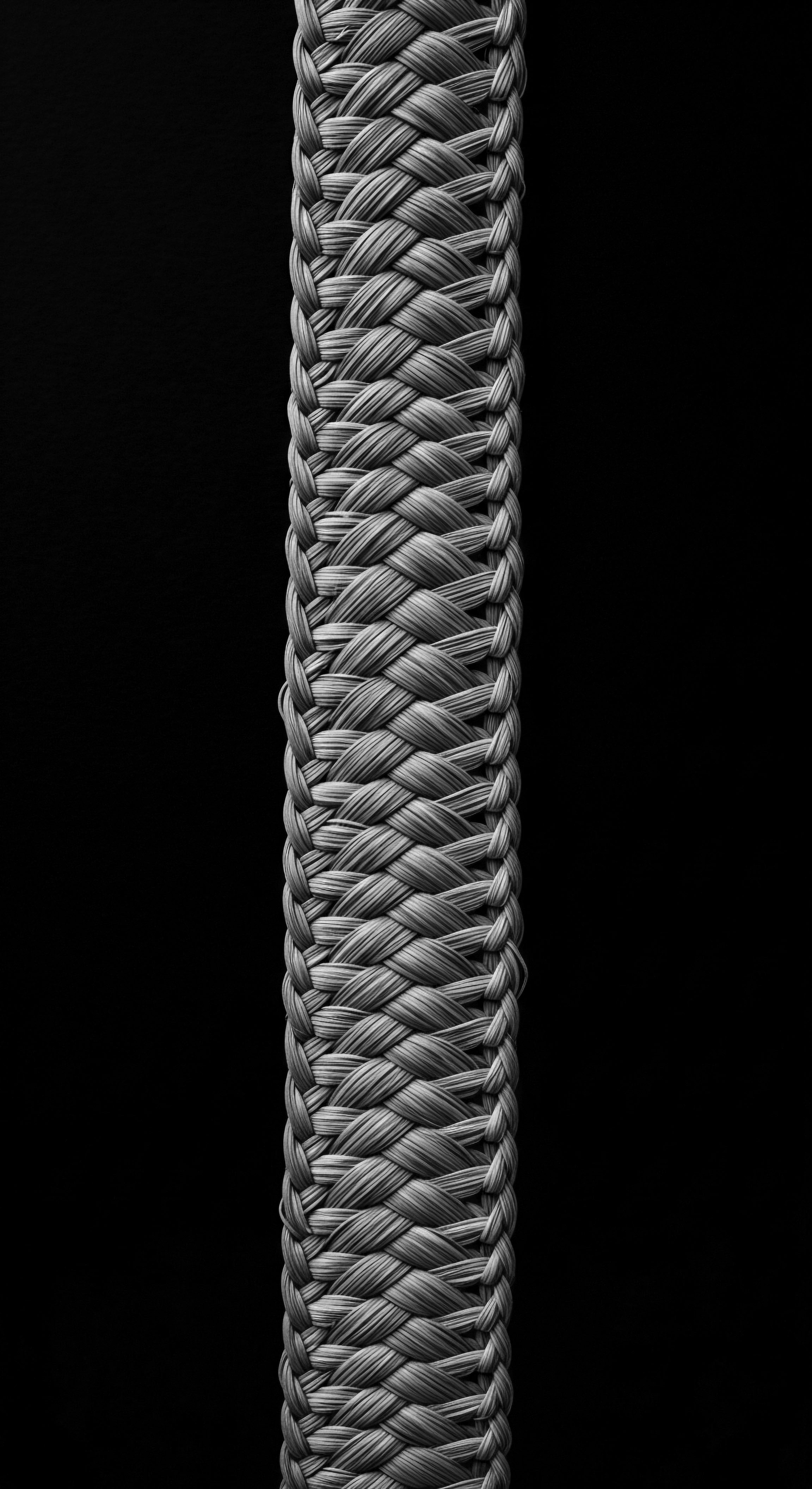
Fractal Braids
Meaning ❉ Fractal Braids describe self-similar, repeating patterns within braided hairstyles, embodying ancestral ingenuity and cultural identity.
Can shea butter economic gains support textured hair care businesses?
Shea butter's economic gains can uplift textured hair care businesses by honoring its profound West African heritage and empowering its women producers.
Can traditional botanical knowledge address the specific needs of maturing textured hair?
Traditional botanical knowledge offers time-tested, heritage-rich solutions for maturing textured hair's evolving needs.
What is the historical significance of heat styling within textured hair heritage?
Heat styling within textured hair heritage signifies a complex historical journey of adaptation, resistance, and self-expression influenced by societal pressures and cultural identity.
What are the historical roots of protective textured hair styles?
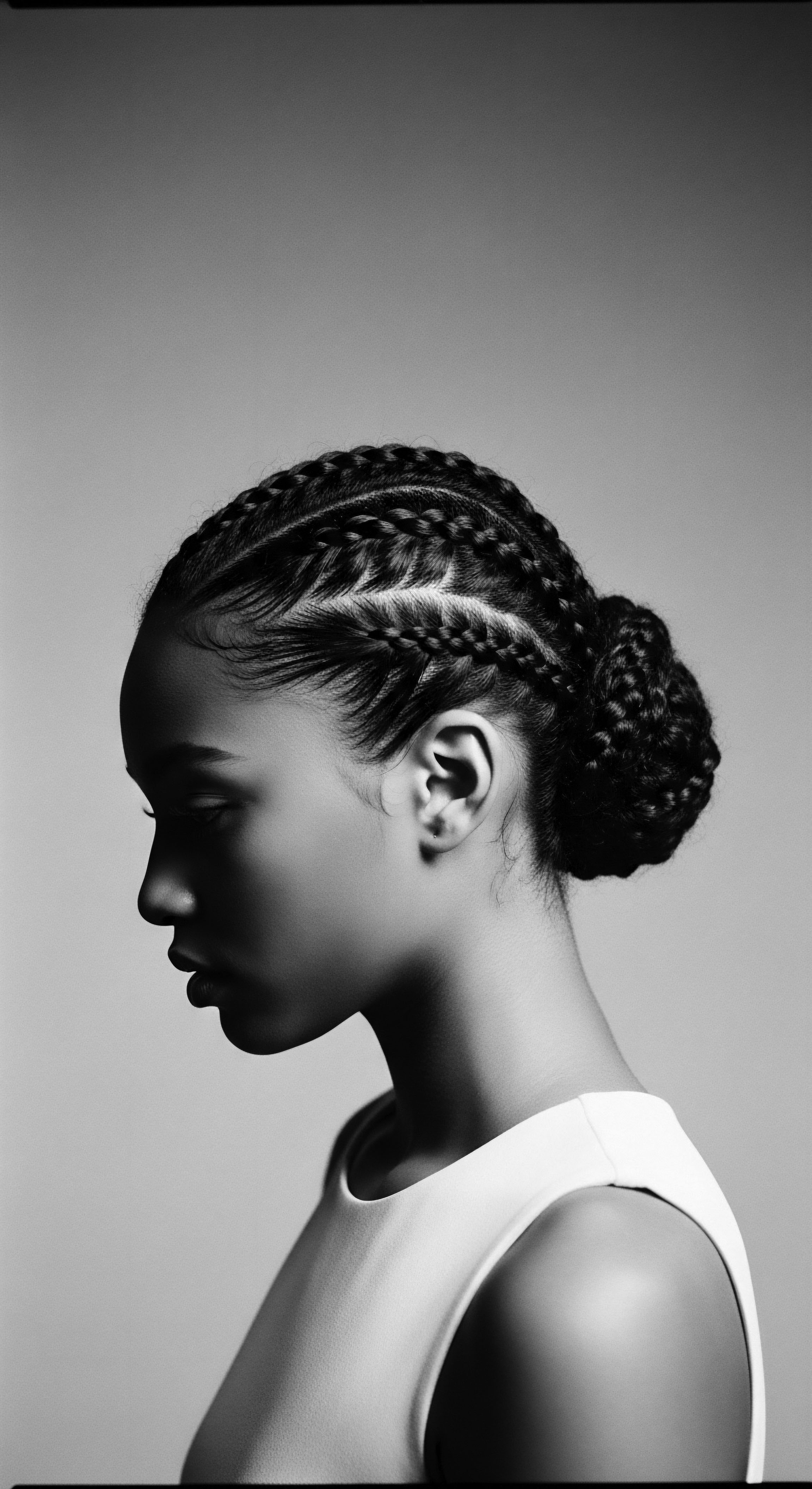
Protective textured hairstyles originated in ancient African societies millennia ago, born from necessity and a deep cultural heritage.
How do historical hair rituals protect aging textured strands?
Historical hair rituals, deeply rooted in Black heritage, protected aging textured strands through natural ingredients and mindful, low-manipulation styles.
Molecular Interactions
Meaning ❉ Molecular Interactions define the intrinsic behaviors of textured hair, echoing ancient care rituals and shaping its cultural legacy.
How did ancestral hair rituals support sun defense for textured strands?
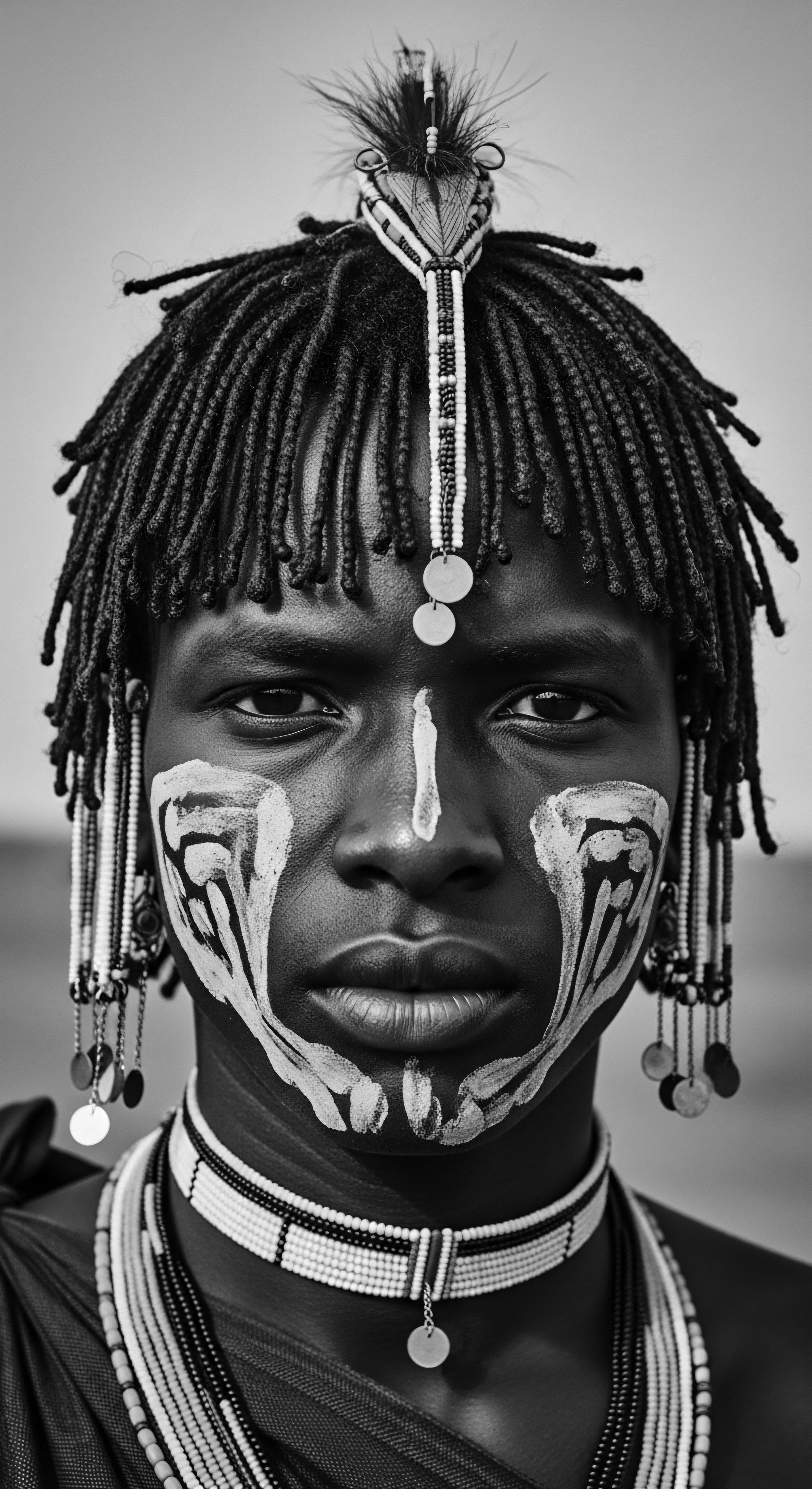
Ancestral hair rituals for textured strands provided sun defense through physical barriers, protective styling, and nourishing plant-based elixirs, deeply rooted in heritage.
Chamomile Heritage
Meaning ❉ Chamomile Heritage defines the enduring, intergenerational wisdom of chamomile’s profound significance in textured hair care across diverse ancestral practices.
Can historical African plant uses inform modern textured hair product ingredients?
Historical African plant uses deeply inform modern textured hair product ingredients, providing a heritage of botanical efficacy.
How does heat affect the keratin in textured hair?
Heat alters the keratin in textured hair by disrupting its bonds, a process intertwined with the ancestral journey of hair care and identity.
How does modern science validate ancient hair wrapping for textured hair?
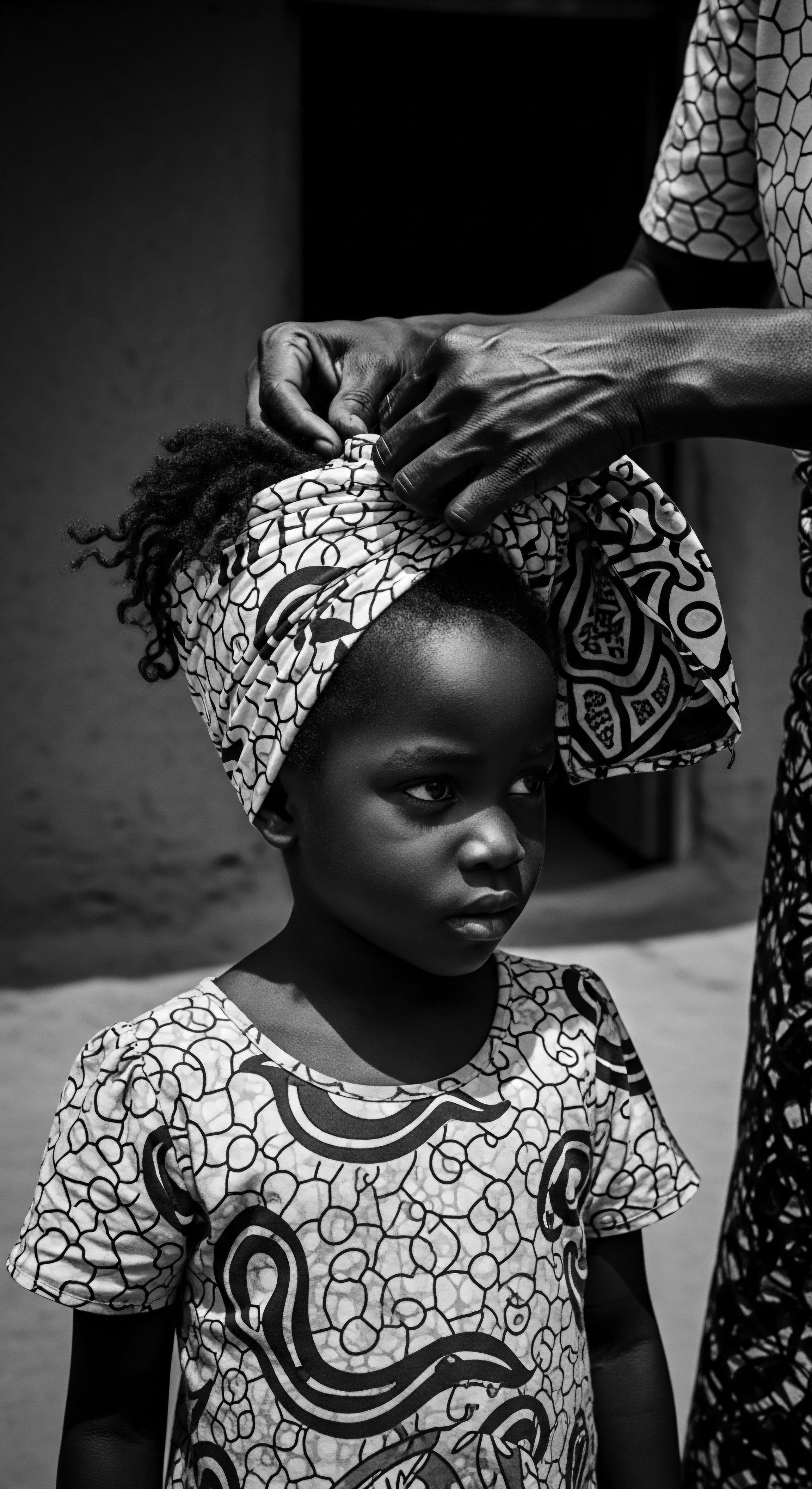
Modern science affirms ancient hair wrapping practices by demonstrating their efficacy in reducing friction and retaining moisture for textured hair.
In what ways do historical practices validate current scientific understanding of textured hair?
Historical hair practices validate current science by demonstrating intuitive comprehension of textured hair's unique structure and needs.
Do natural clays strengthen textured hair strands?
Natural clays, steeped in ancestral practices, contribute to textured hair's resilience by purifying and providing minerals, honoring a deep heritage of care.
Which natural African ingredients cleanse textured hair effectively today?
Ancestral African ingredients like African Black Soap, Rhassoul clay, and Sidr powder gently purify textured hair, honoring a heritage of natural care.
Which oils suit low porosity textured hair best?
Light oils, like jojoba or argan, best suit low porosity textured hair, a wisdom rooted in ancestral practices understanding hair's sealed nature.
Can science explain the cultural wisdom of textured hair care?
Science validates the cultural wisdom of textured hair care by demonstrating how ancestral practices intuitively addressed hair's unique biological needs and heritage.
Can modern science confirm ancient textured hair remedies?
Modern science frequently validates the wisdom of ancient textured hair remedies, confirming their benefits through chemical and biomechanical analyses.
How did protective styles influence hair length in Black heritage?
Protective styles historically preserved length in Black heritage by reducing breakage and safeguarding fragile textured hair.
Why does textured hair intrinsically benefit from shea butter’s properties?
Shea butter intrinsically benefits textured hair by offering profound moisture and protection, honoring an ancient heritage of care and resilience.
What is Rhassoul clay’s heritage in Black hair care?
Rhassoul clay's heritage in Black hair care is rooted in ancient Moroccan traditions, offering gentle cleansing and mineral enrichment for textured strands.
What historical ingredients offered sun defense for textured hair?
Ancestral textured hair care employed ingredients like shea butter and red ochre for sun defense, reflecting deep heritage.
What plants historically colored textured hair?
Historically, textured hair was colored using plants like henna, indigo, and logwood, reflecting deep cultural connections and ancestral care practices.
Why do traditional protective styles remain significant for textured hair health?
Traditional protective styles safeguard textured hair, echoing ancestral wisdom of care and preserving cultural heritage.
What is the heritage behind protective styling?
Protective styling's heritage for textured hair is a chronicle of ancient ingenuity, resilience, and identity, rooted deeply in ancestral care.