What historical role did cornrows play in escape narratives?
Cornrows served as covert maps and carriers of vital supplies, allowing enslaved people to communicate escape routes and secure sustenance within their textured hair heritage.
How does the cultural legacy of African hair shape contemporary identity and self-acceptance?
African hair's cultural legacy profoundly shapes identity by connecting individuals to ancestral practices, community, and resilient self-acceptance.
How does modern hair science confirm the efficacy of traditional African sealing methods?
Modern hair science confirms that traditional African sealing methods, utilizing natural oils and protective styles, effectively retain moisture in textured hair.
What specific African botanicals provided effective hair sealing?
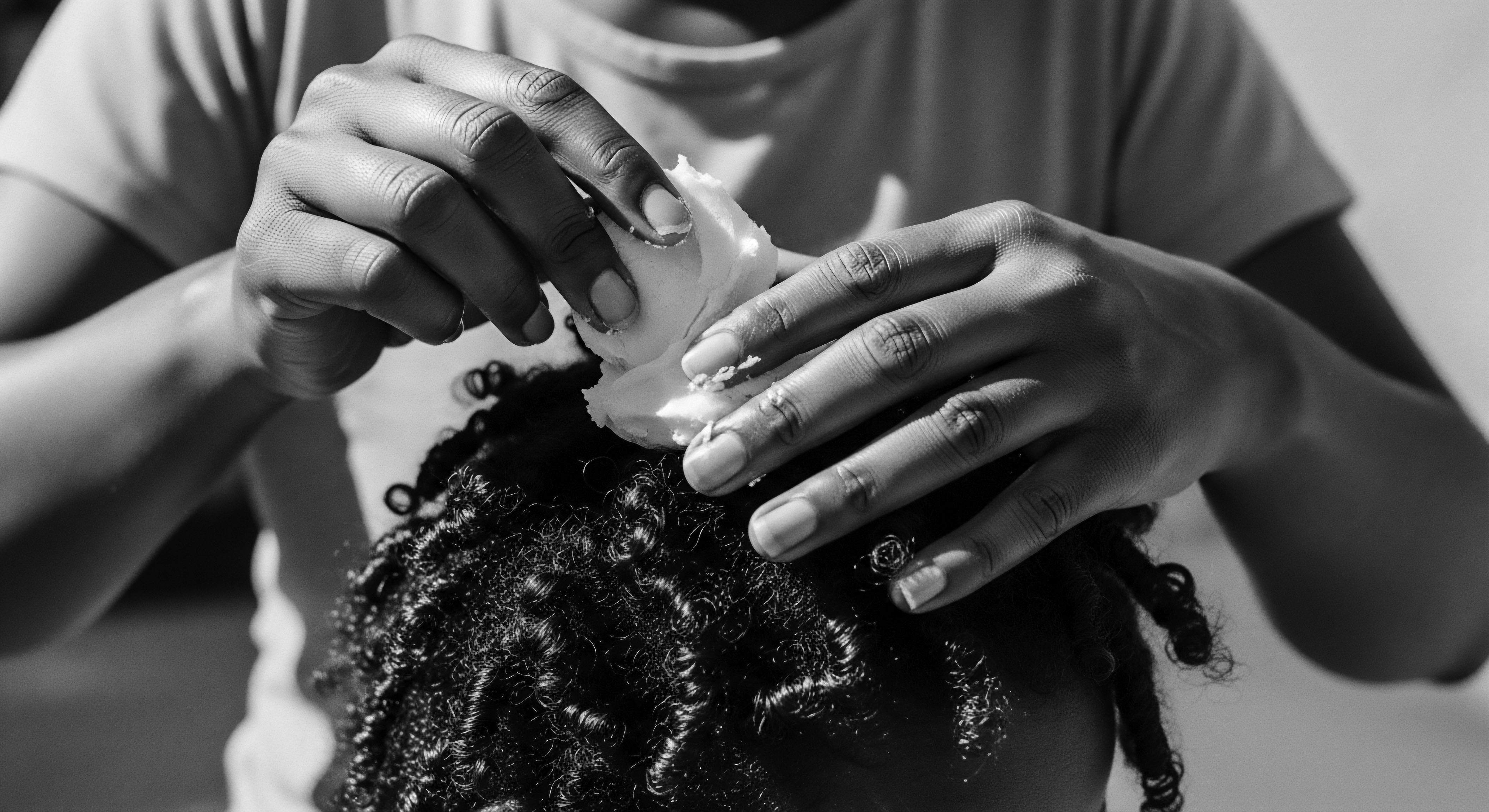
African botanicals like shea butter, argan oil, and baobab oil effectively seal textured hair by forming a protective, moisture-retaining barrier, a tradition deeply embedded in heritage.
How do ancestral hair care practices influence modern beauty standards?
Ancestral hair practices profoundly shape modern beauty standards by preserving the heritage, rituals, and profound identity woven into textured hair care.
How do cornrows connect modern Black identity to historical acts of resistance?
Cornrows deeply connect modern Black identity to historical resistance through cultural preservation, covert communication, and an enduring assertion of heritage.
How did ancestral practices use plant properties for cleansing textured strands?
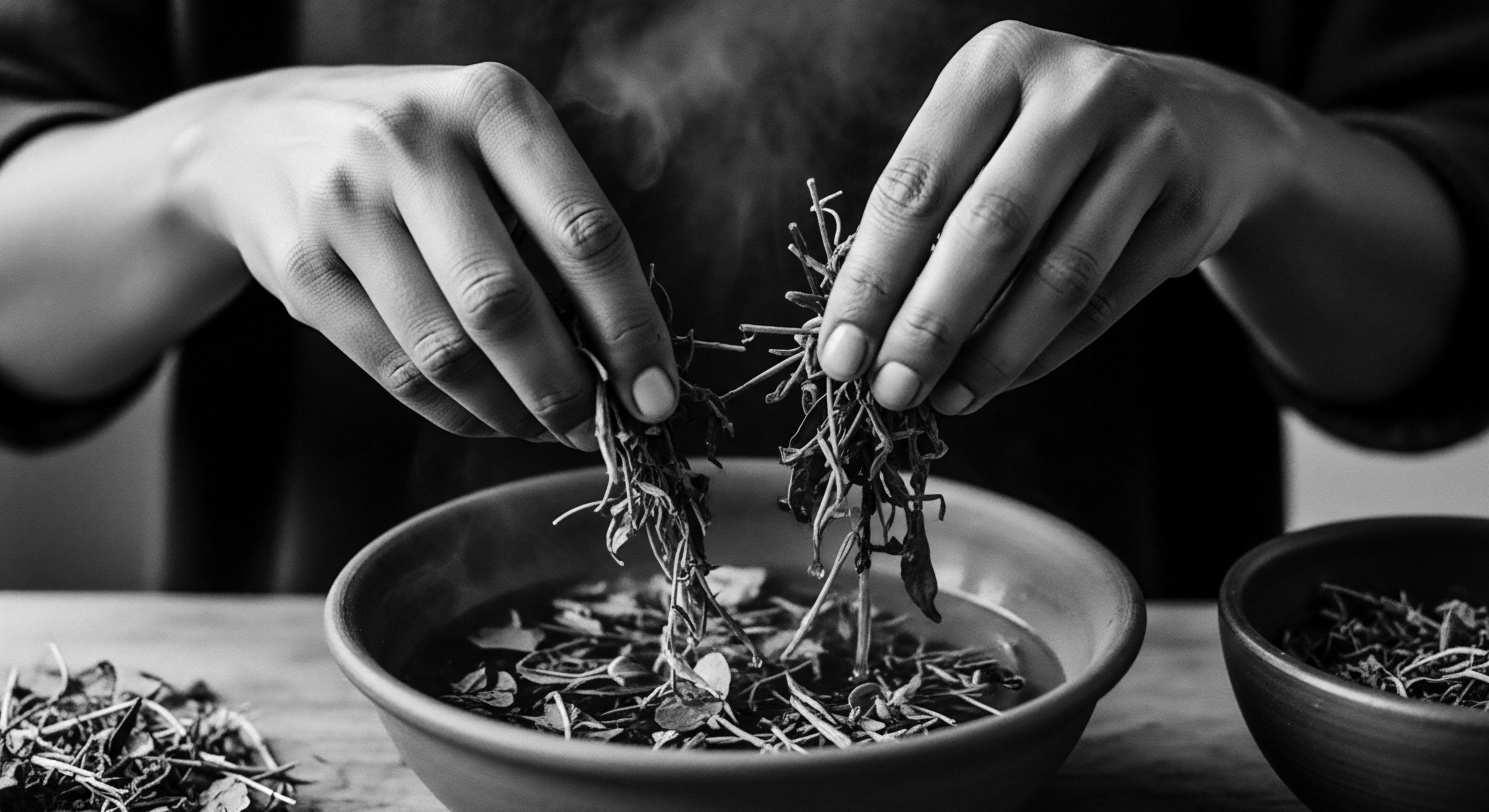
Ancestral practices used plant properties like saponins for gentle, effective textured hair cleansing, preserving its natural state through inherited wisdom.
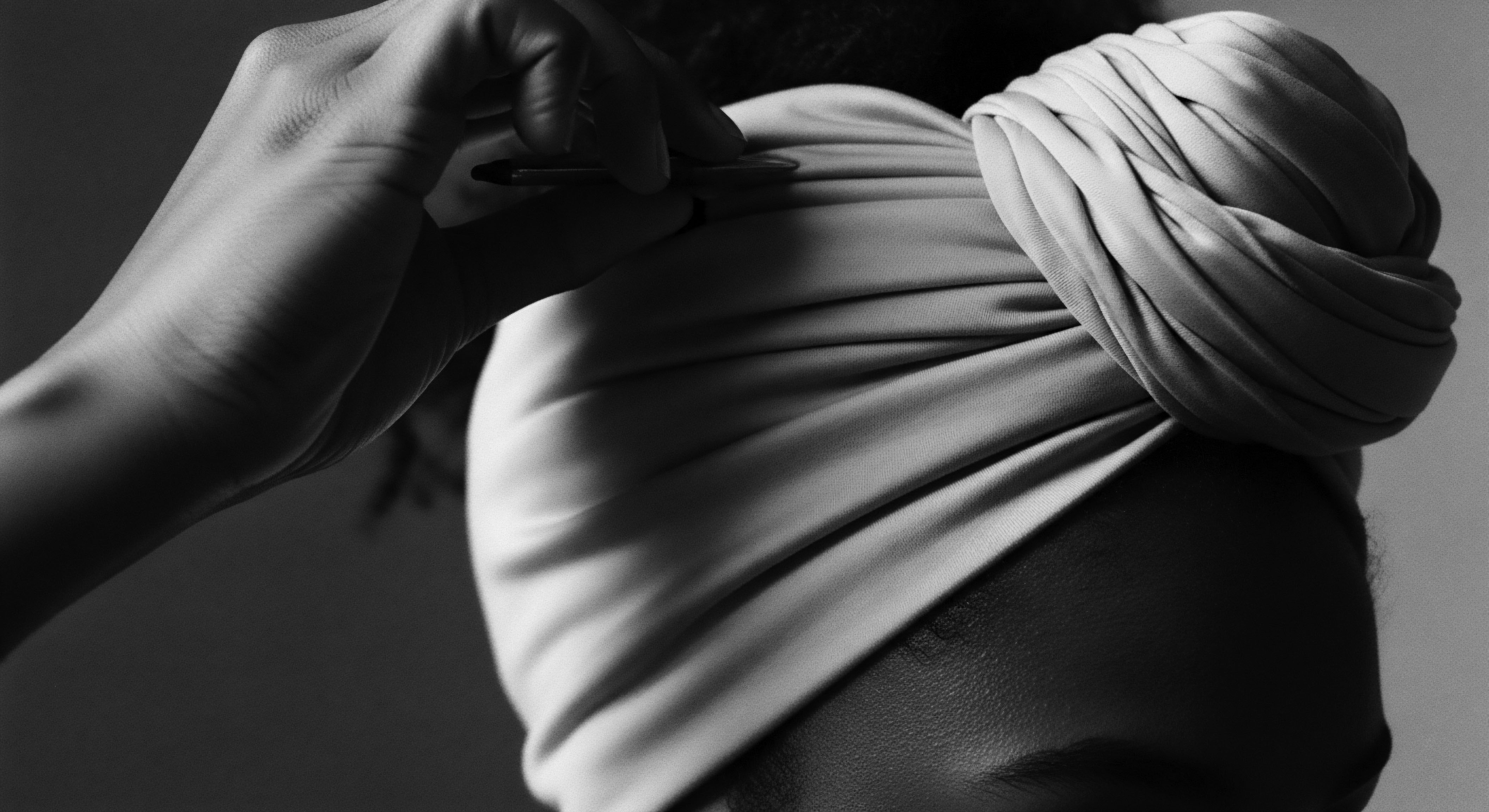
How do headwraps connect modern care to historical heritage?
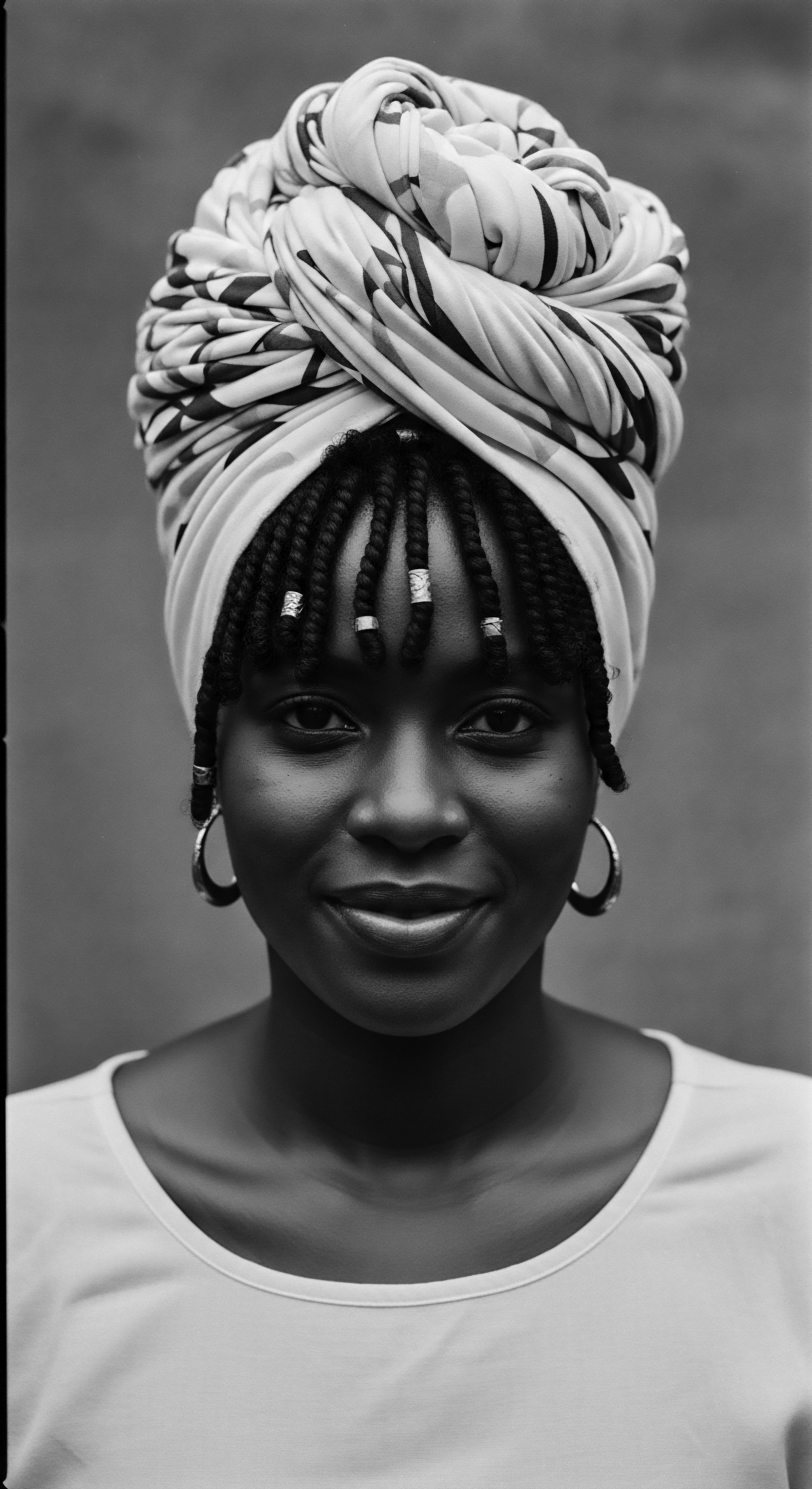
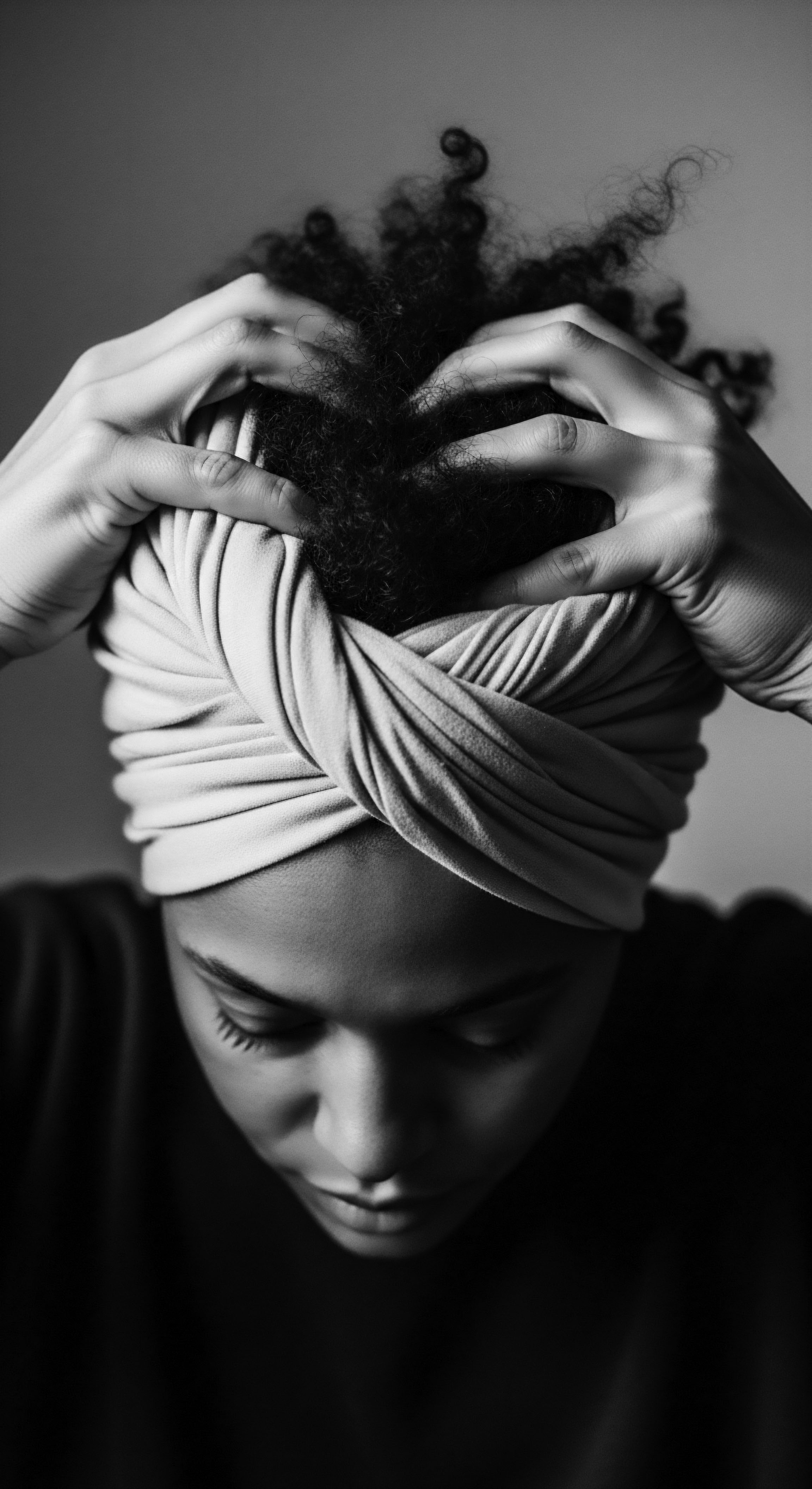
Headwraps connect modern textured hair care to historical heritage by serving as protective coverings, cultural markers of identity, and symbols of resilience against oppressive norms.
What ancestral botanical wisdom continues to shape textured hair care today?
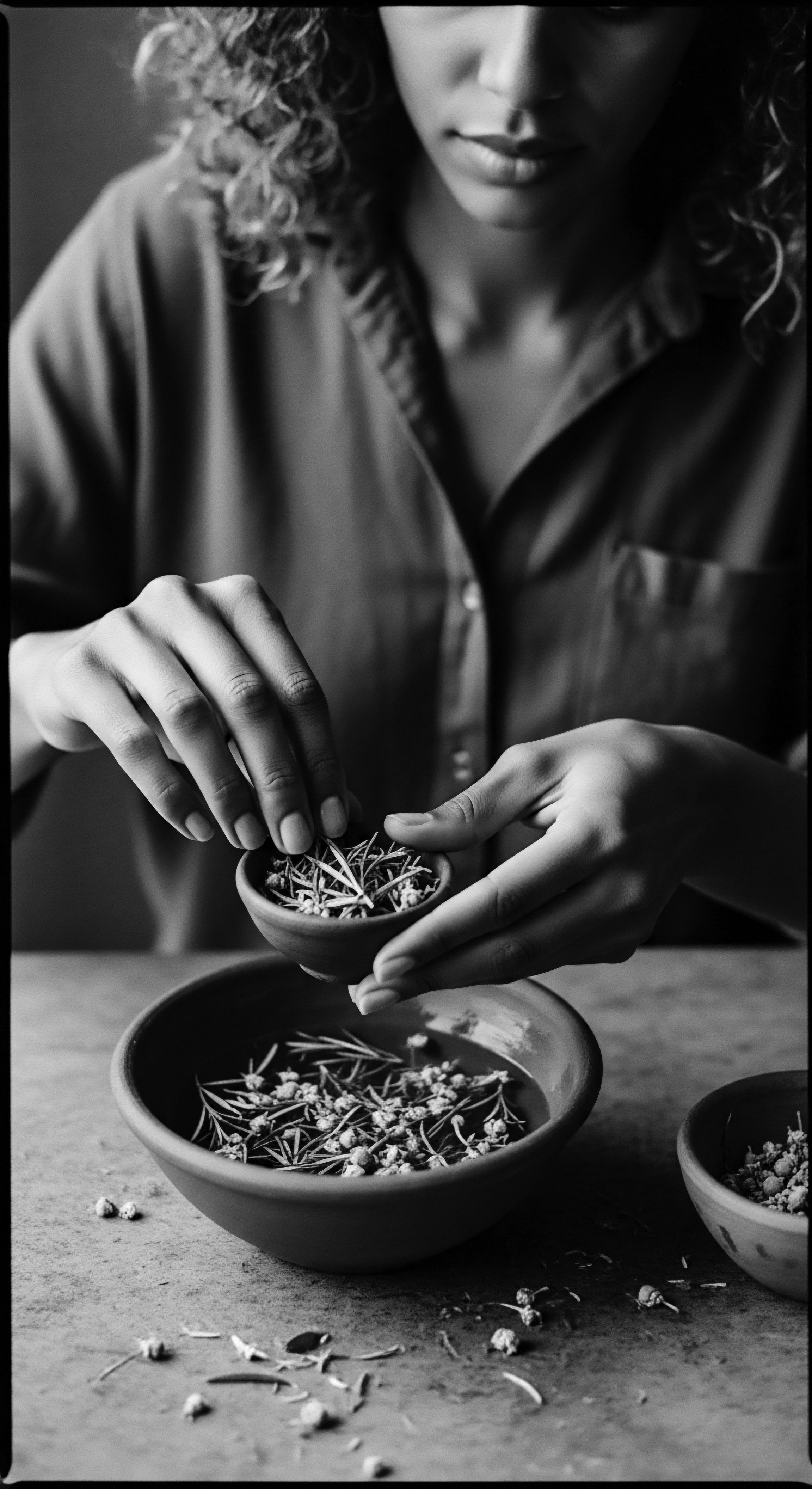
Ancestral botanical wisdom, rooted in diverse cultural heritage, continues to inform modern textured hair care through plant-based ingredients and time-honored practices.
How do hair rituals define a community?
Hair rituals within textured hair communities serve as enduring links to ancestral heritage, defining identity, transmitting knowledge, and embodying resilience.
Which states have recognized hair heritage in anti-discrimination statutes?
Twenty-seven states have enacted the CROWN Act or similar legislation to prohibit hair discrimination, recognizing textured hair as a protected racial trait.
What historical role did natural clays play in textured hair care?
Natural clays provided ancestral communities a gentle, mineral-rich path to cleanse, condition, and adorn textured hair, a vital part of heritage.
Can historical hair care methods provide a foundation for future scientific inquiry?
Historical hair care methods offer a scientific bedrock for future inquiry, unveiling natural efficacy rooted in textured hair heritage.
How does textured hair heritage influence modern plant-based care?
Textured hair heritage shapes modern plant-based care by offering time-honored wisdom on botanicals, protective styles, and holistic wellness.
How does textured hair represent cultural pride today?
Textured hair represents cultural pride through its deep, unbroken connection to ancestral practices, resilience, and the reclamation of identity.
How do ancestral plant practices support hair growth?
Ancestral plant practices support textured hair growth by fortifying strands, nurturing scalp health, and honoring unique heritage.
How do minerals in Ghassoul clay support textured hair heritage?
Ghassoul clay’s minerals offer a gentle cleanse, supporting textured hair heritage by honoring ancestral practices and nurturing natural curl patterns.
How do community bonds influence traditional textured hair care practices over centuries?
Community bonds historically transmitted vital knowledge and rituals, sustaining textured hair care as a heritage act.
How does hair’s curl pattern relate to moisture?
Textured hair’s coil pattern naturally lifts cuticles, making it prone to moisture loss, which ancestral practices sought to remedy.
How does the heritage of ancestral cleansing inform contemporary textured hair regimens?
Ancestral cleansing practices, deeply rooted in natural ingredients and gentle techniques, profoundly inform contemporary textured hair regimens by prioritizing moisture, scalp health, and cultural connection.
What is the historical connection between textured hair and Earth’s bounty?
Textured hair's heritage is interwoven with Earth's bounty, as ancestral practices consistently drew from natural elements for care and identity.
What historical diets contributed to textured hair strength and moisture?
Ancestral diets, rich in specific nutrients and prepared with traditional methods, provided vital support for textured hair heritage.
What traditional oils offer the best protection for textured hair?
Traditional oils like shea butter, coconut, jojoba, and red palm offer defense for textured hair, rooted in ancestral practices.
In what ways did henna contribute to hair strength for textured strands?
Henna fortifies textured hair by bonding lawsone to keratin, reinforcing strands, and honoring a rich ancestral care heritage.
Which natural oils historically shielded textured hair from UV damage?
Ancestral communities used natural oils like shea and coconut to shield textured hair from sun, wind, and environmental harshness.
What traditional ingredients protect textured hair during the night?
Ancestral practices for nighttime textured hair protection center on oils, butters, and wraps to seal moisture and minimize friction.
Can textured hair truly benefit from traditional henna practices today?
Yes, traditional henna offers natural conditioning and structural reinforcement to textured hair, honoring a rich ancestral legacy.
How do historical styling practices inform modern textured hair care routines?
Historical styling practices inform modern textured hair care by transmitting ancestral wisdom concerning hair's inherent qualities, protection, and deep cultural meaning.
How does hair follicle shape affect curl?
Hair follicle shape, a genetic inheritance, sculpts hair's curl, deeply influencing textured hair heritage and traditional care practices.