How does shea butter’s economic role empower women and communities in Africa?
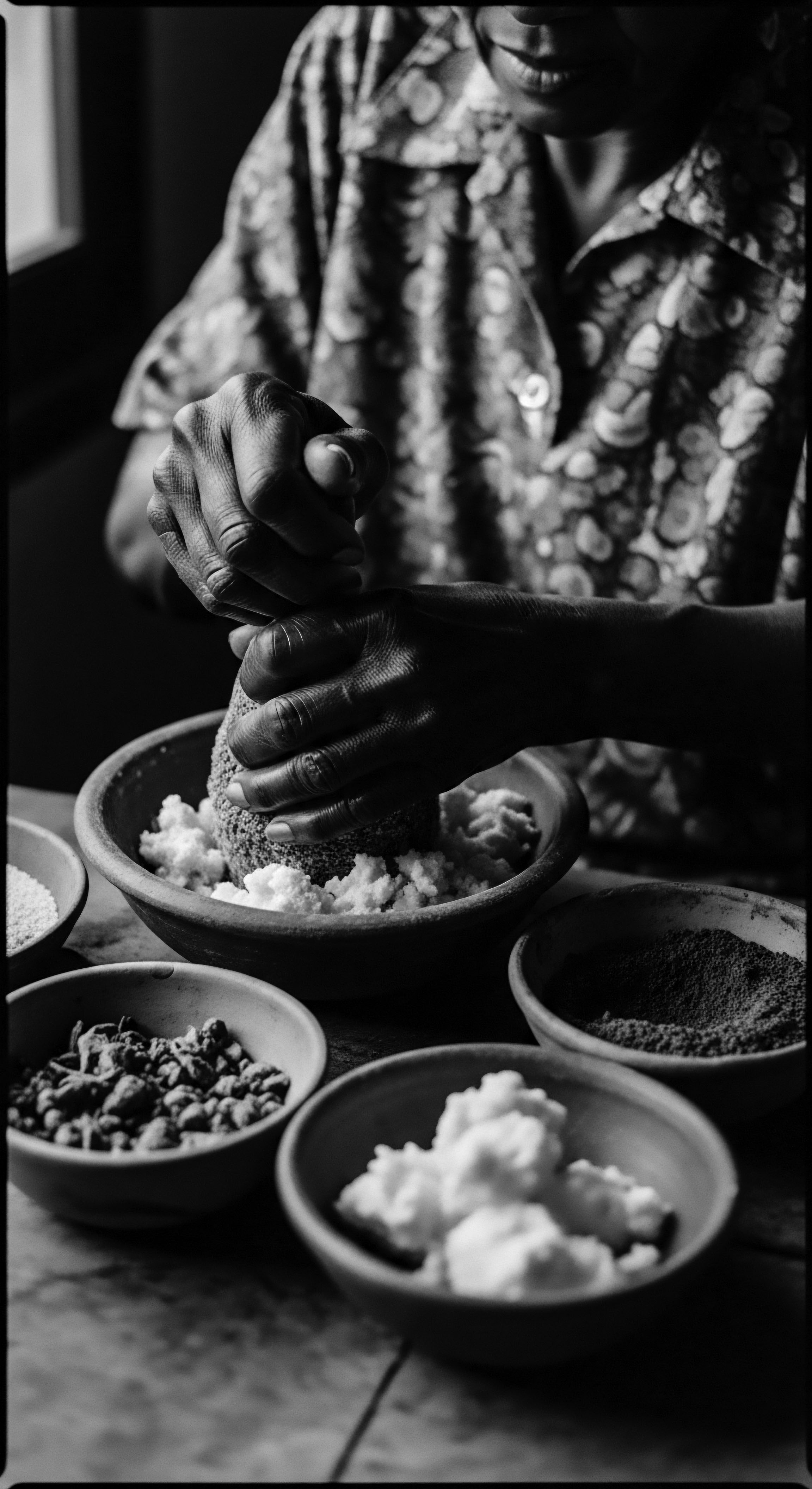
Shea butter provides significant economic opportunities for women in Africa, directly supporting communities and preserving **textured hair heritage** through generations.
What traditional African ingredients support hair moisture?
Traditional African ingredients like shea butter and Chebe powder deeply moisturize textured hair, rooted in ancestral practices for resilience and pride.
How did ancient West African diets support textured hair?
Ancient West African diets, rich in diverse plant-based proteins, healthy fats, vitamins, and minerals, provided the essential building blocks for robust textured hair, deeply rooted in heritage.
How did communal hair care traditions connect with shea butter?
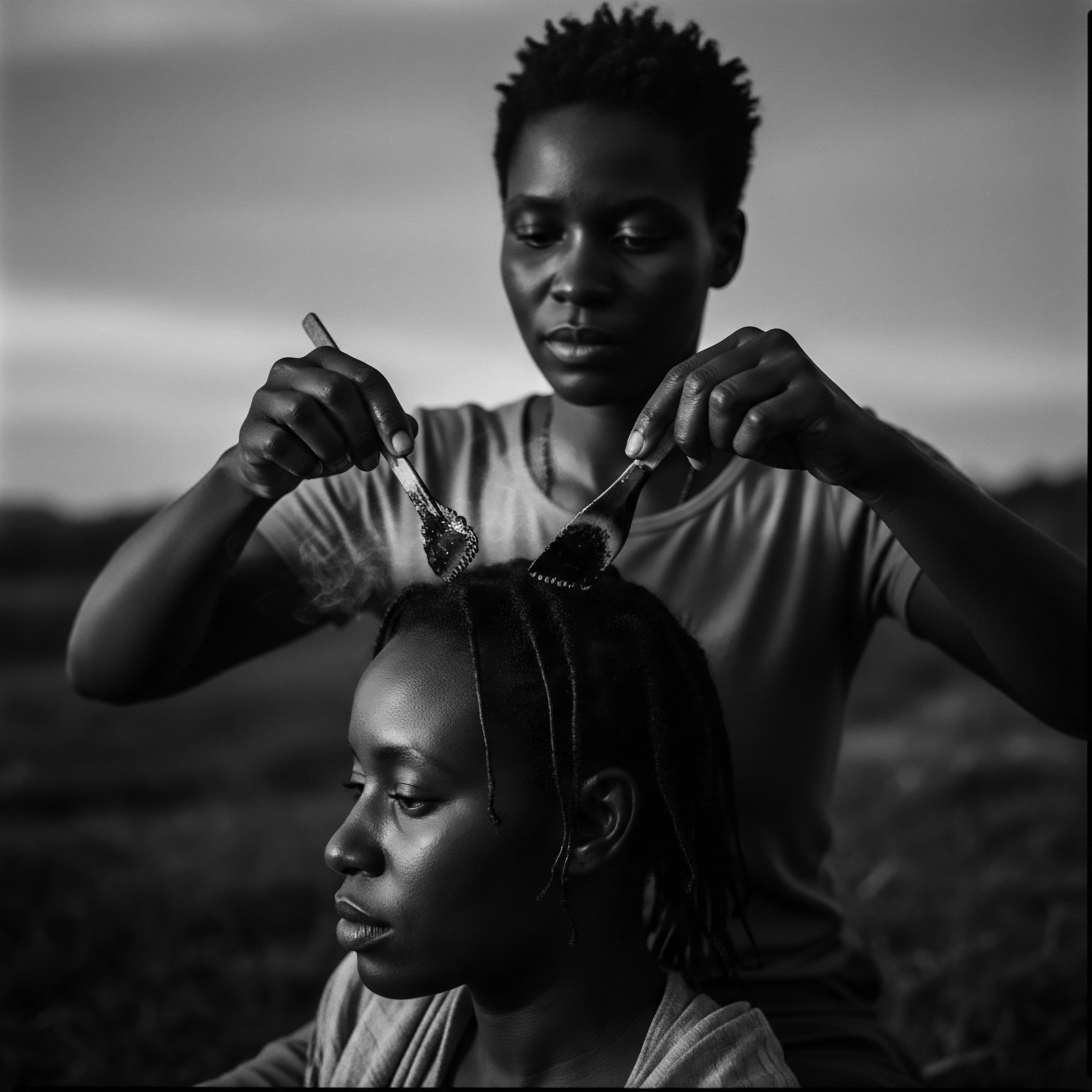
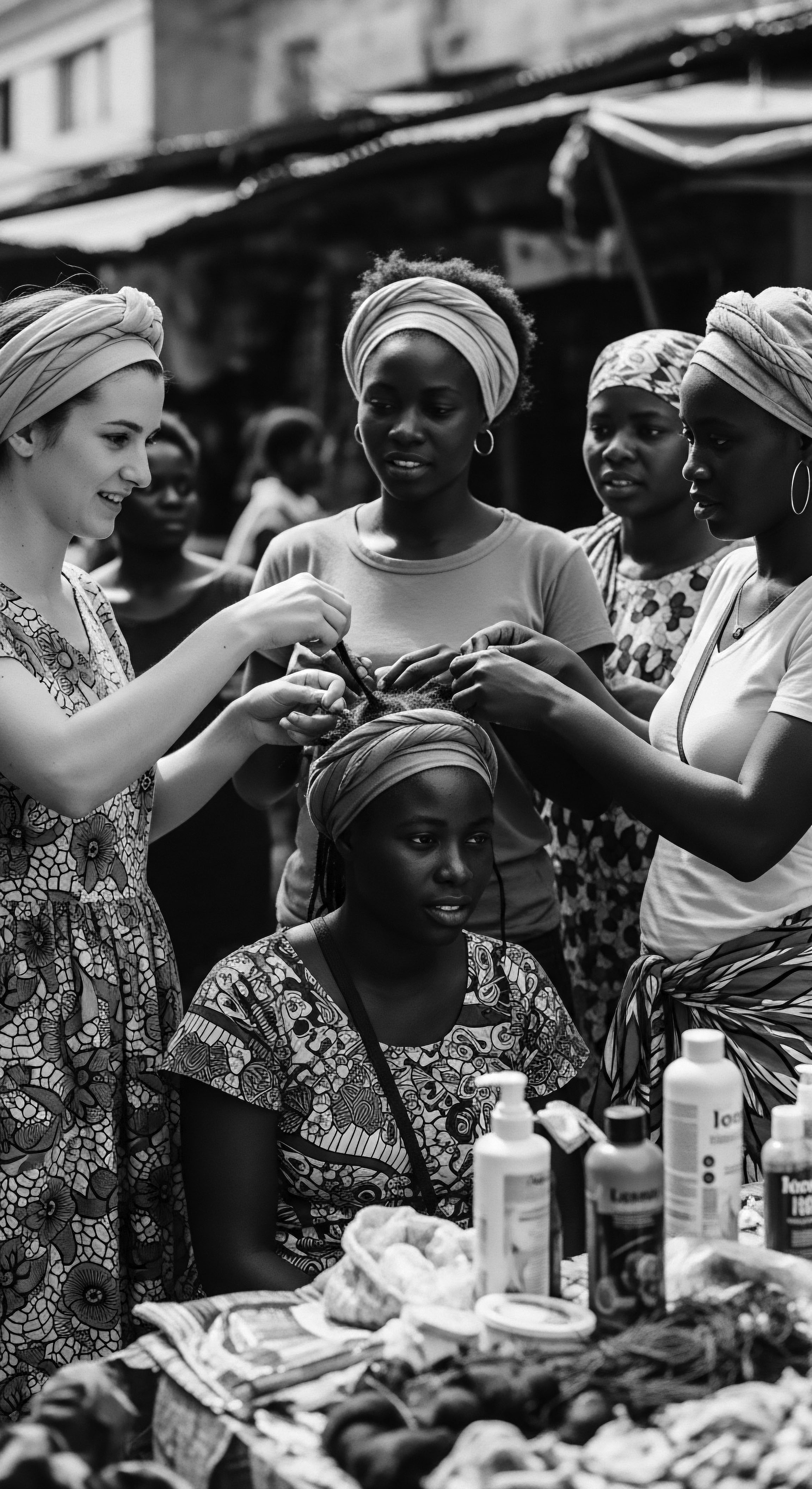
Communal hair care traditions connected with shea butter by fostering intergenerational wisdom, social cohesion, and economic empowerment, enriching textured hair heritage.
What traditional African plants cleanse hair?
Traditional African plants like Black Soap, Rhassoul Clay, Aloe Vera, and Hibiscus gently cleanse textured hair, honoring ancestral wisdom.
How did ancient African communities use natural oils for hair?
Ancient African communities used a diversity of natural oils to nourish, protect, and adorn textured hair, reflecting deep cultural heritage.
How does CROWN Act honor hair heritage?
The CROWN Act legally protects the right to wear natural, textured hair, honoring ancestral heritage and combating race-based discrimination.
What ancestral oils aid coiled hair health?
Ancestral oils, deeply rooted in textured hair heritage, supply vital moisture and protection for coiled strands.
What is the historical use of Ghassoul clay in North African heritage?
Ghassoul clay, mined from Morocco's Atlas Mountains, historically cleansed and nourished textured hair as a central part of North African beauty heritage.
How do oils affect hair moisture retention?
Oils preserve hair moisture by forming a protective layer, a practice rooted deeply in textured hair heritage.
How do ancestral hair practices inform modern understanding of shea butter’s effects?
Ancestral practices inform modern understanding of shea butter's effects by providing historical context and observed benefits for textured hair.
What scientific compounds in traditional plant cleansers benefit textured hair heritage?
Traditional plant cleansers leverage saponins, mucilage, and minerals to gently purify and hydrate textured hair, honoring ancestral wisdom.
In what ways do historical braiding techniques connect to modern hair science?
Historical braiding techniques serve as intuitive ancestral science, protecting strands and informing modern textured hair care.
In what ways did African and Indigenous wisdom influence current textured hair heritage?
African and Indigenous wisdom fundamentally shapes current textured hair heritage through ancestral practices of care, styling, and profound cultural symbolism.
Community Influence
Meaning ❉ Community Influence is the collective power shaping individual and shared practices, beliefs, and identities related to textured hair.
What happens to keratin in textured hair at high temperatures?
High temperatures cause keratin to denature, breaking bonds that alter textured hair’s natural curl pattern, reflecting deep heritage impacts.
Earth Bounty
Meaning ❉ Earth Bounty is the inherent gifts of the planet and ancestral knowledge, nourishing textured hair through time and tradition.
What historical care shaped Black hair?
Historical Black hair care, rooted in ancestral practices, protected and celebrated textured strands, embodying cultural identity and resilience.
Why do certain fabrics protect textured hair overnight?
Certain smooth fabrics preserve textured hair’s moisture and integrity overnight, a practice deeply rooted in ancestral Black hair care heritage.
How does hair connect community?
Textured hair physically and culturally binds communities through shared ancestral care practices, collective identity, and resilience.
Henna Blends
Meaning ❉ Henna Blends are ancient botanical hair formulations embodying cultural heritage, ancestral wisdom, and natural care for textured hair.
What traditional African oils were used for hair protection?
Traditional African oils like shea, marula, and baobab offered protection and nourishment for textured hair, rooted in ancestral wisdom.
What historical hair practices sustained textured hair in dry climates?
Ancestral practices sustained textured hair in dry climates through protective styles and natural emollients.
What historical examples show hair as a symbol of resistance?
Textured hair has historically served as a potent symbol of resistance, embodying cultural identity and defiance against oppression within Black and mixed-race heritage.
How has shea butter shaped hair care traditions?
Shea butter has profoundly shaped textured hair traditions by serving as an ancestral balm, a cultural symbol, and a scientifically recognized conditioner, deeply tied to heritage.
How does ancestral plant care strengthen hair?
Ancestral plant care fortifies textured hair by providing natural protection, deep nourishment, and by reducing breakage, drawing from a rich heritage of botanical wisdom.
In what ways do the fatty acids in shea butter specifically nourish coily and curly hair patterns?
Shea butter's fatty acids provide dual nourishment for coily and curly hair, reflecting centuries of ancestral wisdom and care.
African Clay Practices
Meaning ❉ African Clay Practices involve the historical use of natural mineral earths by indigenous communities for holistic textured hair care and cultural expression.
What traditional African practices feature shea butter for hair resilience?
Traditional African practices use shea butter as a deeply integrated part of hair care rituals, fostering moisture, protection, and resilience for textured hair.