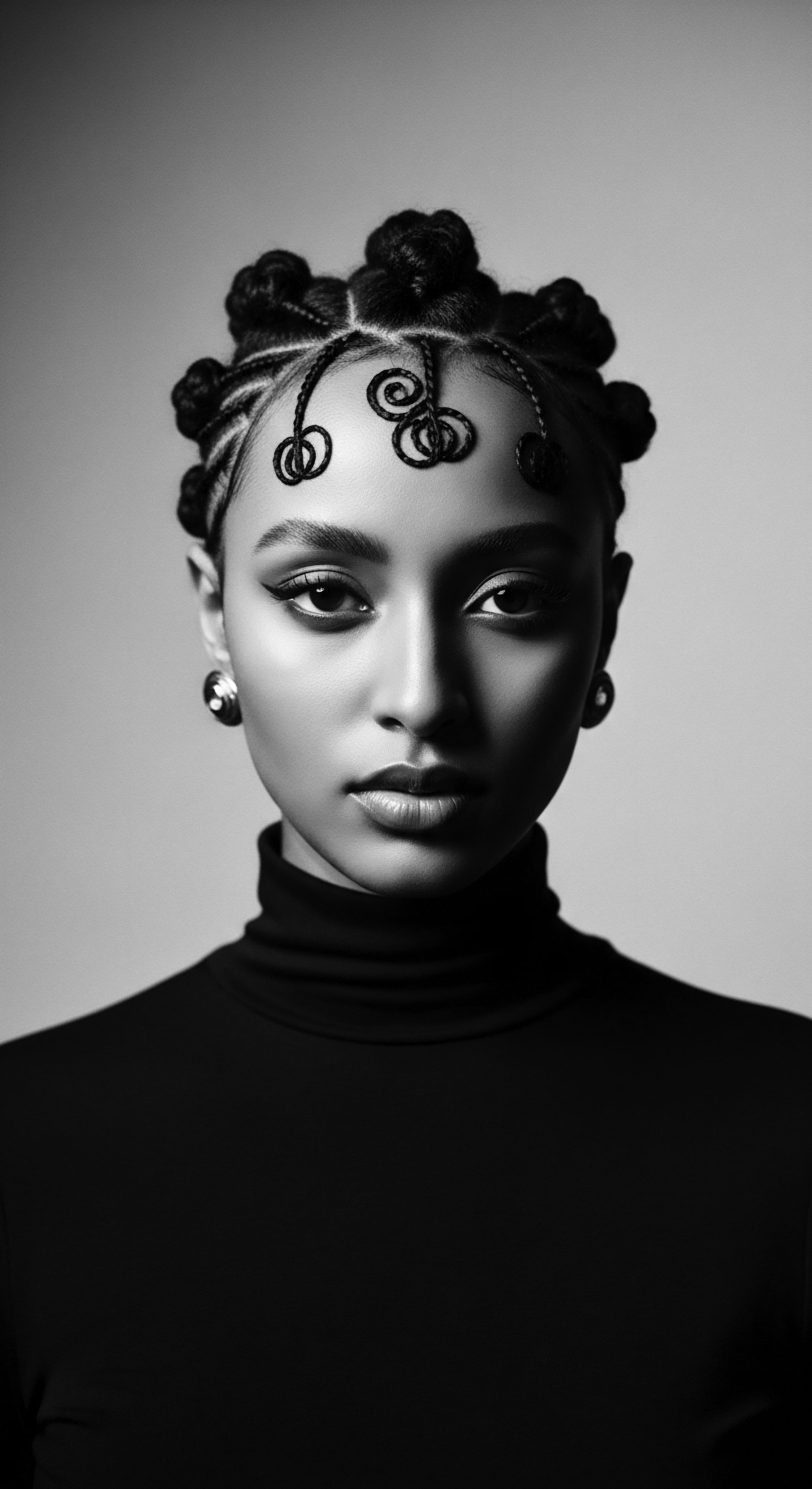
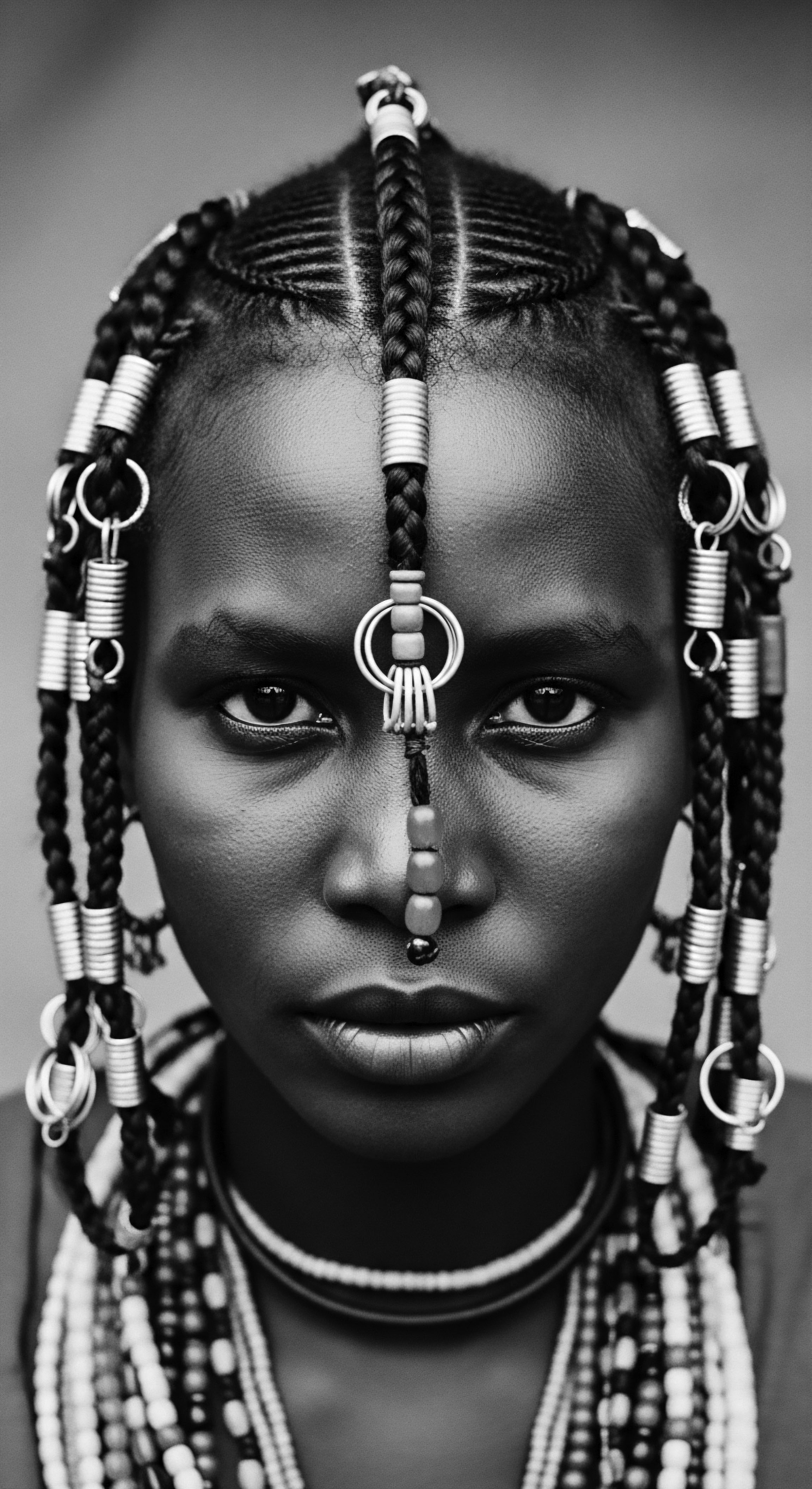
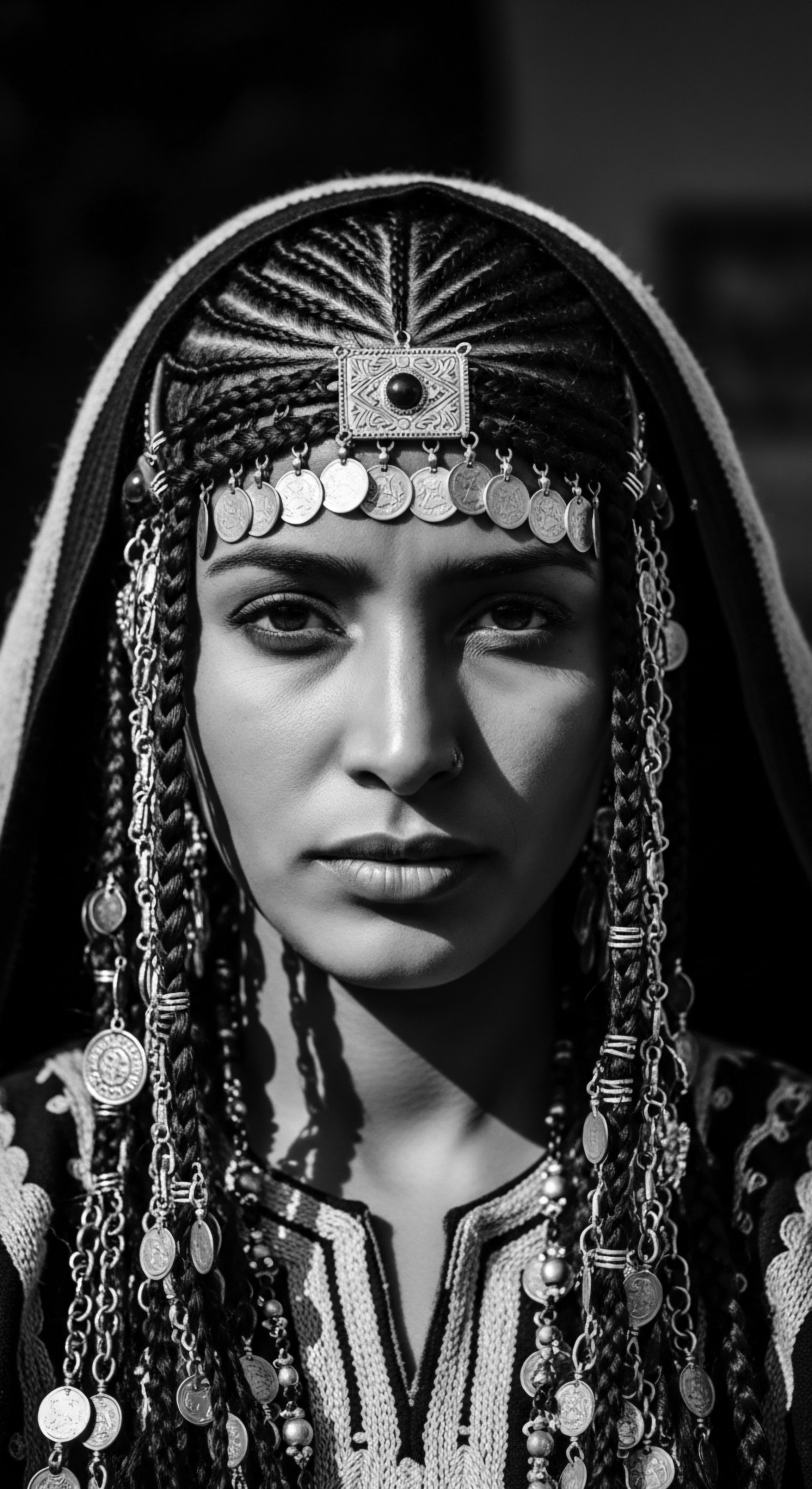
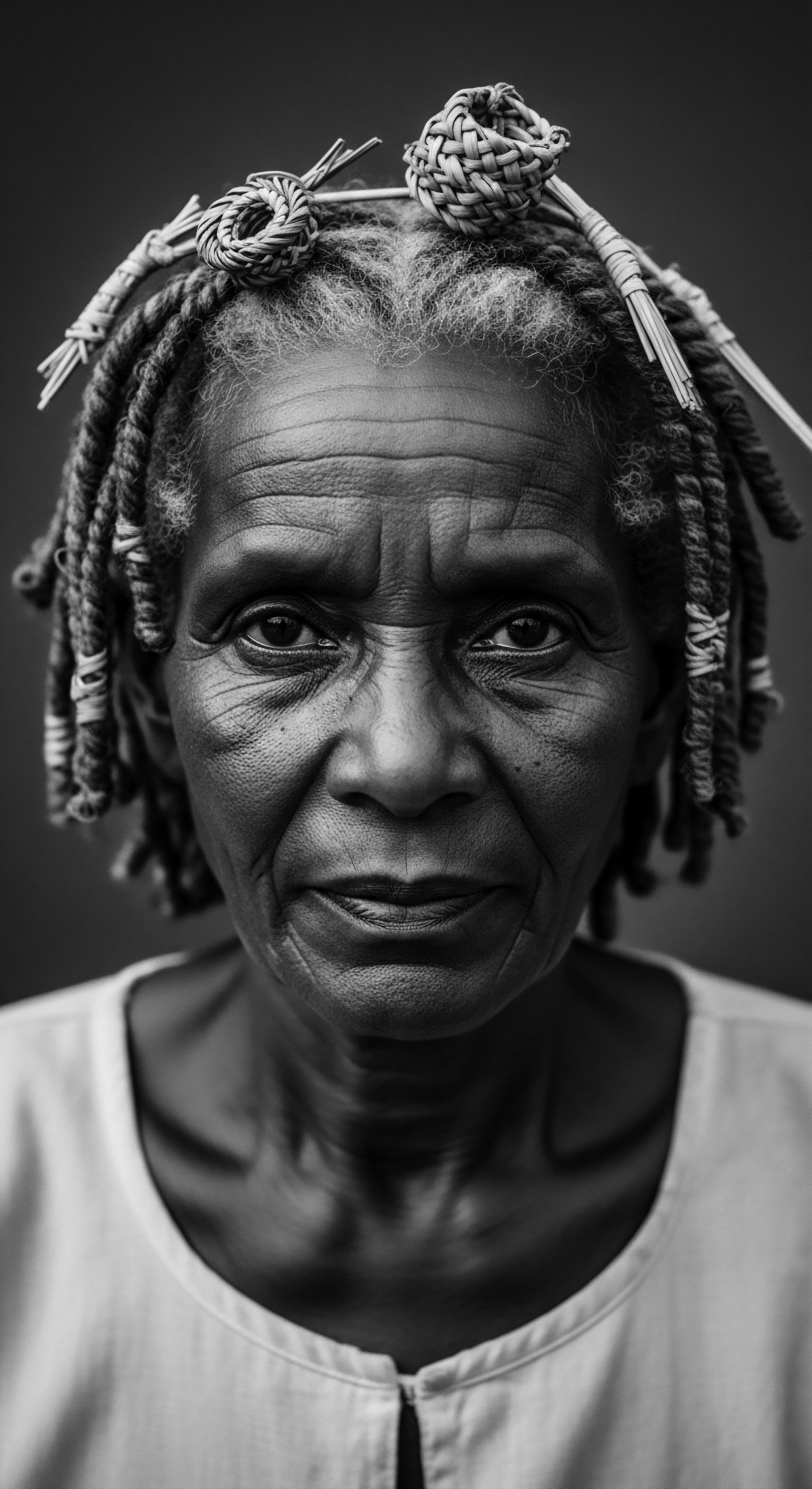
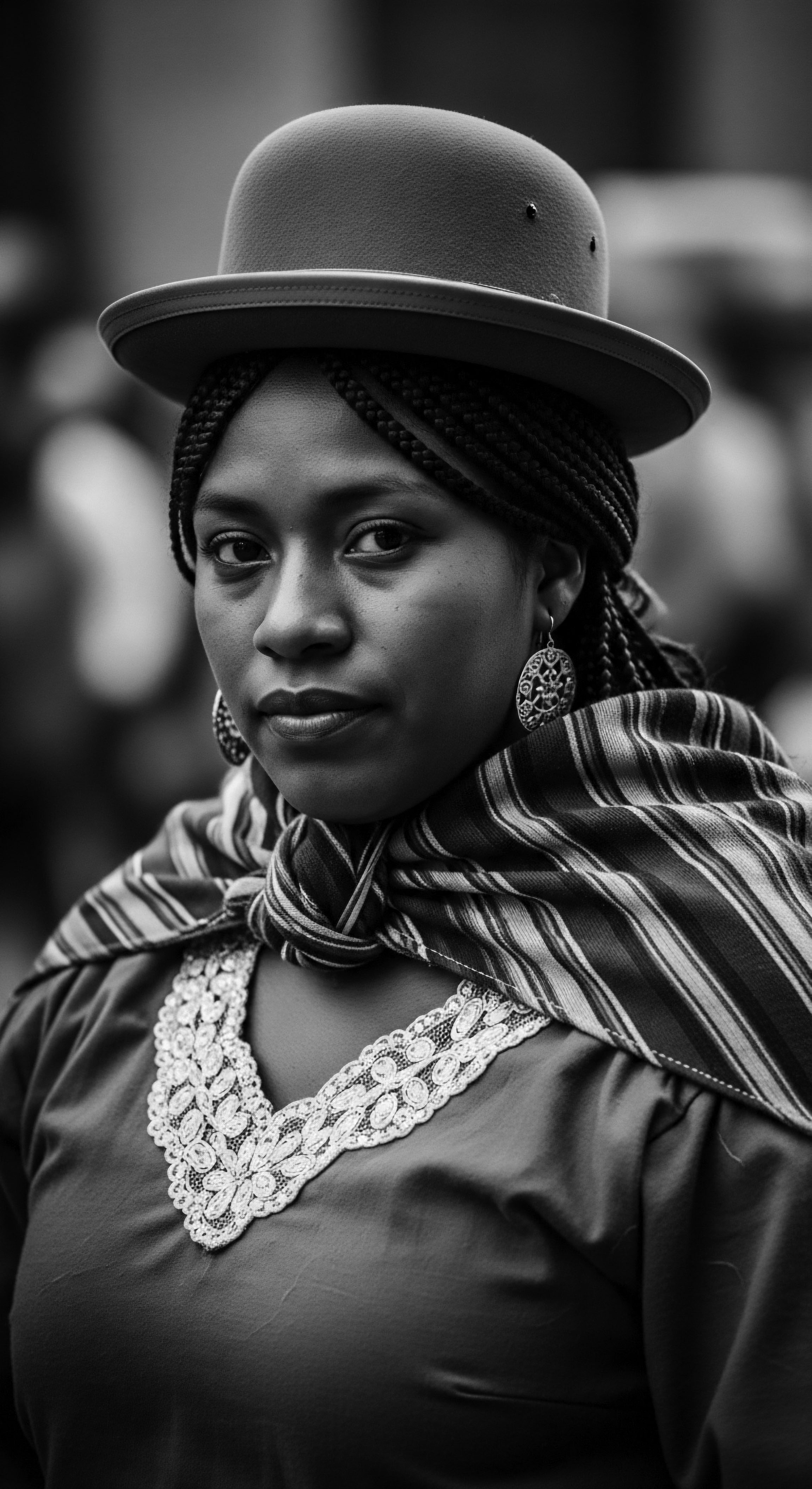
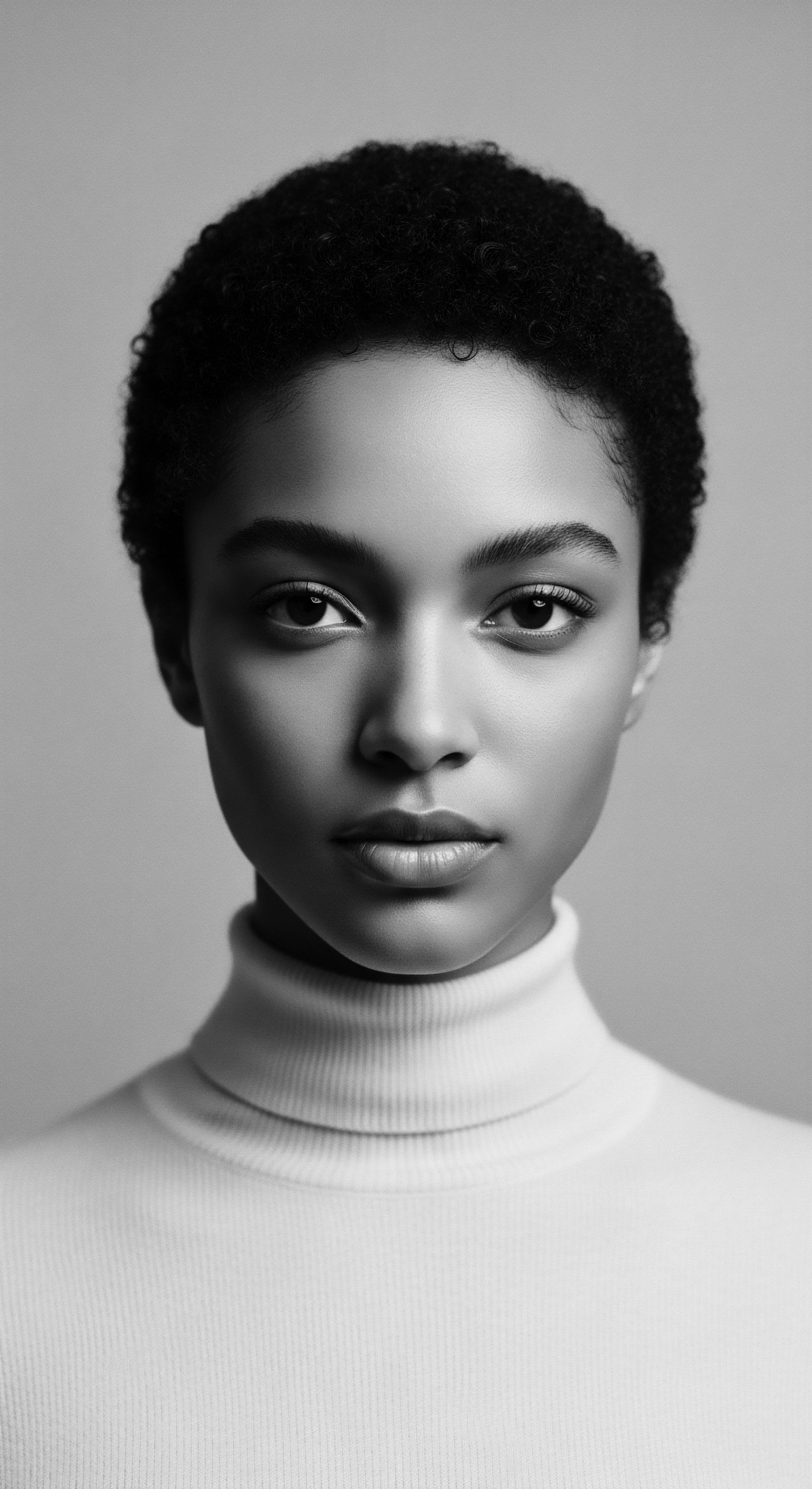
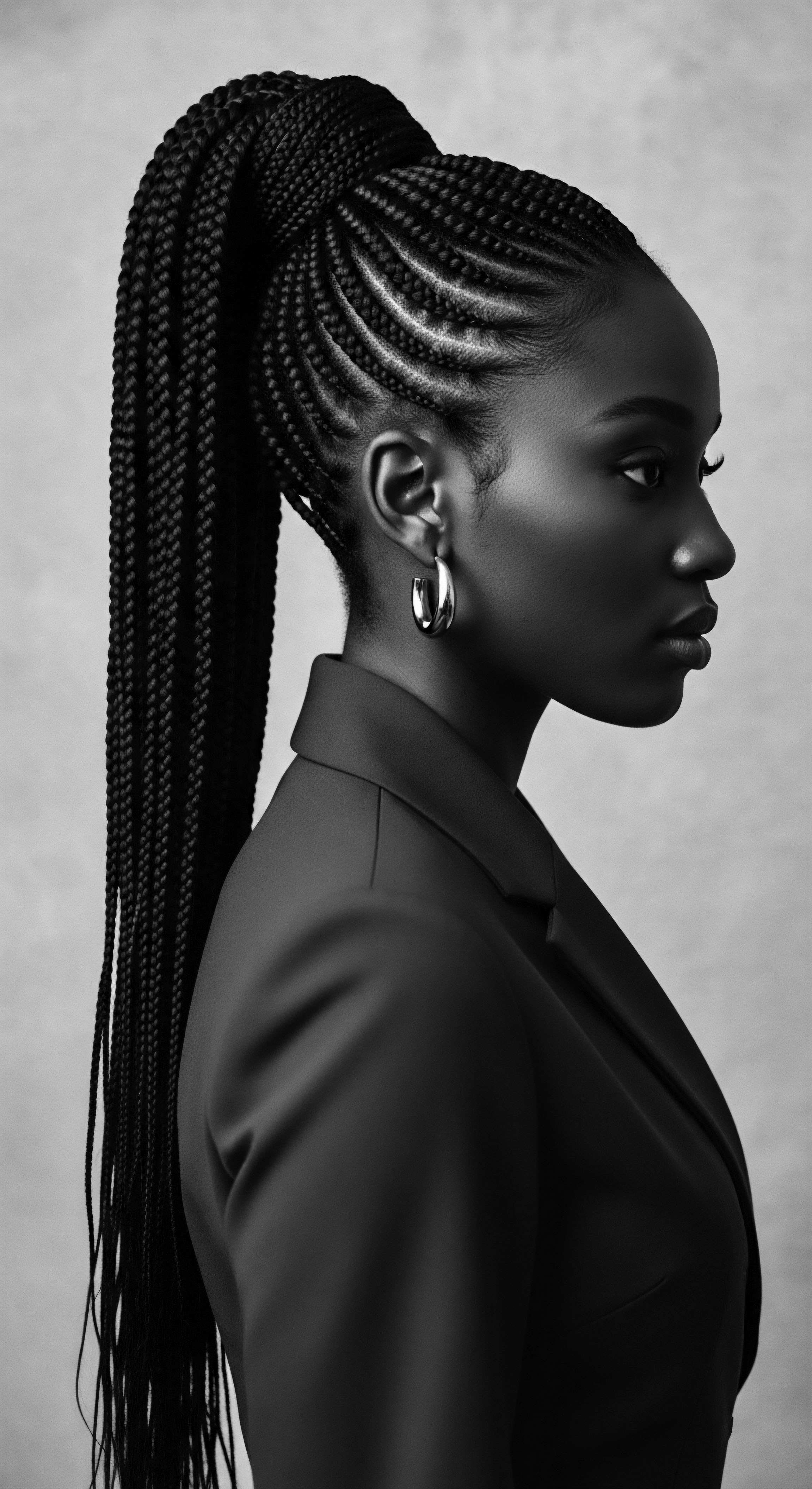
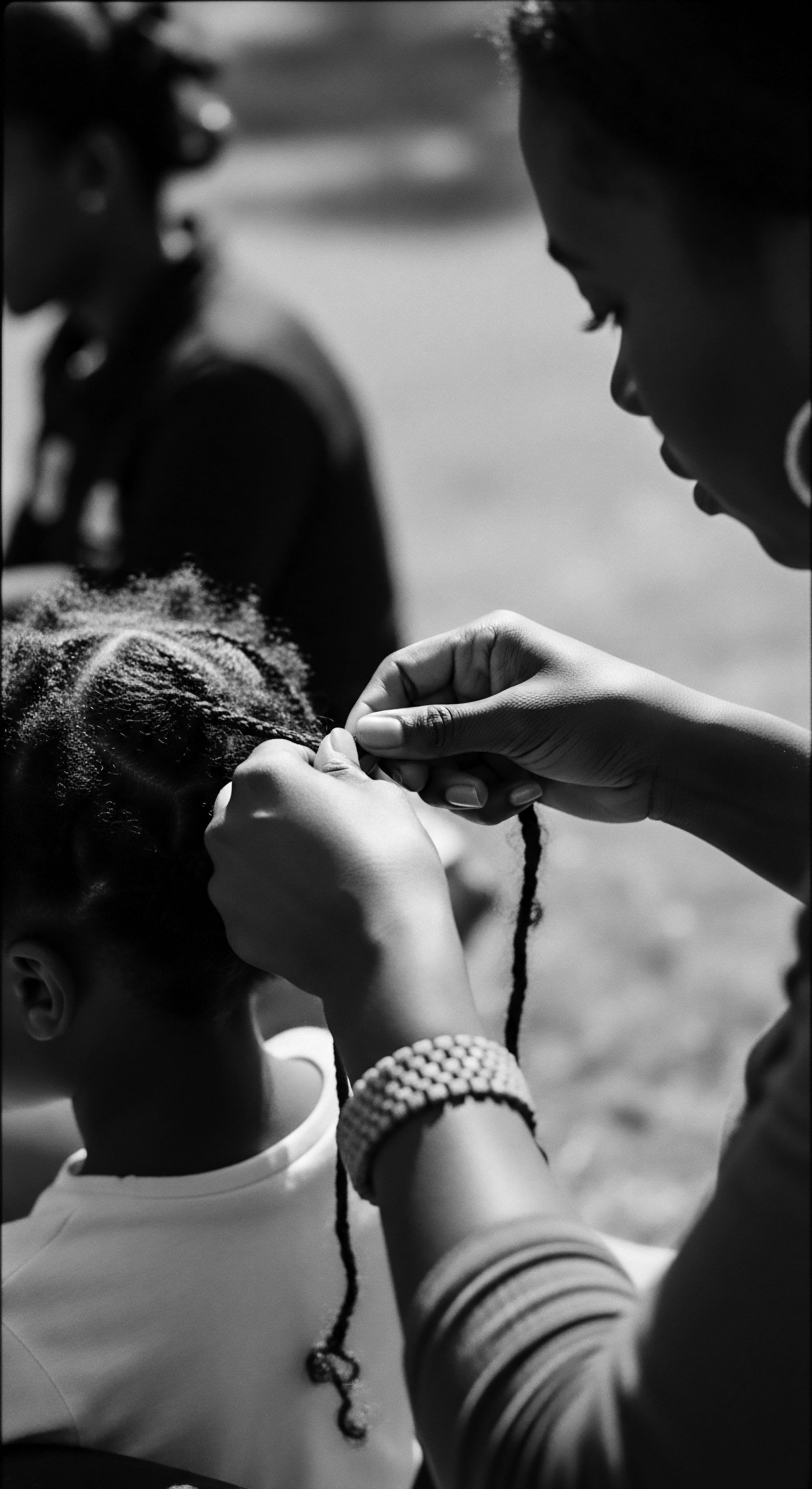
Traditional African hair practices served as living blueprints of community identity, communicating status, heritage, and spirituality through intricate styles and rituals.
Historical African plant butters offered essential moisture and protection for textured hair, embodying centuries of ancestral care and cultural legacy.
Meaning ❉ Hydrophobic Interactions Hair defines the water-repelling nature of hair, crucial for the health and resilience of textured strands and honored in ancestral care practices.
The preservation of traditional hair practices strengthens Black cultural resilience by connecting generations to their ancestral heritage, defying erasure, and affirming identity.
Historical factors for Black hair care center on ancestral wisdom, resourceful adaptation during slavery, and cultural reclamation through natural ingredients.
Meaning ❉ Textured Hair Keratin is the unique fibrous protein forming coiled hair's structure, reflecting ancestral biology and deep cultural heritage.
Meaning ❉ Rhubarb Hair History defines the profound ancestral practice of deriving hair care wisdom and elements from earth's botanicals, particularly for textured hair.
Meaning ❉ Climate Regulation for textured hair is the harmonious interplay of hair's natural responses and ancestral practices adapting to environmental forces for its vitality.
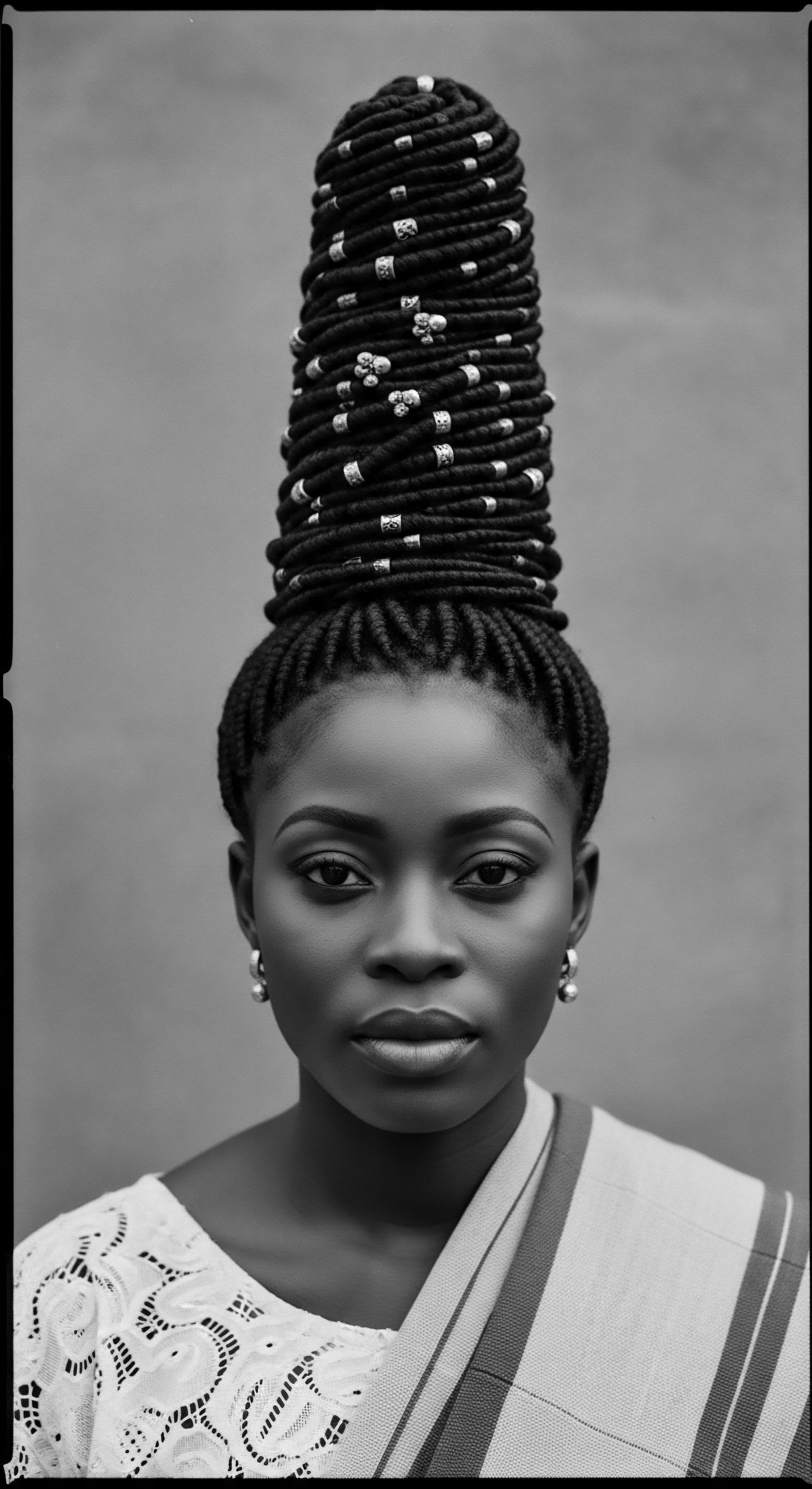
Traditional African hair systems profoundly shaped cultural identity, serving as living archives of social status, age, spiritual connections, and community ties.
Ancestral uses of shea butter profoundly shaped textured hair practices by offering deep moisture, protection, and aiding in culturally significant styling and communal rituals.
Braided styles in Africa conveyed social standing, age, marital status, tribal ties, and spiritual connections, deeply rooting them in textured hair heritage.
Meaning ❉ Maturing Hair represents the profound biological, cultural, and spiritual shifts of hair as it ages, deeply intertwined with ancestral wisdom.
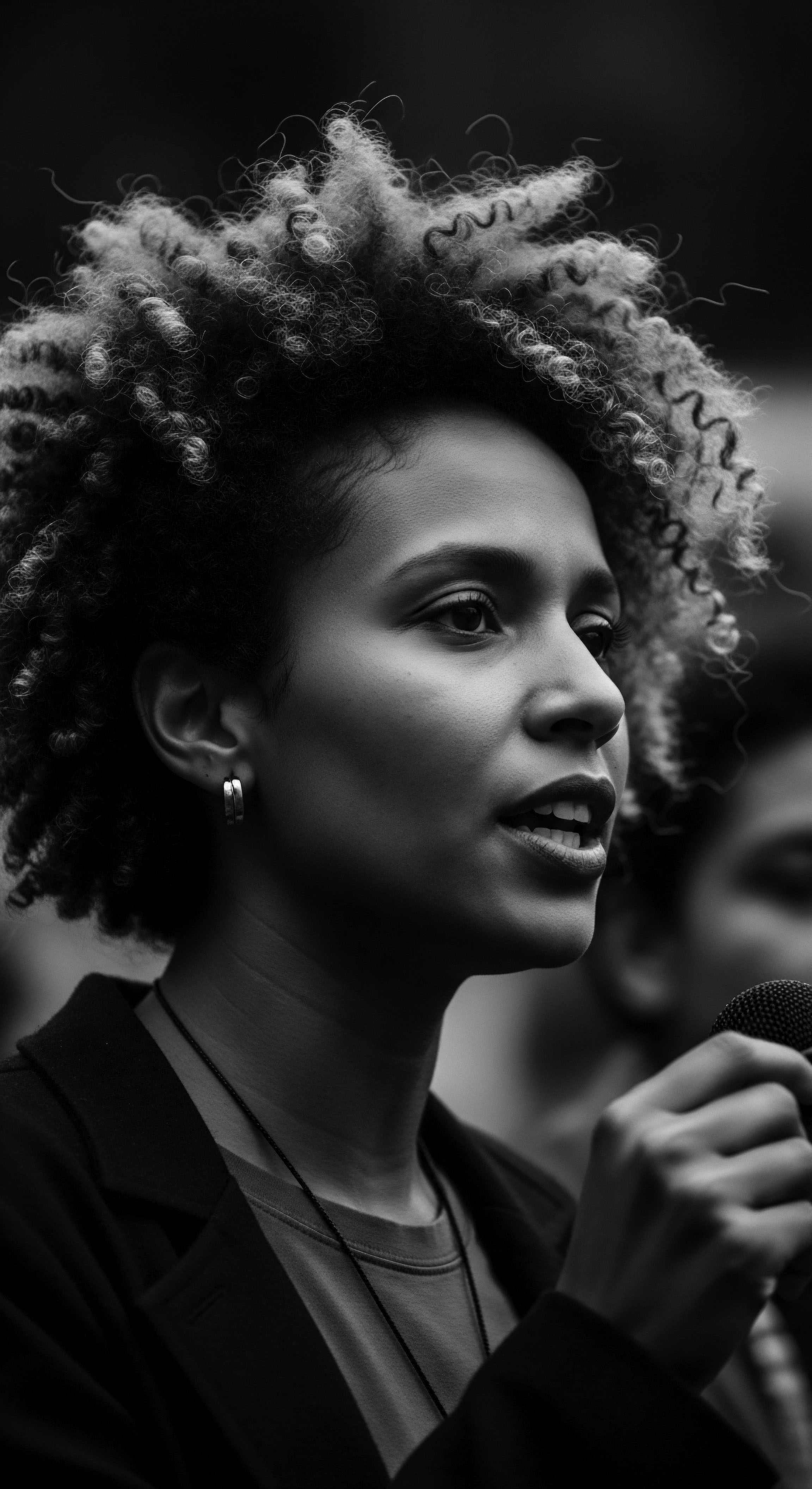
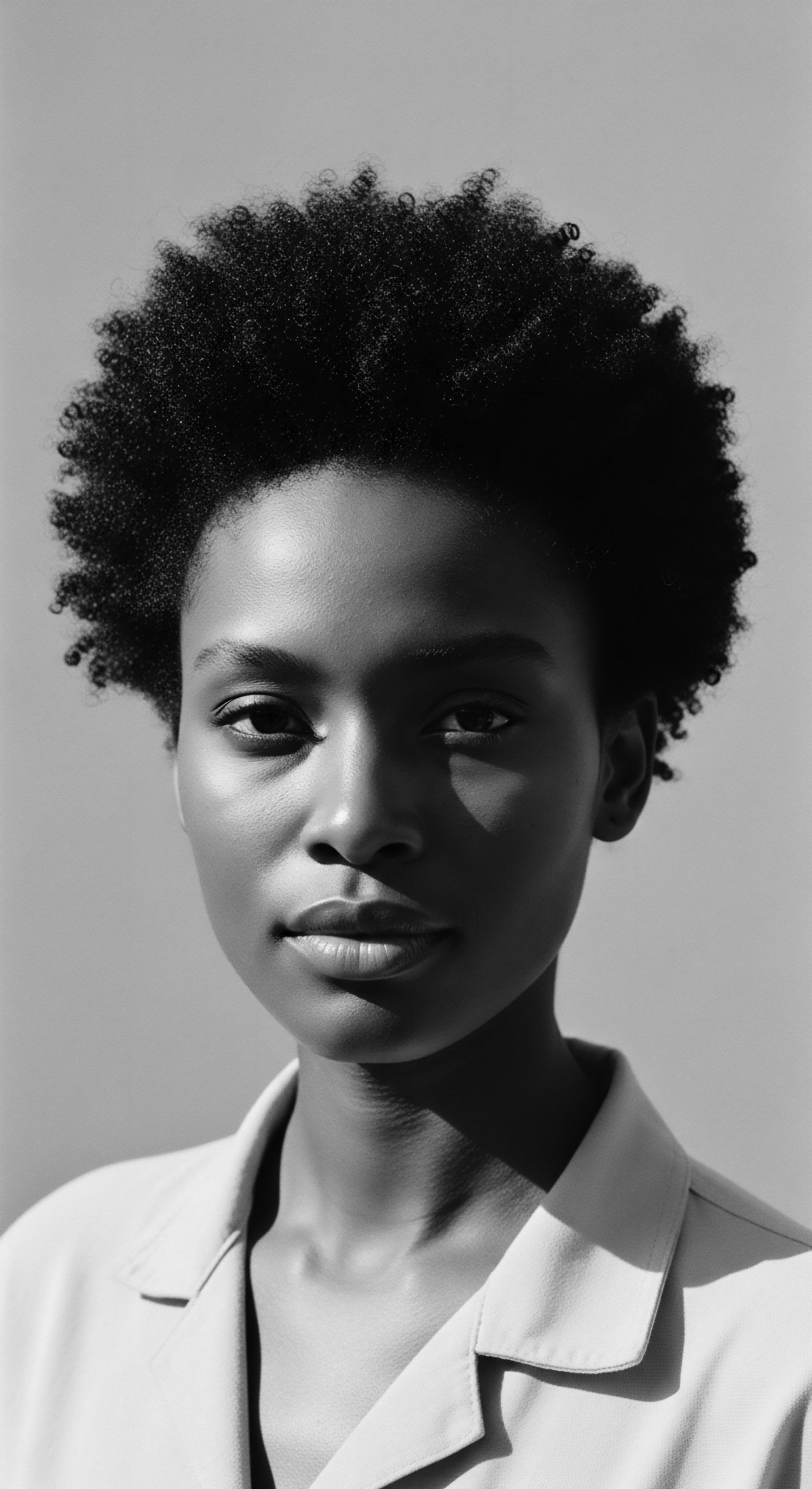
Hair in Black identity is a living archive, intricately linked to textured hair heritage as a symbol of cultural continuity, resilience, and profound self-definition.
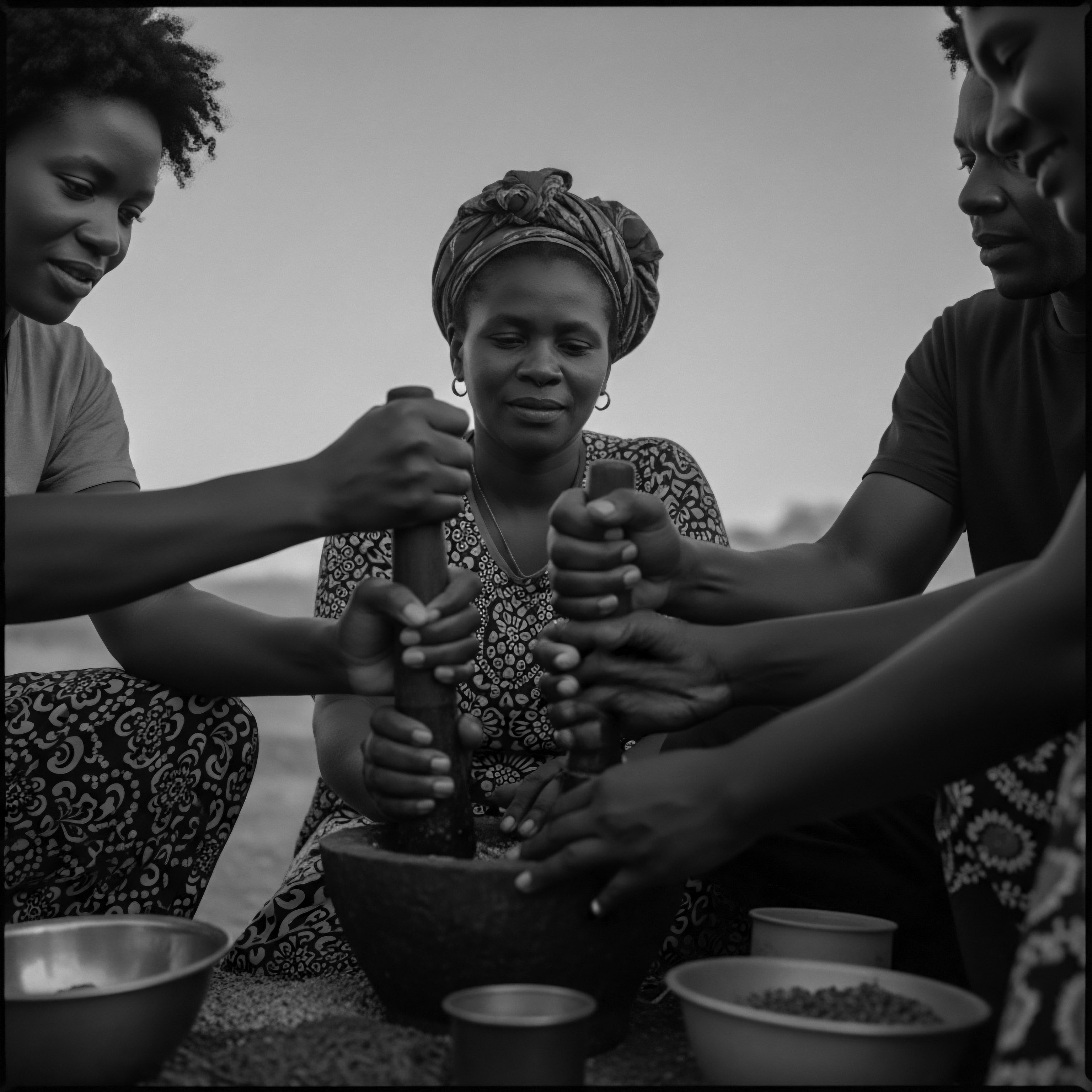
Ancestral hair traditions fostered communal strength by serving as systems of coded communication, shared care rituals, and markers of collective identity within textured hair heritage.
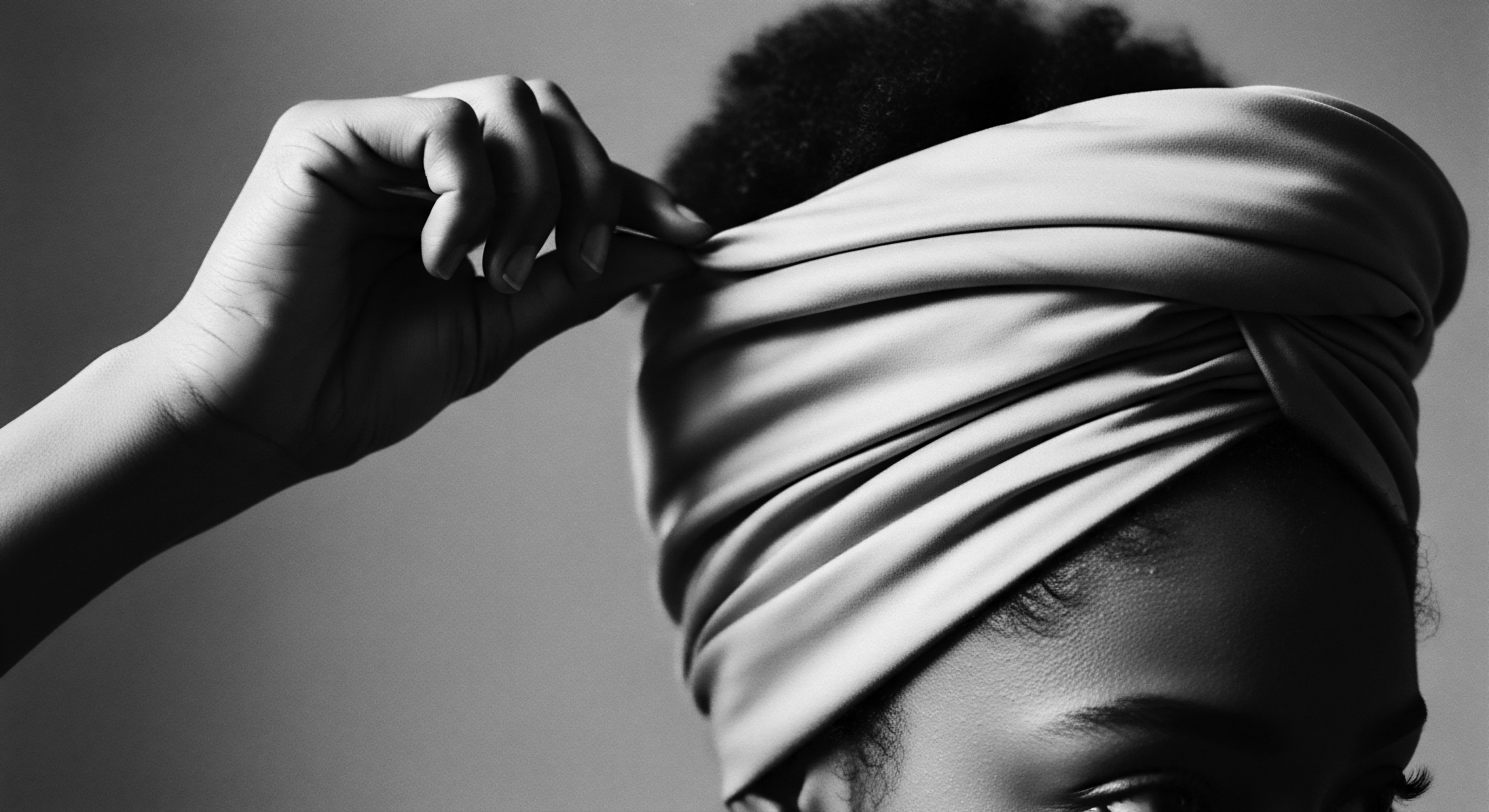
Protective styles originated from ancient African civilizations, evolving as essential methods for textured hair health, cultural expression, and ancestral connection.
Ancient Egyptian hair care, through elaborate wigs and specific styles, directly communicated wealth, purity, and social standing, forming a heritage for textured hair expression.
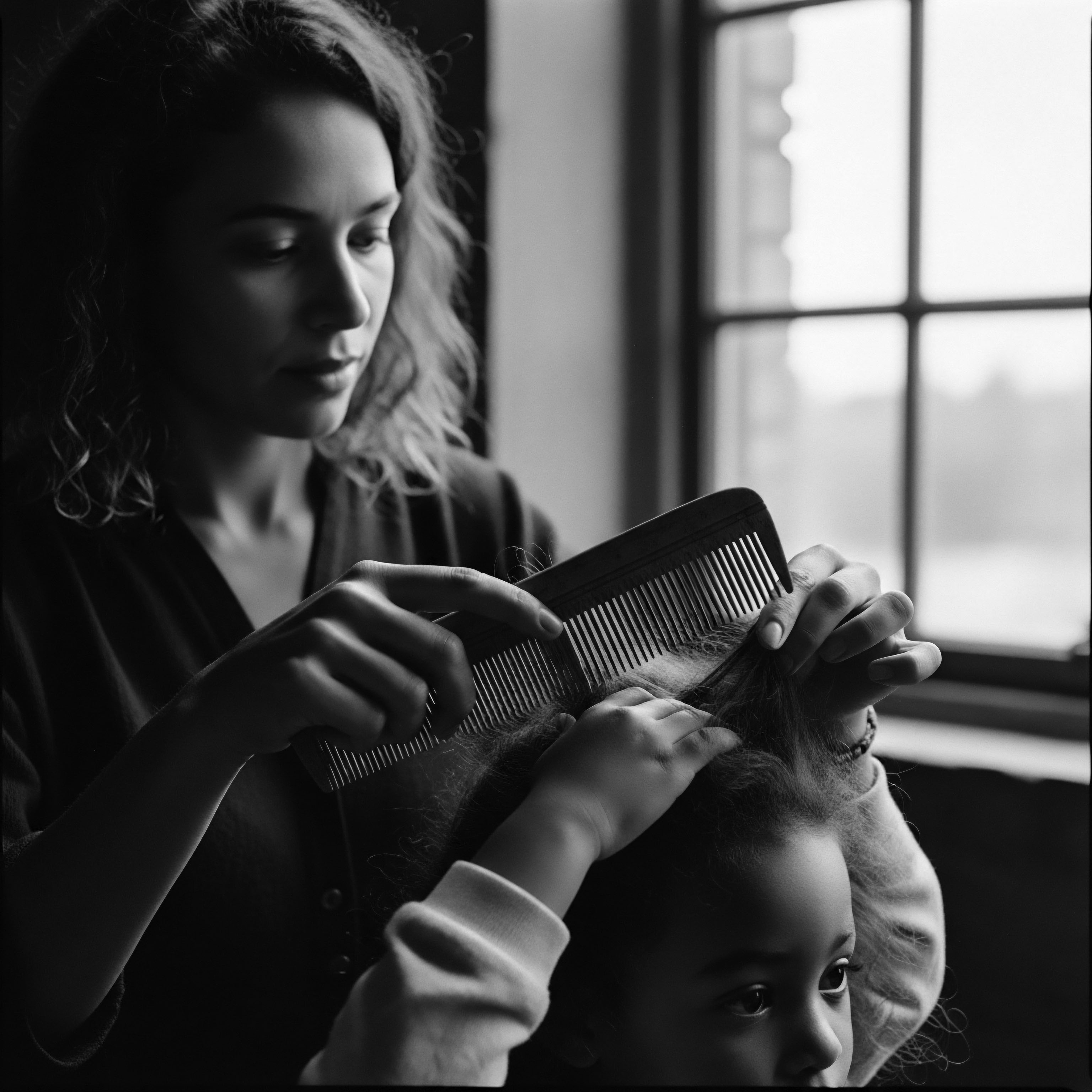
Historical tools, from bone combs to early hot irons, shaped textured hair practices by aligning with its unique structure and cultural heritage, continually informing modern care.
Ancestral plant remedies, rooted in deep heritage, provided essential nourishment and protection for textured hair and scalp health across generations.
Textured hair practices, deeply rooted in African and diaspora heritage, intrinsically shape community solidarity and individual identity by transmitting cultural knowledge and affirming shared experiences.
We use cookies to personalize content and marketing, and to analyze our traffic. This helps us maintain the quality of our free resources. Manage your preferences below.
This helps support our free resources through personalized marketing efforts and promotions.
Analytics cookies help us understand how visitors interact with our website, improving user experience and website performance.
Personalization cookies enable us to customize the content and features of our site based on your interactions, offering a more tailored experience.