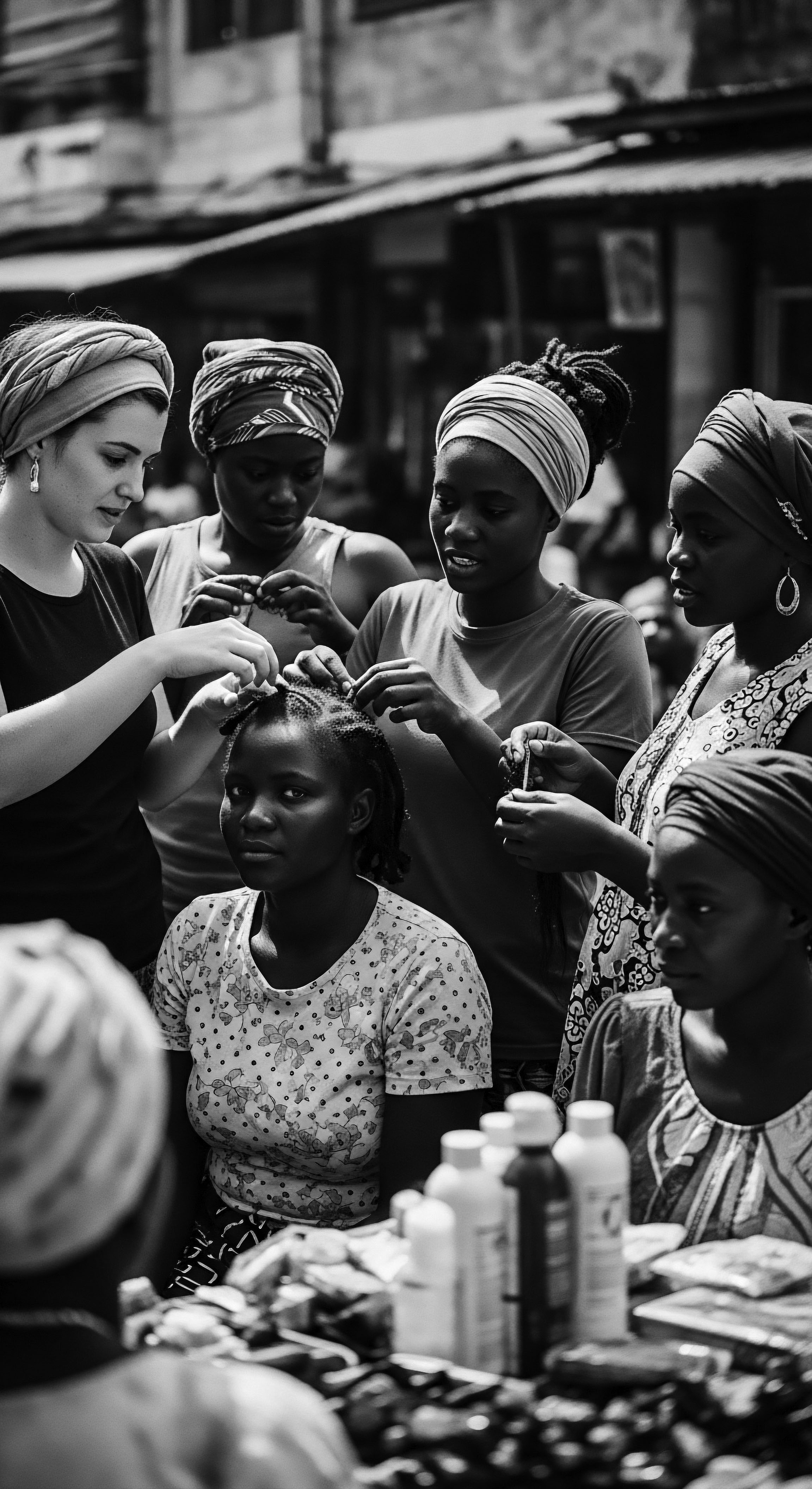
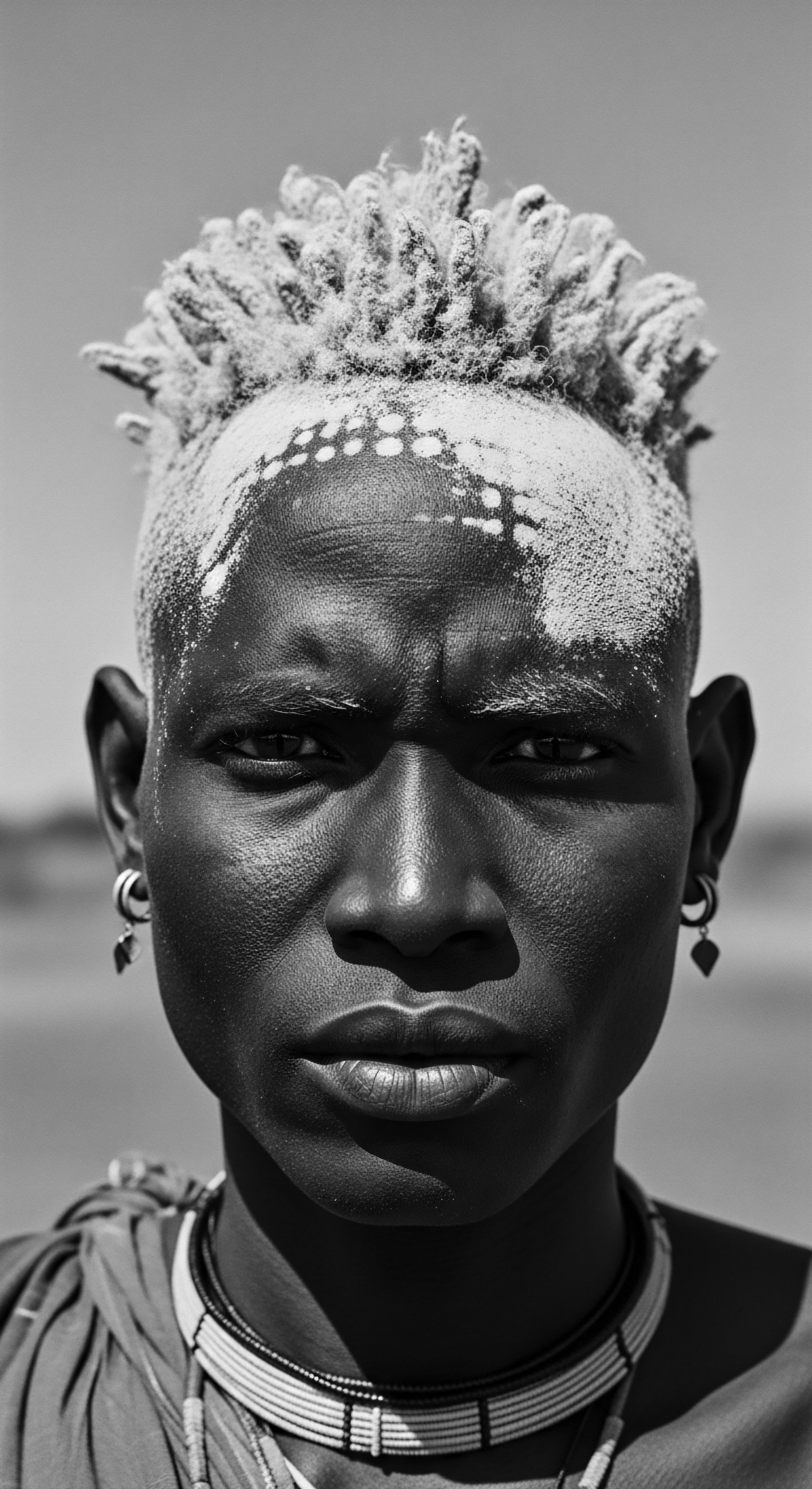
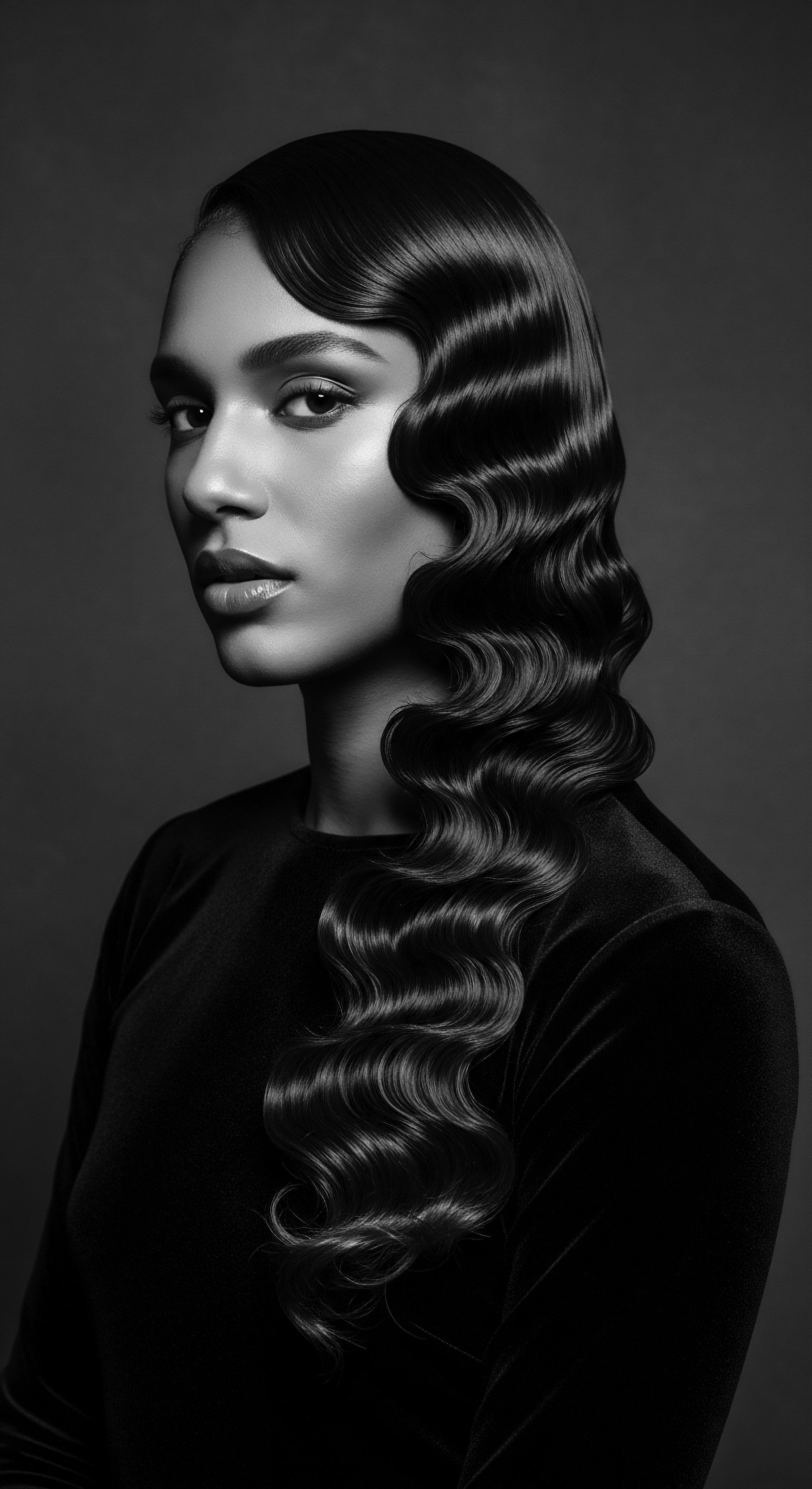
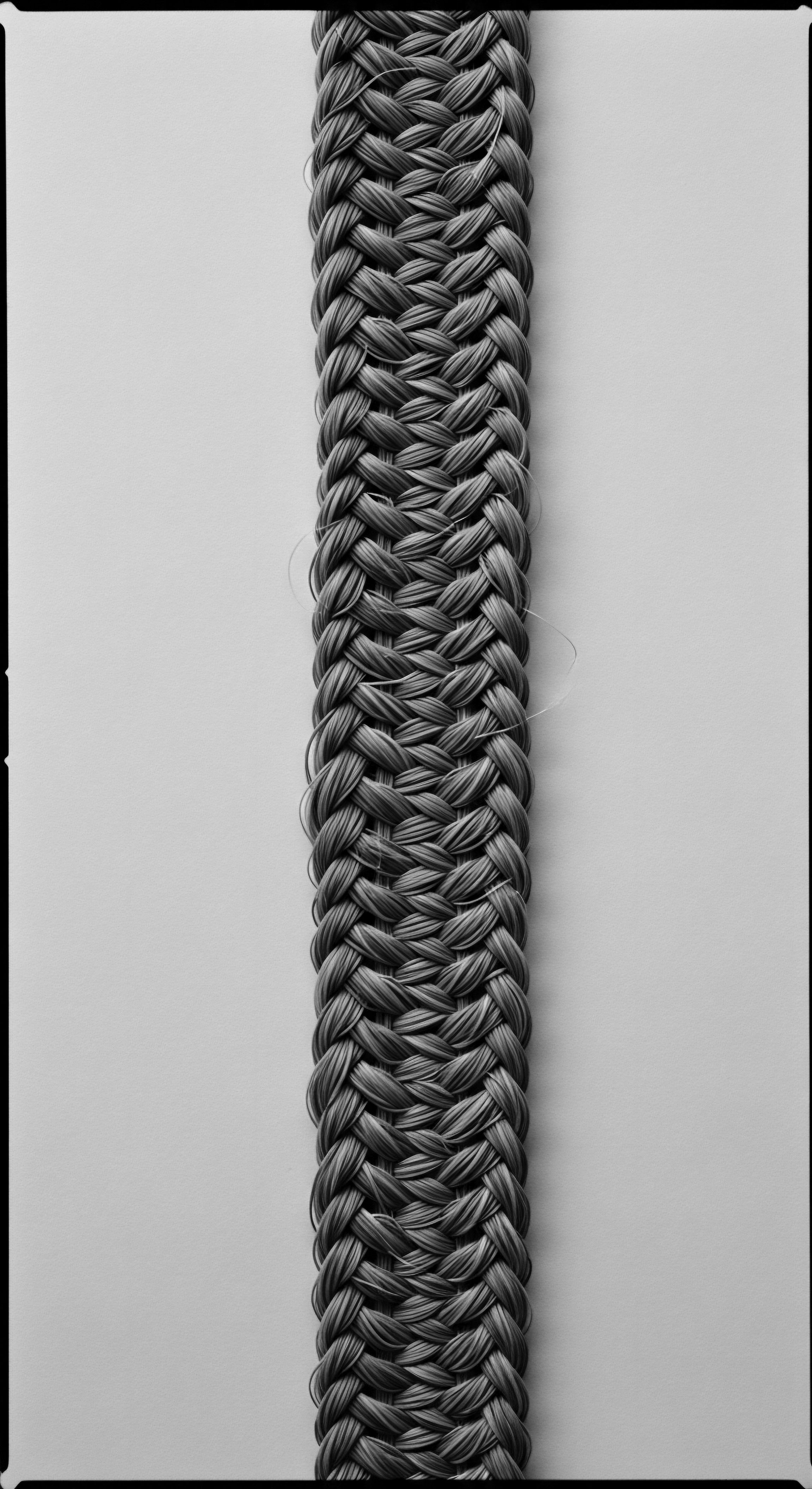
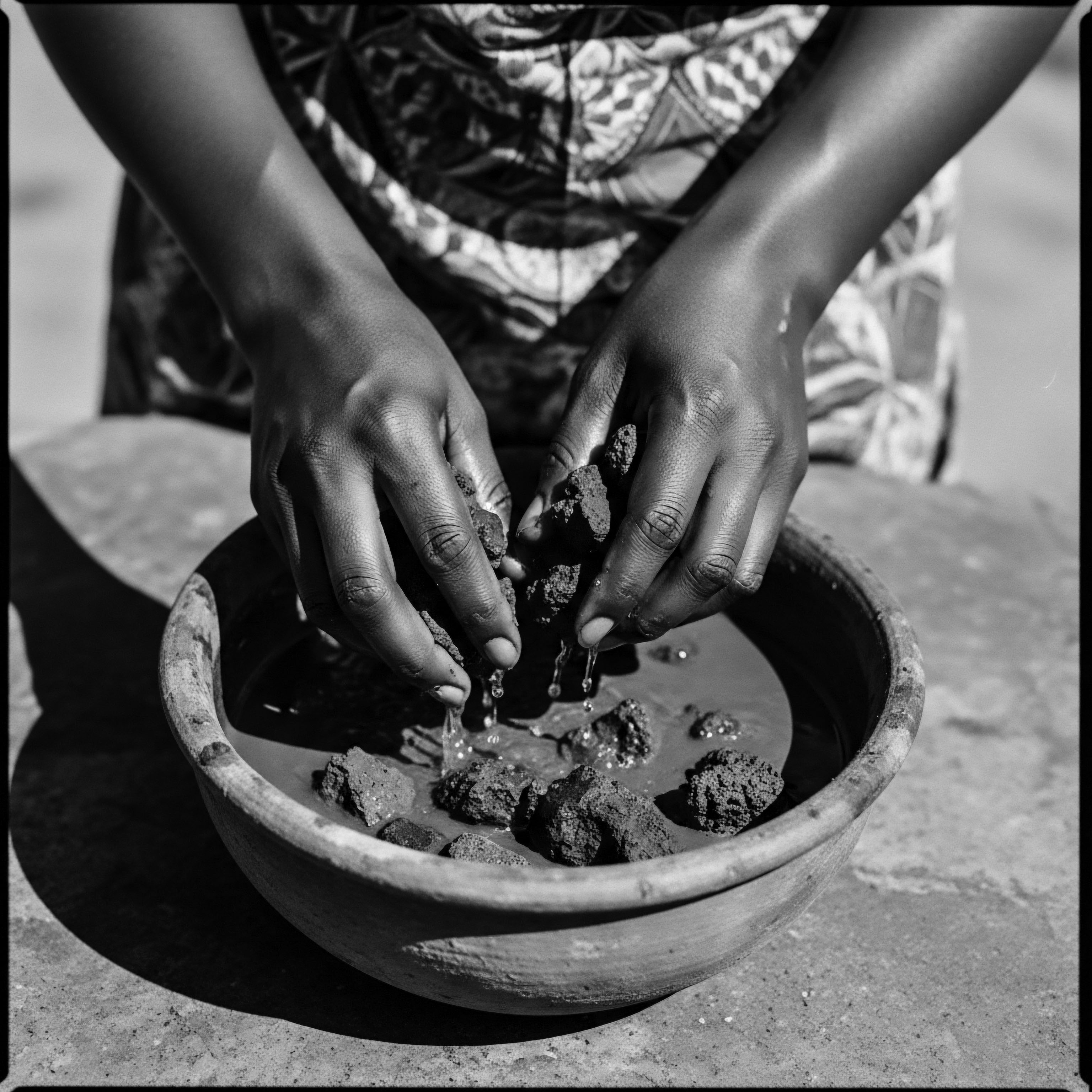
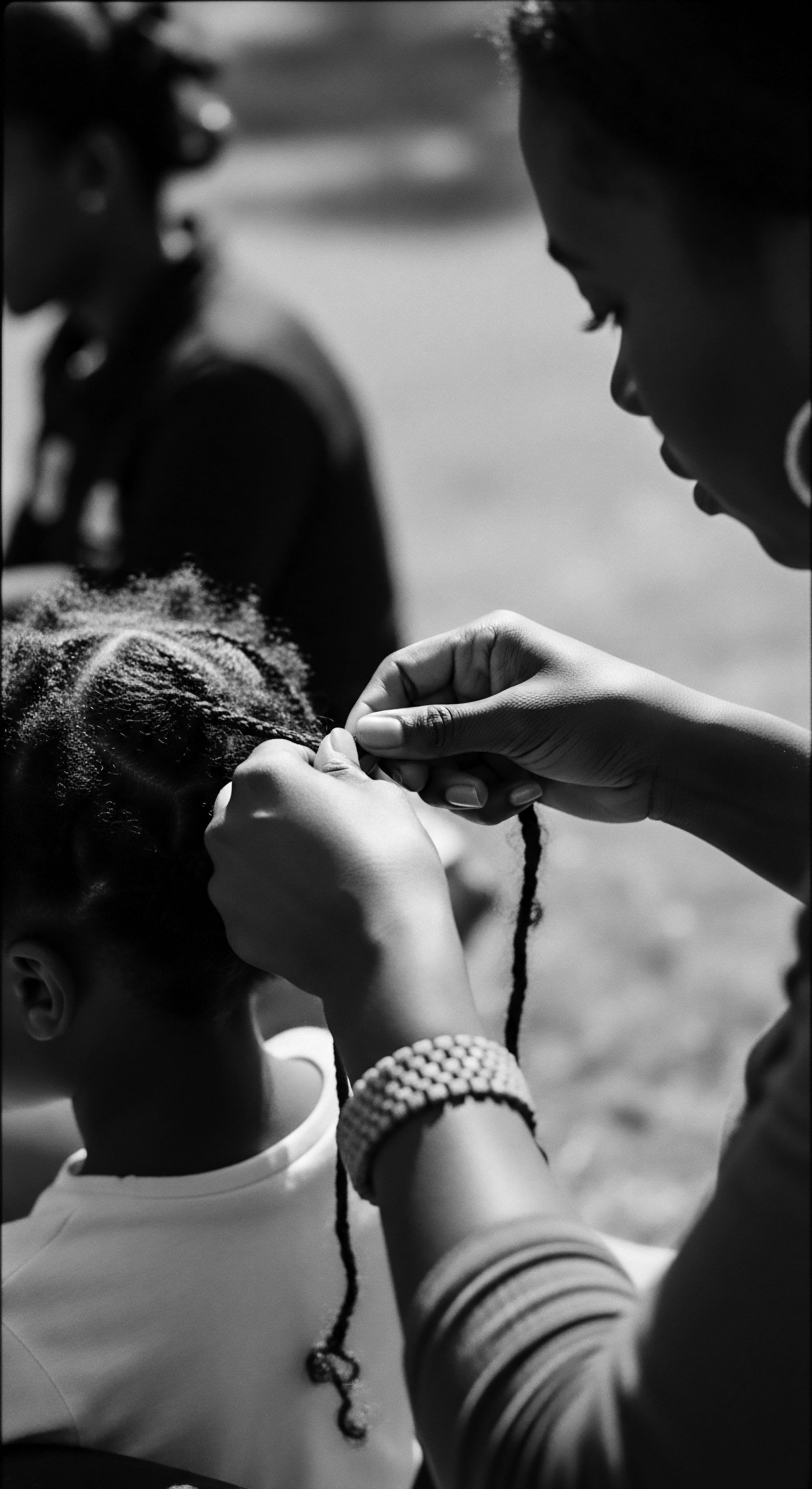
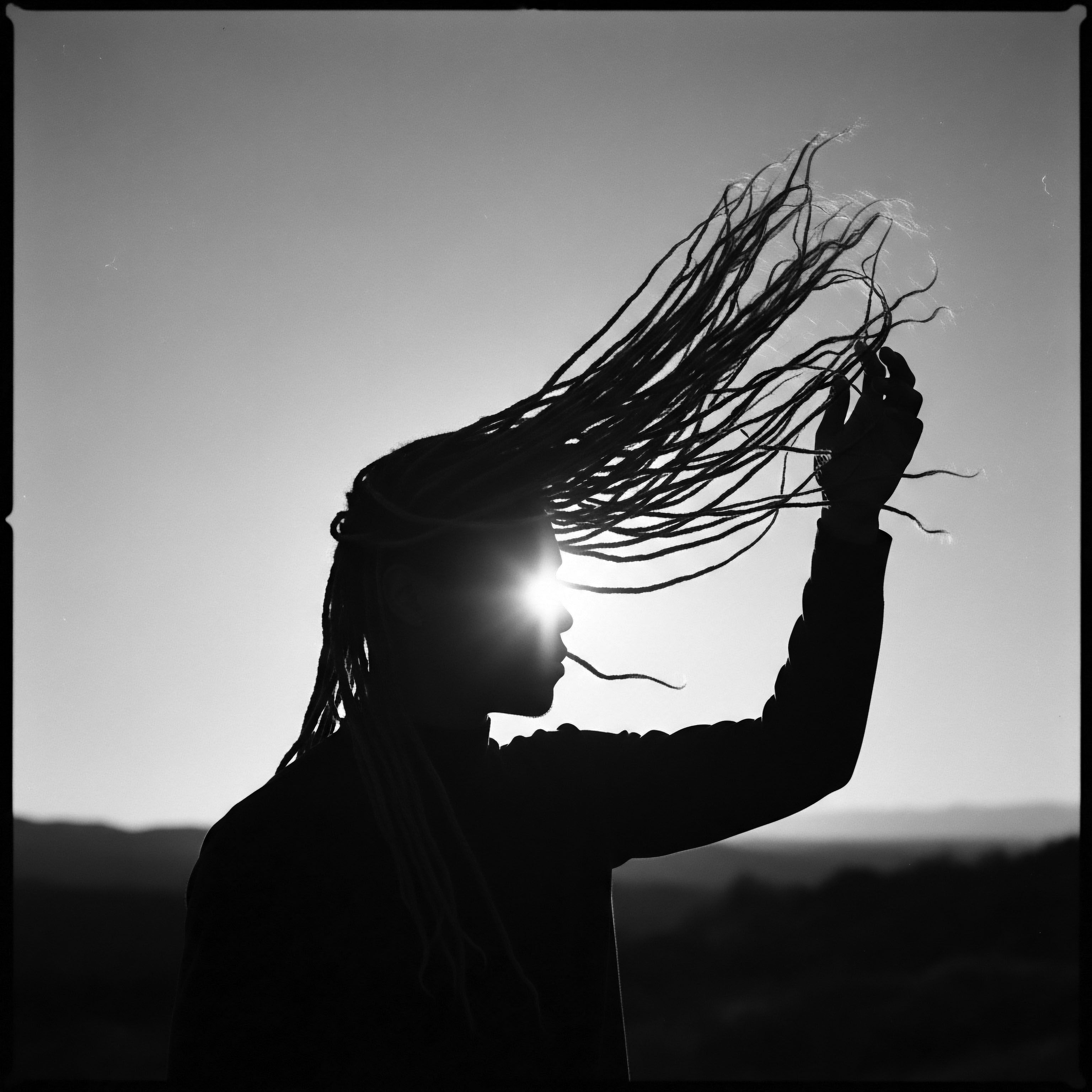
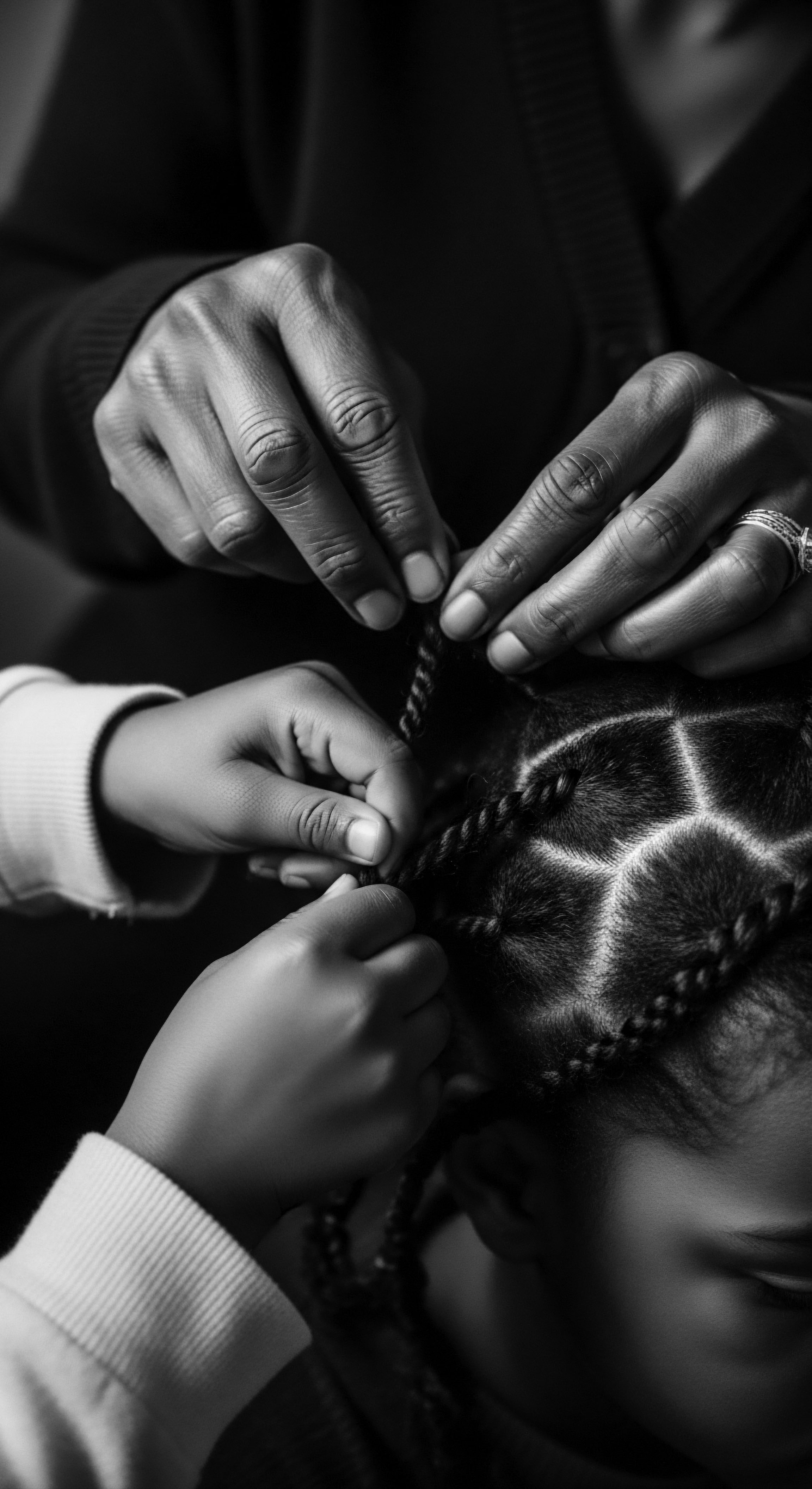
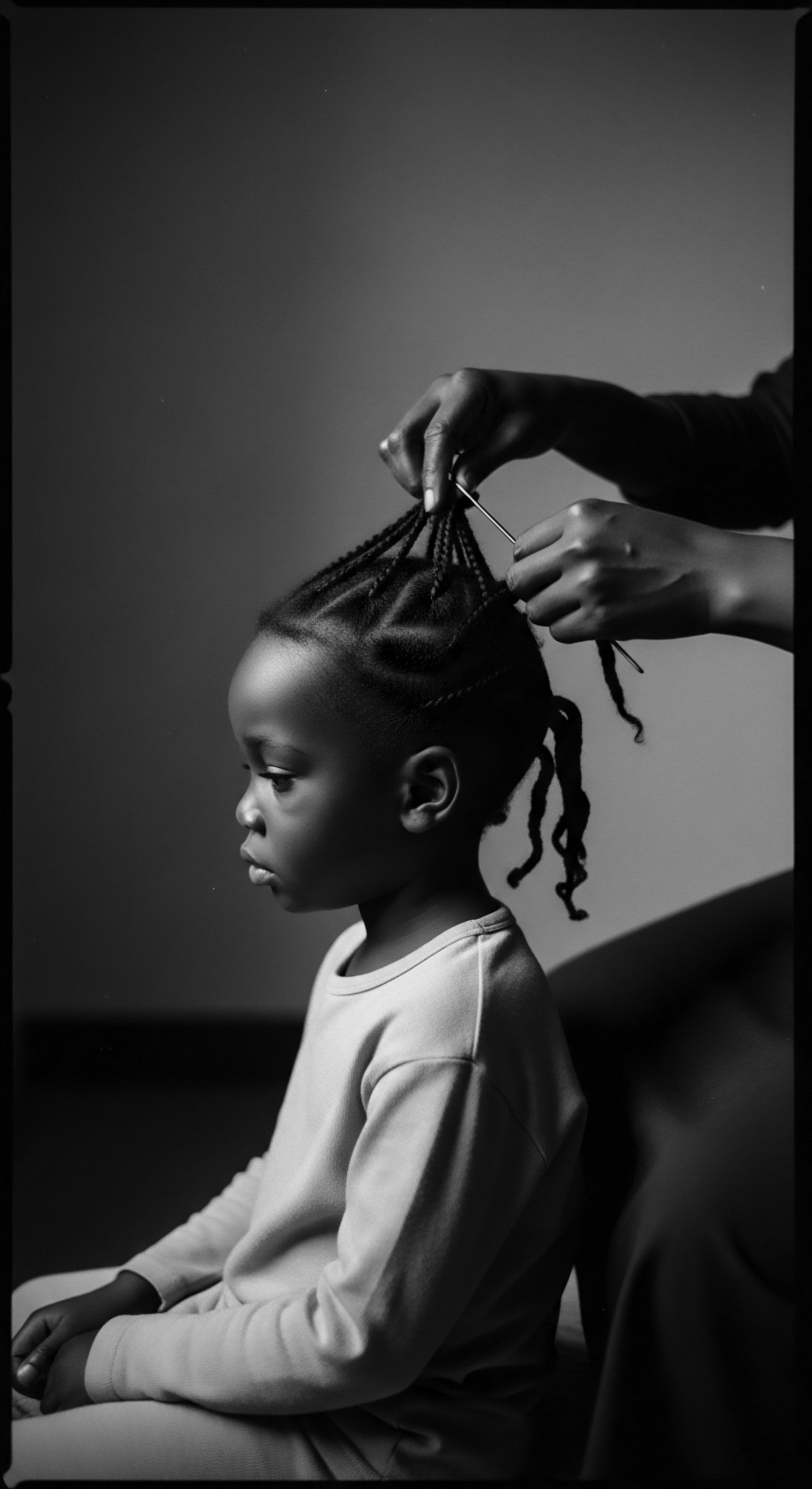
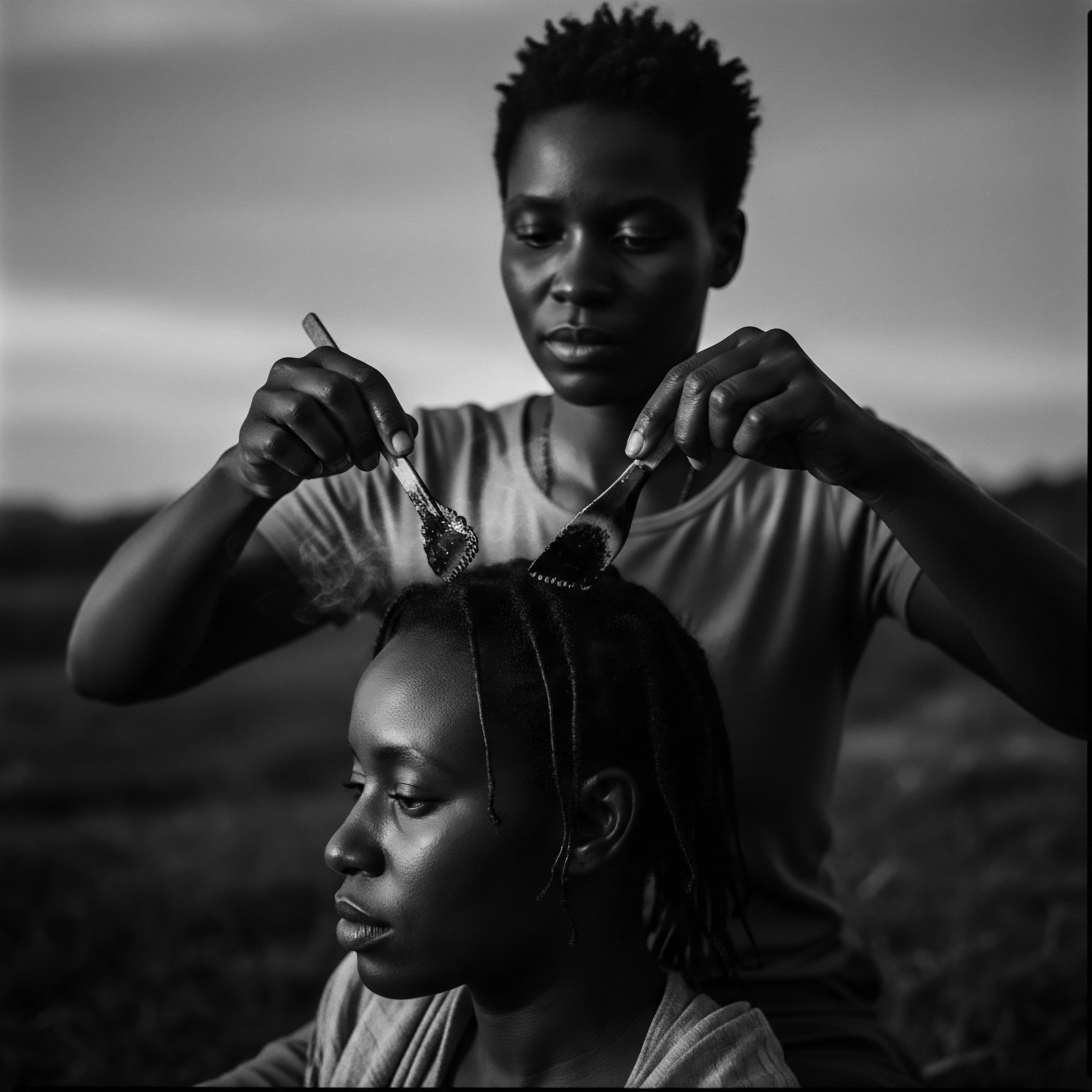
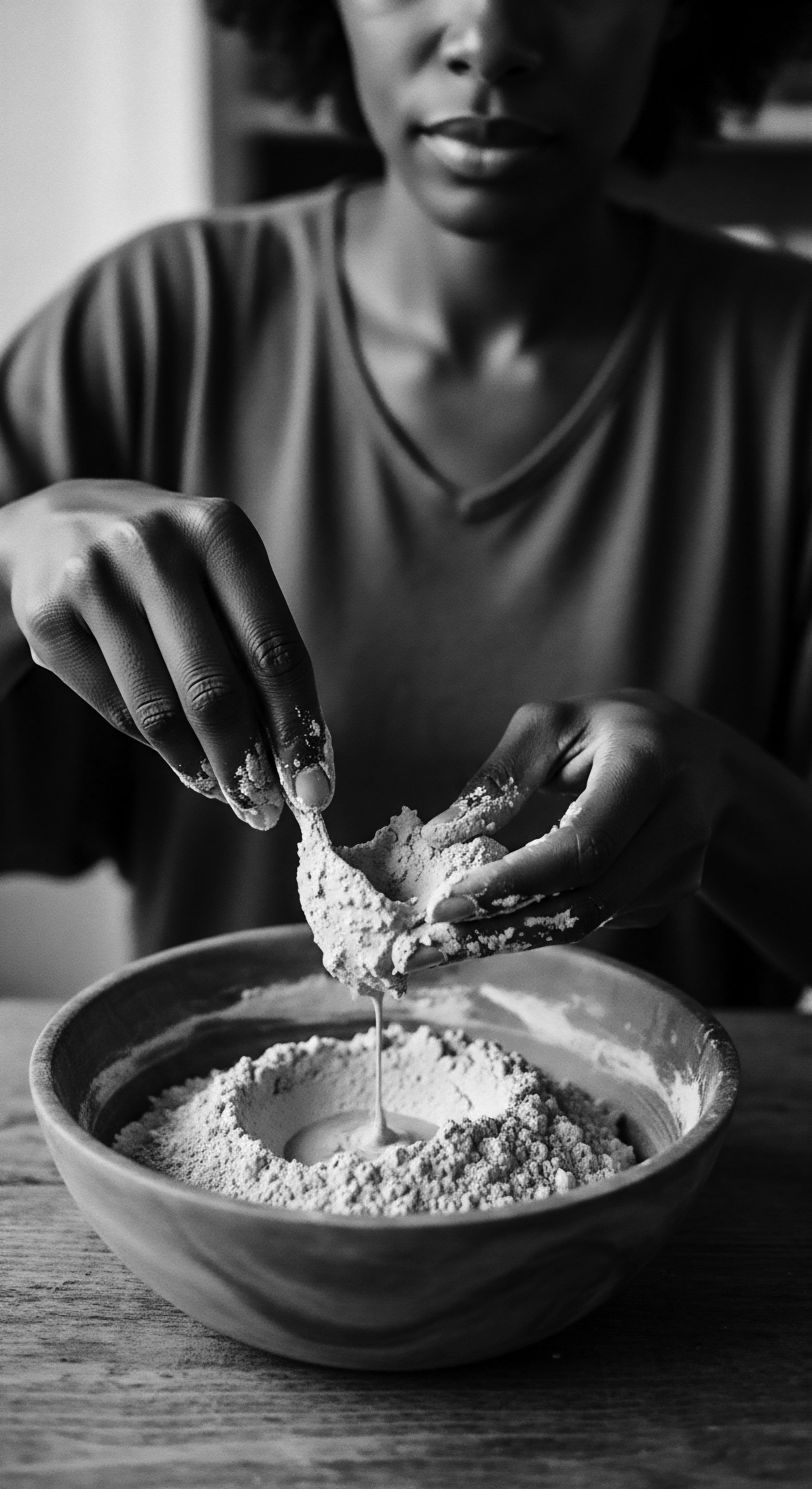
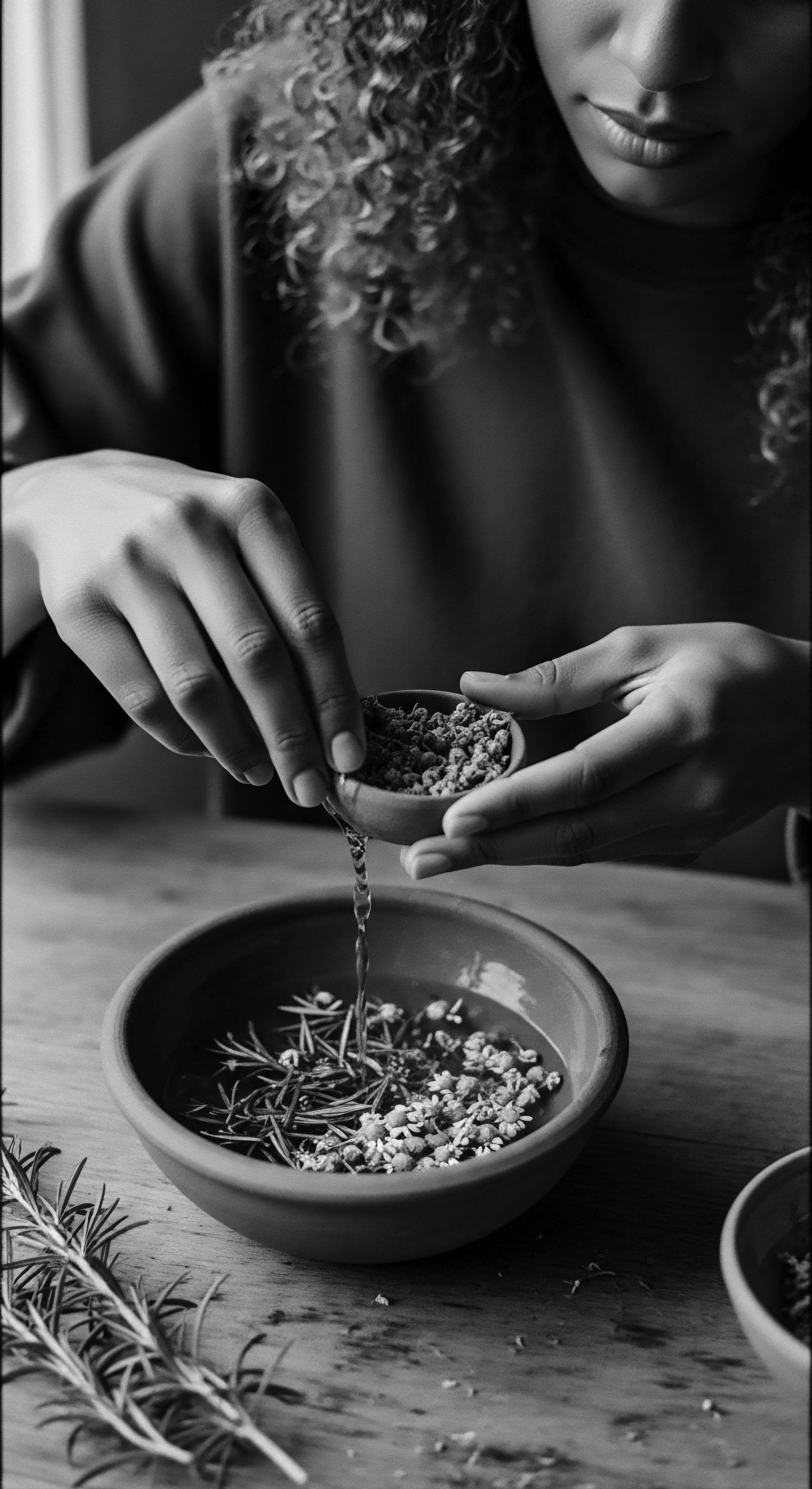
Ancestral African hair practices sustain textured hair health through holistic, community-focused methods rooted in moisture, protection, and cultural identity.
Hair's biology, particularly textured hair's structure, connects to anti-discrimination by validating ancestral care and cultural identity against historical prejudice.
Modern science affirms historical hair covering practices by showing their benefits for textured hair health, linking ancestral wisdom to contemporary care.
Hair rituals profoundly link textured hair to community heritage, embodying identity, spiritual connection, and collective resilience across generations.
Ancestral oils like shea butter and Jamaican Black Castor Oil, deeply rooted in heritage, nourish textured hair overnight by sealing moisture, reducing friction, and supporting scalp health.
Ancestral hair care traditions, through ritual and communal practice, profoundly shaped identity by embedding social status, lineage, and resilience within textured hair heritage.
Meaning ❉ The natural hair spring is the innate capacity of textured hair to coil and retract, reflecting its biological blueprint and rich cultural heritage.
Hair heritage deeply informs textured hair identity and care through ancestral practices, cultural significance, and inherited biological characteristics.
Traditional oils provide a protective shield for textured strands by forming surface films and penetrating the hair cortex, a legacy of ancestral care.
Meaning ❉ Enslaved Women's Hair signifies the profound biological, cultural, and symbolic importance of textured hair as a site of resilience and identity during slavery.
Meaning ❉ Carthaginian Hair Culture represents the ancient Punic world's deep connection to hair as a symbol of identity, community, and ancestral knowledge.
Bonnets protect textured hair by reducing friction and retaining moisture, extending an ancestral tradition of safeguarding hair through cultural practices.
Meaning ❉ Animal fats are a category of lipids derived from animal tissues, historically vital for nourishing and protecting textured hair across diverse cultures.
Ancestral hair care ingredients offer profound nourishment, protection, and cultural connection, defining modern textured hair wellness through heritage.
Meaning ❉ The Cultural Bond signifies the deep, intergenerational connection between individuals, communities, and their hair, rooted in shared heritage and expressive cultural practices.
Ancestral oils nourish scalp vitality for textured hair by providing deep moisture, anti-inflammatory properties, and embodying a rich heritage of cultural care.
We use cookies to personalize content and marketing, and to analyze our traffic. This helps us maintain the quality of our free resources. Manage your preferences below.
This helps support our free resources through personalized marketing efforts and promotions.
Analytics cookies help us understand how visitors interact with our website, improving user experience and website performance.
Personalization cookies enable us to customize the content and features of our site based on your interactions, offering a more tailored experience.