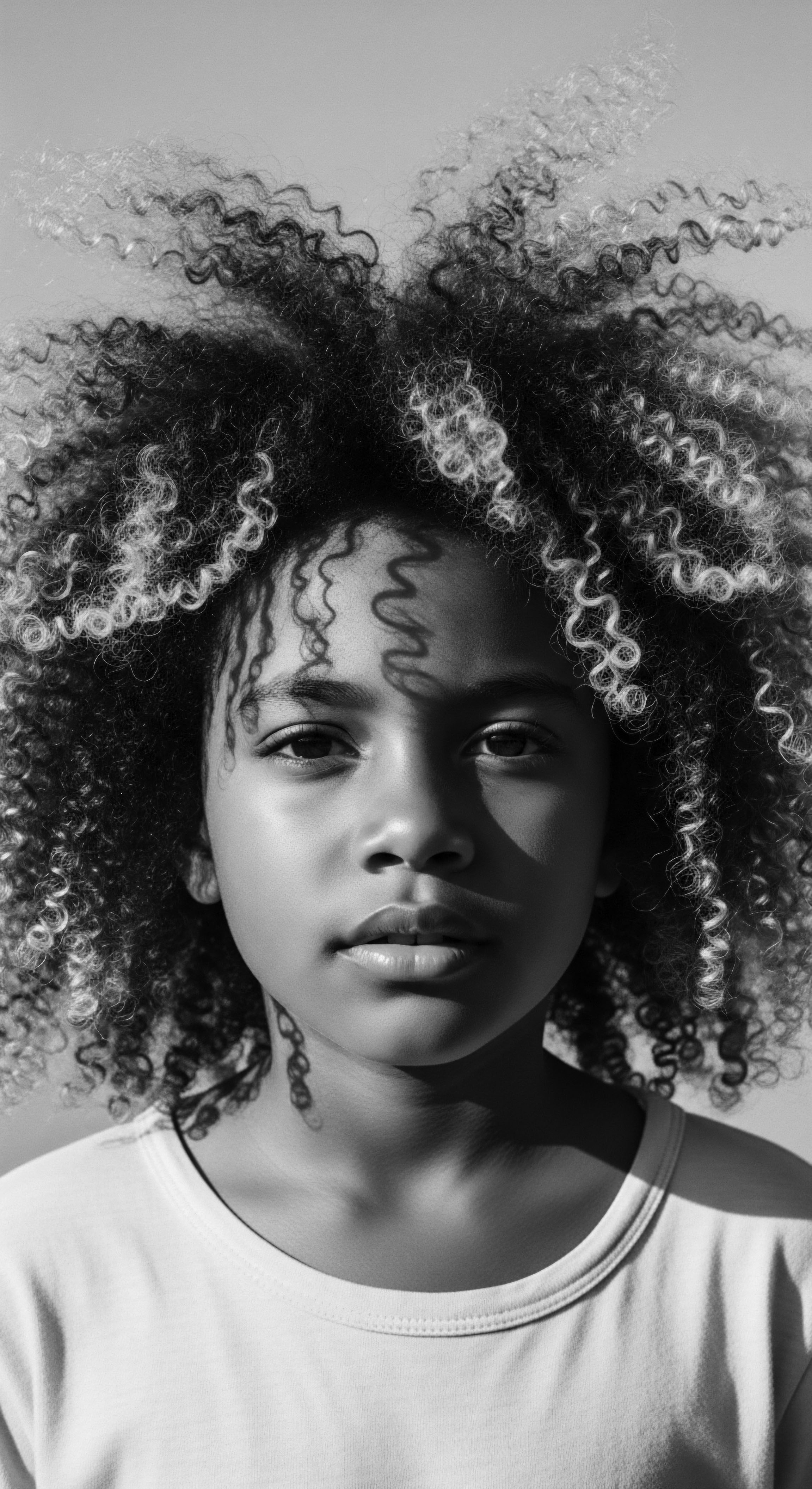
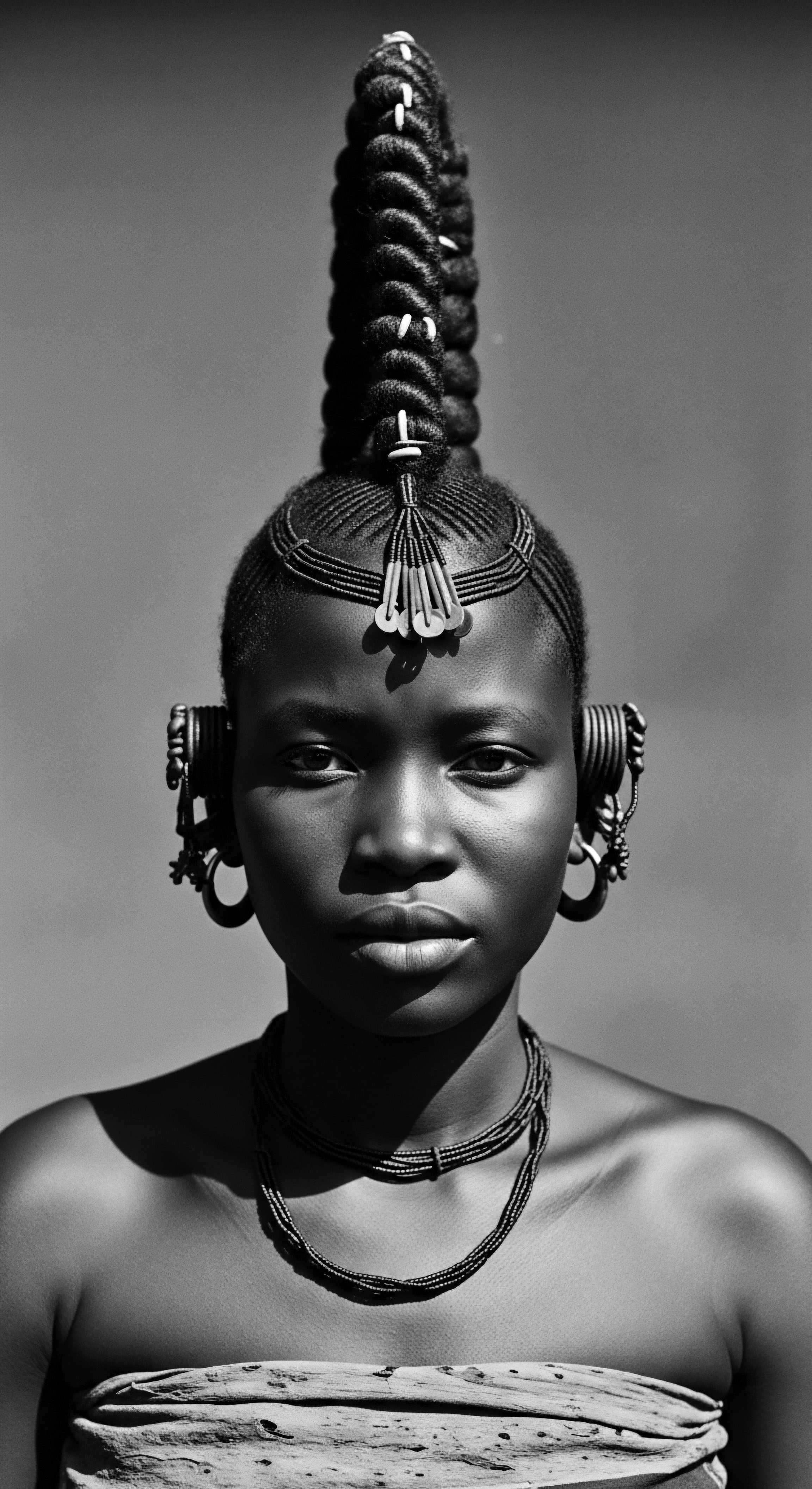
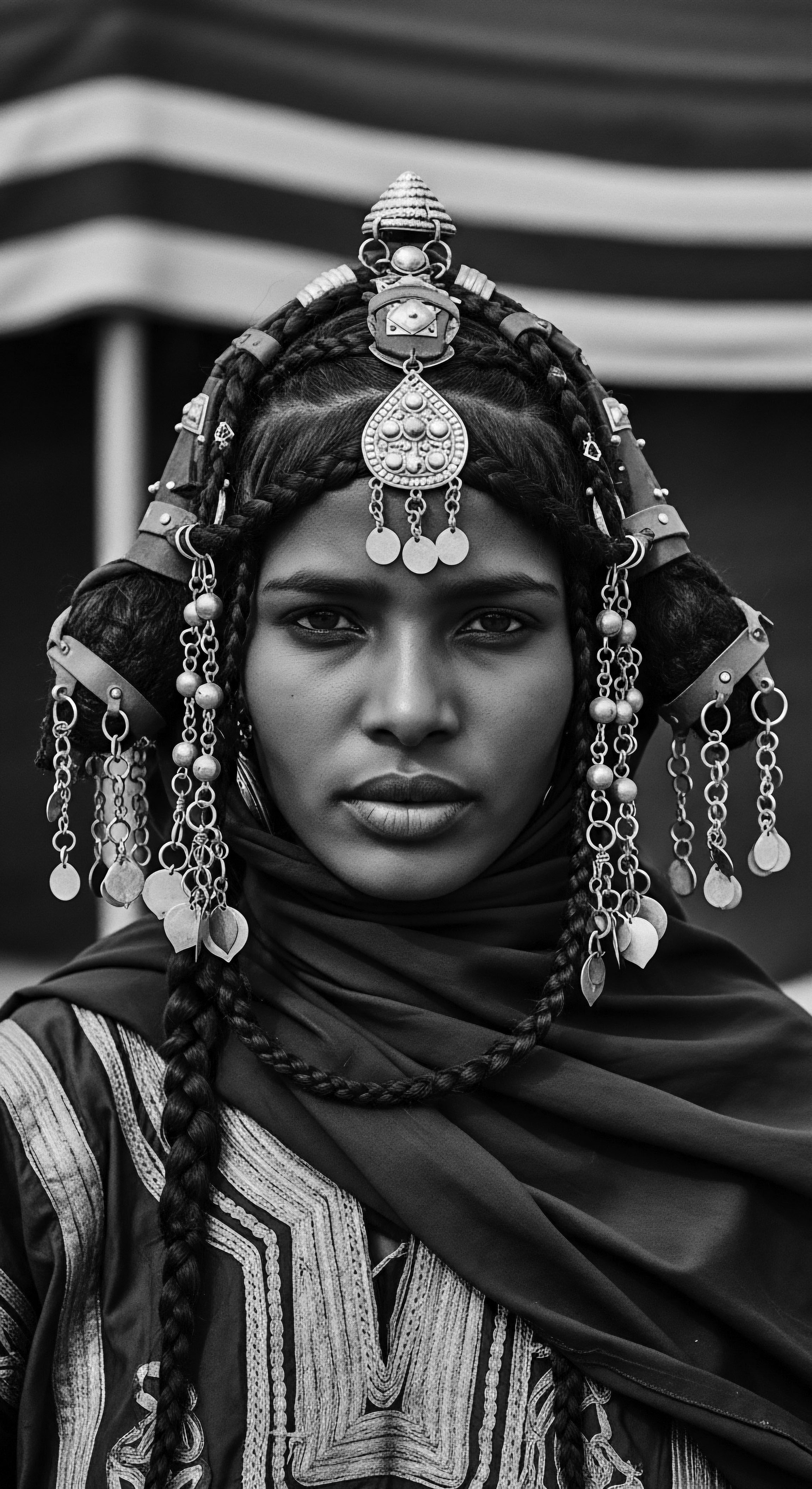
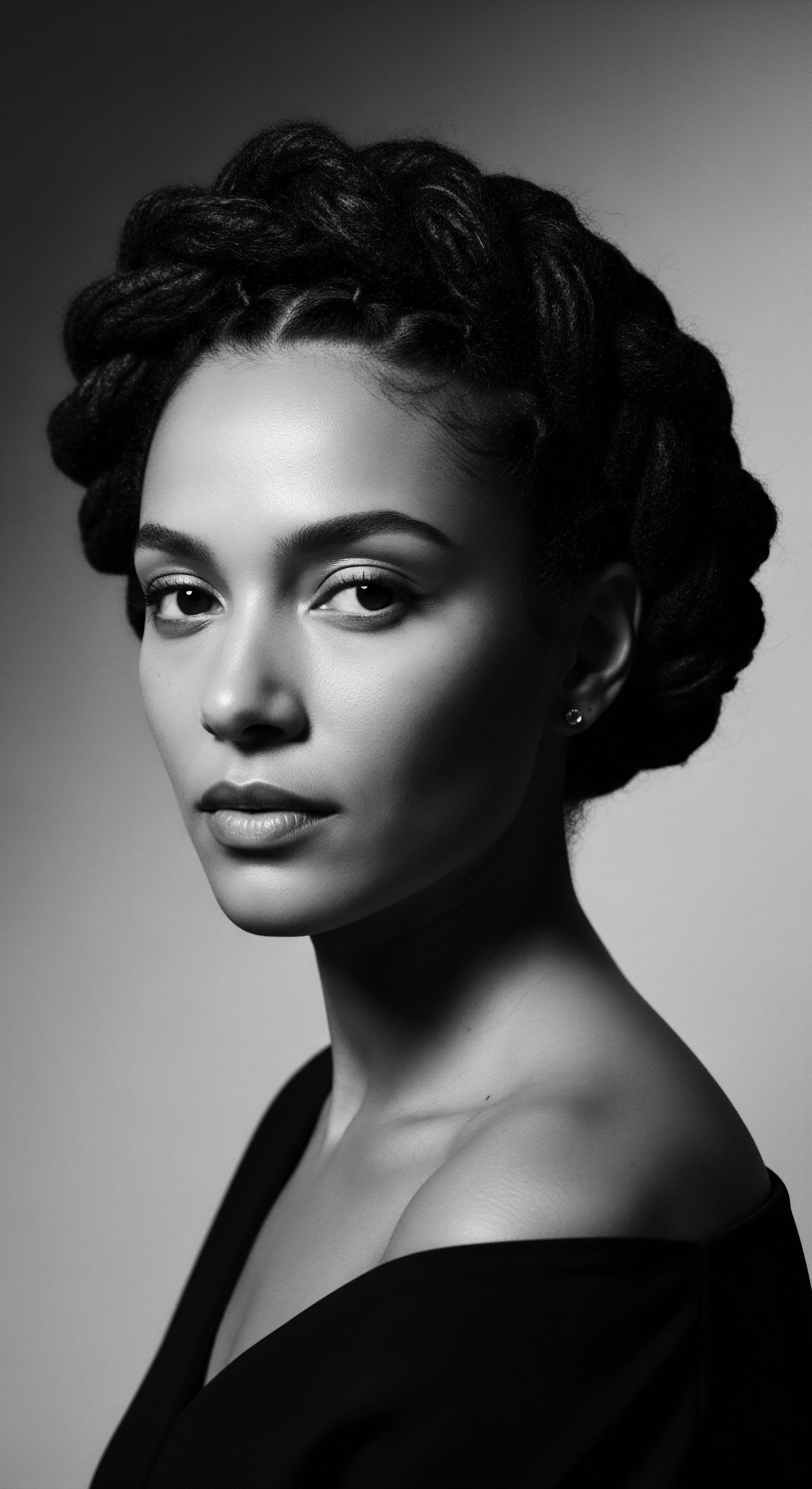
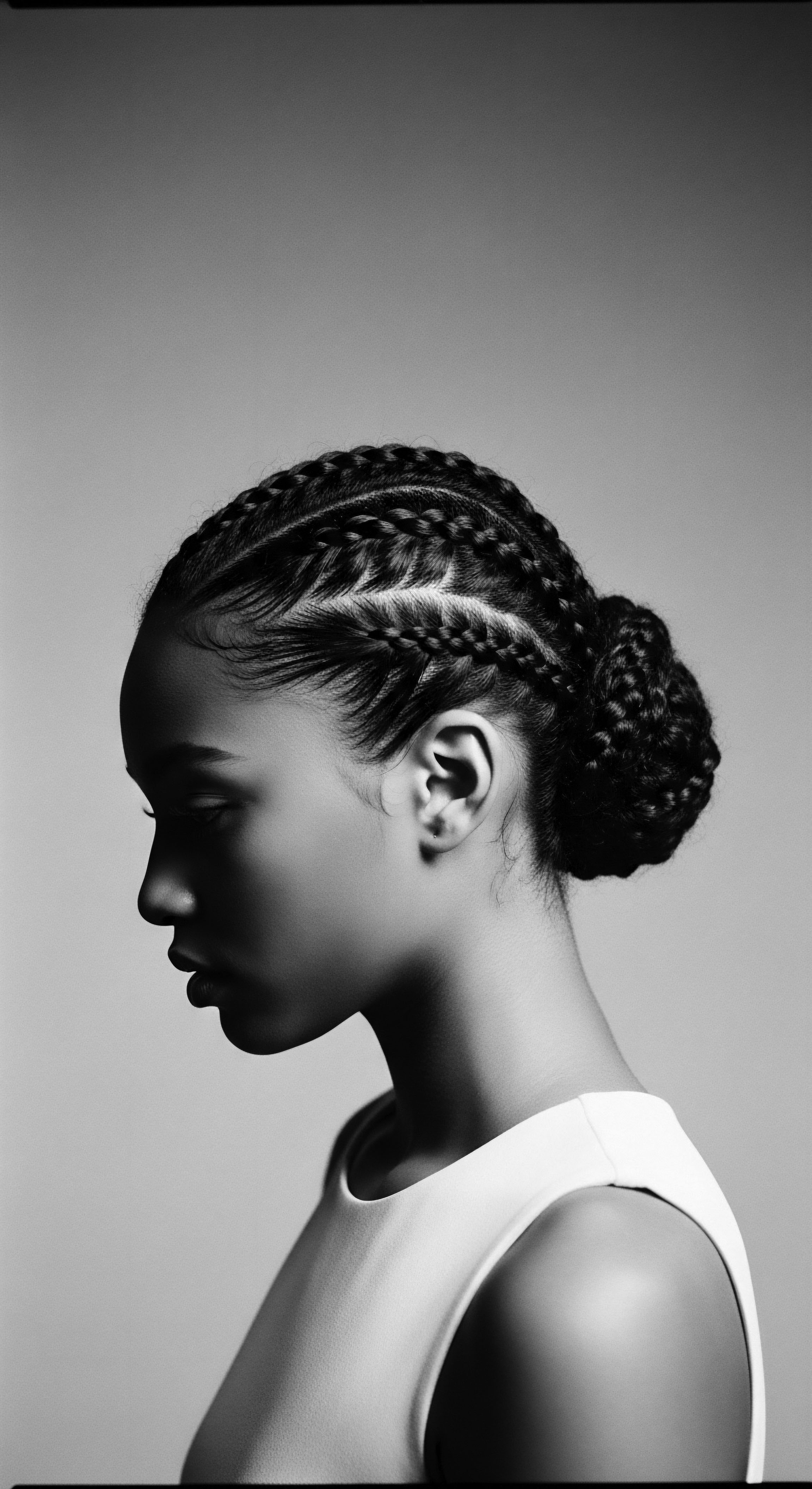
Historical practices profoundly shaped modern textured hair care by emphasizing ancestral ingredients, protective styling, and a deep cultural connection to heritage.
Bonnets affirm identity within Black hair heritage by offering practical hair protection and serving as a powerful, evolving symbol of cultural pride and resilience.
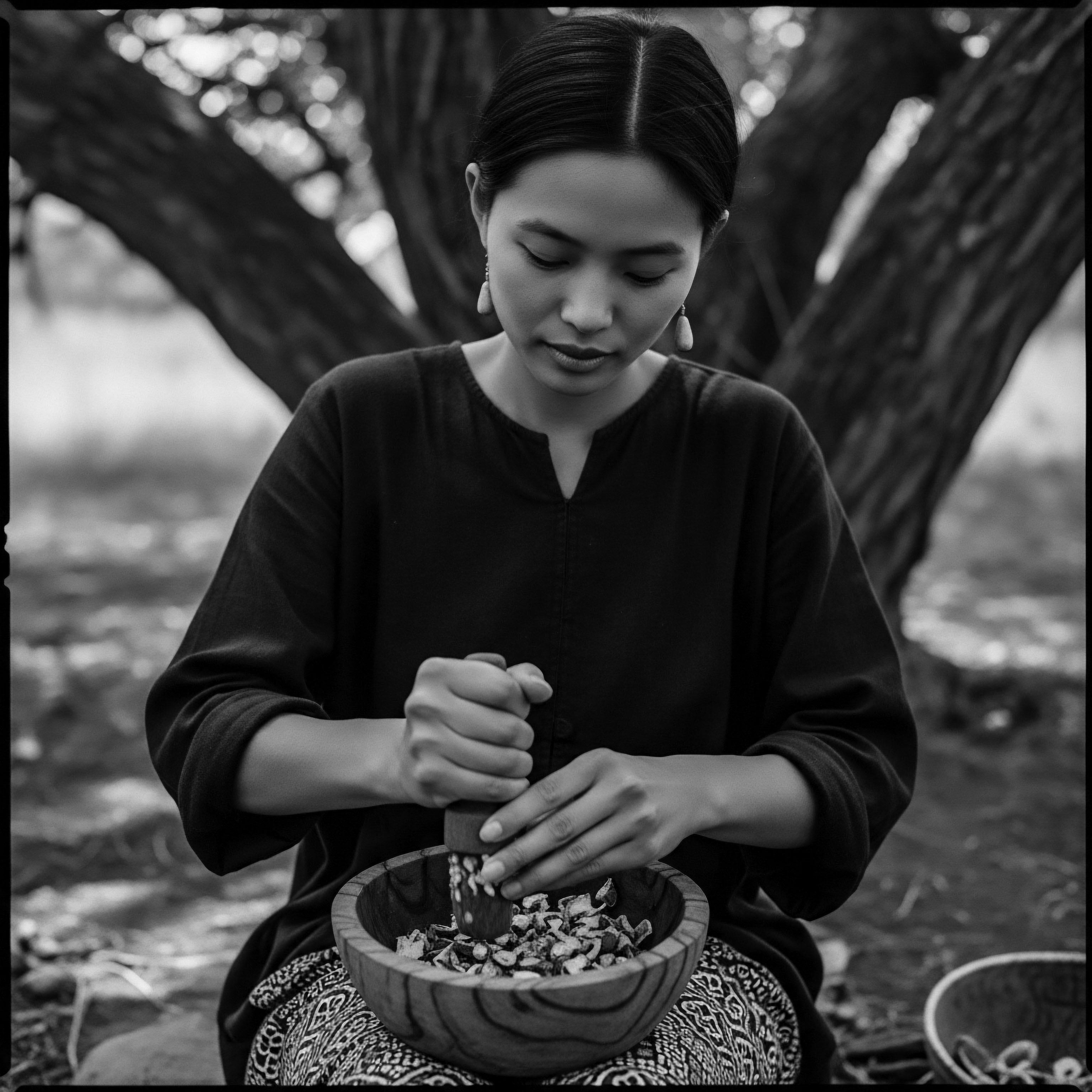
Meaning ❉ Botanical Use defines the application of plant-derived materials for hair and scalp wellness, deeply rooted in ancestral practices and heritage.
Modern science confirms the efficacy of ancient hair care through understanding moisture retention and mechanical protection for textured hair's unique heritage.
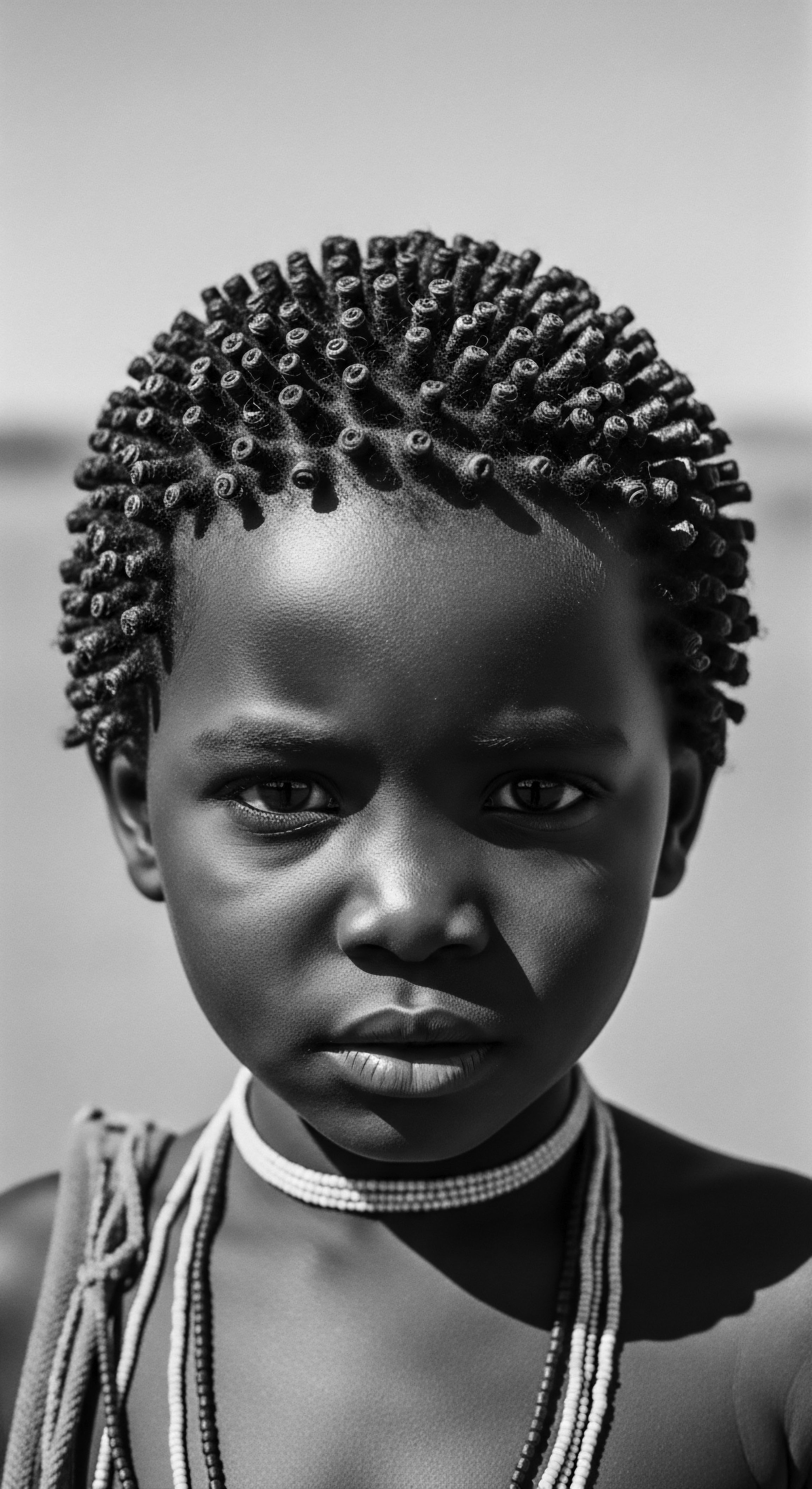
Historical remedies benefit coiled hair patterns by honoring its heritage, using natural elements to provide essential moisture, protection, and strength.
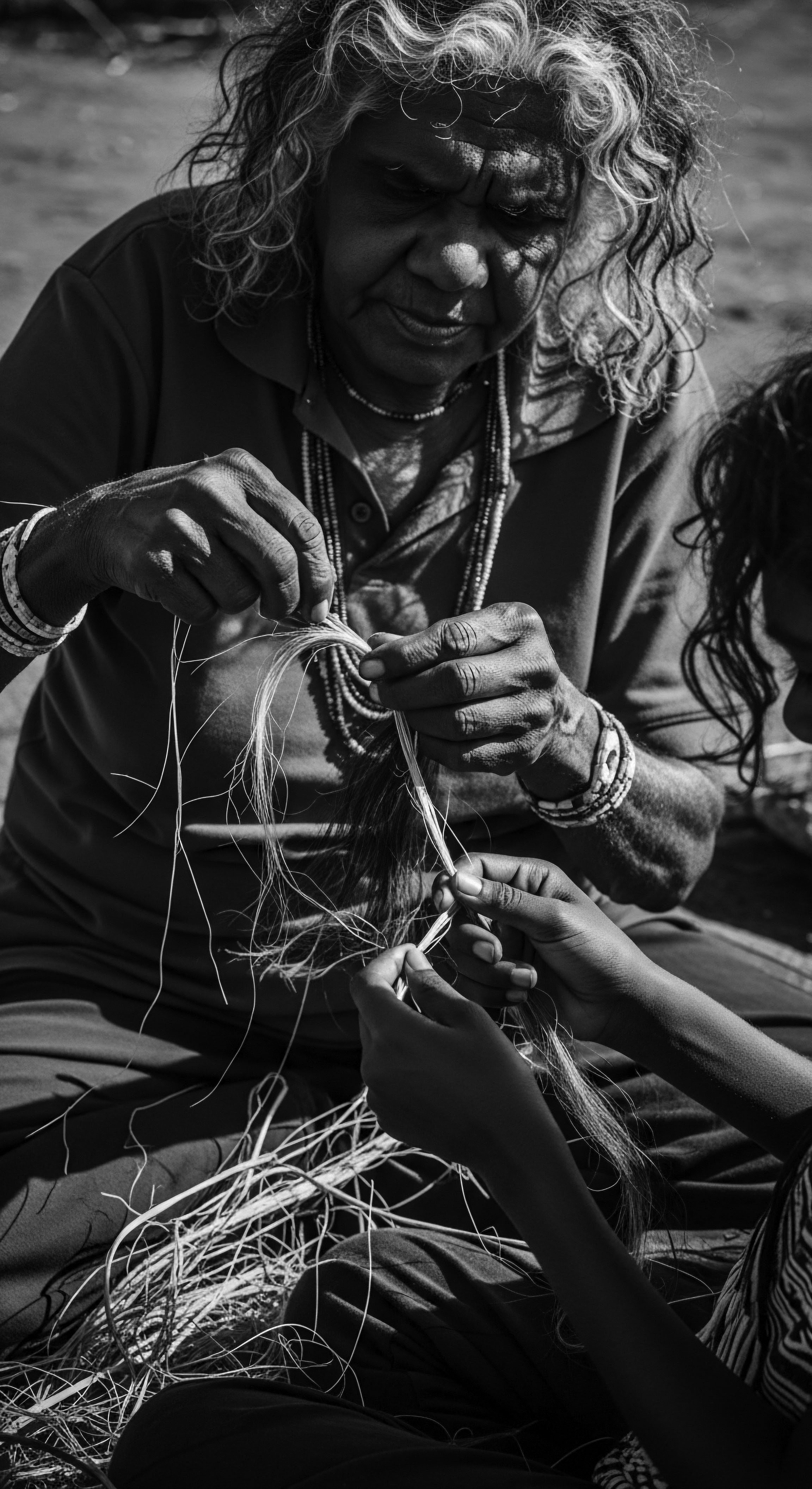
Cultural practices around textured hair, rooted in deep plant knowledge, shape identity by preserving ancestral wisdom, reinforcing community bonds, and expressing individual and collective heritage.
Traditional African hair practices deeply inform modern regimens by providing a foundational understanding of textured hair's unique heritage and holistic care.
Meaning ❉ The Head Wrap Significance illuminates how fabric transforms into a profound symbol of cultural identity, historical memory, and ancestral wisdom for textured hair communities.
Meaning ❉ Jojoba Hair Benefits define the plant's unique ability to nourish textured hair by mimicking natural sebum, supporting scalp health and strand resilience.
Ancestral plant ingredients align with modern protein science by offering amino acids, protective barriers, and scalp nourishment, all honoring textured hair heritage.
Overnight oiling for Afro-textured hair is a heritage-rich cultural practice that provides vital nourishment and protection, reflecting ancestral wisdom.
Ancestral hair practices offer a rich heritage, providing foundational knowledge for contemporary hair science through intuitive care methods and cultural understanding.
Ancestral knowledge infuses overnight oiling for textured hair with deep heritage, providing essential protection and nourishment while affirming cultural identity.
Ancient cultures practiced textured hair care using natural ingredients and intricate styles, deeply linked to cultural identity and community heritage.
Ancestral hair rituals are profound expressions of community identity, embodying historical wisdom, resilience, and cultural continuity for textured hair heritage.
Traditional practices preserve textured hair history by integrating ancestral wisdom, natural ingredients, and protective styling within communal rituals.
We use cookies to personalize content and marketing, and to analyze our traffic. This helps us maintain the quality of our free resources. Manage your preferences below.
This helps support our free resources through personalized marketing efforts and promotions.
Analytics cookies help us understand how visitors interact with our website, improving user experience and website performance.
Personalization cookies enable us to customize the content and features of our site based on your interactions, offering a more tailored experience.