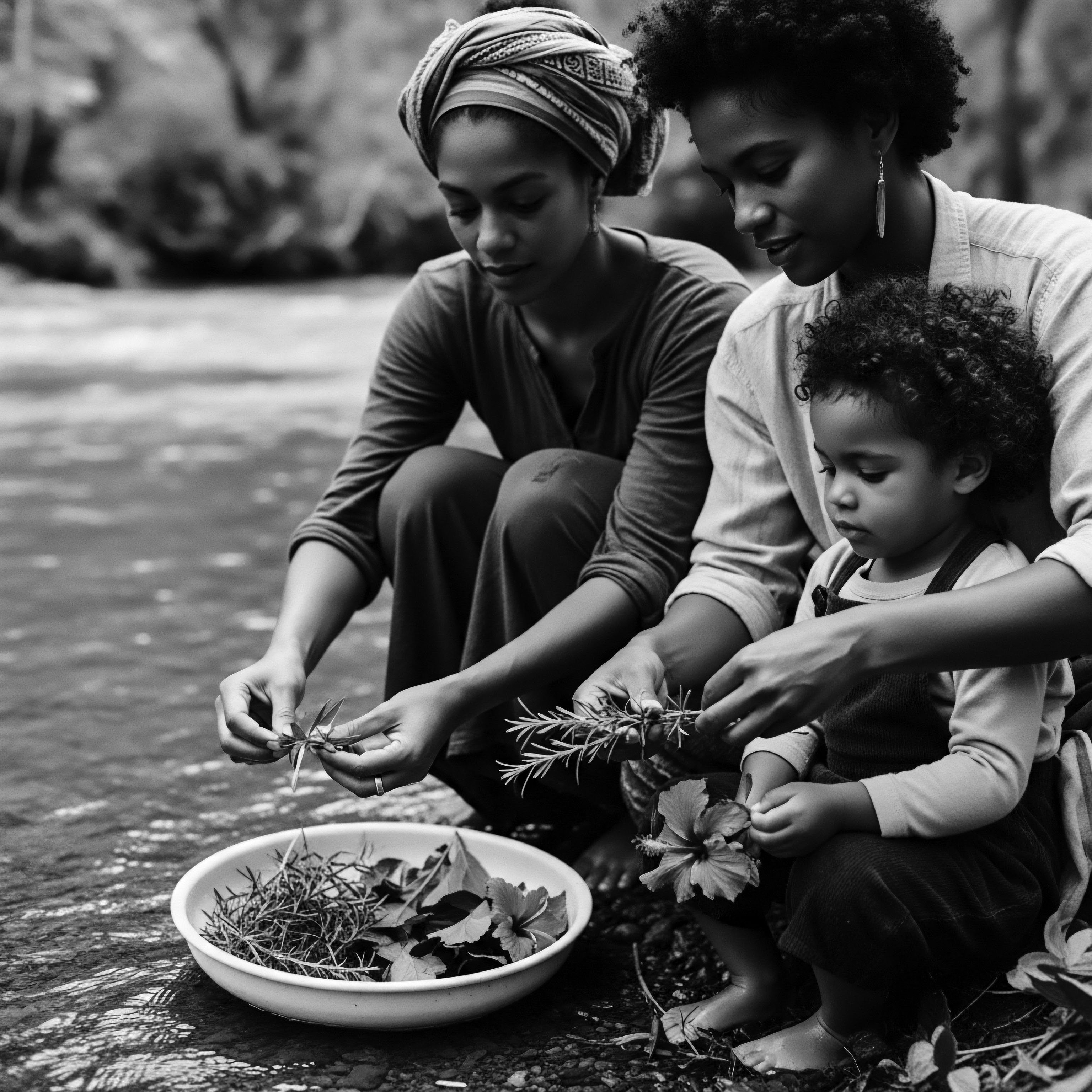
How did ancestral practices shape Black hair?
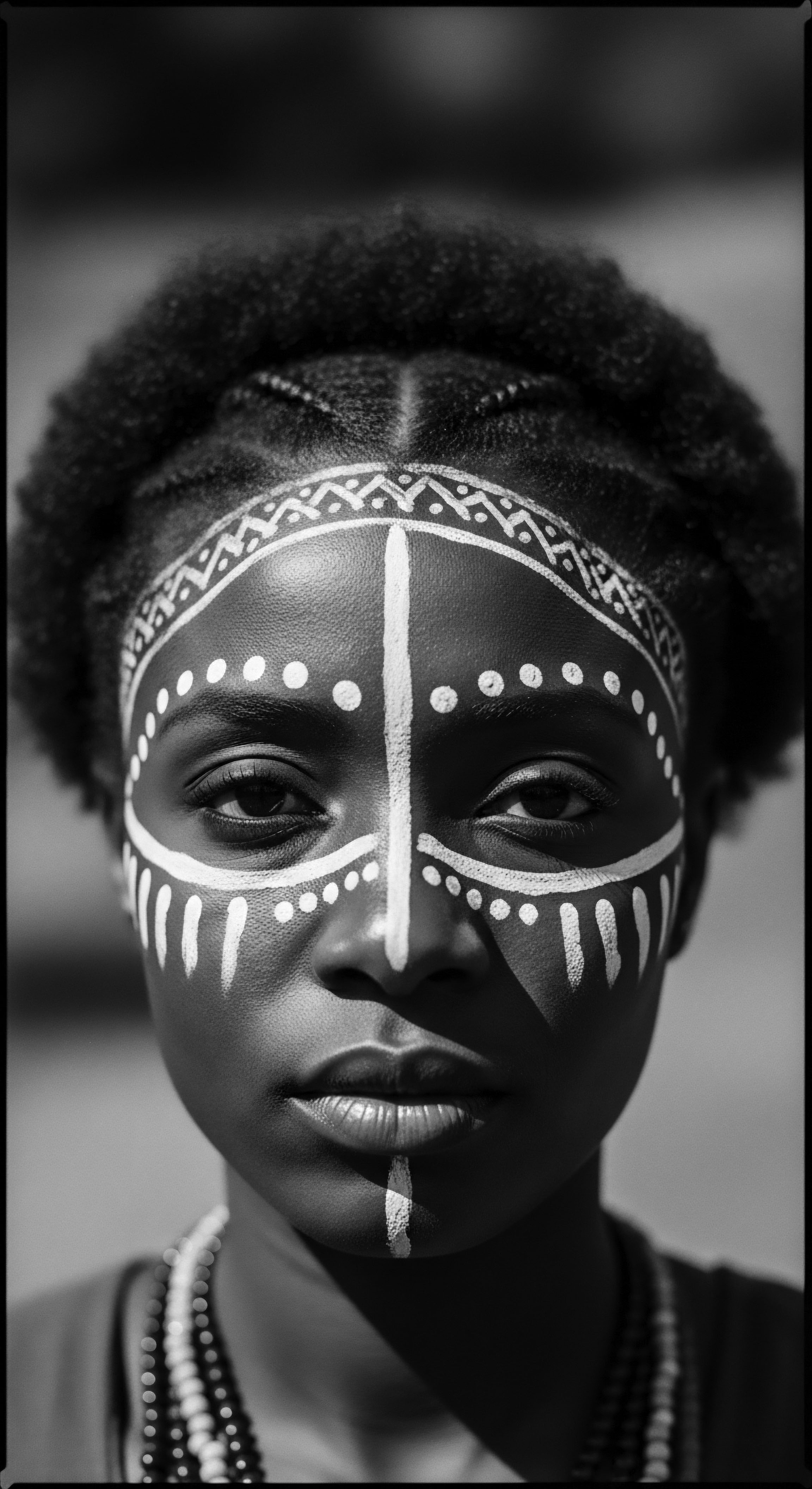
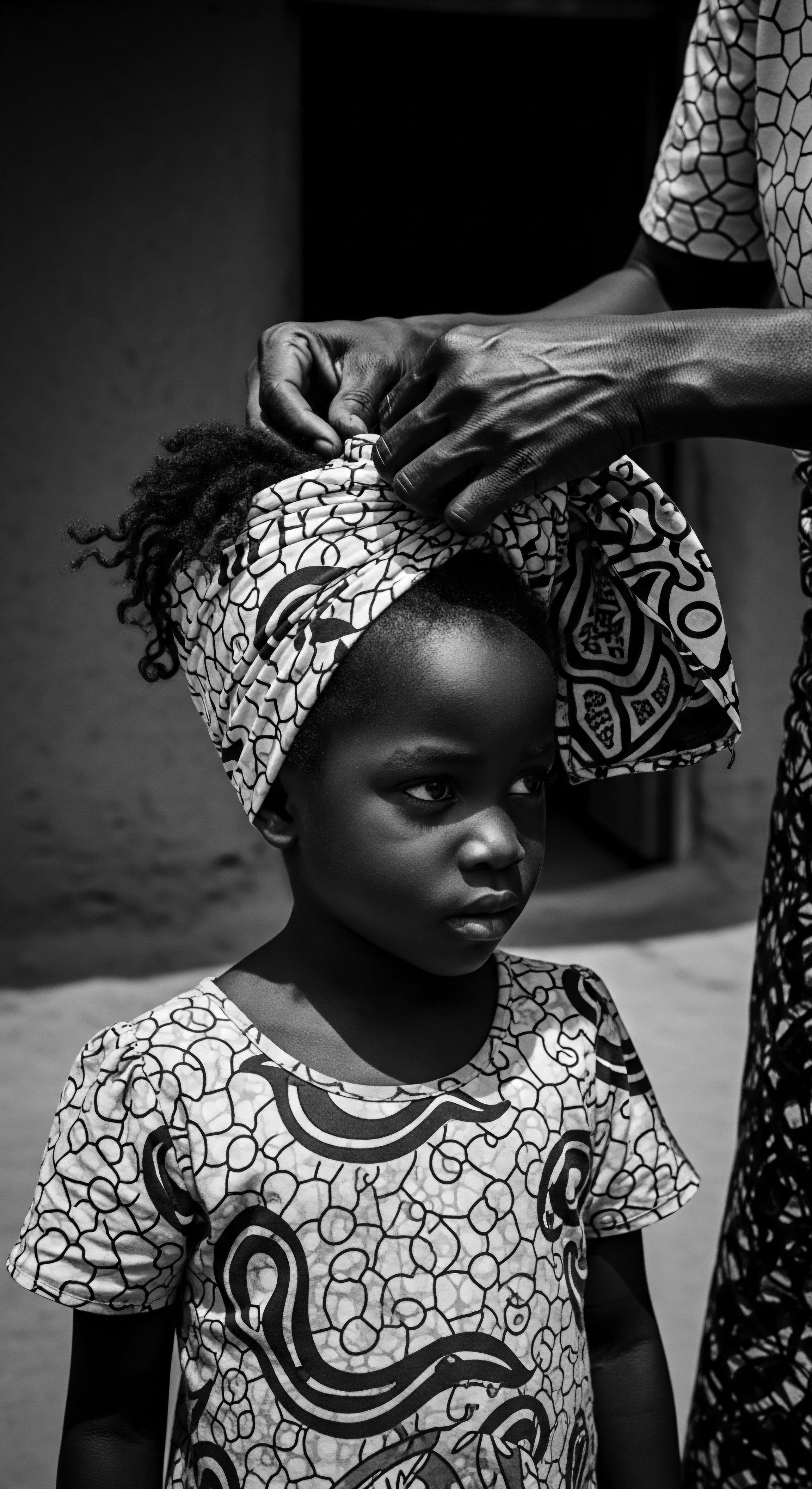
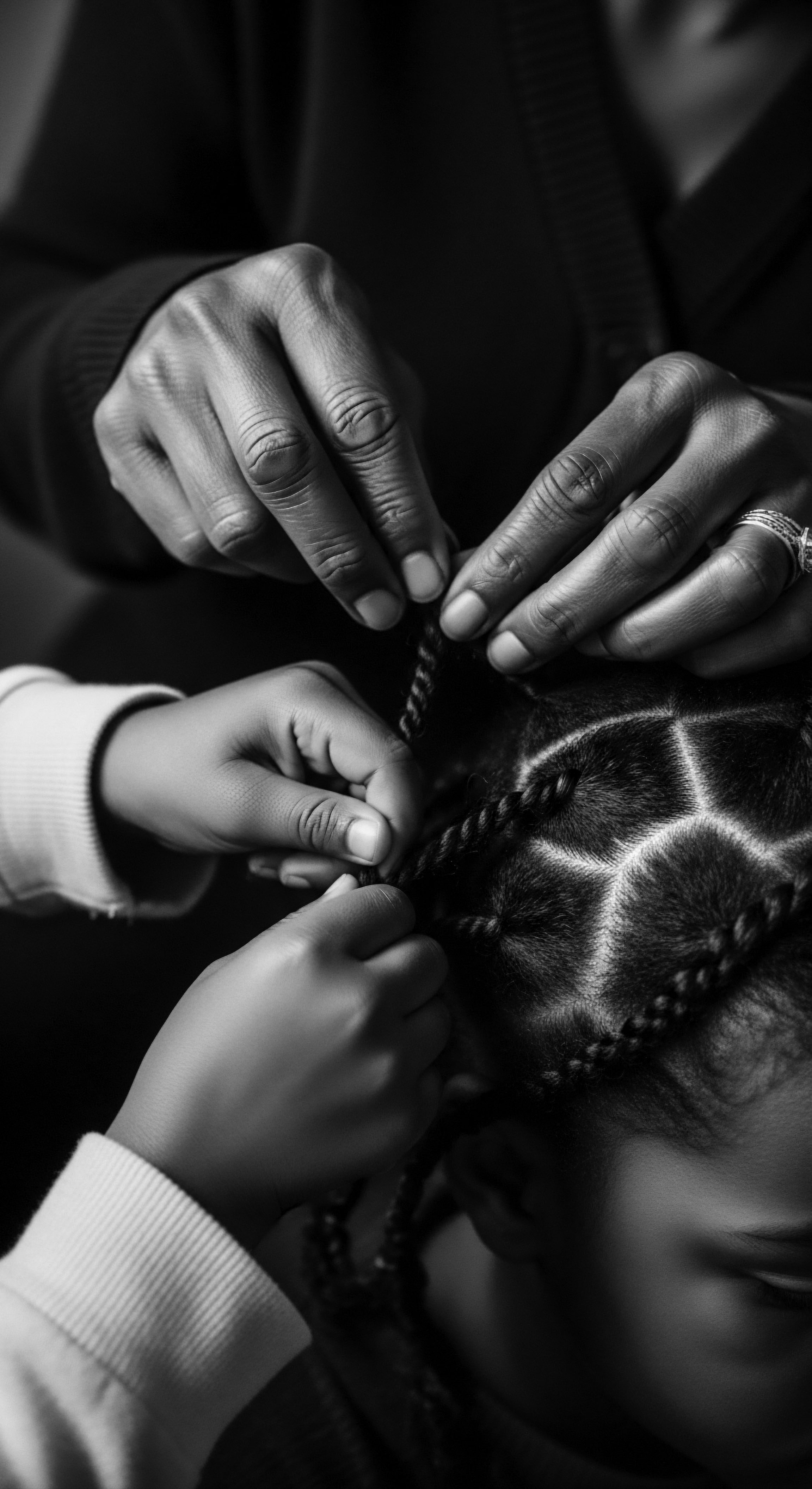
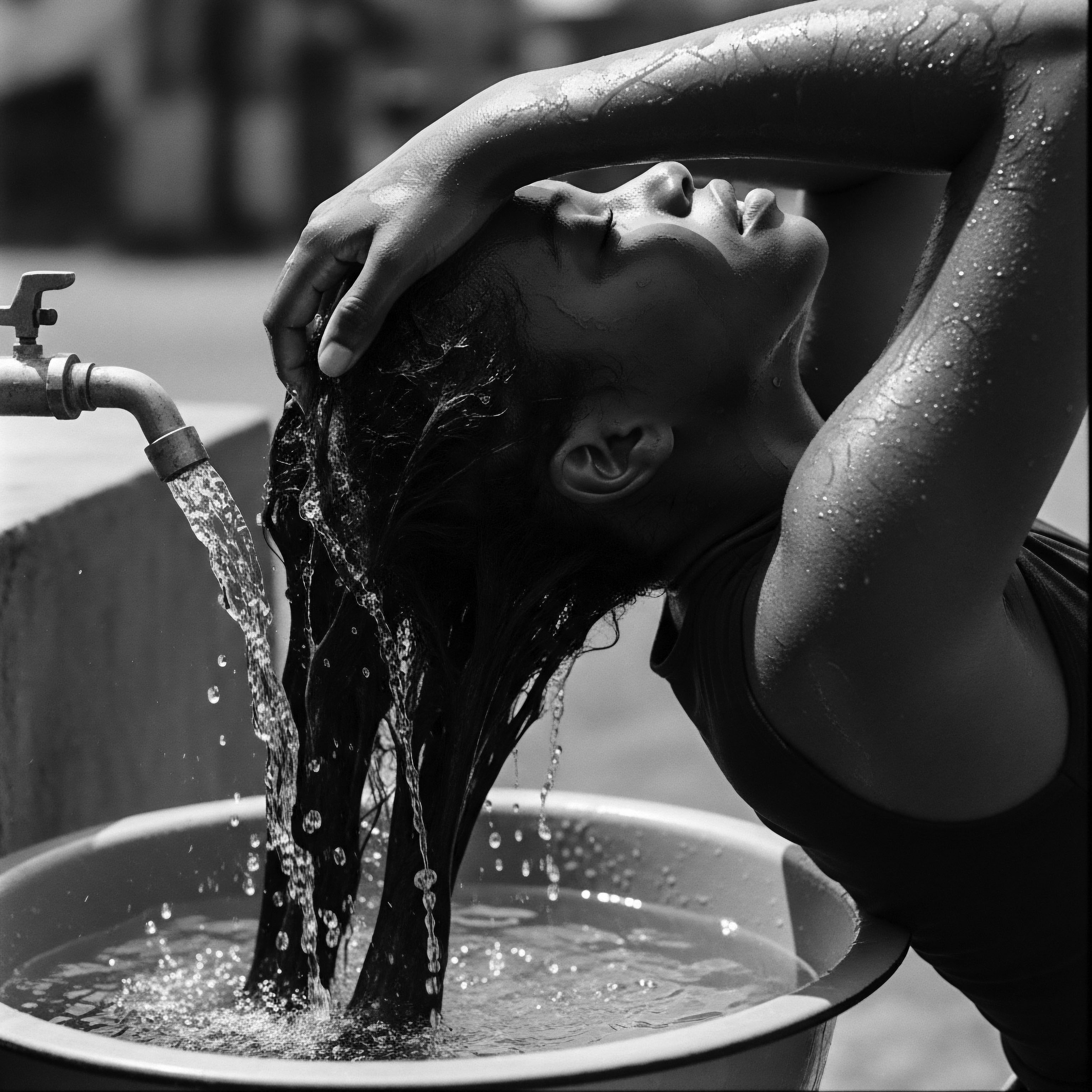
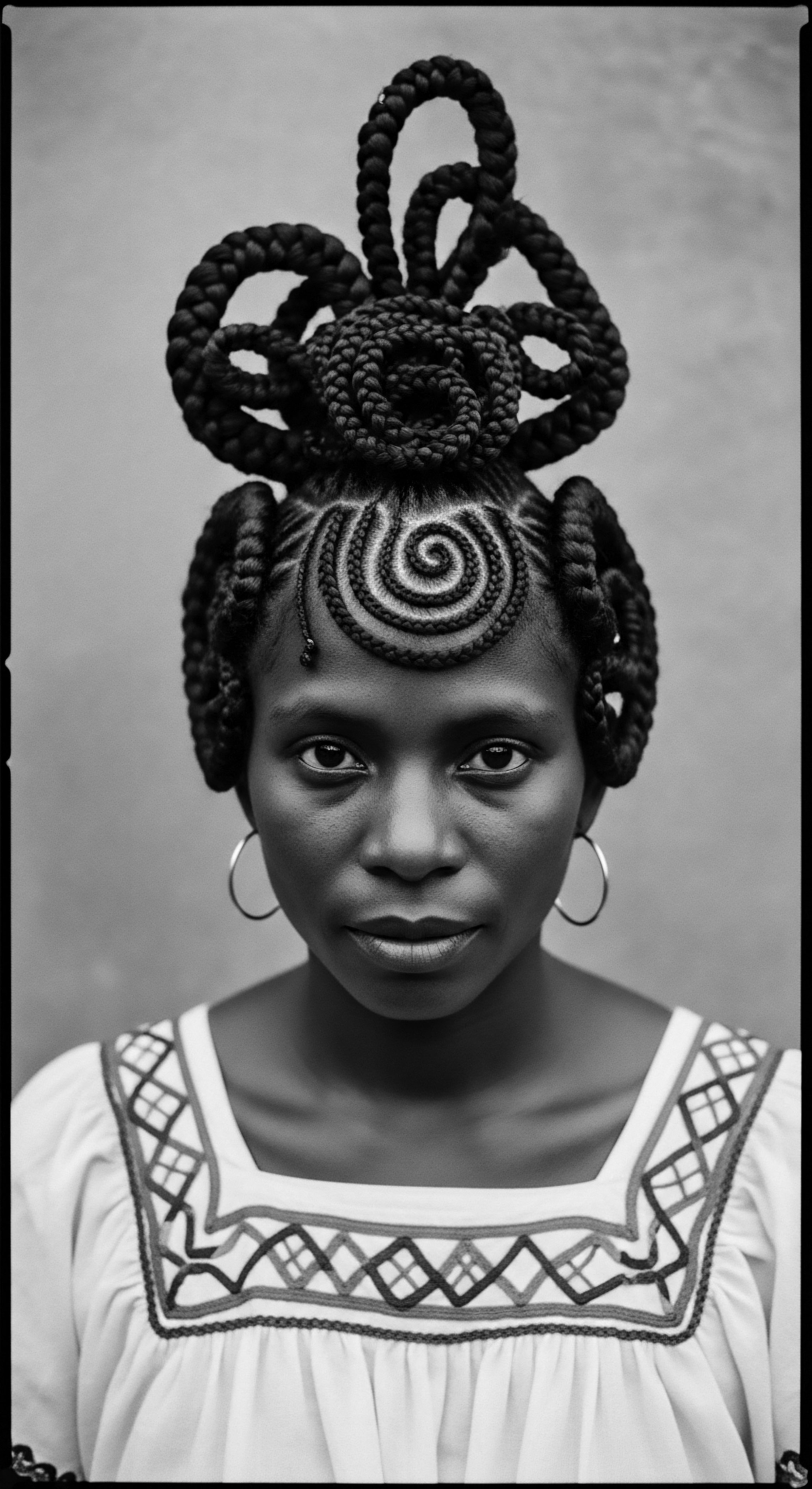
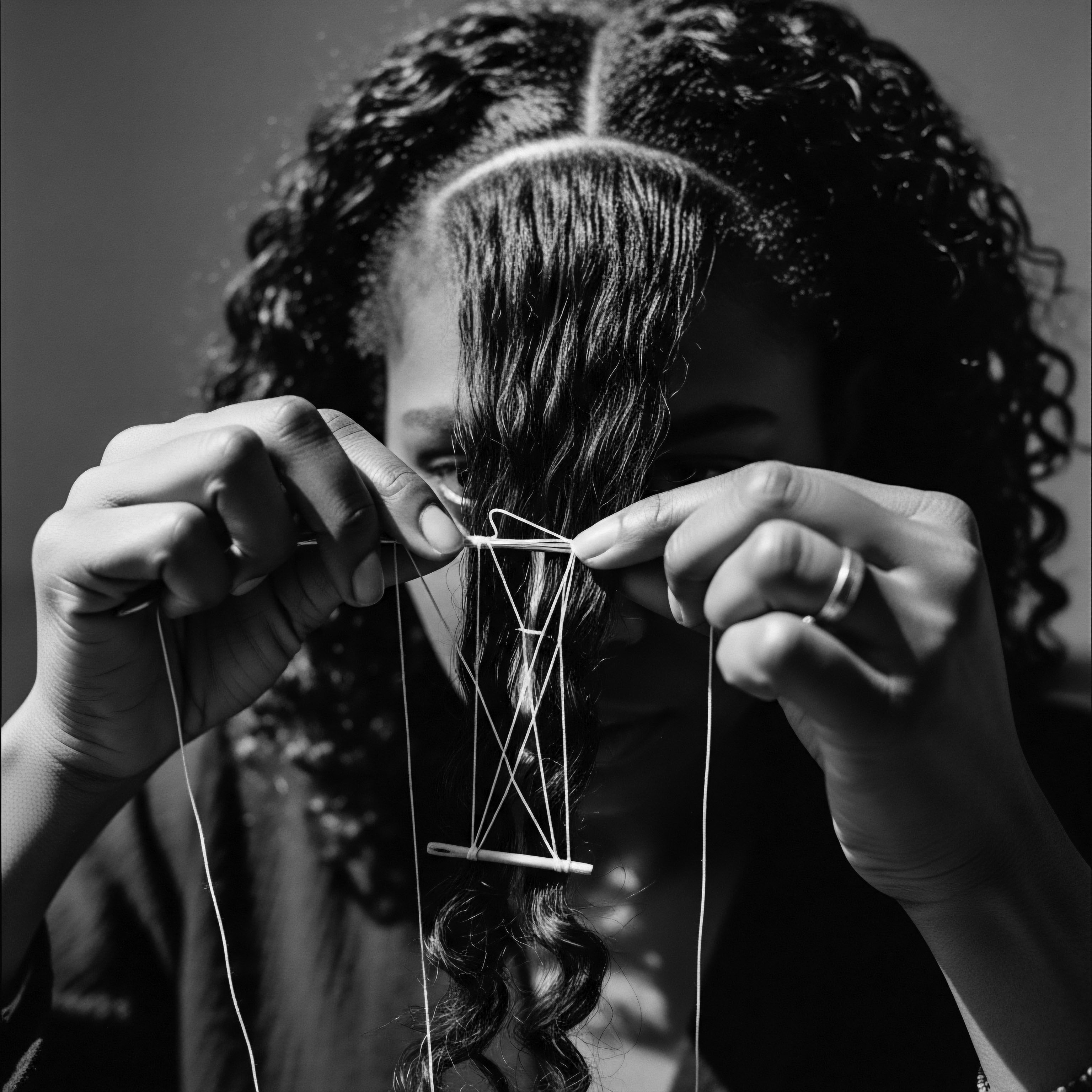
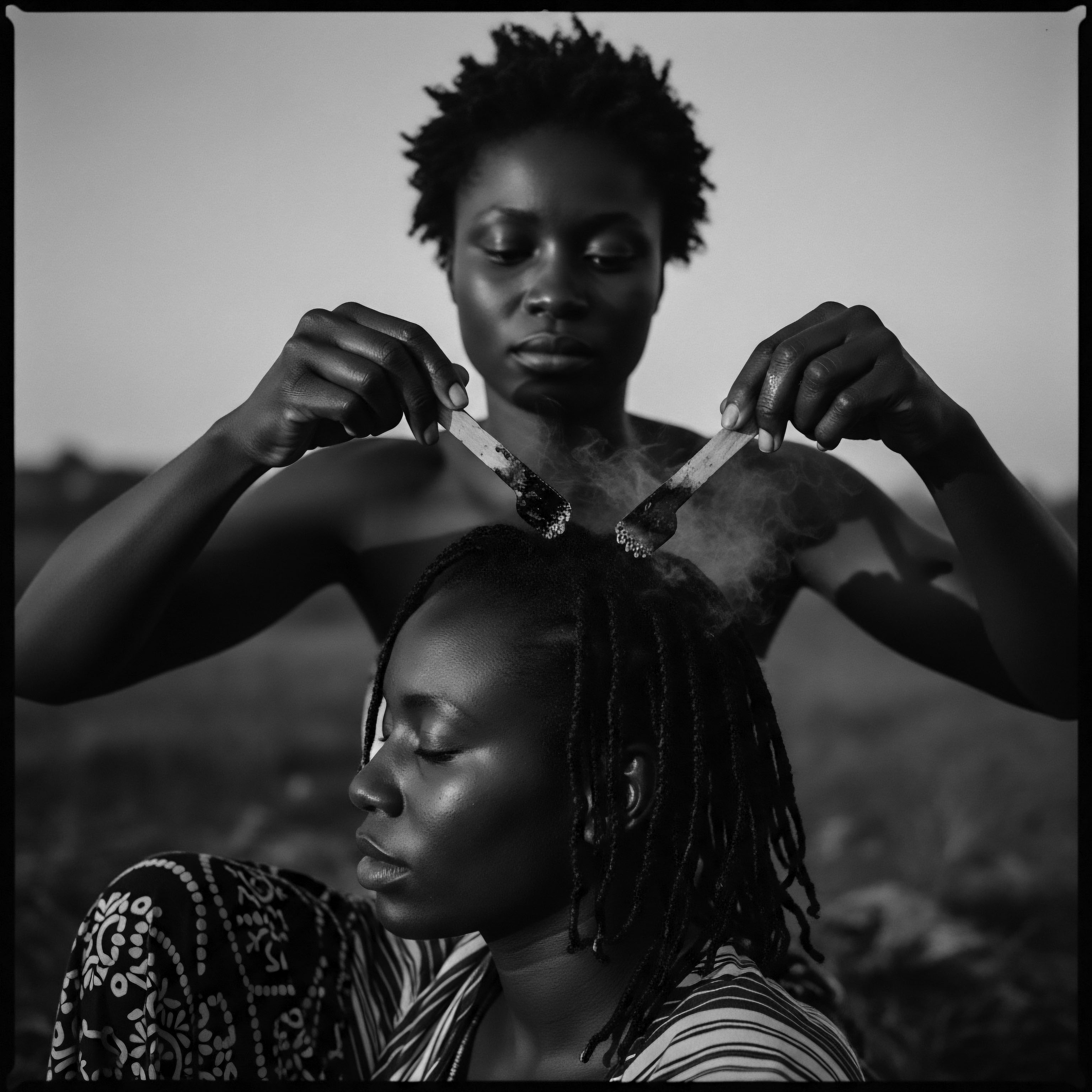
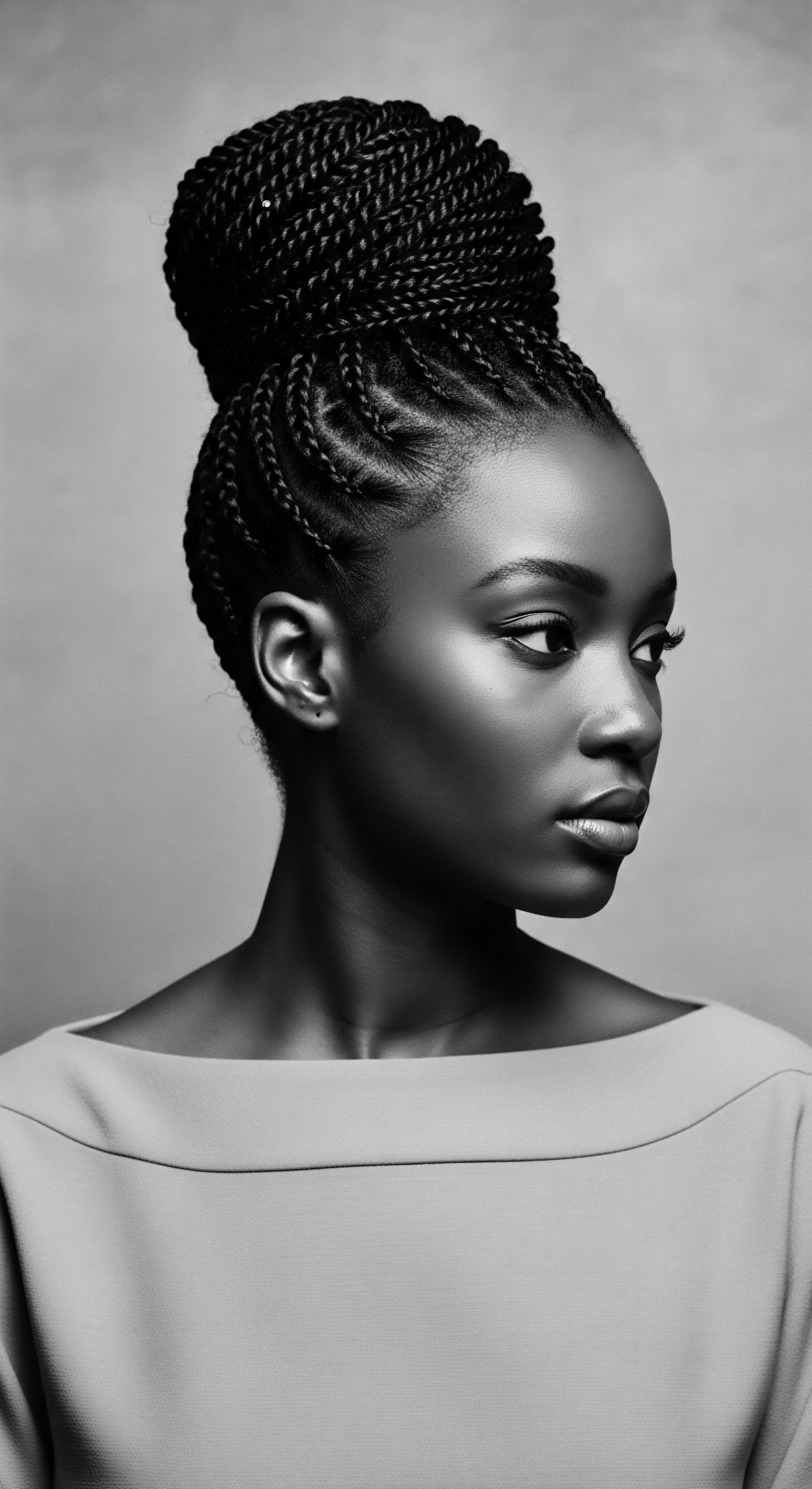
Ancestral practices shaped Black hair by imbuing it with layers of social, spiritual, and communal heritage.
What spiritual meaning did wigs hold in ancient Egypt?
Ancient Egyptian wigs represented divine connection, social standing, and ritual purity, deeply tied to textured hair's ancient heritage.
How did hair’s unique form shape Black identity and resilience?
Textured hair’s unique form shaped Black identity and resilience through ancestral practices, cultural communication, and steadfast defiance.
What traditional ingredients were central to African spiritual hair care?
African spiritual hair care centered on ingredients like shea butter and Chebe powder, valuing textured hair as a sacred ancestral link.
How did ancient African hair rituals signify social standing?
Ancient African hair rituals articulated social standing through complex visual language, profoundly tied to textured hair heritage and community identity.
How did ancient African hair care rituals preserve hair health?
Ancient African hair care rituals preserved textured hair health through natural ingredients, protective styling, and communal heritage.
What cultural meanings did hair hold in historical African societies?
Hair in historical African societies communicated identity, status, and spiritual connection, deeply embedding itself within textured hair heritage.
In what ways did communal practices contribute to hair protection across ancient Africa?
Communal practices in ancient Africa protected textured hair through shared styling, ritualistic care, and intergenerational knowledge.
How did ancestral hair care traditions shape cultural identity?
Ancestral hair care traditions, through intricate practices and styling, profoundly shaped cultural identity, acting as a deep heritage marker for textured hair communities.
What natural ingredients shielded ancient African hair?
Ancient African hair was shielded by natural ingredients like shea butter, chebe powder, rhassoul clay, and various plant oils, rooted in deep heritage.
Black Hair Affirmations
Meaning ❉ Black Hair Affirmations are conscious declarations celebrating the inherent beauty, resilience, and ancestral significance of textured hair.
What is the historical significance of specific textured hair styles in the diaspora?
Textured hair styles in the diaspora are living chronicles of survival, communication, and profound cultural identity rooted in ancestral heritage.
How did protective styles guard hair?
Protective styles historically safeguarded textured hair by minimizing manipulation and environmental exposure, deeply connecting care to cultural heritage.
What traditional ingredients provide protection for coily hair?
Traditional ingredients, passed through generations, safeguard coily hair by reinforcing its natural defenses and sealing in moisture, honoring ancestral wisdom.
What is the historical connection between cultural practices and scalp care for textured hair?
Cultural practices historically intertwined with textured hair scalp care, preserving ancestral heritage and holistic well-being.
Can ancient African hair care practices influence modern product development?
Ancient African hair care practices, steeped in heritage and biological understanding, profoundly influence modern product development.
How are cornrows a cultural heritage expression?
Cornrows are a profound cultural heritage expression woven into textured hair, symbolizing identity, resistance, and ancestral wisdom.
What traditional African oils were used for hair?
Traditional African oils like shea, marula, and baobab nourished textured hair, connecting care to deep ancestral heritage.
How does modern understanding validate traditional textured hair rituals?
Modern science affirms the efficacy of traditional textured hair rituals, grounding ancestral wisdom in biological understanding and cultural preservation.
How have heritage hair ingredients helped preserve cultural identity across the diaspora?
Heritage hair ingredients are living links to ancestral wisdom, safeguarding cultural identity across the diaspora through textured hair care practices.
What ancient cleansing methods protected textured hair’s natural oils?
Ancient cleansing methods protected textured hair's natural oils through gentle, plant-based substances and nourishing oiling rituals, deeply rooted in inherited wisdom.
In what ways does the CROWN Act challenge discriminatory hair perceptions?
The CROWN Act challenges discriminatory hair perceptions by legally protecting textured hair and ancestral styles, validating cultural identity.
Why is protecting natural hair through law vital for heritage?
Protecting natural hair through law honors textured hair heritage, safeguarding identity and ancestral practices against systemic bias.
What African plants conditioned ancient textured hair?
Ancient African communities conditioned textured hair using botanicals like shea butter, baobab oil, and chebe, honoring a deep heritage of care.
How did adornments connect hair to spiritual beliefs in African heritage?
Adornments connected hair to spiritual beliefs in African heritage by serving as visual expressions of identity, status, and divine connection.
How did the historical context of textured hair shape its care practices?
Historical contexts profoundly shaped textured hair care through environmental adaptation, cultural identity, and enduring ancestral wisdom.
What historical meanings do hair tools hold?
Hair tools for textured hair are historical artifacts, symbolizing heritage, identity, and cultural resilience.
Can scientific understanding enhance appreciation for heritage hair practices?
Scientific insights unveil the profound ingenuity and biological wisdom within textured hair heritage practices, deepening appreciation.
Which oils protected textured hair in ancient North Africa?
Ancient North Africans protected textured hair using oils like castor, argan, pomegranate, and almond, reinforcing a deep heritage of care.