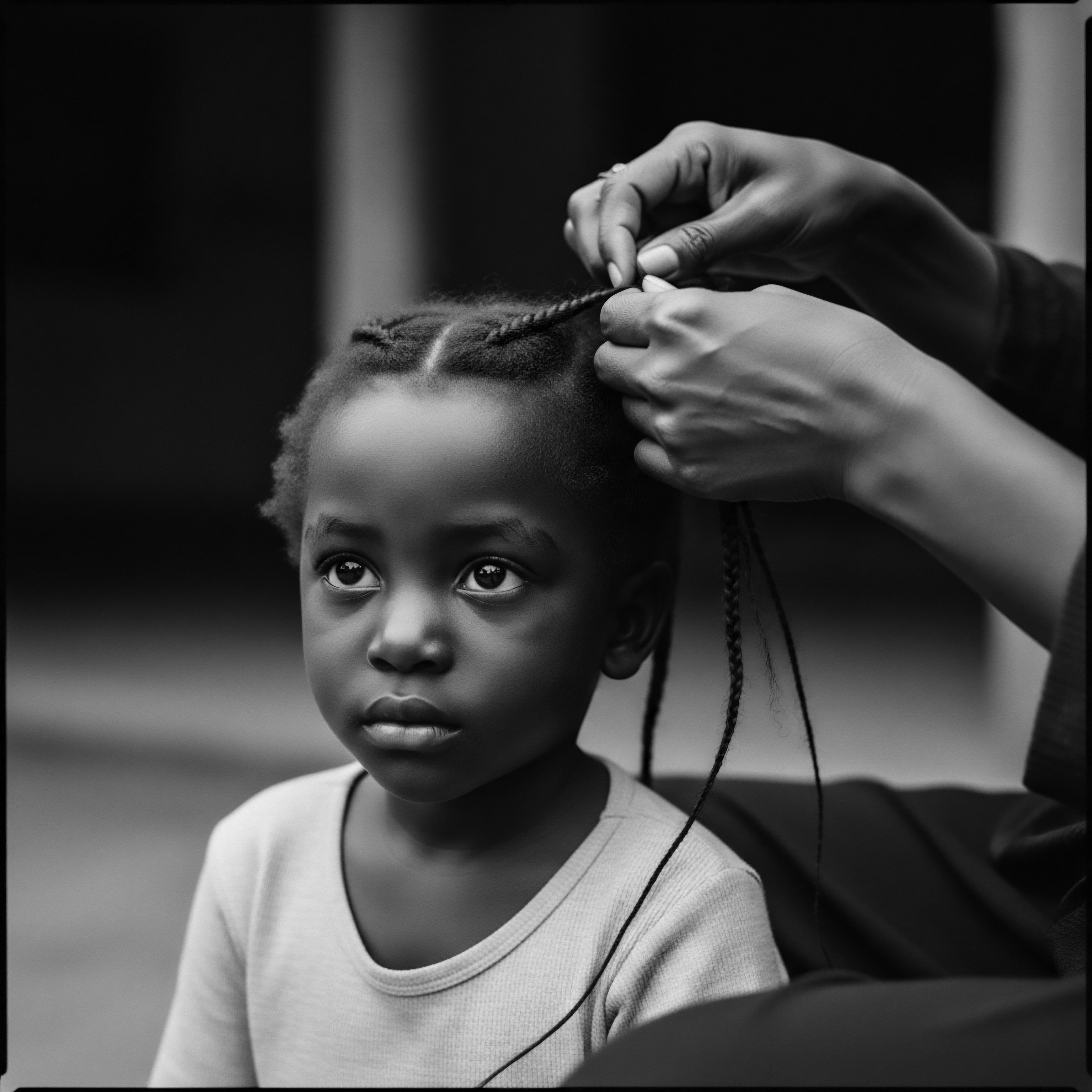
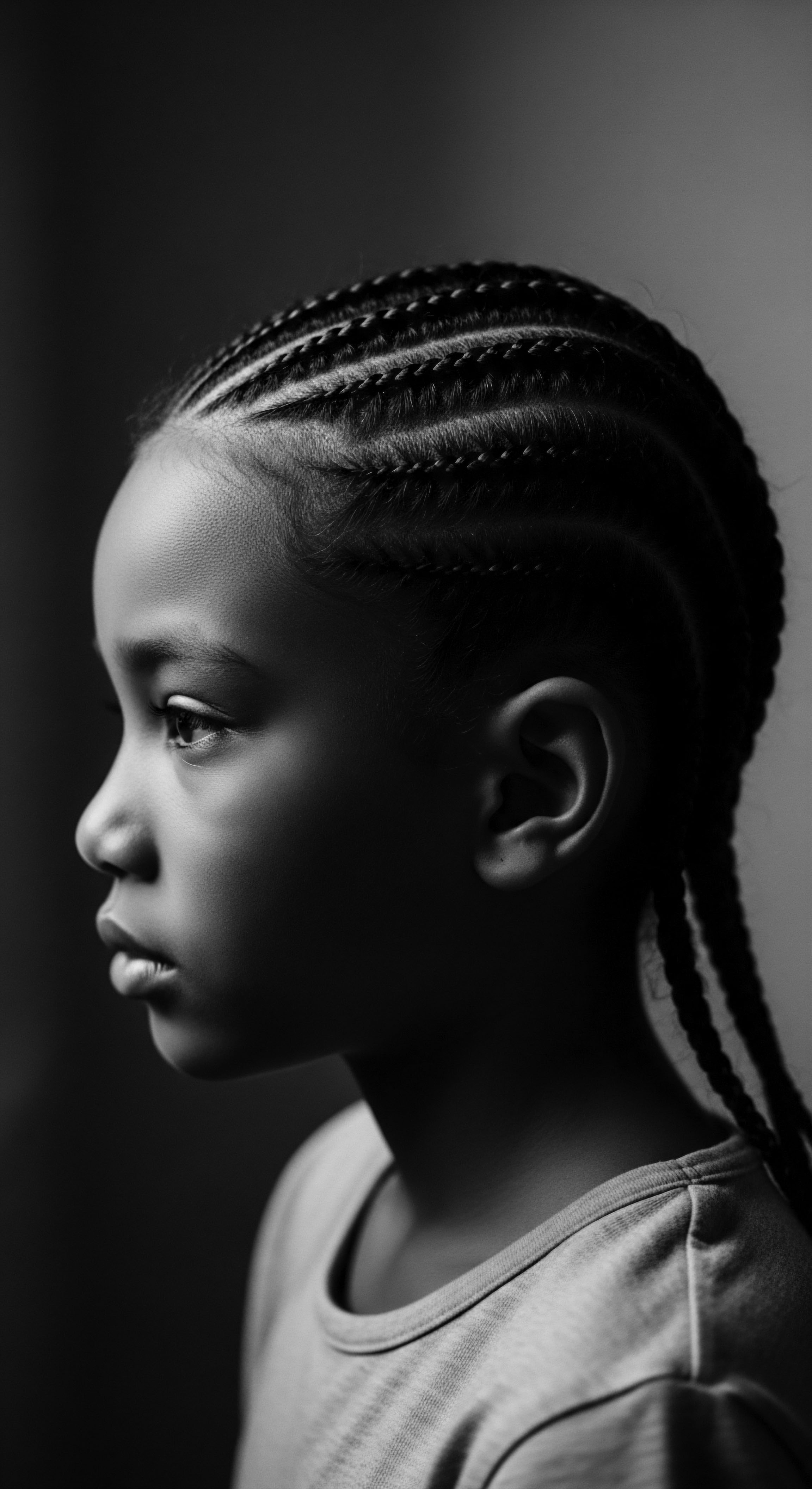
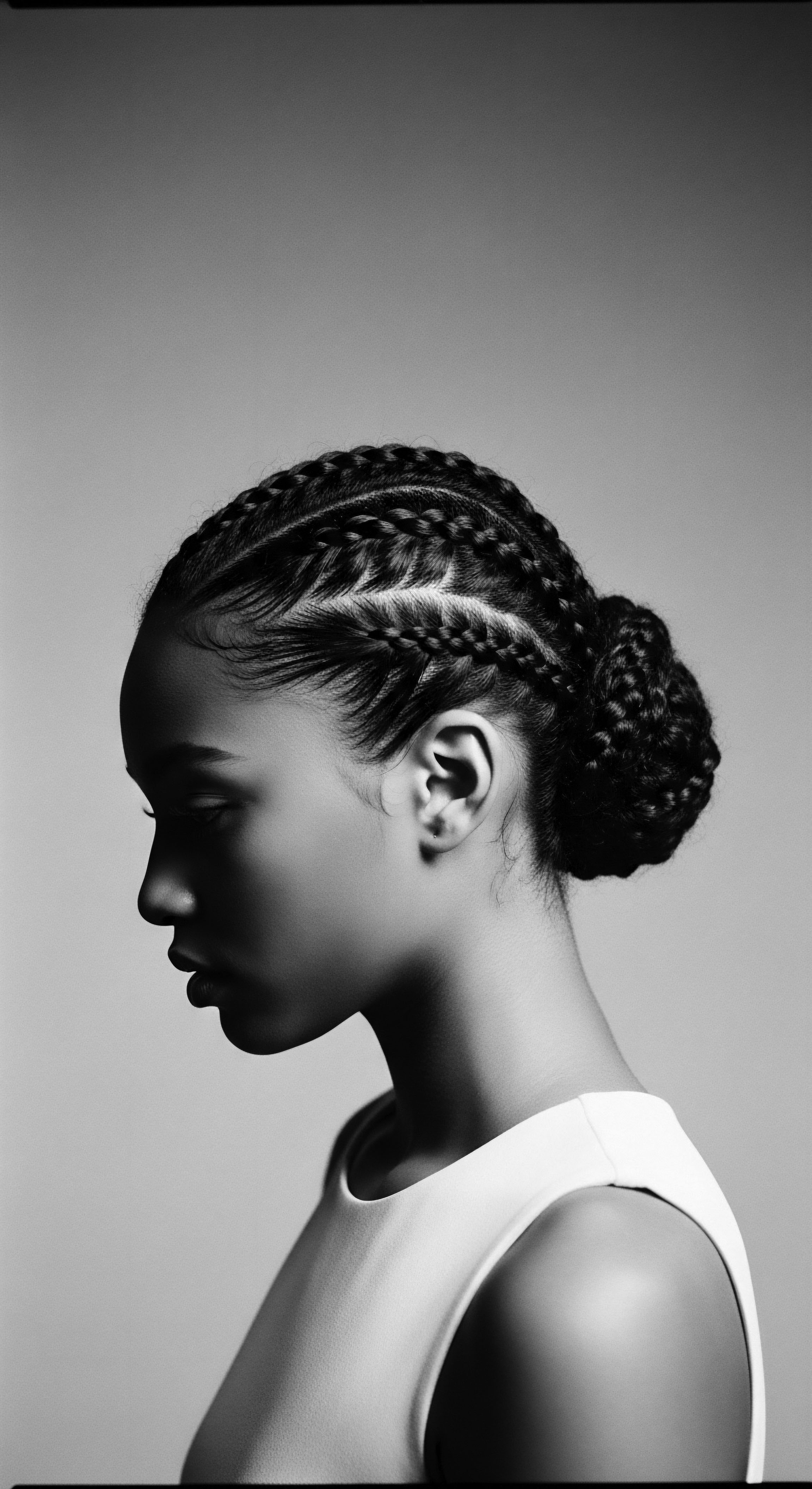
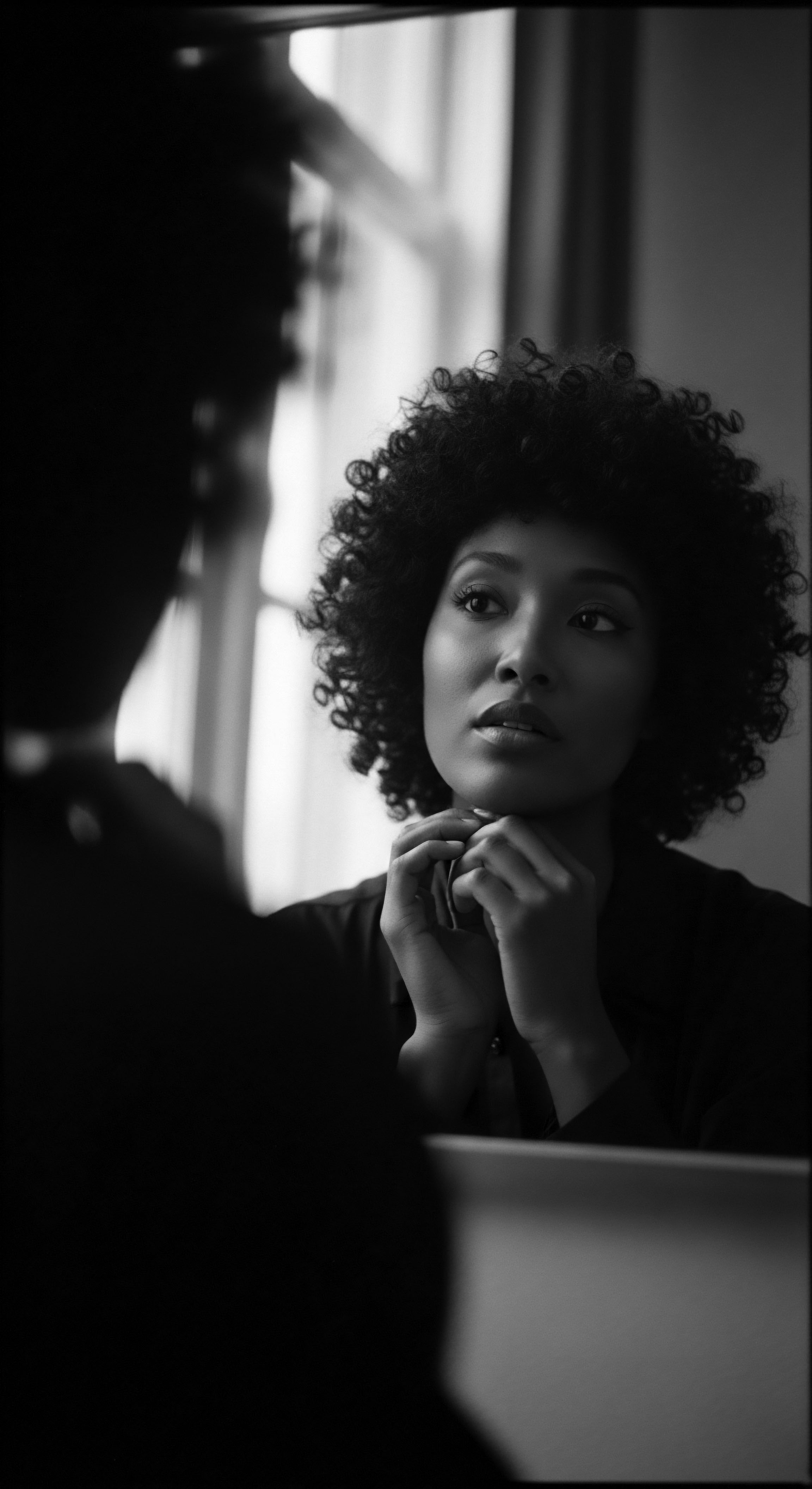
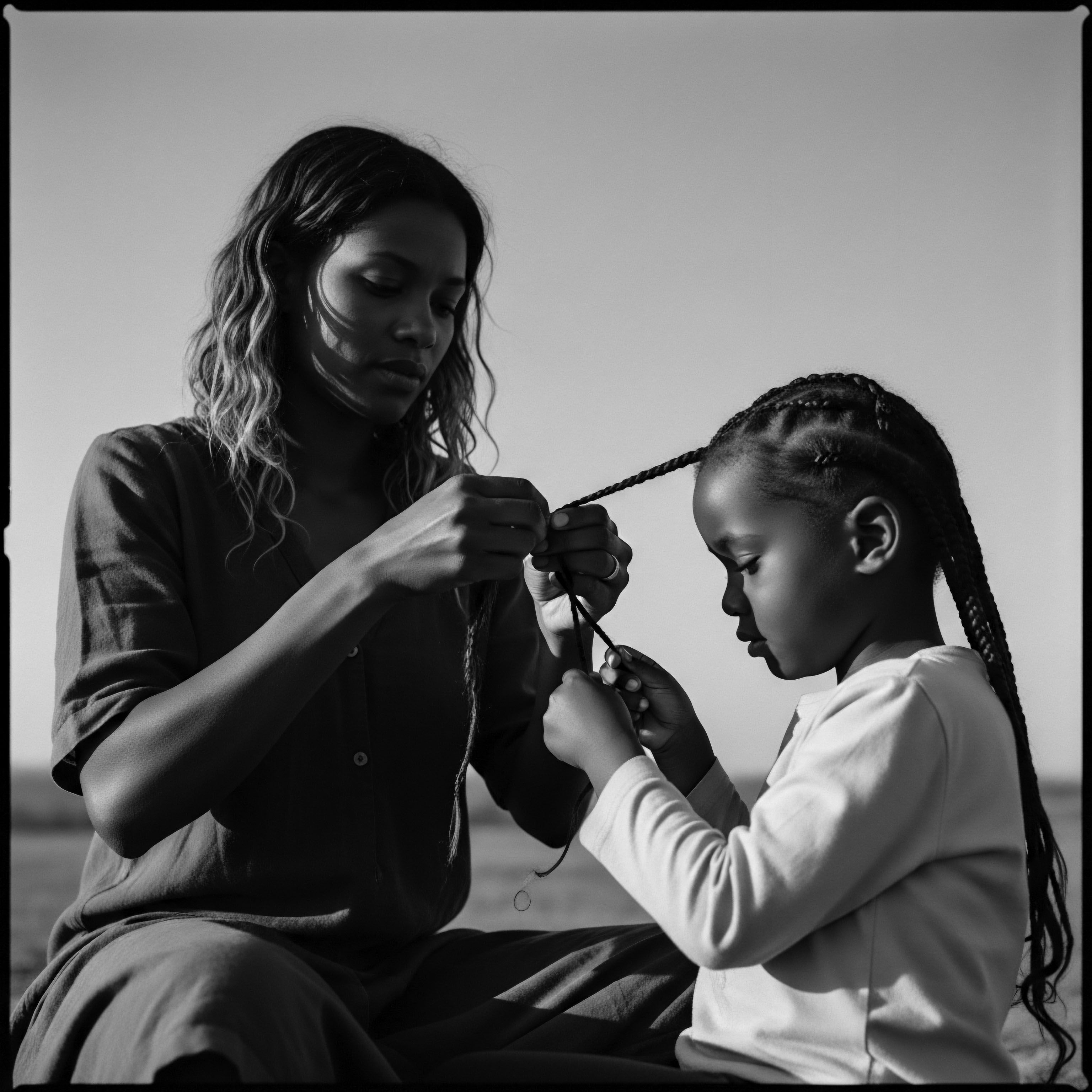
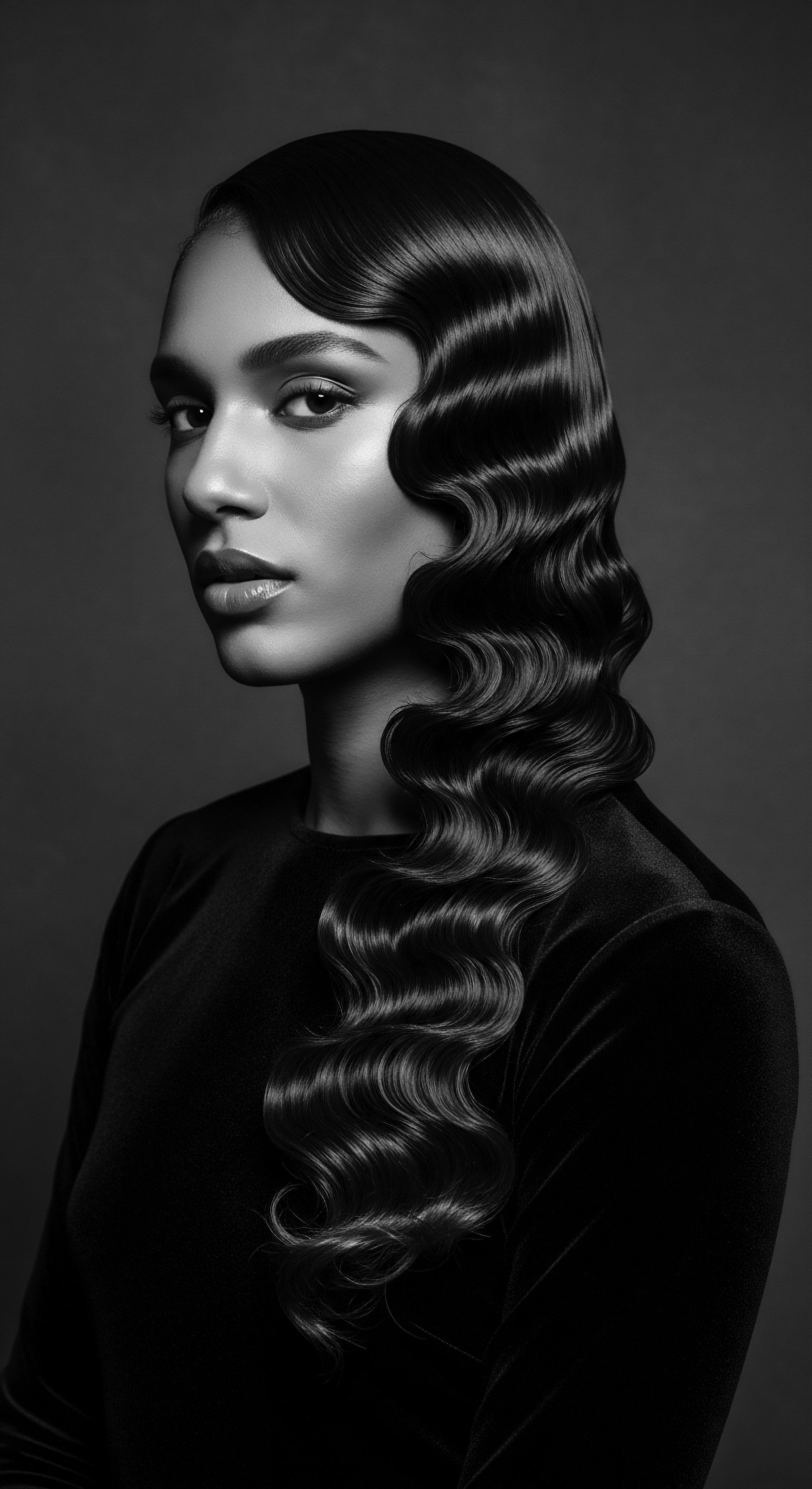
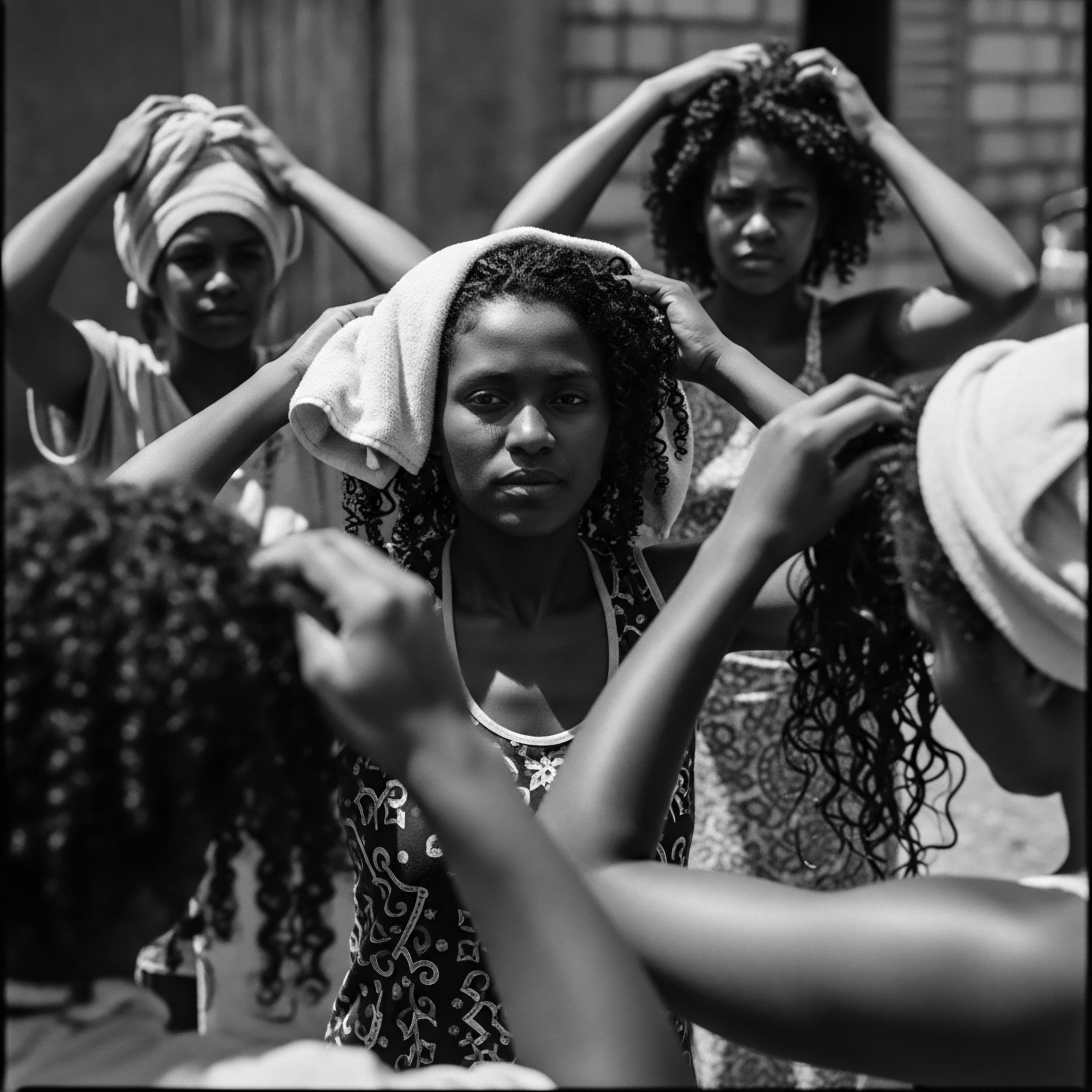
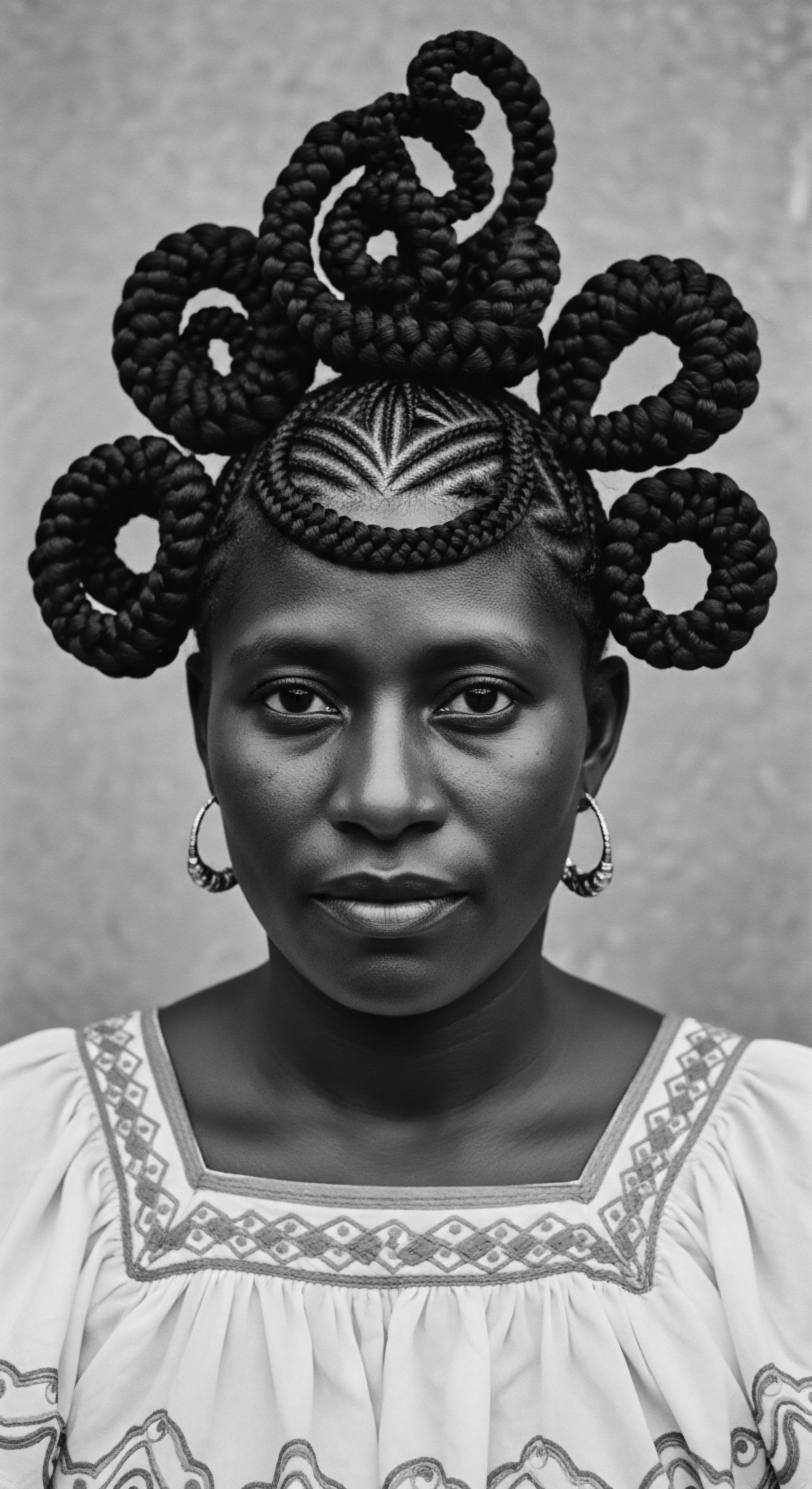
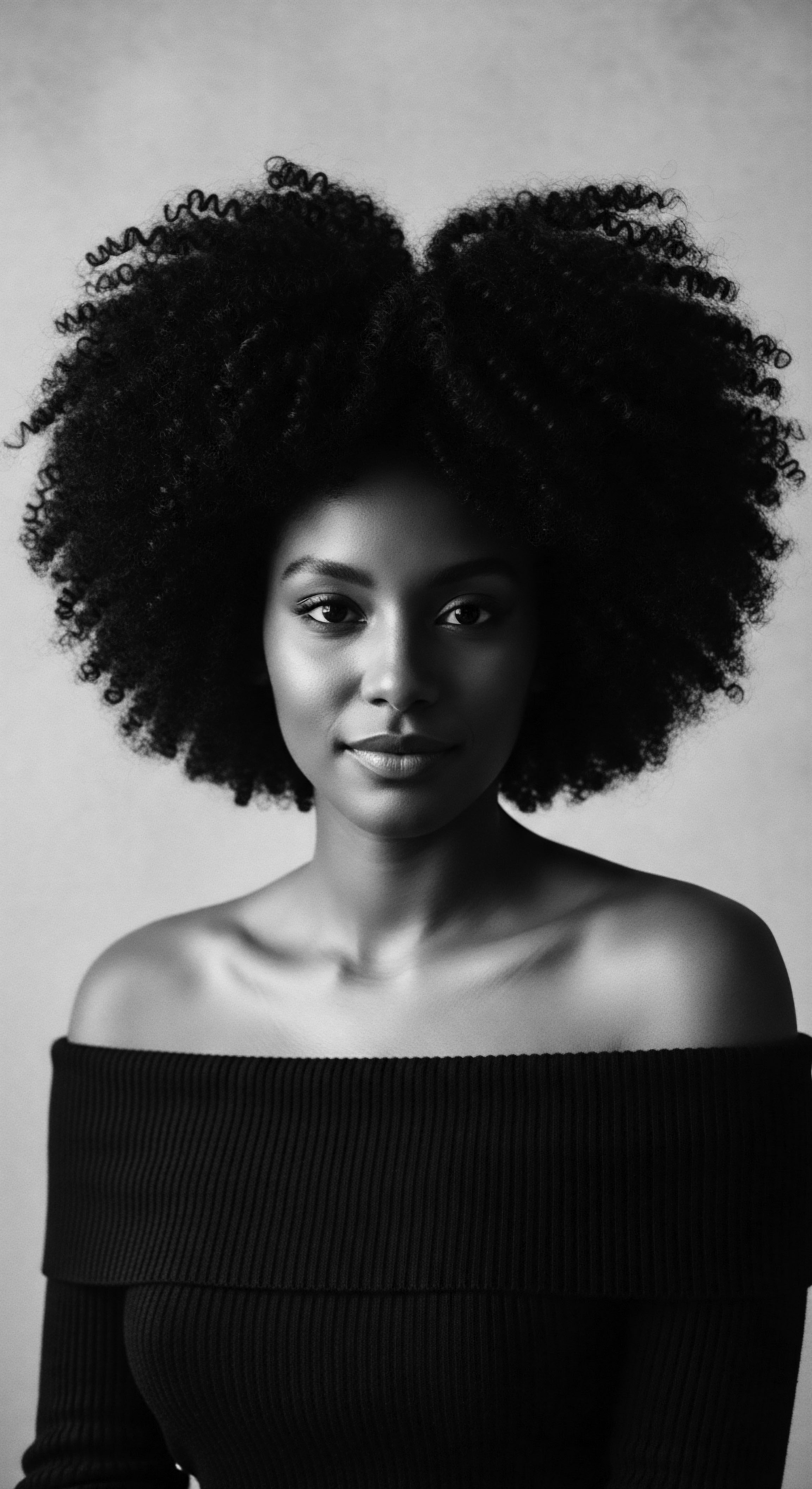
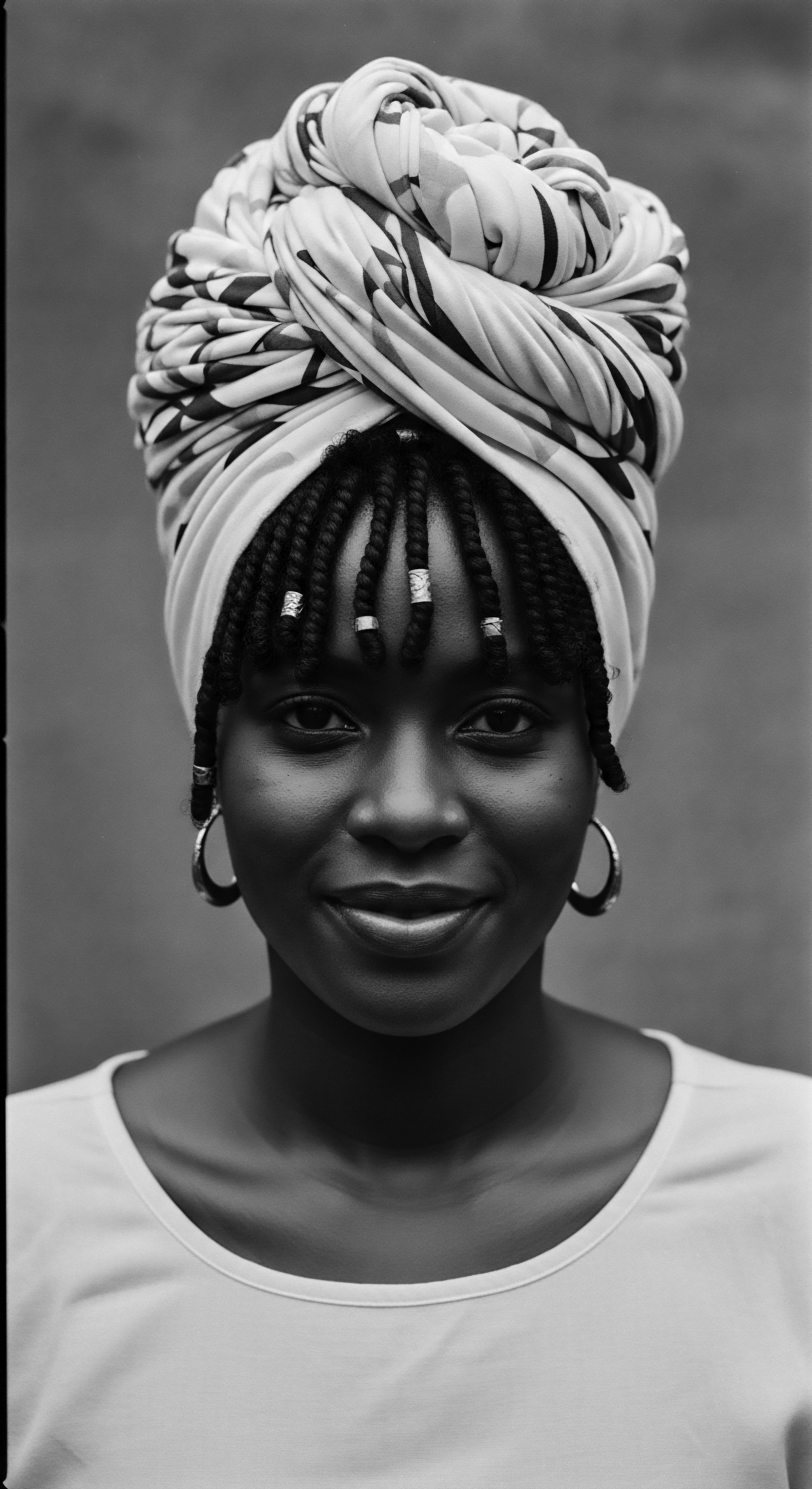
Ancient hair practices preserved textured hair health through natural emollients, protective styling, and holistic care rooted in ancestral wisdom and community heritage.
Ancestral hair practices preserved cultural memory by encoding social status, lineage, spiritual beliefs, and survival narratives within textured hair heritage.
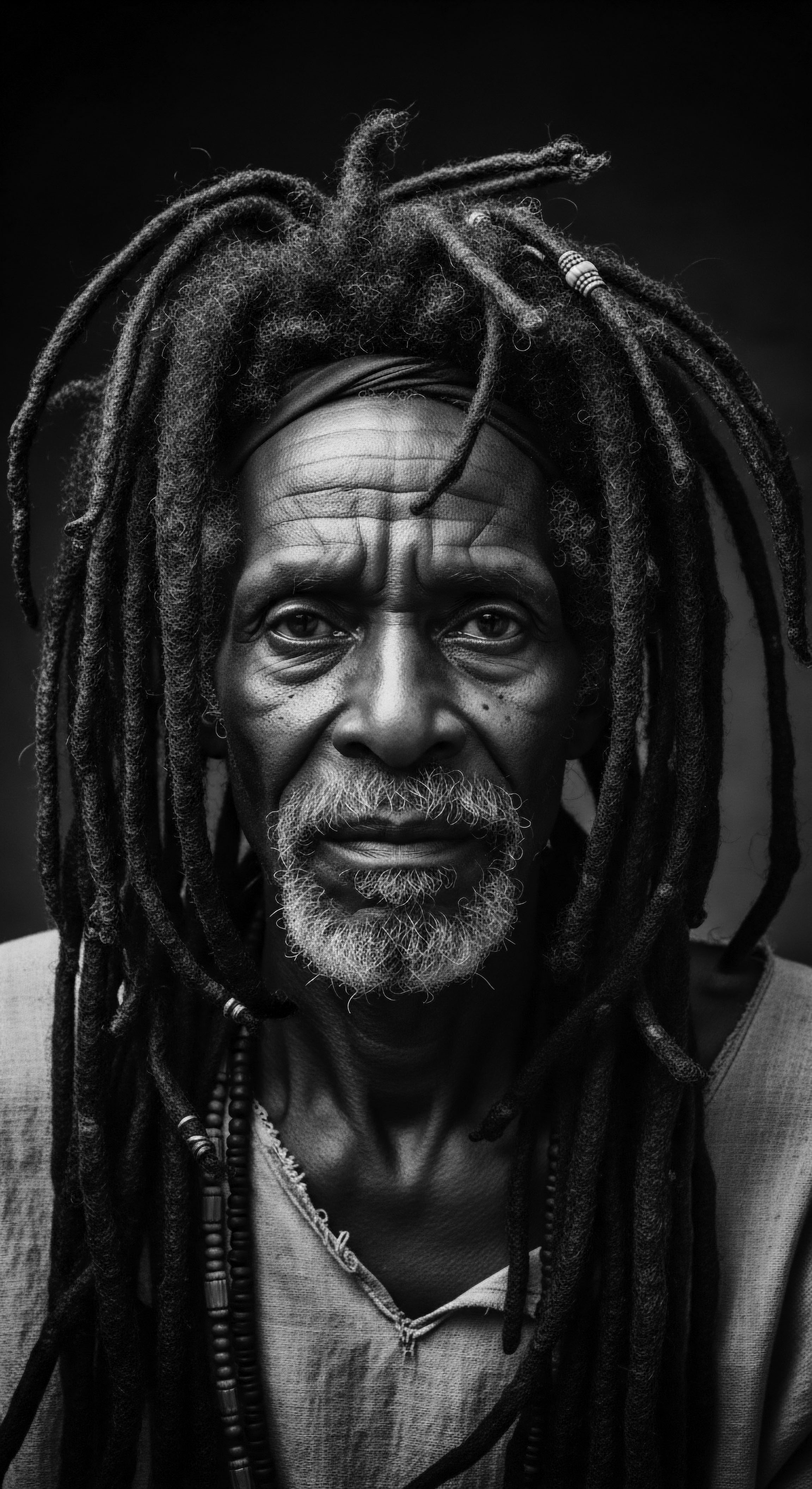
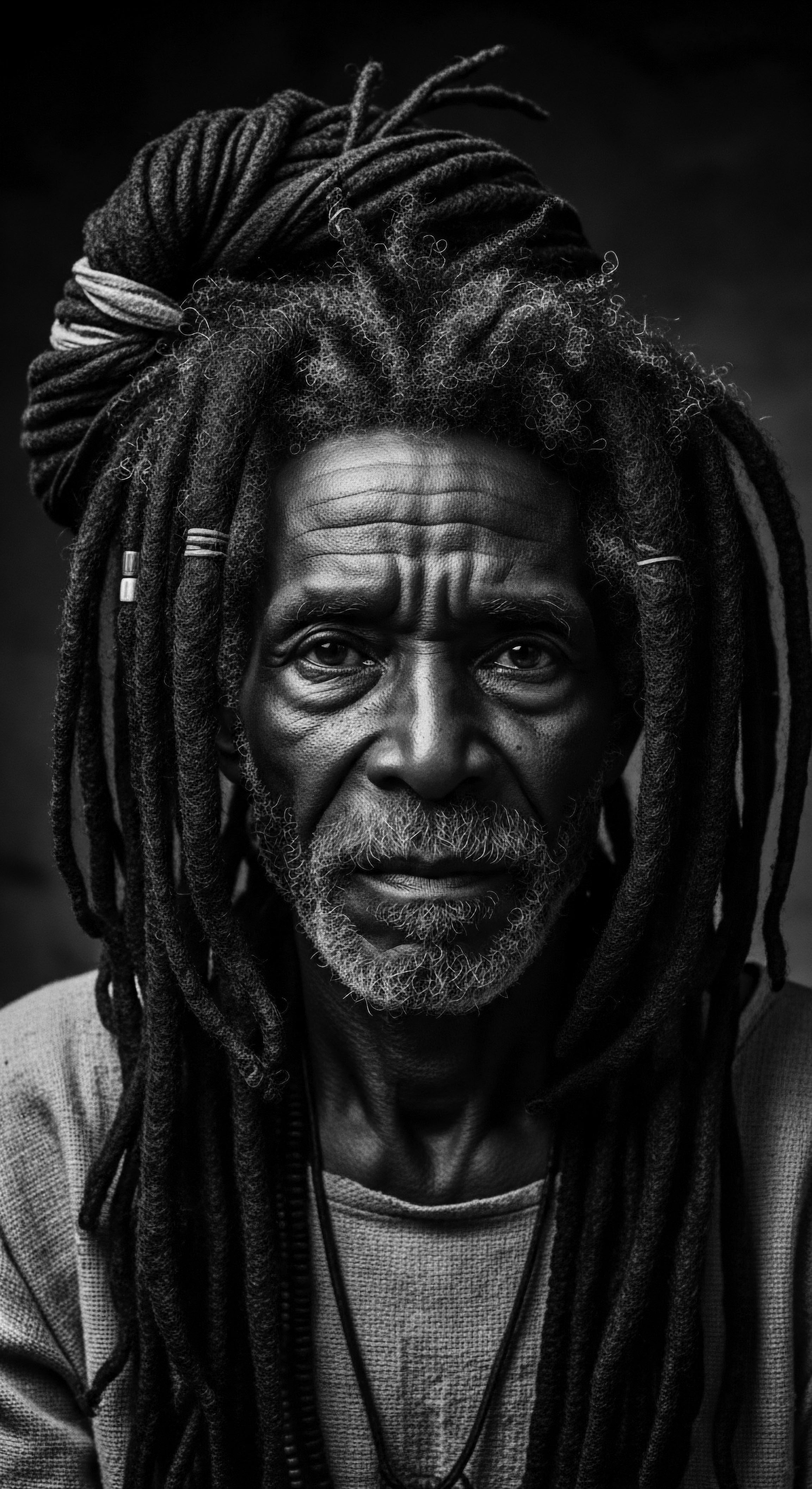
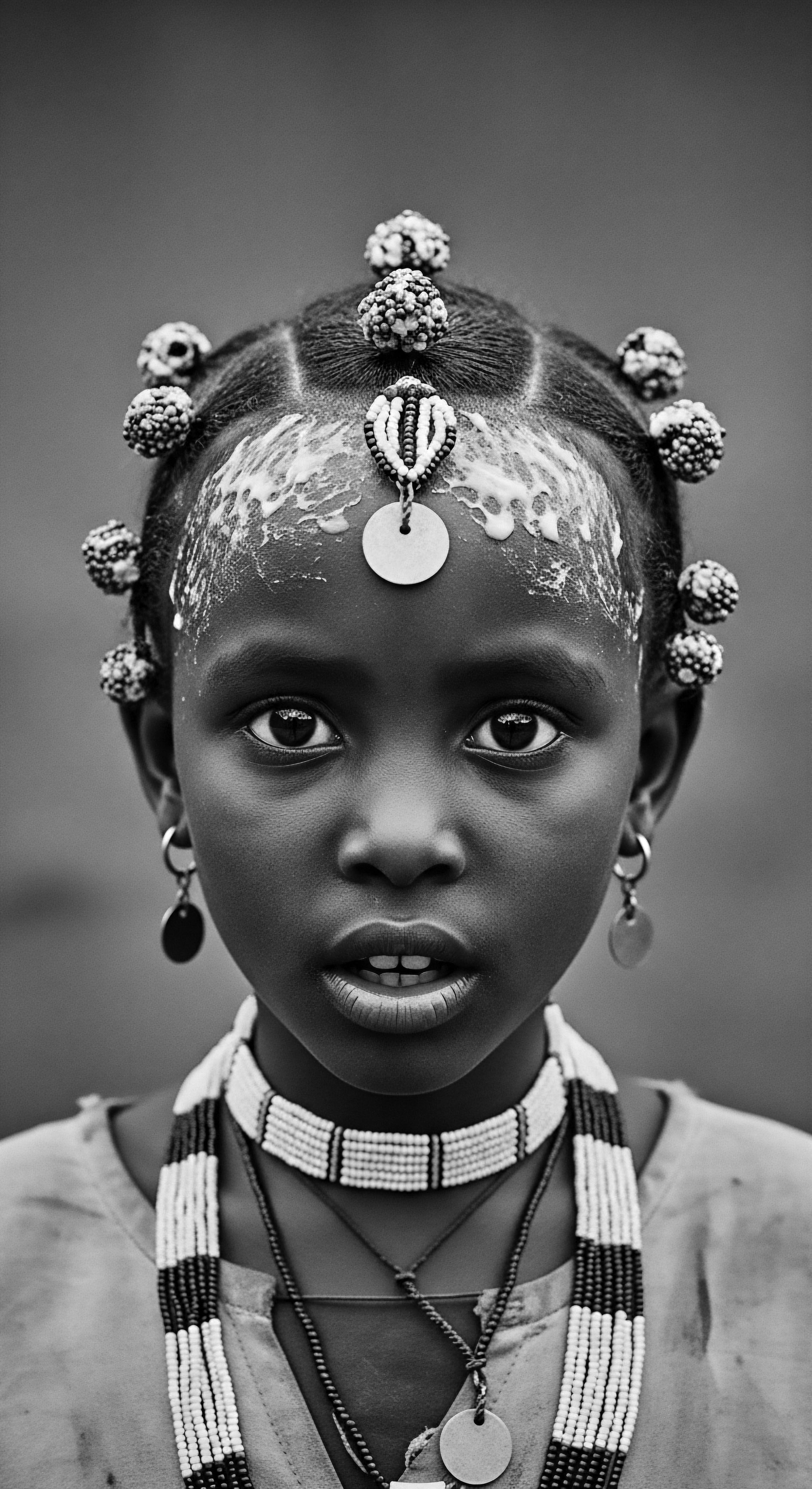
Ancient African societies adorned textured hair with natural elements like beads, shells, metals, and earth pigments, each holding cultural significance and preserving ancestral heritage.
Ancestral wellness shaped textured hair care through indigenous practices, natural ingredients, and protective styles, preserving heritage and identity.
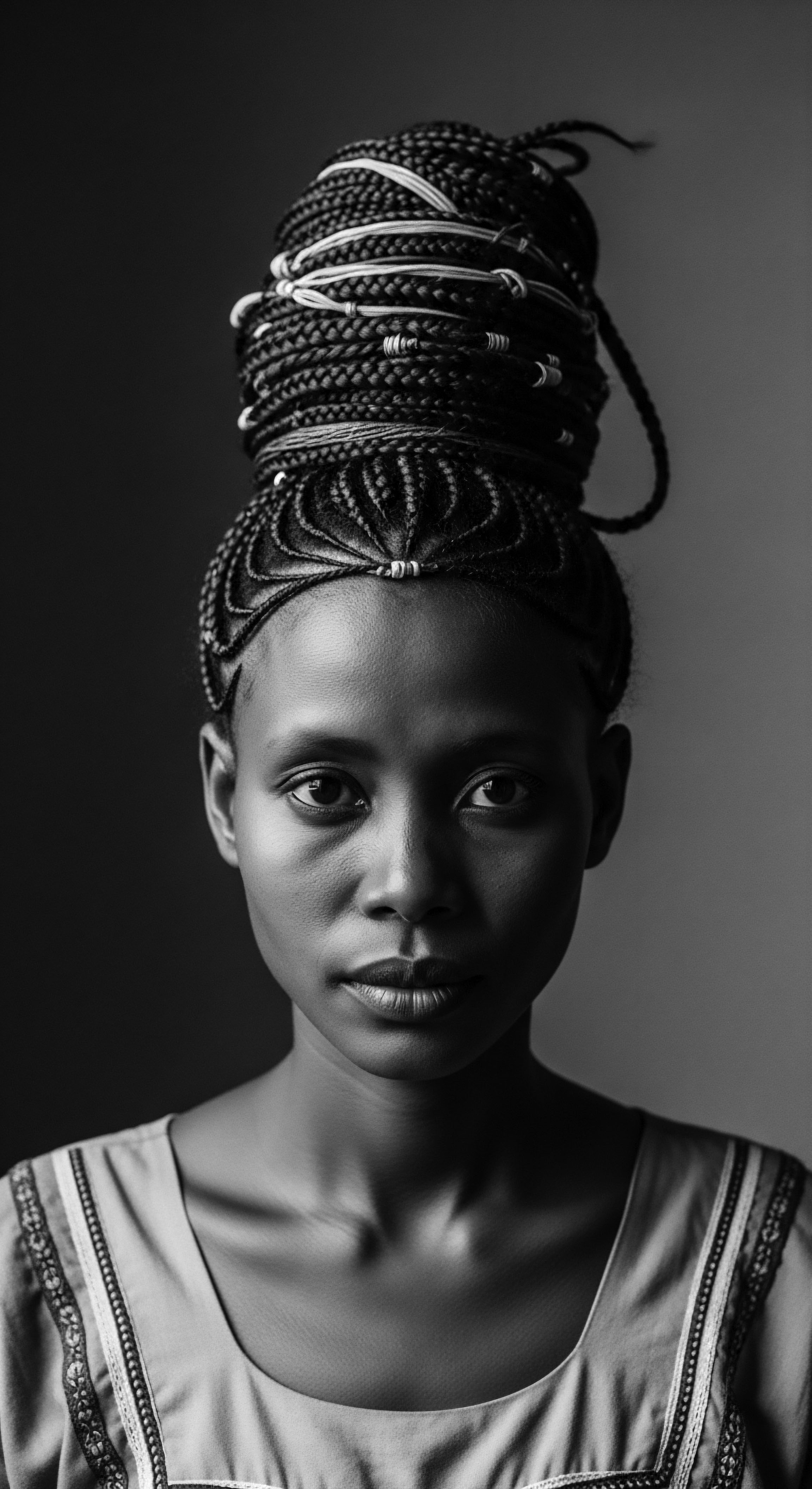
Ancient African hairstyles communicated wealth through intricate styling, precious adornments, and the time devoted to their creation, reflecting a rich textured hair heritage.
Genes sculpt hair curl primarily through follicle shape and protein arrangement, a heritage reflecting ancestral adaptations and unique structural beauty.
Ancestral practices for textured hair moisture retention used natural emollients and protective styles, rooted in a deep cultural understanding of hair's unique needs.
Meaning ❉ Phoenician Influence refers to the cultural transmission of resources and practices, subtly shaping hair care traditions through ancient trade routes.
Meaning ❉ Slave Trade Resilience signifies the enduring preservation and adaptation of Black and mixed-race hair traditions despite systemic efforts at cultural erasure.
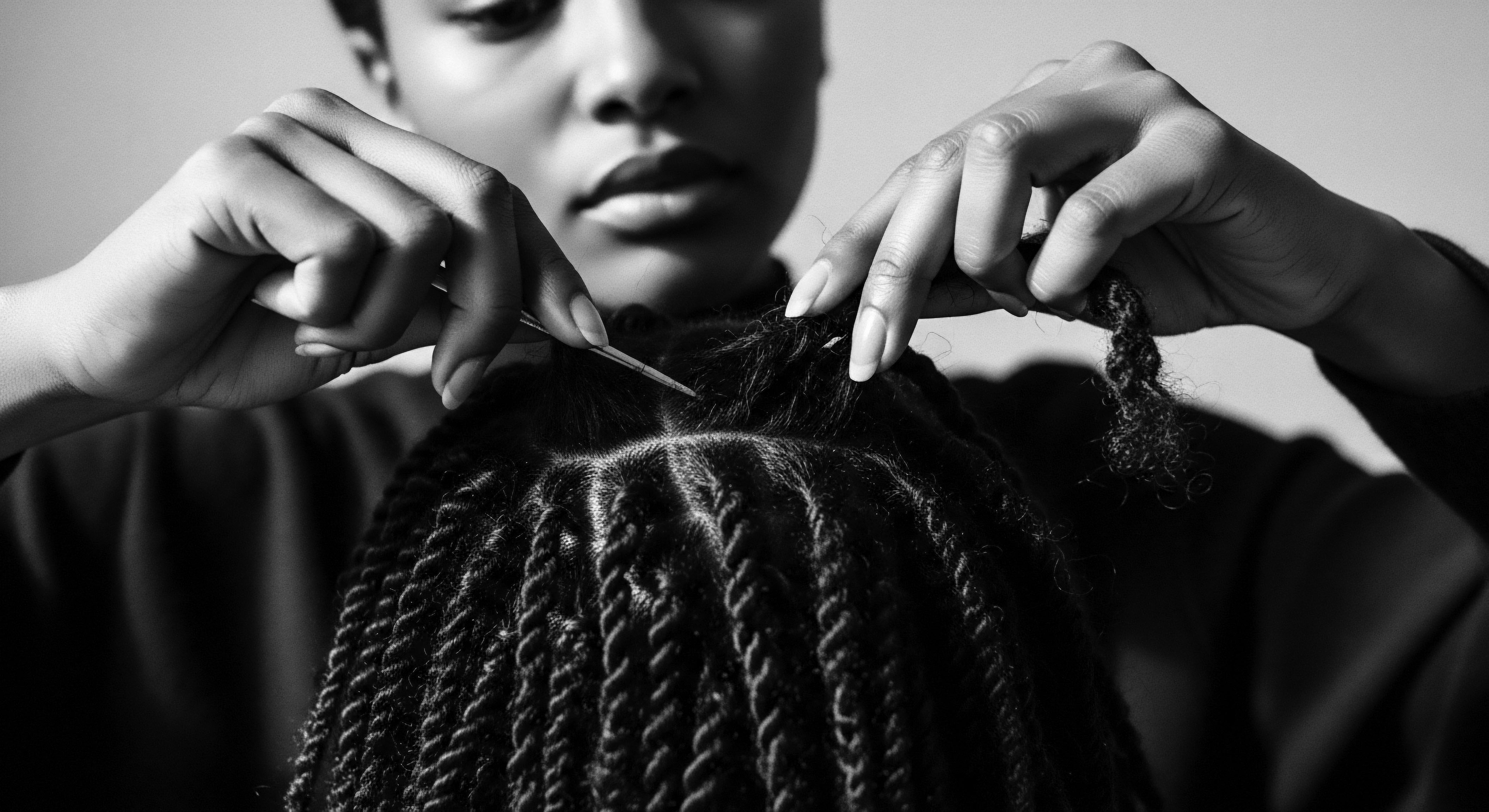
African threading protects textured hair by minimizing manipulation, sealing in moisture, and stretching strands without heat, rooted deeply in ancestral heritage.
Ancient African hair wisdom offers timeless solutions for contemporary textured hair through practices steeped in communal care and natural ingredients.
Meaning ❉ Carthaginian Hair Heritage defines the ancient hair practices, beliefs, and adornments reflecting North African and diverse cultural influences.
Traditional hairstyles relate to Black identity by serving as a profound visual expression of ancestral heritage, cultural resilience, and personal affirmation.
Modern science frequently affirms the efficacy of ancient hair care practices, particularly for textured hair, by revealing the underlying biological mechanisms.
Shea butter played a crucial historical role in African economies by empowering women through traditional production and trade, deeply intertwined with textured hair heritage.
Ancient butters preserved textured hair by coating strands with protective lipids, retaining moisture, and shielding against environmental harm, a practice central to heritage.
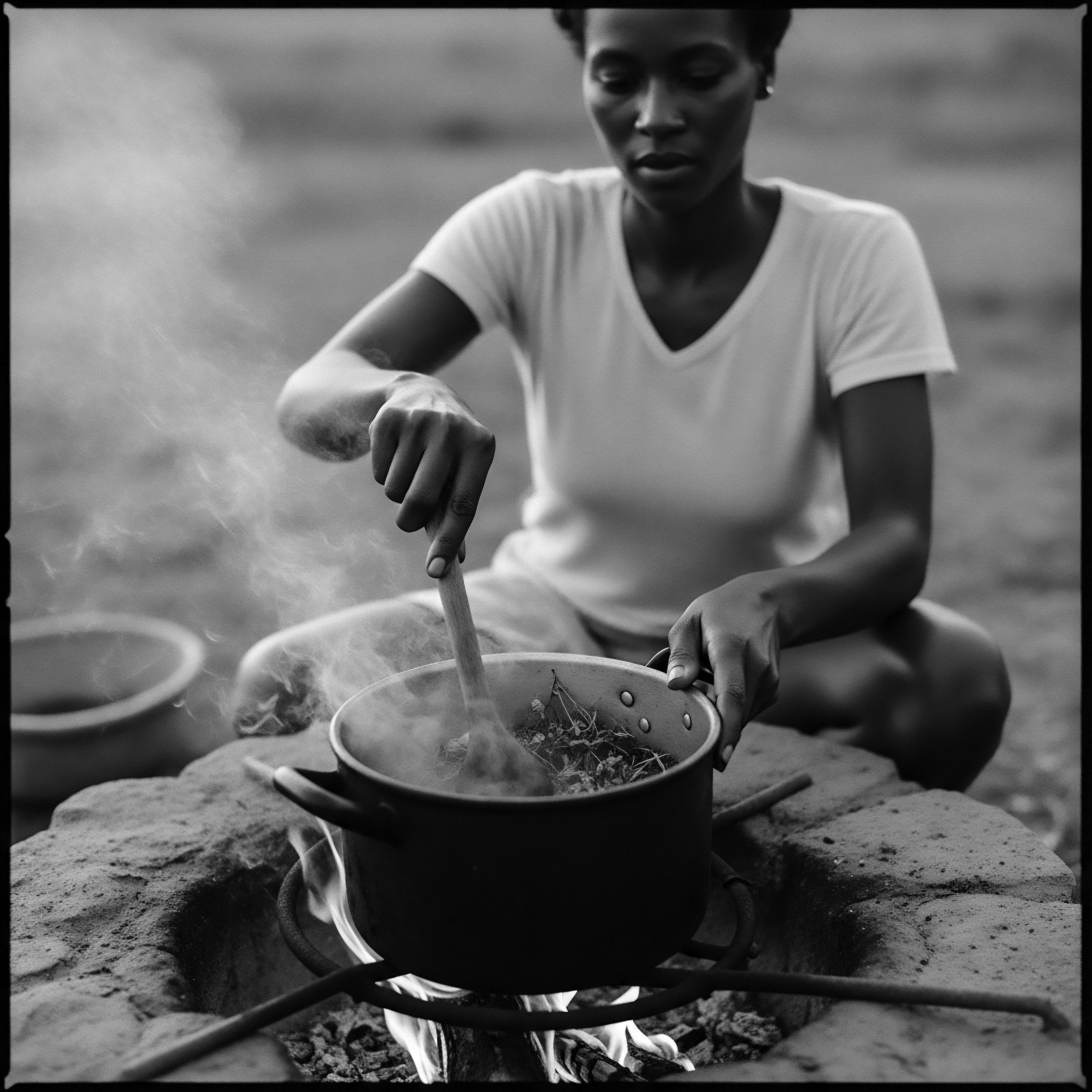
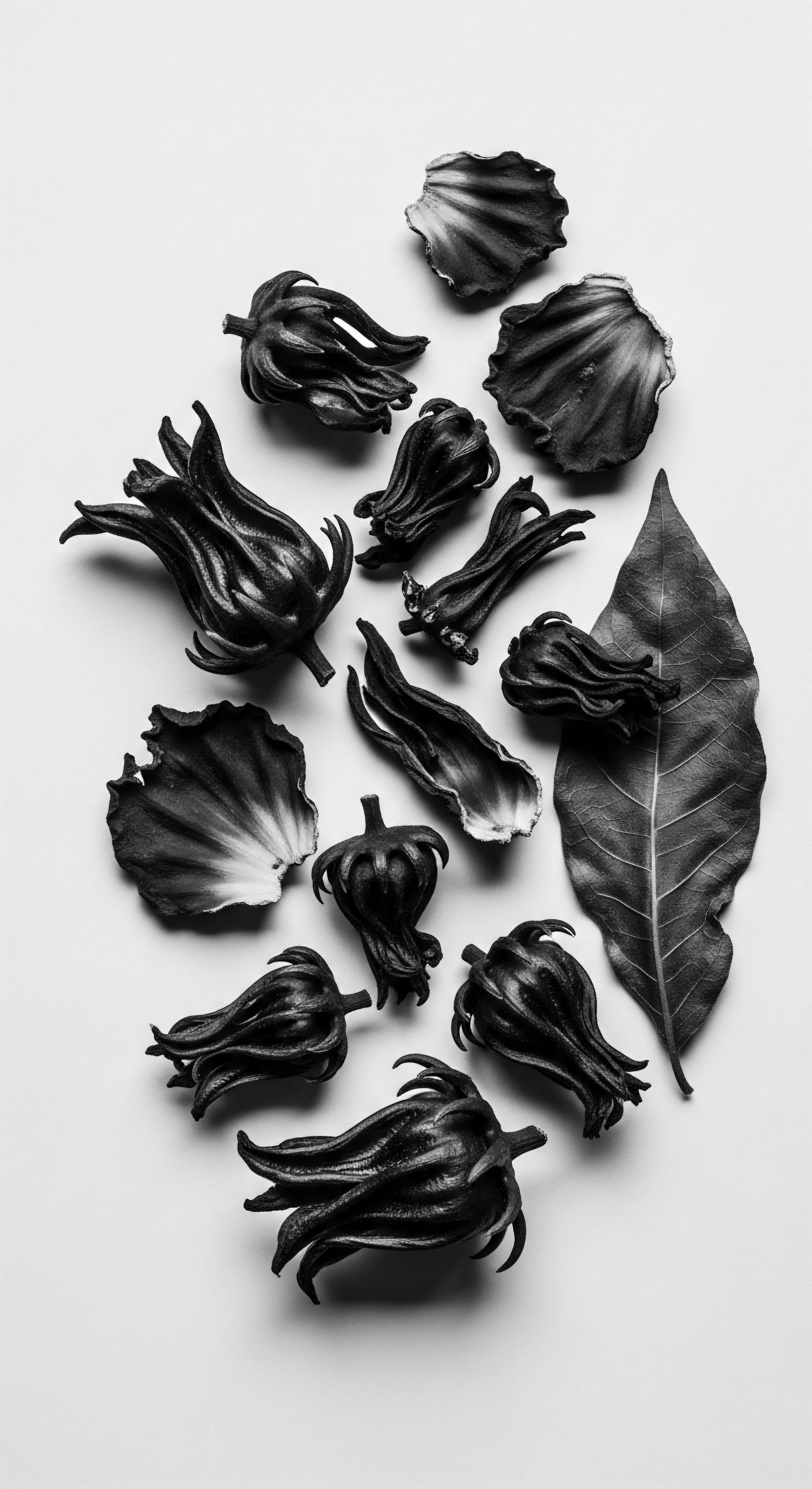
Ancient communities prepared plant oils for textured hair through cold pressing, maceration, and boiling, valuing their potent nourishment and cultural significance.
We use cookies to personalize content and marketing, and to analyze our traffic. This helps us maintain the quality of our free resources. Manage your preferences below.
This helps support our free resources through personalized marketing efforts and promotions.
Analytics cookies help us understand how visitors interact with our website, improving user experience and website performance.
Personalization cookies enable us to customize the content and features of our site based on your interactions, offering a more tailored experience.