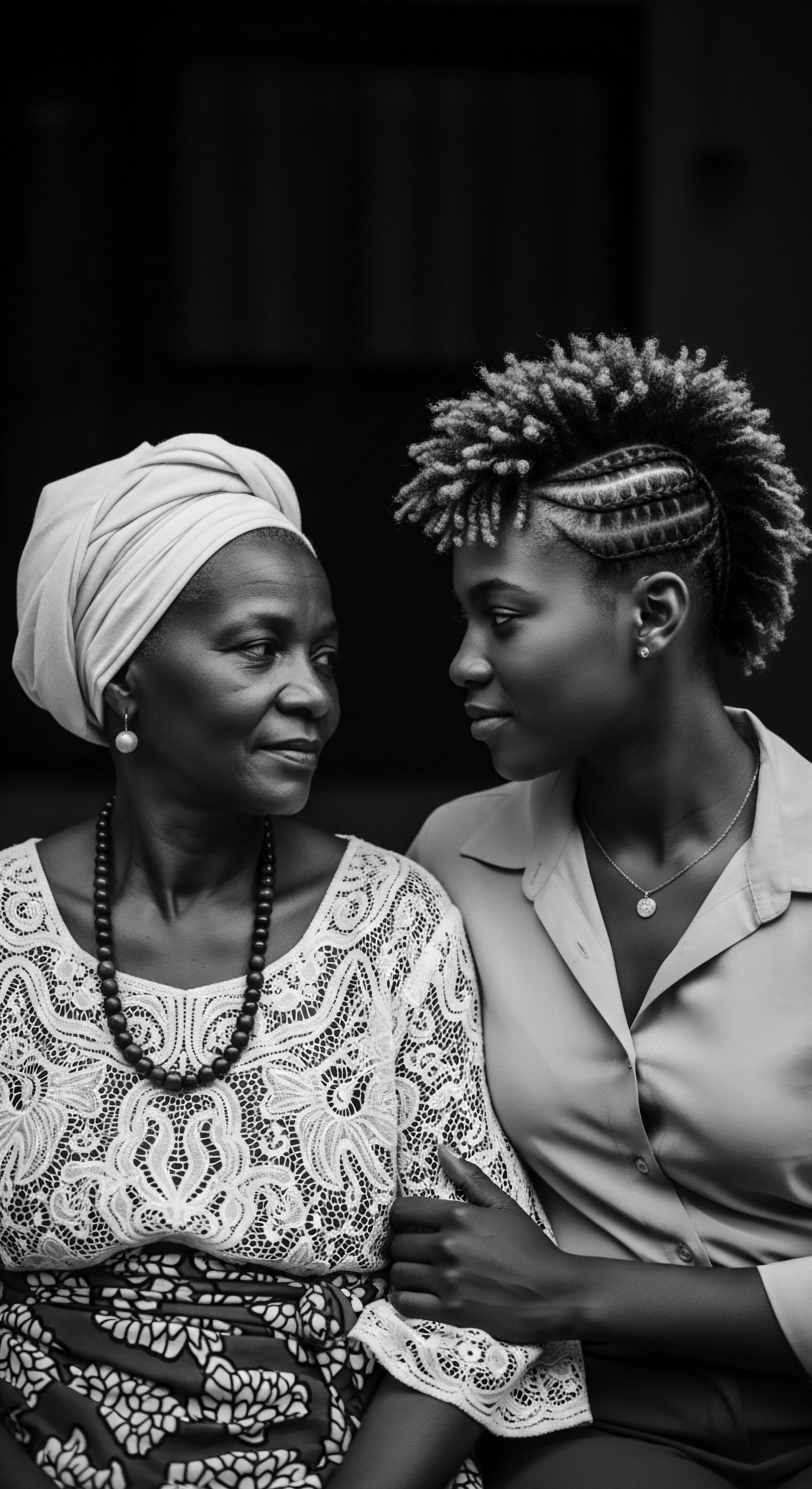
In what ways do historical hair practices contribute to contemporary cultural identity?
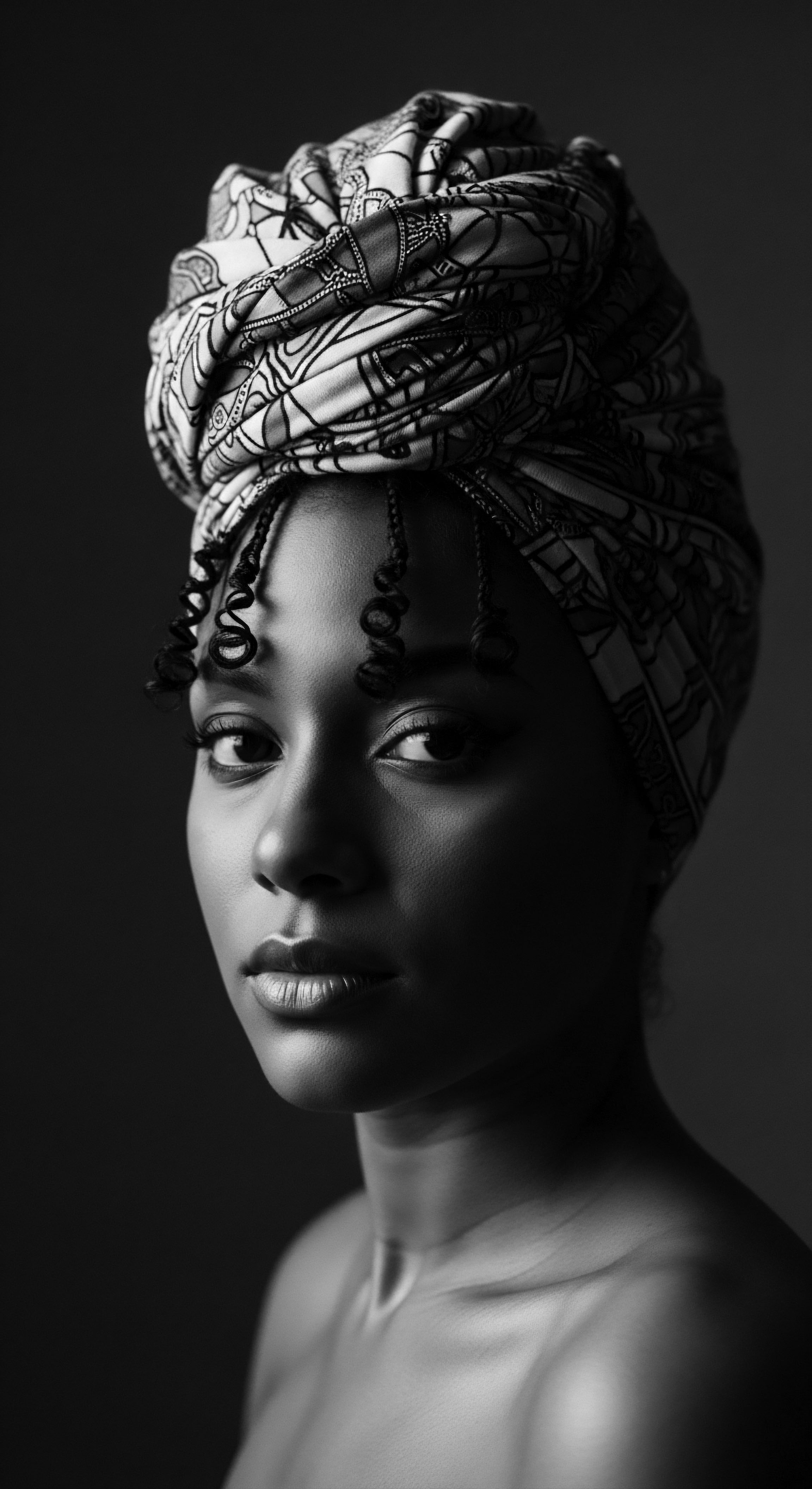
Historical hair practices provide a profound heritage link, shaping contemporary cultural identity through textured hair care, communal rituals, and assertions of self.
What is the historical connection between hair and communal bonding?
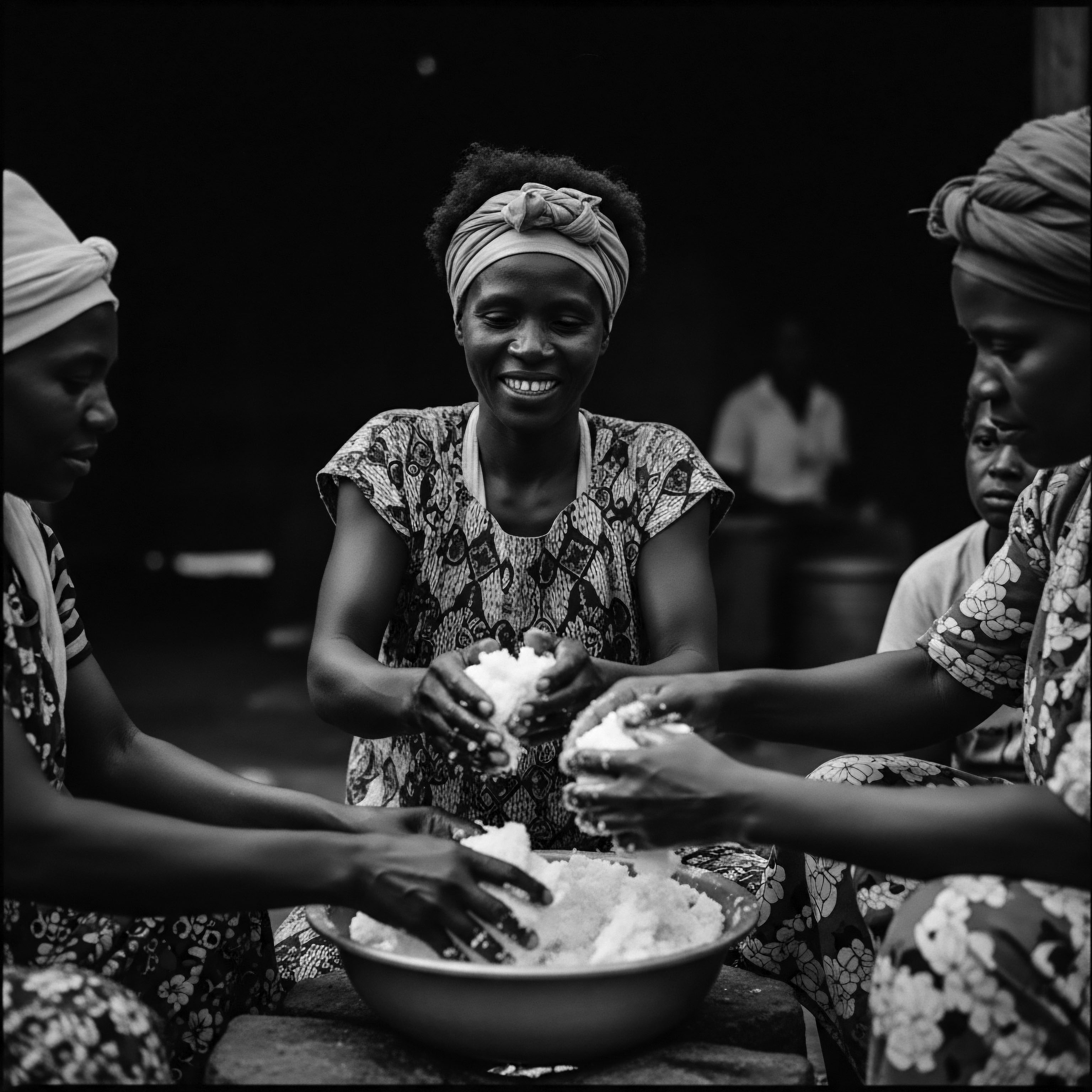
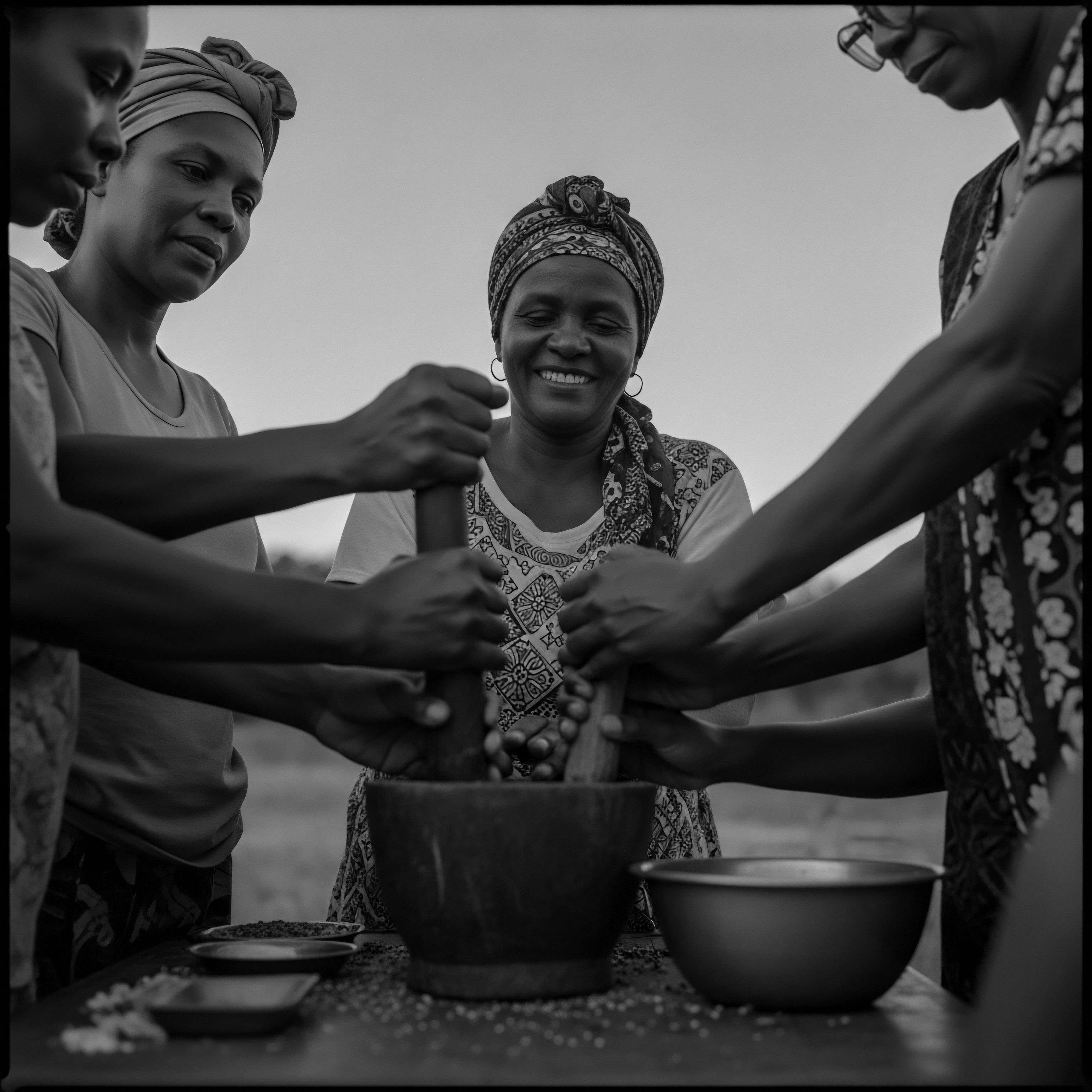
Hair has historically woven Black and mixed-race communities together through shared rituals, identity, and the tender practice of collective care.
How did enslaved communities preserve their hair heritage?
Enslaved communities preserved hair heritage through communal care, protective styling, and coded communication.
In what ways did textured hair practices build community resilience?
Textured hair practices built community resilience by preserving cultural identity, enabling covert communication, and fostering shared spaces of healing and belonging.
How do ancient African hair traditions influence modern care?
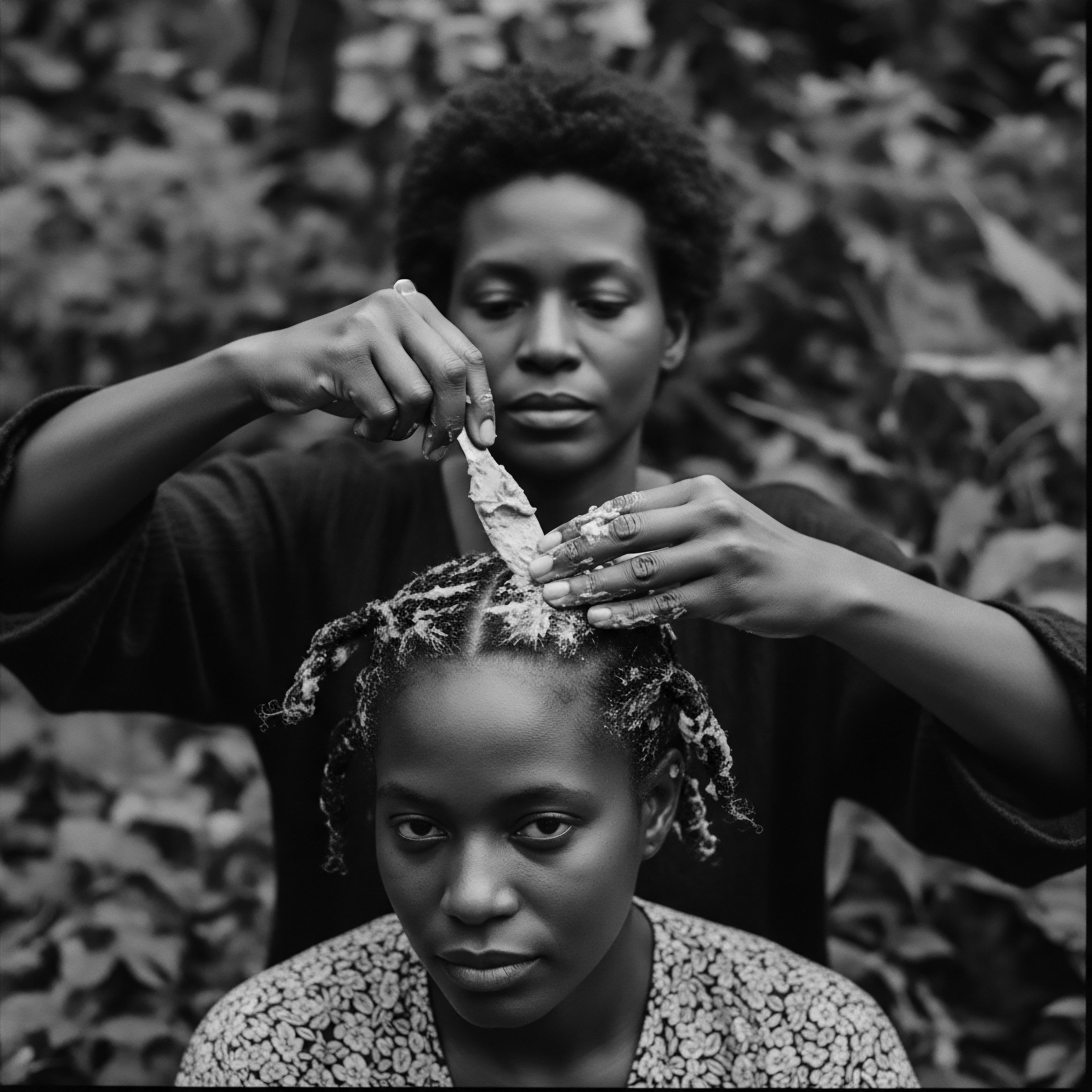
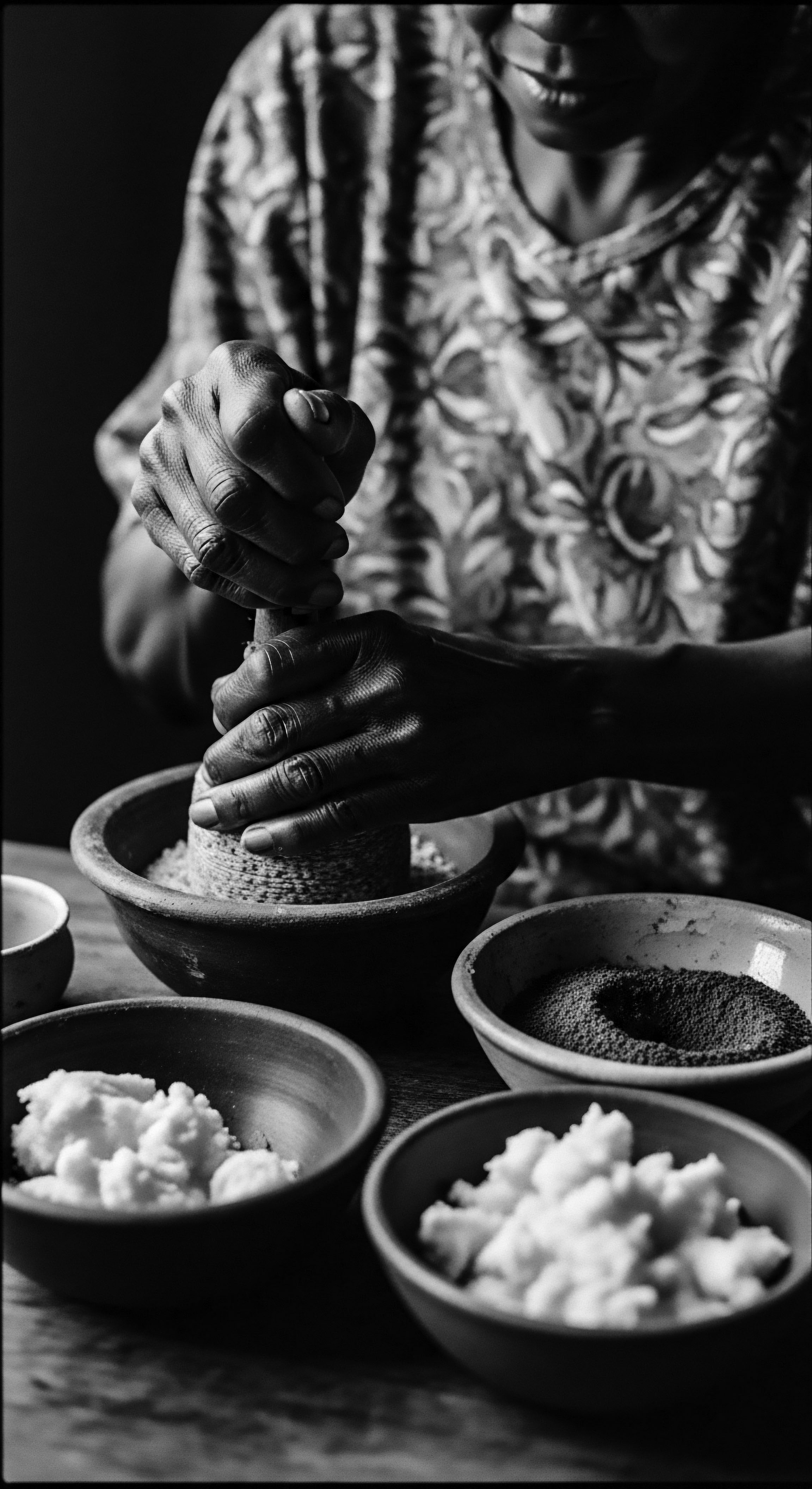
Ancient African hair traditions deeply influence modern textured hair care, prioritizing ancestral wisdom in protection, natural ingredients, and communal rituals.
Can traditional scalp care methods improve hair growth today?
Yes, traditional scalp care methods, rooted in textured hair heritage, align with modern science to support hair growth and scalp health.
What role did textured hair rituals play in resisting enslavement?
Textured hair rituals during enslavement were vital expressions of heritage, actively employed for covert communication, hiding survival items, and preserving cultural identity.
How does shea butter connect to West African women’s economic heritage?
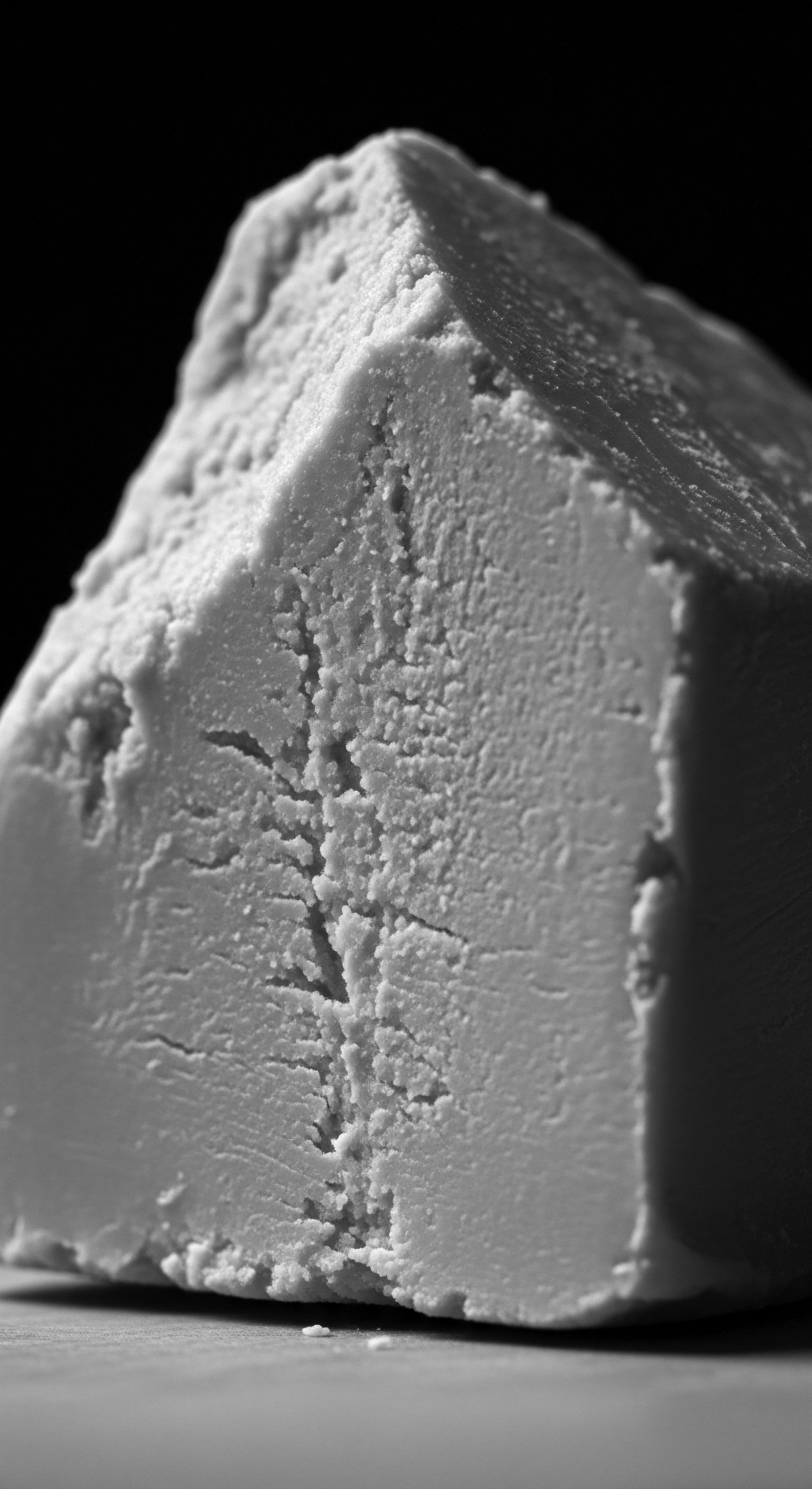
Shea butter sustains West African women's economic heritage through its traditional production and trade, deeply interwoven with textured hair care.
Can ancient plant remedies inform contemporary hair wellness practices?
Ancient plant remedies, rooted in rich heritage, profoundly inform contemporary textured hair wellness through validated ancestral wisdom.
Why do textured hair traditions favor oil application?
Textured hair traditions favor oil application due to the hair's structure, which historically necessitated moisture retention and protection. This practice is rooted in ancestral wisdom and cultural significance.
What traditional elements continue to shape modern textured hair identity?
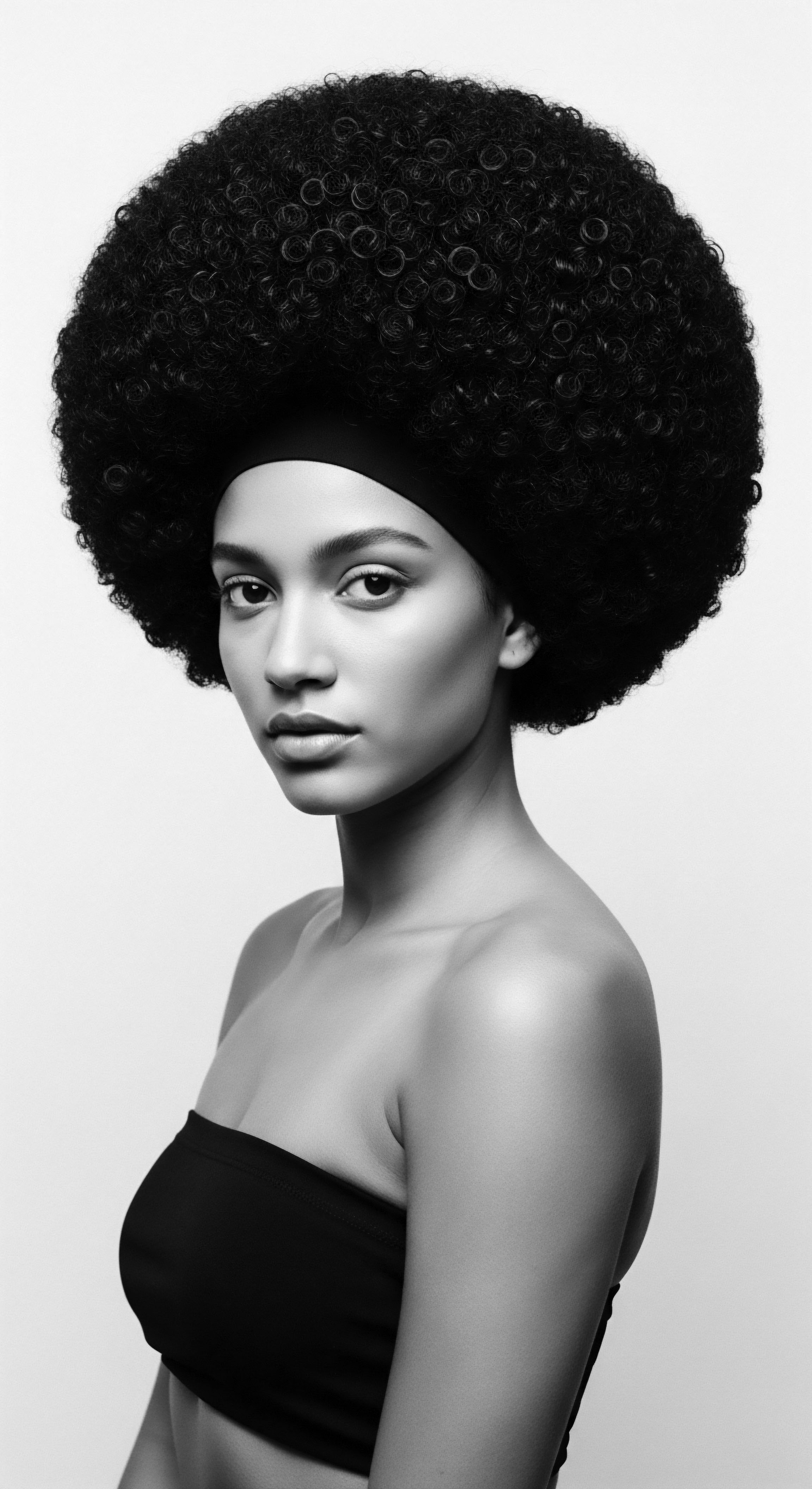
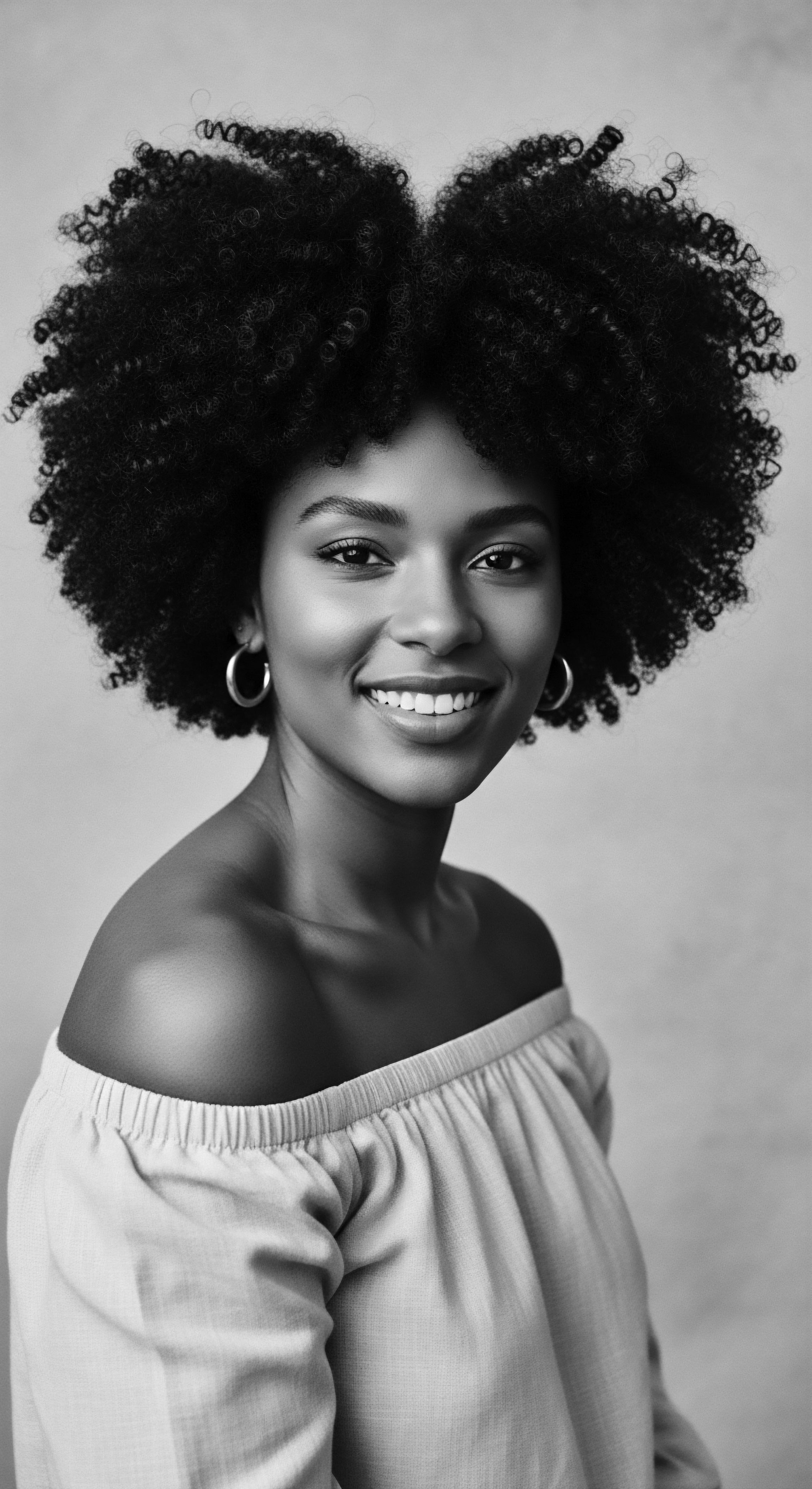
Traditional elements continue to shape modern textured hair identity through inherited styling practices, ancestral wellness philosophies, and hair's enduring role as a cultural and spiritual marker.
Punic Beauty Practices
Meaning ❉ Punic Beauty Practices describe ancient Carthaginian and North African hair care traditions, emphasizing natural ingredients and ancestral wisdom for textured hair.
How did combs signify heritage?
Combs for textured hair signified heritage through their design, cultural symbolism, and role in ancestral practices and identity movements.
How did ancestral oils shield textured hair from sun?
Ancestral oils shielded textured hair from sun by forming a physical barrier, offering antioxidant defenses, and deeply conditioning strands.
What historical factors shaped Black hair care traditions?
Historical factors deeply rooted in ancestral wisdom and resilience shaped Black hair care traditions.
How did shea butter influence textured hair aesthetics historically?
Shea butter historically defined textured hair aesthetics through deep moisturization, aiding intricate styling, and preserving ancestral cultural meaning.
Can hair practices signify cultural resistance during oppression?
Hair practices embody cultural resistance through ancestral wisdom, coded communication, and defiant self-expression rooted in textured hair heritage.
Early African Practices
Meaning ❉ Early African Practices define the ancestral hair care rituals, styling, and profound symbolic meanings of hair within diverse African societies and cultures.
What were the symbolic connections between hair and the earth for African heritage?
African textured hair serves as a profound link to the earth and ancestral heritage, embodying identity and spiritual connection.
Why do textured hair types require special nightly protection?
Nightly protection for textured hair is a heritage practice, vital for mitigating friction damage and moisture loss due to its unique structure.
Can shea butter improve scalp health for textured hair?
Shea butter, rooted in centuries of ancestral West African care, nourishes textured scalps, echoing a heritage of wellness.
Heatless Stretching
Meaning ❉ Heatless stretching is the non-thermal elongation of natural hair fibers through physical tension, rooted in ancestral practices for health and manageability.
How have traditional oils helped maintain length in textured hair heritage?
Traditional oils protected textured hair from breakage and moisture loss, a practice deeply rooted in ancestral care and heritage.
What plant extracts held historical cultural significance for textured hair?
Ancestral plant extracts like shea butter, Chebe, and Amla offered essential nourishment and protection for textured hair, embodying its enduring heritage.
Can traditional hair oiling rituals improve textured hair health?
Traditional hair oiling rituals strengthen textured hair, enhance moisture retention, and honor a rich ancestral heritage.
How does Chebe powder from Chad contribute to textured hair growth through heritage?
Chebe powder from Chad contributes to textured hair growth by reducing breakage, preserving hair length through ancient Basara heritage practices.
What ancestral practices offer insights into modern textured hair care?
Ancestral practices offer profound wisdom for textured hair care, connecting modern routines to a rich heritage of natural ingredients and protective styling.
How do modern textured hair practices connect to ancestral plant knowledge?
Modern textured hair practices draw deeply from ancestral plant knowledge, a heritage of earth-derived ingredients for healthy hair and cultural expression.
In what ways did ancestral hair rituals aid survival during historical periods of oppression?
Ancestral hair rituals served as covert communication, physical aid, and psychological refuge, preserving heritage against systemic oppression.