Can modern science validate the historical efficacy of African hair butter rituals?
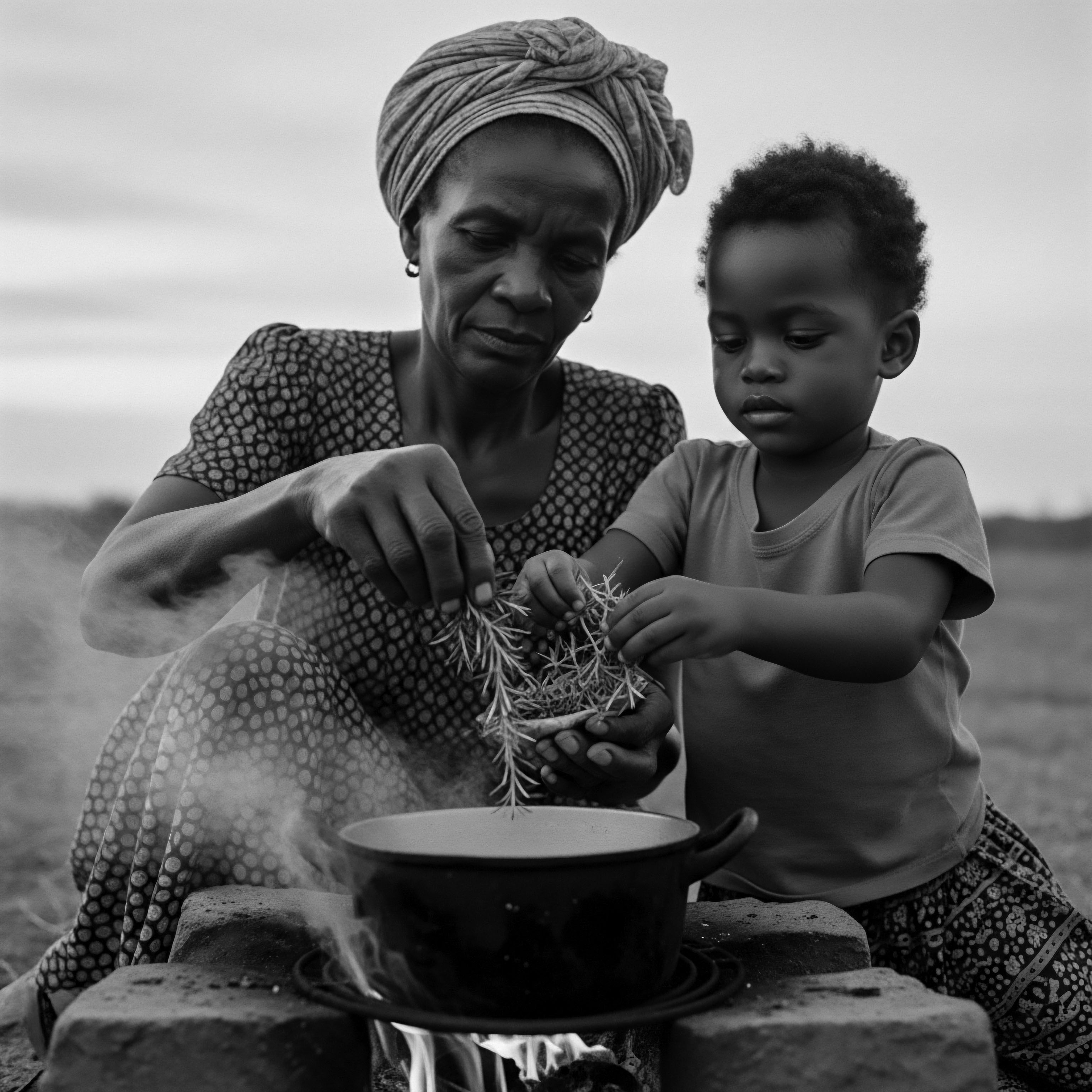
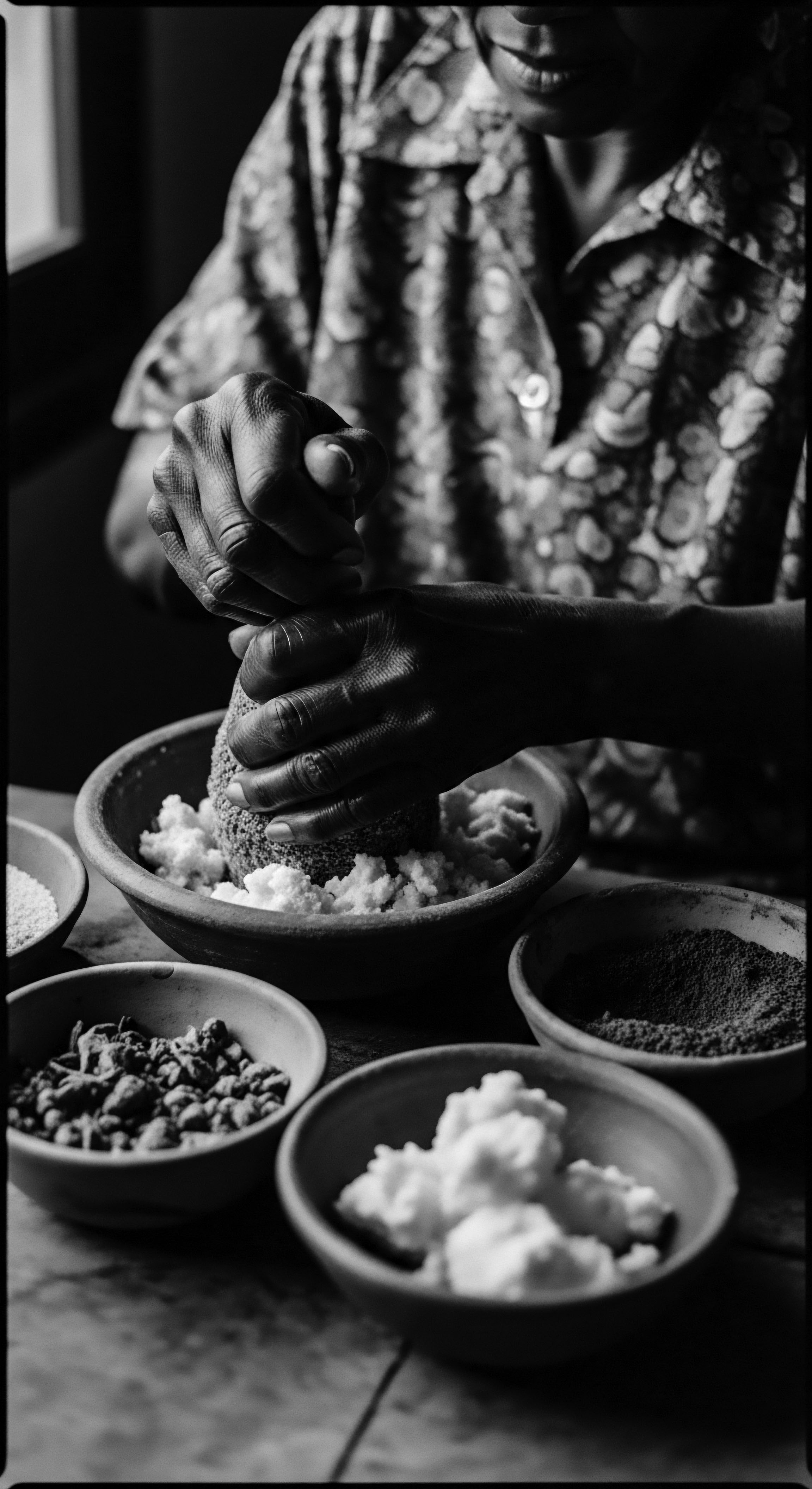
Modern science confirms historical African hair butter rituals effectively moisturize and protect textured hair, validating ancestral heritage.
How did ancient African societies classify hair?
Ancient African societies classified hair through its form, function, and cultural meaning, reflecting heritage, social status, and spiritual beliefs.
Cosmetic History
Meaning ❉ Cosmetic History explores the enduring practices, cultural meanings, and evolving significance of hair care and styling within heritage.
How did historical cultures care for coiled hair?
Historical cultures sustained coiled hair with natural ingredients and intricate protective styles, weaving care into collective heritage.
In what ways did textured hair heritage support survival during the transatlantic slave trade?
Textured hair heritage served as a vital tool for communication, concealment, and the preservation of identity amidst enslavement.
What specific plant butters were traditionally used for coiled hair care?
Traditional care for coiled hair deeply relied on plant butters like shea, cocoa, and kokum, reflecting a rich ancestral heritage.
What scientific principles underpin ancient communities’ use of oils for hair vitality?
Ancient oiling traditions for textured hair stem from empirical observations of botanical properties and environmental adaptation, a profound heritage validated by modern science.
Marcel Grateau
Meaning ❉ Marcel Grateau defines a thermal hair styling technique, the Marcel Wave, which profoundly shaped beauty standards and Black hair heritage.
Can traditional African hair rituals influence modern wellness routines?
Traditional African hair rituals offer a profound heritage of self-care and communal well-being for modern routines.
In what ways did ancient hair rituals strengthen community bonds and cultural identity?
Ancient hair rituals fortified community bonds and cultural identity through shared practices, symbolic adornments, and the communal transmission of heritage.
How did ancestral hair oiling practices adapt during periods of slavery?
Ancestral hair oiling adapted through ingenious substitution of available materials and transformed into a powerful cultural preservation tool.
Ashanti Duafe
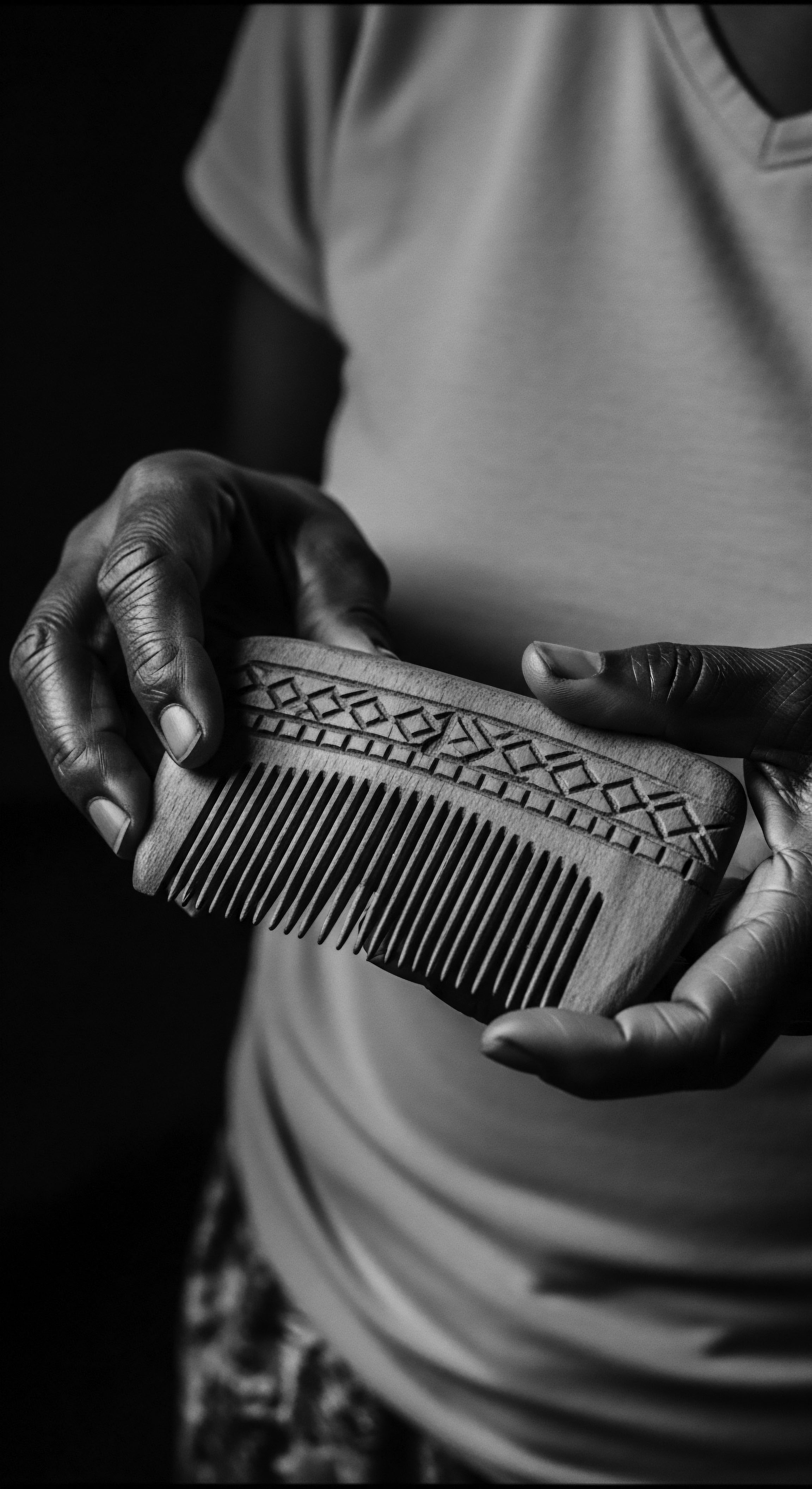
Meaning ❉ The Ashanti Duafe is a Ghanaian wooden comb, a cherished cultural artifact symbolizing beauty, care, and ancestral wisdom in textured hair practices.
How does textured hair heritage link to well-being?
Textured hair heritage profoundly links to well-being through cultural identity, ancestral practices, and shared communal wisdom.
How did ancient communities honor hair’s ancestral symbolism?
Ancient communities revered hair as a sacred symbol of identity, status, and spiritual lineage, particularly for textured hair heritage.
What traditional ingredients shaped modern textured hair regimens and their heritage?
Traditional ingredients like shea butter and castor oil shaped modern textured hair regimens through a living lineage of ancestral wisdom and care.
What historical role do head coverings play in Black hair care?
Head coverings protect, adorn, and symbolize cultural resilience and identity within textured hair heritage.
How did ancient African combs shape care?
Ancient African combs revolutionized textured hair care by providing tools perfectly suited for coils, symbolizing status, and shaping cultural heritage.
What is the historical significance of plant butters in African hair care?
Plant butters hold deep historical importance in African hair care, serving as traditional nourishes, protectors, and cultural anchors for textured hair heritage.
How do ancestral hair practices influence modern styling?
Ancestral hair practices significantly influence modern styling by providing foundational knowledge, techniques, and a deep appreciation for textured hair heritage.
Natural Hair Transformation
Meaning ❉ The Natural Hair Transformation defines a conscious return to and honoring of one's inherent hair texture, deeply rooted in Black and mixed-race heritage.
In what ways does hair discrimination connect to historical oppression?
Hair discrimination is deeply rooted in historical oppression, particularly targeting textured hair heritage as a means of social control.
How did communal practices influence hair care in ancestral societies?
Communal hair care in ancestral societies built social bonds, transmitted cultural knowledge, and expressed identity for textured hair heritage.
What traditional practices continue to shape modern hair care?
Traditional practices deeply rooted in textured hair heritage continue to sculpt modern care through ancestral ingredients and protective styling.
Carthaginian Hair Care
Meaning ❉ Carthaginian Hair Care is an ancient system of holistic hair maintenance and adornment, rooted in North African ethnobotanical wisdom and cultural significance.
How did the Tignon Laws influence Black women’s hair practices and cultural expression?
The Tignon Laws, intended to suppress Black women's visible identity, became a powerful catalyst for textured hair heritage.
What Are the Historical Origins of Textured Hair Protection?
Textured hair protection traces its roots to ancient ancestral wisdom, utilizing natural resources and styling to safeguard hair health and identity.
What cultural significance did hair hold during the transatlantic slave trade?
Hair acted as a vital cultural link, communication tool, and spiritual anchor for enslaved Africans, preserving textured hair heritage.
Heatless Hair Elongation
Meaning ❉ Heatless Hair Elongation is the gentle, non-thermal stretching of textured hair to reveal length while preserving its health and heritage.
What ancient civilizations used oils for textured hair?
Ancient civilizations across Africa, Asia, and the Mediterranean used natural oils like castor, olive, coconut, and shea for textured hair care, reflecting a deep heritage of ancestral practices.