What traditional ingredients underpin contemporary textured hair routines?
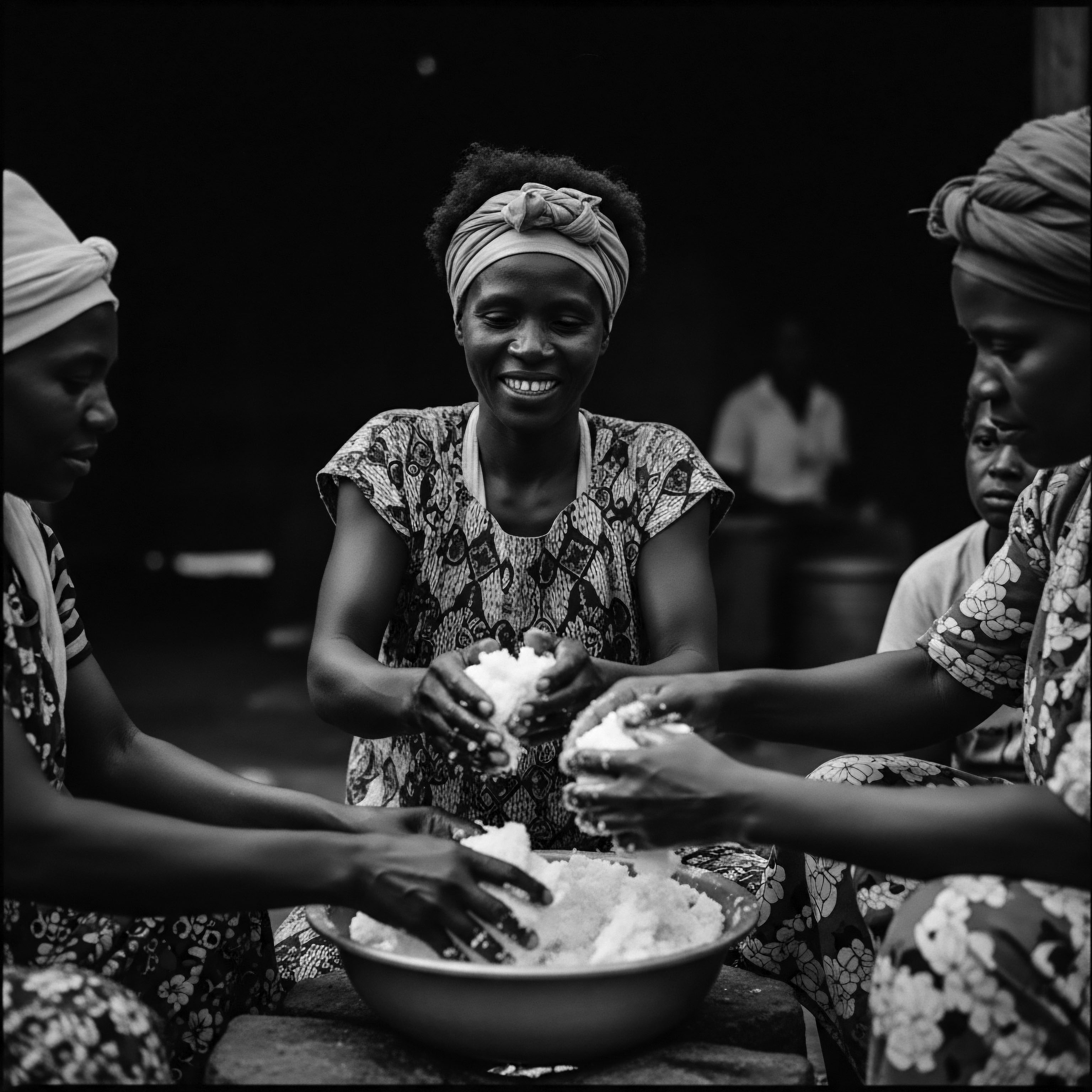
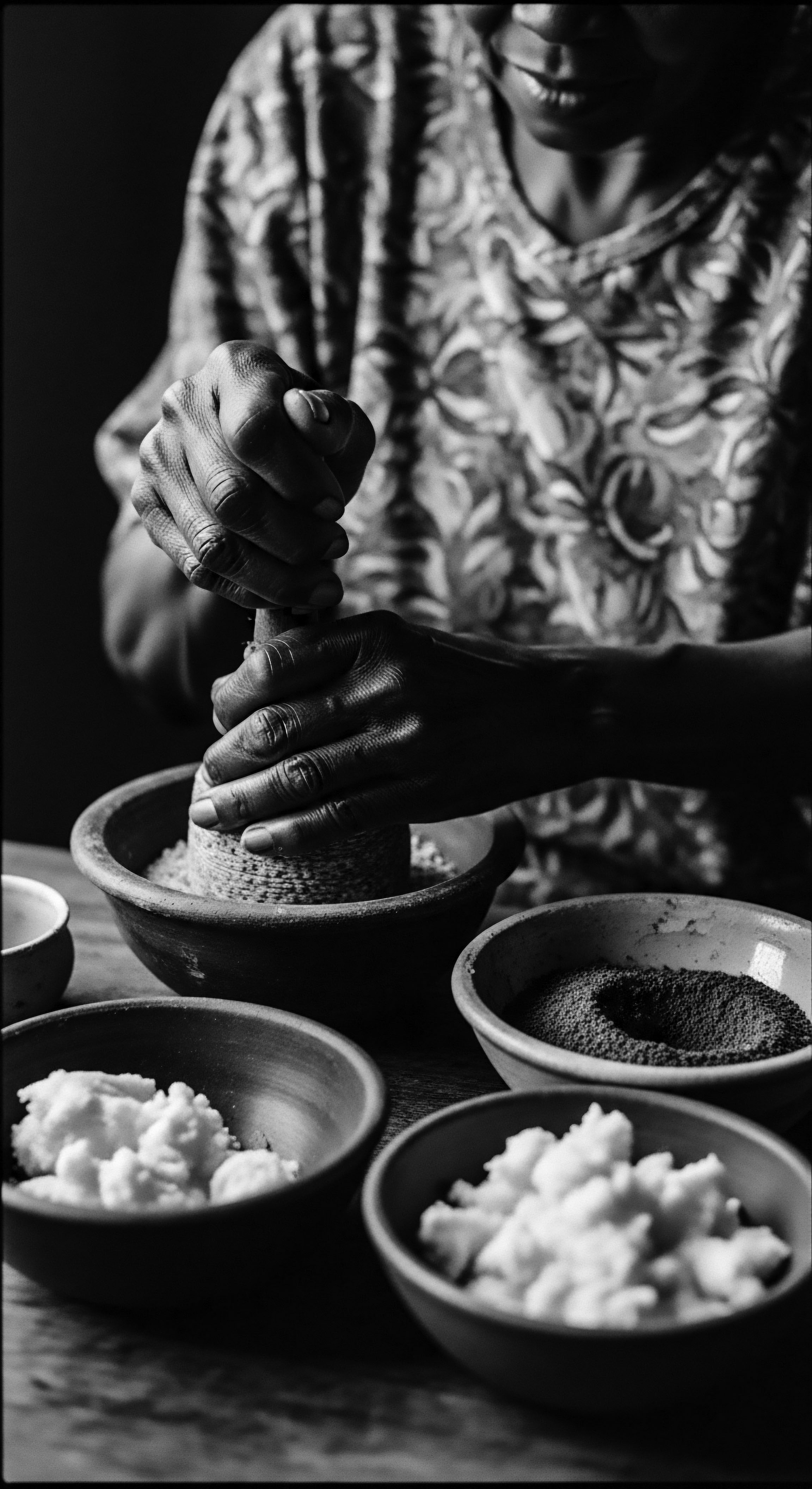
Traditional ingredients like shea butter, coconut oil, and Chebe powder underpin contemporary textured hair routines, reflecting ancestral wisdom.
Why are natural ingredients central to textured hair routines?
Natural ingredients are central to textured hair routines due to centuries of ancestral wisdom recognizing their unique properties for nourishment, protection, and cultural identity.
What ancestral practices aid textured hair?
Ancestral practices for textured hair center on protective styling, natural ingredients, and holistic care, honoring its heritage.
What is the ancestral knowledge within modern textured hair routines?
Ancestral knowledge within modern textured hair routines is the enduring wisdom of traditional protective styles, natural ingredients, and holistic care practices rooted in a rich cultural heritage.
Can ancient African hair practices inform modern textured hair regimens?
Ancient African hair practices offer a rich heritage of holistic care, protective styling, and natural ingredient use, profoundly guiding modern textured hair regimens.
How does communal knowledge shape modern textured hair care?
Communal knowledge, passed through generations, transforms textured hair care into an act of cultural preservation.
How did ancient societal views impact textured hair care?
Ancient societal views deeply influenced textured hair care by tying practices to identity, status, spirituality, and environmental adaptation.
Do workplace hair policies reflect cultural understanding of textured hair?
Workplace hair policies often fall short of recognizing the deep cultural and ancestral heritage intrinsically linked to textured hair, perpetuating historical biases.
How does baobab strengthen textured hair?
Baobab fortifies textured hair through ancestral wisdom and rich nutrients, enhancing elasticity for resilience.
How do legal protections support the health and cultural care of textured hair?
Legal protections for textured hair safeguard cultural care and health by preventing discrimination rooted in ancestral identity.
What traditional ingredients are used in textured hair cleansing?
Traditional textured hair cleansing relies on heritage ingredients like plant-based saponins, mineral clays, and ash-derived soaps, embodying ancestral wisdom.
Can ancient plant oils truly provide lasting moisture for textured hair?
Ancient plant oils offer lasting moisture by sealing existing hydration within textured hair, reflecting ancestral heritage of care.
What historical dietary shifts affected the strength of textured hair across generations?
Historical dietary shifts profoundly affected textured hair strength by altering nutrient availability, a legacy reflected in its ongoing heritage.
How have colonial beauty standards influenced modern textured hair care choices?
Colonial beauty standards coerced textured hair care away from ancestral practices, but heritage reclaiming now guides modern choices.
In what ways do textured hair rituals symbolize continuity of ancestry?
Textured hair rituals symbolize ancestral continuity through inherited care practices, coded communication, and enduring expressions of cultural identity.
How did ancestral knowledge shape textured hair hydration?
Ancestral knowledge shaped textured hair hydration by using natural elements and protective styles, understanding hair's unique structure.
How did colonialism redefine textured hair’s meaning?
Colonialism stripped textured hair of its ancestral meanings, imposing Eurocentric ideals, yet its heritage endured through acts of resistance.
Biomechanics of Coils
Meaning ❉ The Biomechanics of Coils is the scientific interpretation of textured hair's physical properties, deeply intertwined with its rich cultural and ancestral heritage.
Can historical hair care traditions teach us about current textured hair health?
Historical hair care traditions offer profound insights into textured hair health by emphasizing holistic, protective, and natural approaches rooted in heritage.
What specific plants did ancestral African communities use for textured hair health?
Ancestral African communities used plants like shea butter, rhassoul clay, and chebe powder for textured hair health, deeply rooted in their heritage.
Can ancient African hair rituals inform modern textured hair routines?
Ancient African hair rituals offer profound wisdom and practical guidance for modern textured hair routines, rooted deeply in heritage.
Lemon Hair Care
Meaning ❉ Lemon Hair Care defines the ancestral and contemporary utilization of citrus limon for textured hair health, deeply rooted in heritage and cultural practices.
How do traditional oils continue to influence textured hair care today?
Traditional oils preserve textured hair health through heritage practices and ancestral wisdom.
How did historical oppression impact textured hair customs?
Historical oppression deeply reshaped textured hair customs, yet communities preserved ancestral heritage through adaptation and resistance.
Baobab Hair Use
Meaning ❉ Baobab Hair Use signifies the ancient practice of utilizing the Baobab tree's components for hair care, deeply rooted in African heritage and textured hair traditions.
How has pH influenced textured hair cleansing rituals?
Textured hair cleansing rituals have long been shaped by pH, with ancestral practices intuitively balancing acidity to preserve hair's heritage.
How does ancestral knowledge of plant mucilages relate to modern textured hair care?
Ancestral plant mucilage knowledge offers textured hair heritage sustained hydration and gentle manipulation.
What ancestral knowledge does shea butter reveal about textured hair needs?
Shea butter reveals ancestral wisdom on textured hair's moisture, protection, and resilience, rooted in communal and economic heritage.