Bonnet Culture
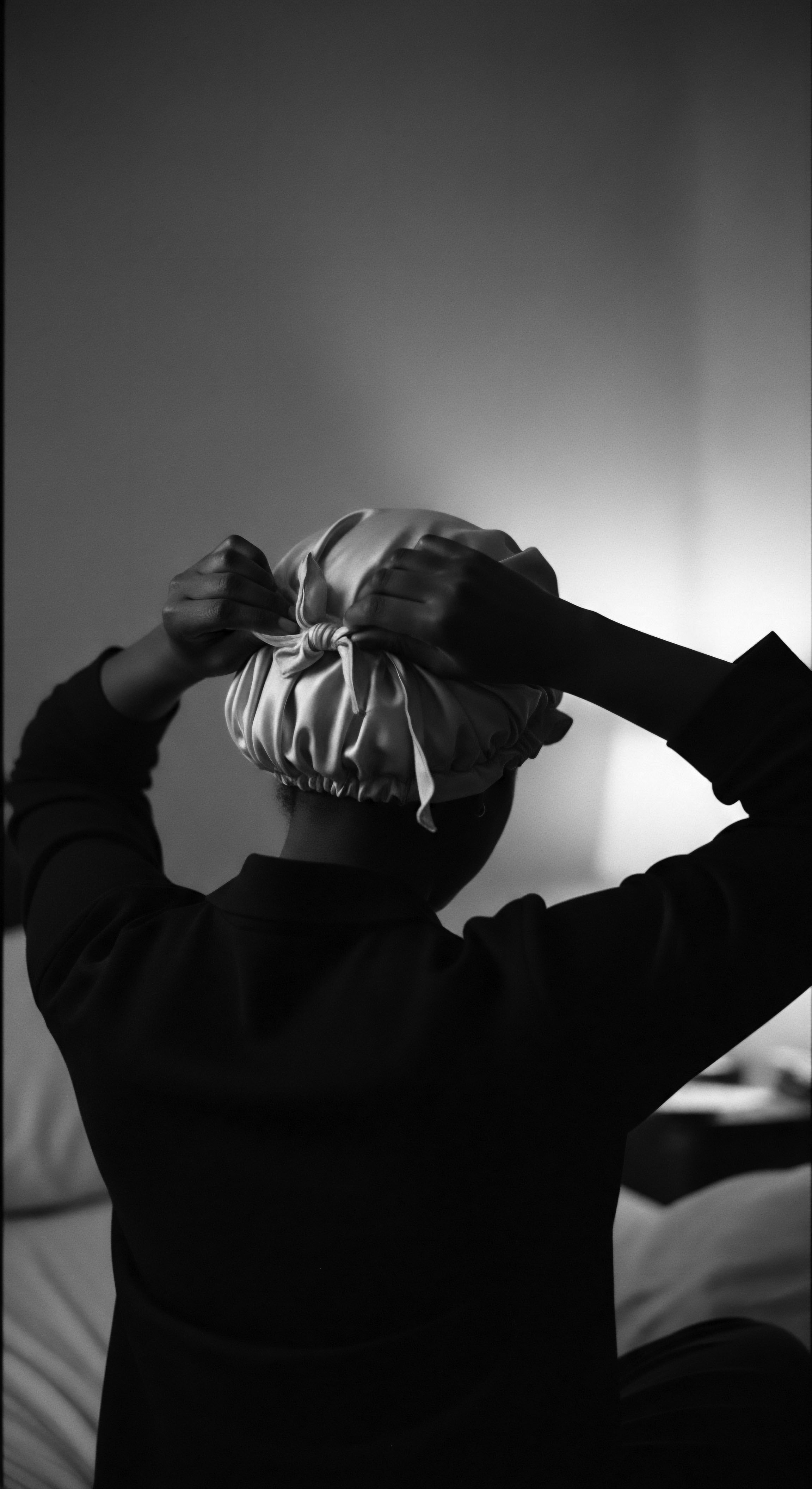
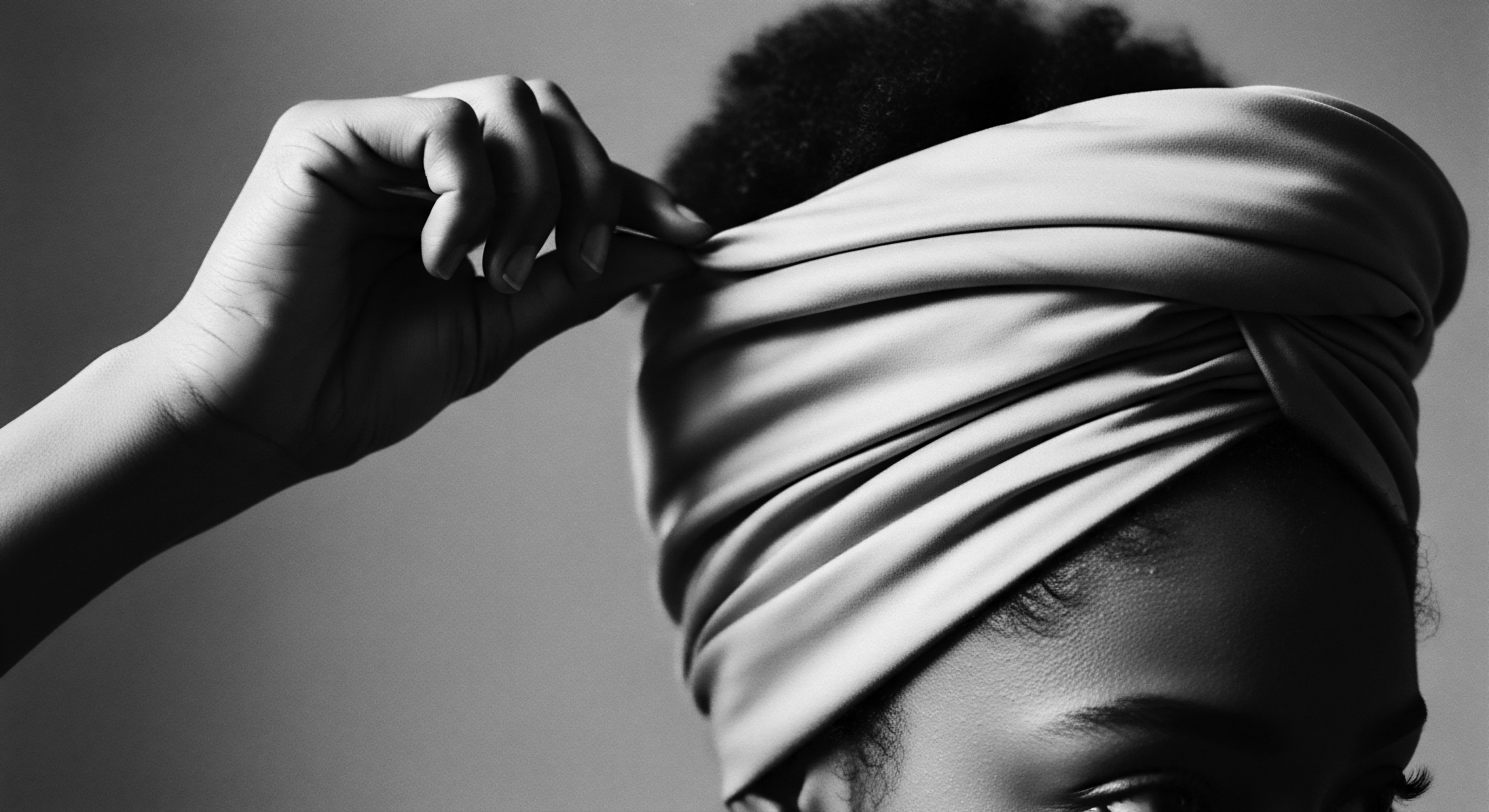
Meaning ❉ Bonnet Culture embodies the practices, knowledge, and historical significance of protective head coverings for textured hair.
In what ways does the cultural significance of textured hair inform holistic care traditions?
The cultural significance of textured hair informs holistic care traditions by grounding them in ancestral knowledge, community rituals, and a profound reverence for inherent beauty.
What benefits of red palm oil for textured hair does modern science confirm?
Red palm oil benefits textured hair through its rich fatty acids and antioxidants, affirming ancestral practices and cultural heritage.
Can ancient hair care practices with fenugreek apply to today’s textured strands?
Yes, ancient fenugreek practices deeply align with modern textured hair needs, offering heritage-informed benefits like hydration, strength, and scalp health.
What historical hair rituals connected people to their heritage?
Historical hair rituals for textured hair bound people to their heritage through spiritual, social, and defiant acts of self-preservation and identity.
How did colonial laws impact textured hair identity?
Colonial laws sought to control identity through hair, yet textured hair heritage persisted through acts of resistance and adaptation.
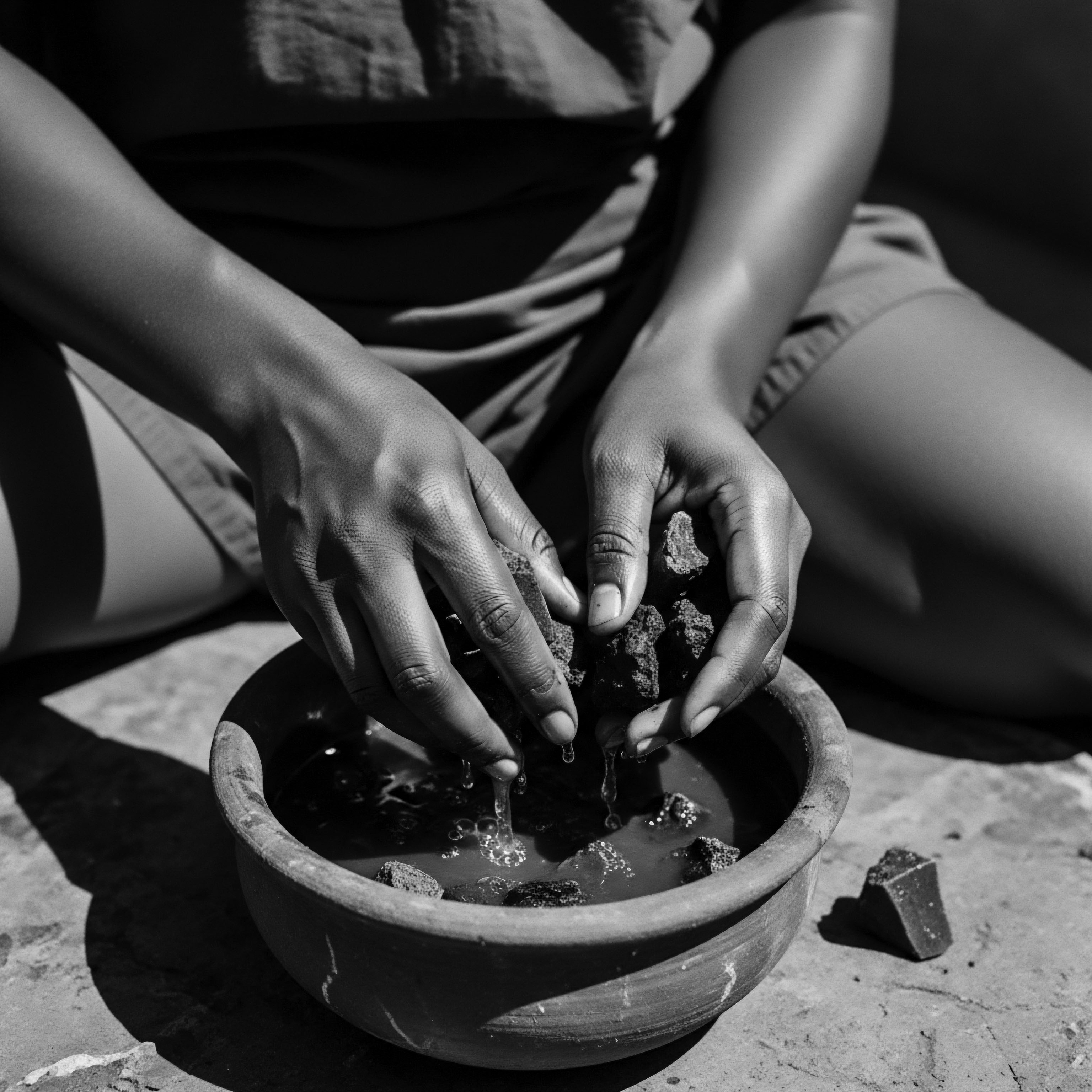
What traditional plant cleansers are used for textured hair?
Traditional plant cleansers for textured hair, like African Black Soap and Shikakai, draw from rich heritage to provide gentle, nourishing purification.
How do the botanical properties of castor oil support hair heritage?
Castor oil's unique botanical composition, rich in ricinoleic acid, historically nurtures textured hair by supporting scalp health and moisture retention.
What ancient botanical ingredients continue to benefit textured hair?
Ancient botanicals like shea, argan, amla, and chebe, rooted in diverse ancestral traditions, continue to provide deep moisture, strength, and protection to textured hair.
Enslavement Diet
Meaning ❉ The Enslavement Diet refers to forced nutritional deprivation during slavery, profoundly impacting Black health and shaping textured hair heritage.
How do modern routines honor Black hair heritage?
Modern routines honor Black hair heritage by blending ancestral wisdom and traditional practices with contemporary science for holistic textured hair care.
What traditional elements enhance textured hair vitality?
Traditional elements like natural ingredients, protective styles, and ancestral care rituals enhance textured hair vitality by connecting with deep heritage.
What traditional ingredients underpin contemporary textured hair product formulations and why?
Ancestral botanical wisdom underpins modern textured hair formulations, linking heritage with contemporary care for coils and curls.
What historical examples show oil use for textured hair heritage?
Historical examples reveal textured hair heritage infused with oil use for nourishment, protection, and cultural identity.
How do natural plant compounds defend textured hair against UV light?
Natural plant compounds, rich in antioxidants and UV absorbers, ancestrally defended textured hair, a practice now validated by modern science.
What ancestral practices highlight UV protection for textured hair?
Ancestral practices for textured hair UV protection blended physical coverings, natural botanical applications, and protective styling.
What traditional remedies cleanse textured hair?
Traditional remedies cleanse textured hair by honoring ancestral practices through natural ingredients, fostering a deep connection to heritage and holistic well-being.
Ethiopian Hair Butter
Meaning ❉ Ethiopian Hair Butter is a traditional clarified butter preparation, deeply rooted in ancestral practices for nourishing and protecting textured hair.
Can textured hair reveal cultural narratives of the past?
Textured hair acts as a living archive, conveying cultural identity, status, and historical resistance through its diverse styles and care traditions.
Can modern hair science affirm ancestral plant traditions for textured hair health?
Modern hair science increasingly validates the efficacy of ancestral plant traditions for textured hair health, honoring a deep heritage of care.
What ancestral oils aid textured hair strength and growth?
Ancestral oils, including shea butter and castor oil, deeply hydrate and strengthen textured hair by providing essential nutrients and protective barriers.
How does shea butter’s composition support textured hair’s unique needs?
Shea butter’s fatty acids and unique unsaponifiables offer protective moisture and pliability, aligning with deeply rooted textured hair heritage.
How did ancient plant rituals impact textured hair?
Ancient plant rituals deeply impacted textured hair by providing tailored nourishment, protection, and cultural significance, grounding its heritage in earth's wisdom.
What cultural significance do plant-based hair rituals hold for textured hair?
Plant-based hair rituals for textured hair signify a deep heritage of ancestral wisdom, resilience, and cultural identity.
How does textured hair lineage shape self-perception and care?
Textured hair lineage shapes self-perception and care through inherited biology, ancestral practices, and ongoing cultural reclamation.
Citrus Limon Uses
Meaning ❉ Citrus Limon Uses refers to the historical and contemporary applications of lemon in hair care, particularly for textured hair, rooted in ancestral wisdom and supported by modern science.
What ancestral hair washes support textured hair?
Ancestral hair washes used natural elements like rhassoul clay and plant saponins for gentle, heritage-aligned cleansing.
What hair ingredients did ancient Egyptians use for textured hair?
Ancient Egyptians used animal fats, castor oil, beeswax, and henna to nourish and style textured hair, linking ancestral care with heritage.
What historical customs honored textured hair identity?
Historical customs honored textured hair as a symbol of identity, status, spirituality, and a powerful link to ancestral heritage.