Meaning ❉ Acid rinses are diluted acidic solutions that restore hair's optimal pH, smoothing cuticles, and reflecting ancestral care practices for textured hair.
Ancestral practices prevent breakage by prioritizing protection, moisture, and gentle manipulation, reflecting a deep respect for textured hair's heritage.
Traditional ingredients like shea butter, chebe powder, hibiscus, and neem oil historically protected textured hair cuticles through sealing, conditioning, and gentle care, rooted in ancestral practices.
Textured hair stigma originates from colonial efforts to dehumanize Black people, imposing Eurocentric beauty standards to assert dominance over ancestral heritage.
Ancient botanical wisdom, rich with plant-based oils and herbs, provided essential moisture and protection for textured hair, deeply rooted in diasporic heritage.
Meaning ❉ Historical Grain Use denotes the ancient application of grains and their derivatives for hair care, deeply rooted in ancestral and cultural heritage.
Meaning ❉ Cereal Grain Heritage is the historical and cultural significance of grains in traditional textured hair care practices and ancestral wisdom.
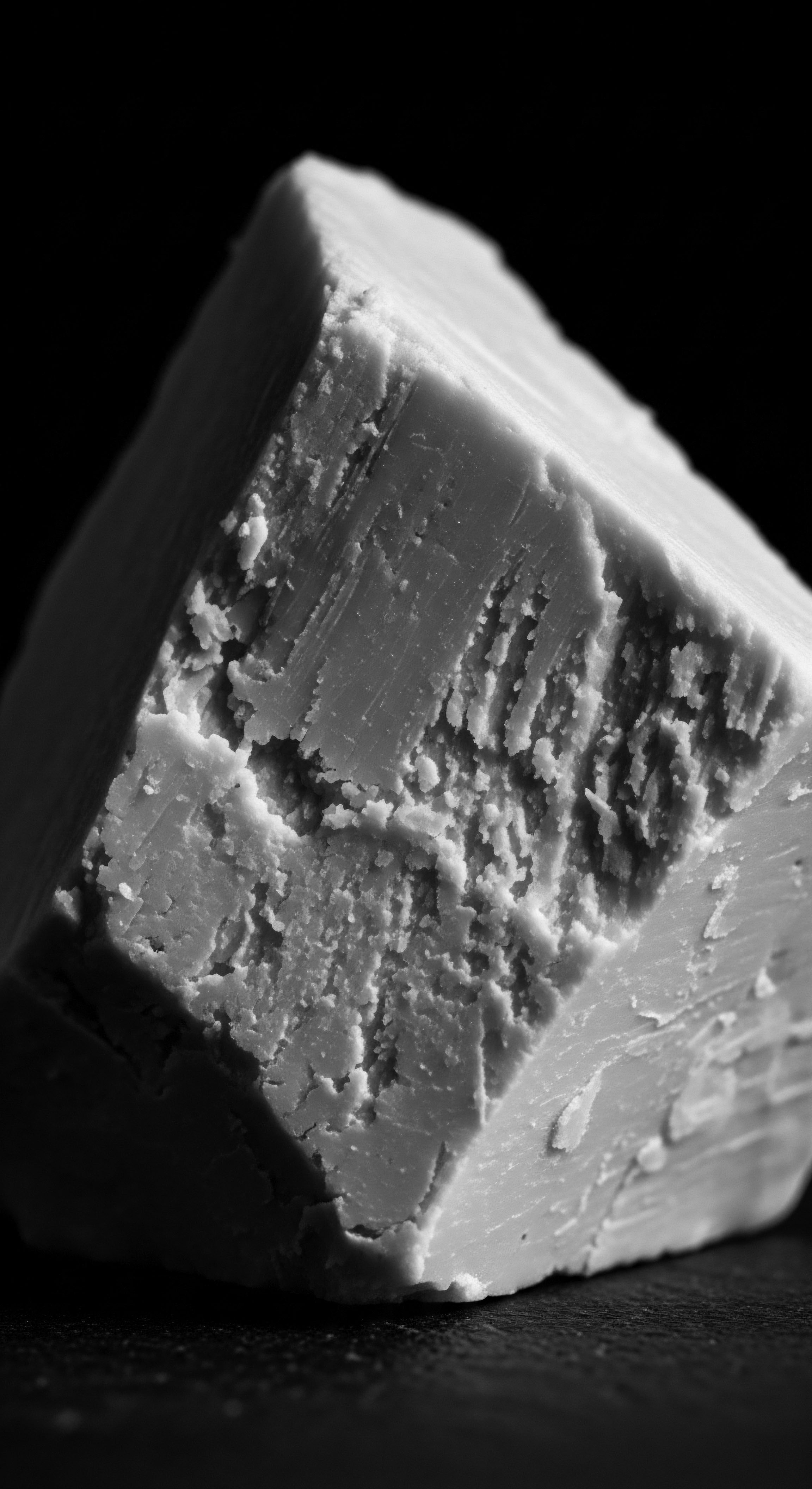
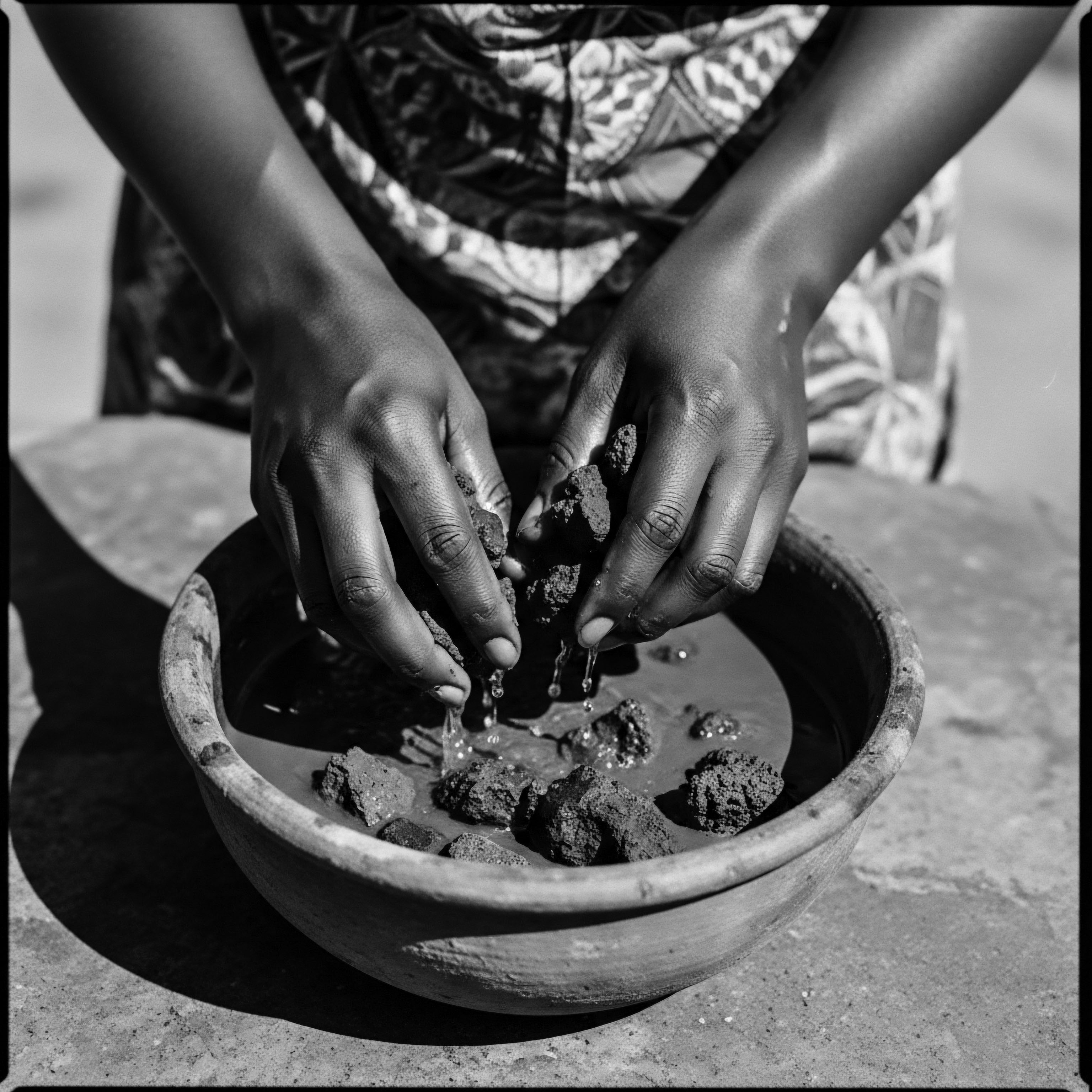
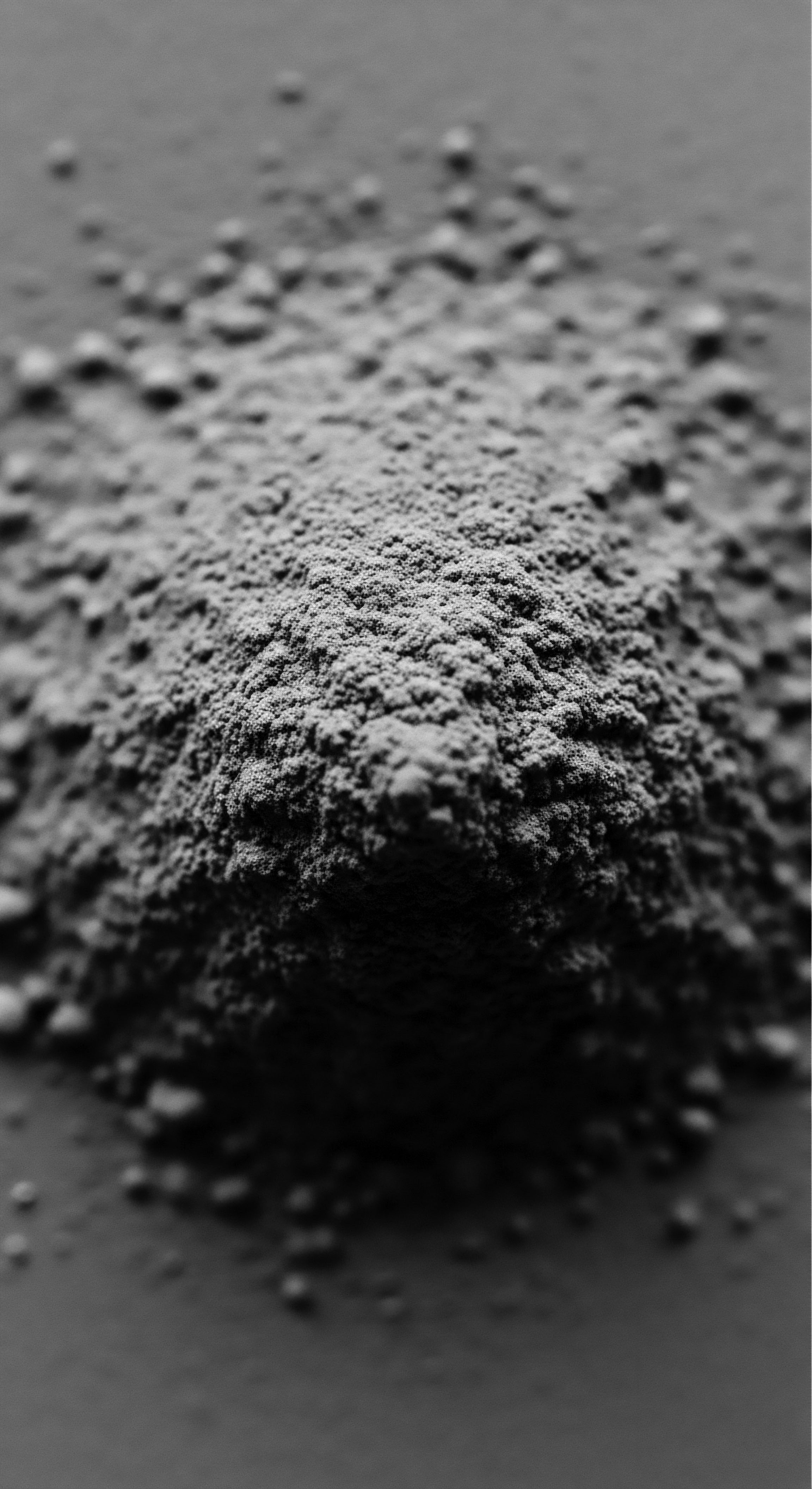
Rhassoul clay holds ancestral significance for textured hair by providing a gentle, mineral-rich cleansing and conditioning rooted in centuries of North African tradition.
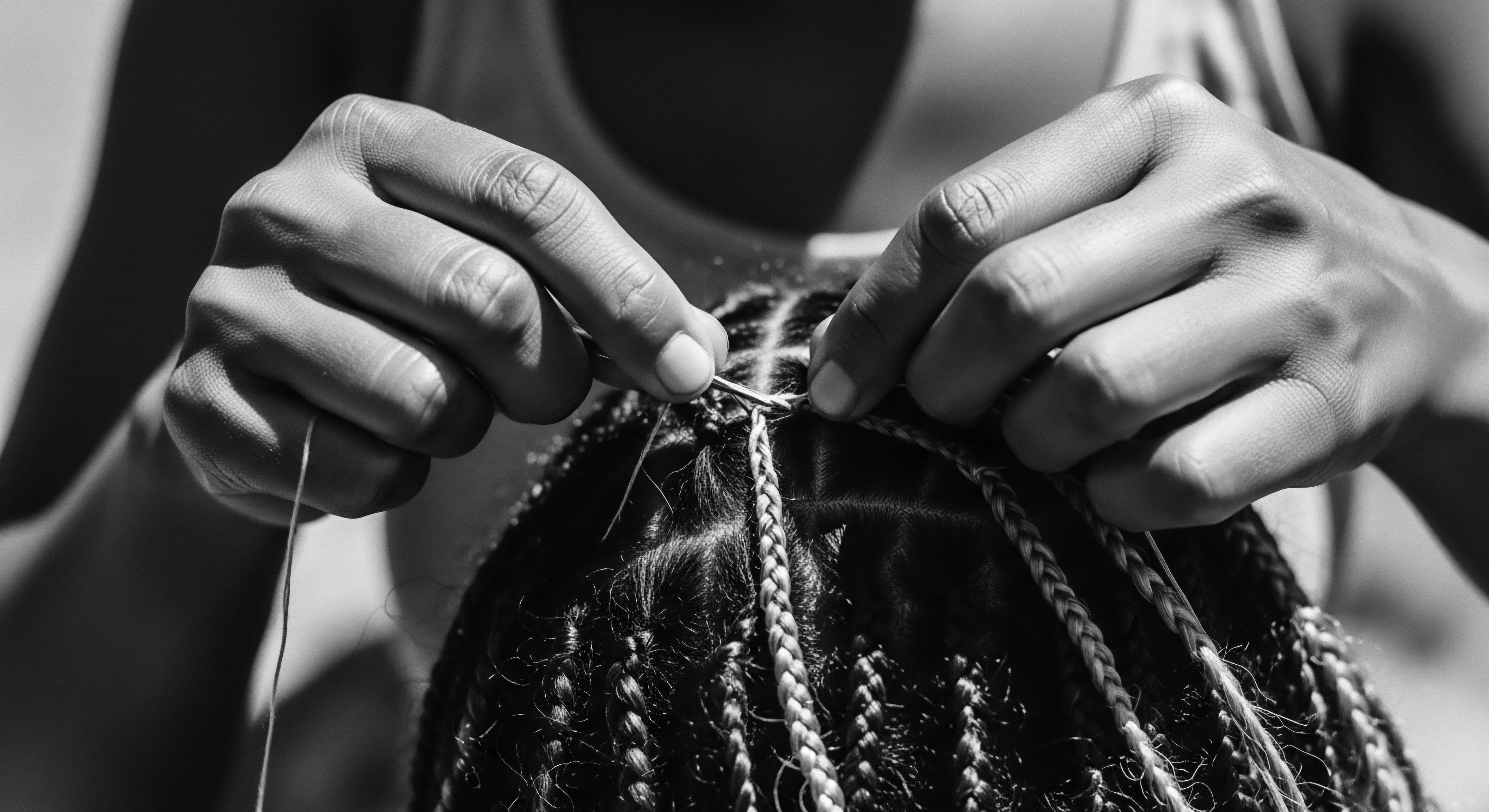
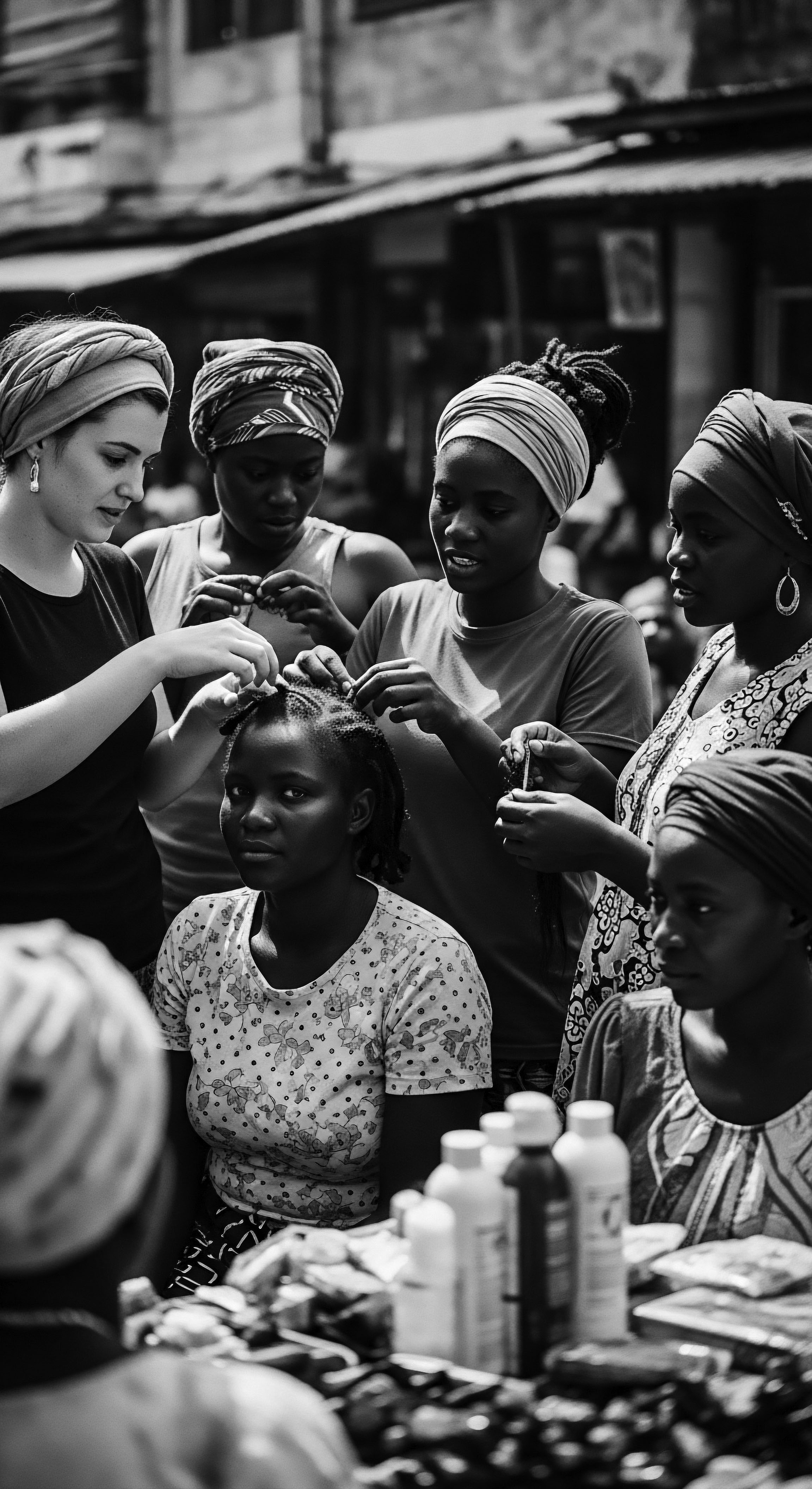
Traditional African hair rituals honor heritage by expressing identity, social standing, and spiritual connection through skilled styling and communal care.
Ancient textured hair cleansing practices were guided by diverse cultural heritages using natural ingredients like clays and plant saponins, deeply woven into communal rituals and symbolic identity.
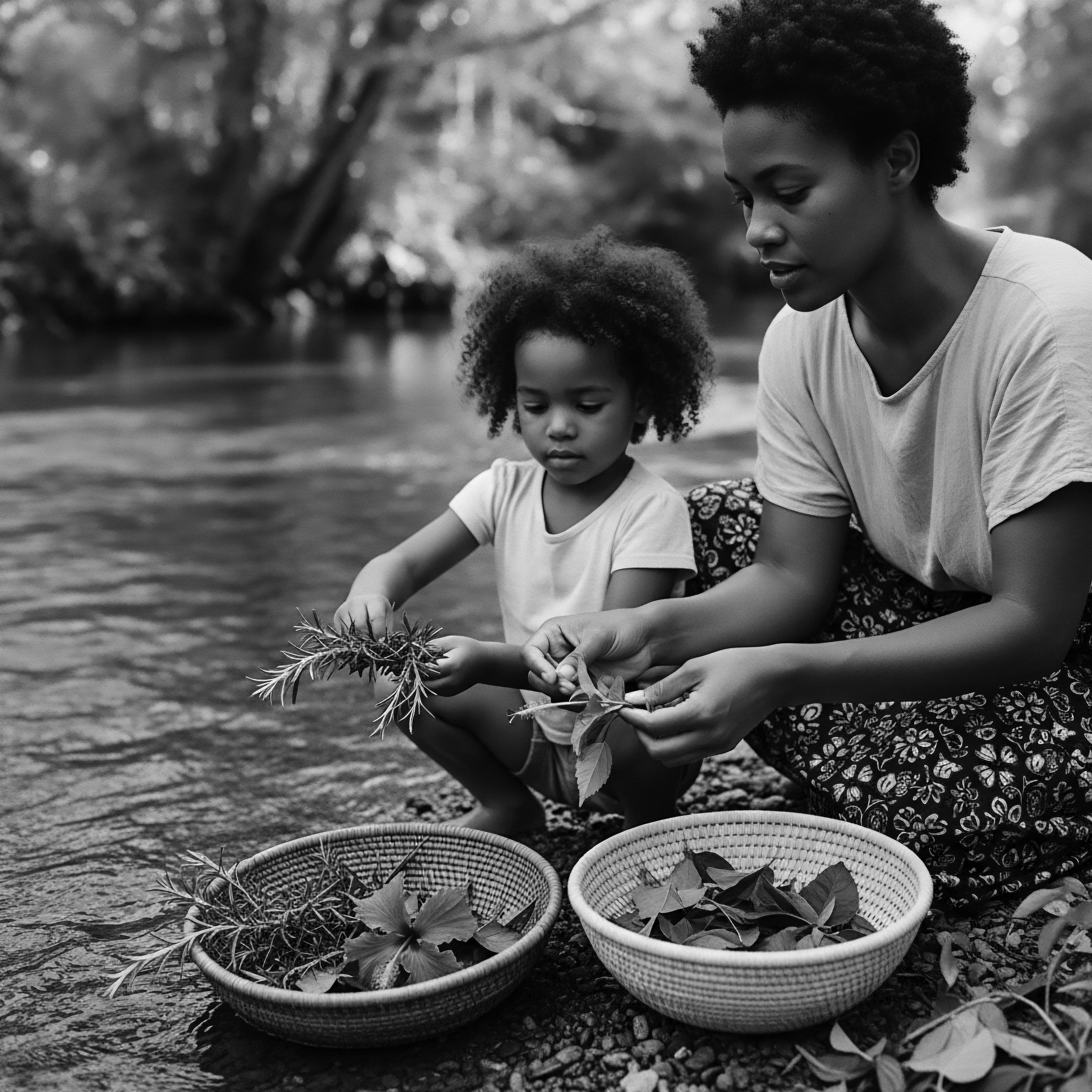
Historical plant remedies cleansed and healed textured hair using botanicals rich in saponins, mucilage, and emollients, deeply rooted in ancestral heritage.
Ancient purification methods for textured hair honored its unique biology by employing natural ingredients and holistic rituals that supported health, identity, and community.
Traditional African ingredients shape modern textured hair products by providing proven botanical efficacy and upholding a rich heritage of natural care.
Earth clay purifies textured hair by drawing out impurities through its negative charge, connecting modern cleansing to ancestral traditions of natural care.
Hair wrapping safeguards textured hair by reducing friction, retaining moisture, and protecting against environmental elements, a practice deeply rooted in ancestral heritage.
Ancestral textured scalp cleansing often utilized natural elements like clays, plant saponins, and fermented grains, honoring heritage and hair health.
Meaning ❉ Earth Wisdom Cosmetology is a holistic approach to textured hair care rooted in ancestral practices, natural elements, and cultural identity.
We use cookies to personalize content and marketing, and to analyze our traffic. This helps us maintain the quality of our free resources. Manage your preferences below.
This helps support our free resources through personalized marketing efforts and promotions.
Analytics cookies help us understand how visitors interact with our website, improving user experience and website performance.
Personalization cookies enable us to customize the content and features of our site based on your interactions, offering a more tailored experience.