Can genetics explain textured hair’s unique thirst for moisture?
Textured hair's inclination for moisture stems from inherited follicle structure and is addressed through generations of ancestral care.
What genetic factors affect textured hair appearance?
Genetic factors, including follicle shape and KRTAP genes, fundamentally determine textured hair's appearance, a legacy honored through generations.
What traditional botanicals are foundational to textured hair wellness?
Foundational traditional botanicals, rooted in ancestral wisdom, provide textured hair with essential moisture, strength, and protection.
In what ways did colonial rule impact textured hair identity?
Colonial rule fragmented textured hair identity by imposing Eurocentric beauty standards, fostering discrimination, and disrupting ancestral care rituals, yet prompting powerful acts of heritage preservation.
Can traditional hair care practices offer modern scientific insights for textured hair?
Traditional hair care practices offer profound scientific insights, validated by modern understanding, deeply connecting us to textured hair heritage.
What ancient cleansing traditions honored textured hair heritage?
Ancient cleansing traditions for textured hair honored heritage by using natural elements to gently purify, sustaining hair's intrinsic moisture and cultural significance.
In what ways does modern science confirm ancestral textured hair care?
Modern science affirms ancestral textured hair care by validating the structural and chemical benefits of time-honored practices, linking heritage to biological efficacy.
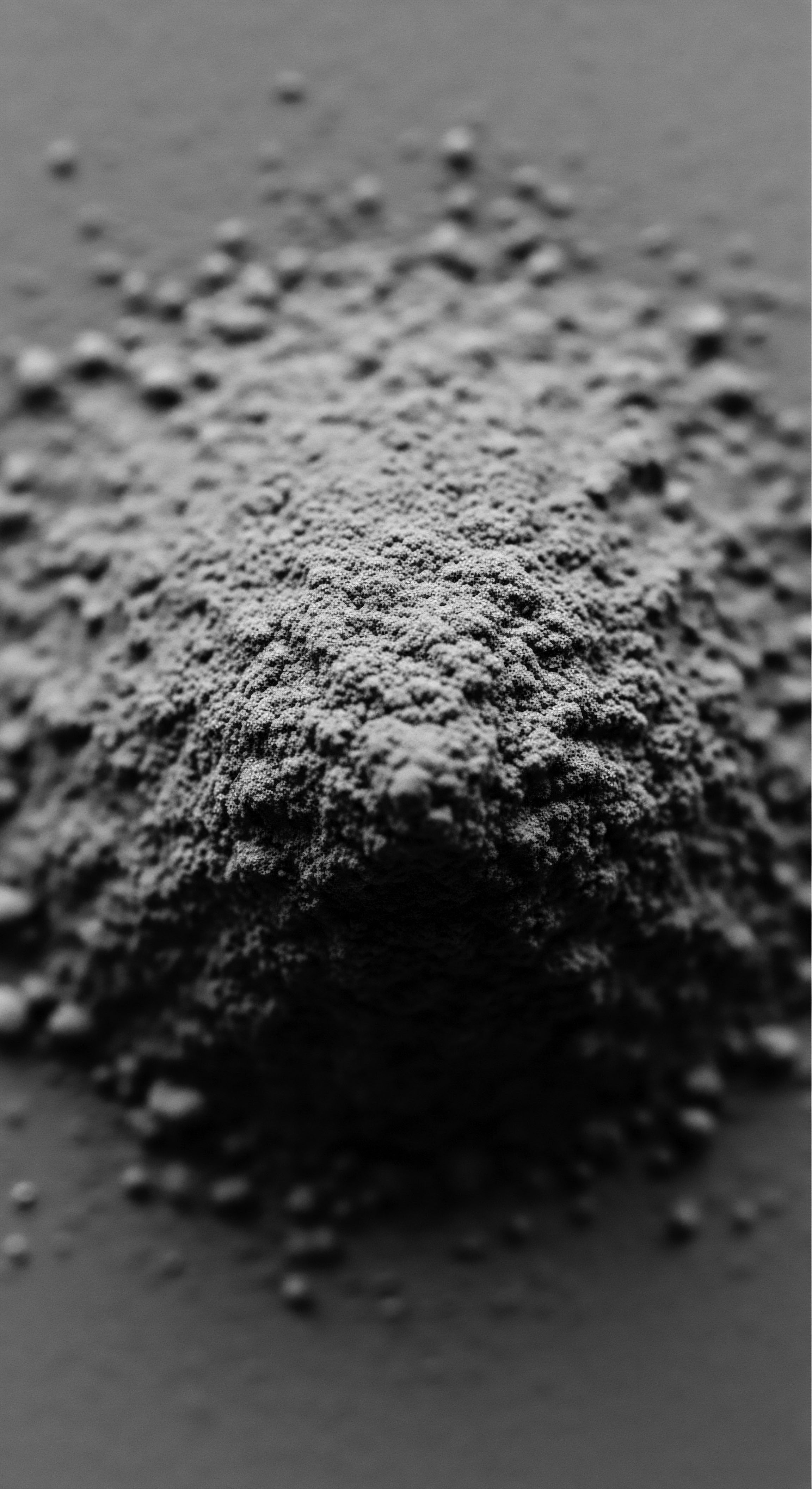
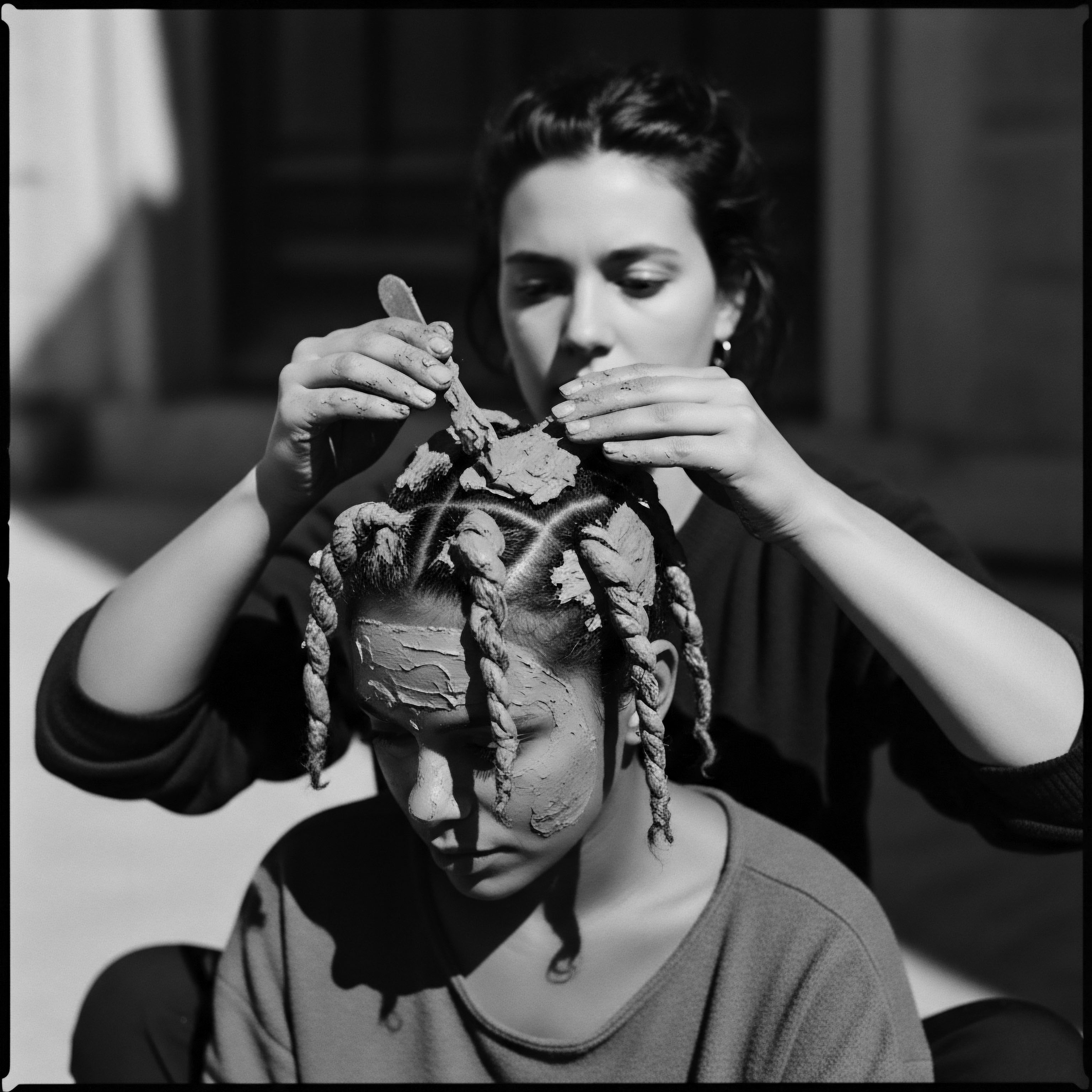
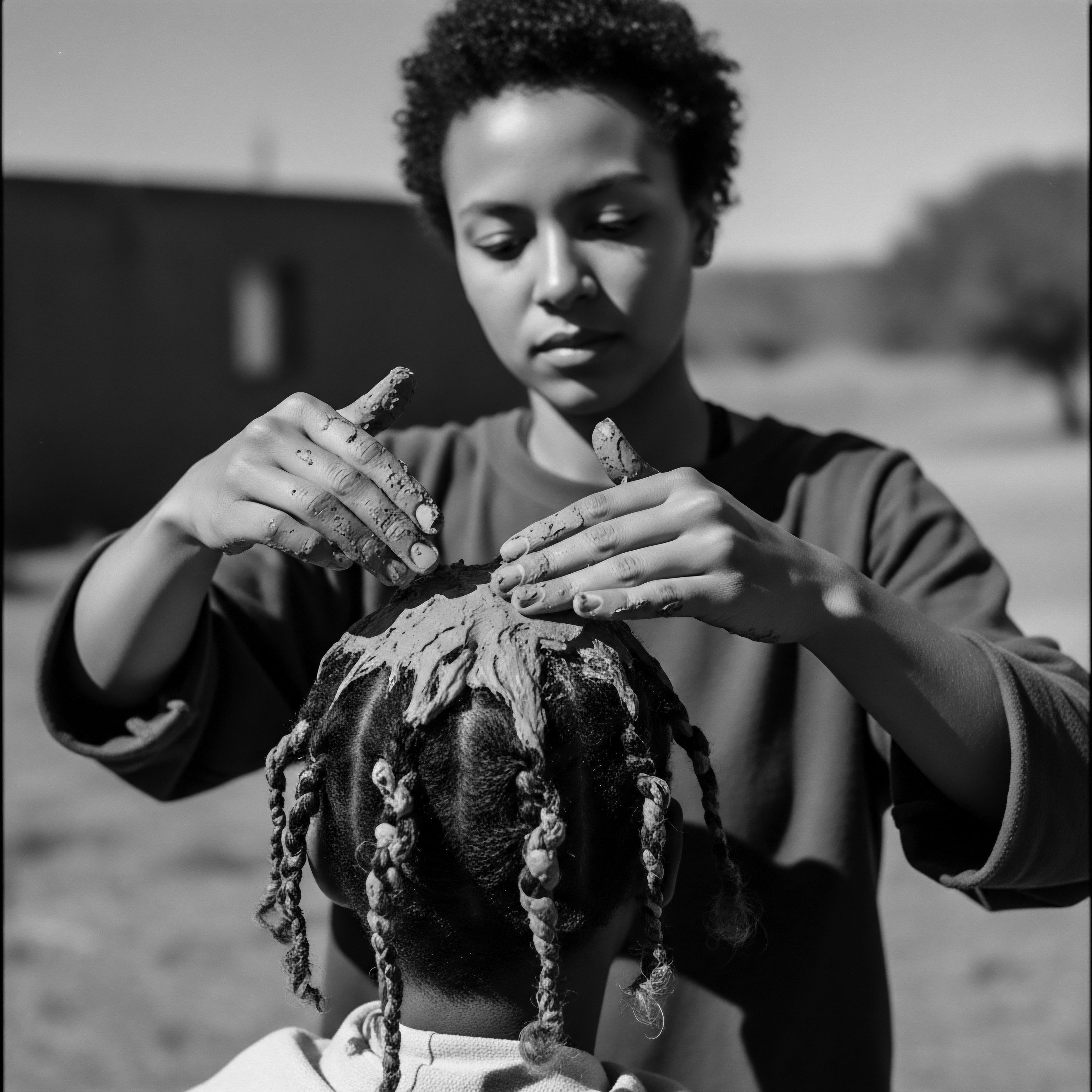
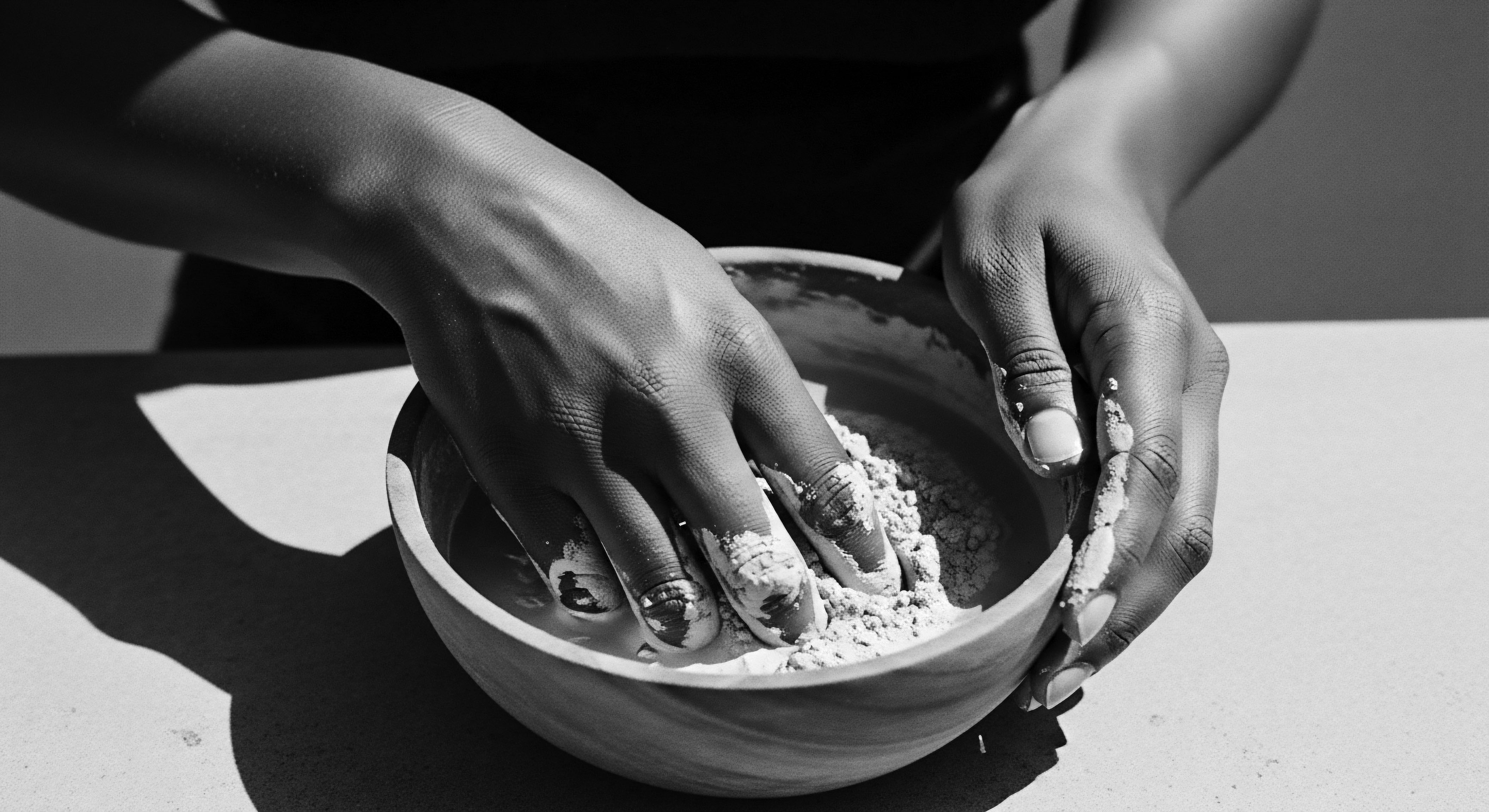
Can rhassoul clay honor the heritage of textured hair without stripping its moisture?
Rhassoul clay honors textured hair heritage by cleansing through adsorption, preserving moisture, and enriching strands with essential minerals.
How did red palm oil nourish textured hair historically?
Red palm oil historically nourished textured hair by providing ancestral moisture, protection, and sheen, vital for maintaining hair integrity across generations.
What materials best preserve textured hair overnight, reflecting heritage wisdom?
Silk and satin textiles, building upon ancestral head-covering wisdom, best preserve textured hair overnight.
Why do textured hair types require more hydration?
Textured hair requires more hydration due to its unique coil patterns hindering natural oil distribution, a biological reality understood ancestrally.
What genetic variations shape textured hair’s diverse forms?
Genetic variations, passed down through generations, fundamentally shape the unique curl patterns and structural resilience of textured hair, connecting it deeply to ancestral heritage.
What ancient Egyptian ingredients supported textured hair vibrancy?
Ancient Egyptians used a medley of plant oils, animal fats, and herbs, like castor oil and honey, to hydrate and protect textured hair, deeply rooted in their heritage.
Can historical hair care practices inform modern understanding of textured hair?
Historical hair care practices, steeped in ancestral wisdom, offer profound guidance for understanding and nurturing textured hair today.
Can historical oils truly benefit textured hair?
Yes, historical oils truly benefit textured hair by offering ancestral nourishment and protection, a legacy affirmed by heritage and science.
What historical dietary shifts influenced the strength of diasporic textured hair?
Historical dietary shifts, from nutrient-rich ancestral foods to forced deprivations, significantly influenced diasporic textured hair strength.
Which historical cleansing methods maintained textured hair’s moisture?
Historical cleansing methods for textured hair prioritized gentle, natural ingredients to preserve moisture, reflecting deep ancestral knowledge.
What minerals in ghassoul clay supported textured hair health historically?
Ghassoul clay's magnesium and silica content historically supported textured hair health through gentle cleansing and strengthening, rooted in ancestral North African practices.
How did ancestral practices impact textured hair scalp well-being?
Ancestral practices fostered textured hair scalp well-being through natural ingredients, protective styles, and communal rituals, preserving heritage.
What historical care methods supported textured hair health?
Historical care methods supported textured hair health through protective styles, botanical applications, and mindful manipulation, deeply rooted in ancestral heritage.
What clays hydrate textured hair?
Certain clays, like rhassoul and bentonite, hydrate textured hair by drawing moisture and minerals, a practice rooted in ancestral cleansing rituals.
What minerals are in rhassoul clay for textured hair?
Rhassoul clay, rich in silica and magnesium, is a mineral earth revered in Moroccan heritage for gently cleansing textured hair.
In what ways do modern textured hair identities connect with ancient care practices?
Modern textured hair identities connect with ancient care practices through shared techniques, ancestral wisdom, and the enduring cultural significance of hair.
Which traditional plants colored Afro-textured hair historically?
Ancestral communities colored Afro-textured hair using plants like henna, indigo, and walnut hulls, signifying status and heritage.
Steam Hair Care
Meaning ❉ Steam Hair Care is a hydro-thermal treatment using moist heat to open hair cuticles and pores, enhancing hydration and product absorption for textured hair.
How does the ancient knowledge of botanicals offer solutions for textured hair’s unique structural challenges?
Ancient botanical knowledge provides time-tested solutions for textured hair’s structural needs, a profound heritage passed through generations.
How did ancient plant dyes bond with textured hair?
Ancient plant dyes bonded with textured hair by staining keratin proteins, creating lasting hues through natural chemical interactions that honored cultural identity.
Locs Legal
Meaning ❉ Locs Legal is the inherent recognition and protection of textured hair's natural form, particularly locs, rooted in profound cultural heritage and ancestral wisdom.
What scientific principles underpin time-honored textured hair practices?
Time-honored textured hair practices are underpinned by empirical insights into friction, moisture, and hair mechanics, reflecting deep ancestral understanding.