Ancestral African ingredient knowledge profoundly shapes modern textured hair practices by offering time-tested botanical wisdom and care rituals rooted in heritage.
Tignon Laws forced Black women to cover their hair, yet they transformed these coverings into vibrant symbols of cultural pride and enduring textured hair heritage.
Bonnets shield textured hair from friction and moisture loss, a practice rooted in ancestral wisdom and validated by modern hair science, deeply connecting to Black and mixed-race hair heritage.
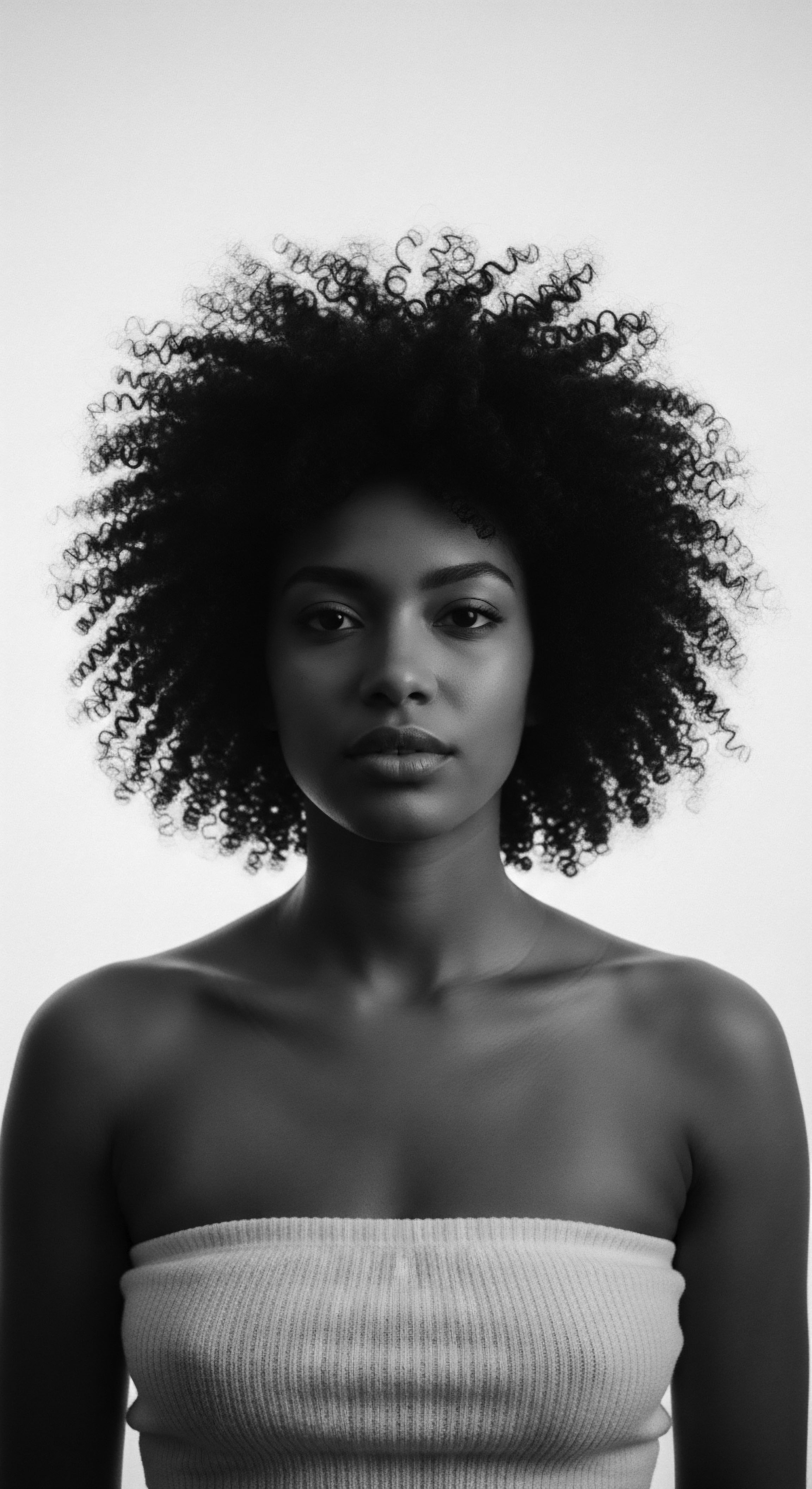
Embracing natural textured hair profoundly honors ancestral heritage by affirming historical resilience and fosters self-acceptance through cultural reclamation.
Traditional African ingredients, from shea butter to chebe powder, supported textured hair growth by nourishing, protecting, and preserving its unique structure, rooted in centuries of ancestral wisdom.
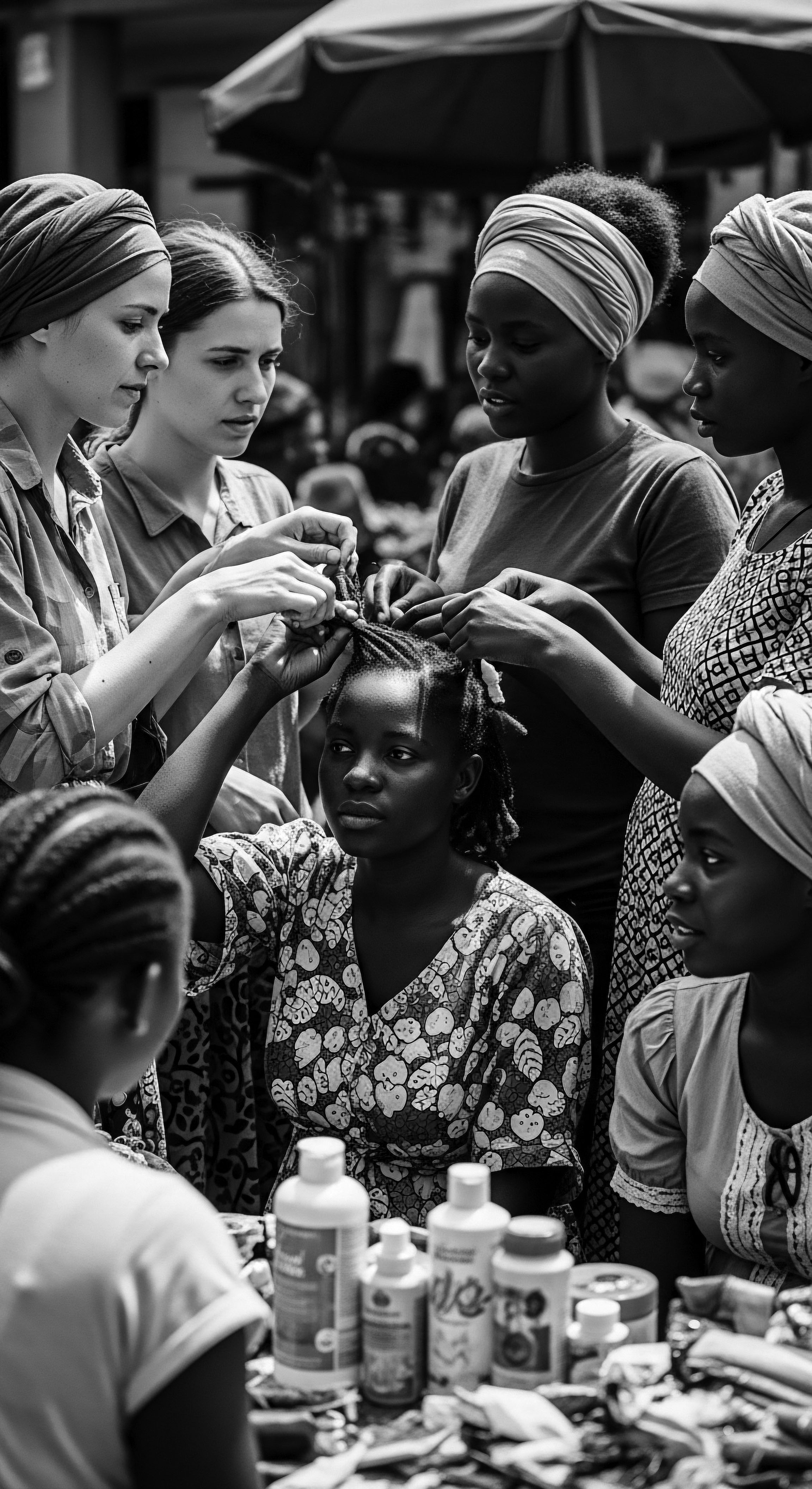
Plant-based hair care connects to Black cultural identity and resilience by honoring ancestral wisdom and serving as a tangible link to textured hair heritage.
Ancient evidence confirms textured hair protective styling through artifacts, art, and enduring cultural practices, safeguarding strands for millennia.
Textured hair care acts as cultural reclamation by reconnecting individuals with ancestral practices, defying oppressive beauty standards, and celebrating diverse heritage.
Historical legal challenges often deemed textured hair unprofessional, forcing individuals to alter their natural styles and disconnect from their heritage for employment.
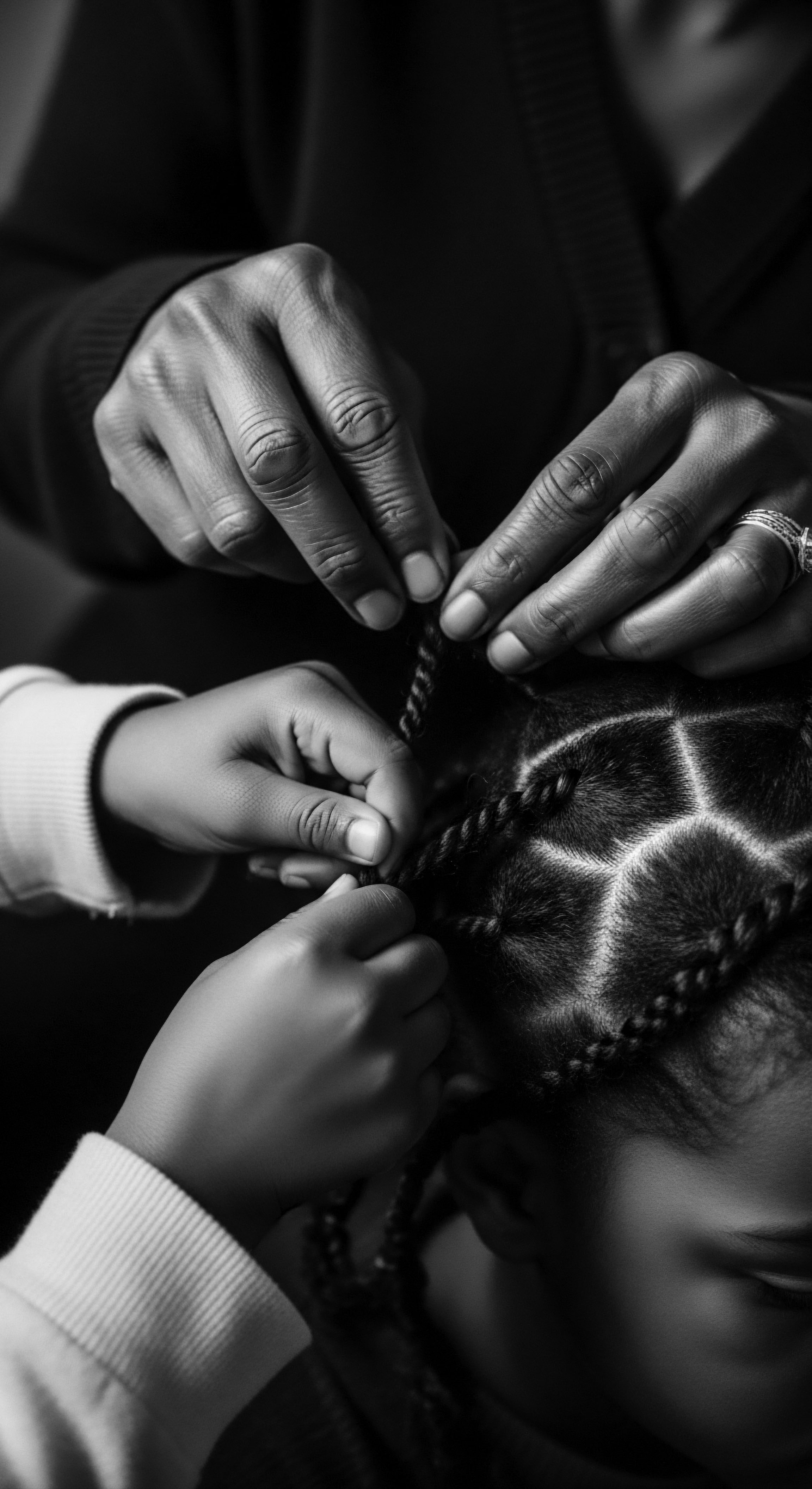
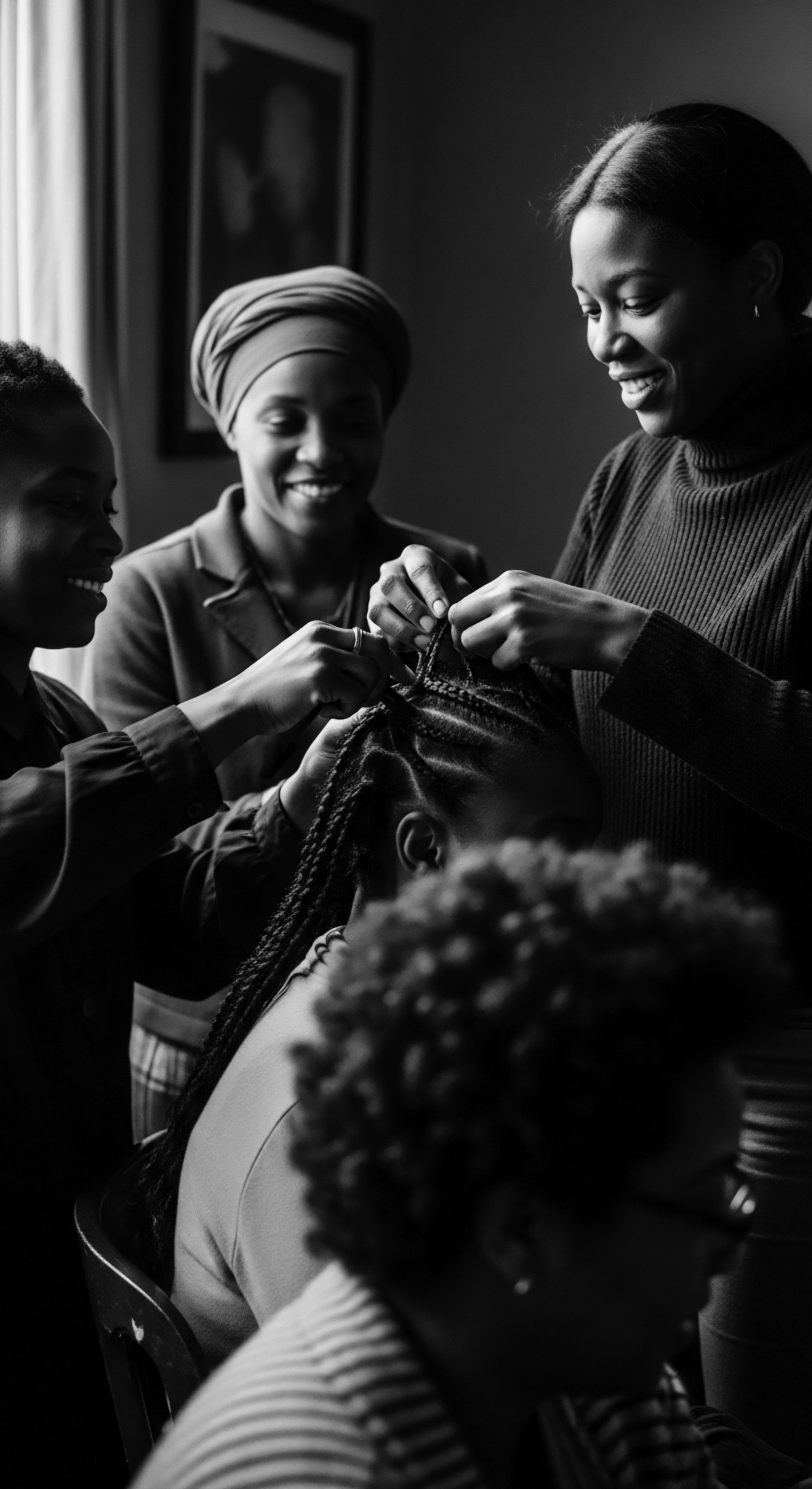
Historical hair practices protected textured hair through ancestral braiding, threading, and natural oiling rituals that minimized manipulation and sealed in moisture.
Understanding textured hair heritage reveals ancestral practices that profoundly shape contemporary wellness approaches, emphasizing holistic care and cultural identity.
Textured hair's unique coiling arises from elliptical follicles and asymmetric keratin distribution, a biological legacy deeply tied to ancestral adaptation and cultural identity.
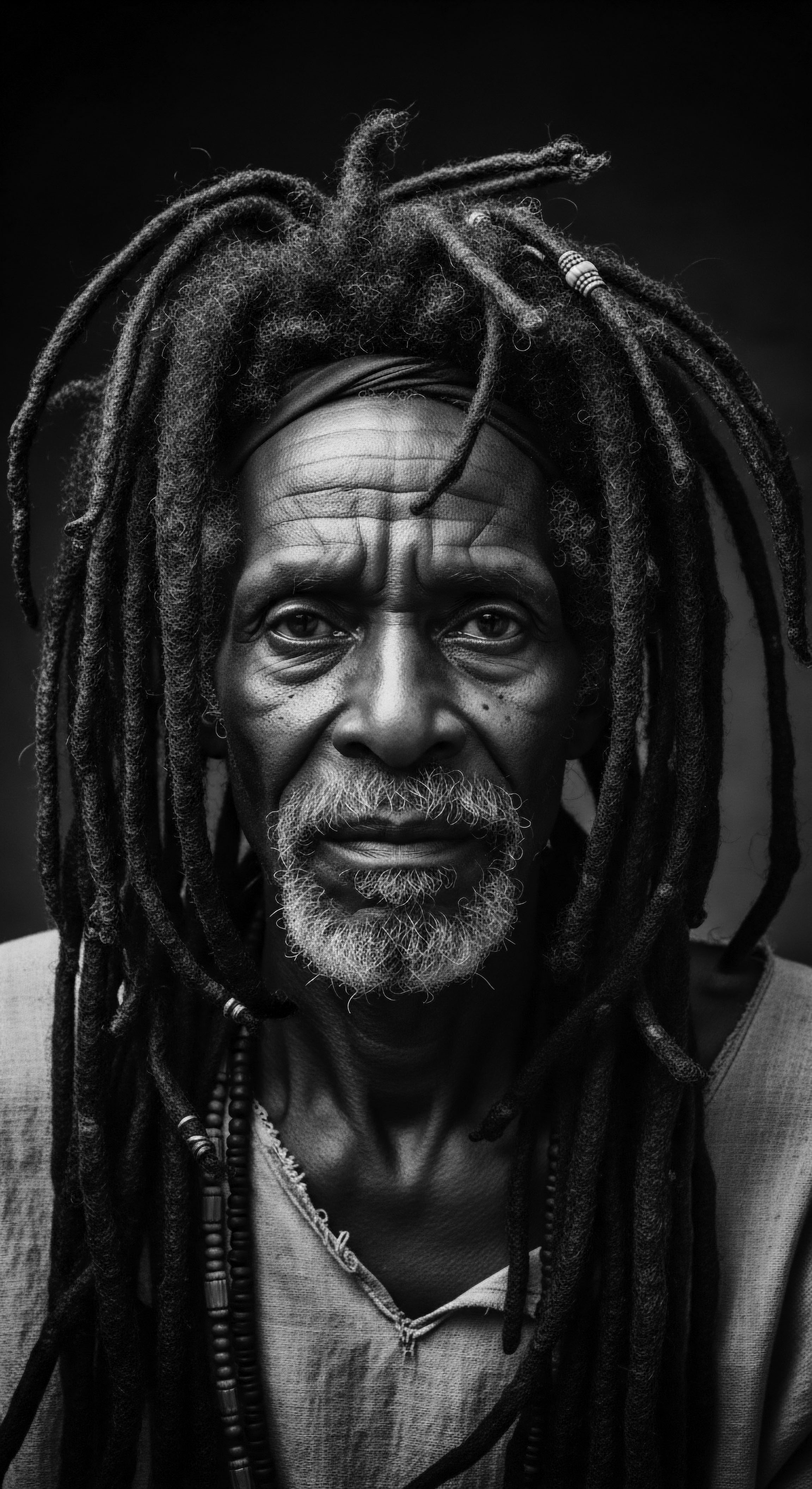
Contemporary hair practices are deeply connected to African heritage through shared biological adaptations, traditional styling techniques, ancestral care rituals, and its enduring role as a symbol of identity and resilience.
Historical laws in America impacted textured hair perception by enforcing Eurocentric standards, leading to systemic discrimination against ancestral styles.
Traditional materials like plant oils, natural butters, and woven coverings historically protected textured hair, deeply rooted in ancestral wisdom and cultural heritage.
Traditional African ingredients, rooted in ancestral wisdom, profoundly influenced textured hair vitality by providing natural nourishment and protection across generations.
Ancient cultures harnessed diverse botanical ingredients, like shea butter and amla, for hair health, deeply informing textured hair heritage through generations of natural care.
We use cookies to personalize content and marketing, and to analyze our traffic. This helps us maintain the quality of our free resources. Manage your preferences below.
This helps support our free resources through personalized marketing efforts and promotions.
Analytics cookies help us understand how visitors interact with our website, improving user experience and website performance.
Personalization cookies enable us to customize the content and features of our site based on your interactions, offering a more tailored experience.