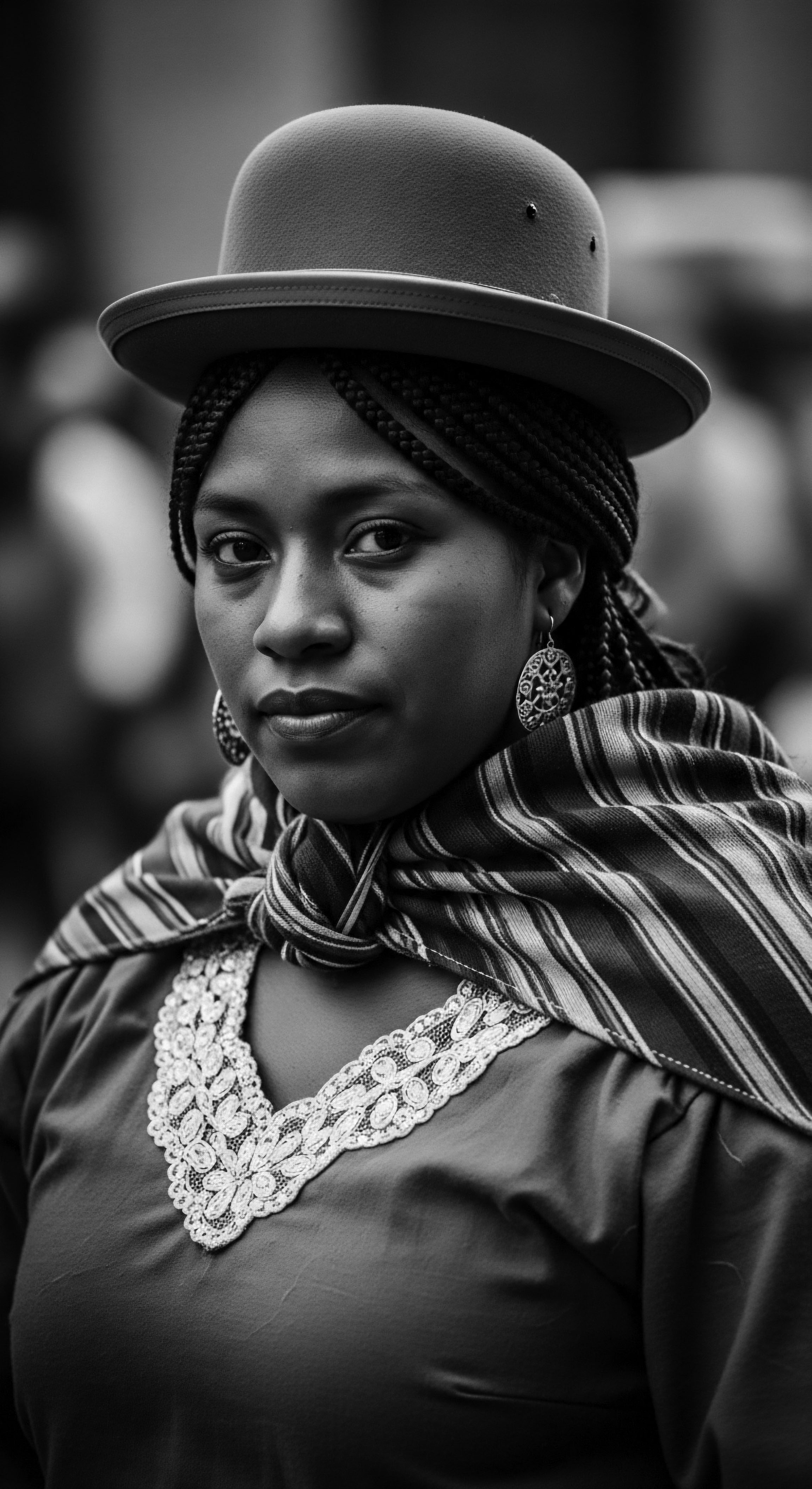
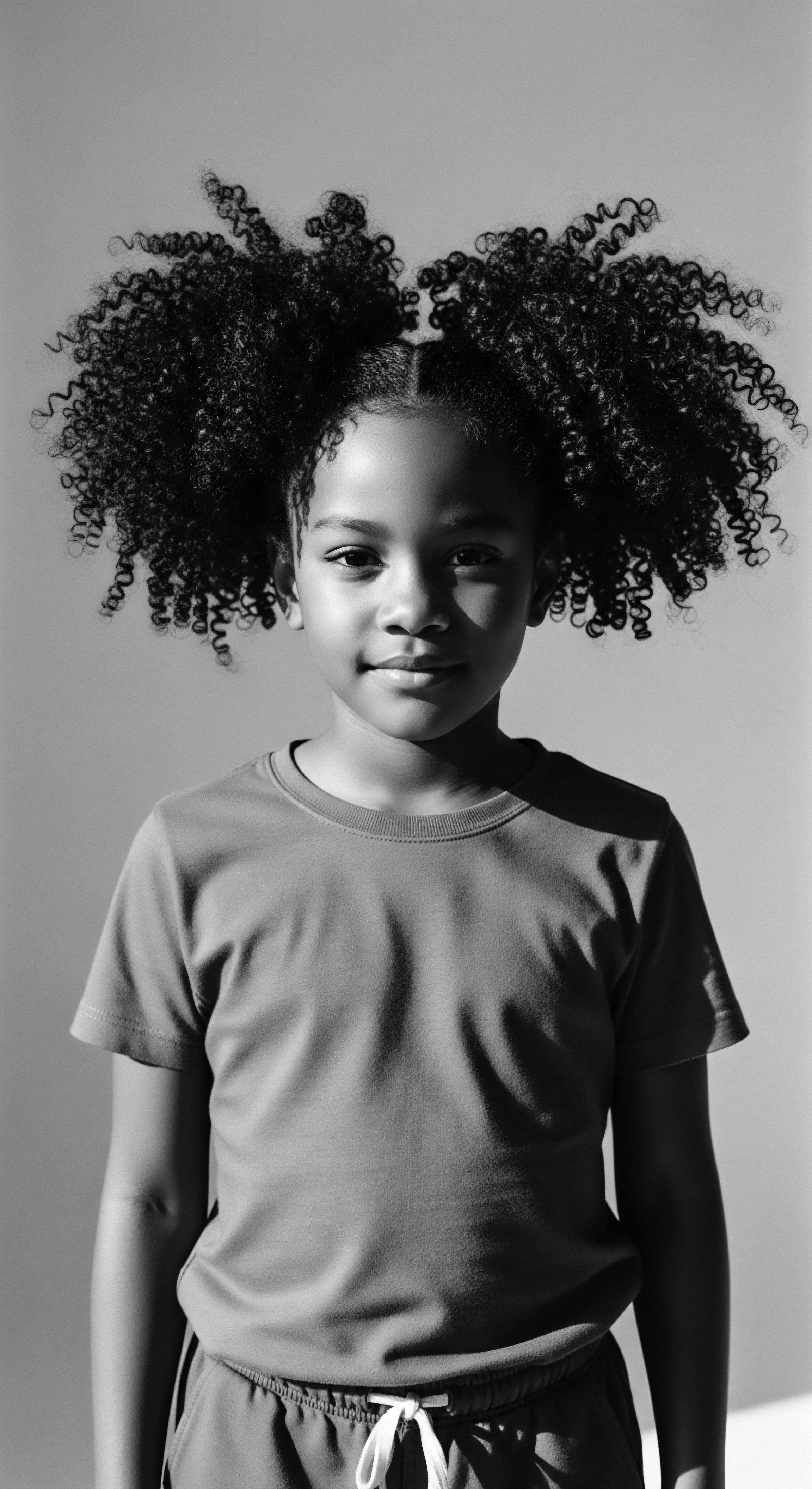
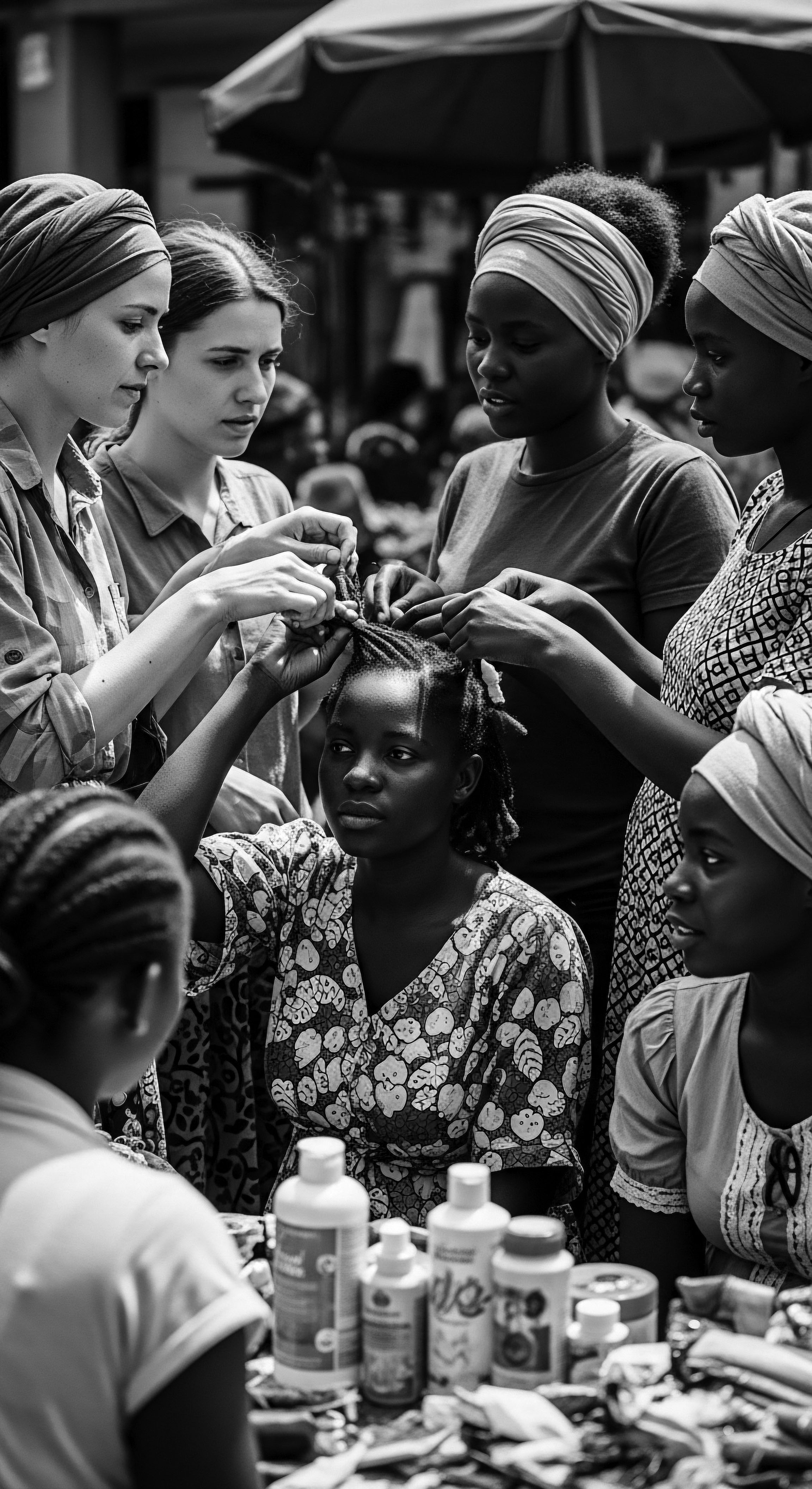
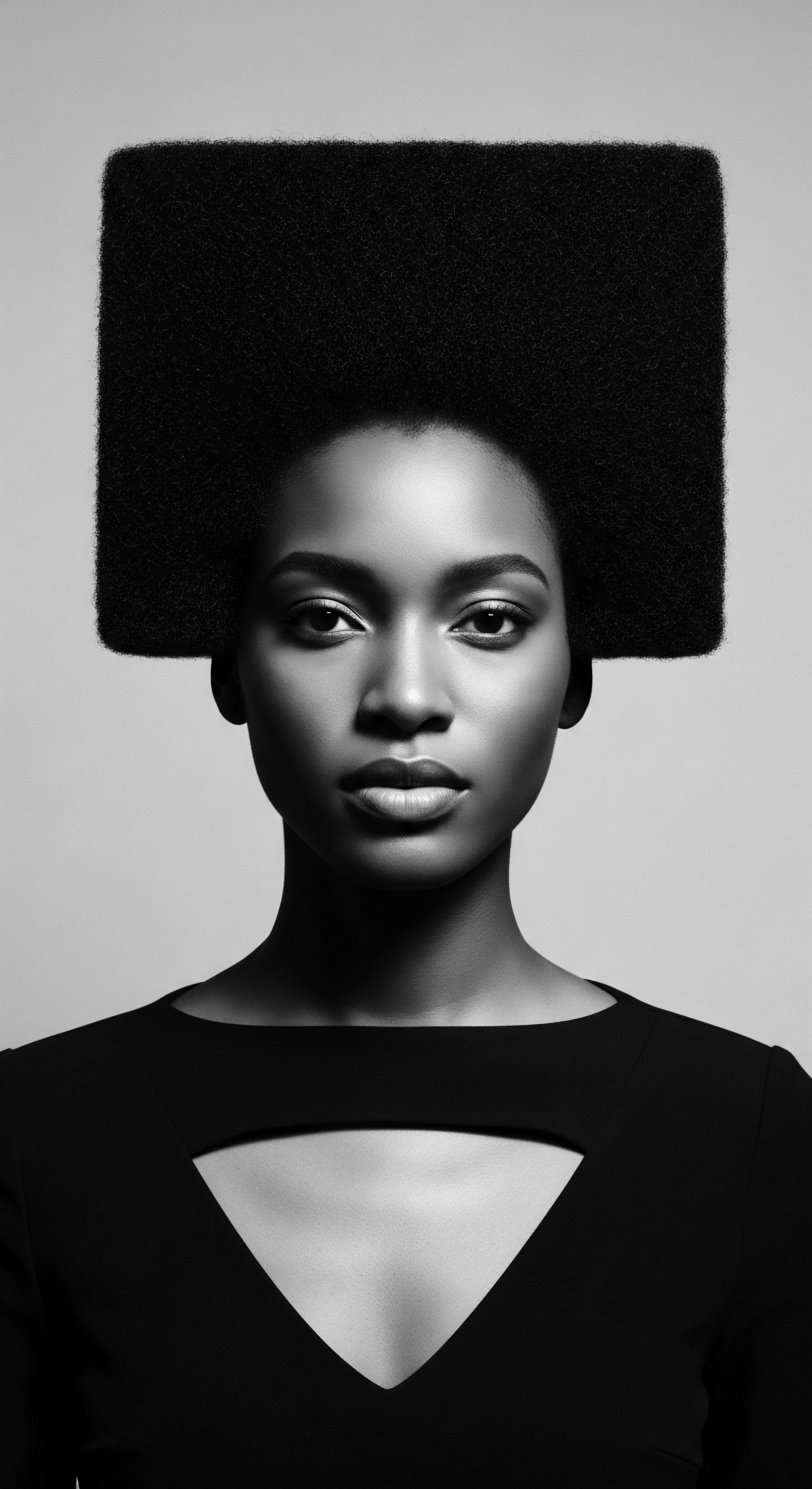
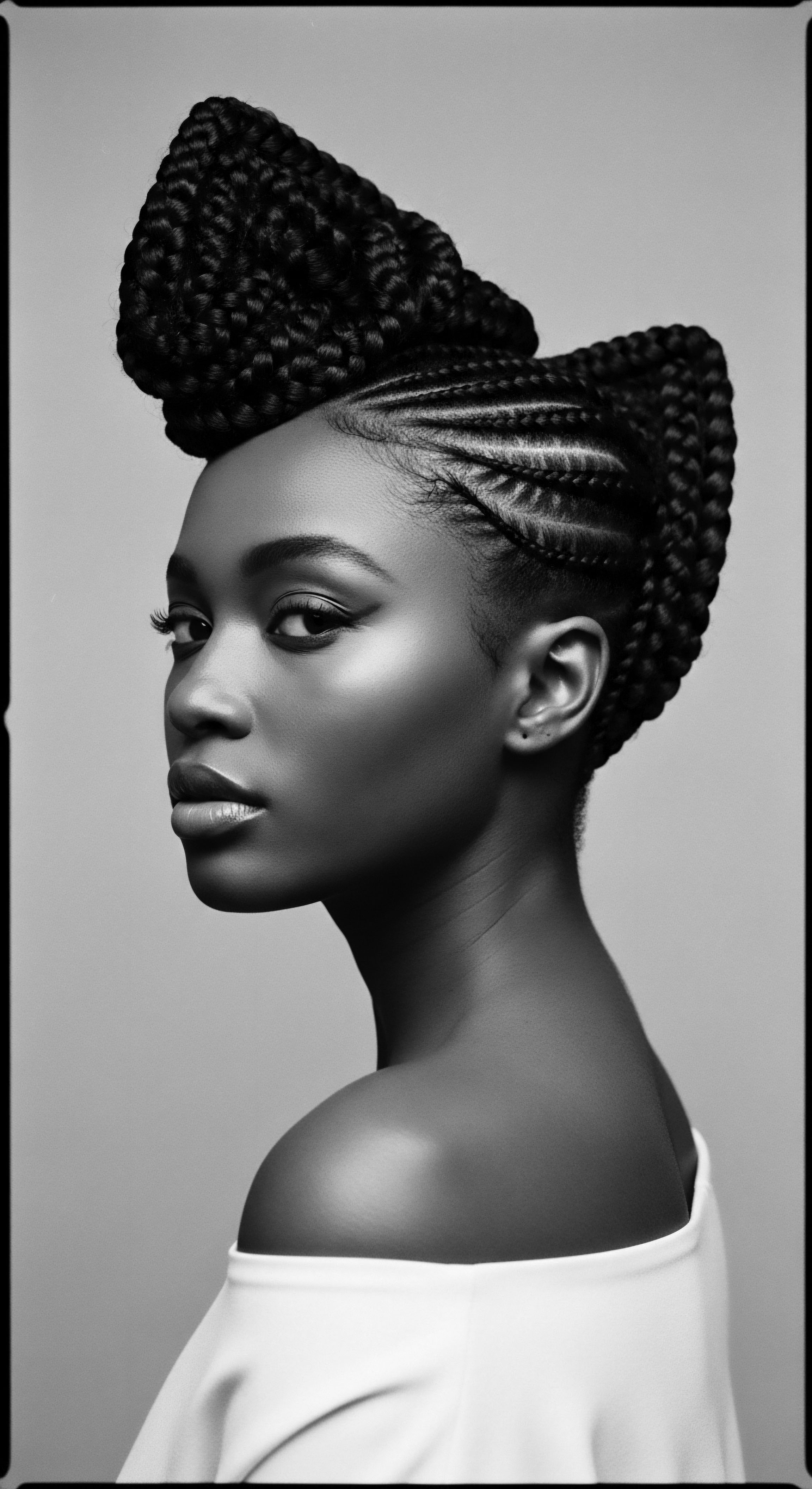
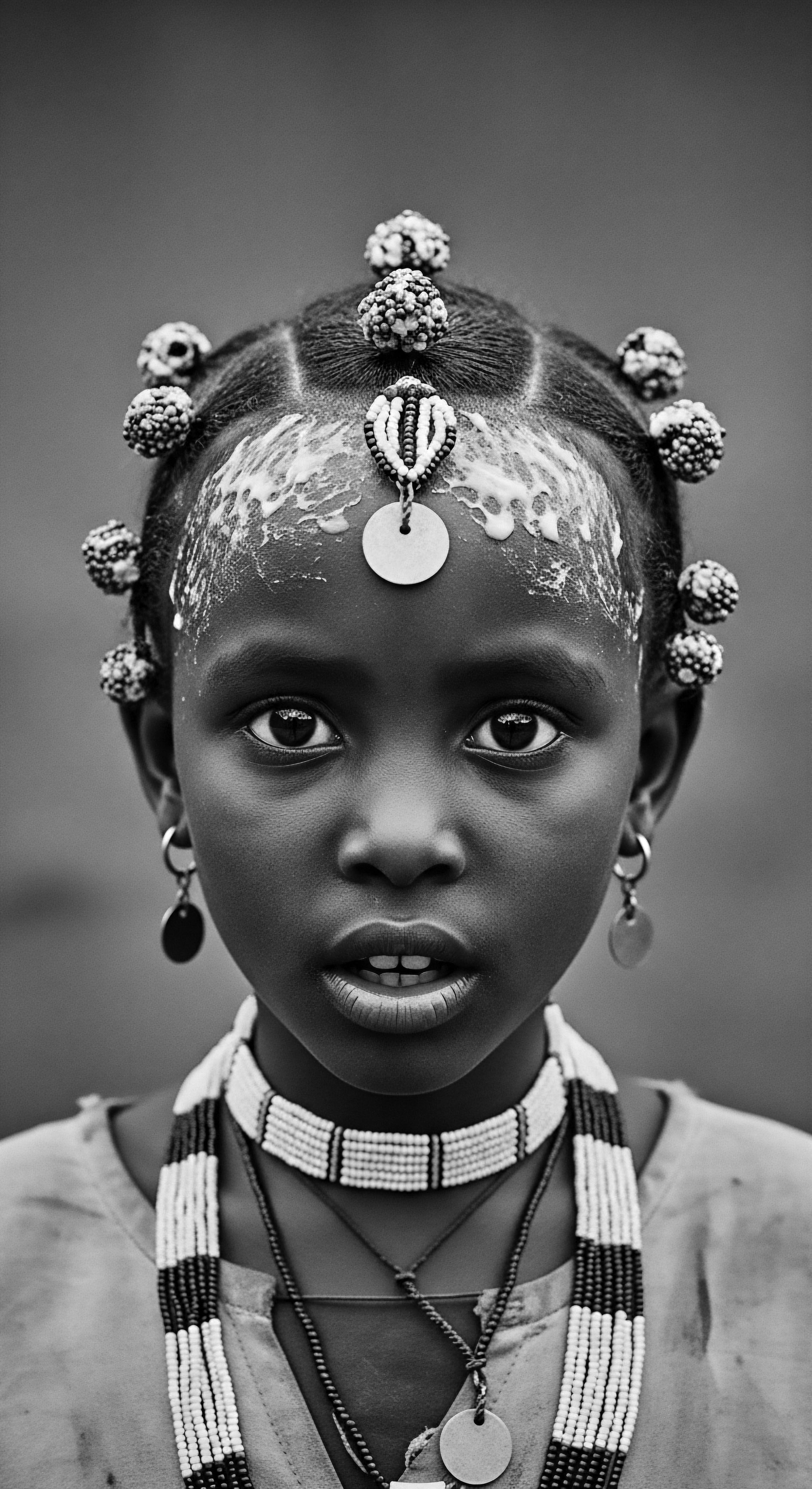
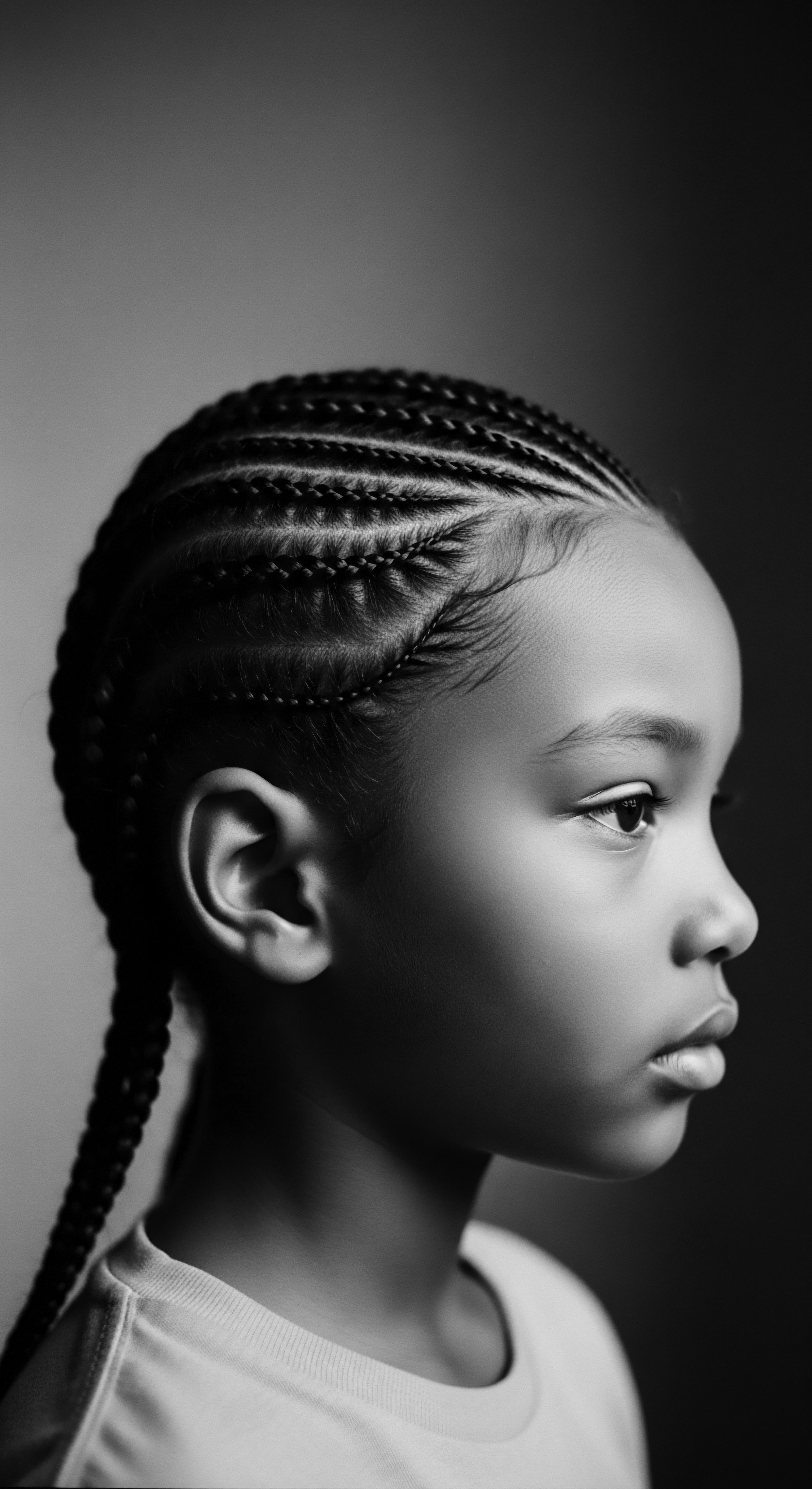
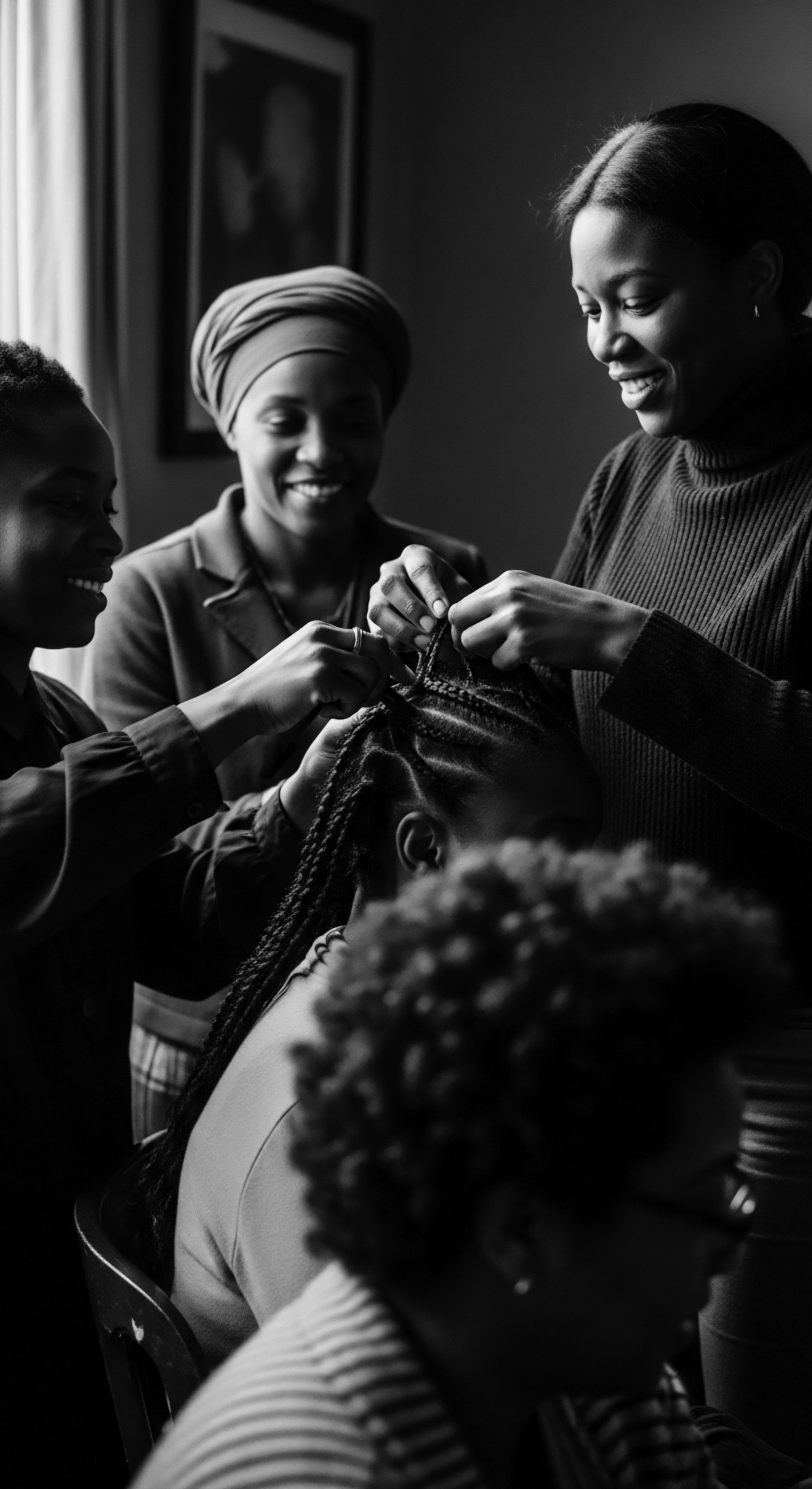
Historical plant uses across continents shaped textured hair health by providing essential moisture, strength, and protection, preserving a rich ancestral heritage.
Ancient hair symbolism solidified collective identity and cultural resilience by serving as a visual language of social status, spiritual connection, and a clandestine tool for survival, particularly within textured hair heritage.
Ancient plants like aloe vera, shea butter, and chebe nourished textured hair by providing moisture, strength, and scalp vitality, honoring ancestral heritage.
Shea butter connects ancestral hair rituals through its timeless role as a protective balm, cultural symbol, and economic bedrock for textured hair heritage.
Historical hair oiling techniques offer modern textured hair regimens deep nourishment and protection, honoring ancestral practices and biological needs.
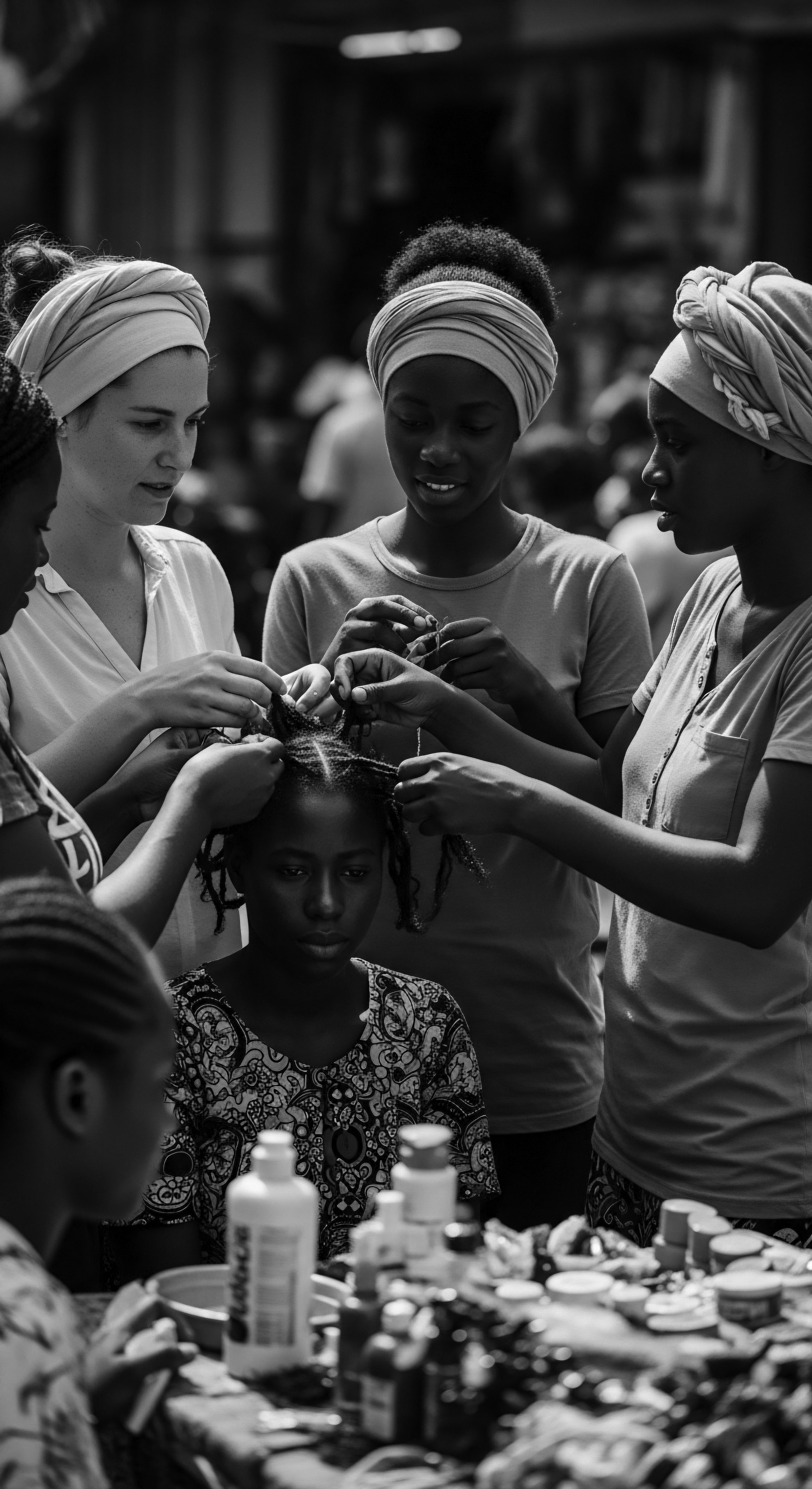
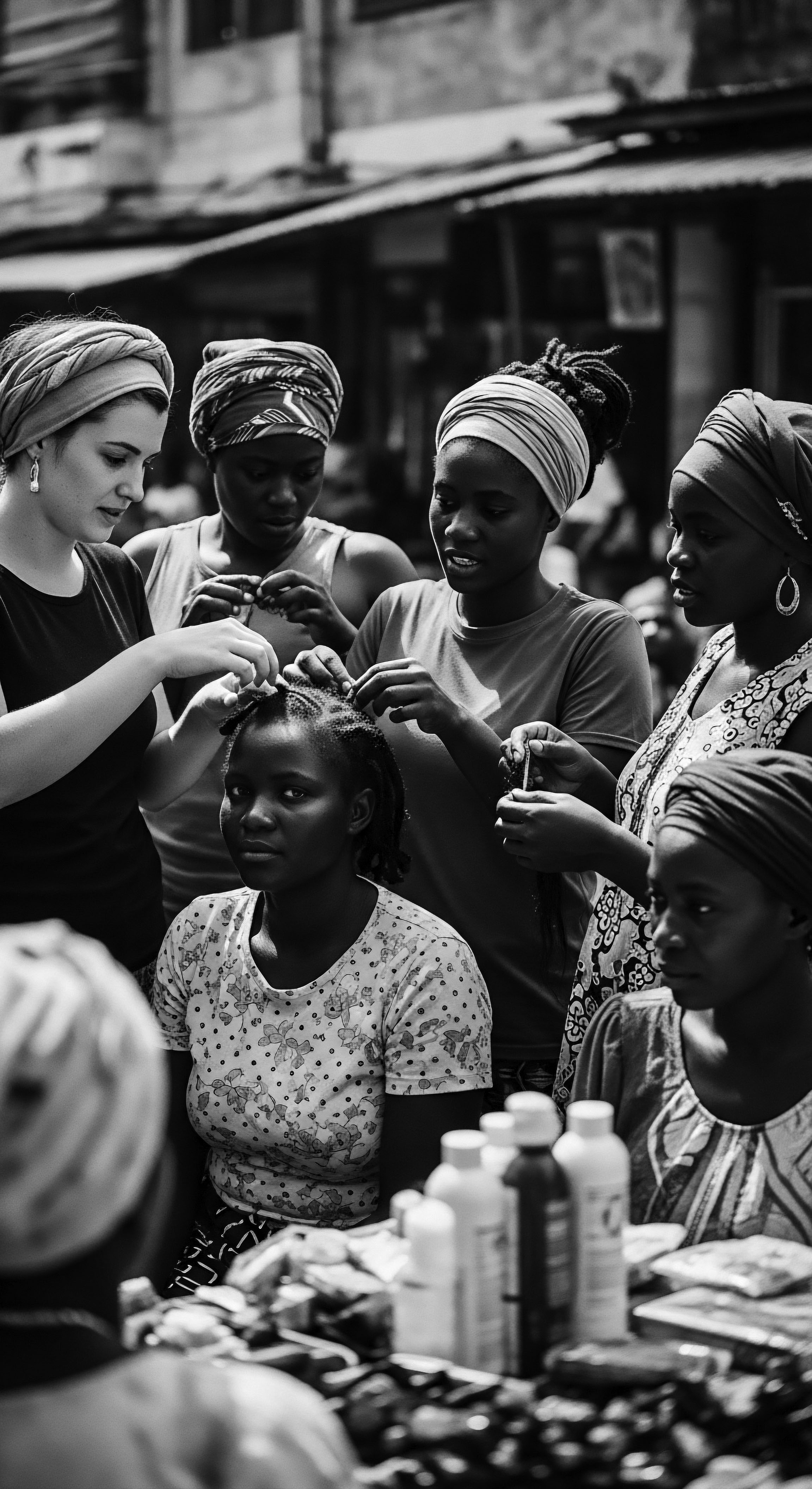
Historical styles protected textured hair through methods like braiding, twisting, and wrapping, safeguarding strands from environmental damage and manipulation.
Textured hair served as a cultural shield by embodying identity, resistance, and ancestral wisdom in historical trials, defying efforts at cultural erasure.
The legacy of hair discrimination influences current beauty standards by privileging Eurocentric ideals, compelling textured hair individuals to alter their appearance, and impacting self-perception by devaluing ancestral hair forms.
Ancestral practices preserved textured hair braiding heritage through intricate communal rituals, ethnobotanical wisdom, and its profound role as a communication and identity marker.
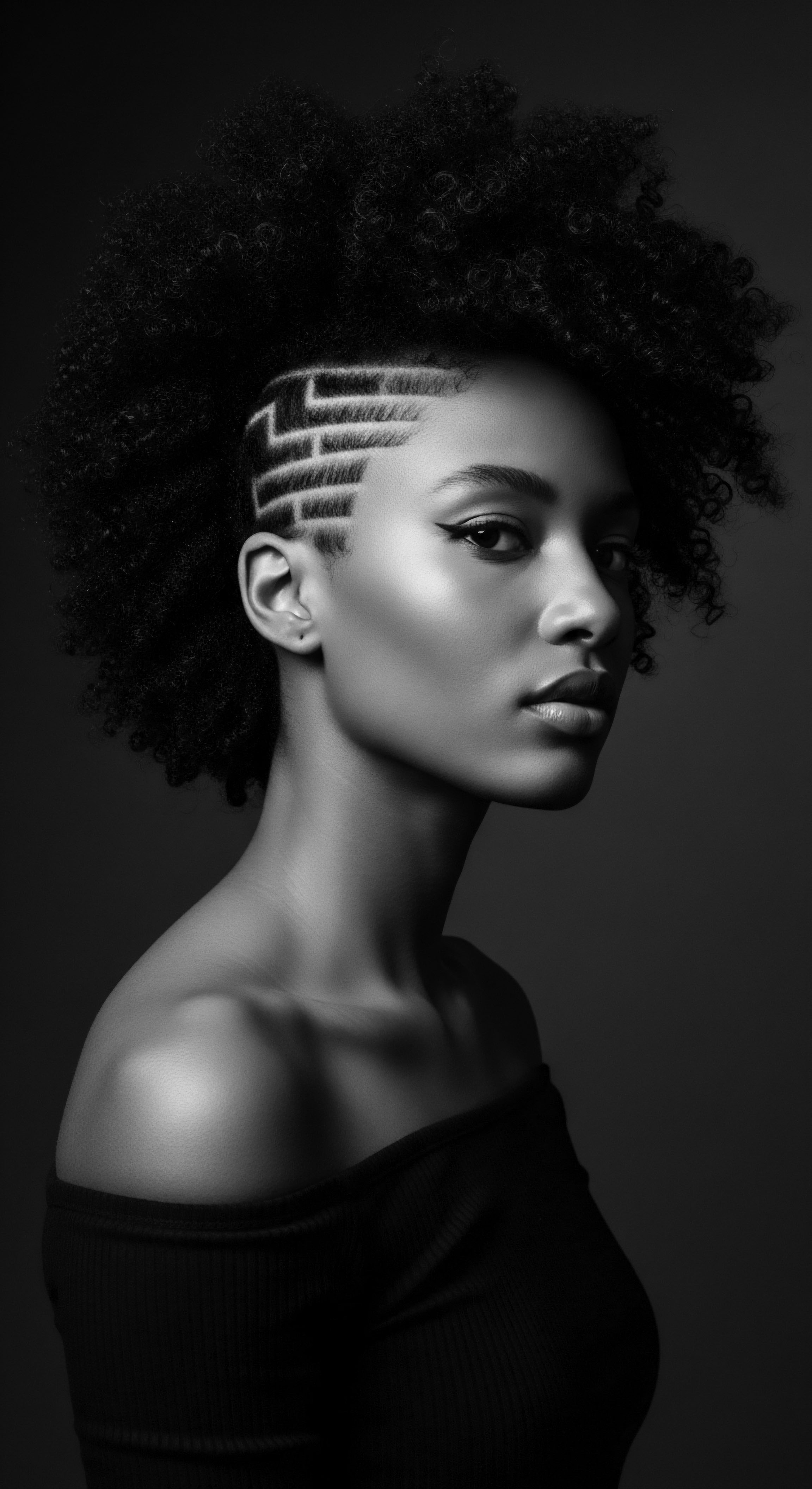
Modern hair movements affirm Black and mixed-race identity by reclaiming ancestral styles and care practices, fostering self-acceptance rooted in textured hair heritage.
Pre-colonial African hair rituals profoundly connected individuals to their spiritual heritage by treating hair as a sacred conduit for divine communication and ancestral ties, visibly marking identity and life stages.
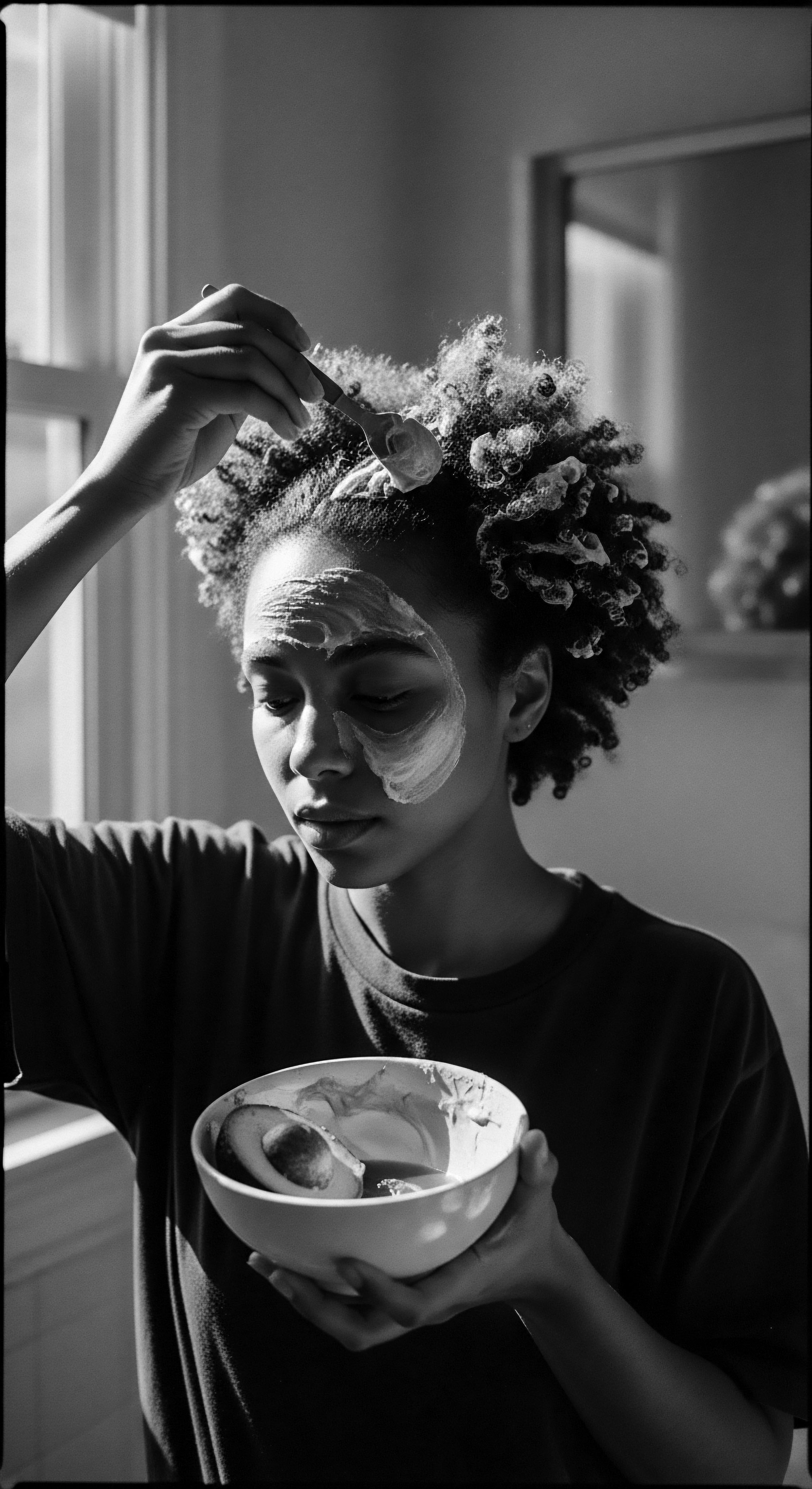
Ancient hair wellness rituals for textured hair centered on natural oils, butters, clays, and herbs, preserving ancestral wisdom for protection and vitality.
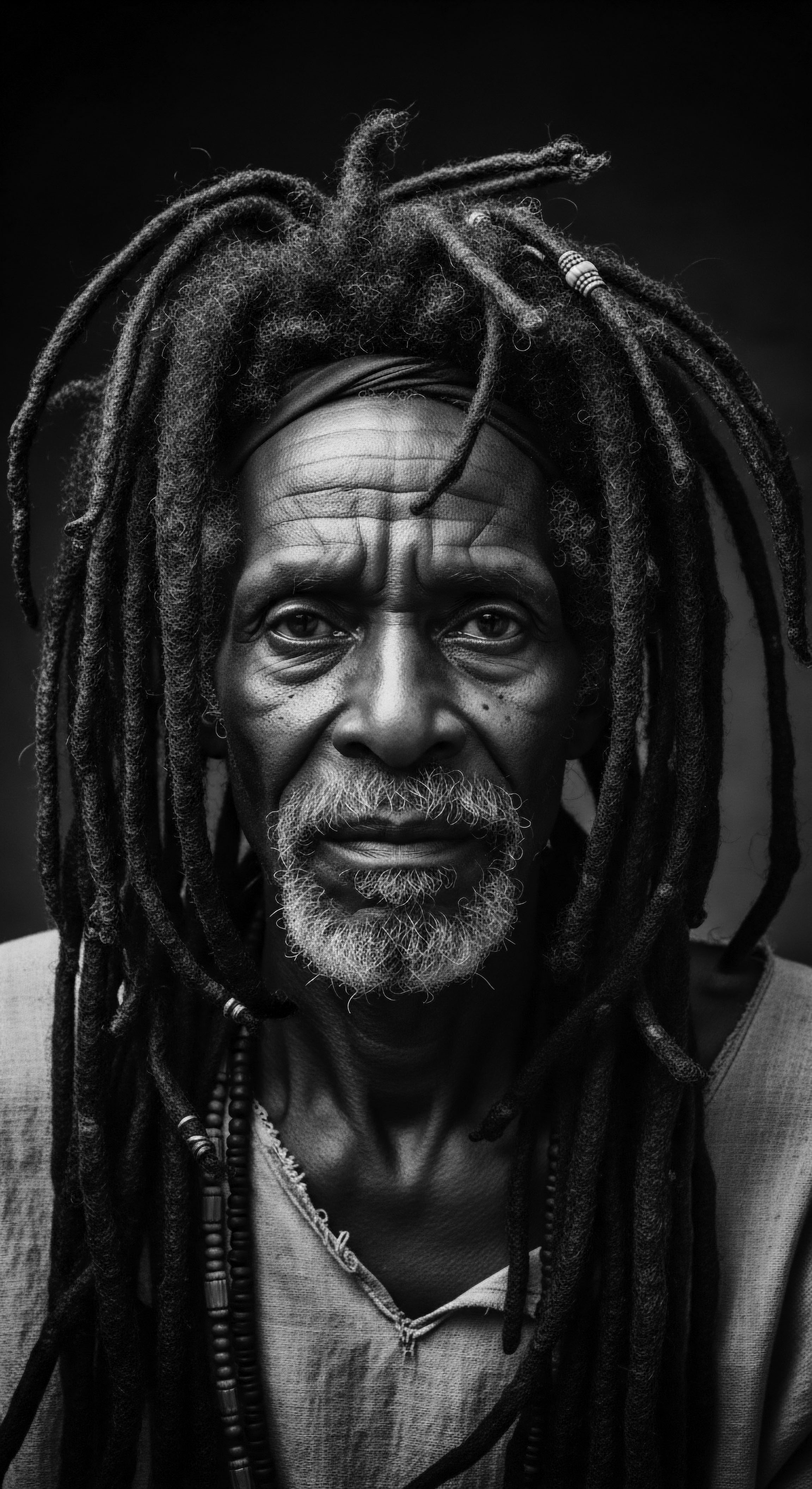
Black hair has historically served as a powerful symbol of resistance, transforming from a marker of identity and spiritual connection in ancestral Africa to a tool for covert communication and a bold statement of selfhood against oppression, deeply rooted in textured hair heritage.
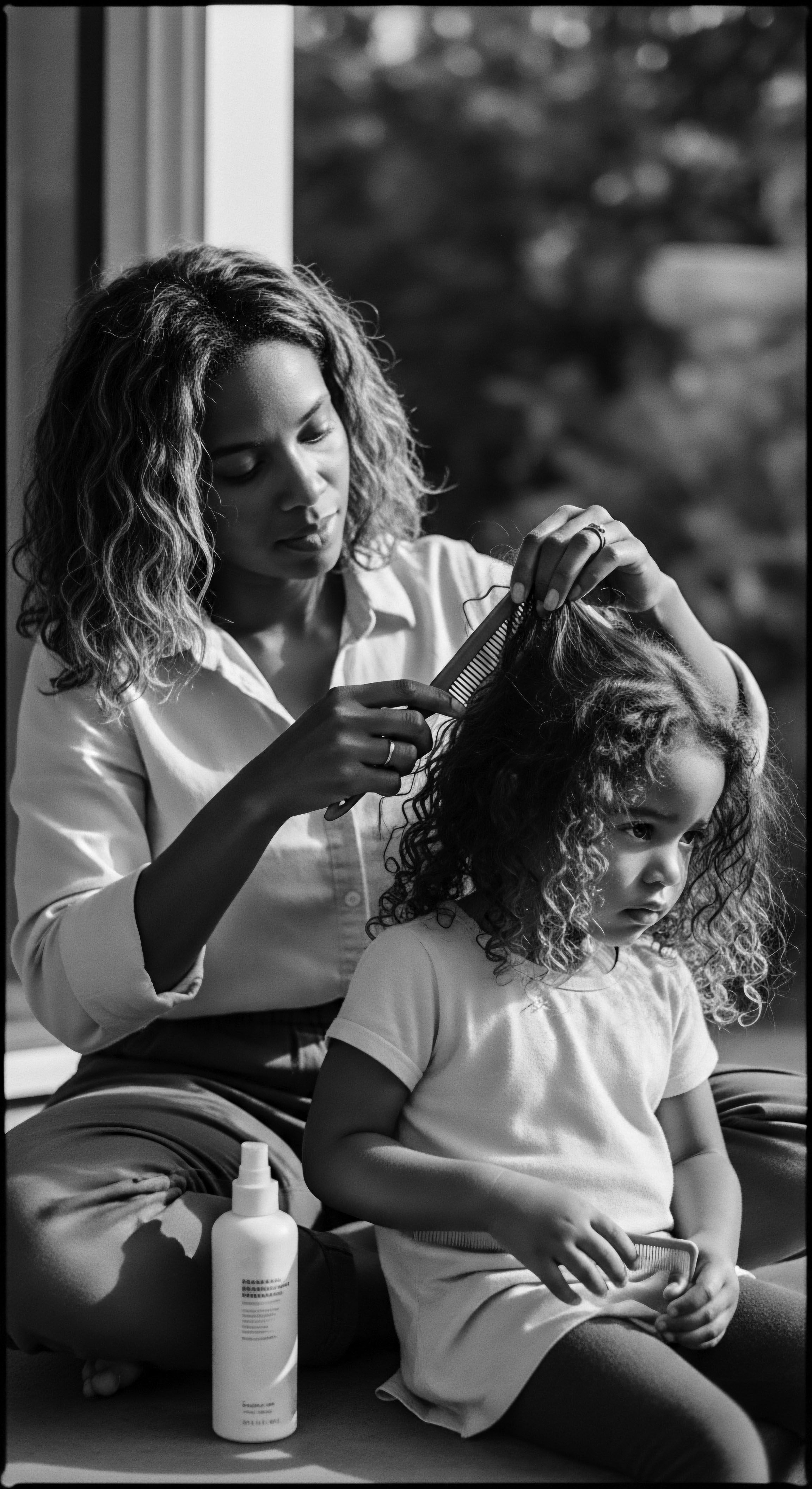
Historical hair practices shaped modern textured hair care by transmitting ancestral wisdom on natural ingredients, protective styling, and hair as a symbol of identity and resilience.
Ancestral hair care sustained textured hair through deep understanding of its biology, using natural elements and protective styles, preserving its heritage.
Historical braiding styles conveyed social standing through intricate patterns, adornments, and the time invested in their creation, a deep part of textured hair heritage.
Ancestral hair rituals align with modern hair biology by instinctively addressing the unique structural needs of textured hair through protective practices and natural ingredients.
Ancient African hair care rituals provide foundational insights into textured hair's unique needs, offering a rich heritage of protective practices and natural ingredients for modern routines.
Historical oils like shea butter, castor oil, and palm kernel oil provided profound benefits for textured hair, rooted in ancestral wisdom and cultural practices.
We use cookies to personalize content and marketing, and to analyze our traffic. This helps us maintain the quality of our free resources. Manage your preferences below.
This helps support our free resources through personalized marketing efforts and promotions.
Analytics cookies help us understand how visitors interact with our website, improving user experience and website performance.
Personalization cookies enable us to customize the content and features of our site based on your interactions, offering a more tailored experience.