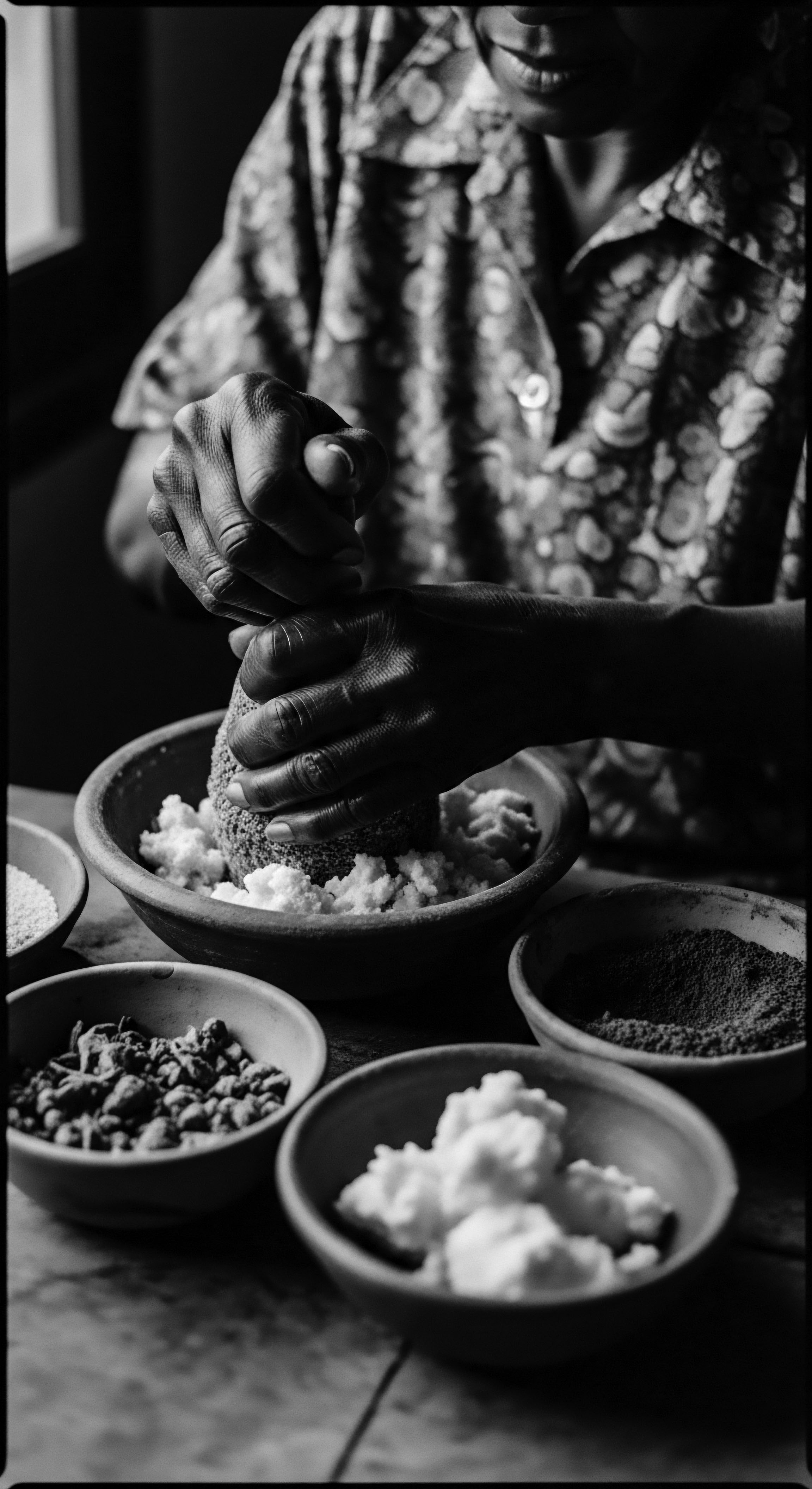
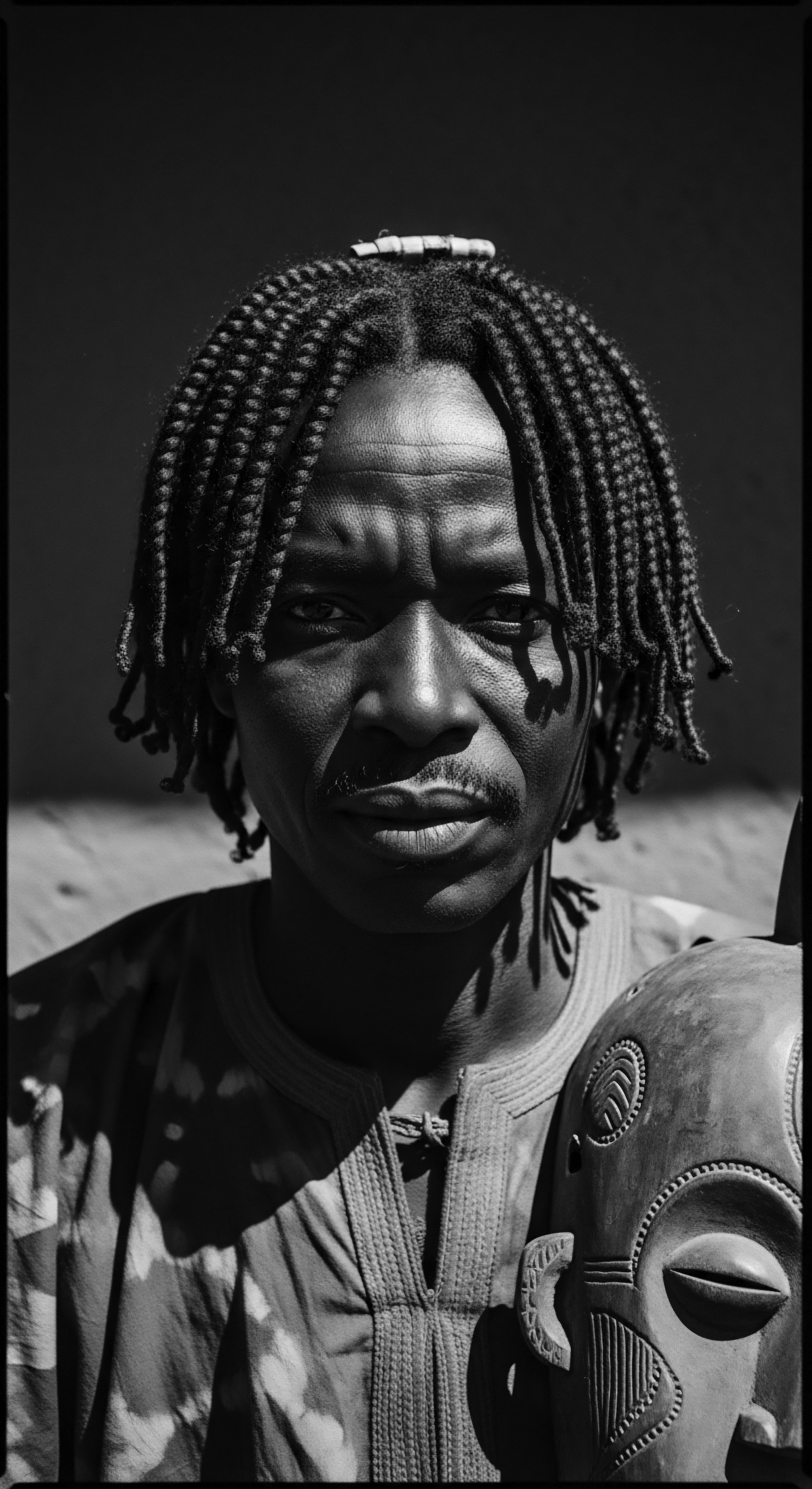
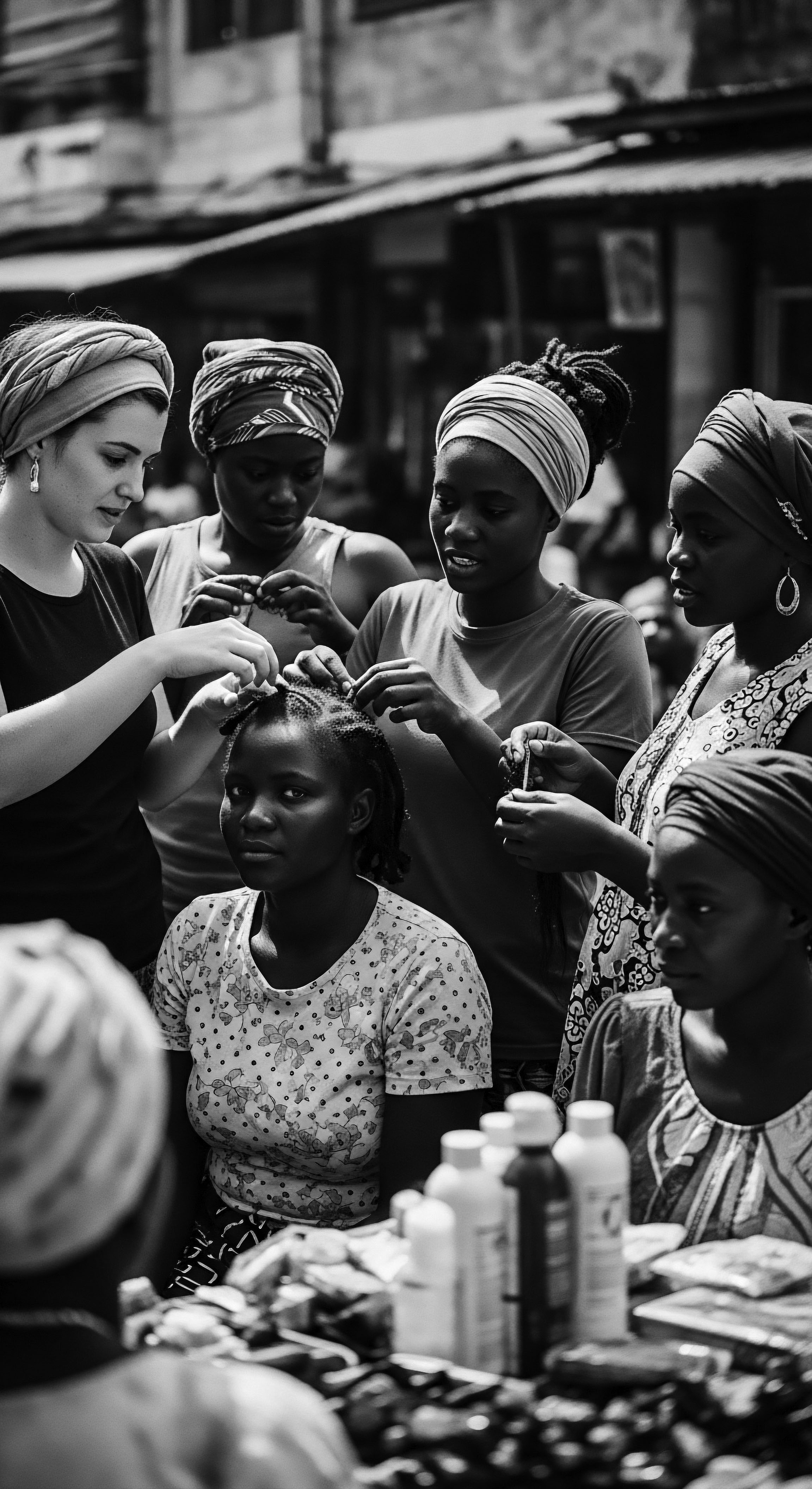
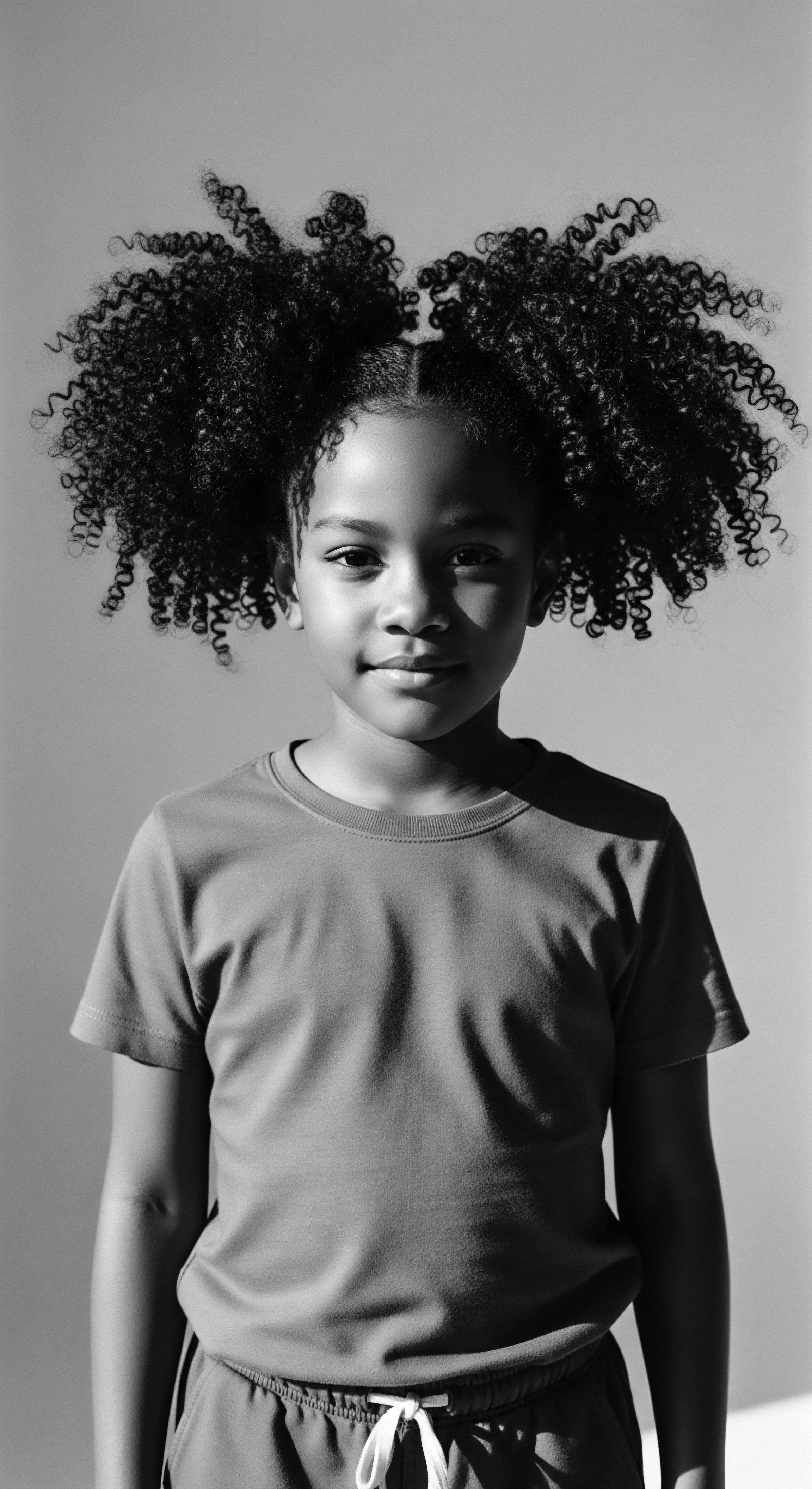
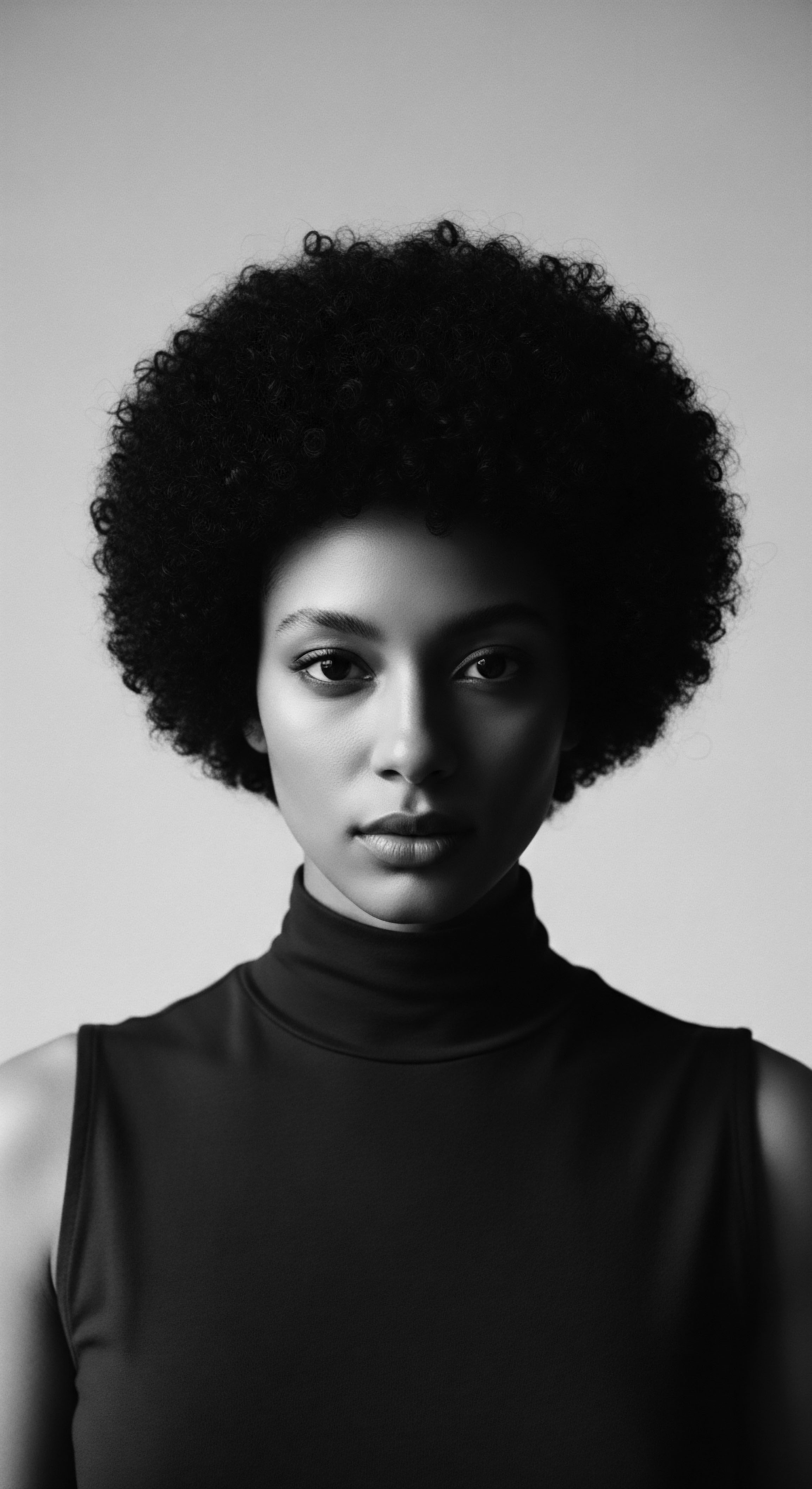
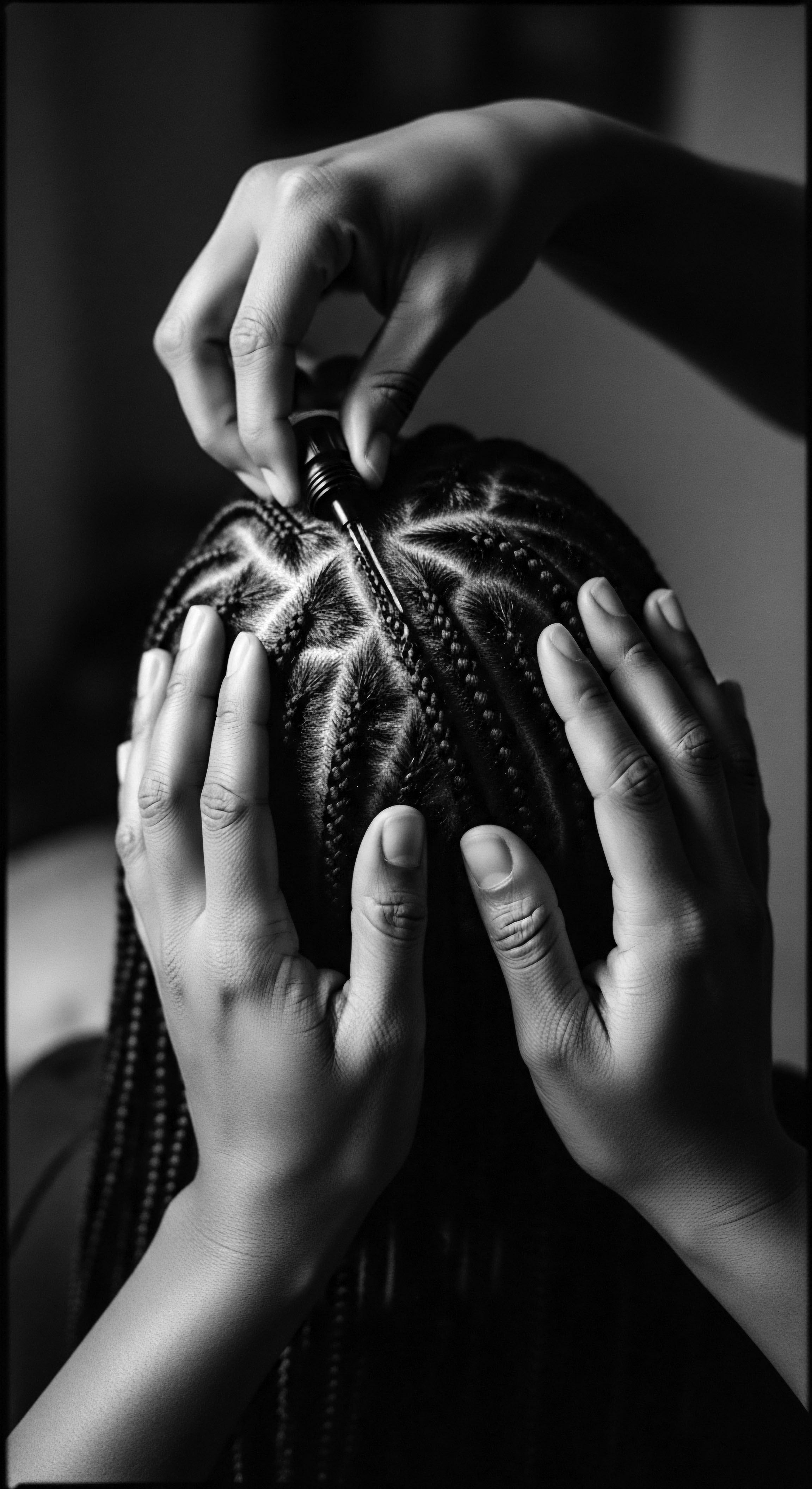
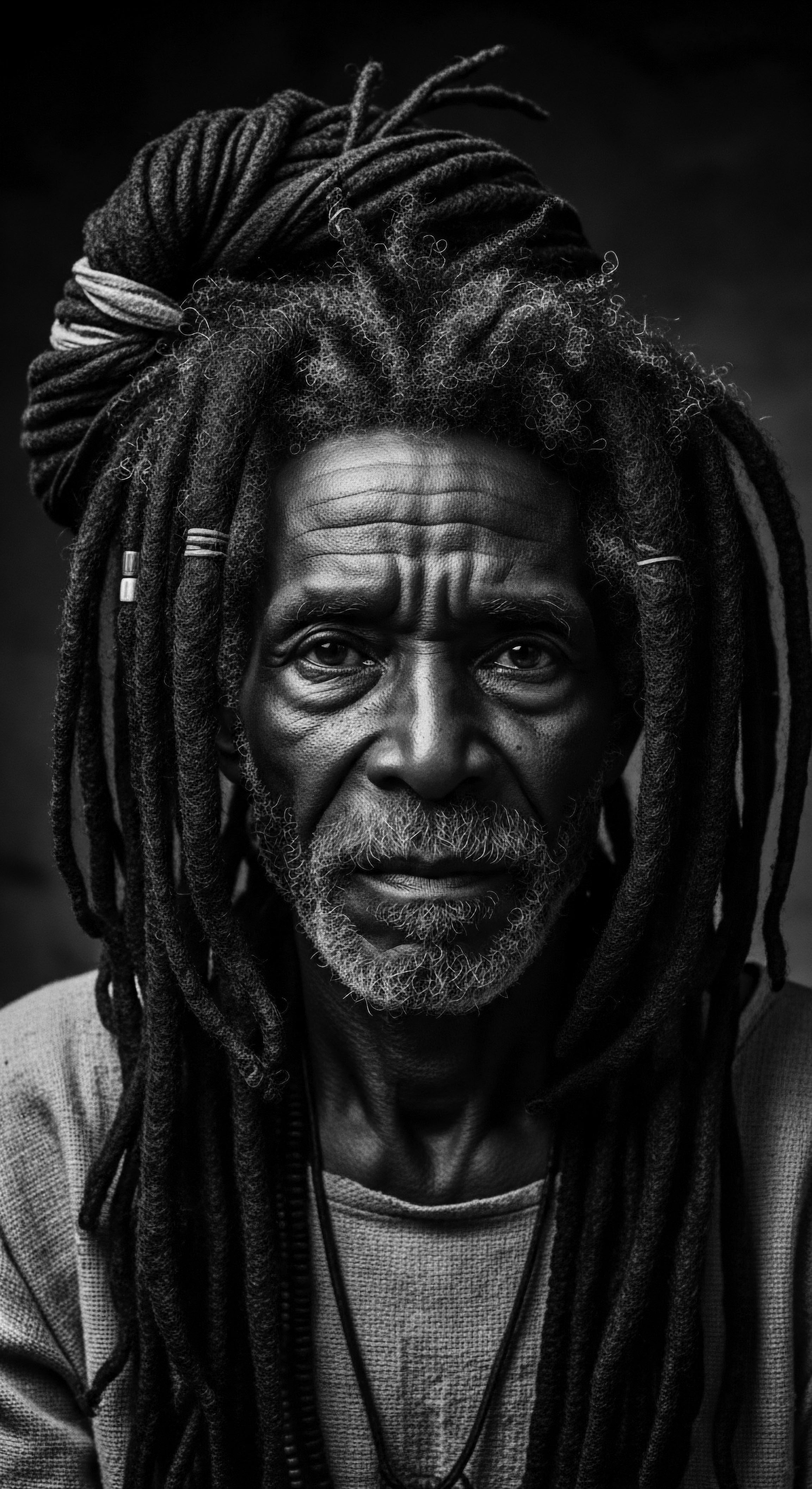
Ancestral West African methods cleansed textured hair using natural elements like African Black Soap, mineral-rich clays, and botanical infusions, honoring its unique heritage.
Traditional West African cleansing plants provide gentle, effective care for textured hair, deeply rooted in ancestral heritage and holistic wellbeing.
West African heritage deeply influenced hair care by imbuing textured hair with profound cultural, spiritual, and social meaning, shaping practices still relevant today.
Traditional West African plants, primarily African Black Soap and botanical infusions, gently cleanse textured hair, preserving moisture and affirming ancestral heritage.
Ancestral plants like shea, chebe, moringa, and aloe vera have historically provided deep moisture and protection for textured hair across diverse cultures.
Ancestral plant knowledge, deeply rooted in heritage, offers a profound pathway to redefine textured hair health through time-honored botanical wisdom.
Historical West African botanicals, like African Black Soap and Ambunu, gently cleansed textured hair, preserving its natural moisture, a profound heritage.
Contemporary textured hair styles embody historical acts of resistance, reflecting ancestral defiance against oppression and the enduring power of heritage.
Ancient societies cleansed textured hair using natural ingredients like saponin-rich plants, clays, and oils, honoring heritage and the hair's unique needs.
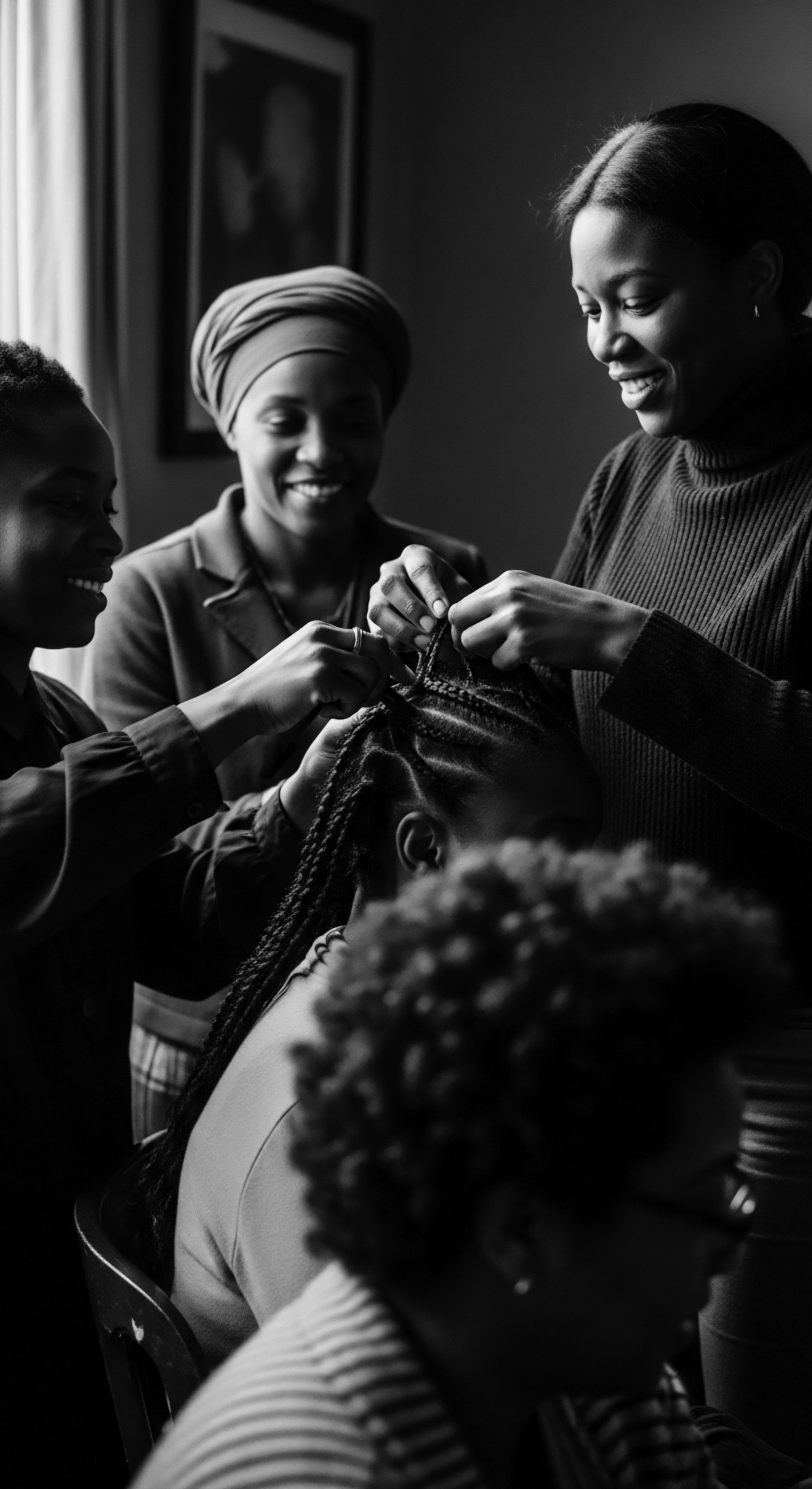
Ancestral hair practices protected textured strands through holistic rituals, natural ingredients, and protective styles, all deeply rooted in heritage.
Textured hair has served as a powerful, enduring symbol of cultural resistance, a testament to ancestral heritage and identity in the face of oppression.
Traditional ingredients like shea butter, coconut oil, and plant extracts provided moisture and strength to textured hair by deeply nourishing and protecting strands, a heritage of care.
Headwraps protected textured hair from environmental damage and served as powerful symbols of cultural identity and ancestral resilience during slavery.
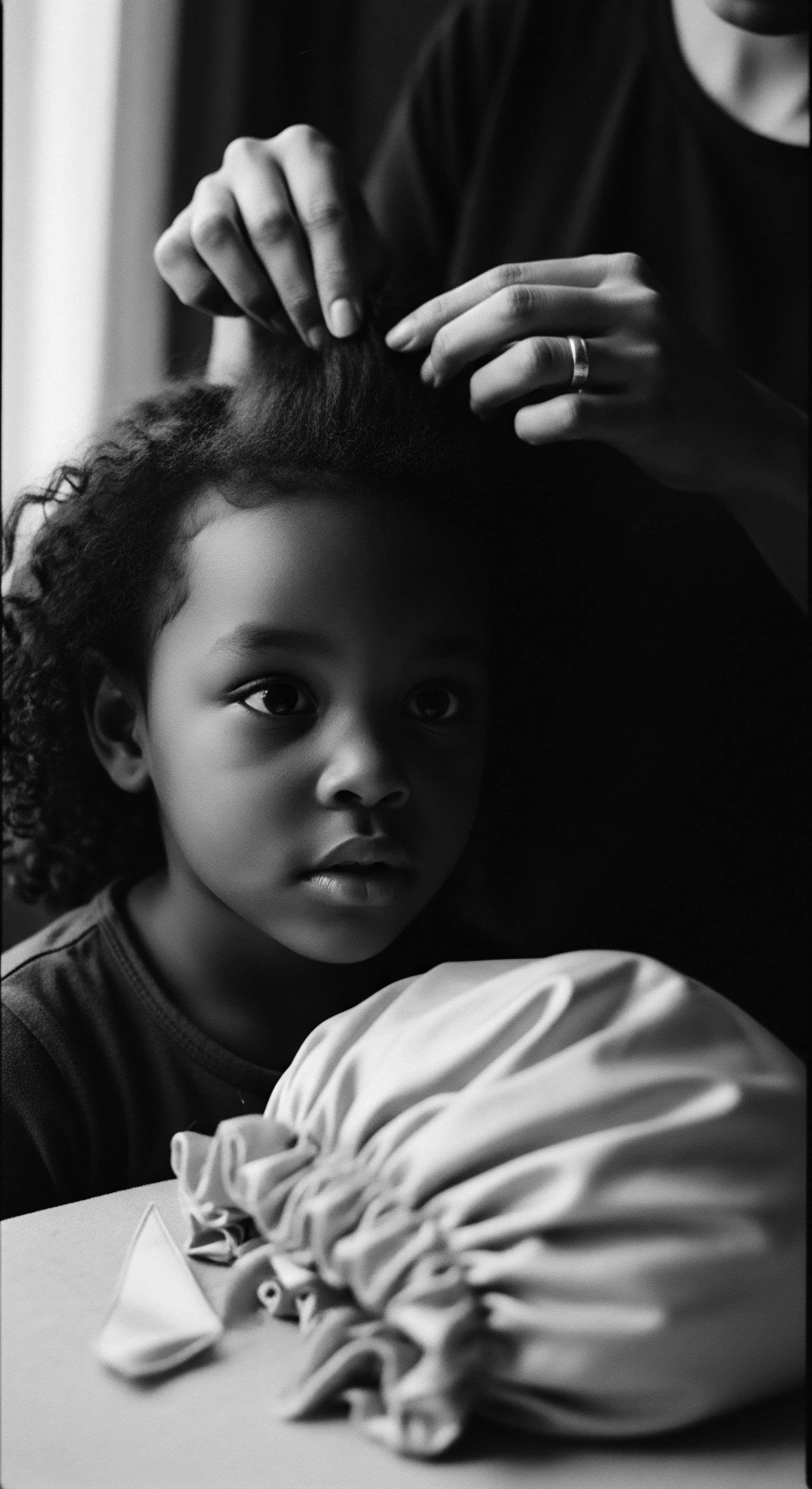
Modern sleep bonnets extend ancestral practices of hair protection, minimizing friction and preserving moisture for textured hair's health and cultural legacy.
Traditional textured hair cleansing relied on natural saponin-rich plants and mineral clays, deeply rooted in ancestral wisdom and environmental harmony.
Textured hair traditions voice collective identity by serving as living cultural archives, transmitting ancestral wisdom, and embodying resilience across generations.
Historical evidence reveals hair oiling's deep cultural role in nurturing textured hair, serving as a pillar of heritage, resilience, and identity across ancient civilizations.
Ancient styling methods protected textured hair by minimizing manipulation, sealing moisture, and shielding strands, preserving heritage through generations.
Ancestral hair rituals deeply influence modern oil use by grounding practices in heritage, recognizing textured hair's unique needs for moisture and protection.
We use cookies to personalize content and marketing, and to analyze our traffic. This helps us maintain the quality of our free resources. Manage your preferences below.
This helps support our free resources through personalized marketing efforts and promotions.
Analytics cookies help us understand how visitors interact with our website, improving user experience and website performance.
Personalization cookies enable us to customize the content and features of our site based on your interactions, offering a more tailored experience.