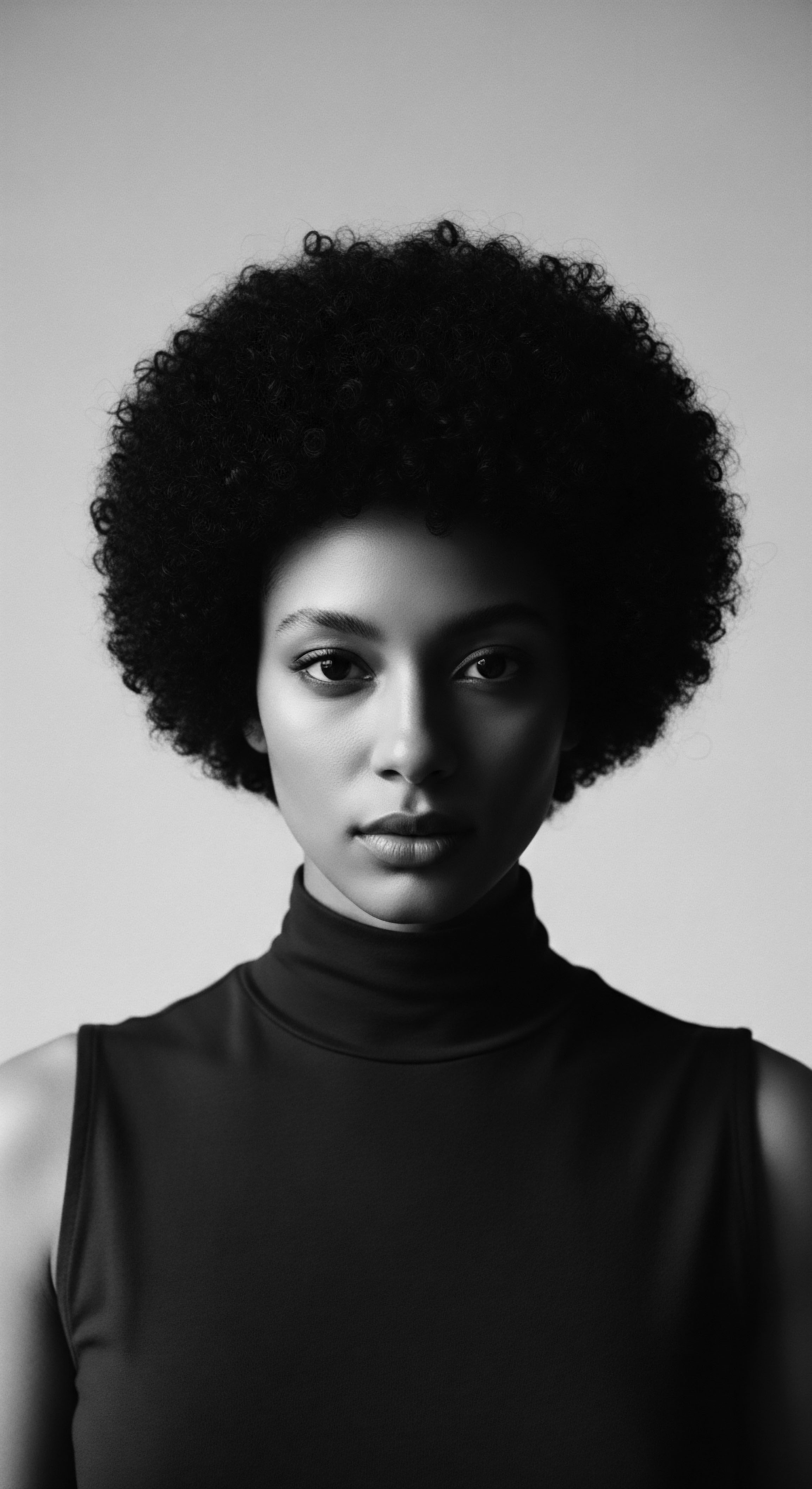
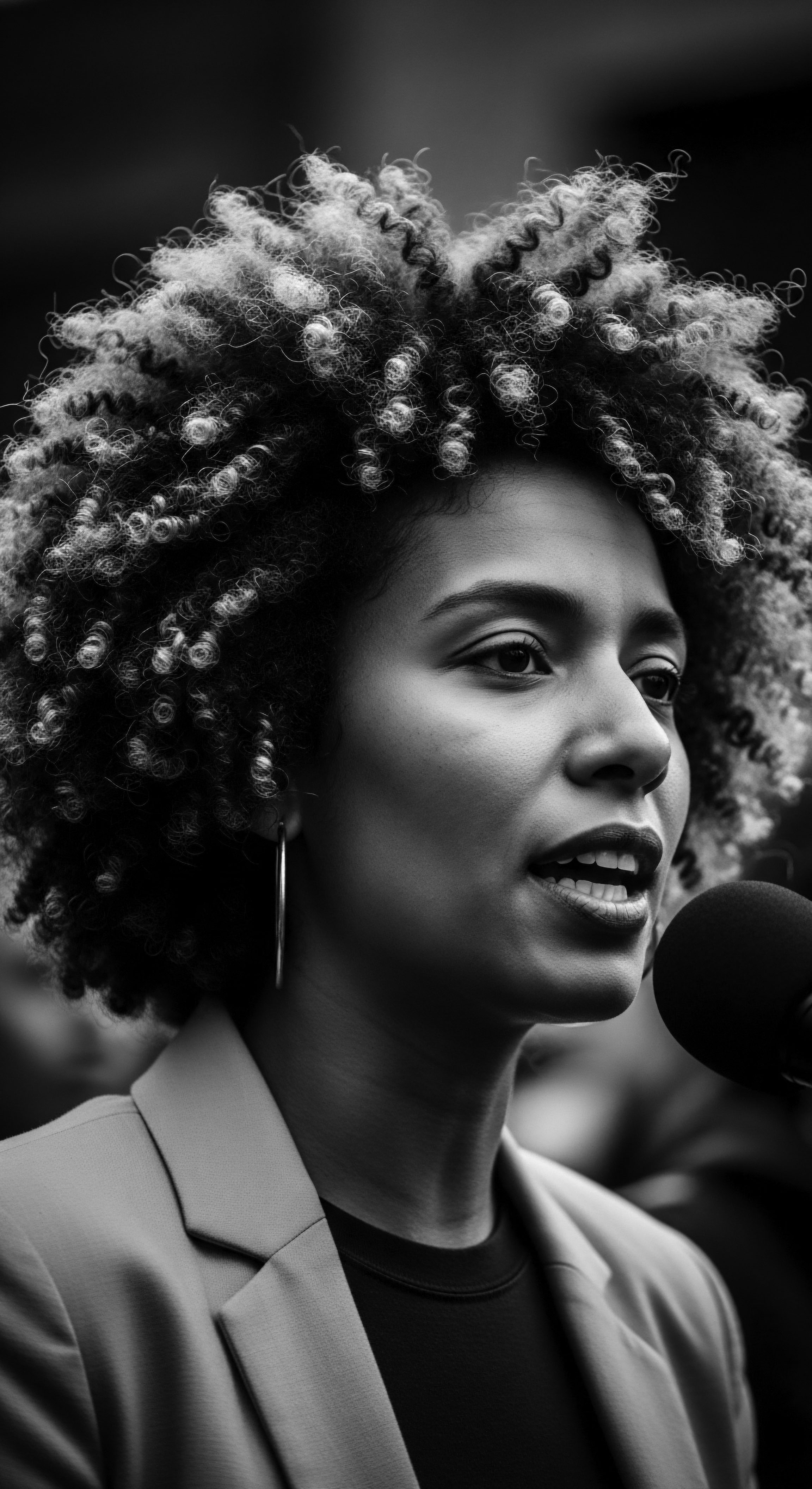
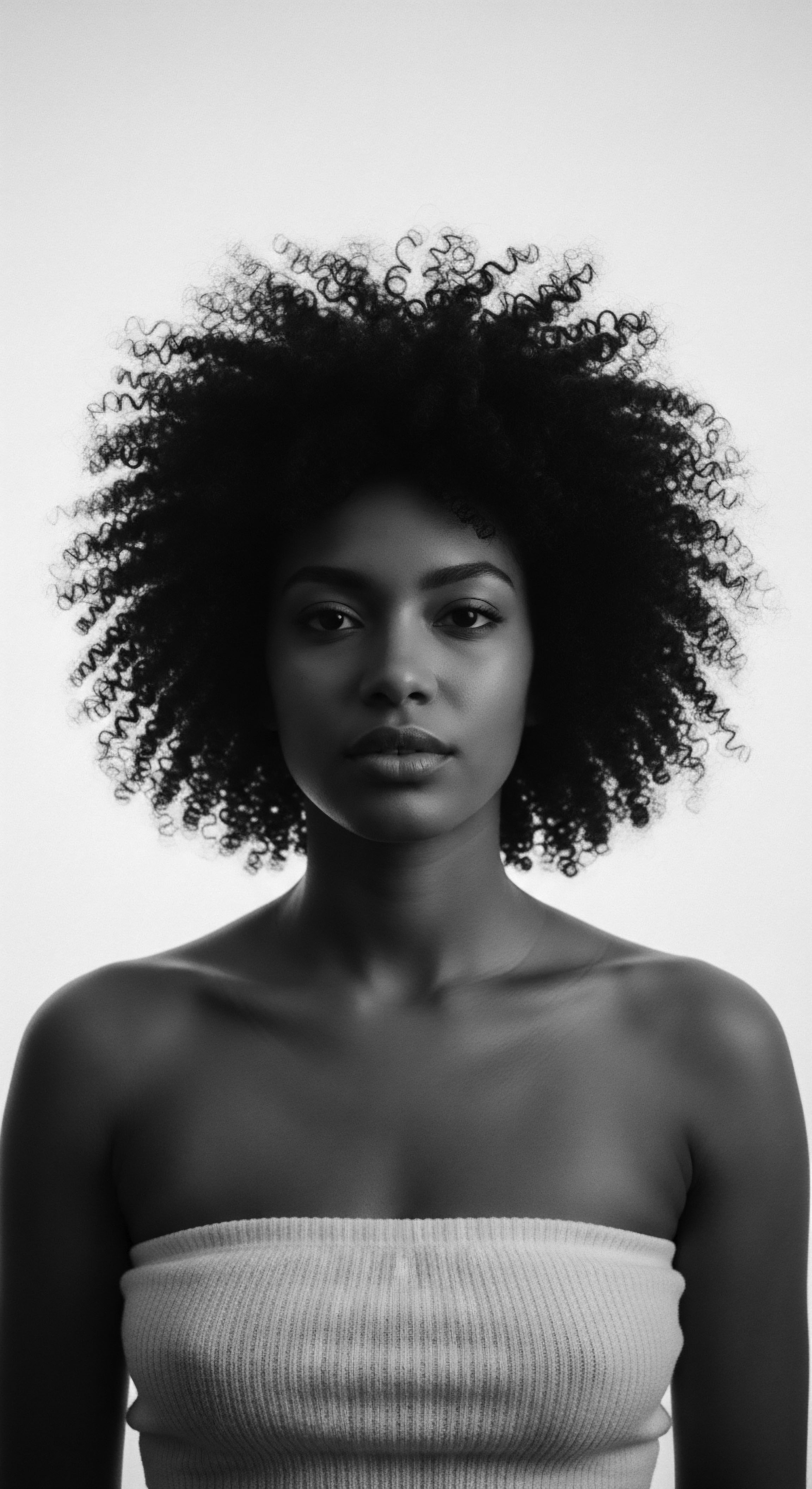
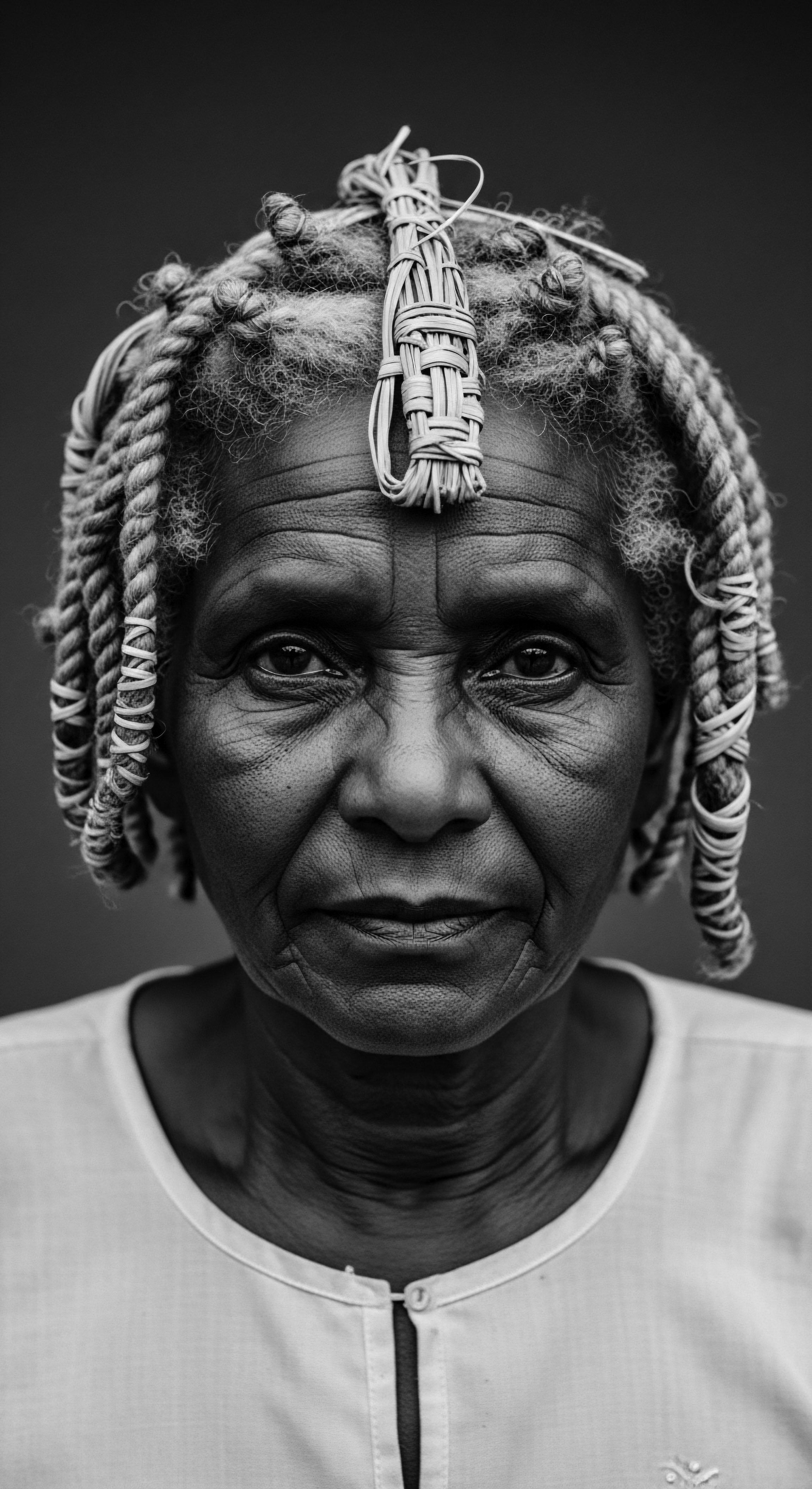
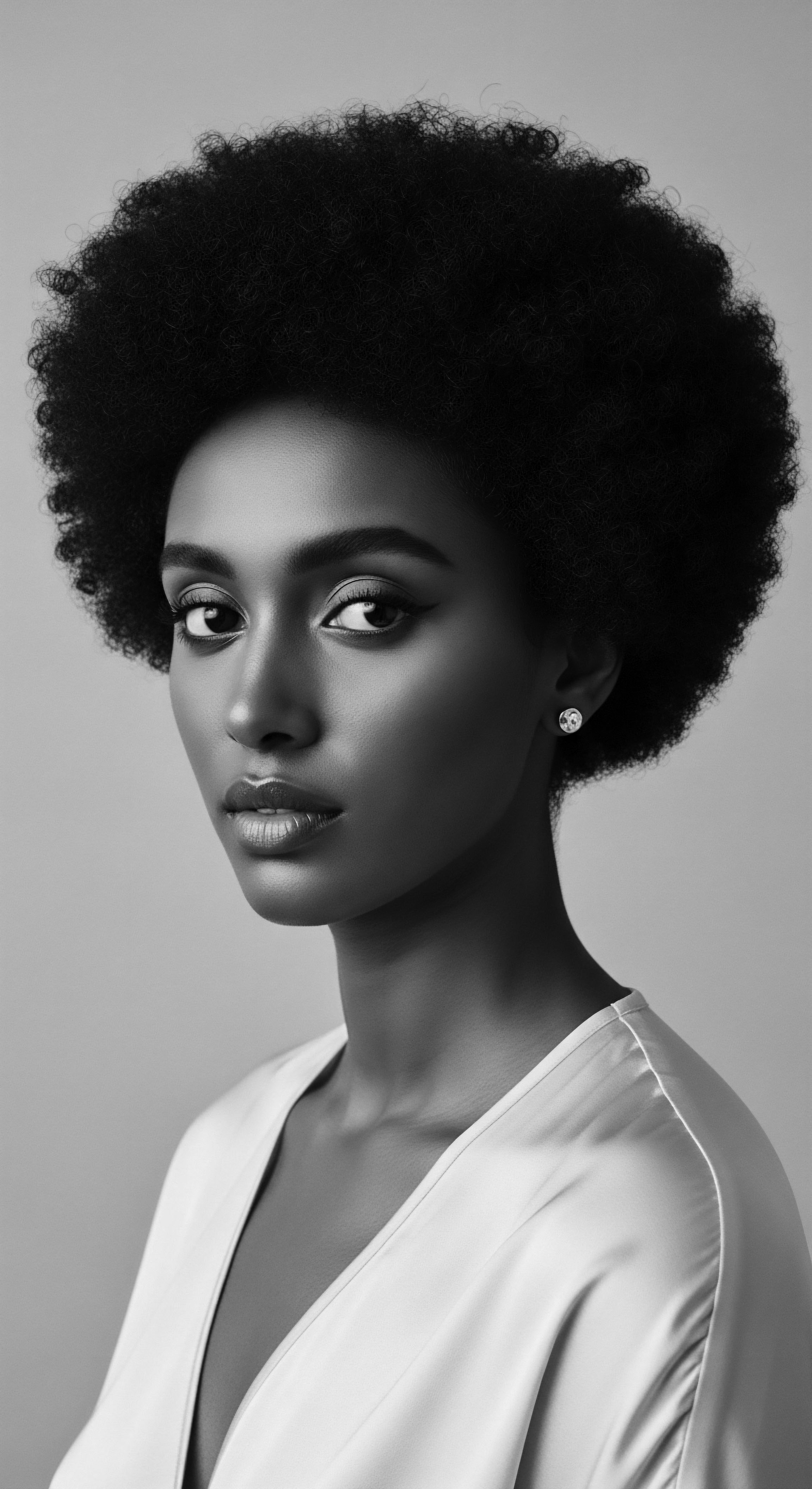
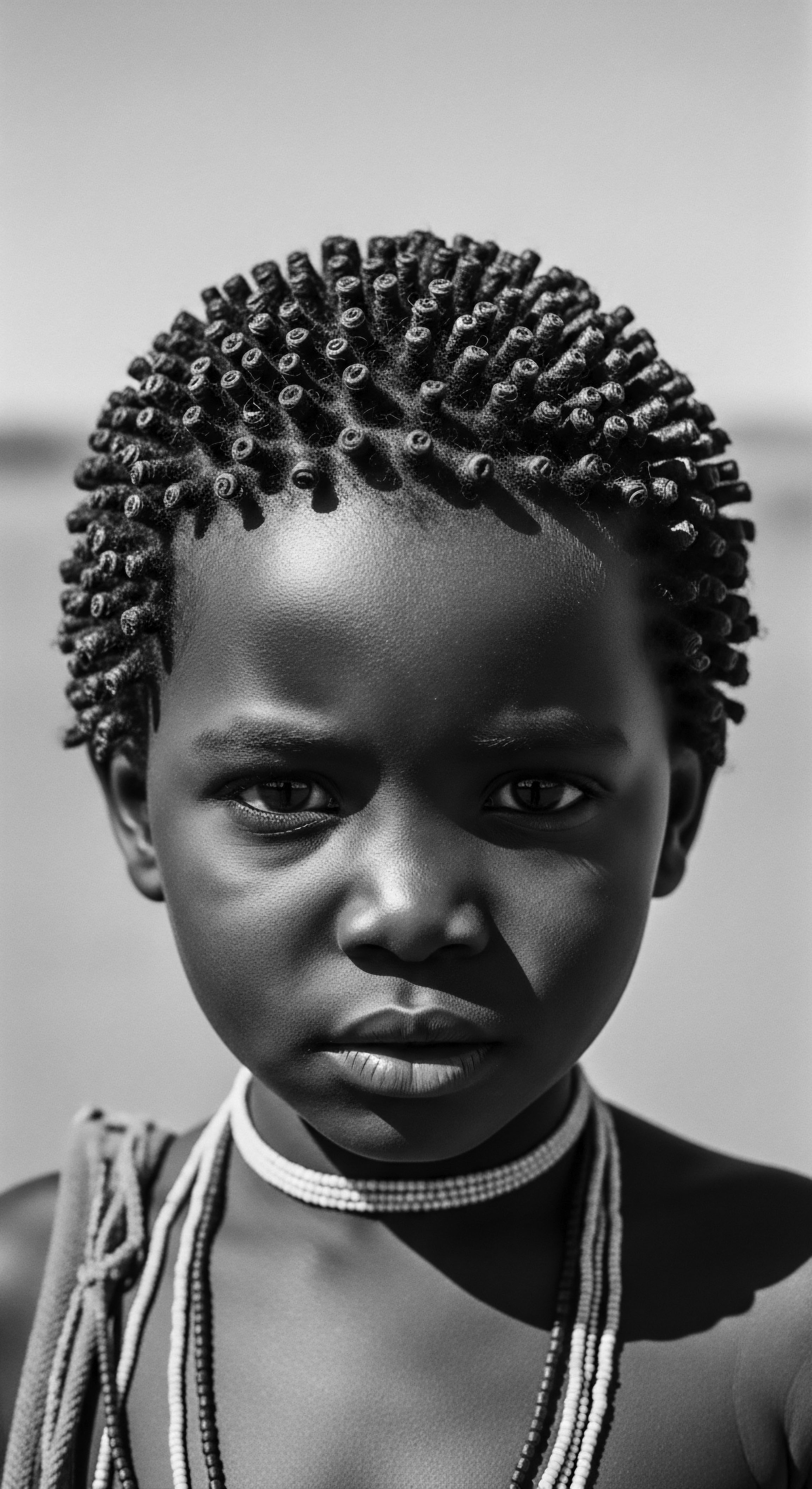
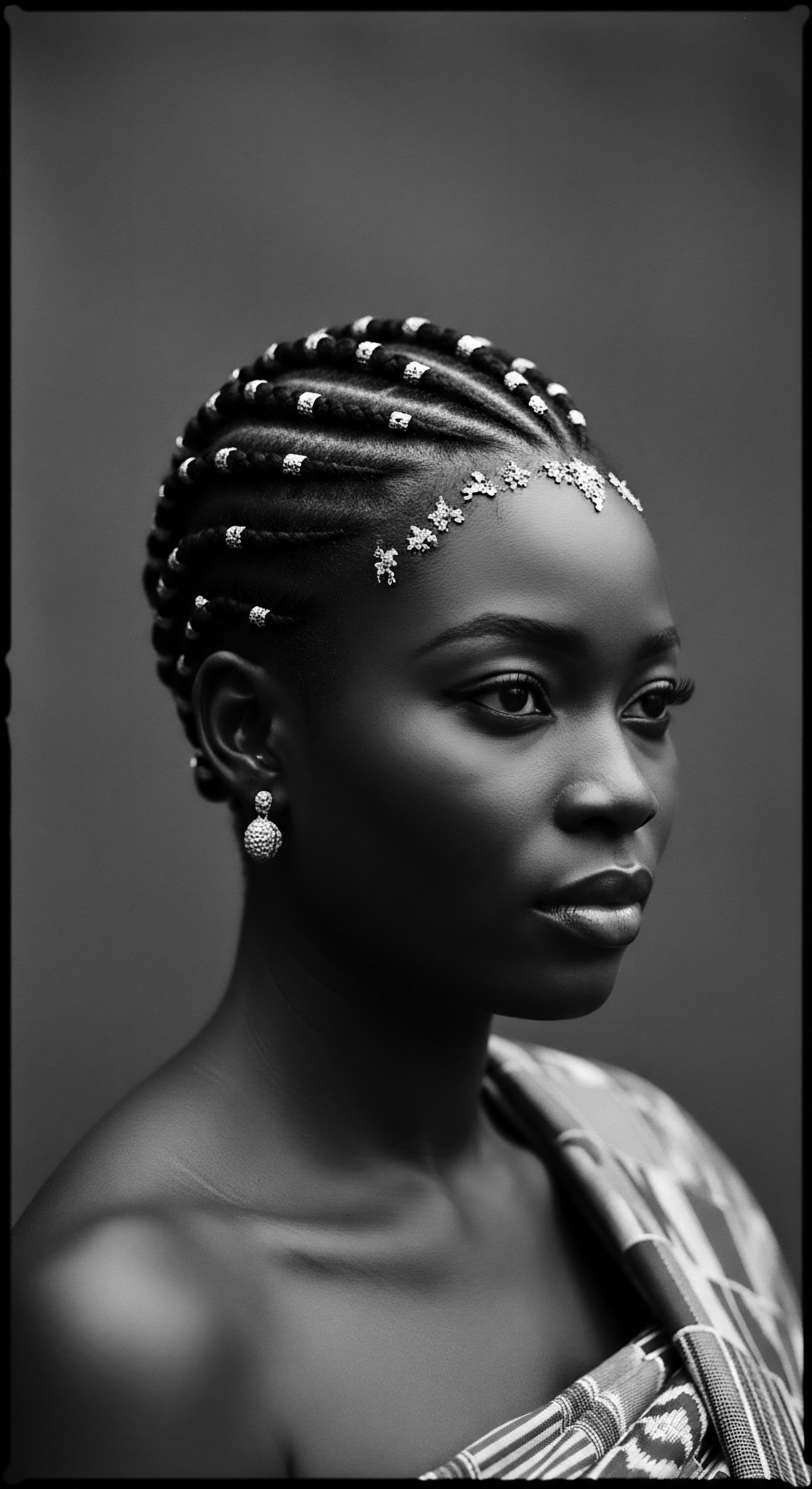
Hair discrimination erodes the cultural, psychological, and economic foundations of textured hair heritage, forcing conformity and silencing ancestral narratives.
Hair classification systems have historically devalued Black hair, fostering discriminatory perceptions that impact self-worth and societal acceptance.
Modern science confirms ancestral hair care wisdom by revealing the biological mechanisms behind traditional practices, affirming textured hair heritage.
Traditional textured hair remedies are rooted in scientific principles, leveraging natural ingredients and practices to align with hair's unique structure and heritage needs.
Modern science confirms historical African hair care benefits by validating traditional ingredients and protective styling methods, honoring textured hair heritage.
Modern protective styles directly connect to ancestral practices by preserving textured hair health and affirming cultural identity through shared heritage.
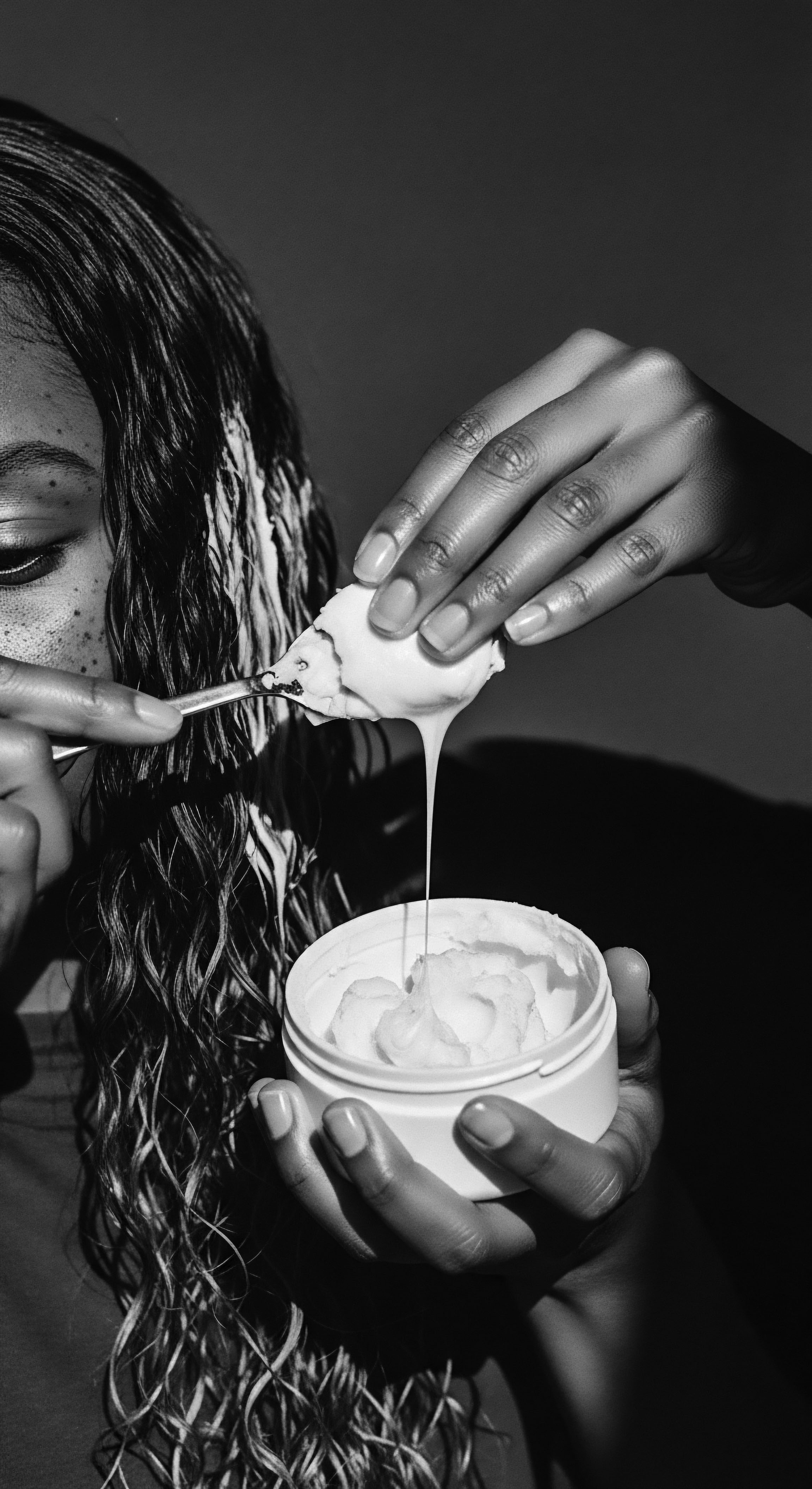
Traditional African hair care relied on plants like shea butter, chebe, moringa, and aloe vera for cleansing, conditioning, growth, and scalp health, deeply honoring textured hair heritage.
Ancient African hair care practices offer invaluable lessons for modern textured hair health by revealing time-honored techniques and natural ingredients rooted in profound cultural heritage.
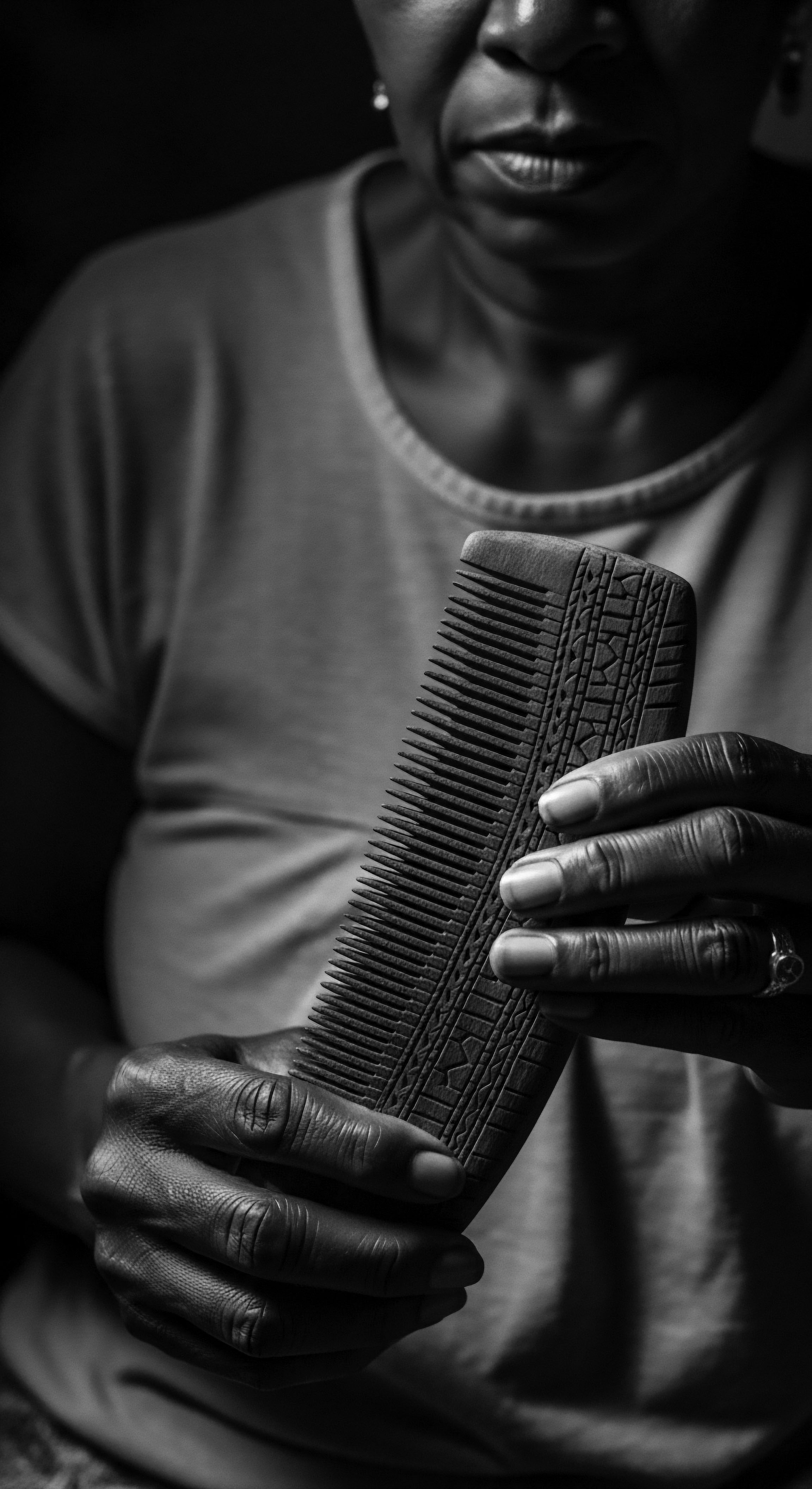
Ancestral hair care tools, designed for textured hair's unique structure, continue to serve as functional and symbolic cornerstones for modern regimens, linking present practices to a rich heritage.
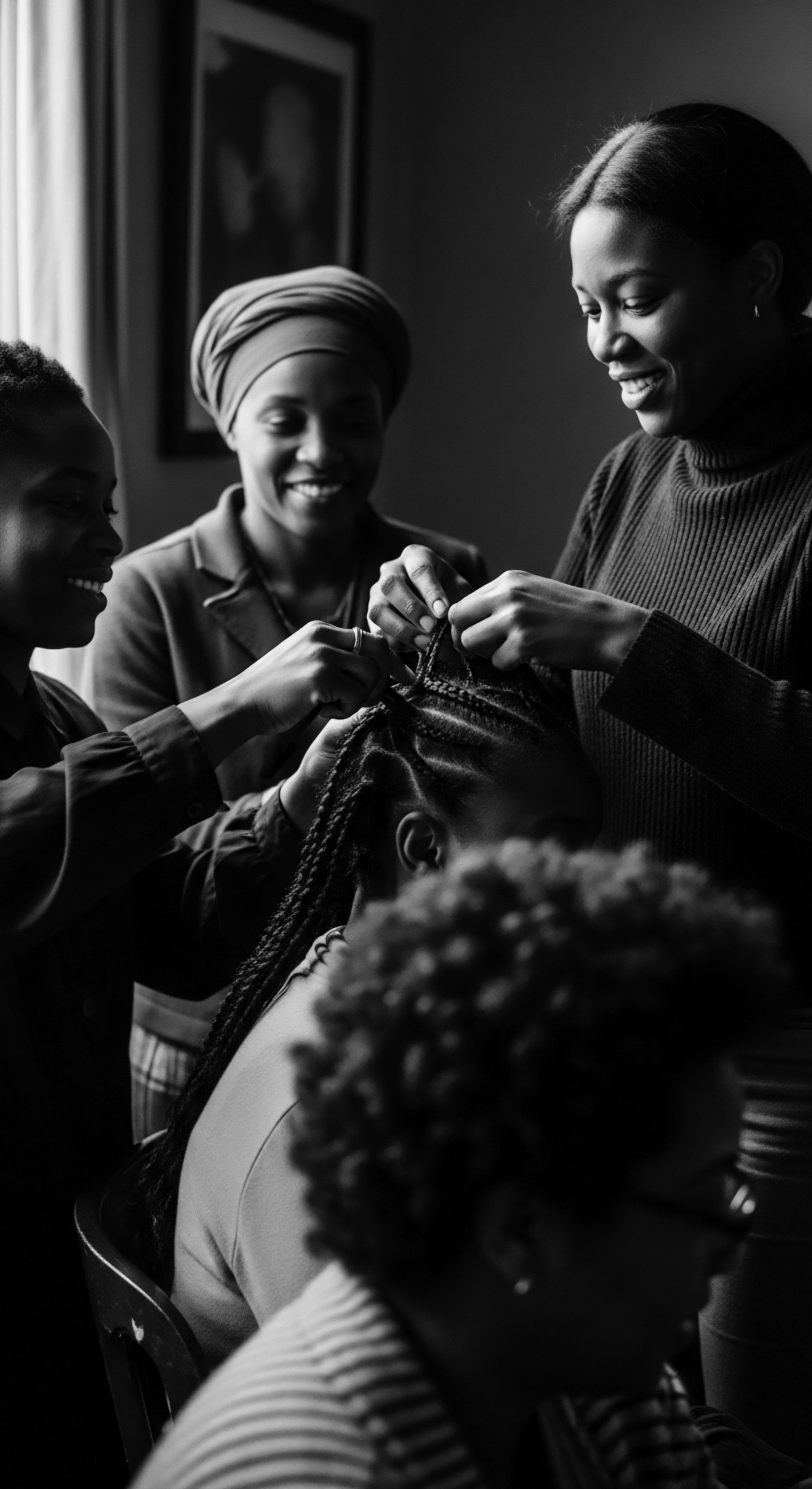
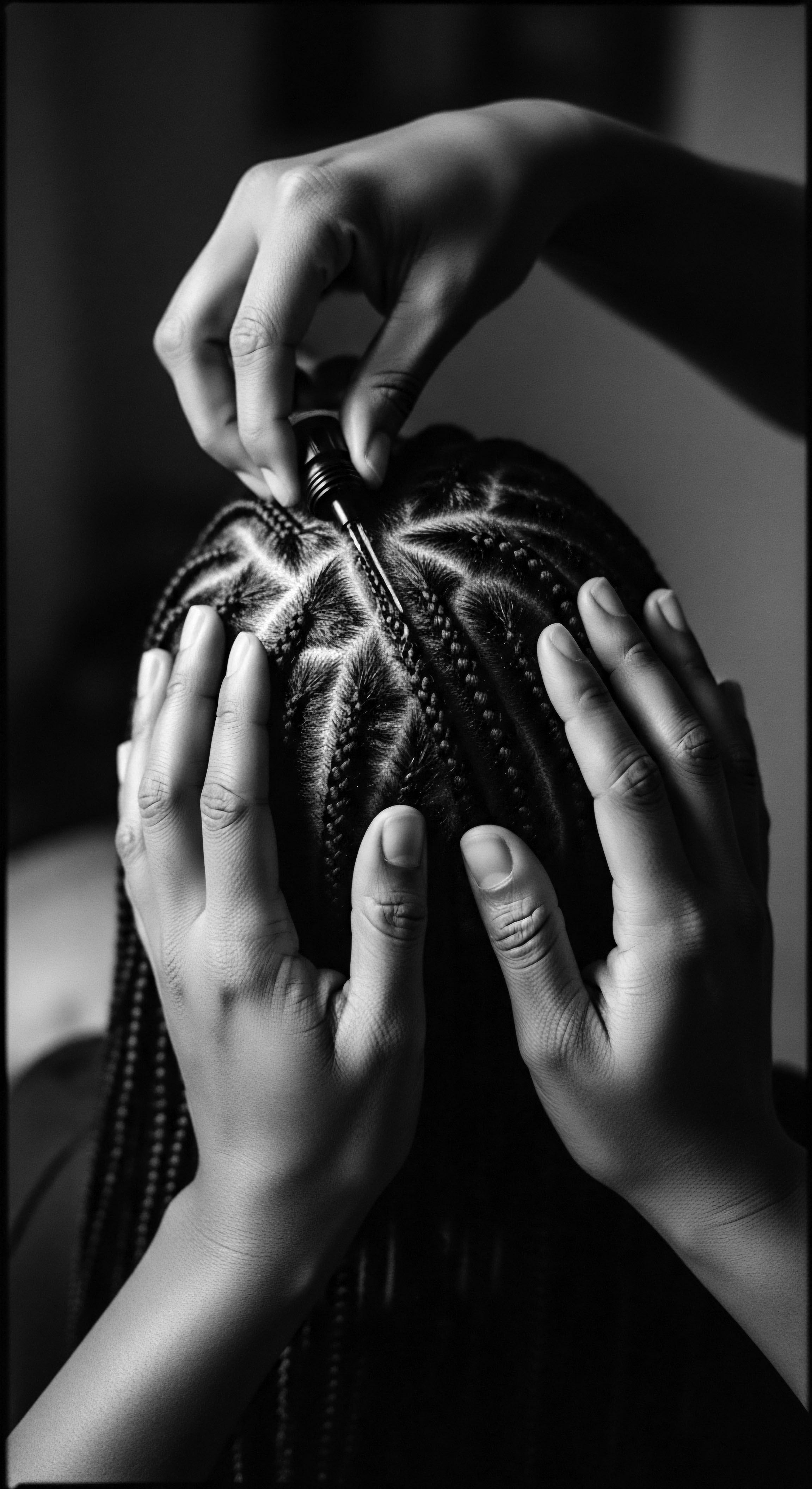
Ancient hair braiding traditions began from practical needs for textured hair management, evolving into complex cultural expressions and heritage preservation.
Plant-based hair cleansing for textured hair holds profound cultural weight, rooted in ancestral wisdom and shaping identity through communal, heritage-driven practices.
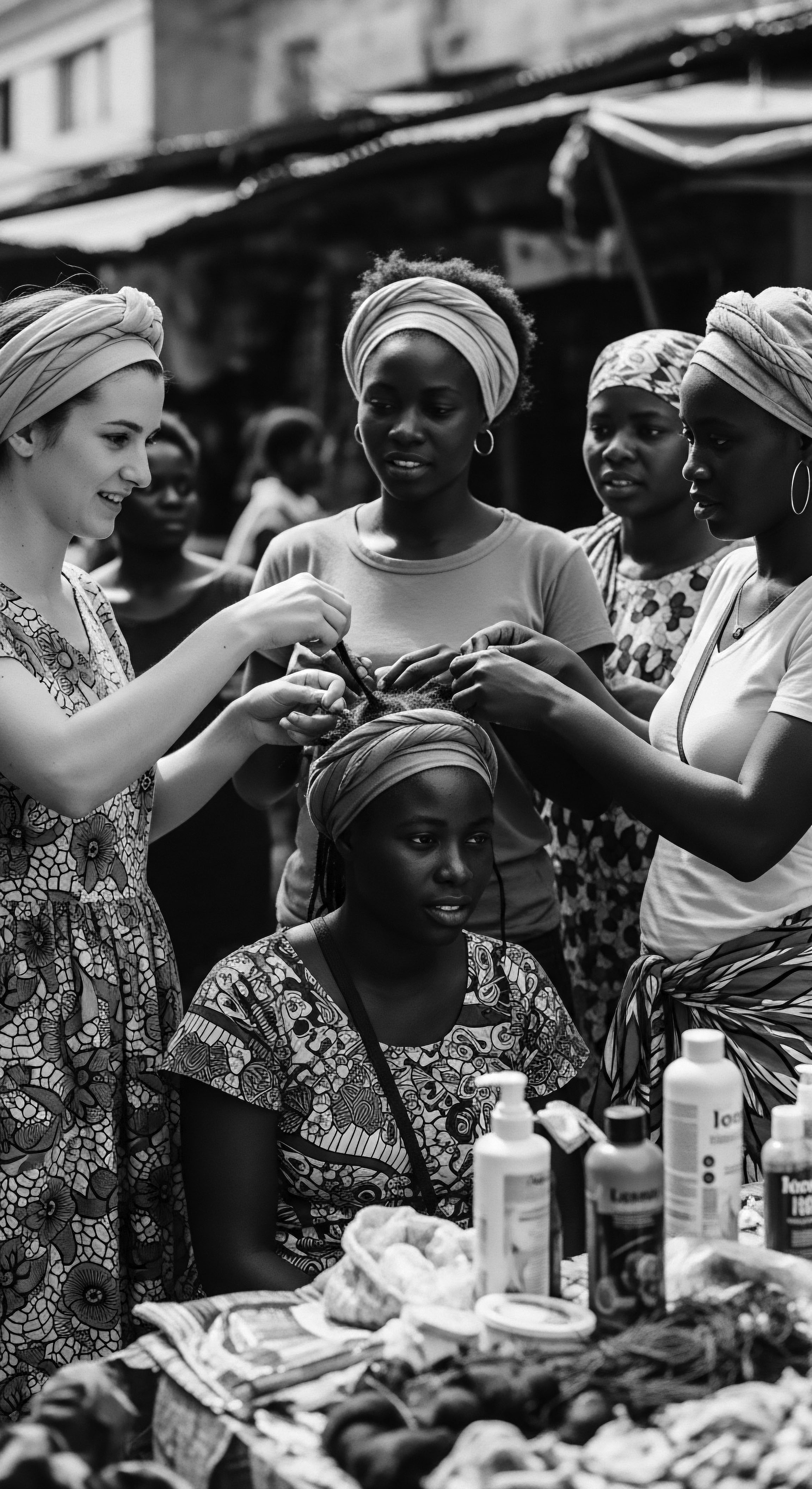
Textured hair rituals are sacred cultural practices connecting individuals to ancestral wisdom, identity, and spiritual well-being across diverse communities.
Head wraps historically protected textured hair by shielding it from environmental stressors and preserving moisture, a practice rooted in ancestral heritage.
Historical ingredients like shea butter, coconut oil, and Chebe powder preserved textured hair moisture through ancestral knowledge of natural emollients and protective rituals.
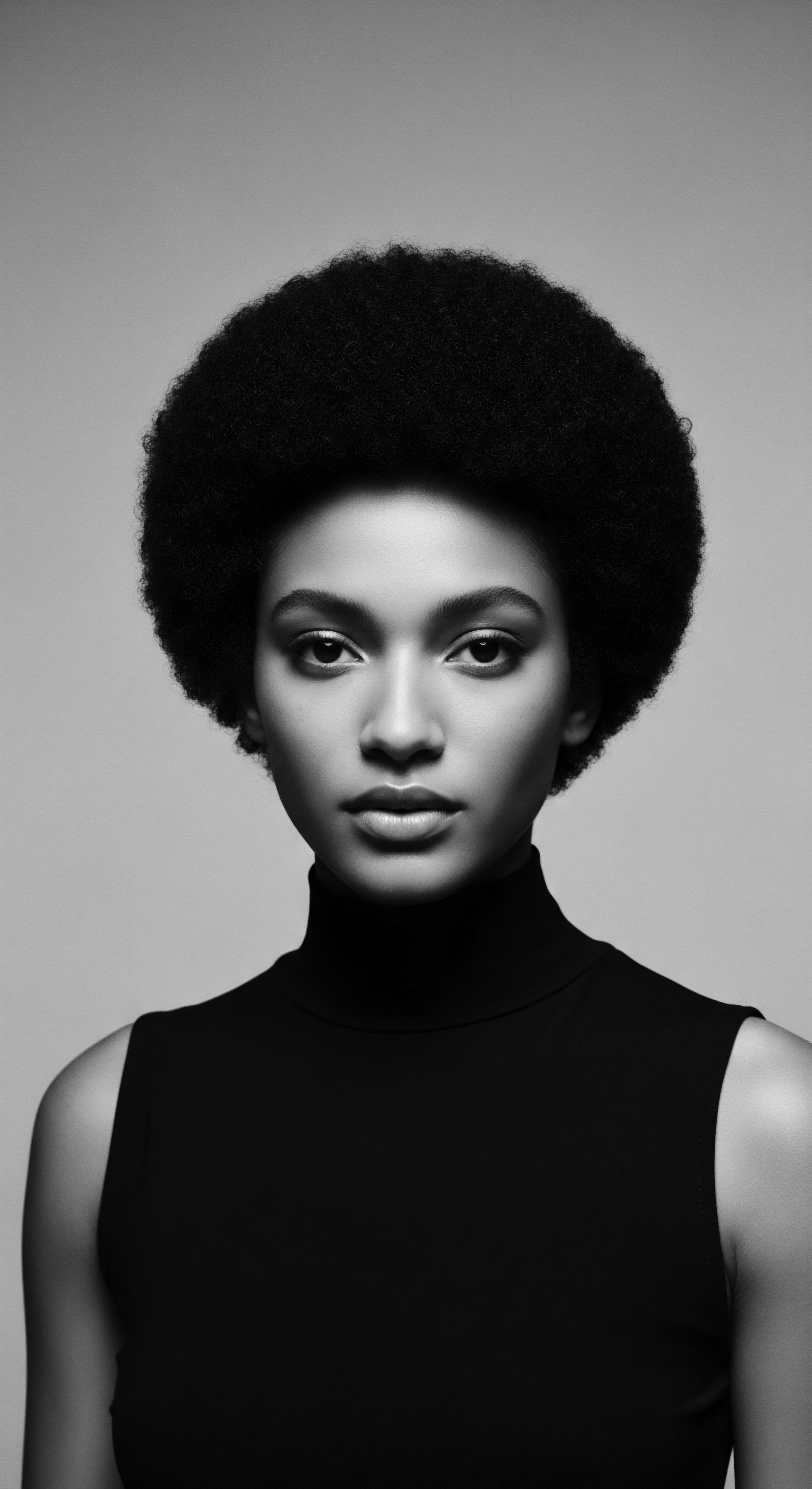
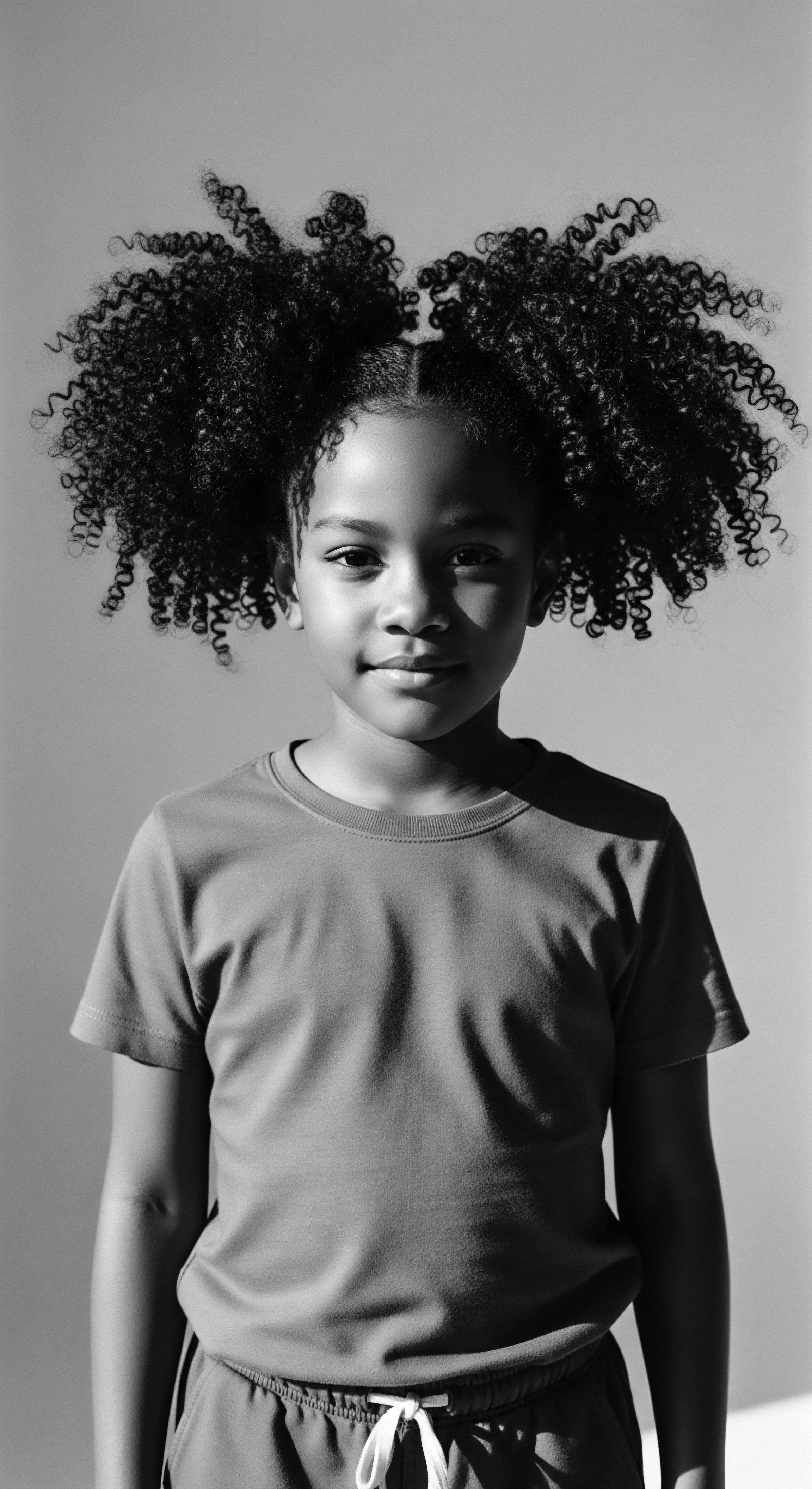
Textured hair's cultural journey was shaped by ancestral reverence, the dehumanizing impact of slavery, and enduring movements for self-acceptance and identity.
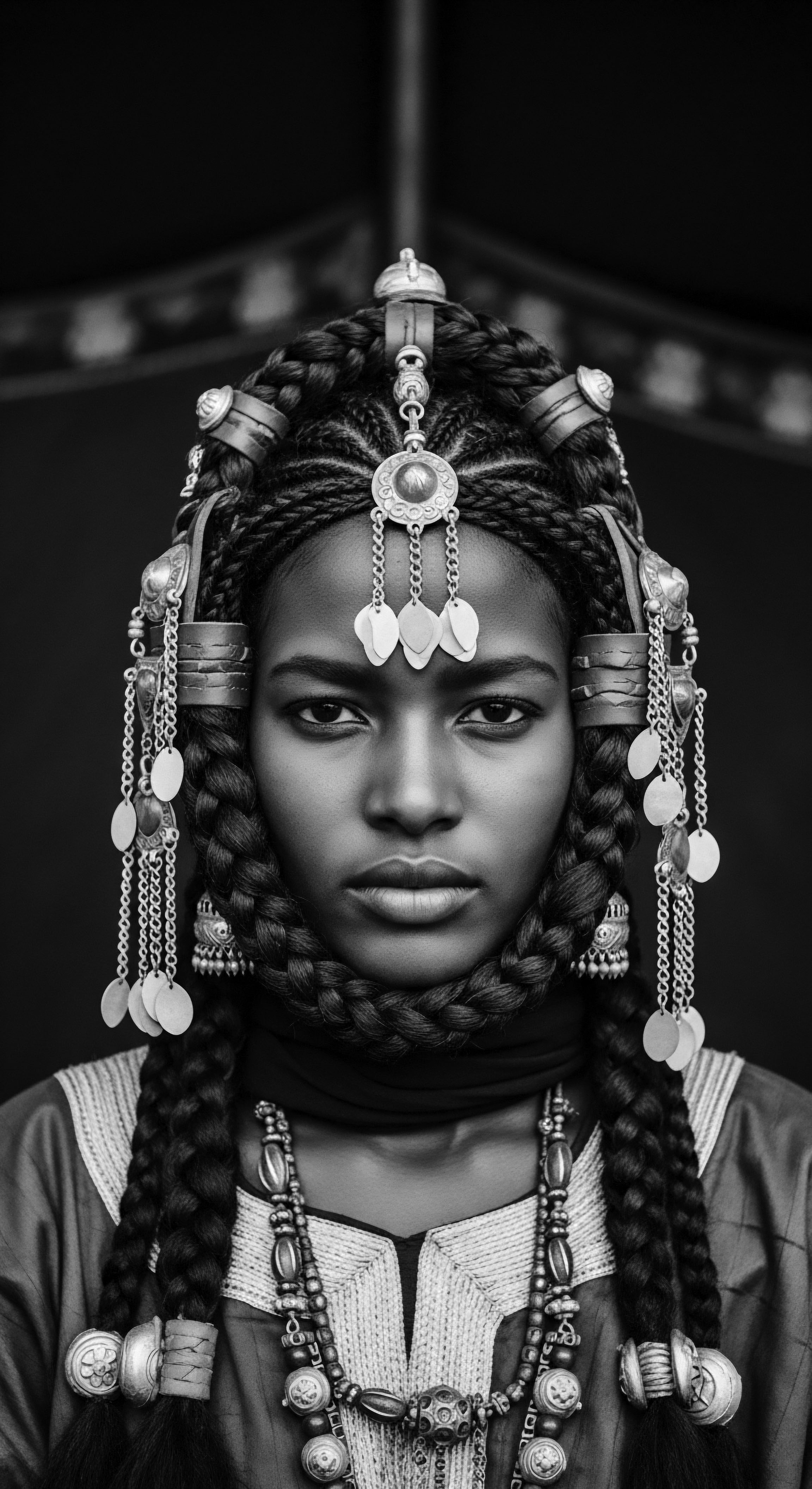
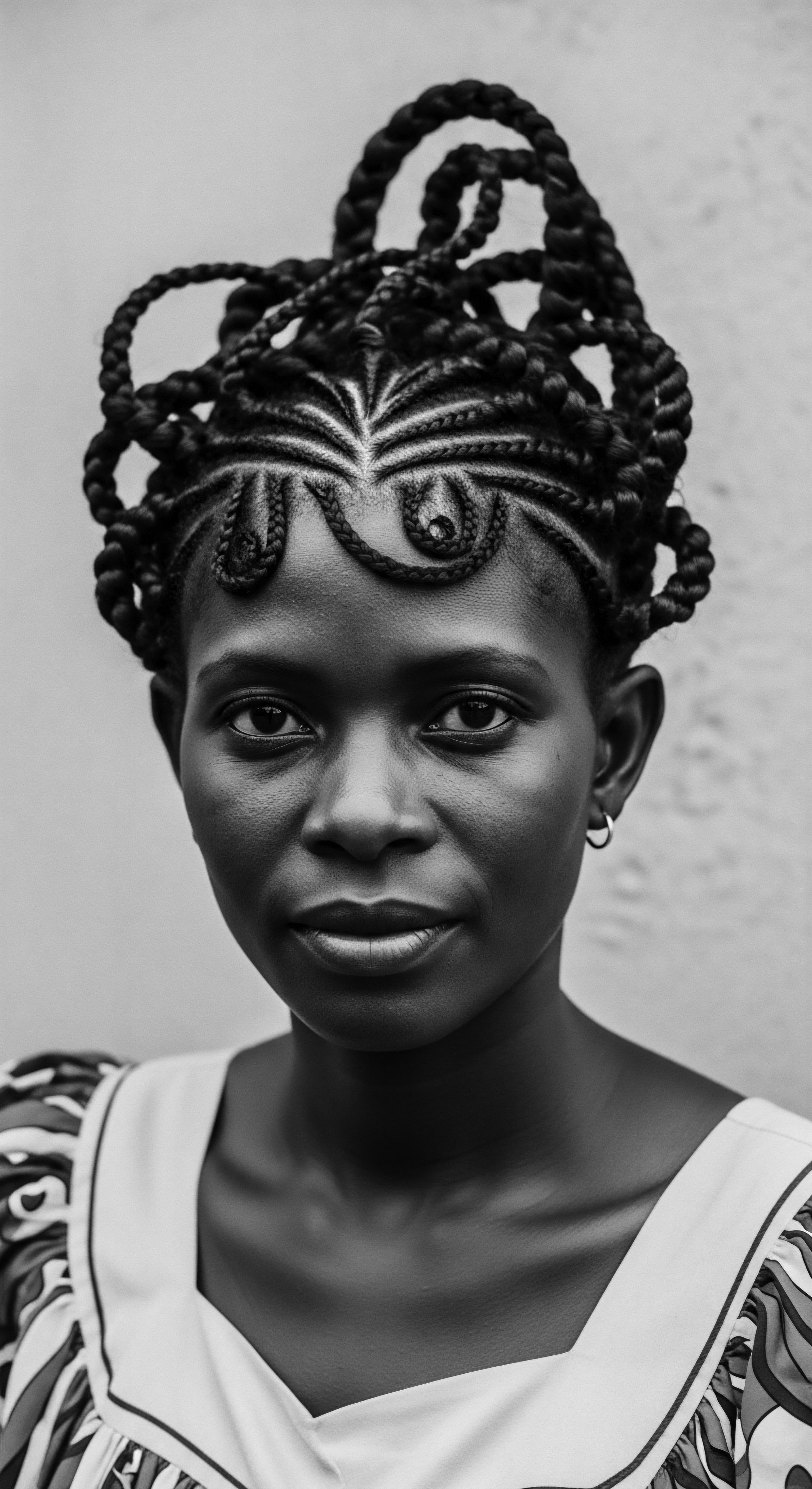
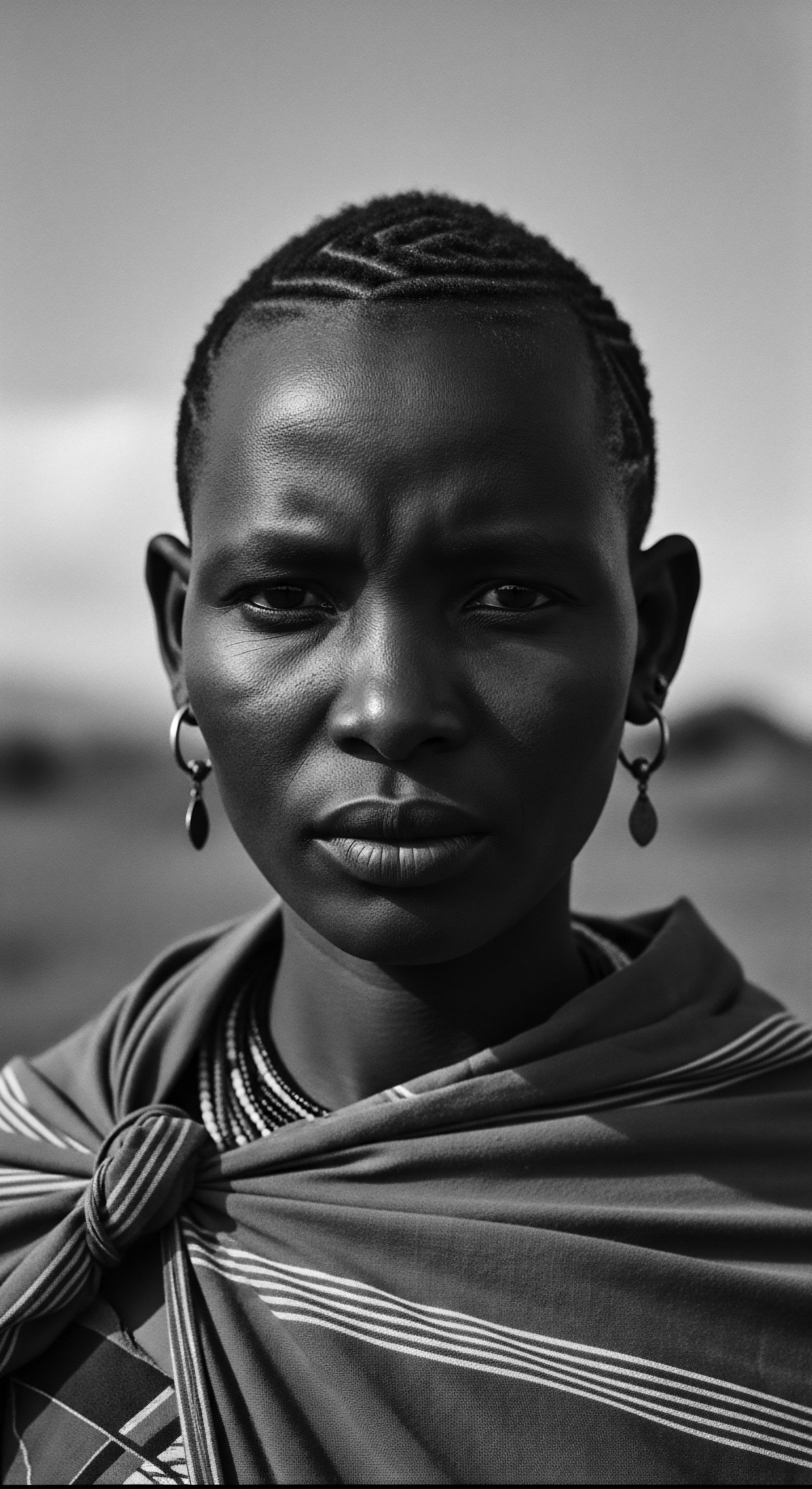
African hairstyles served as profound visual codes, communicating social status, age, marital standing, and ancestral lineage through intricate patterns and adornments.
Braided patterns are a profound ancestral language, weaving together protection, communication, identity, and resistance within textured hair heritage.
Hair practices across the diaspora represent a profound cultural language, deeply connected to textured hair heritage, identity, and ancestral resilience.
African hair tools preserve cultural heritage by embodying ancestral wisdom, fostering communal bonds, and symbolizing resilience through their historical and continued use.
Traditional textured hair tools embody millennia of ingenious adaptation and cultural expression, reflecting deep ancestral connections to textured hair heritage.
We use cookies to personalize content and marketing, and to analyze our traffic. This helps us maintain the quality of our free resources. Manage your preferences below.
This helps support our free resources through personalized marketing efforts and promotions.
Analytics cookies help us understand how visitors interact with our website, improving user experience and website performance.
Personalization cookies enable us to customize the content and features of our site based on your interactions, offering a more tailored experience.