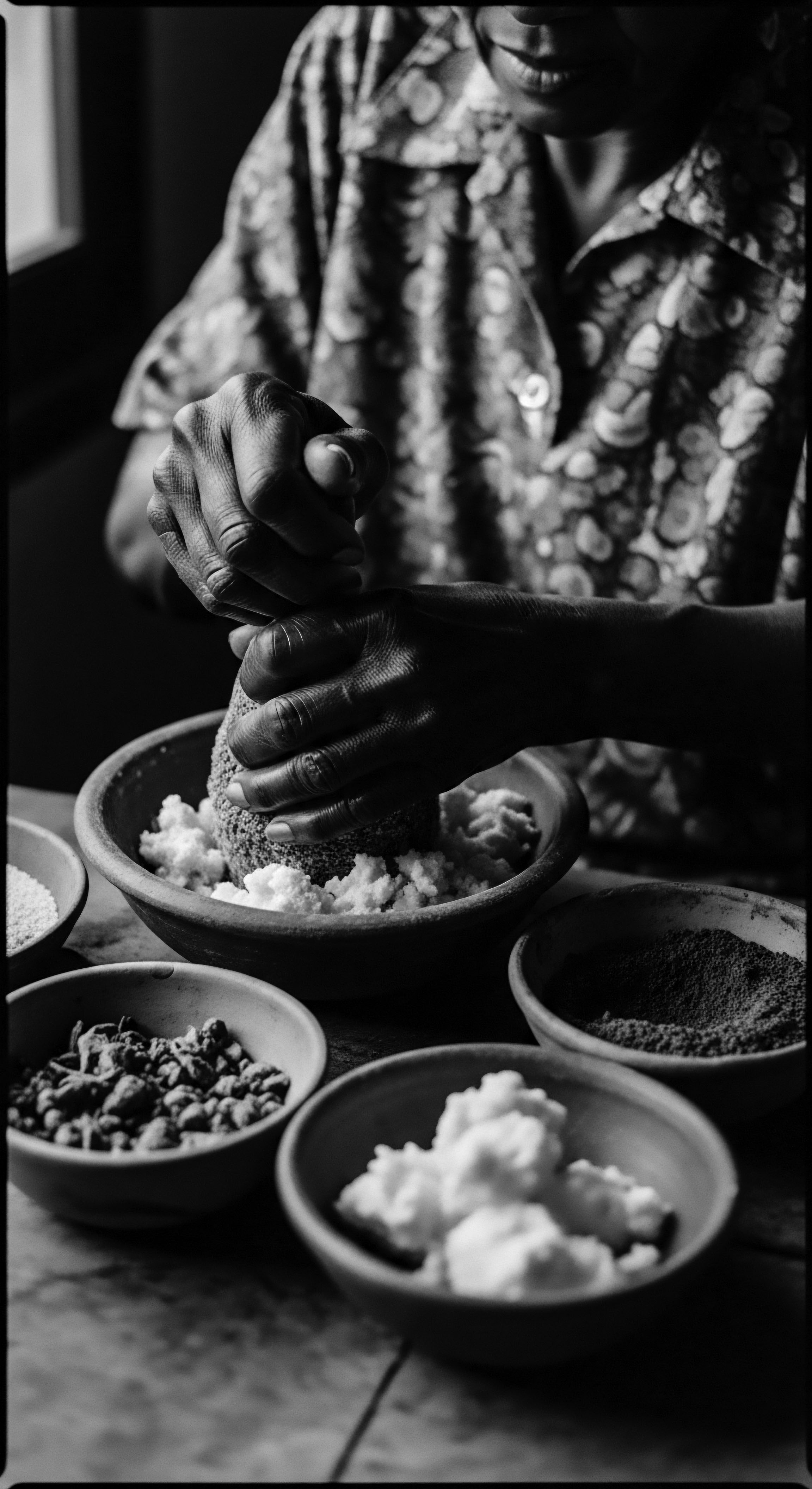
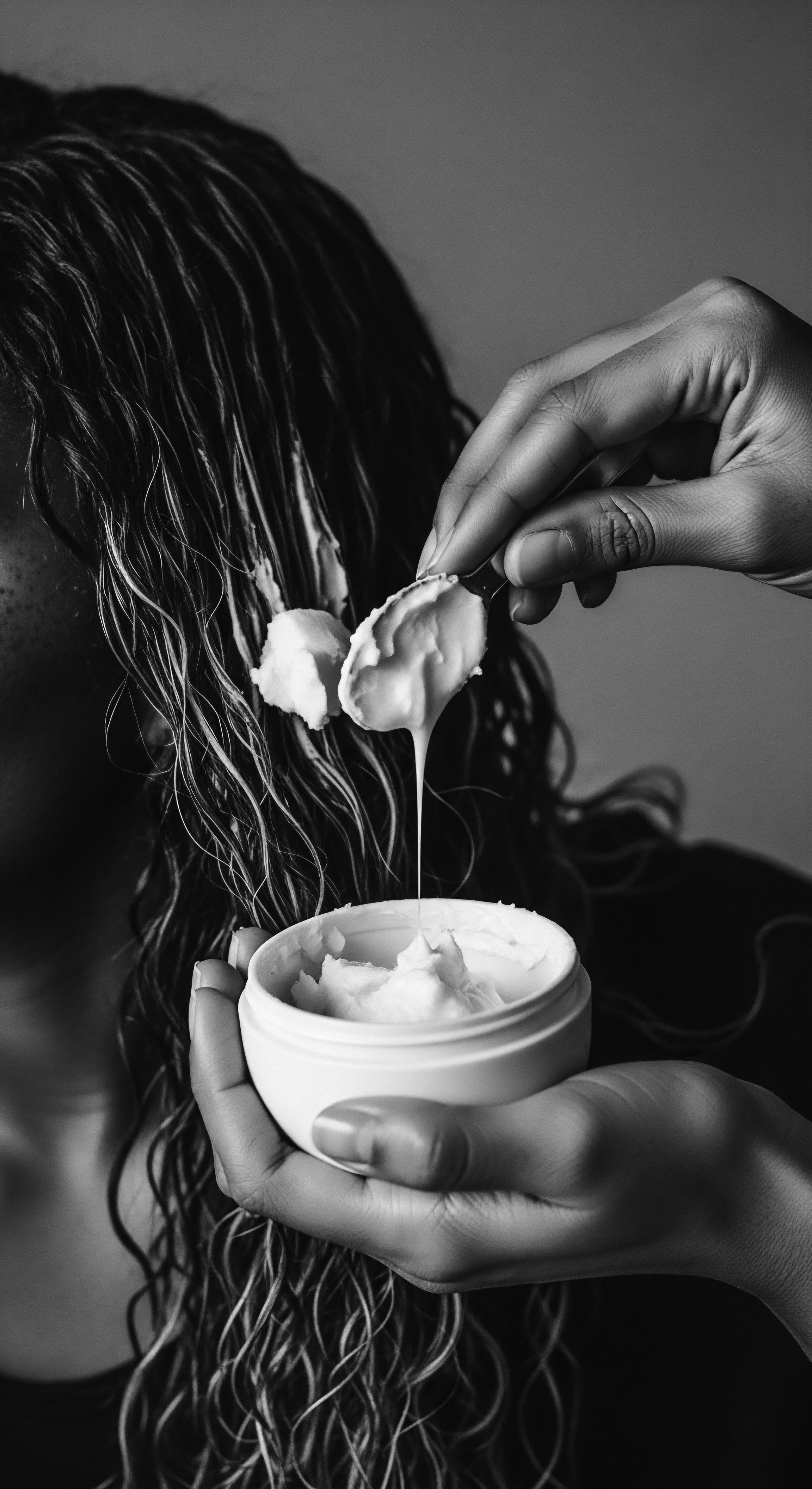
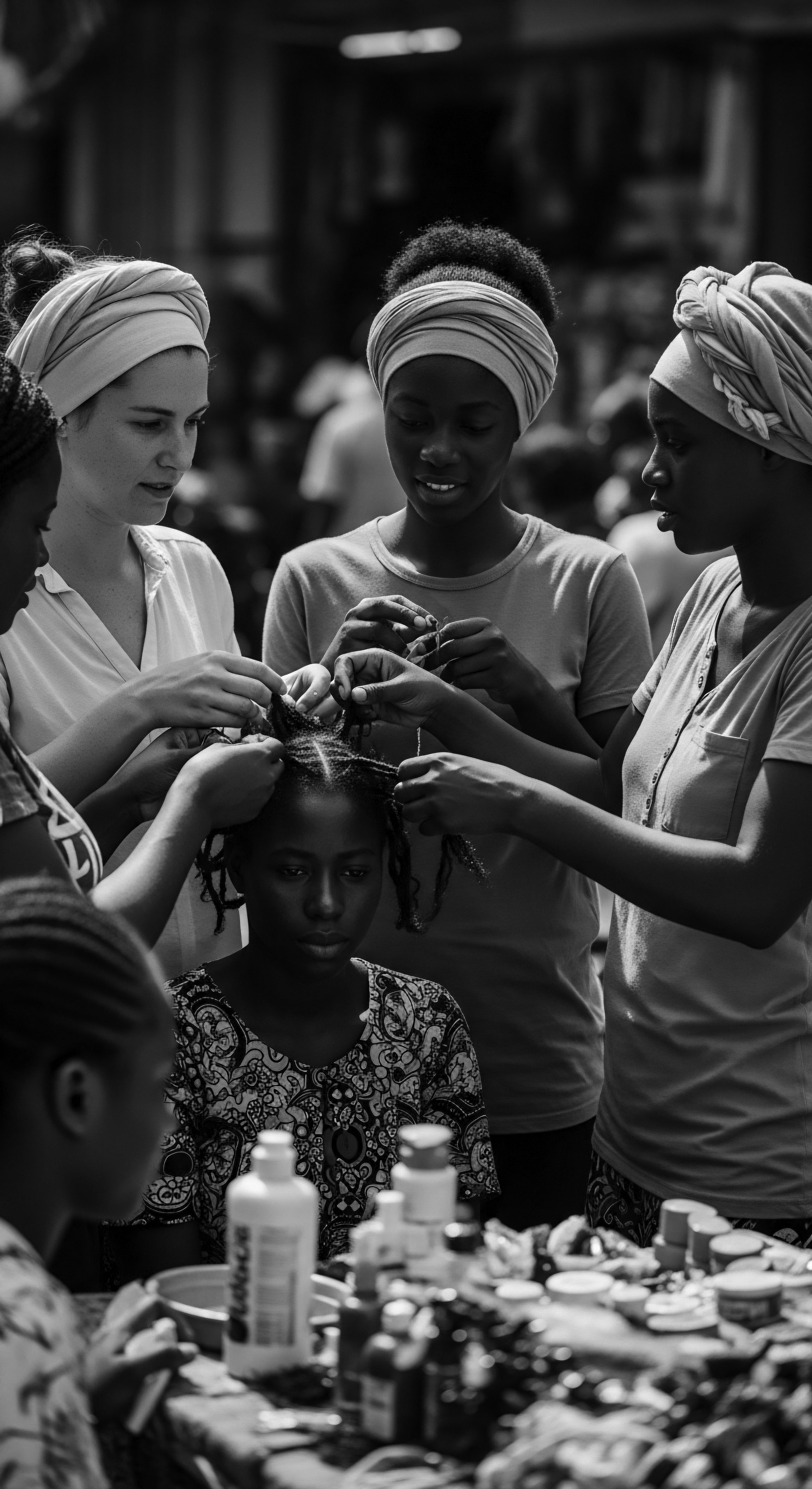
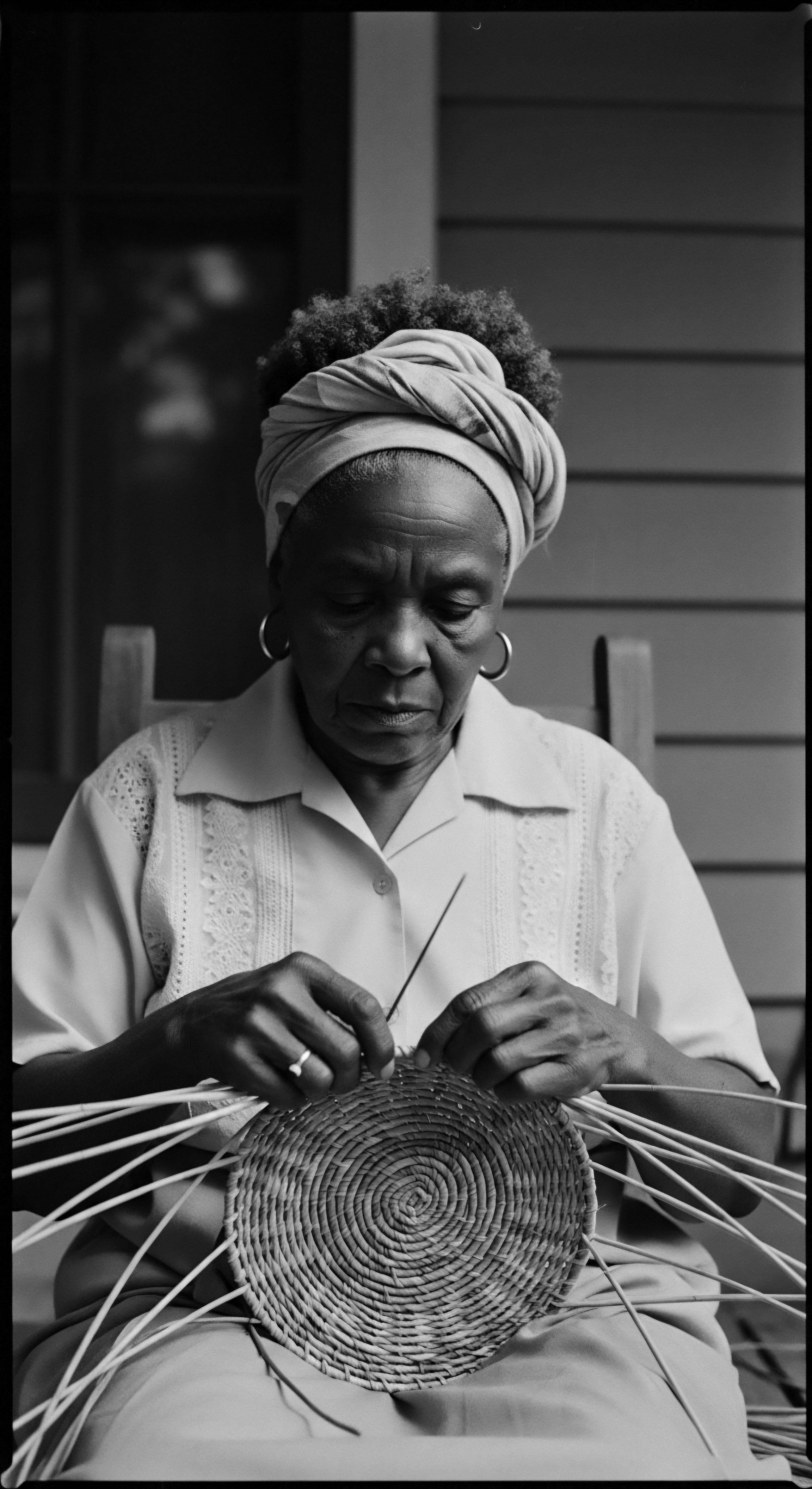
Traditional oils like shea butter and castor oil supported coiled hair growth by providing moisture, protection, and scalp nourishment rooted in heritage.
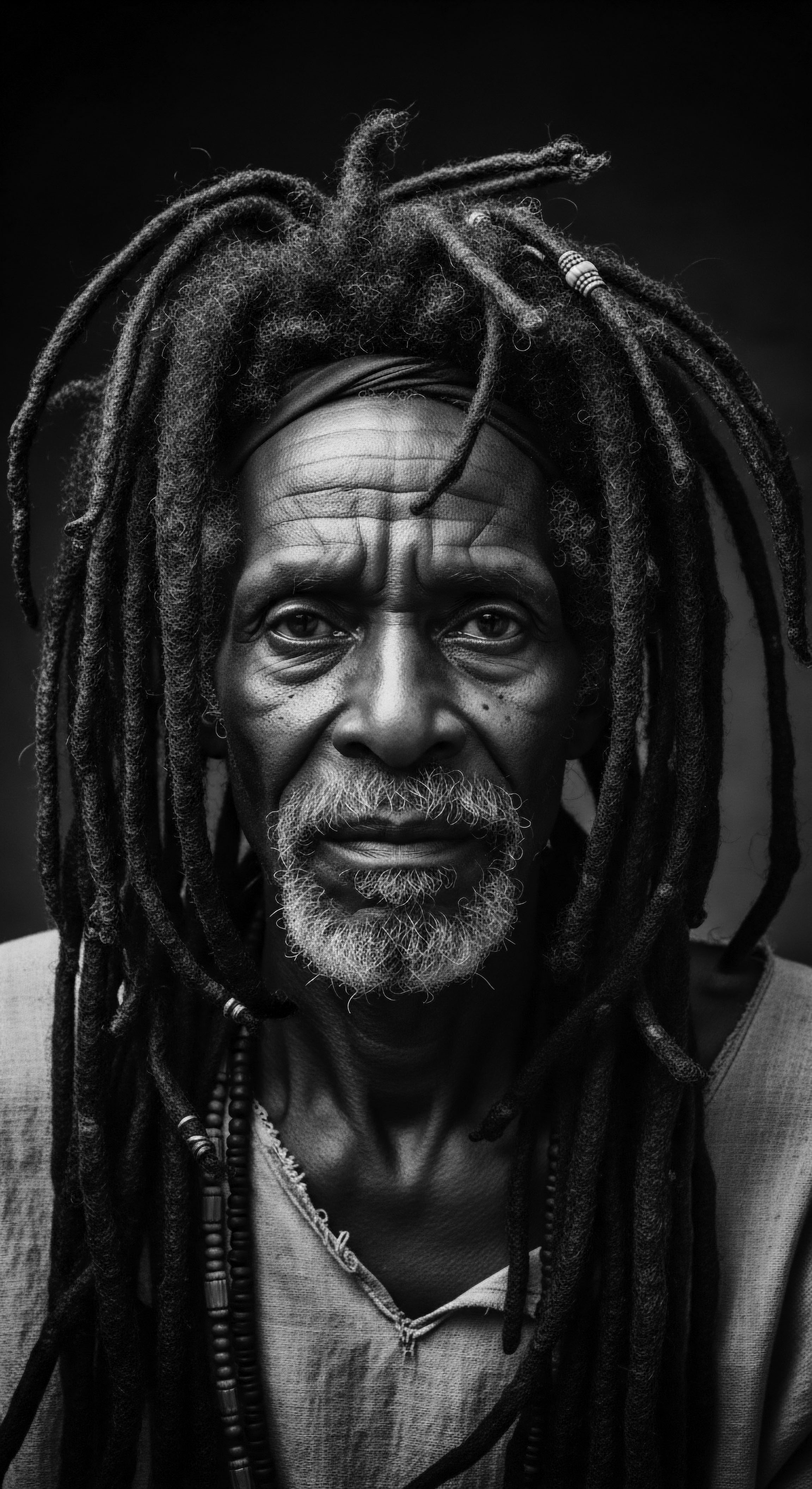
Ancestral African hair care practices profoundly shape modern textured hair regimens and identity through enduring traditions of holistic care, communal rituals, and powerful self-expression.
Ancient African cultures used plants like shea butter, African black soap, Chebe powder, and hibiscus for textured hair care, deeply rooted in heritage.
Modern hair science affirms the efficacy of traditional hair oiling, particularly for textured hair, by explaining how specific oils nourish, protect, and maintain strand integrity, validating ancestral practices.
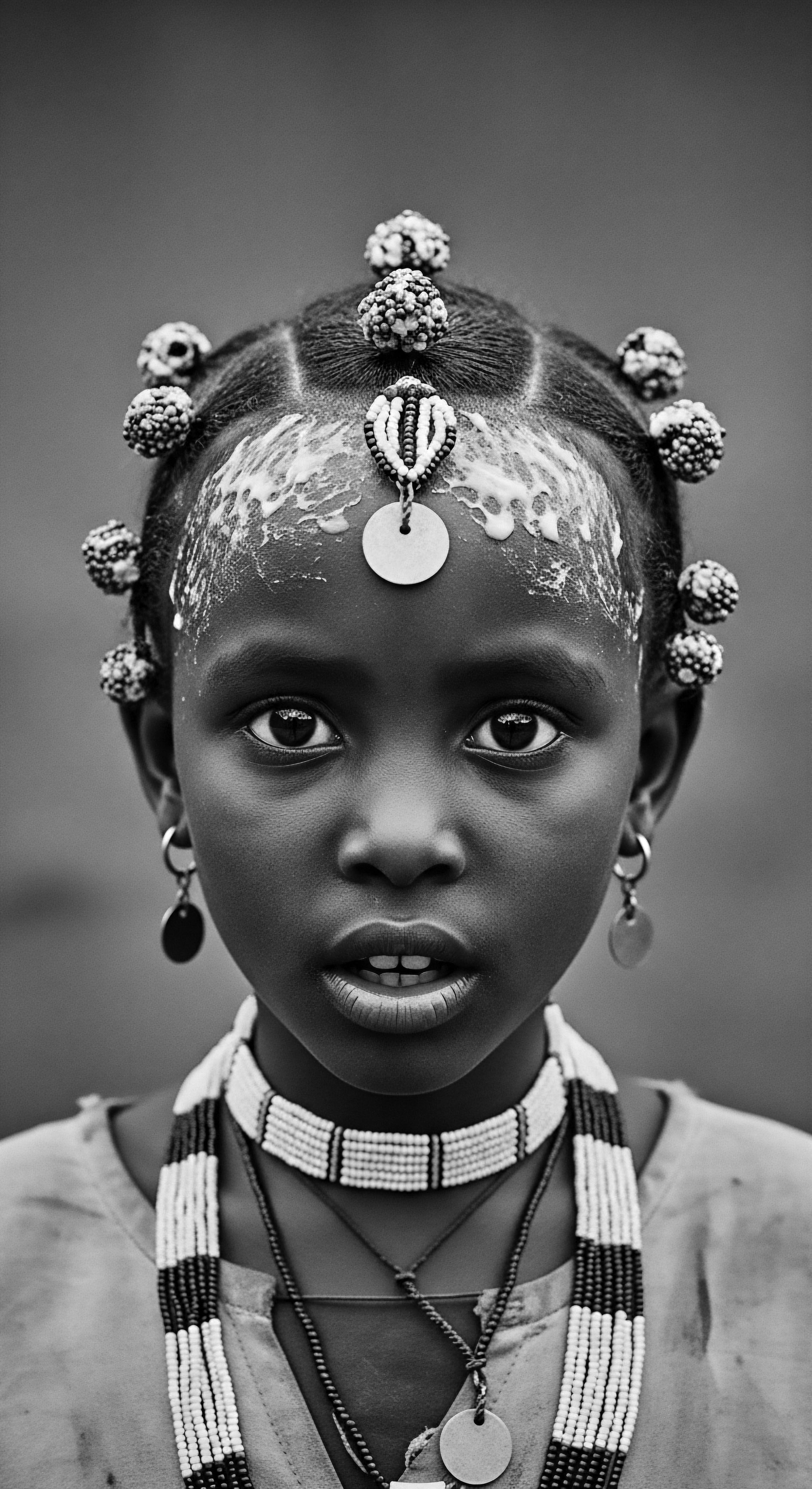
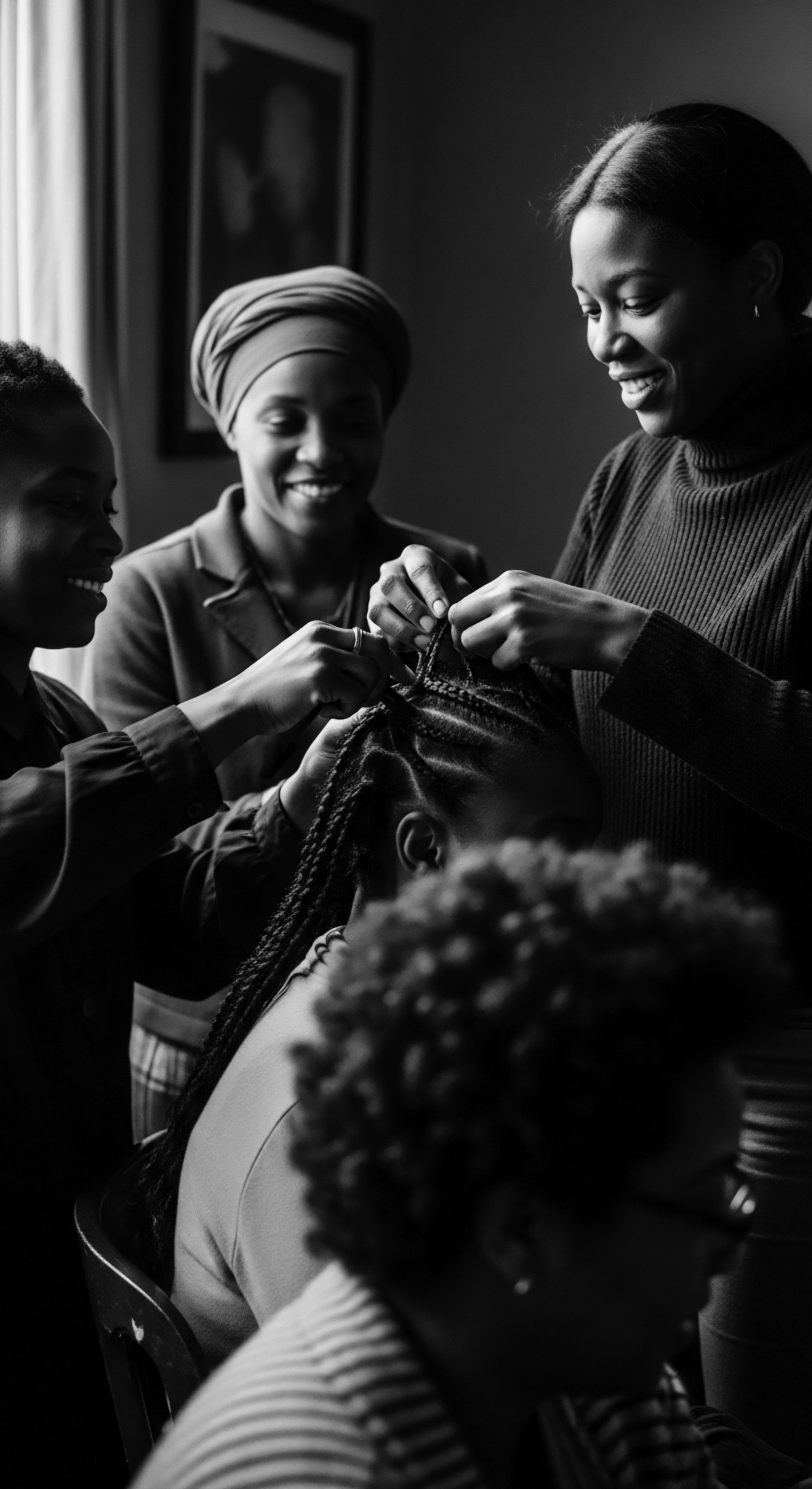
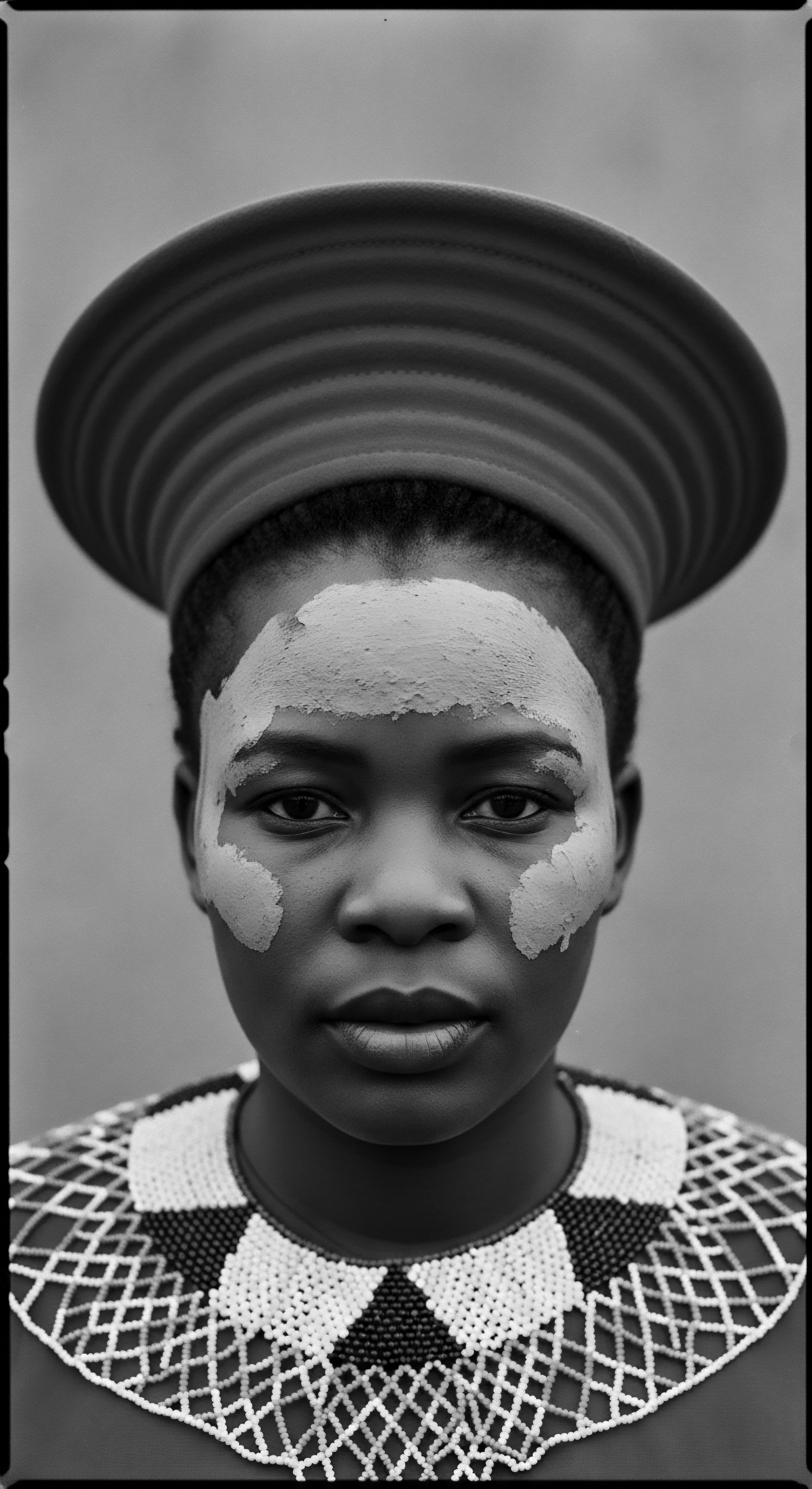
Ancestral wisdom connects hair care to cultural identity and community wellbeing by preserving heritage, fostering communal bonds, and reflecting self-respect.
Historical hair care rituals support modern hair health by providing timeless principles of gentle manipulation, natural nourishment, and protective styling for textured hair heritage.
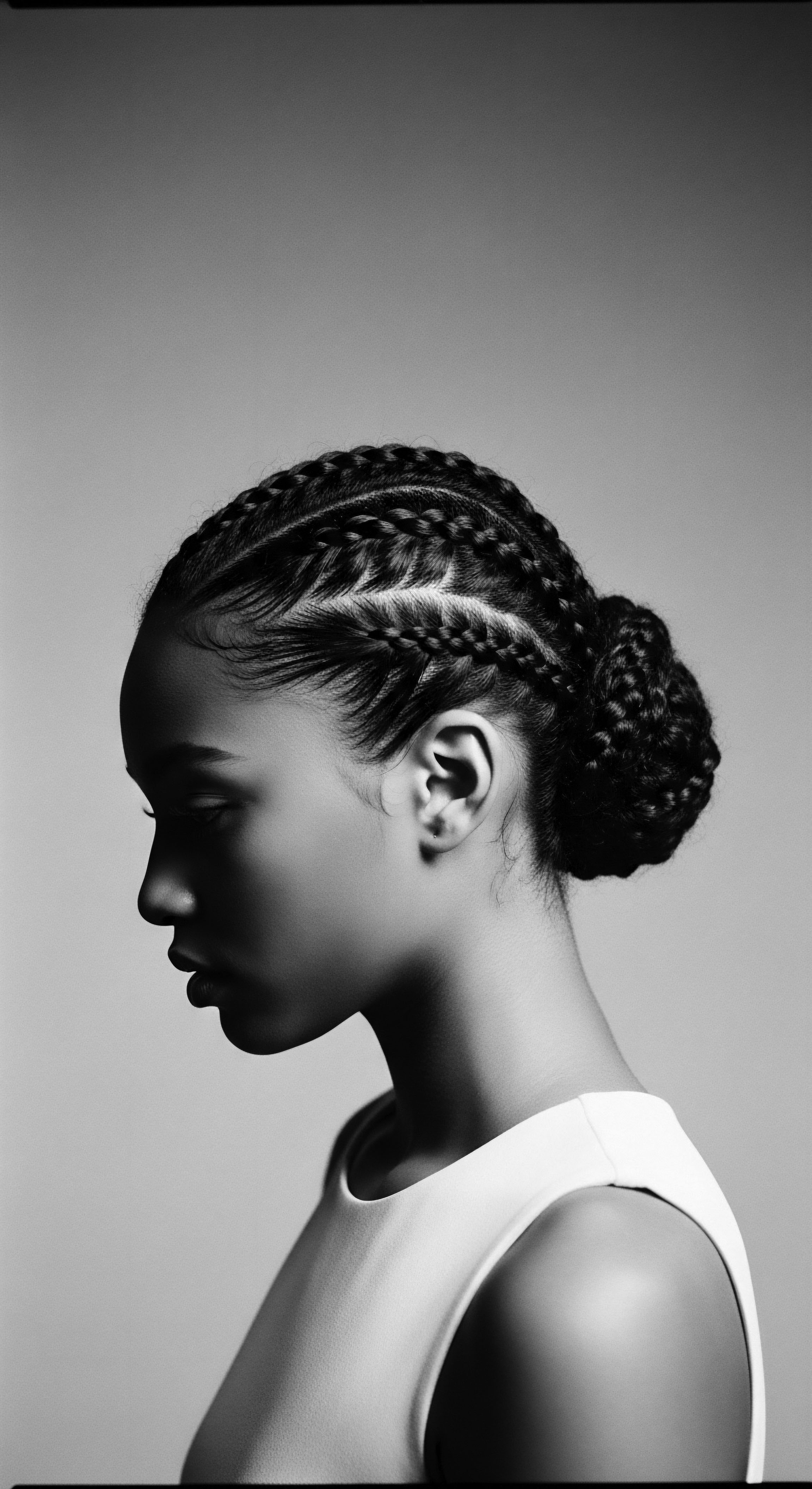
Ancestral hair practices profoundly shape modern protective styles by providing foundational techniques, ingredients, and cultural significance for textured hair heritage.
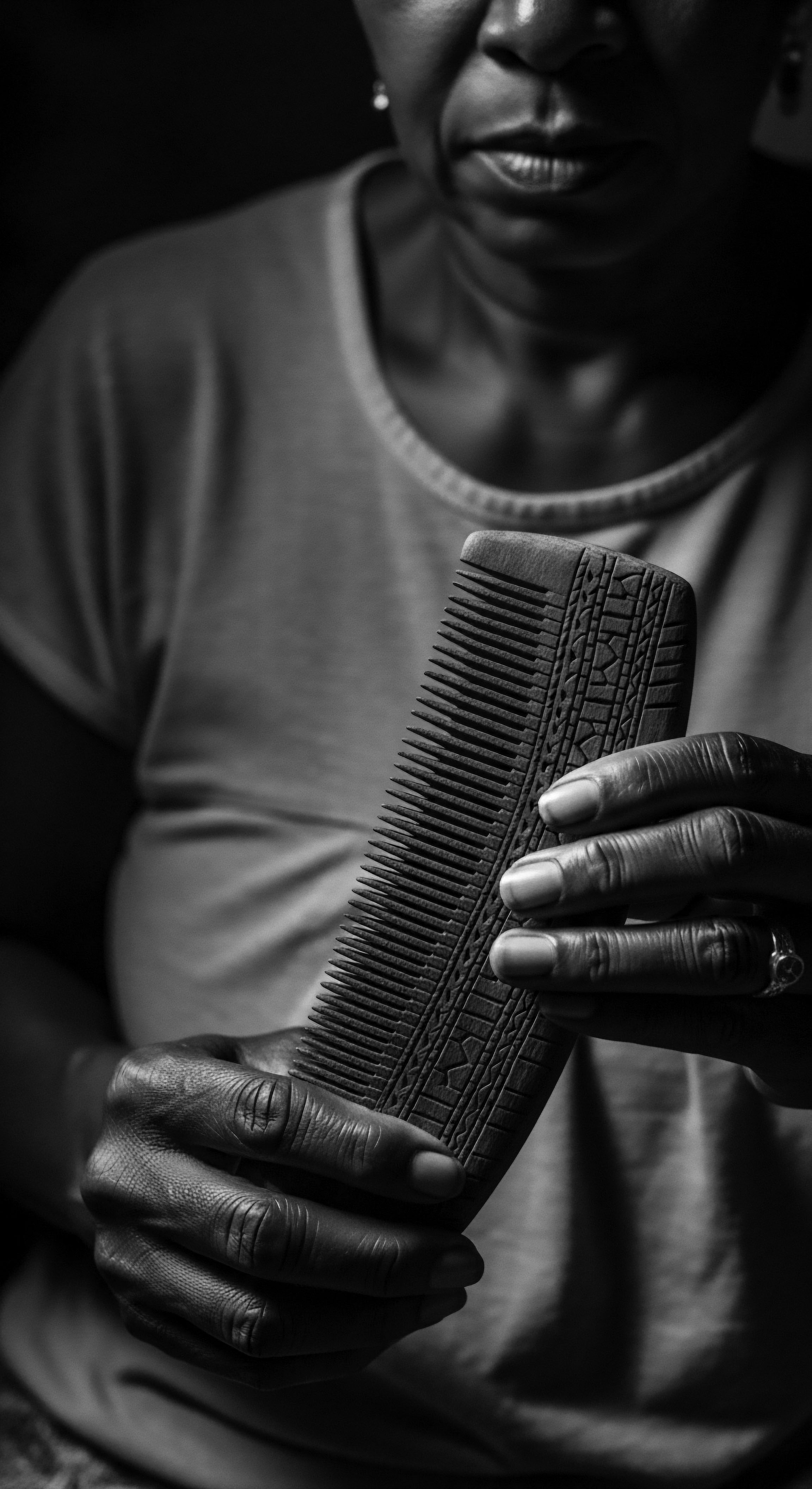
Historical comb designs convey enduring beliefs about textured hair heritage as a symbol of identity, status, spiritual connection, and cultural resilience.
Traditional African ingredients like shea butter, argan, marula, and mongongo oils sealed hair by forming a protective lipid barrier, preserving moisture and reflecting textured hair heritage.
Scientific understanding affirms traditional oils' protective roles for textured hair by revealing their molecular benefits and heritage-rooted efficacy.
Historical hair oiling contributed to Black identity and cultural resilience by preserving ancestral practices and serving as a defiant act of self-care.
Specific comb motifs often reveal ancestral beliefs about hair as a spiritual conduit, social marker, and a vessel of cultural identity within textured hair heritage.
Traditional African oils, rooted in ancestral wisdom, offer profound nourishment and protection for textured hair, connecting individuals to a rich heritage of care.
Historical textiles like fine linen and silk, alongside carefully chosen cottons, provided crucial friction protection for coily hair, rooted in ancestral wisdom.
Ancient societies protected hair moisture through natural oils, butters, protective styles, and holistic wellness practices, particularly for textured hair heritage.
Hair structure and cultural identity are deeply intertwined, with inherited texture serving as a profound link to ancestral heritage and community narratives.
Historical styling practices for textured hair mirrored its anatomy, prioritizing protective measures and natural ingredients to sustain its unique coils and cultural heritage.
Protective styles hold profound historical significance as symbols of textured hair heritage, resilience, communication, and identity across generations.
Oils hold deep historical significance for coiled hair traditions, serving as vital agents for moisture, protection, and cultural identity across diverse heritage practices.
We use cookies to personalize content and marketing, and to analyze our traffic. This helps us maintain the quality of our free resources. Manage your preferences below.
This helps support our free resources through personalized marketing efforts and promotions.
Analytics cookies help us understand how visitors interact with our website, improving user experience and website performance.
Personalization cookies enable us to customize the content and features of our site based on your interactions, offering a more tailored experience.