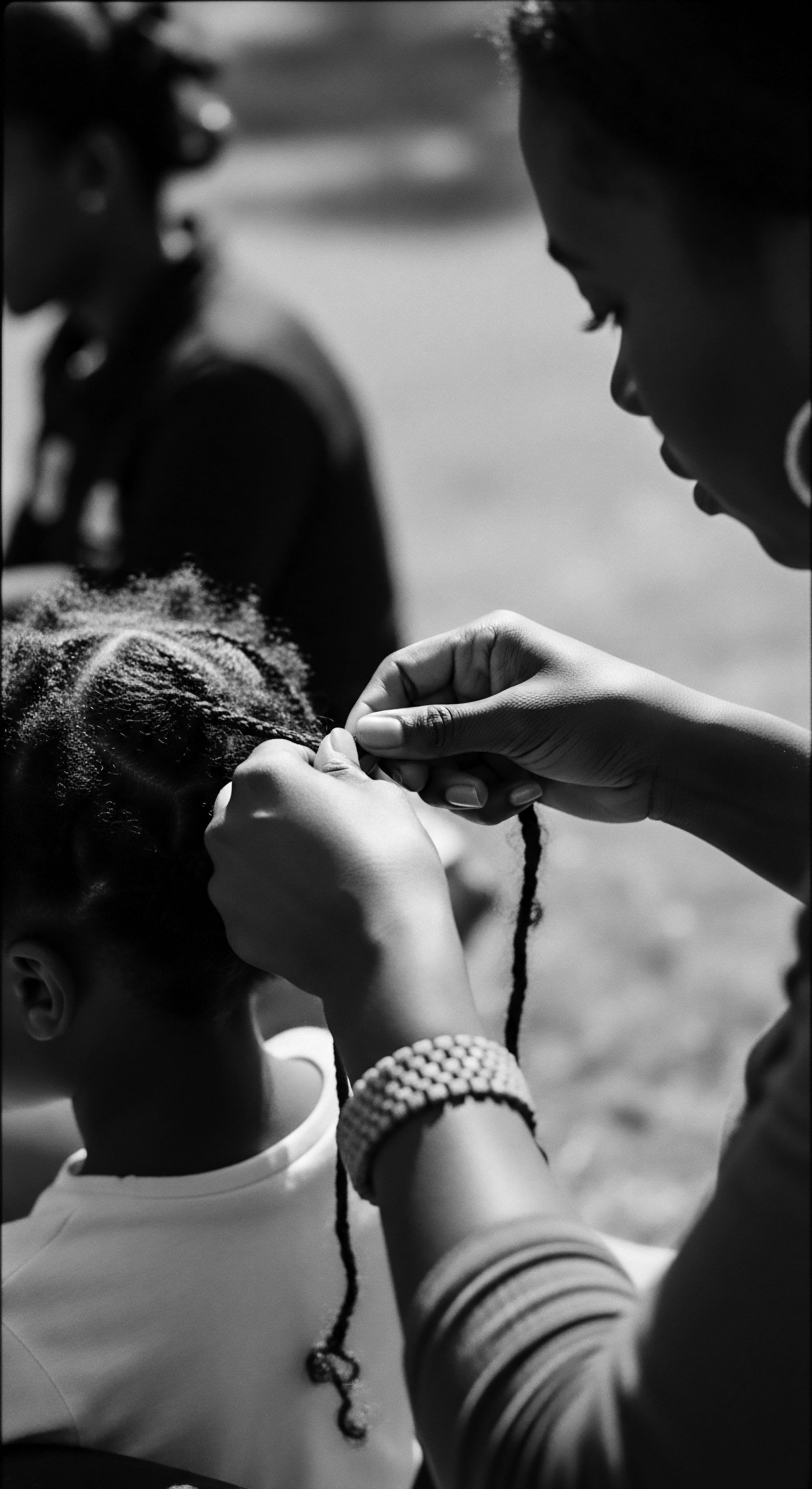
How Did Ancestral Styling Protect Textured Hair Health?
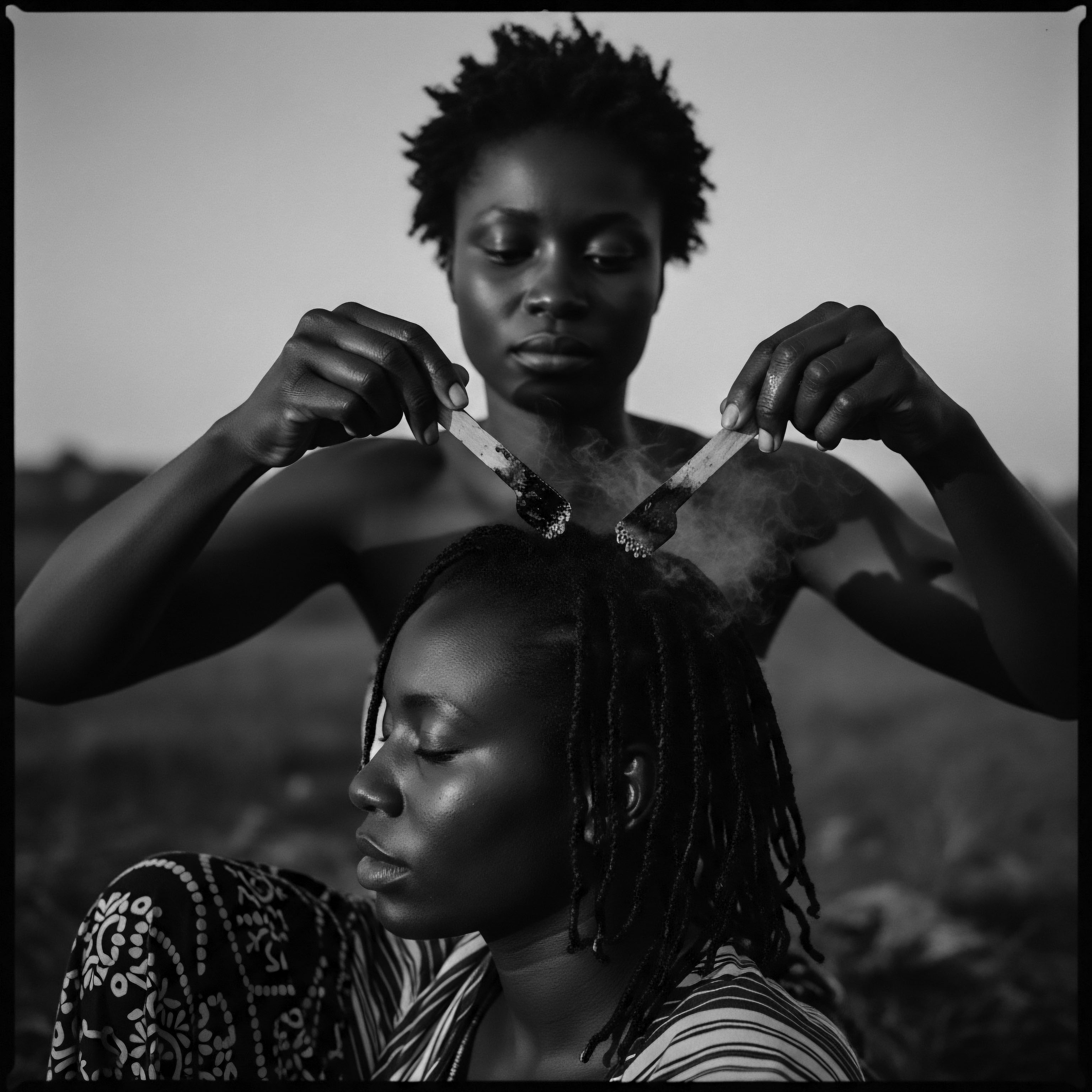
Ancestral styling protected textured hair through minimal manipulation, natural ingredients, and communal practices honoring its unique heritage and structure.
Can historical washing methods hydrate textured hair?
Historical methods hydrated textured hair by using gentle, natural cleansers and emollients, preserving intrinsic oils and promoting overall hair vitality.
How does heritage inform our understanding of textured hair health?
Heritage informs textured hair health by revealing how ancestral practices built resilience and understanding of diverse hair patterns, ensuring enduring vitality.
Can traditional detangling methods protect textured hair?
Yes, traditional detangling methods, rooted in ancestral wisdom, profoundly protect textured hair by prioritizing hydration and gentle, systematic manipulation.
What historical knowledge shapes modern textured hair care?
Historical knowledge of ancestral practices, resilience, and science profoundly shapes modern textured hair care.
Can Historical Hair Wisdom Guide Modern Textured Hair Wellness?
Historical hair wisdom, deeply rooted in cultural heritage, guides modern textured hair wellness through timeless practices and profound insights.
What is the historical basis for modern textured hair care routines?
Modern textured hair care routines have a deep historical basis in ancient African and diasporic practices centered on protection, nourishment, and cultural identity.
Can ancient African remedies improve modern textured hair vitality?
Ancient African remedies significantly boost textured hair vitality by connecting modern care to a heritage of potent natural ingredients and protective practices.
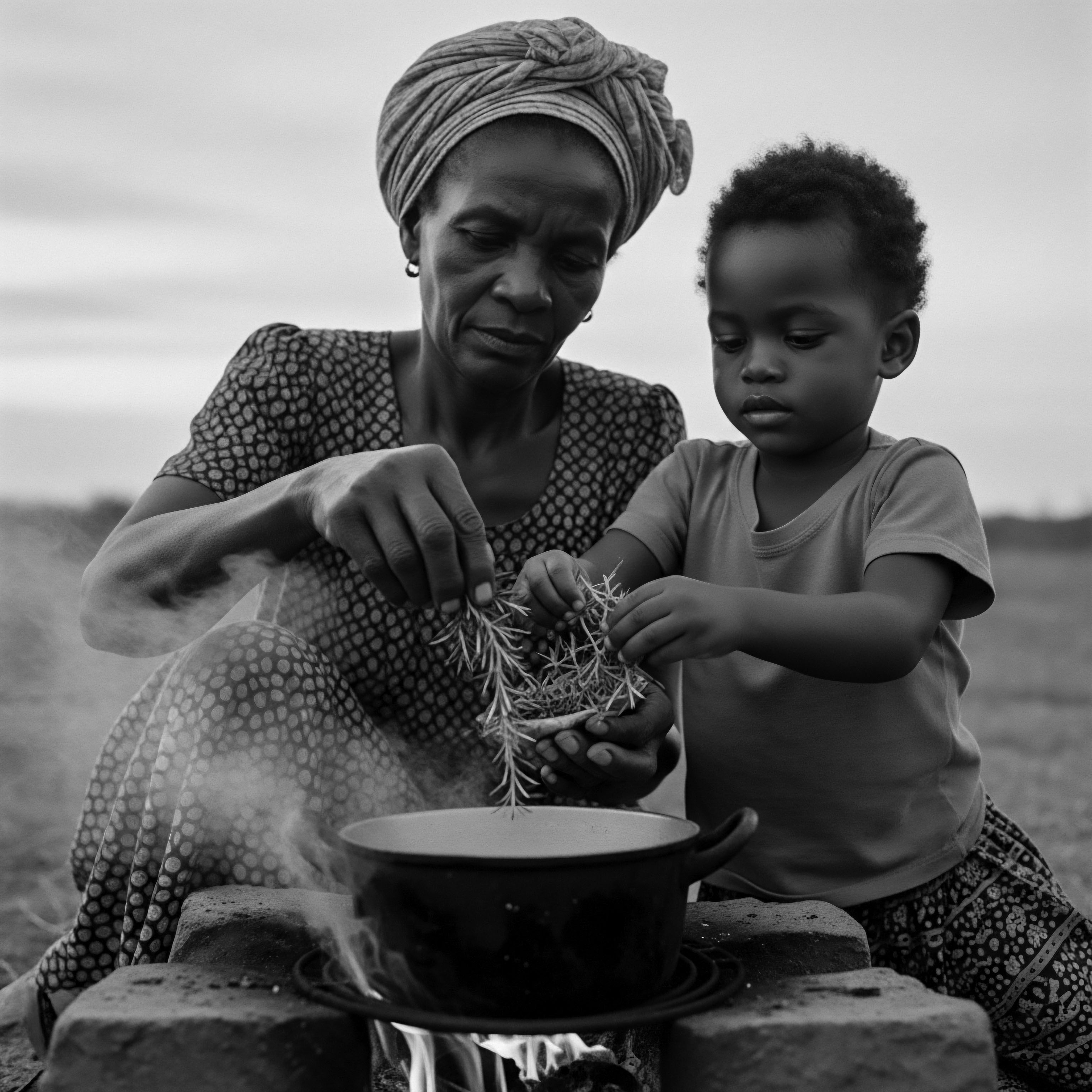
Which traditional plants nurtured textured hair?
Traditional plants, through ancestral knowledge, provided nurturing and protection for textured hair, embodying a deep heritage.
What historical legal precedents impacted textured hair styling?
Historical legal precedents, like the Tignon Laws, attempted to control textured hair, sparking enduring heritage-based resistance.
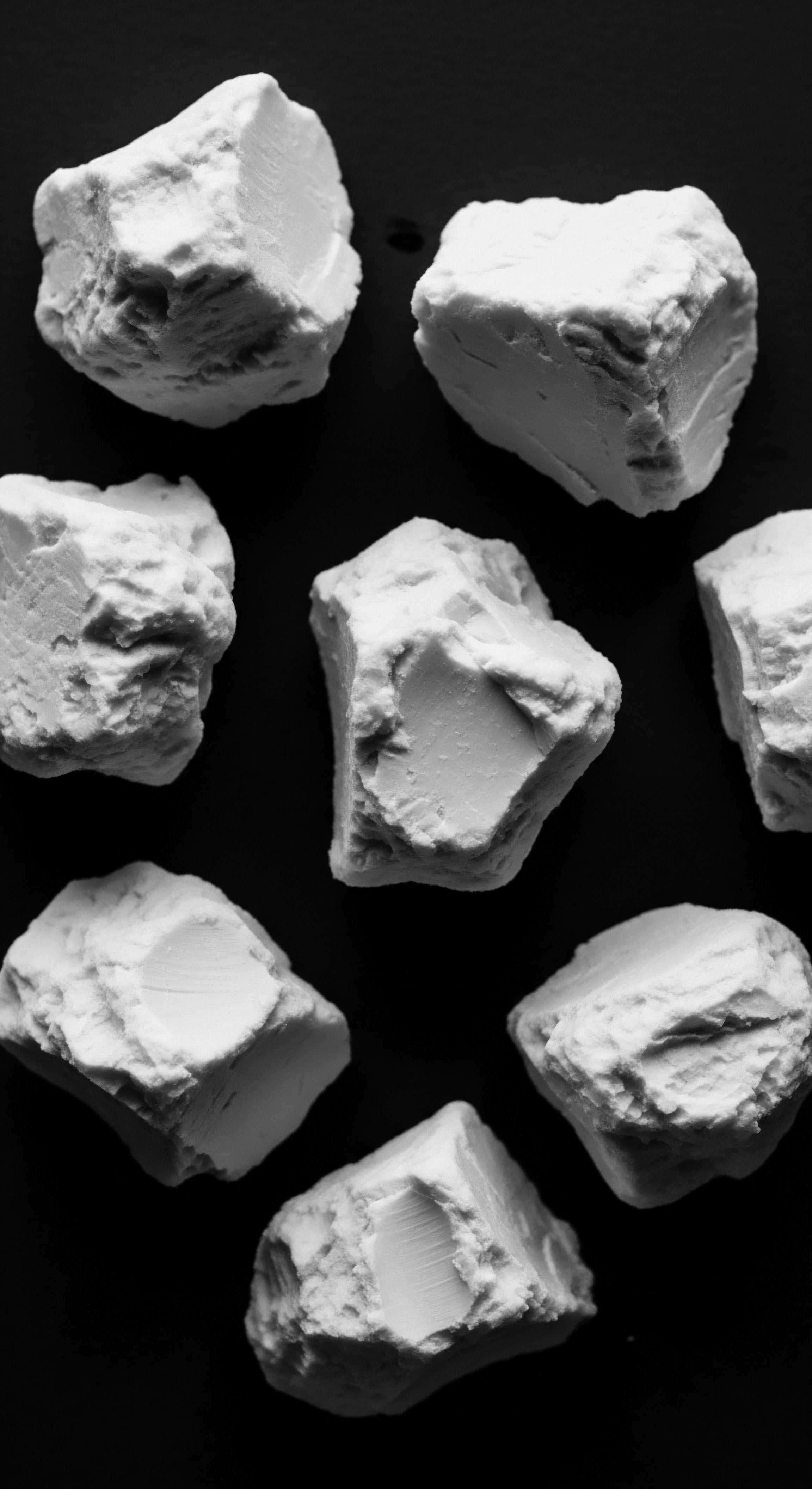
What ancestral wisdom about clay influences modern textured hair practices?
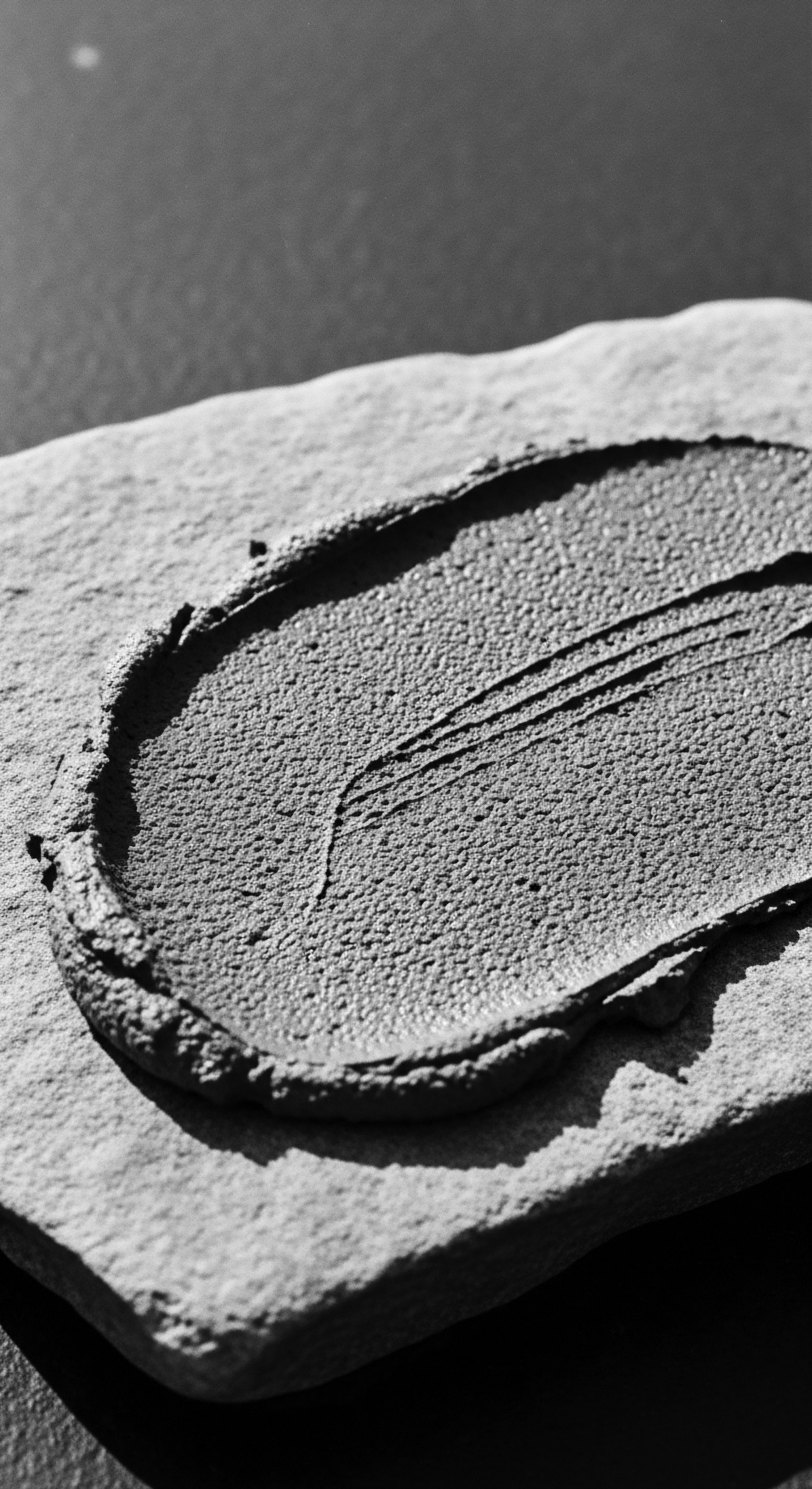
Ancestral clay wisdom offers deep cleansing, mineral nourishment, and cultural protection for modern textured hair.
In what ways do modern hair science validate traditional textured hair oiling?
Modern hair science affirms traditional oiling practices by revealing how oils penetrate, seal, and protect textured hair, honoring its deep ancestral heritage.
What ancestral fats nourished textured hair?
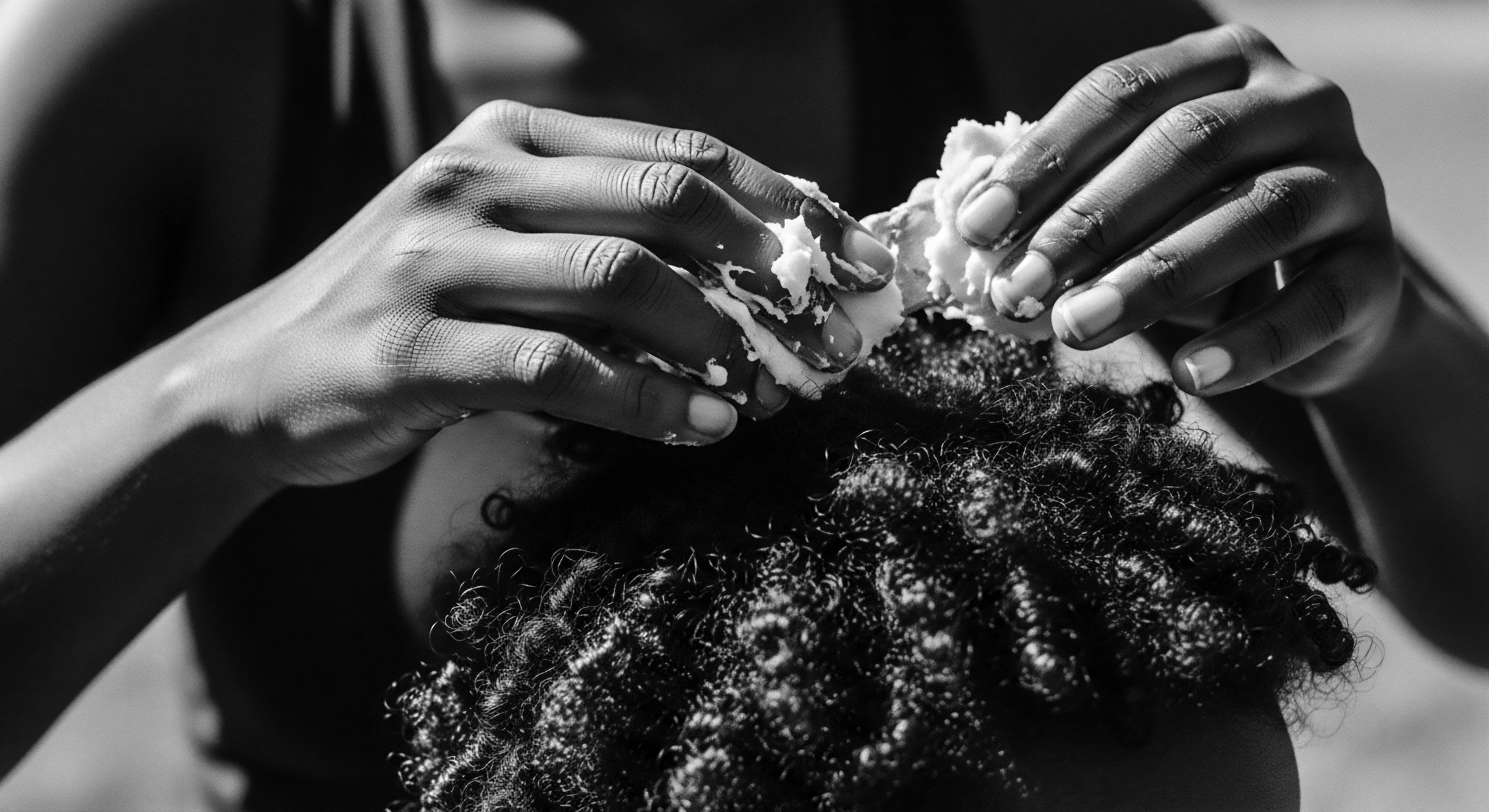
Ancestral fats like shea butter and palm oil protected and nourished textured hair, embodying centuries of cultural care.
How does shea butter’s ancestral role connect to textured hair wellness?
Shea butter’s ancestral role provides deep moisture and cultural connection, grounding textured hair wellness in a rich heritage.
In what ways do historical hair rituals influence contemporary care for textured hair?
Historical hair rituals inform contemporary care for textured hair by providing foundational knowledge of its unique biology, inspiring protective styling techniques, and guiding the use of traditional ingredients, all rooted deeply in Black and mixed-race hair heritage.
What traditional care methods enhance textured hair’s stretch?
Traditional methods enhance textured hair's stretch by prioritizing moisture, gentle manipulation, and protective styles rooted in ancestral care.
What natural ingredients did ancient societies use for textured hair?
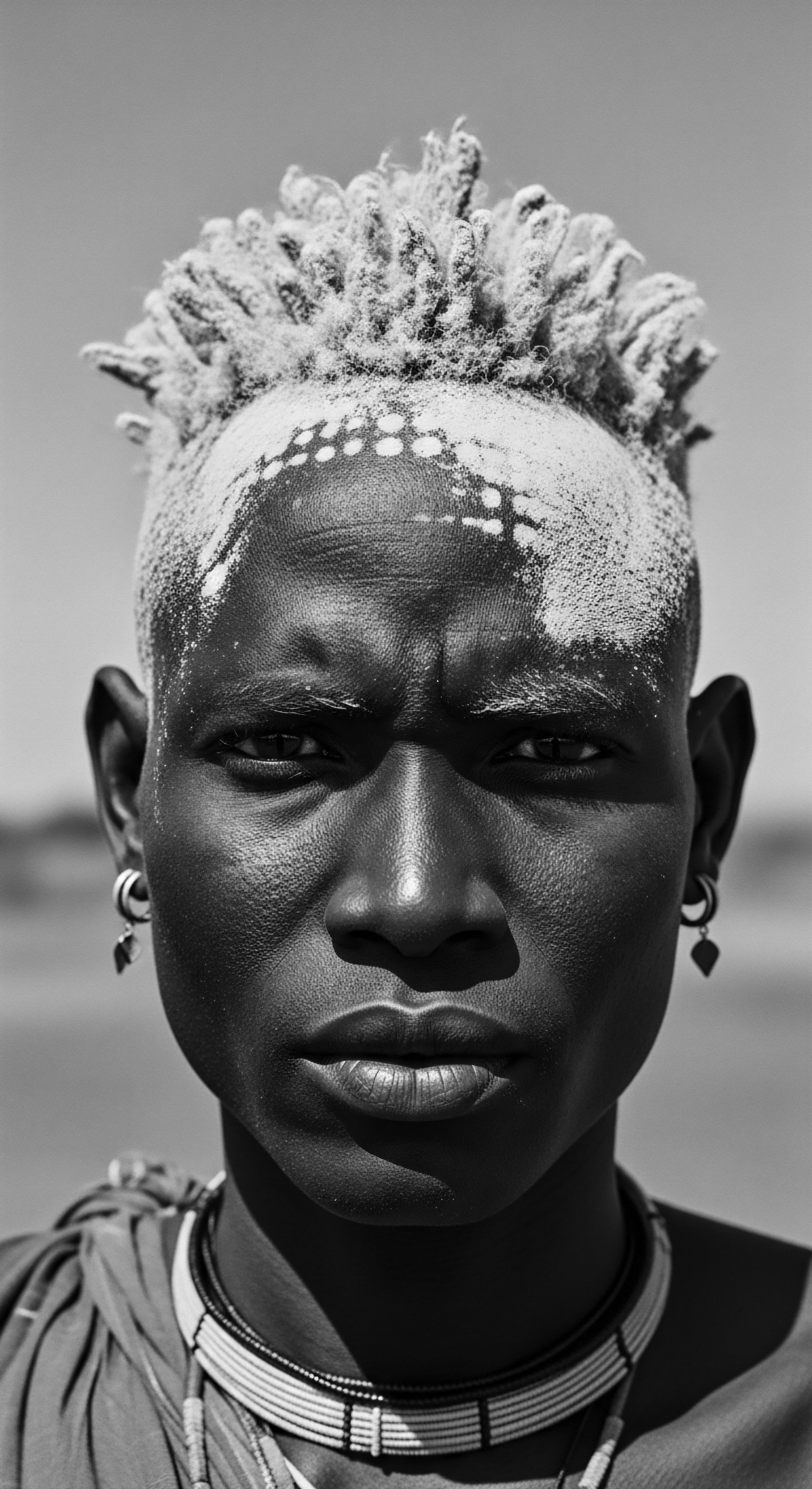
Ancient societies nurtured textured hair with indigenous plant oils, clays, and herbal infusions, preserving its vitality and cultural symbolism.
How did ancient tools adapt to textured hair?
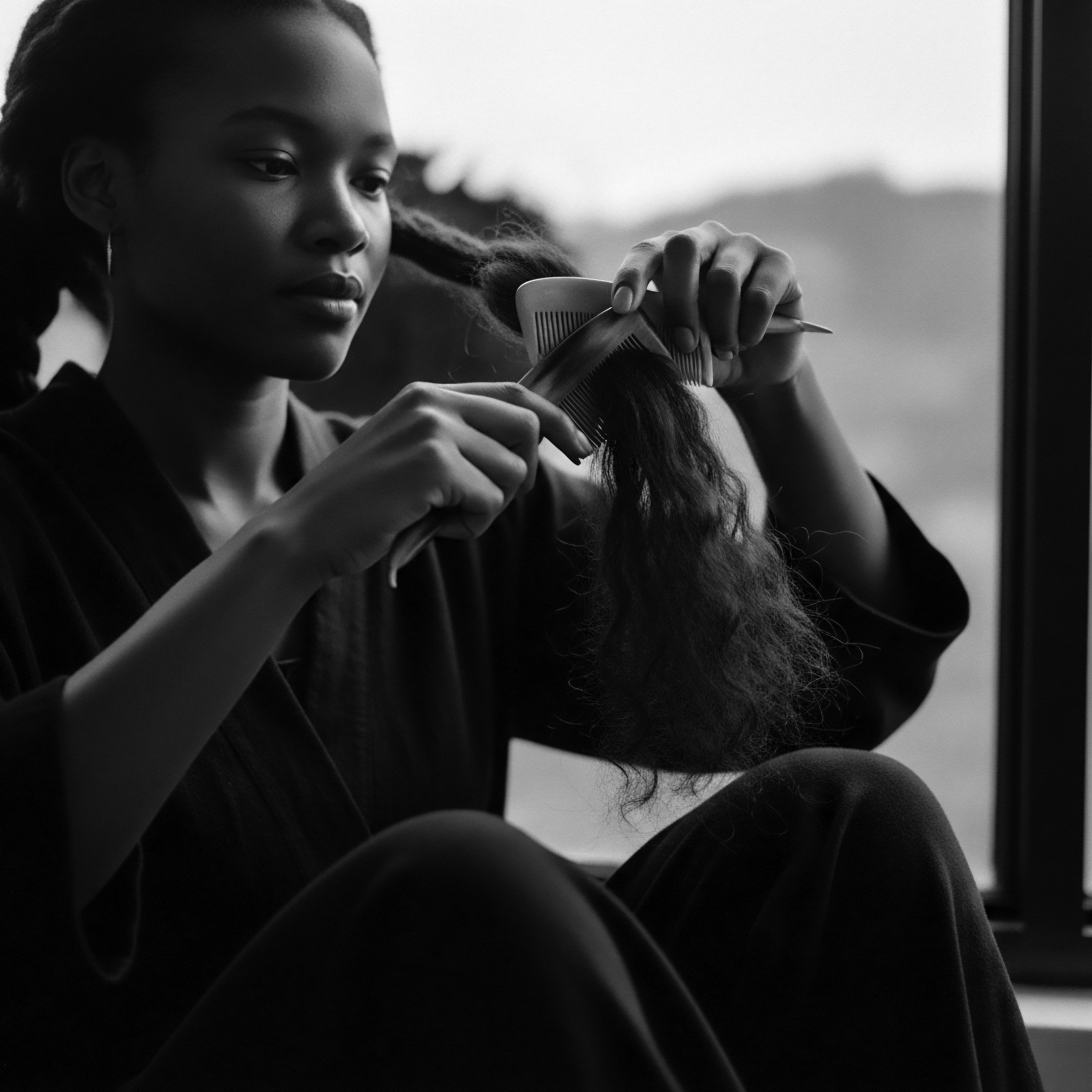
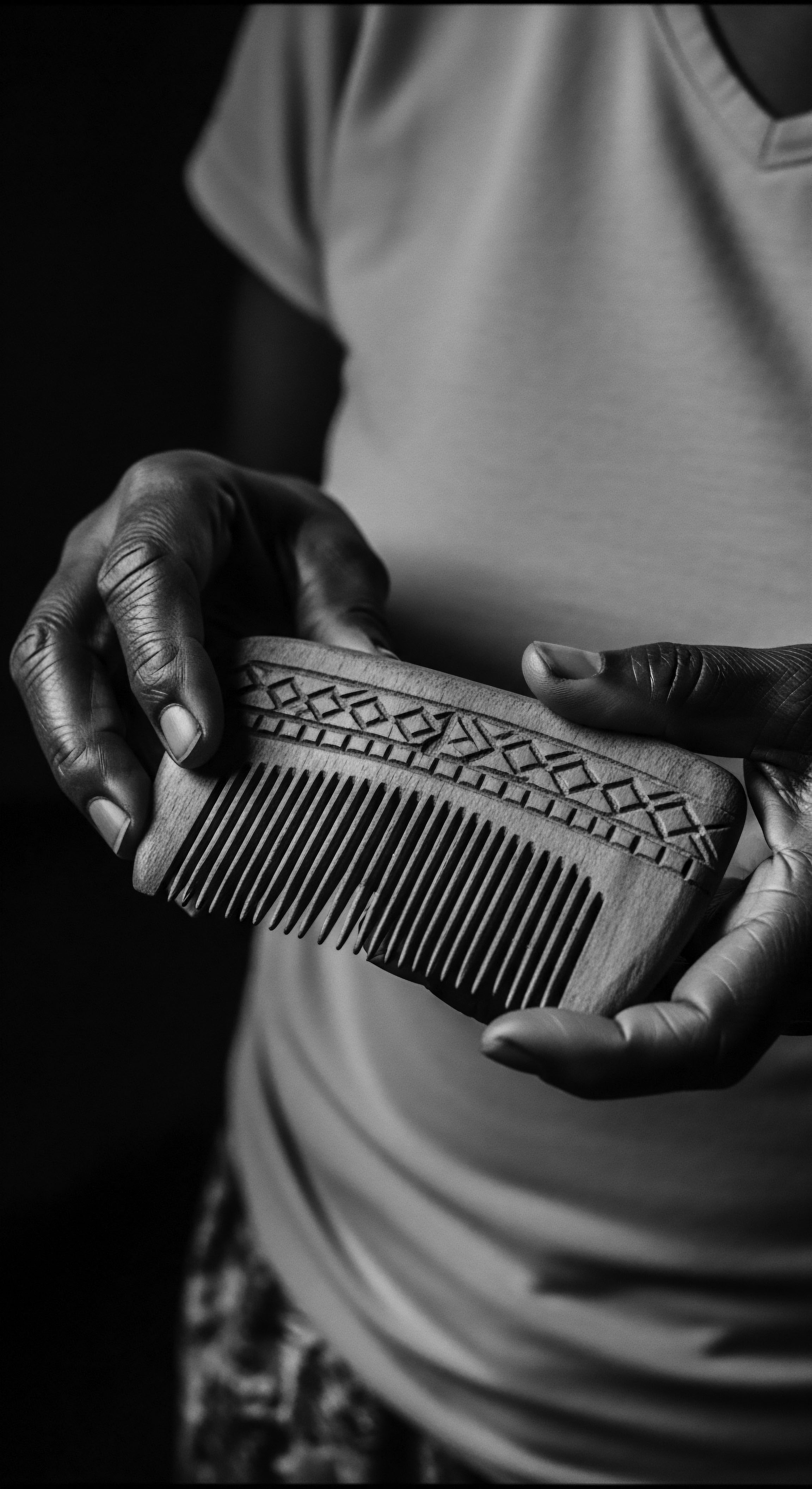
Ancient tools adapted to textured hair through intuitive design of wide-set combs, natural material use, and ritualistic application.
Can traditional plant oils provide effective sun protection for textured hair?
Traditional plant oils provide meaningful sun protection for textured hair, a heritage-rich blend of ancestral wisdom and natural chemistry.
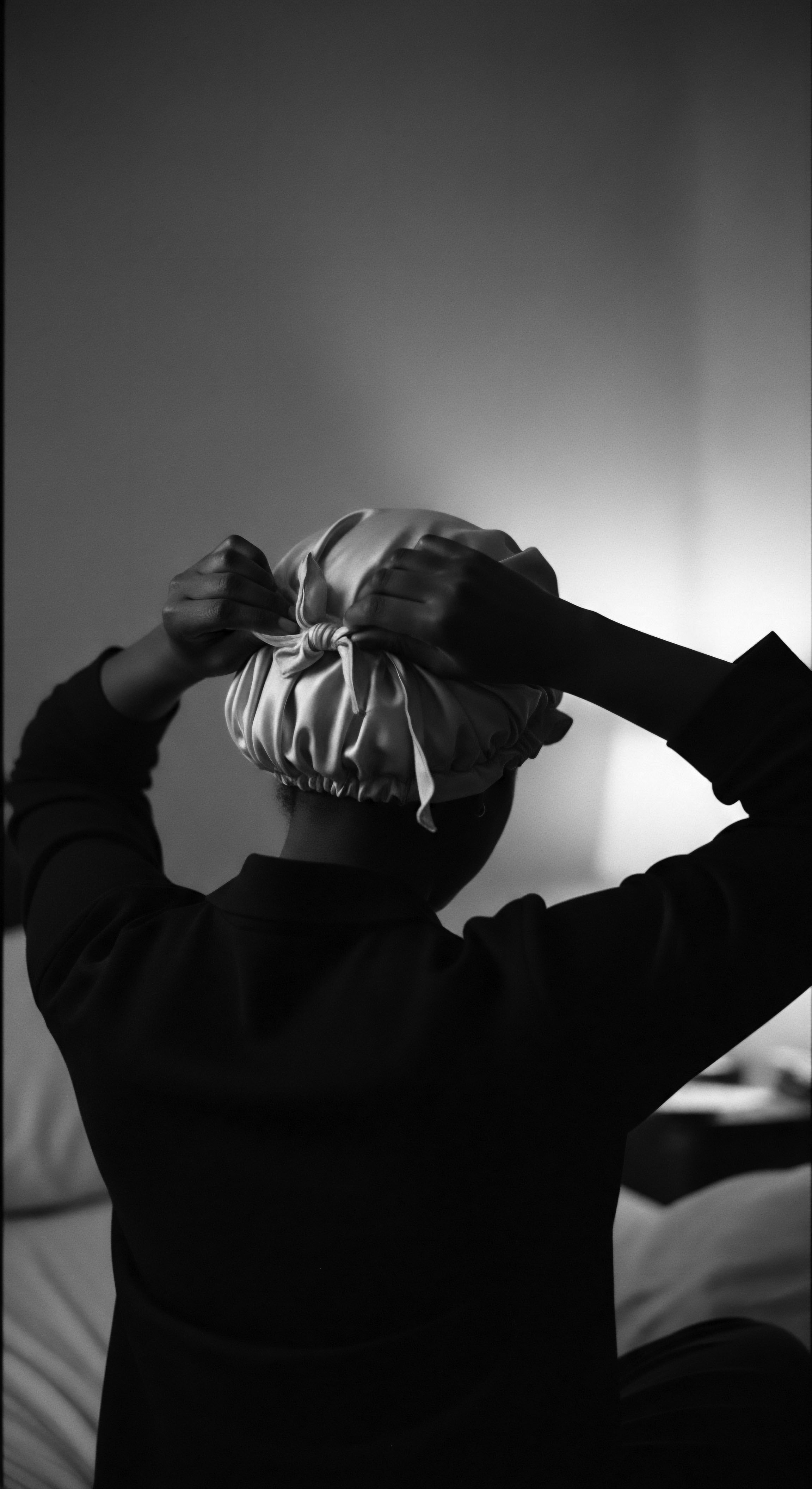
How does silk benefit textured hair in contemporary and ancestral care?
Silk safeguards textured hair by minimizing friction and retaining moisture, extending an ancestral legacy of protective hair preservation.
Which ancestral African plants moisturize textured hair?
Ancestral African plants like shea, baobab, and marula moisturize textured hair by providing fatty acids and humectants, rooted in ancient practices.
Can traditional West African cleansing agents truly benefit diverse textured hair?
Traditional West African cleansing agents, rooted in natural botanicals, gently purify and nourish diverse textured hair, honoring ancestral heritage.
Can ancient hair practices validate modern scientific understanding of textured hair?
Ancient hair practices provide profound validation for modern scientific understanding of textured hair, rooted in ancestral wisdom and care.
What traditional ingredients conditioned textured hair for protection?
Traditional ingredients like shea butter and various plant oils conditioned textured hair for protection, reflecting a rich heritage of ancestral care and adaptation.
Can traditional plant-based remedies truly prevent hair breakage in modern textured hair?
Traditional plant-based remedies, rooted in ancestral wisdom, offer genuine breakage prevention for textured hair through their unique compounds.
Which traditional plants condition textured hair?
Traditional plants like aloe vera, hibiscus, chebe, and fenugreek conditioned textured hair through ancestral practices for millennia.
Can Ancient Hair Traditions Inform Modern Care Approaches For Textured Hair?
Ancient hair traditions offer profound wisdom for modern textured hair care, rooting practices in deep cultural heritage.
What traditional ingredients from diverse heritages reduced scalp discomfort for textured hair?
Ancestral ingredients like shea butter, aloe vera, and amla traditionally soothed textured hair scalp discomfort.
What ancestral components supported textured hair resilience across generations?
Ancestral biological adaptations and traditional care rituals deeply supported textured hair resilience across generations.