How did ancestral African practices inform hair health for textured hair?
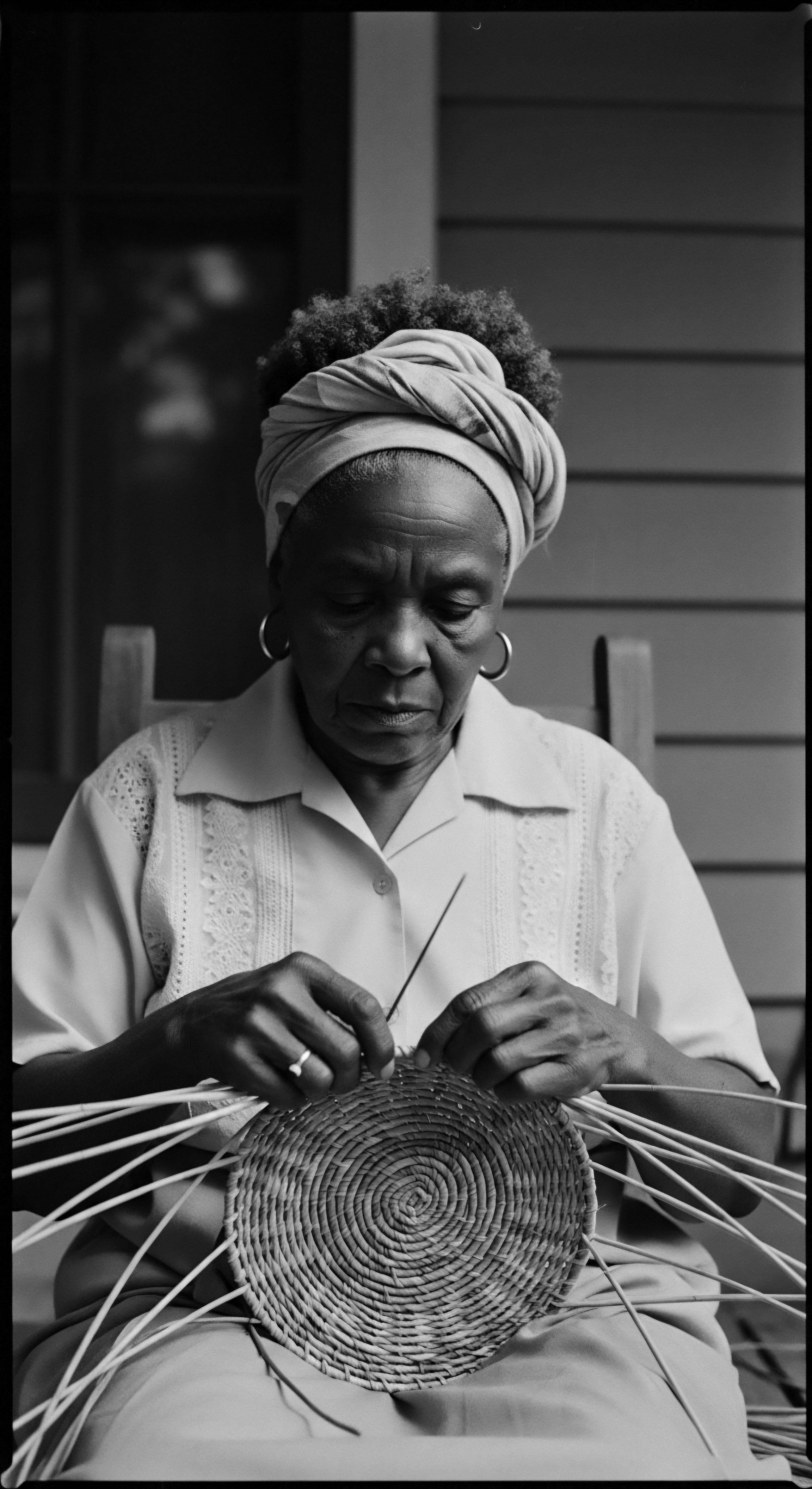
Ancestral African practices informed textured hair health through botanical wisdom, protective styling, and deep cultural reverence.
What is the scientific basis of oil penetration into textured hair?
Oil penetration into textured hair is scientifically driven by molecular size and fatty acid composition, affirming ancestral practices.
Can plant cleansers truly support textured hair hydration long term?
Plant cleansers, steeped in ancestral practices, support textured hair hydration by respecting its natural moisture balance.
What historical plant ingredients aided textured hair resilience?
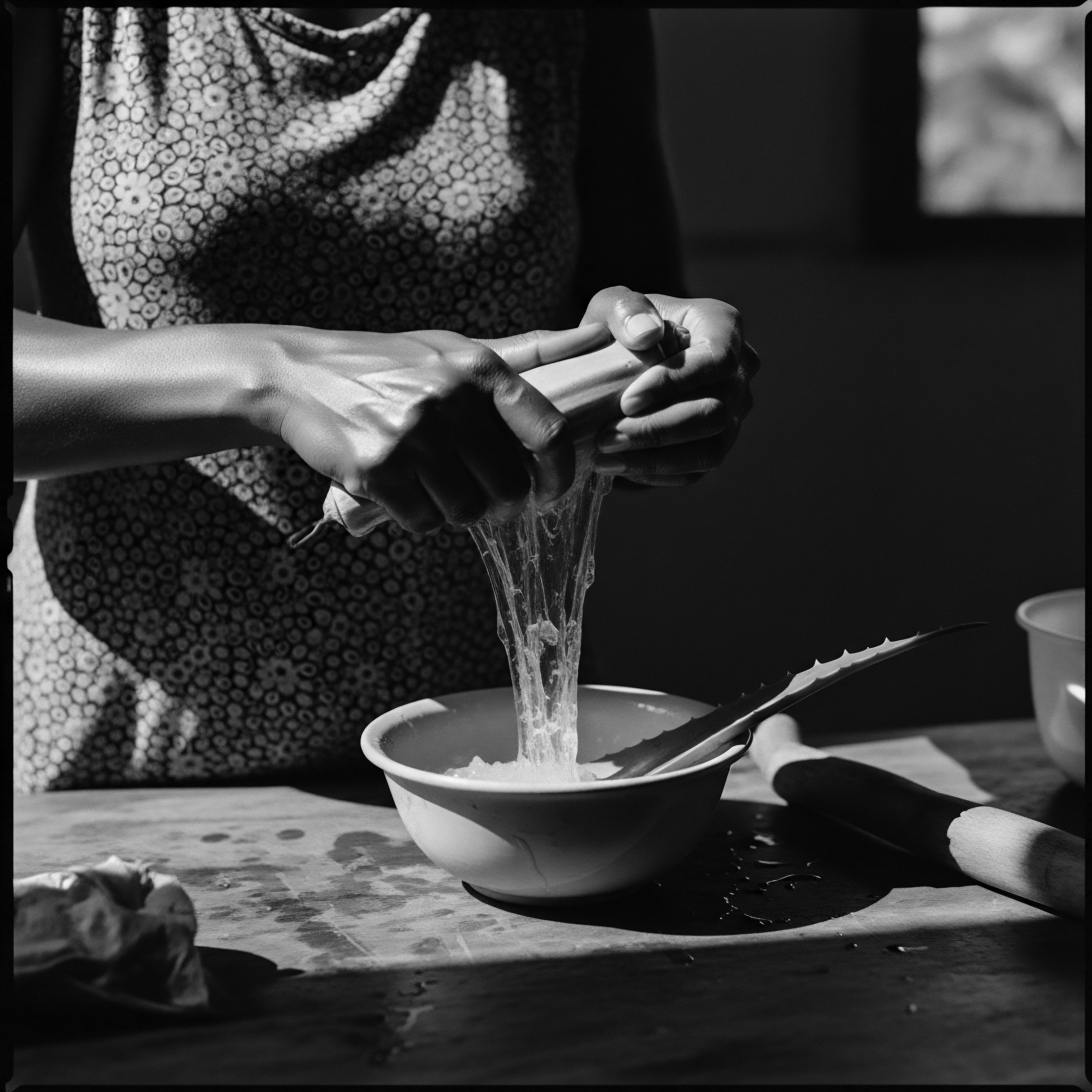
Historical plant ingredients, rooted in ancestral wisdom, profoundly strengthened textured hair by providing deep moisture and protection.
What historical ingredients were used in textured hair cleansing?
Ancestral cleansing of textured hair relied on natural elements like plant saponins, mineral clays, and ash, honoring hair's inherent moisture.
How did castor oil become a symbol of heritage?
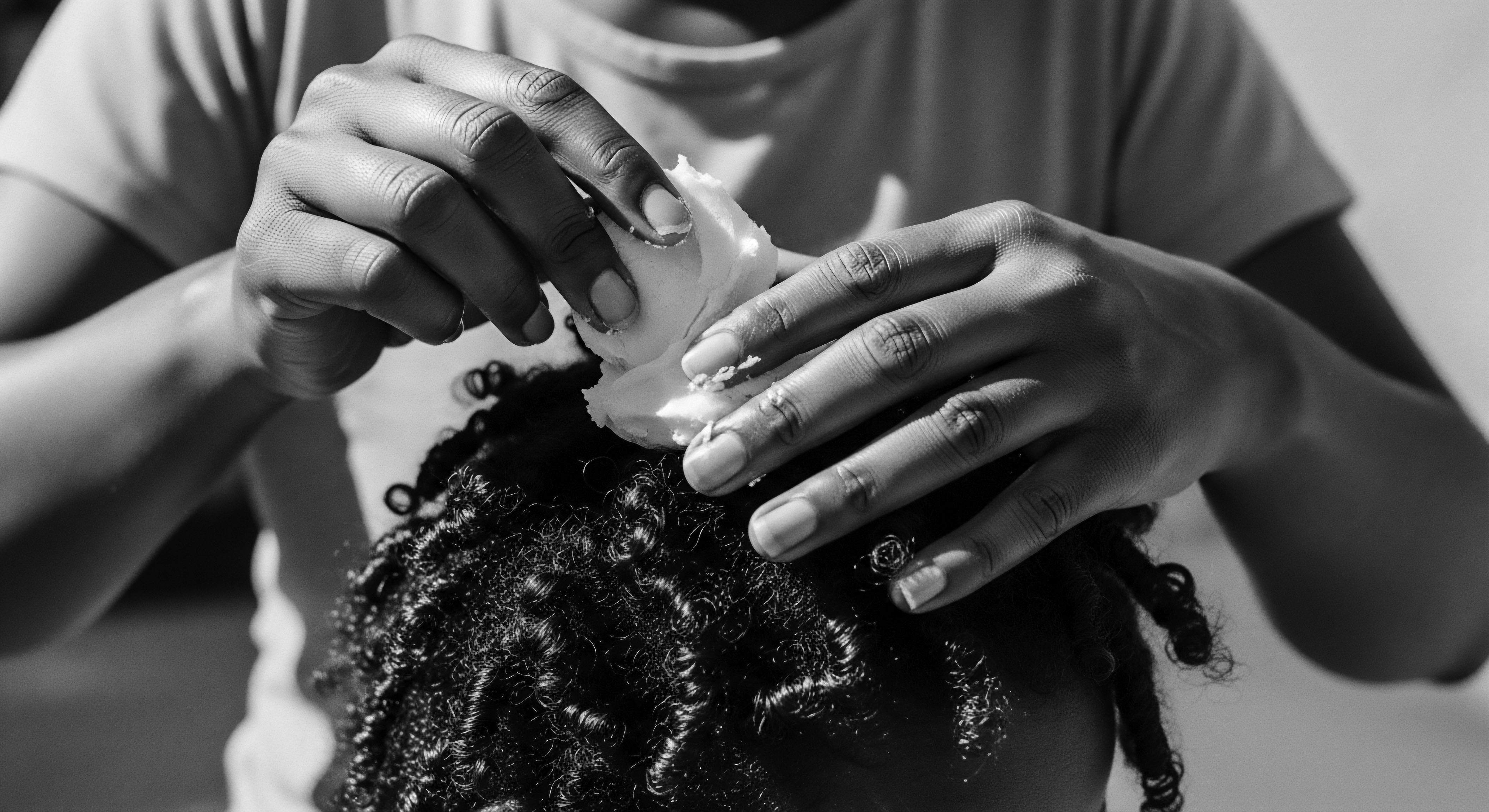
Castor oil became a symbol of textured hair heritage through its enduring use in Black and mixed-race ancestral care, signifying resilience and identity.
Coiled Hair Growth
Meaning ❉ Coiled Hair Growth defines the spiraling formation of hair strands, a biological trait deeply significant to Black and mixed-race heritage.
What natural ingredients shielded textured hair from early environments?
Ancestral plant-based oils, butters, and clays naturally shielded textured hair from environmental stressors, a profound heritage of resilience.
What ancestral techniques for hair hydration are still relevant for textured hair today?
Ancestral practices for textured hair hydration, rooted in natural ingredients and protective styles, remain relevant by providing time-tested methods for moisture retention and scalp health, connecting us to a rich heritage.
Can modern science confirm the effectiveness of historical hair oiling for textured strands?
Modern scientific inquiry affirms the efficacy of historical hair oiling for textured strands, validating ancestral practices.
What is the cultural significance of African botanicals for textured hair?
African botanicals are central to textured hair heritage, symbolizing ancestral wisdom, cultural resilience, and enduring identity across generations.
How do follicle variations impact textured hair moisture?
Follicle shape dictates textured hair's moisture needs; traditions and science both honor this heritage for optimal hydration.
What historical role did headwraps serve for African heritage?
Headwraps historically served as vital cultural markers, protective coverings, and powerful symbols of resistance within African textured hair heritage.
Can ancient clay traditions inform modern textured hair care practices?
Ancient clay traditions offer a heritage-rich guide to modern textured hair care, emphasizing holistic cleansing and elemental conditioning.
What cultural significance do hair oiling practices hold for textured hair communities?
Hair oiling for textured hair is a living cultural practice embodying ancestral wisdom, identity, and resilience.
How did historical cultures nourish textured hair?
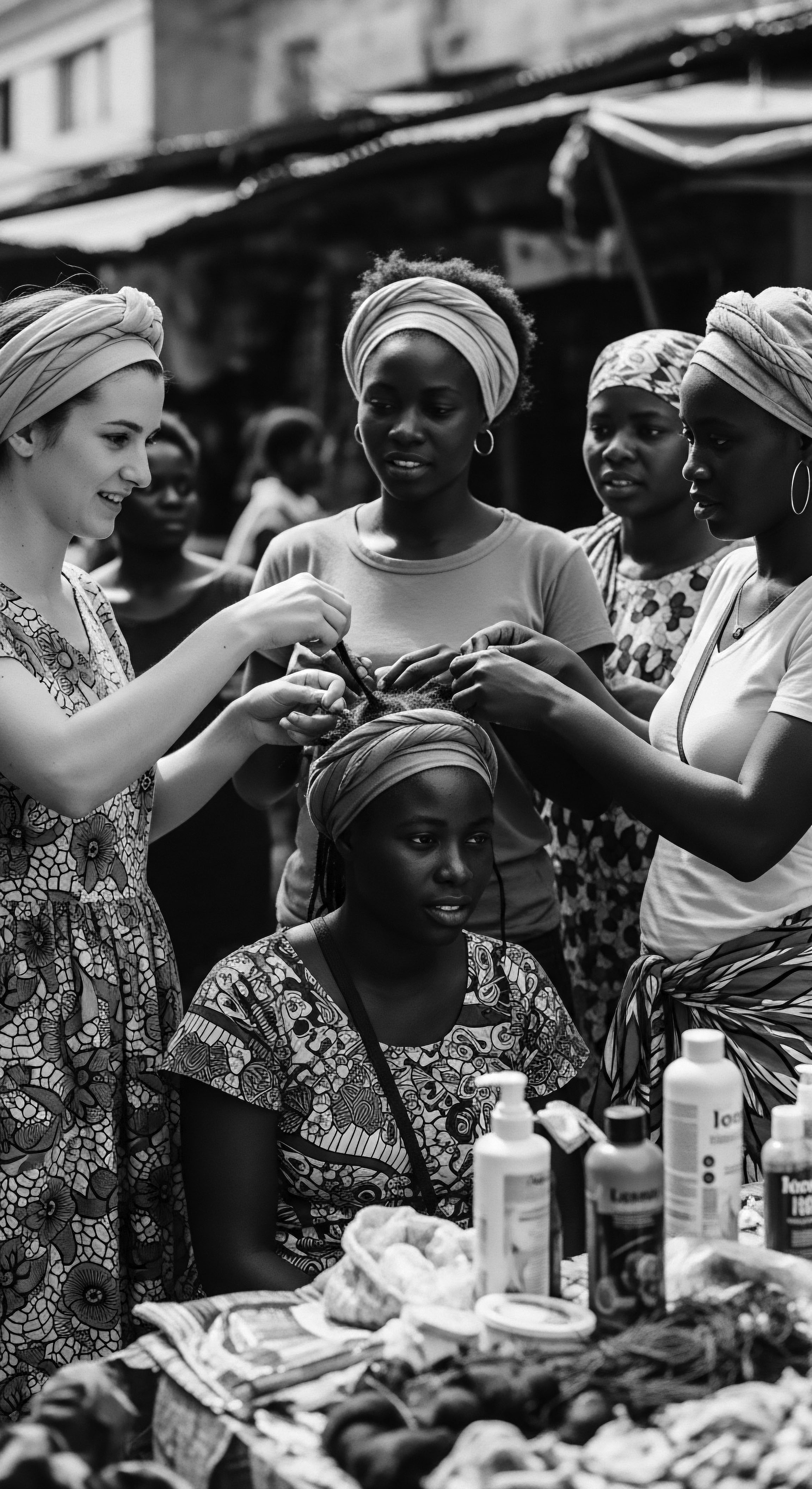
Historical cultures nourished textured hair through ancestral wisdom, using natural ingredients and communal practices deeply rooted in heritage.
What is the ancestral significance of textured hair’s structure?
Textured hair’s structure holds ancestral significance as a biological adaptation for sun protection and a cultural medium for identity, communication, and resilience.
How did shea butter impact Black hair heritage across generations?
Shea butter has shaped Black hair heritage by providing essential moisture, protection, and a deep cultural connection for generations.
Can traditional botanical washes improve contemporary textured hair health?
Traditional botanical washes profoundly improve contemporary textured hair health by re-connecting with ancestral wisdom for gentle cleansing and natural nourishment.
What specific compounds in ancestral ingredients benefit textured hair?
Ancestral ingredients offer fatty acids, vitamins, and minerals that hydrate, strengthen, and protect textured hair, upholding a rich heritage.
What ancestral wisdom guides modern textured hair care practices and tools?
Ancestral wisdom guides textured hair care by emphasizing natural ingredients, protective styling, and holistic well-being, all rooted in deep cultural heritage.
What is the cultural significance of Amazonian oils for textured hair heritage?
Amazonian oils culturally signify deep ancestral wisdom and natural synergy with textured hair heritage.
How do traditional African butters prevent moisture loss in textured hair?
Traditional African butters prevent moisture loss by creating a protective lipid barrier, a heritage of knowledge passed through generations.
How can Amla’s heritage benefits be applied to textured hair?
Amla’s ancient botanical benefits apply to textured hair by fortifying strands and supporting scalp health, enriching ancestral care rituals.
Can scientific analysis explain historical textured hair vitality?
Scientific analysis affirms historical textured hair vitality by illuminating the biological basis of ancestral care and the deep cultural wisdom embedded in its heritage.
Which natural ingredients are most beneficial for textured hair?
Natural ingredients like shea butter, coconut oil, and Chebe powder are profoundly beneficial for textured hair, rooted in ancestral practices.
What roles did textured hair play in ancient societies?
Textured hair in ancient societies served as a powerful visual language, reflecting identity, status, spirituality, and communal heritage.
What is the enduring cultural significance of textured hair today?
Textured hair signifies a profound connection to ancestral practices, resilience, and the evolving identity of Black and mixed-race communities.
What historical conditioning practices used Amazonian oils for textured hair?
Ancestral Amazonian communities conditioned textured hair with native oils like pataua, murumuru, and andiroba, honoring deep heritage.