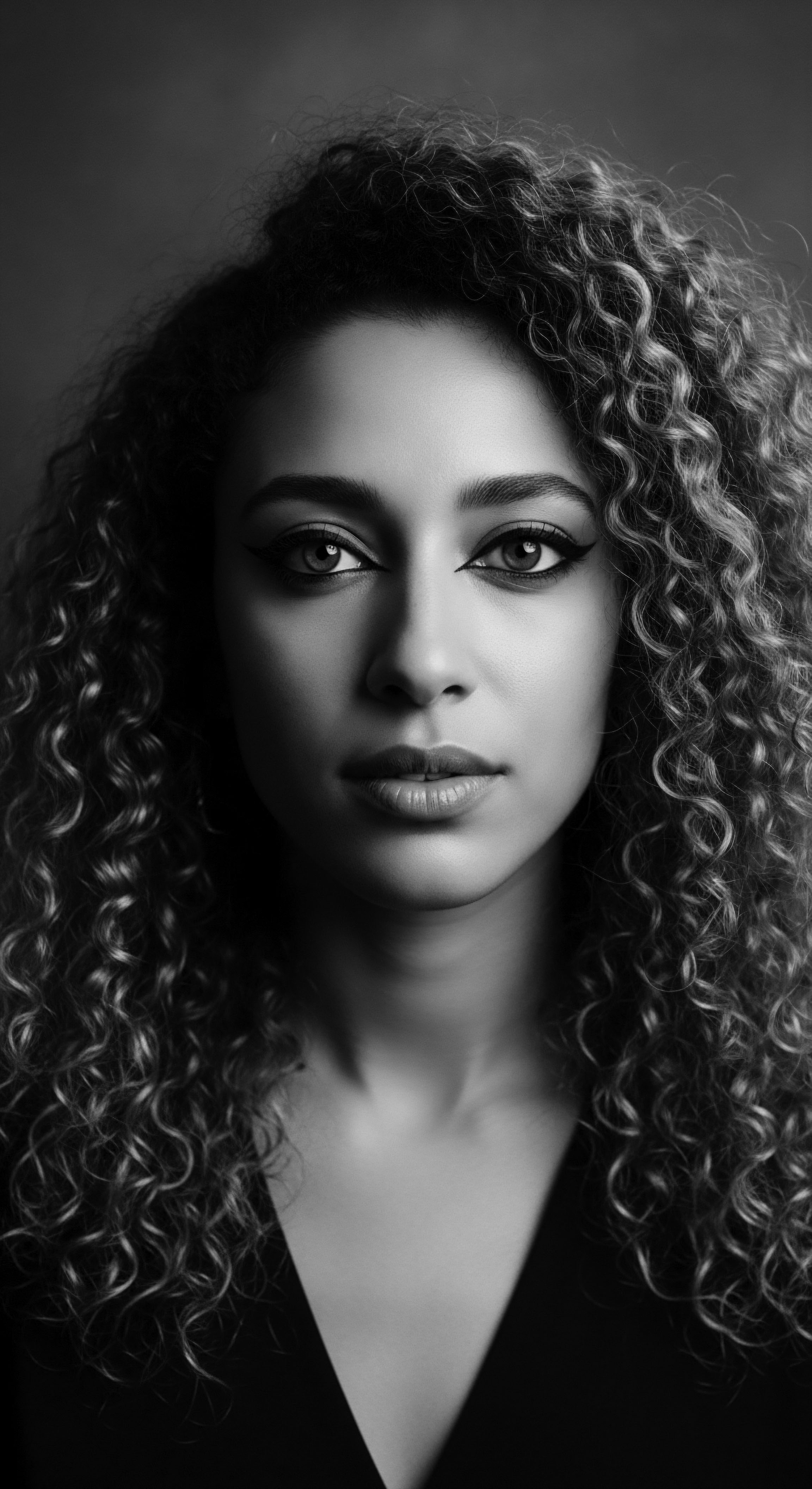
Meaning ❉ Hair Breaking is the physical rupture of a hair shaft, deeply intertwined with the unique biology and rich ancestral care practices of textured hair.
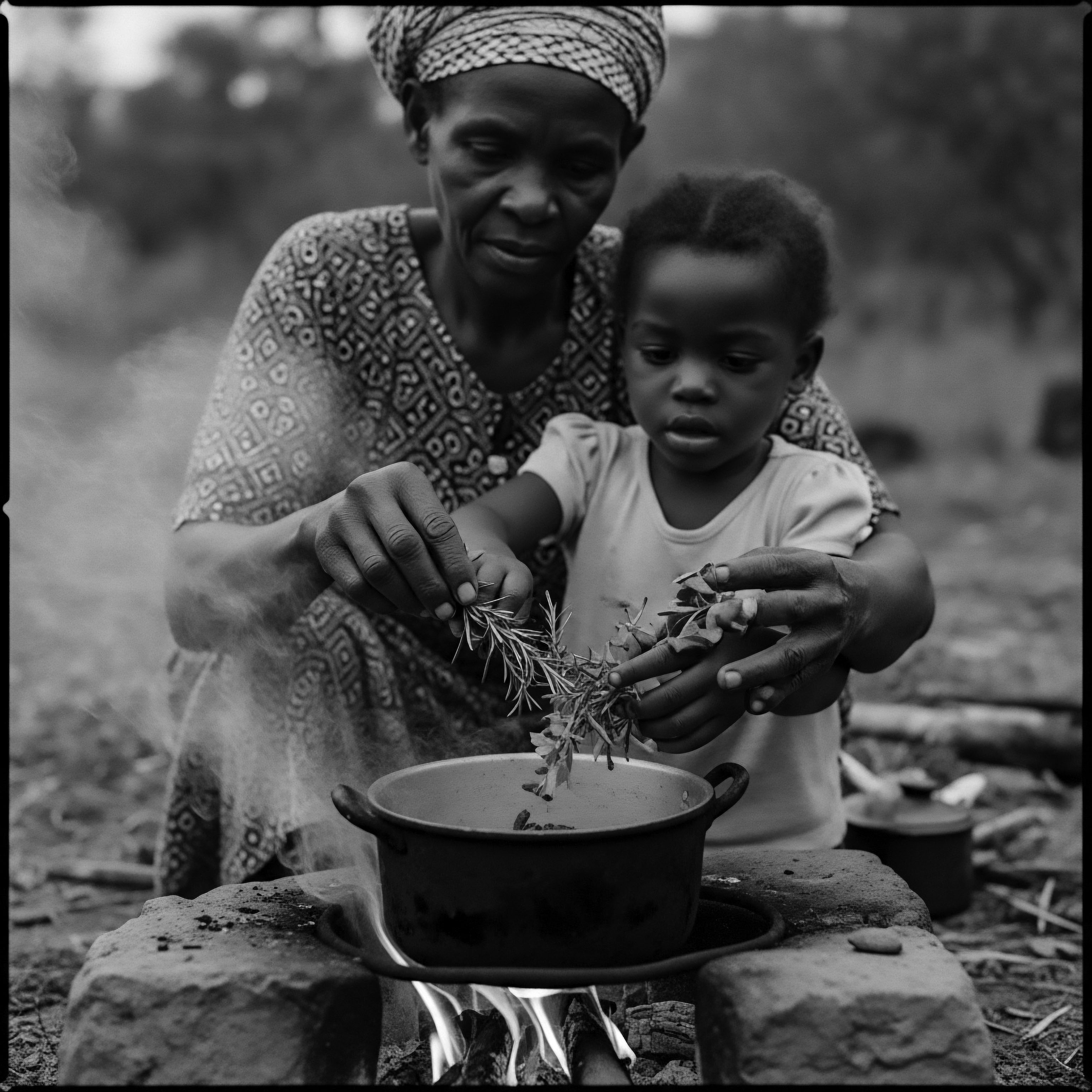
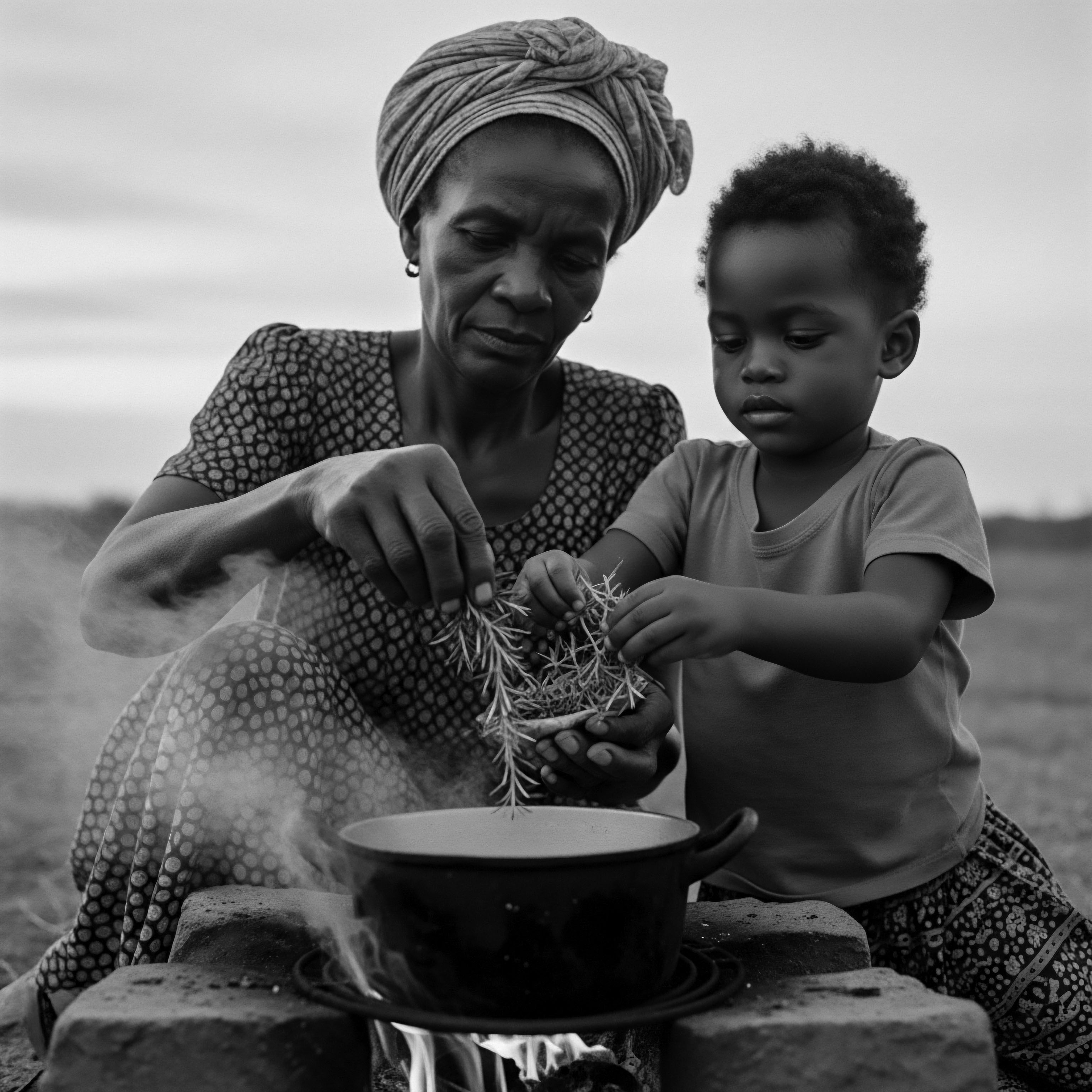
Ancestral knowledge guides contemporary textured hair care by emphasizing natural ingredients, protective styling, and holistic well-being, rooted in deep heritage.
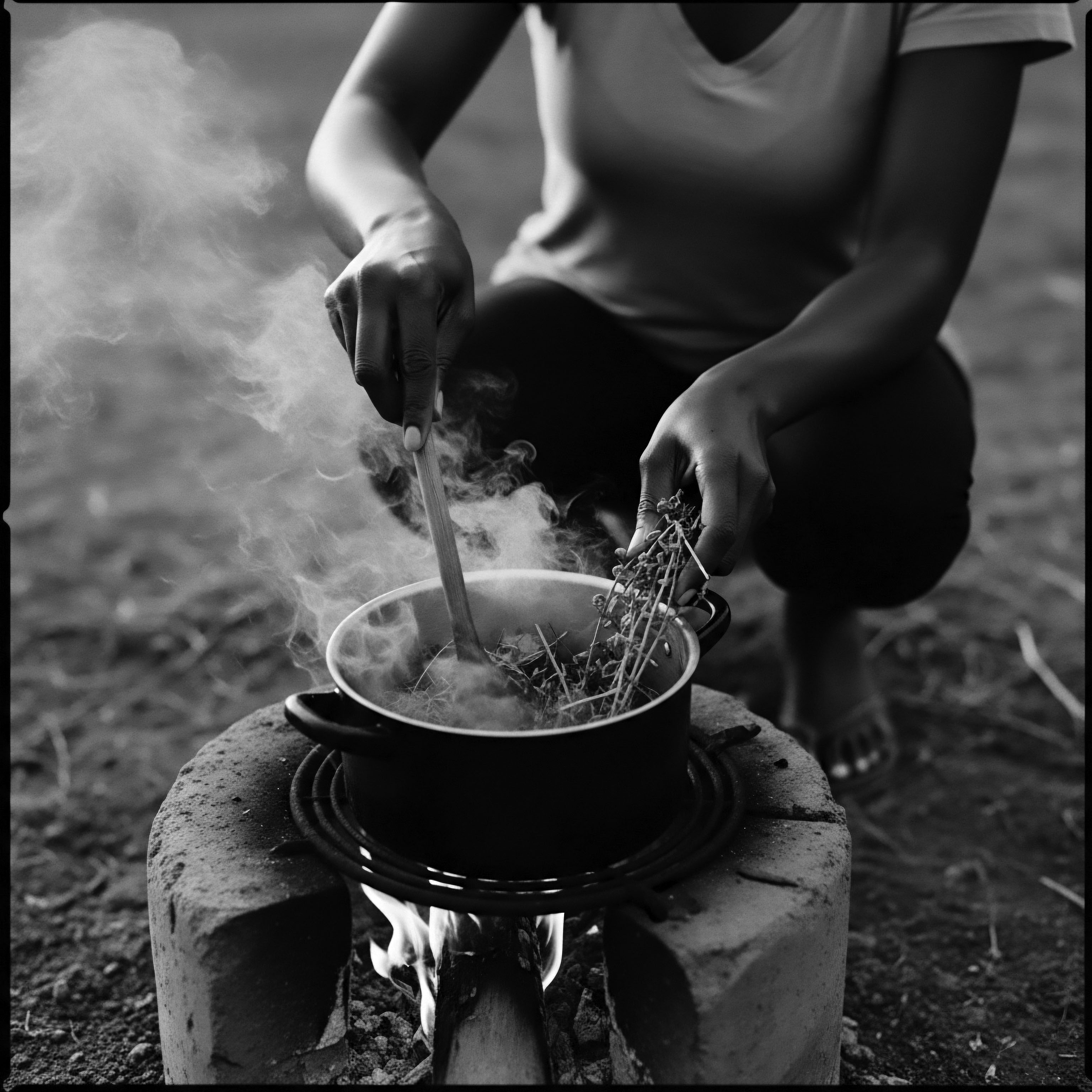
Historical coloring methods, rooted in ancestral plant and mineral wisdom, shaped modern textured hair care by emphasizing natural pigment interaction and holistic hair health.
The ideal pH for afro-textured hair is slightly acidic, generally between 4.5 and 5.5, crucial for preserving its ancestral moisture and structural integrity.
Historical styling practices for textured hair deeply shaped identity through social communication, spiritual connection, and acts of heritage preservation.
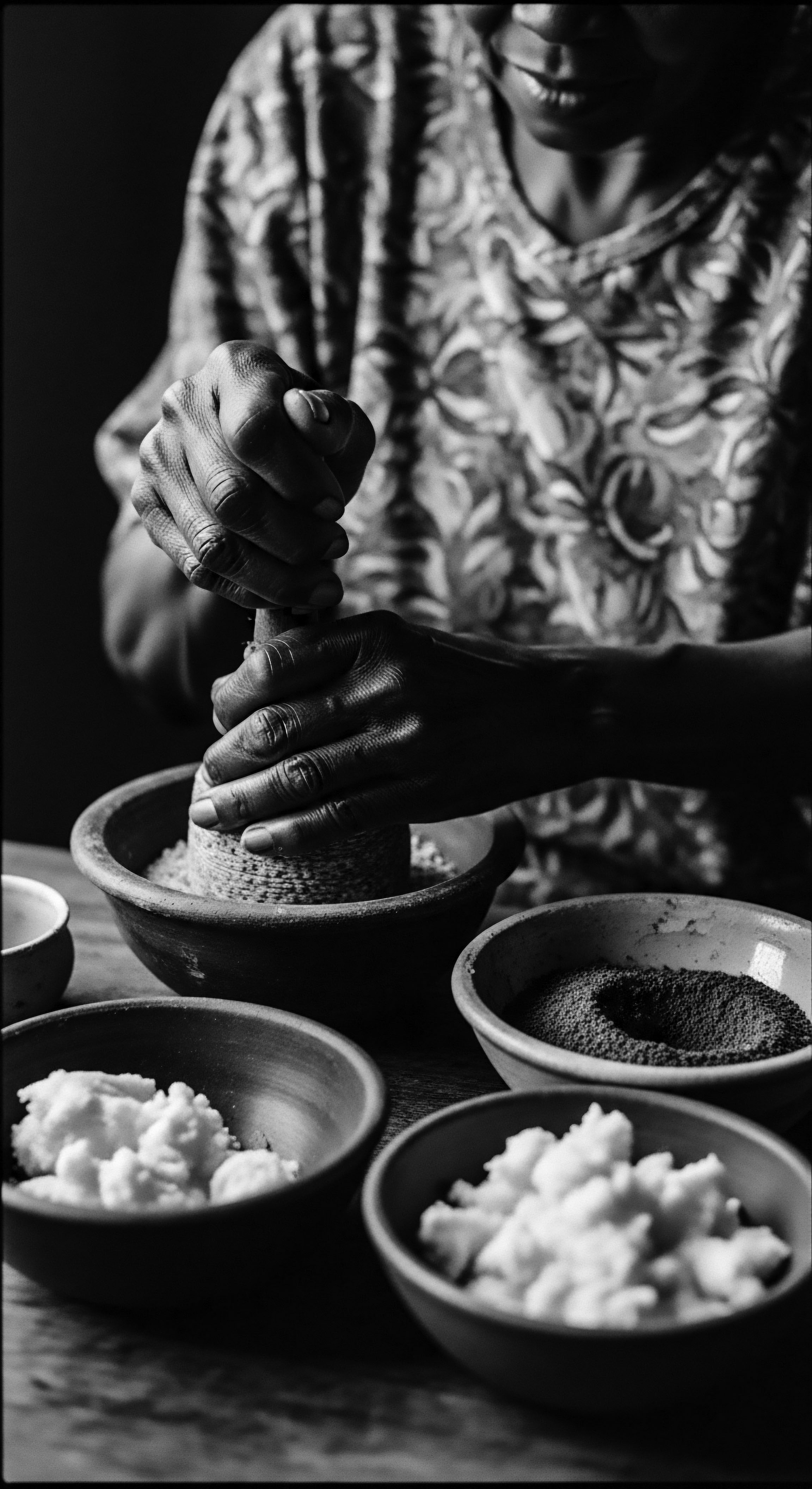
HBCO's preparation honors heritage by weaving ancestral wisdom into its formulations, recognizing textured hair's profound cultural and historical identity.
Ancient hair oils gifted textured hair practices a legacy of moisture, protection, and cultural identity, profoundly linking modern care to ancestral wisdom.
Castor oil became vital for textured hair during the transatlantic slave trade, solidifying its role in preserving ancestral Black and mixed-race hair heritage.
Ancestral oils, including shea butter, castor oil, and coconut oil, protected textured coils by deeply hydrating and strengthening strands, preserving a rich hair heritage.
Traditional practices, rooted in ancestral wisdom and communal care, profoundly shape modern textured hair routines by providing foundational techniques and an enduring ethos of protection.
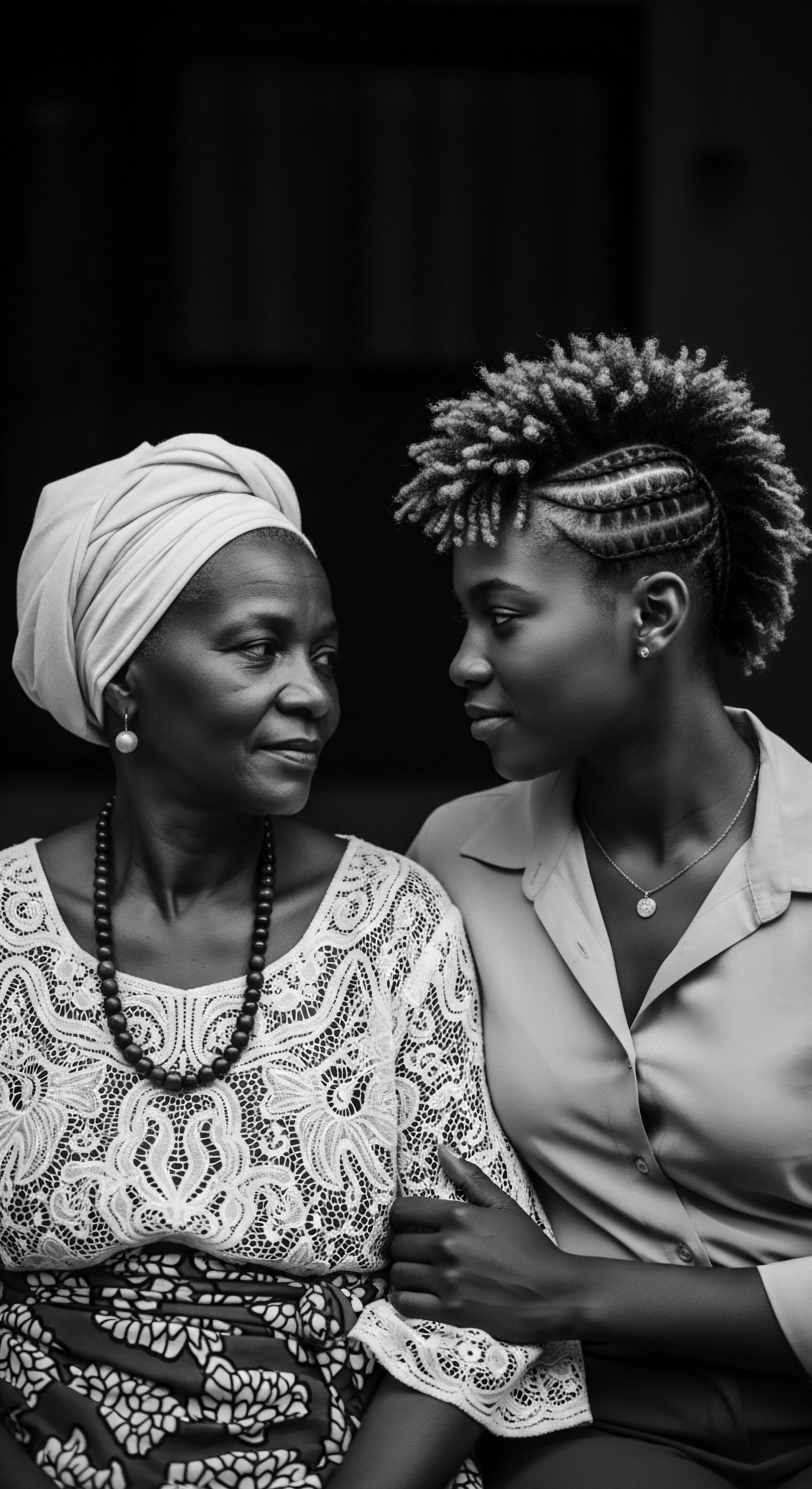
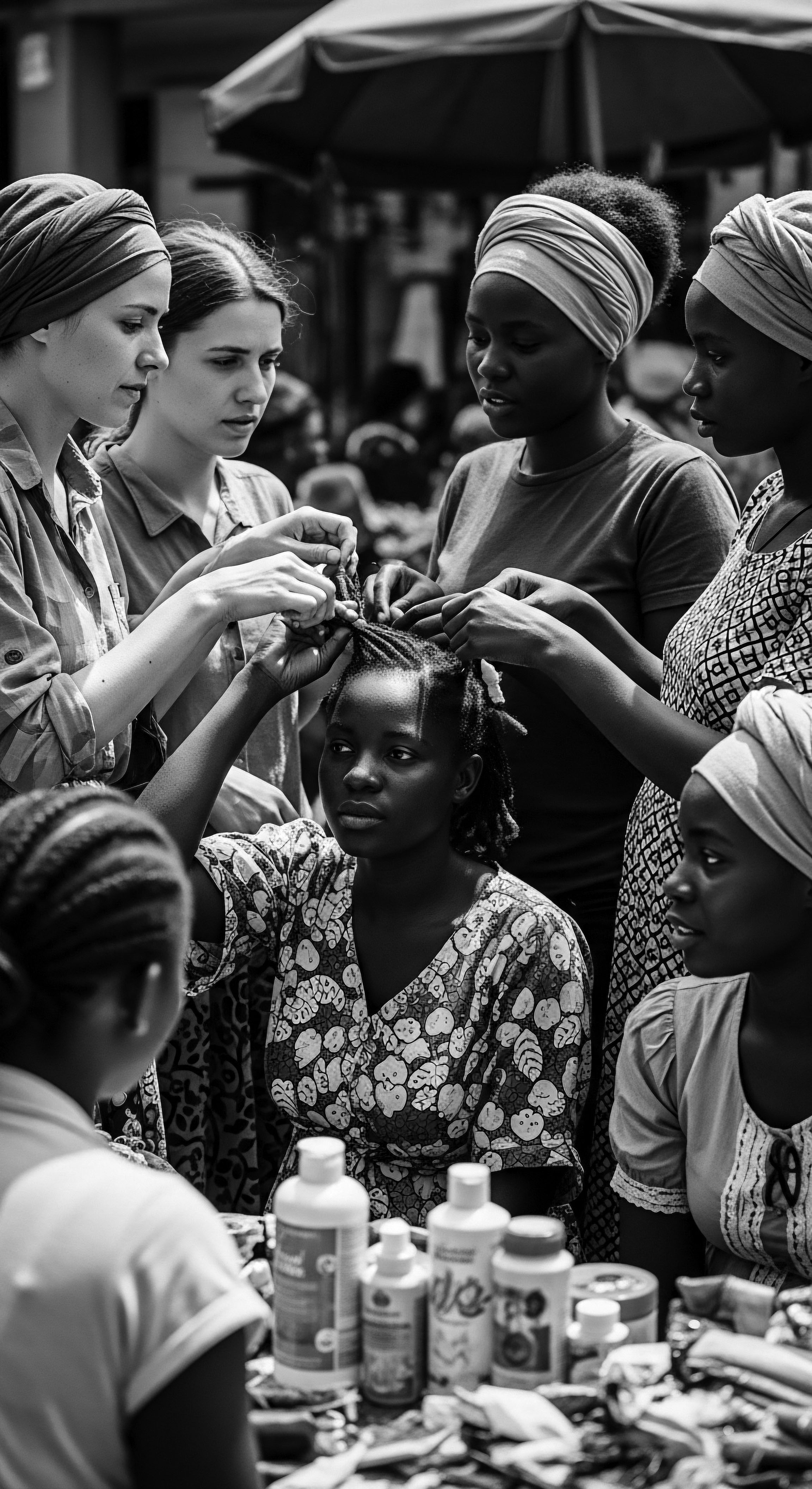
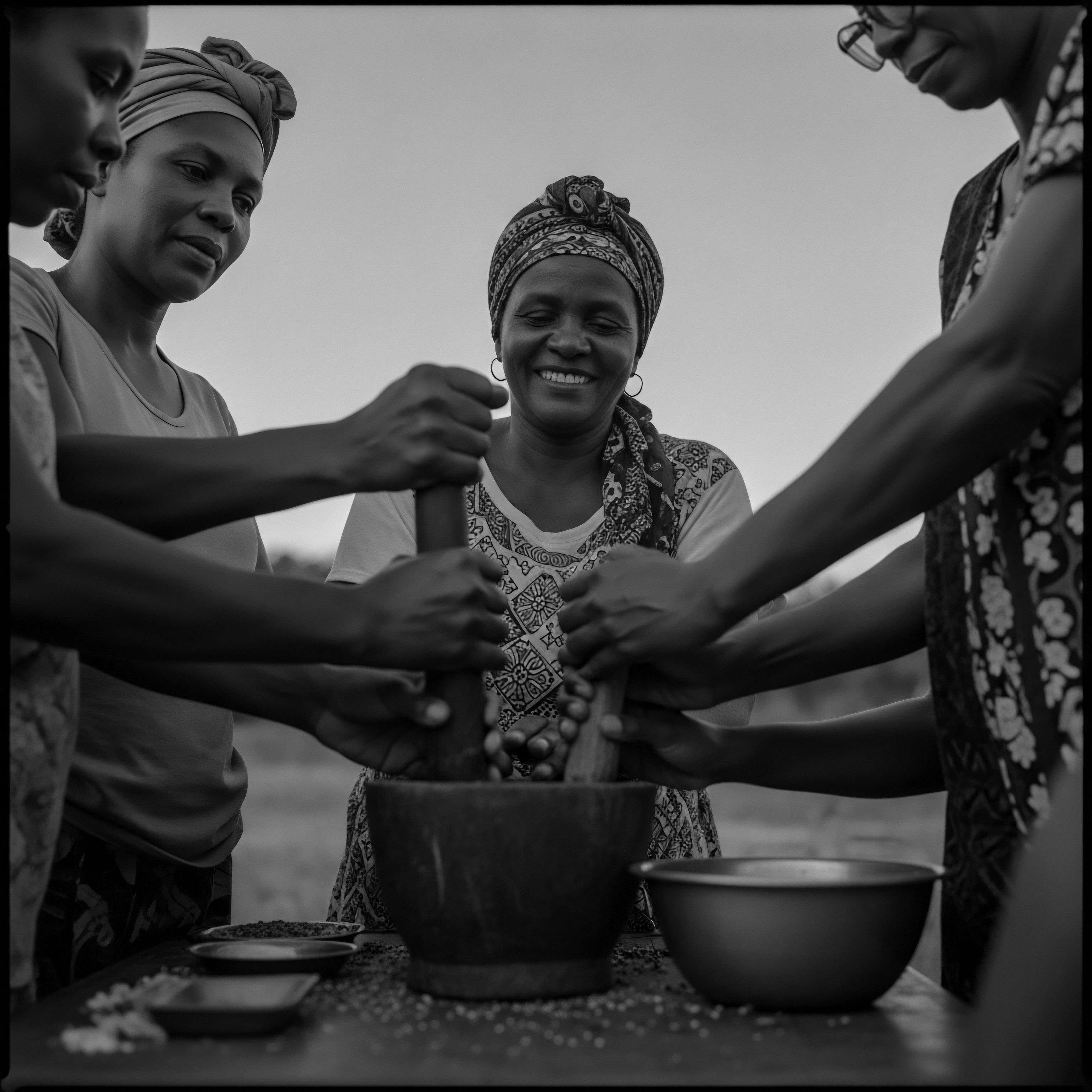
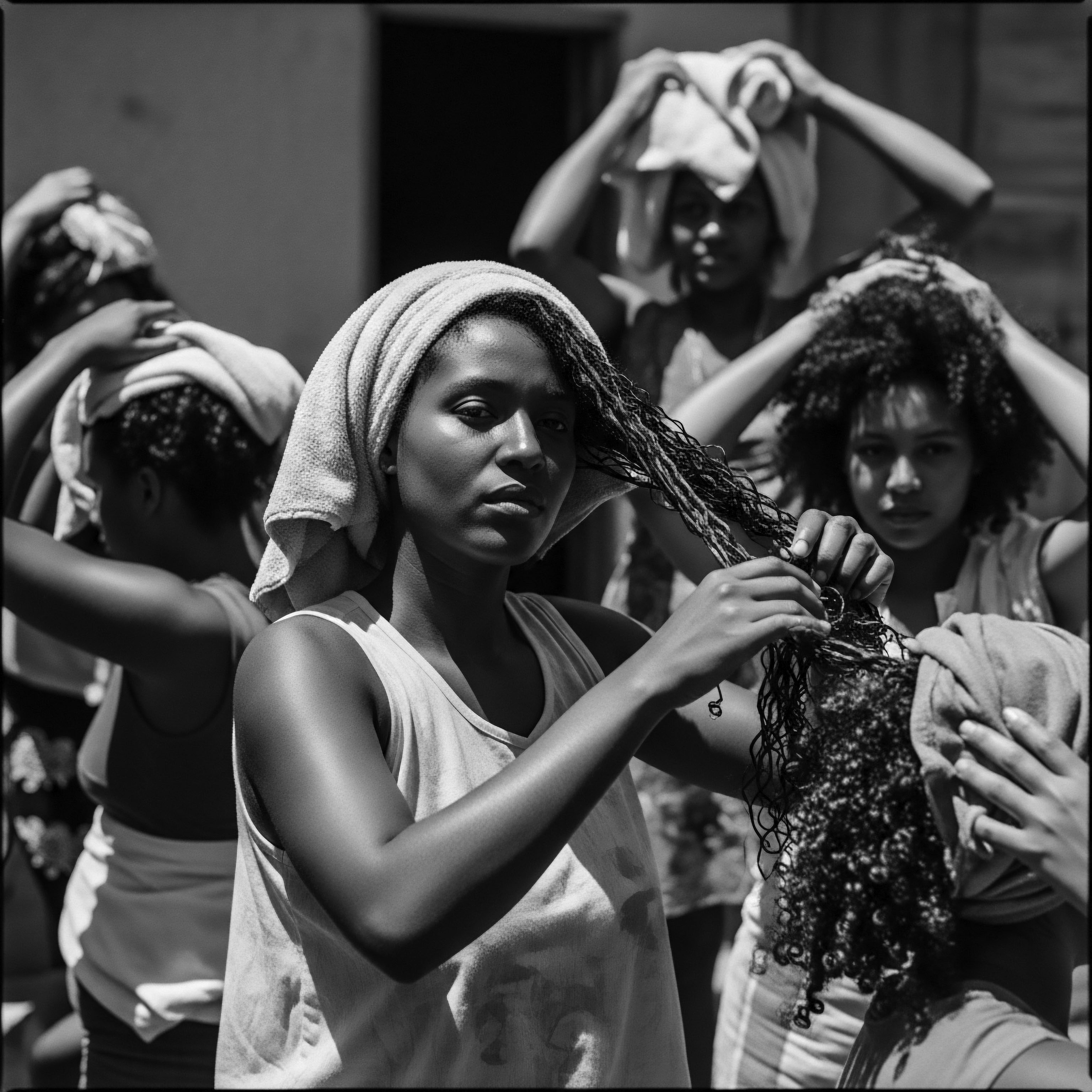
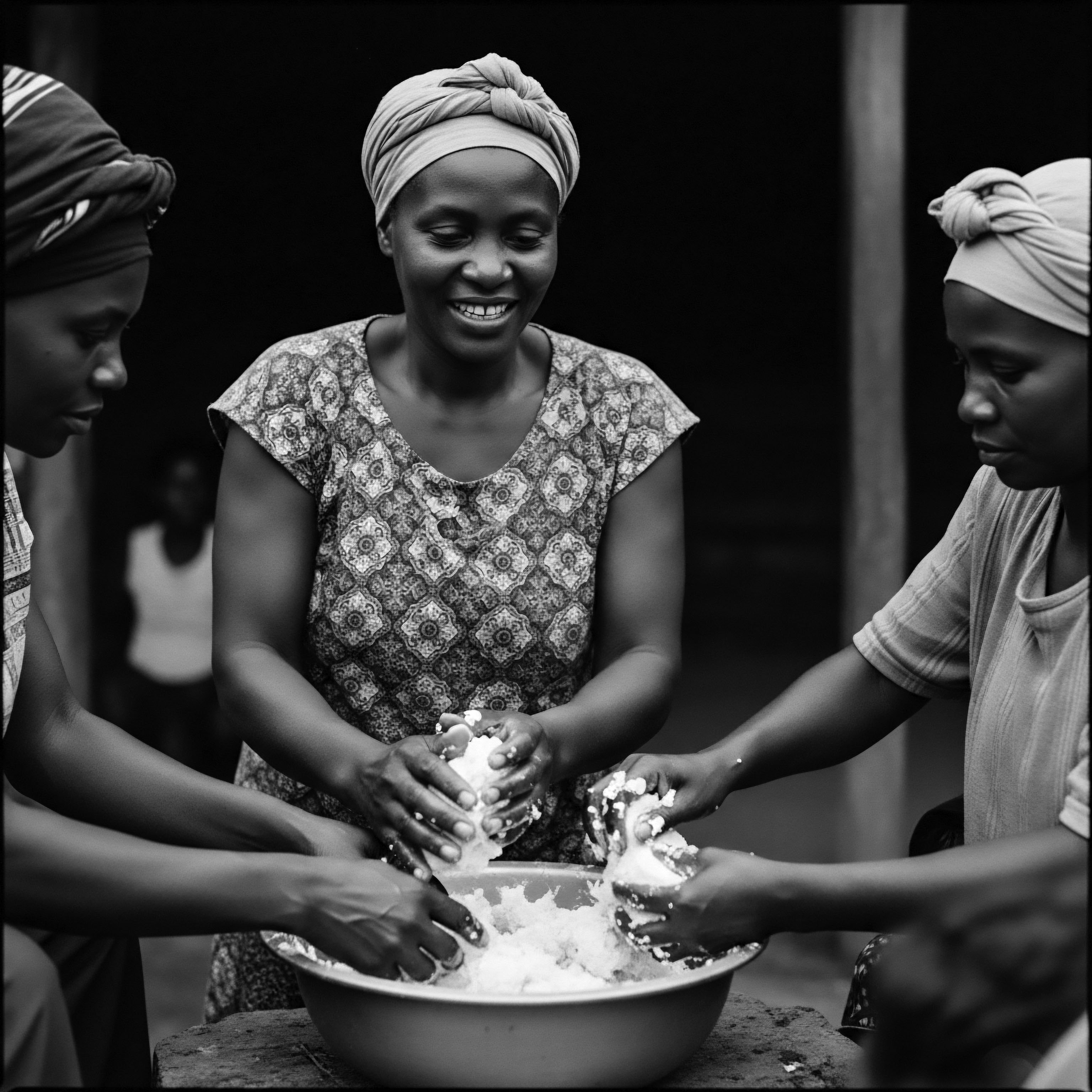
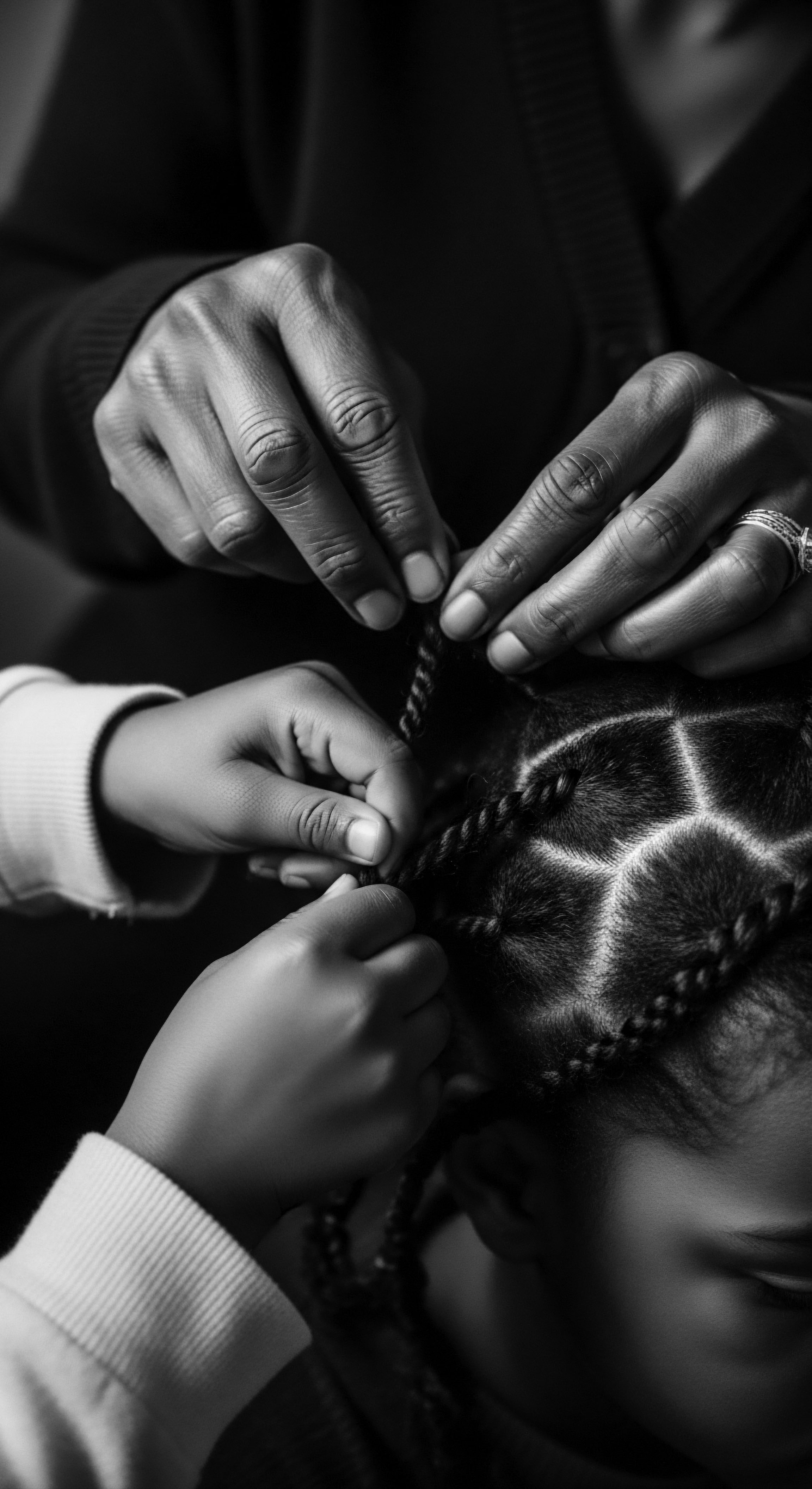
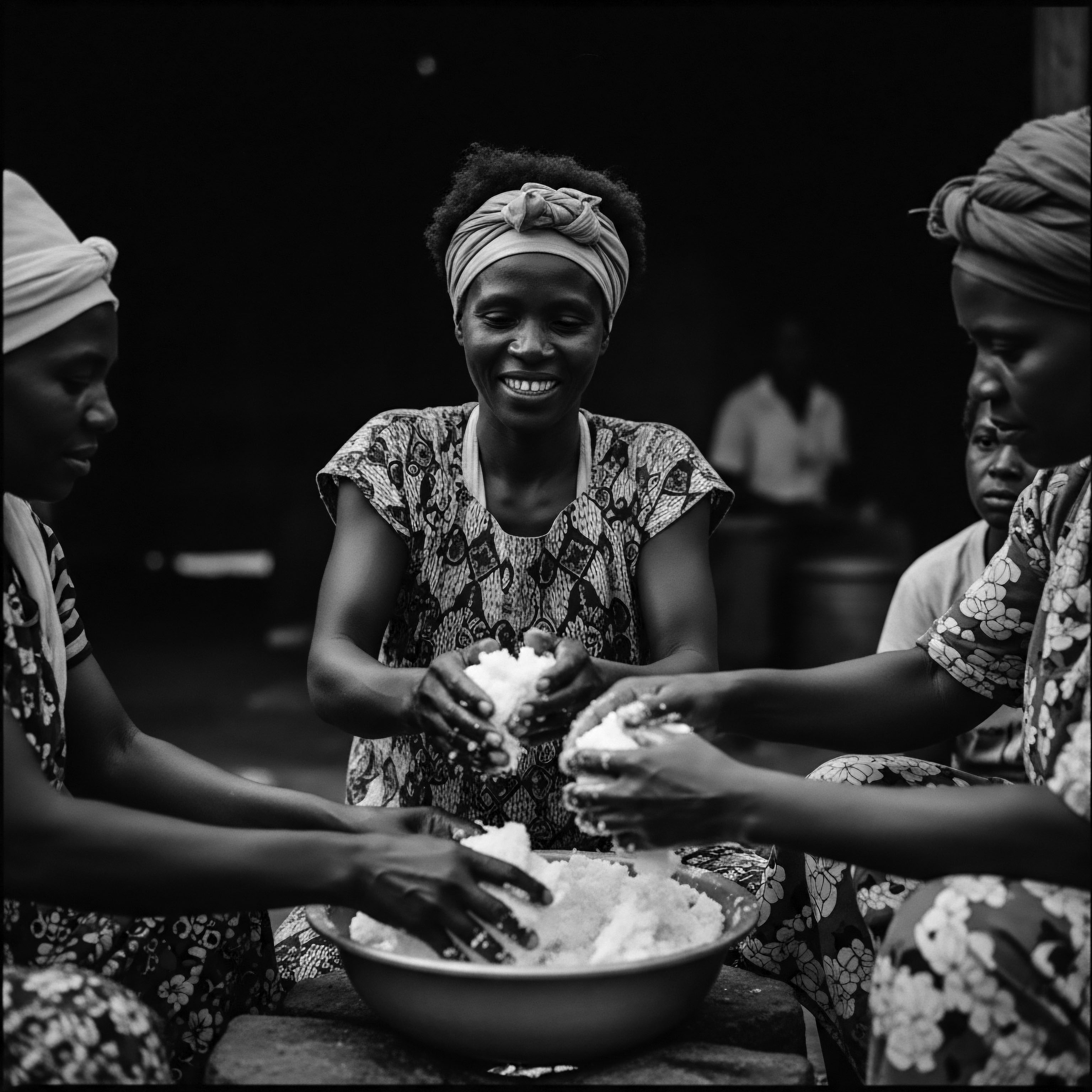
Communal hair care reflects textured hair heritage by preserving ancestral wisdom, fostering collective identity, and transmitting cultural resilience through shared rituals.
Heritage practices prevent textured hair dryness through consistent oiling, protective styles, and thoughtful nighttime care, rooted in ancestral wisdom.
Textured hair requires more moisture due to its unique coiled structure hindering natural oil distribution, and its ancestral heritage of adapting to arid climates.
Traditional African ingredients, steeped in heritage, can significantly enhance current textured hair practices through their restorative properties and alignment with ancestral care philosophies.
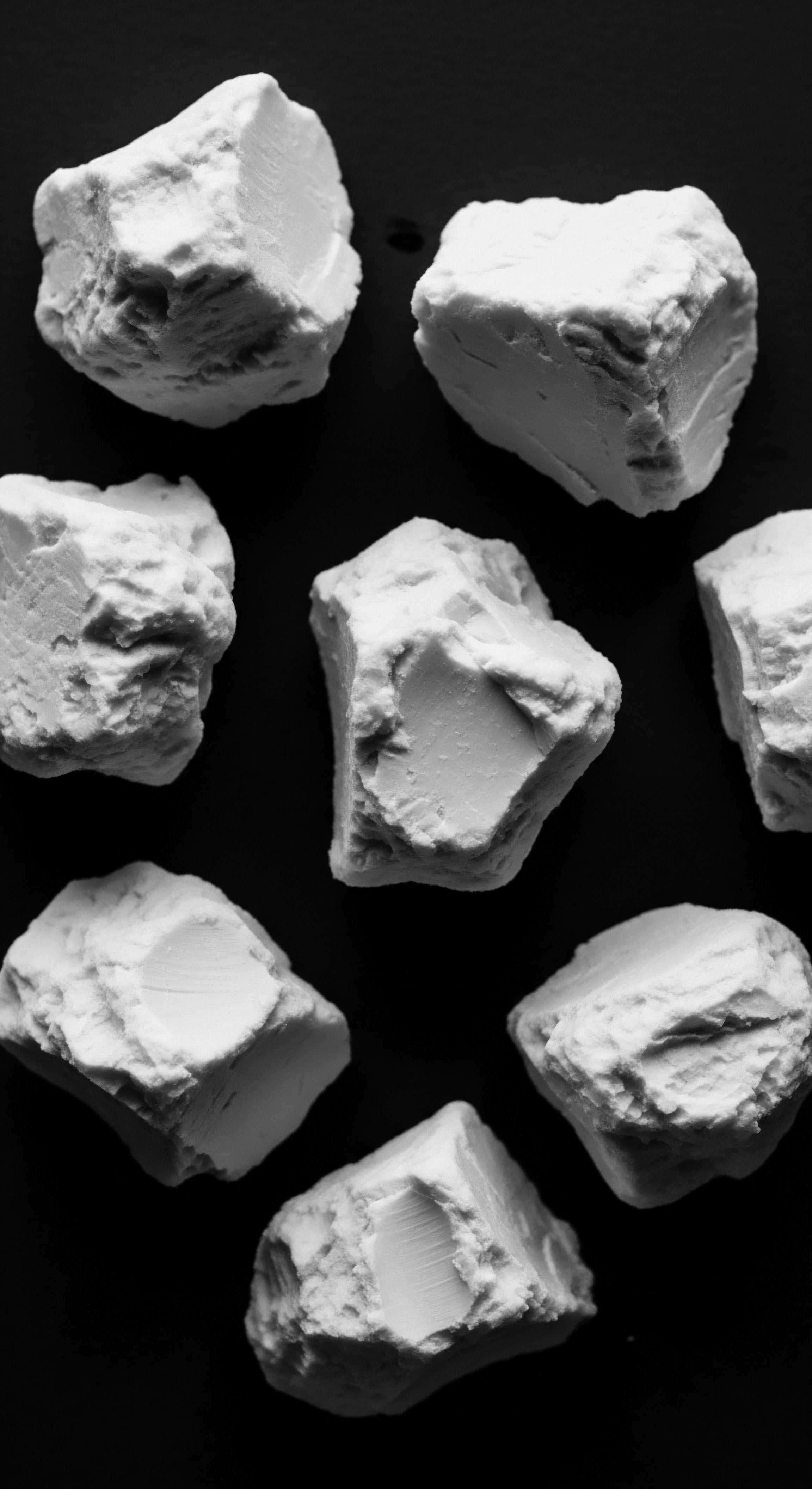
Rhassoul clay, an ancient Moroccan earth, served as a revered cleansing and nourishing agent for textured hair, deeply rooted in ancestral care rituals and cultural identity.
Traditional ingredients for textured hair heritage are earth's bounty, like shea butter and coconut oil, used for deep nourishment and protective styling.
Ancient materials like plant oils, clays, and natural fibers profoundly shaped textured hair routines, anchoring them in cultural heritage and ancestral wisdom.
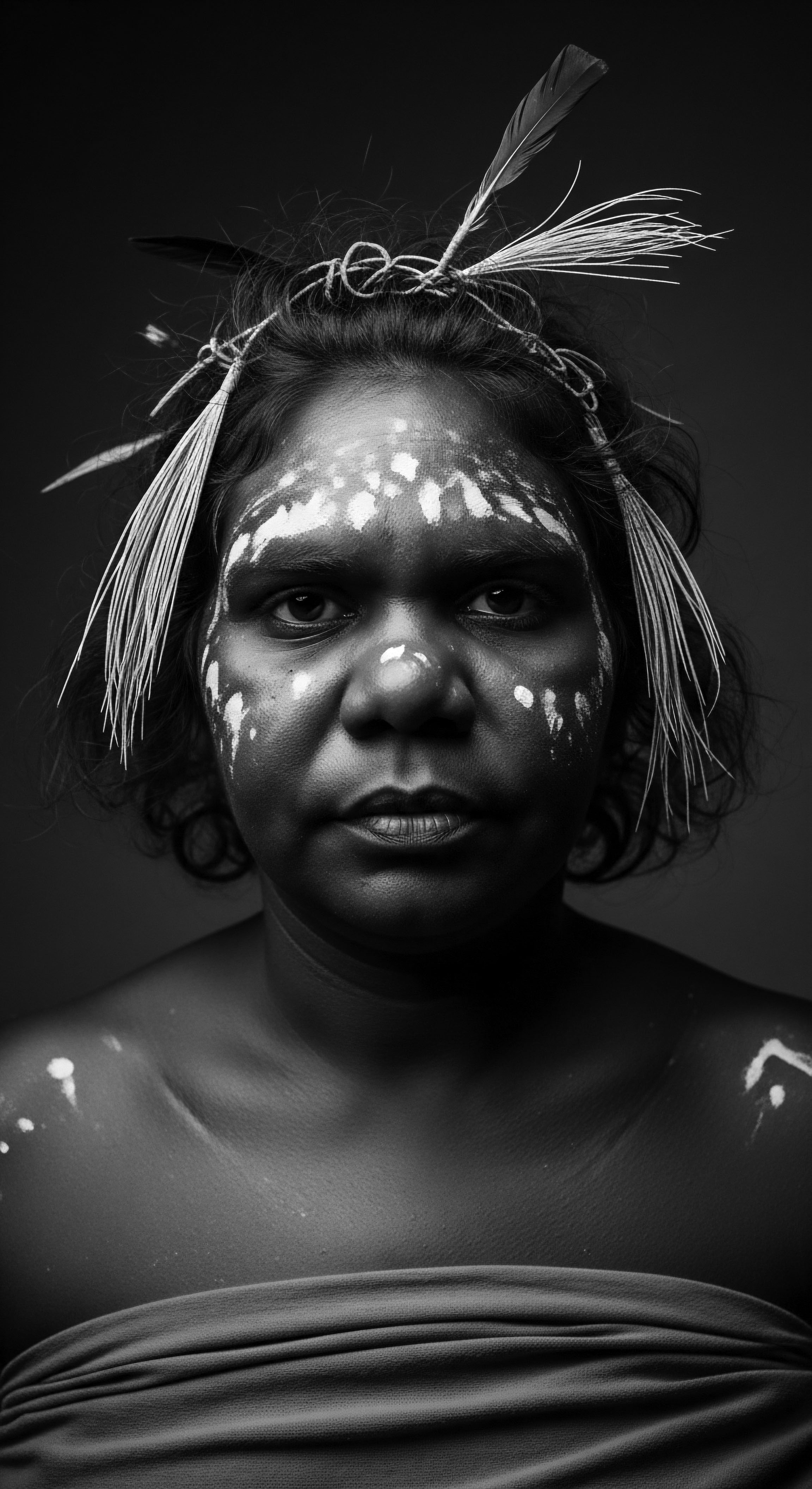
Textured hair stands as a powerful symbol of historical resistance, deeply rooted in Black and mixed-race heritage, embodying cultural pride and defiance.
We use cookies to personalize content and marketing, and to analyze our traffic. This helps us maintain the quality of our free resources. Manage your preferences below.
This helps support our free resources through personalized marketing efforts and promotions.
Analytics cookies help us understand how visitors interact with our website, improving user experience and website performance.
Personalization cookies enable us to customize the content and features of our site based on your interactions, offering a more tailored experience.