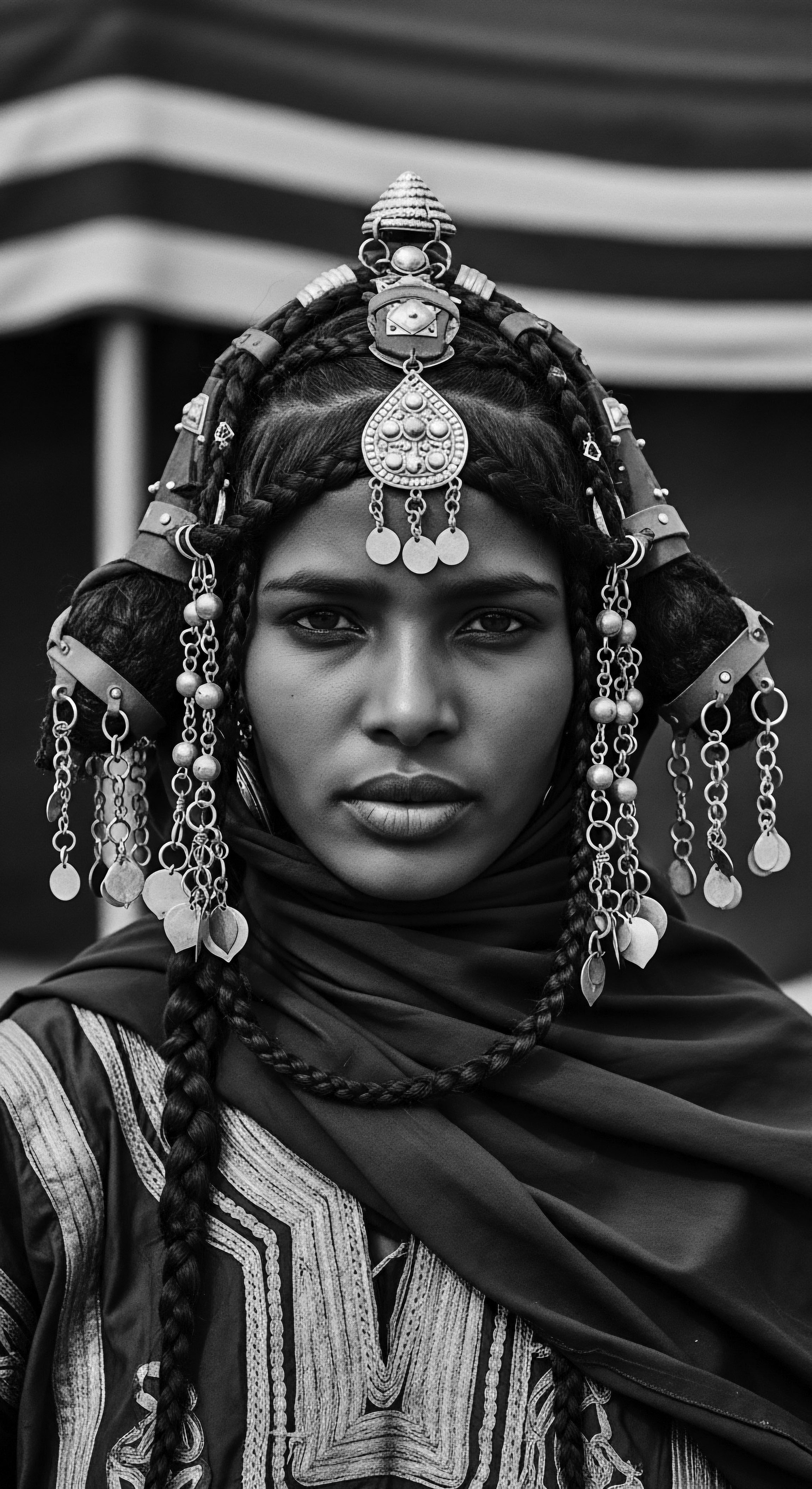
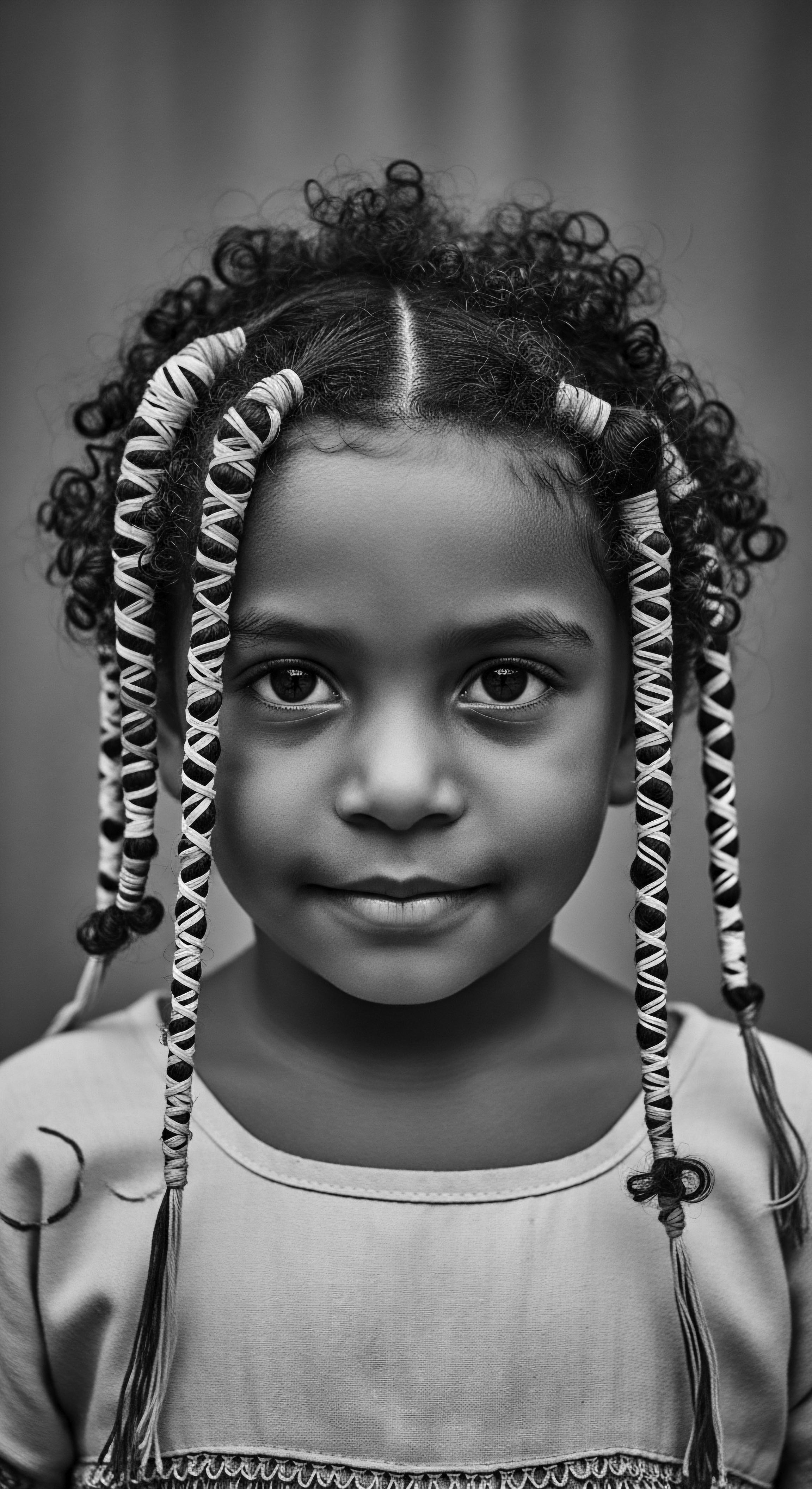
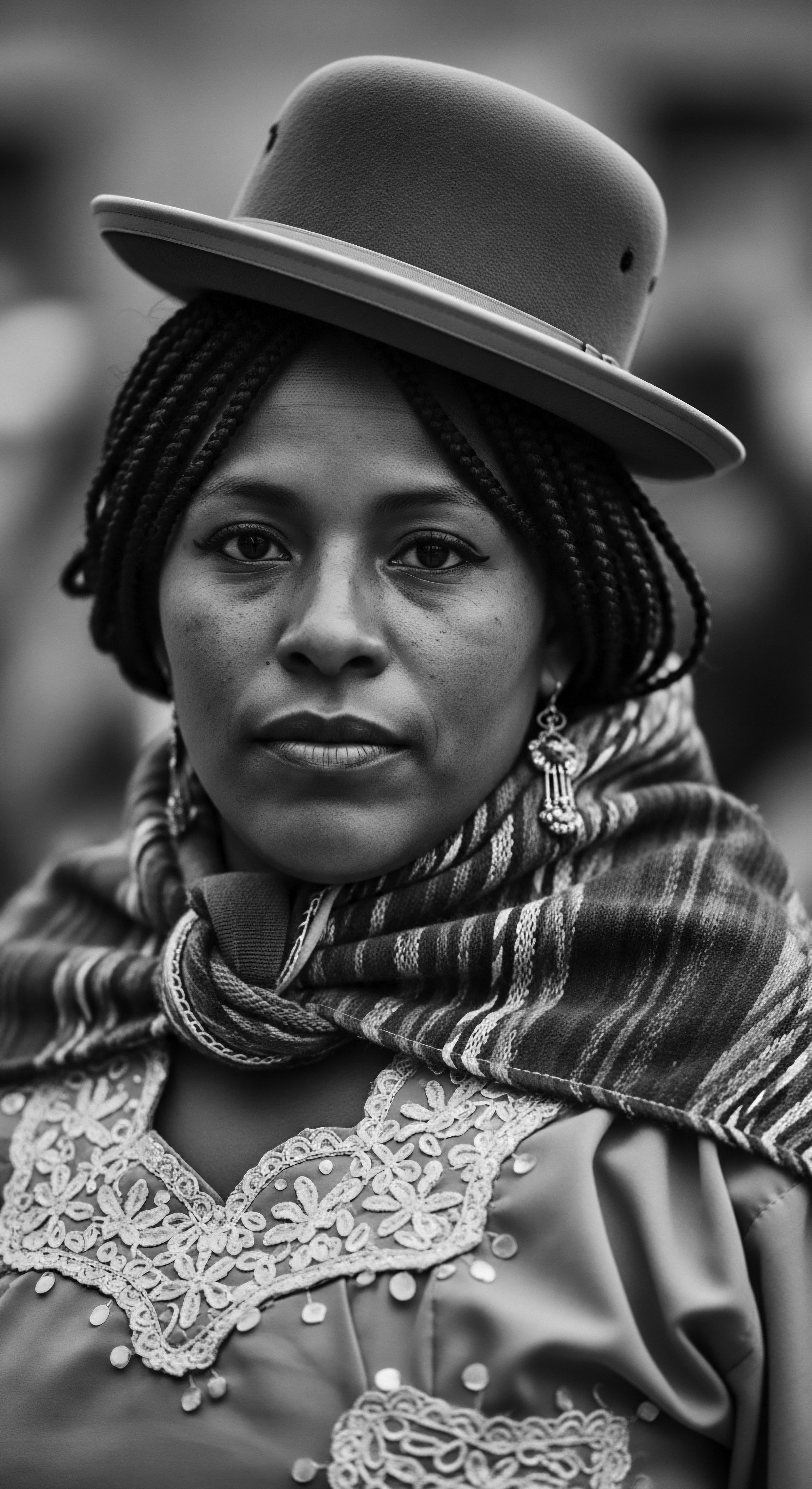
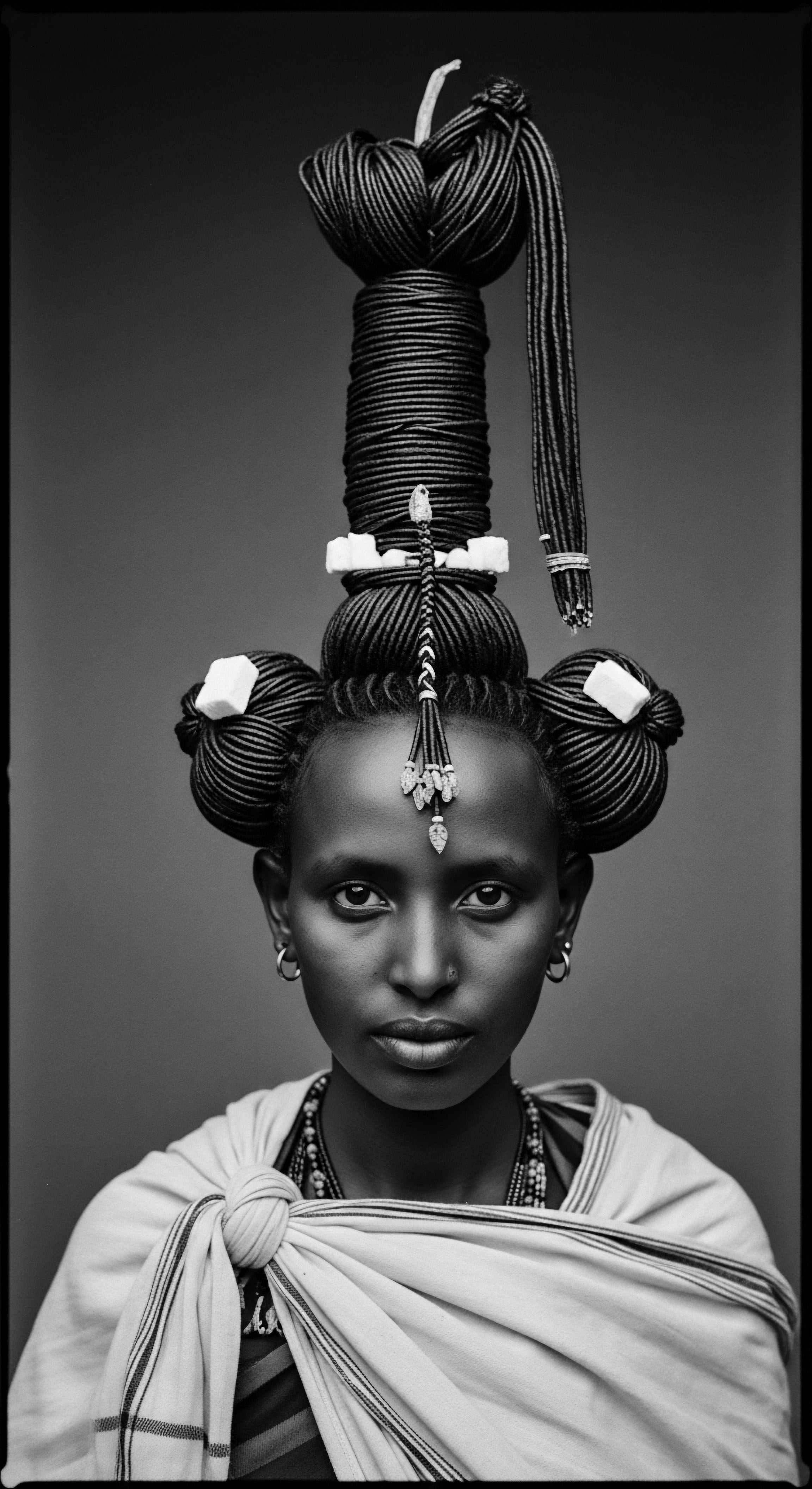
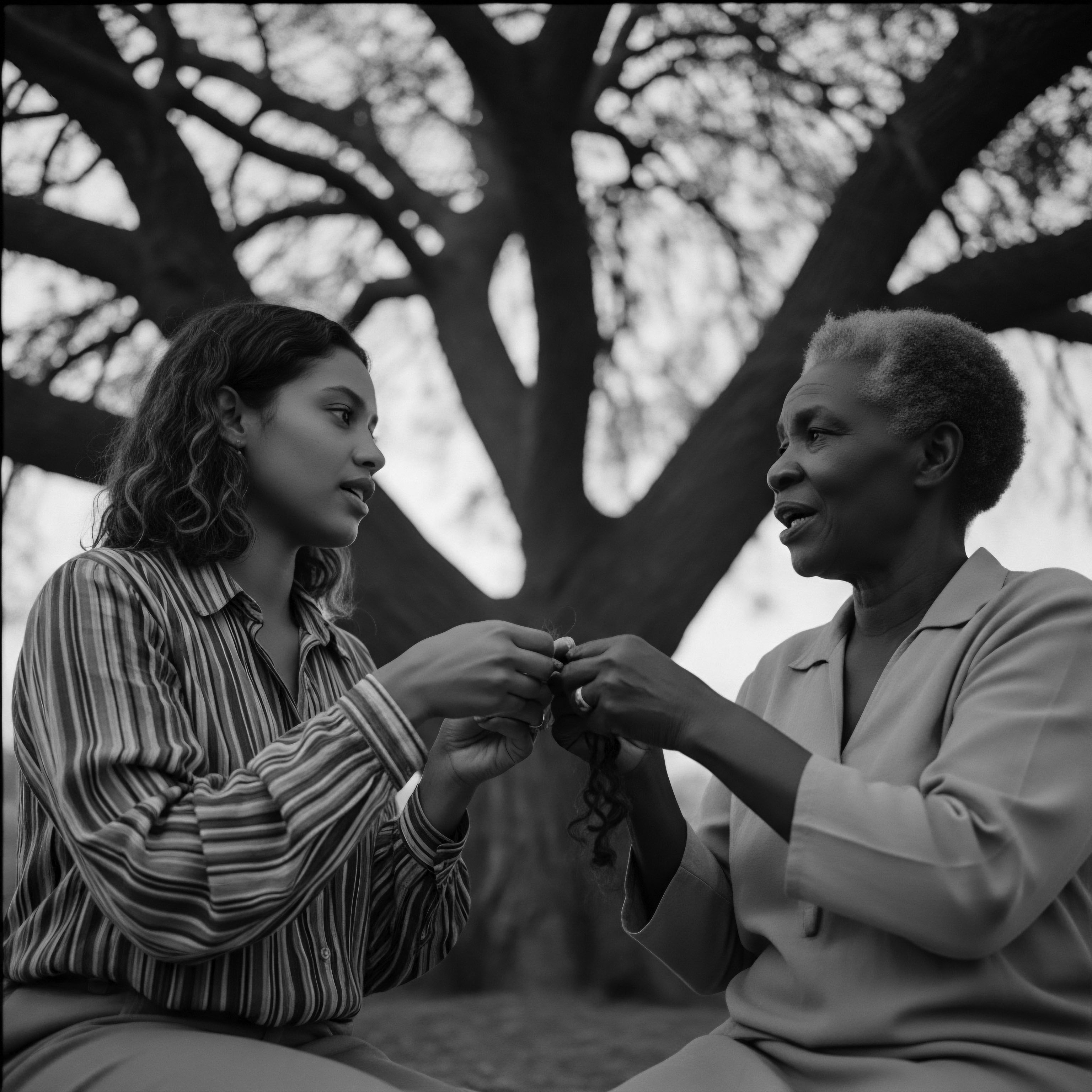
Meaning ❉ The Pan-African Hair Heritage is a profound cultural lineage of traditions, resilience, and identity tied to textured hair across Africa and its diaspora.
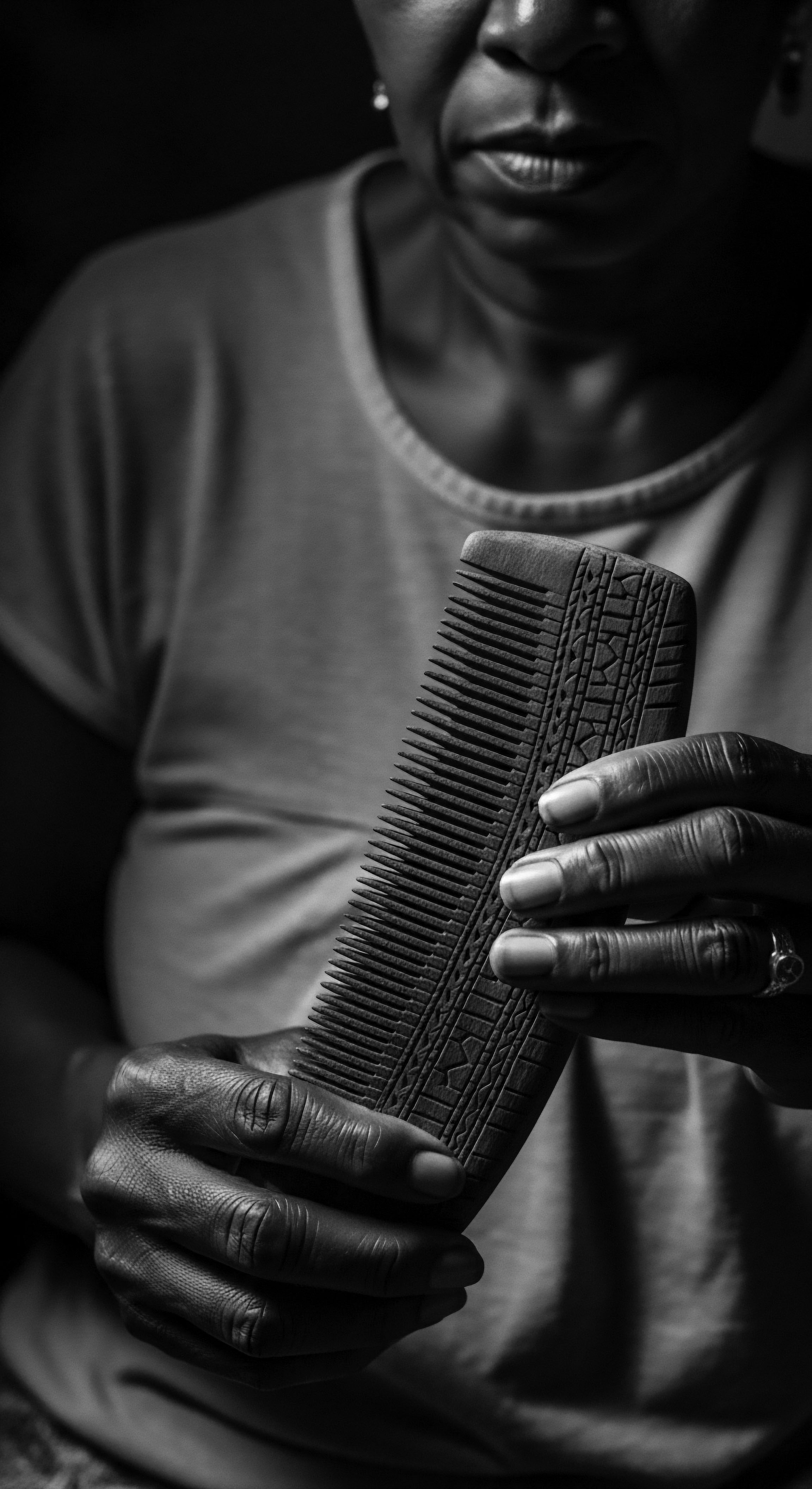
Textured hair in ancient traditions held deep spiritual meanings, serving as a powerful conduit to the divine and a living expression of ancestral heritage.
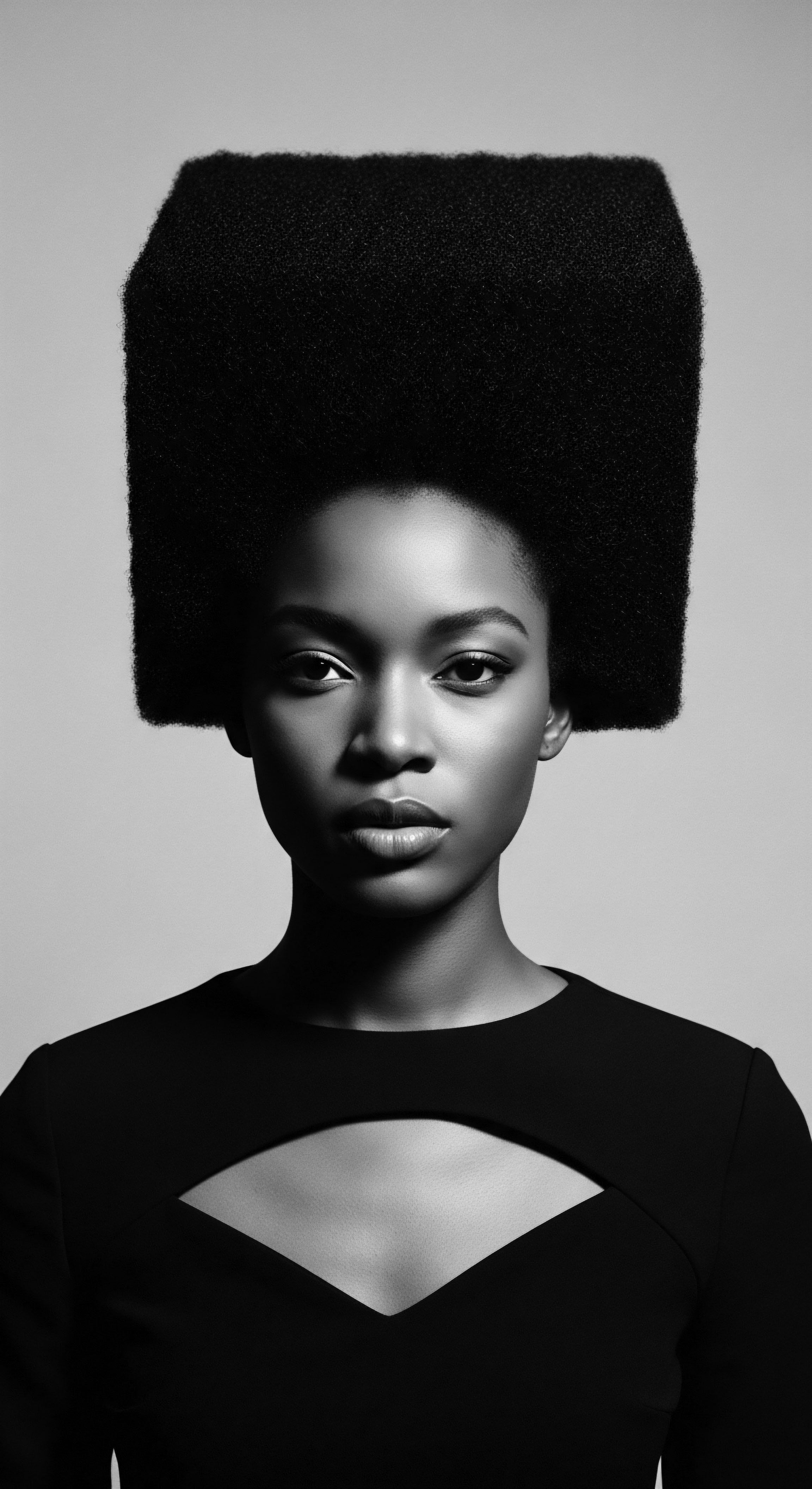
Meaning ❉ The Black Aesthetic Affirmation is a powerful declaration of beauty and dignity in textured hair, rooted in ancestral wisdom and cultural resilience.
Ancient hair traditions, rooted in heritage, offer timeless principles of protection, moisture, and communal reverence, profoundly shaping modern care for coils.
Understanding textured hair's past uncovers ancestral care practices, resistance narratives, and evolving cultural meanings vital for its future role in identity.
The transatlantic slave trade forced the adaptation of textured hair care, transforming ancestral rituals into acts of survival and cultural preservation, deeply shaping Black hair heritage.
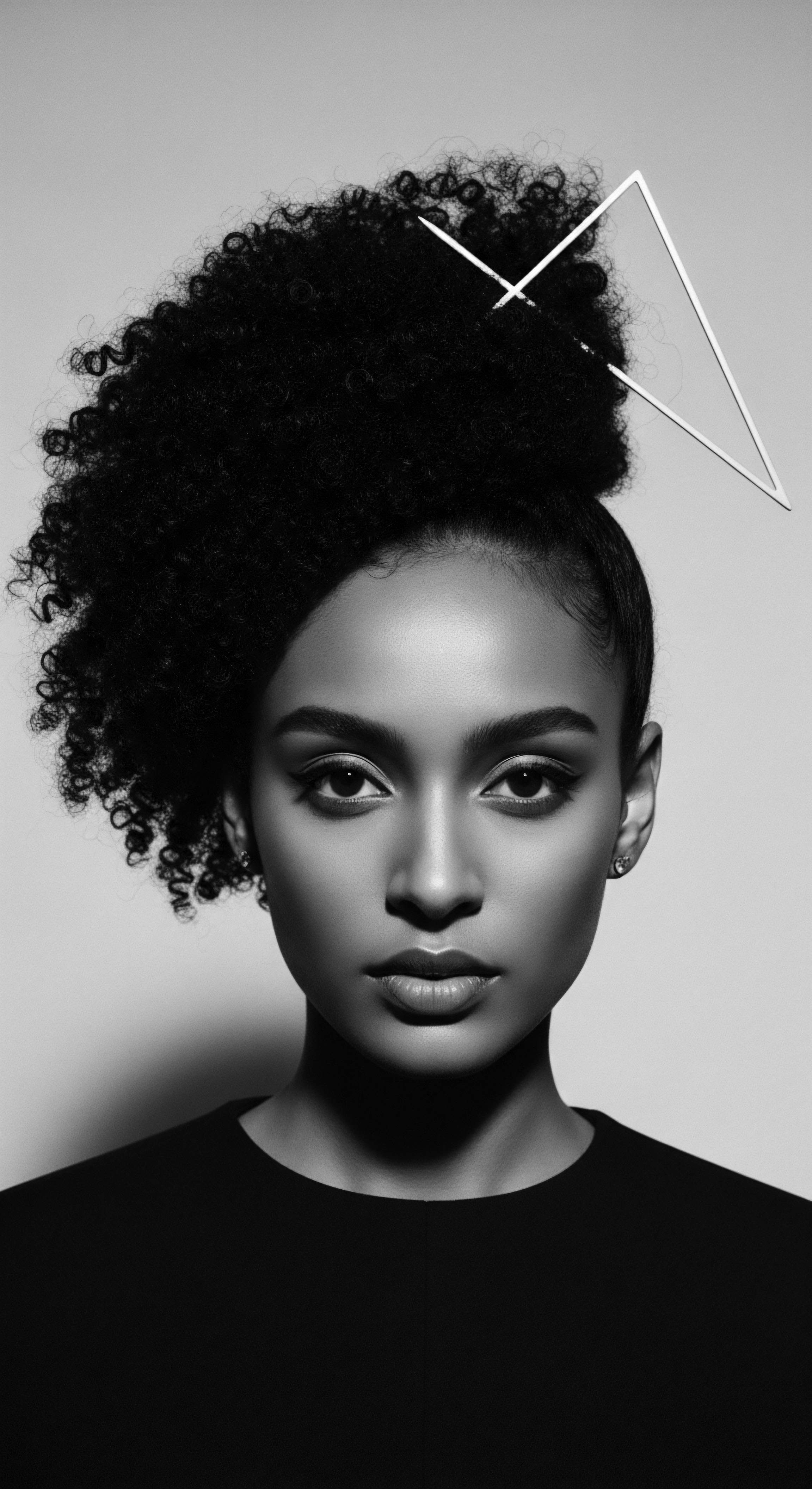
Meaning ❉ UNIA Hair signifies a philosophy of Black self-acceptance and racial pride, drawing its meaning from the Universal Negro Improvement Association's advocacy for natural Black beauty and economic self-sufficiency.
Traditional plants like African black soap, aloe vera, and hibiscus gently cleanse Afro-textured hair, upholding centuries of cultural heritage and ancestral practices.
Ancient cultures, particularly African civilizations, profoundly influenced textured hair care through their spiritual, social, and practical approaches to hair heritage.
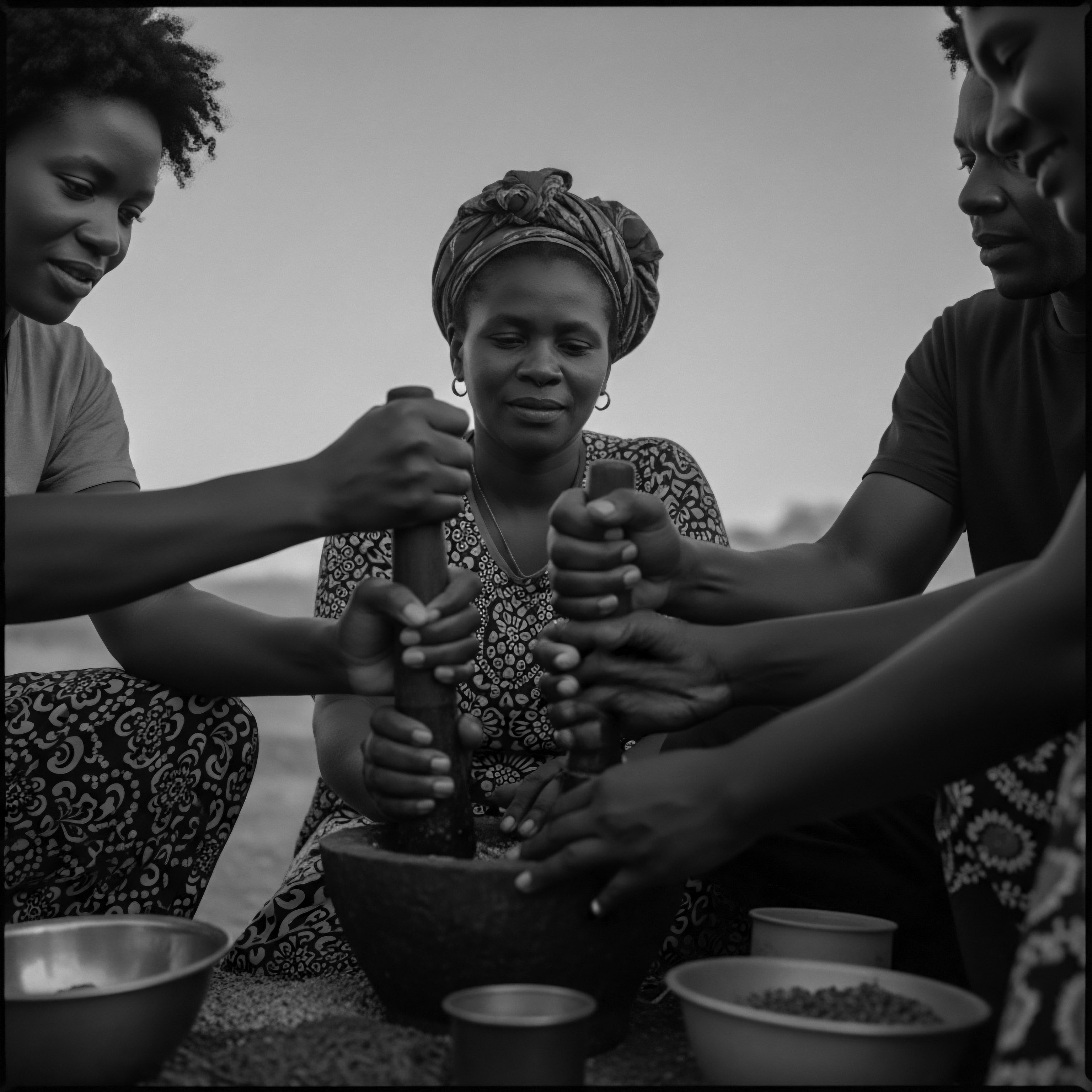
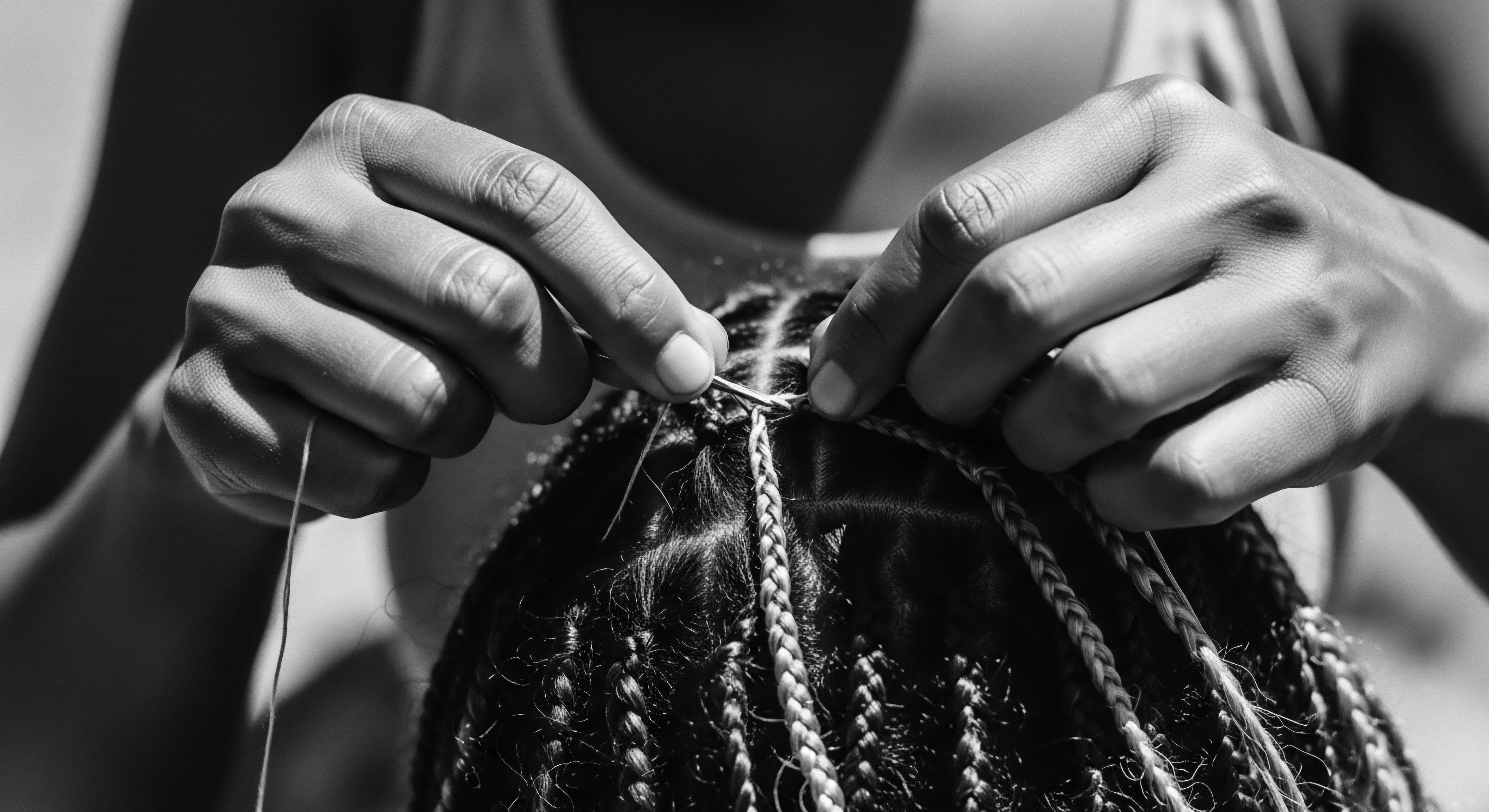
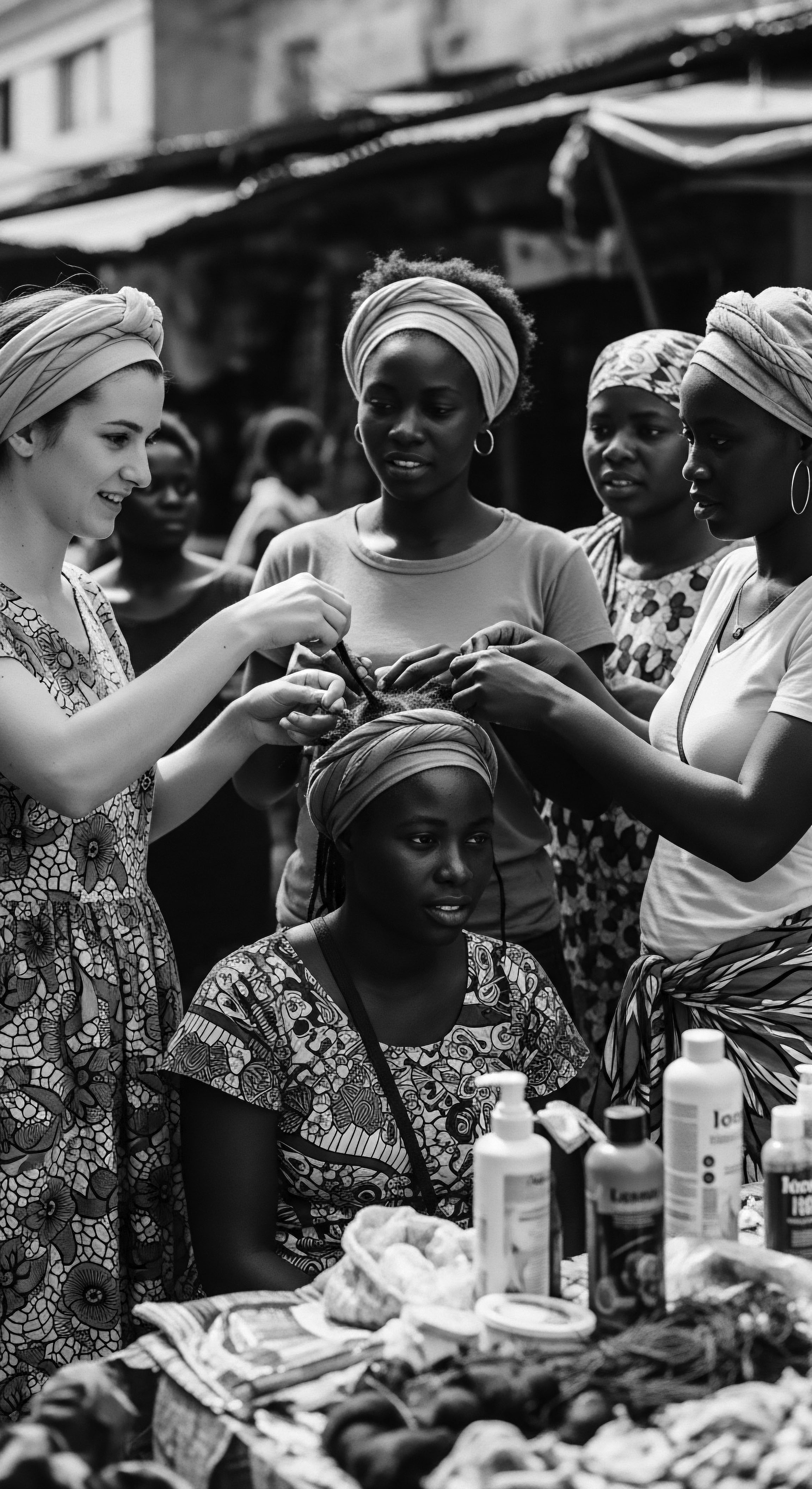
Traditional methods shaped Black hair care through ancient practices of nourishment, protection, and community, deeply rooted in textured hair heritage.
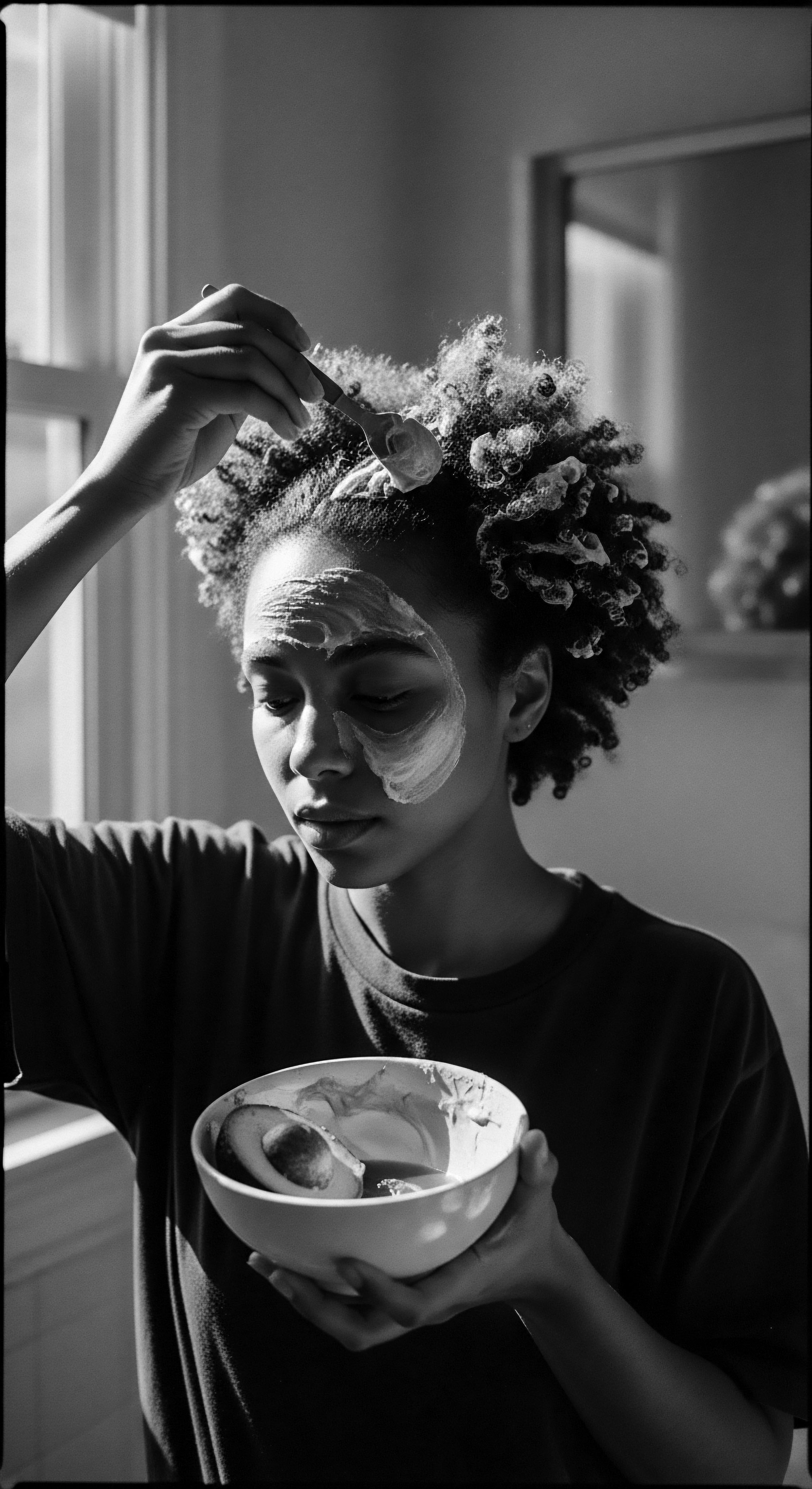
Ancient ingredients addressed textured hair needs through natural oils, butters, and herbs, preserving hair health across Black and mixed-race heritage.
Black hair care historically embodies cultural identity through ancestral practices, resilience, and ongoing self-expression deeply rooted in textured hair heritage.
Textured hair styles carry deep historical meaning, serving as cultural markers, symbols of identity, and tools of covert communication within Black and mixed-race heritage.
Ancestral practices protected Black hair by minimizing manipulation, sealing moisture with natural ingredients, and utilizing styles that reduced environmental exposure.
Indigenous plant uses deeply inform modern hair science by validating ancestral practices, revealing the biochemical efficacy within textured hair heritage.
Ancient hair practices laid a foundational understanding of textured hair, directly influencing modern science through heritage-rich techniques and ingredients.
Historical events, from ancient practices to colonial subjugation and modern movements, have profoundly shaped the perception of textured hair globally, deeply rooted in its heritage.
Traditional hair rituals from the diaspora often find validation in contemporary hair science, confirming ancestral methods aligned with textured hair biology.
We use cookies to personalize content and marketing, and to analyze our traffic. This helps us maintain the quality of our free resources. Manage your preferences below.
This helps support our free resources through personalized marketing efforts and promotions.
Analytics cookies help us understand how visitors interact with our website, improving user experience and website performance.
Personalization cookies enable us to customize the content and features of our site based on your interactions, offering a more tailored experience.