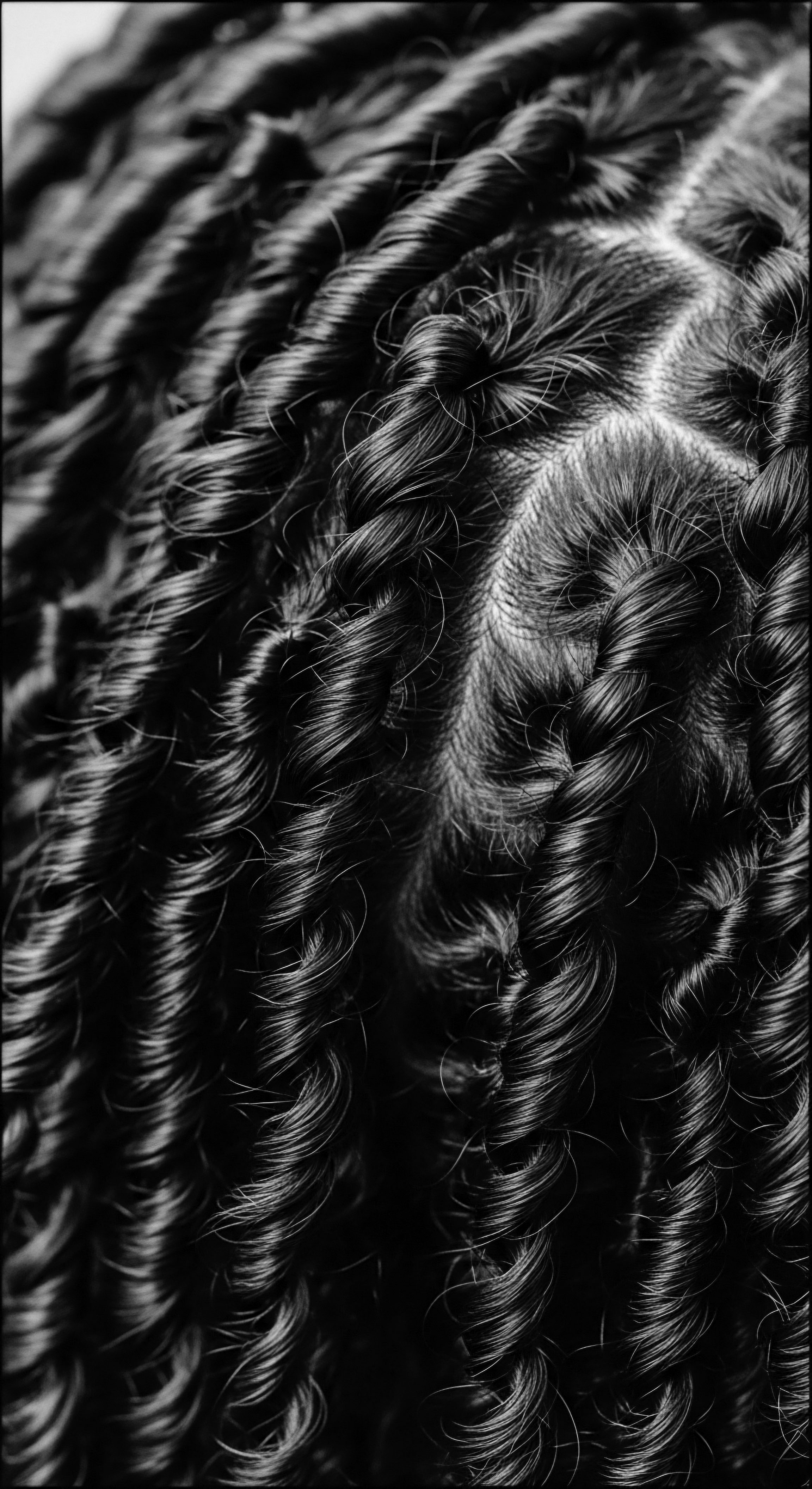
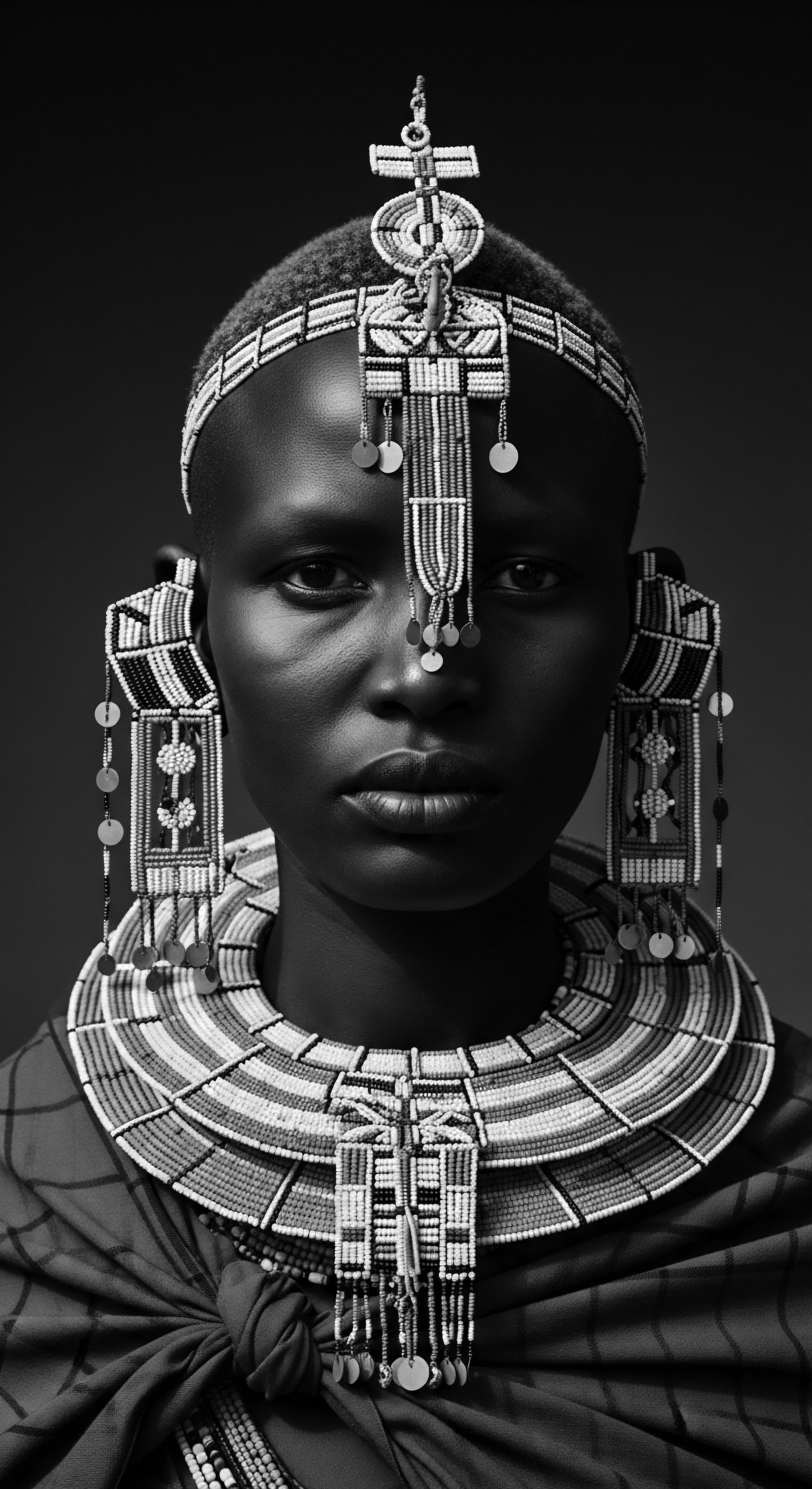
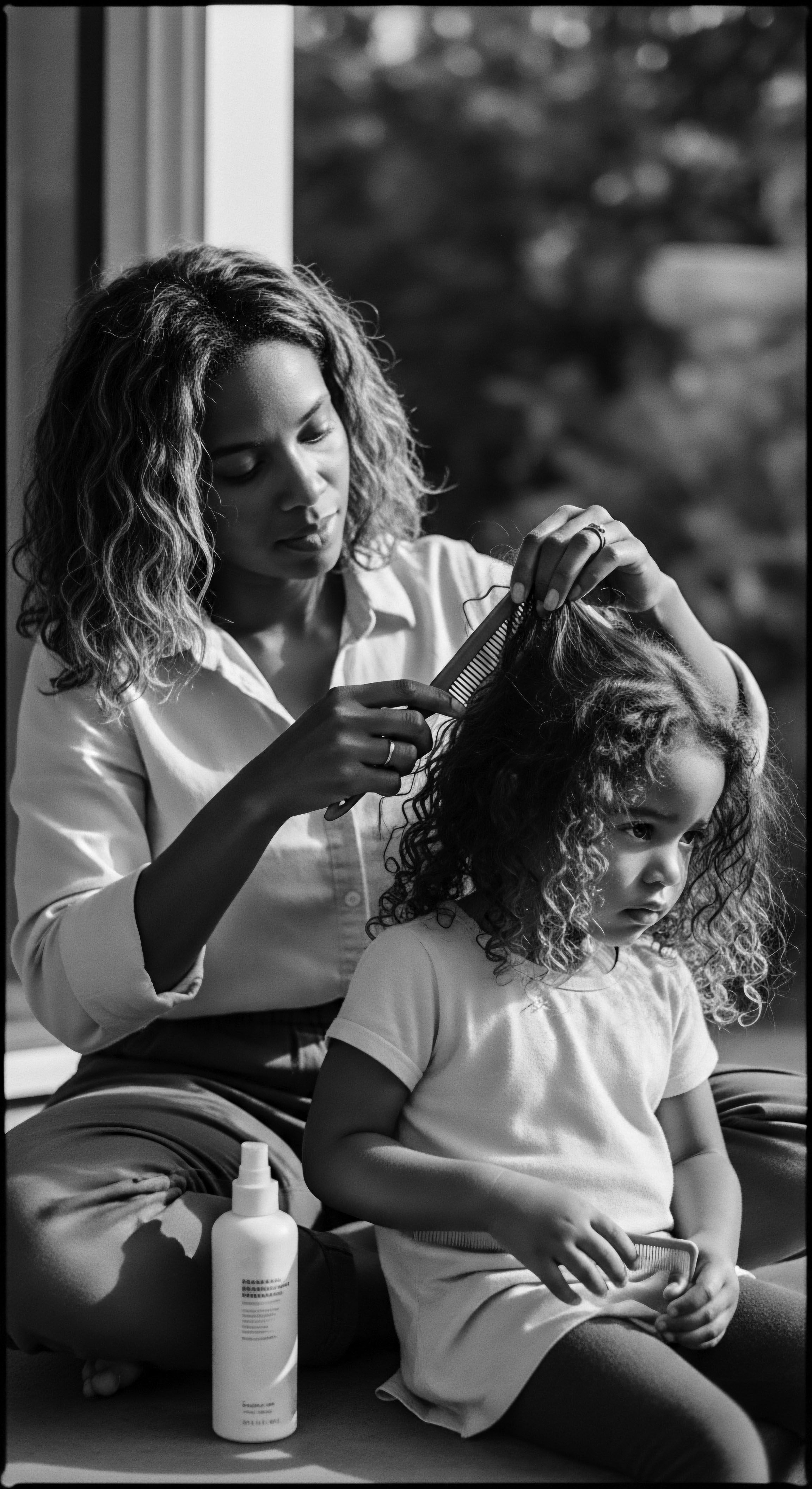
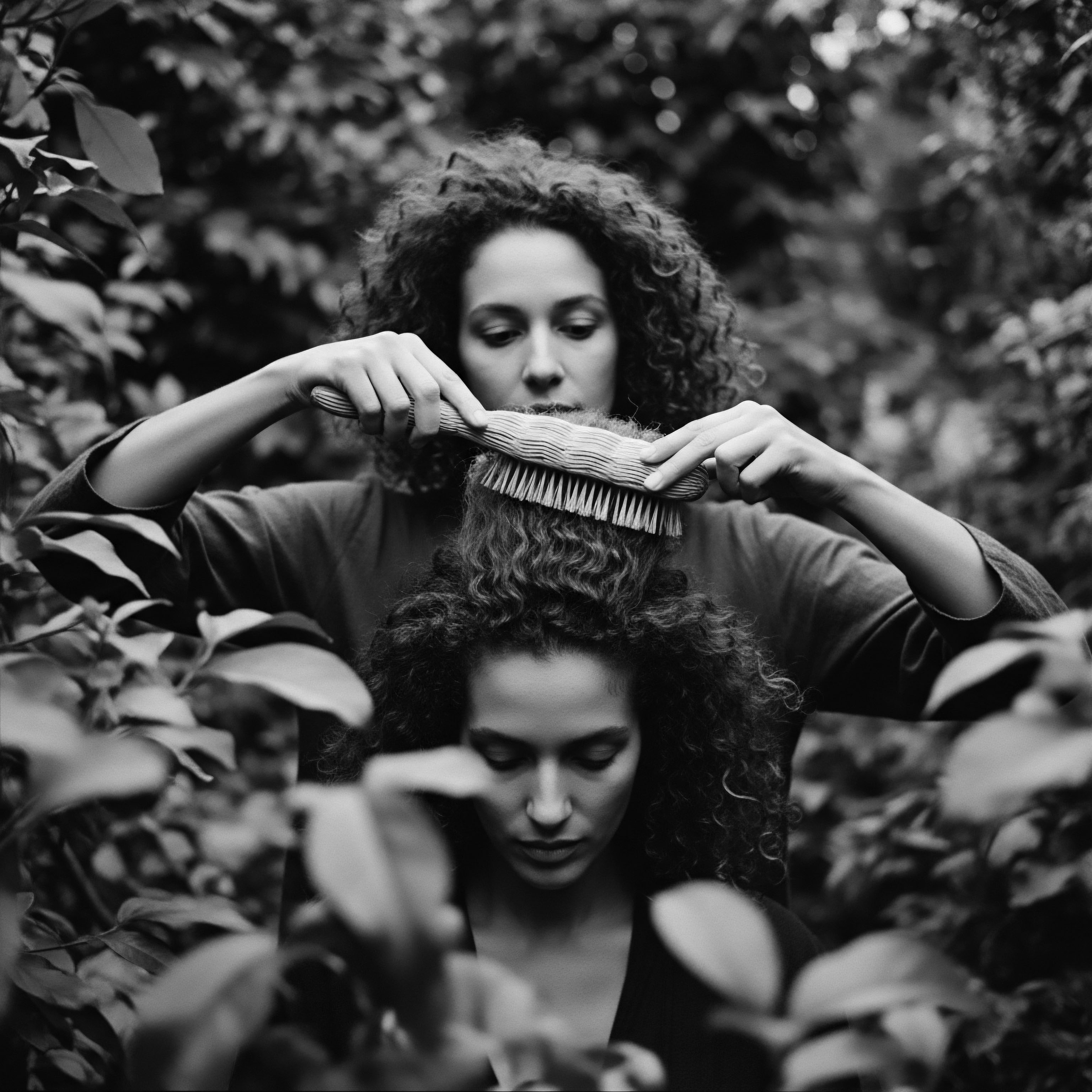
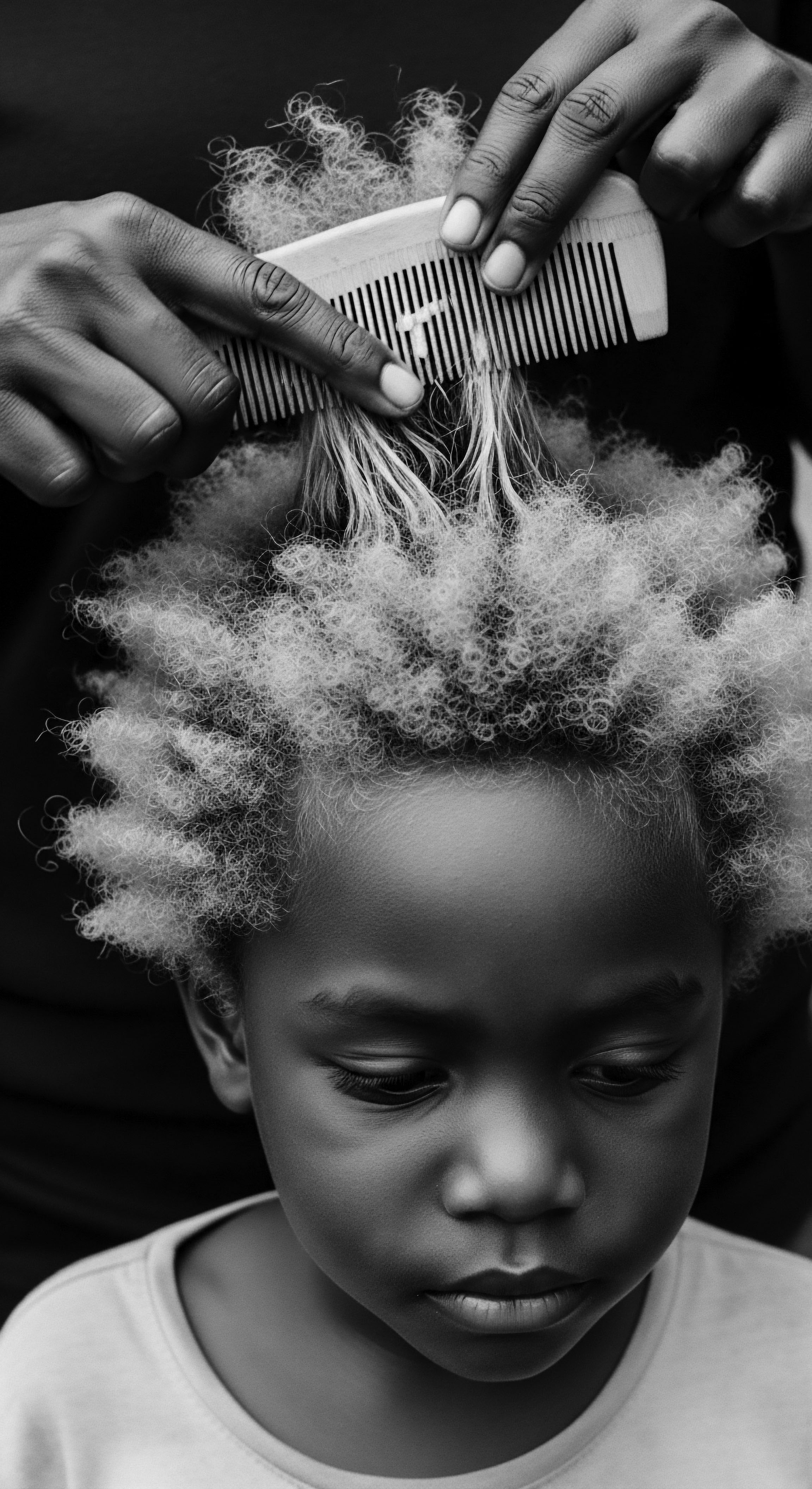
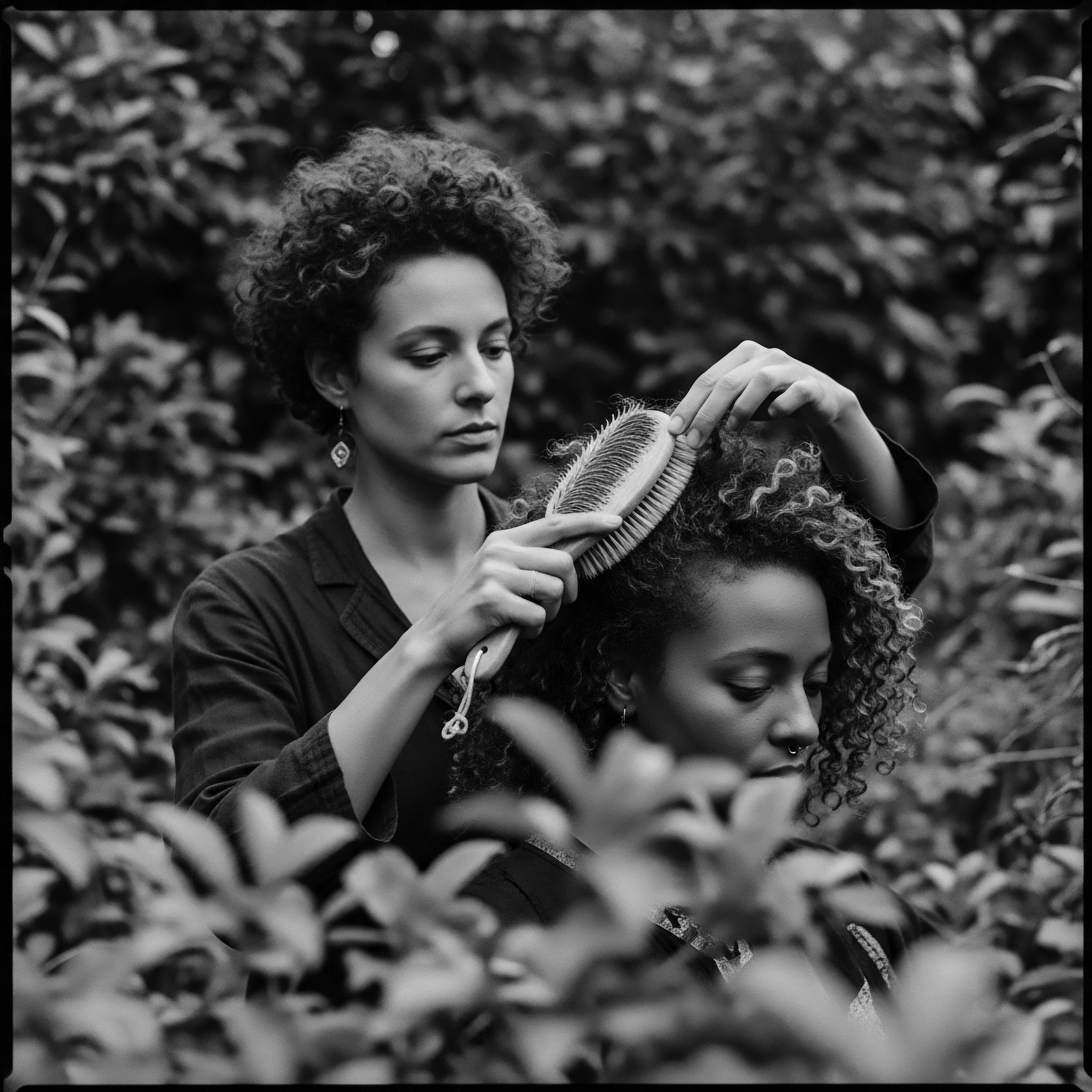
Scalp massage with oils in heritage communities symbolizes deep cultural continuity and serves as a foundational element of textured hair care and identity.
Meaning ❉ Hair Alteration Methods encompass intentional modifications to hair's structure or appearance, serving as a profound link to cultural heritage and identity for textured hair.
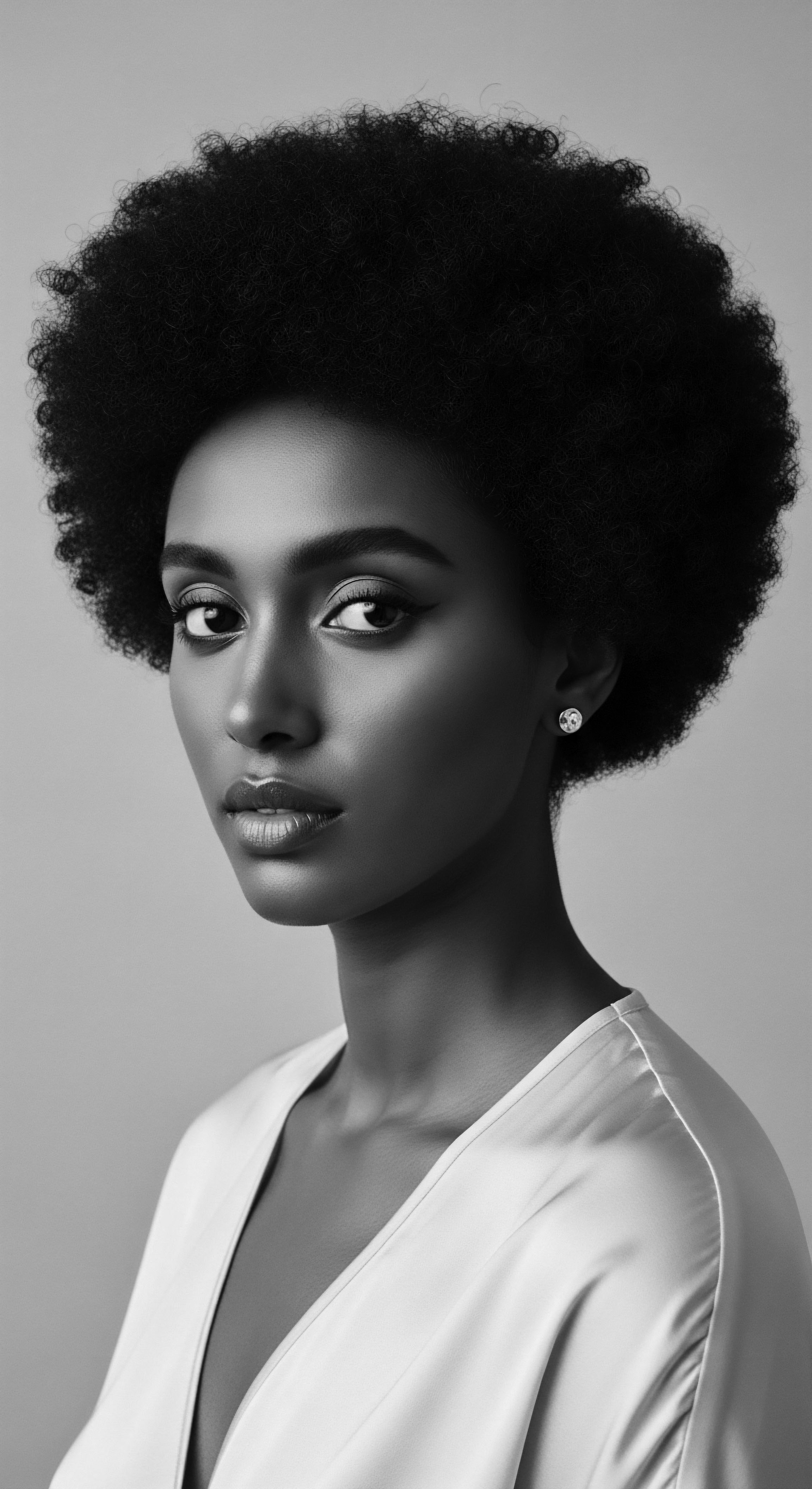
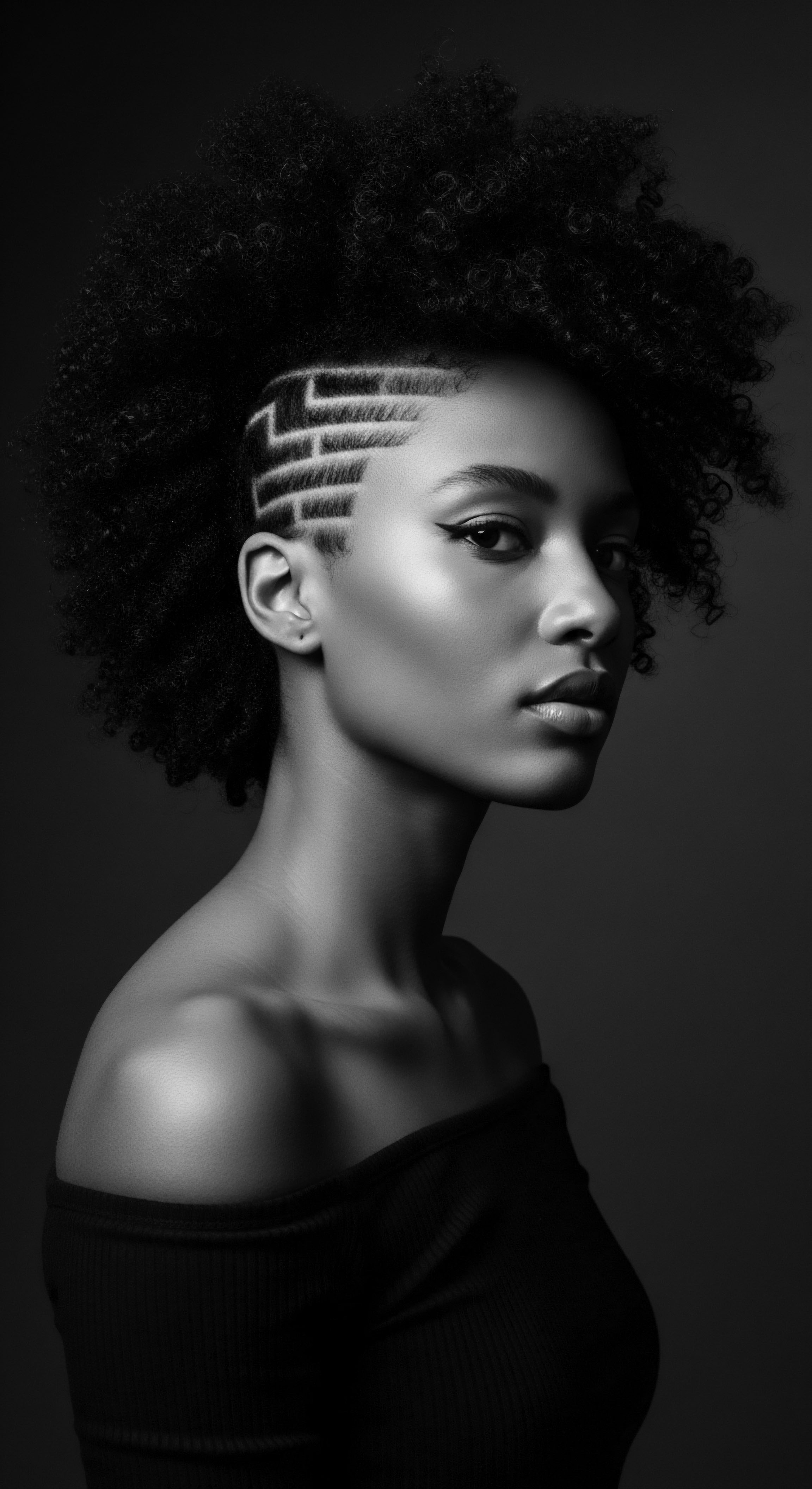
Meaning ❉ The Black Aesthetic is a cultural framework of beauty and self-expression, deeply woven into the heritage of textured hair, signifying identity, resistance, and ancestral wisdom.
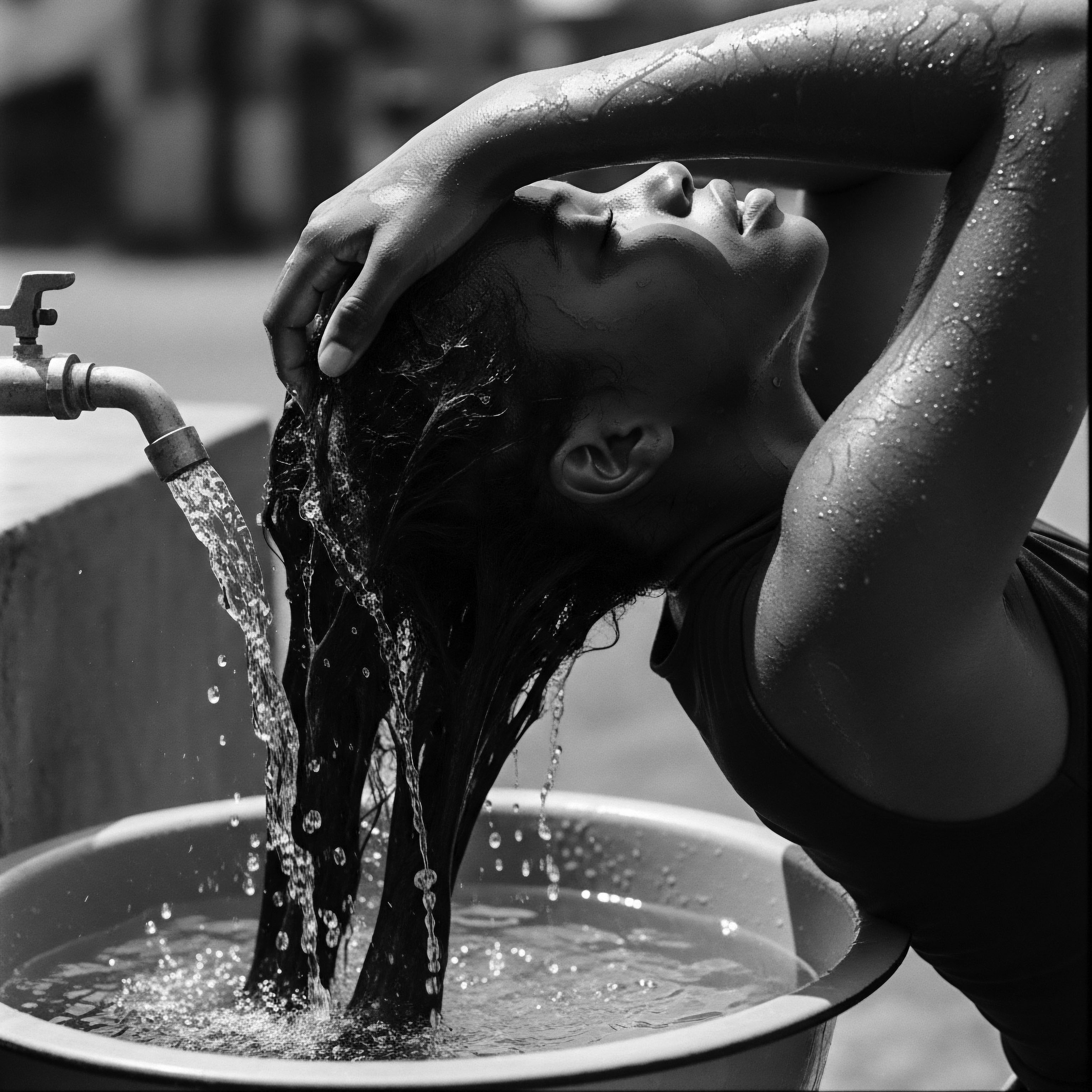
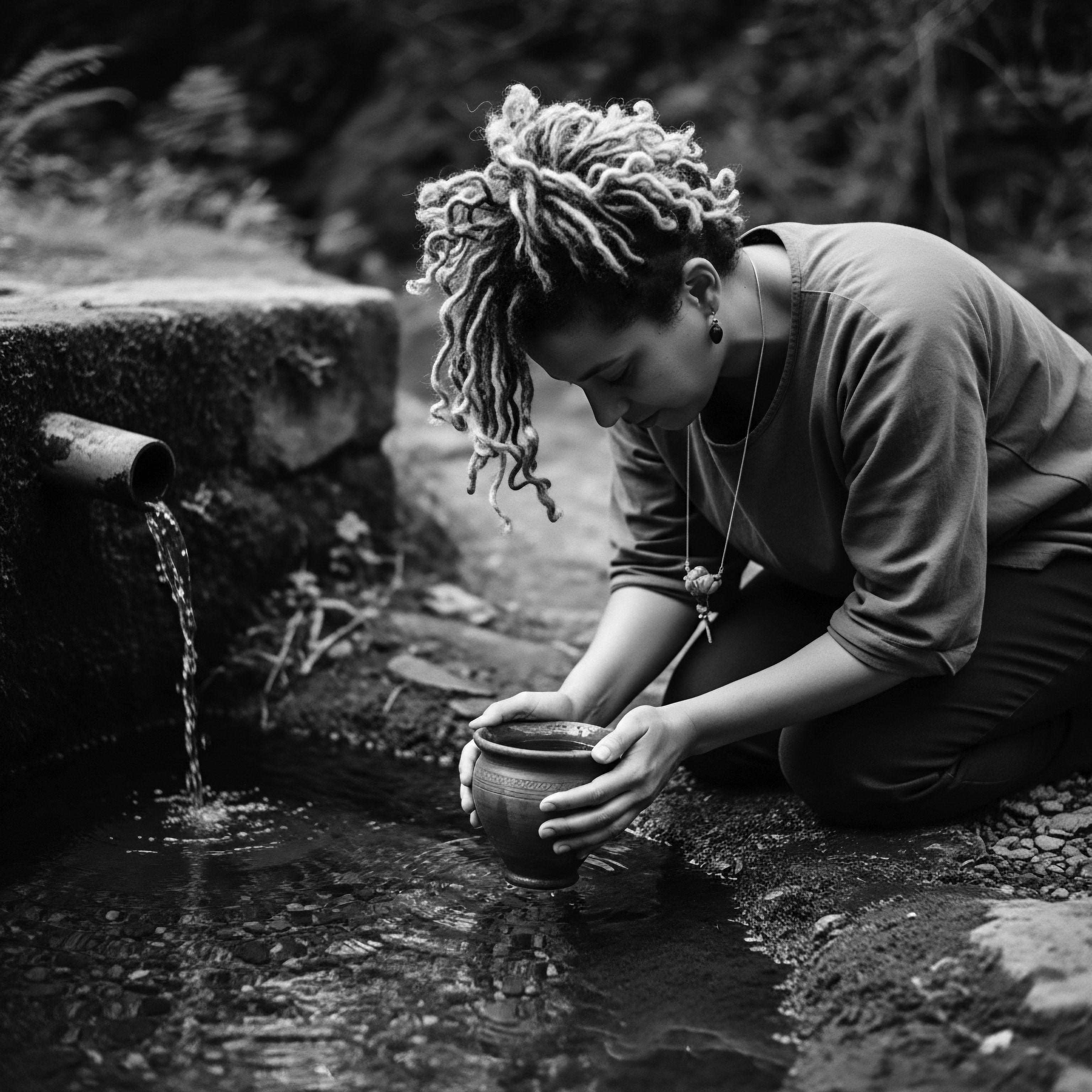
Historical West African hair cleansing practices remain deeply intertwined with modern cultural identity, offering a powerful ancestral connection for textured hair heritage.
Meaning ❉ The Racial Pride Movement signifies a collective reclamation and celebration of one's racial identity, profoundly expressed through textured hair heritage.
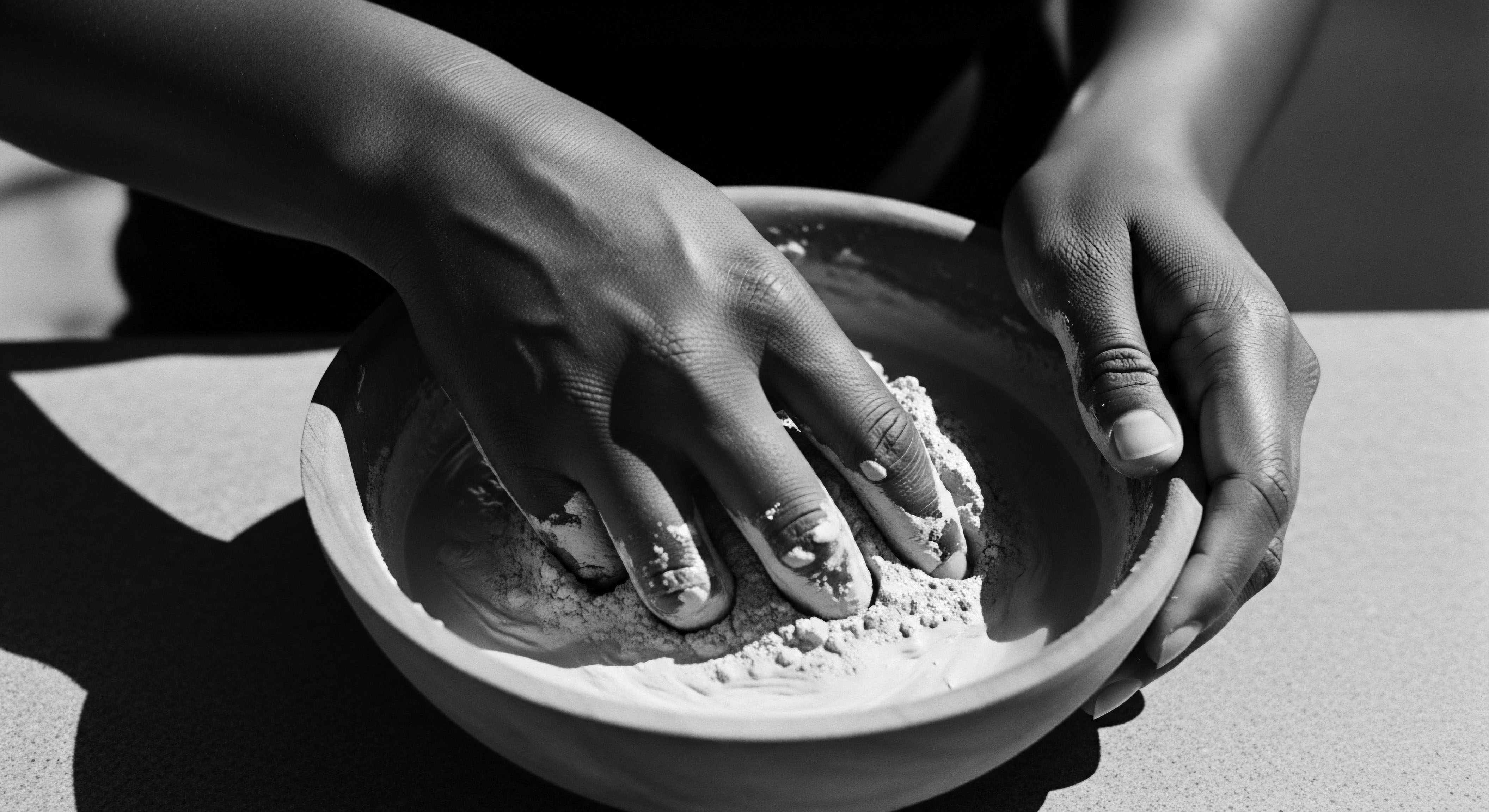
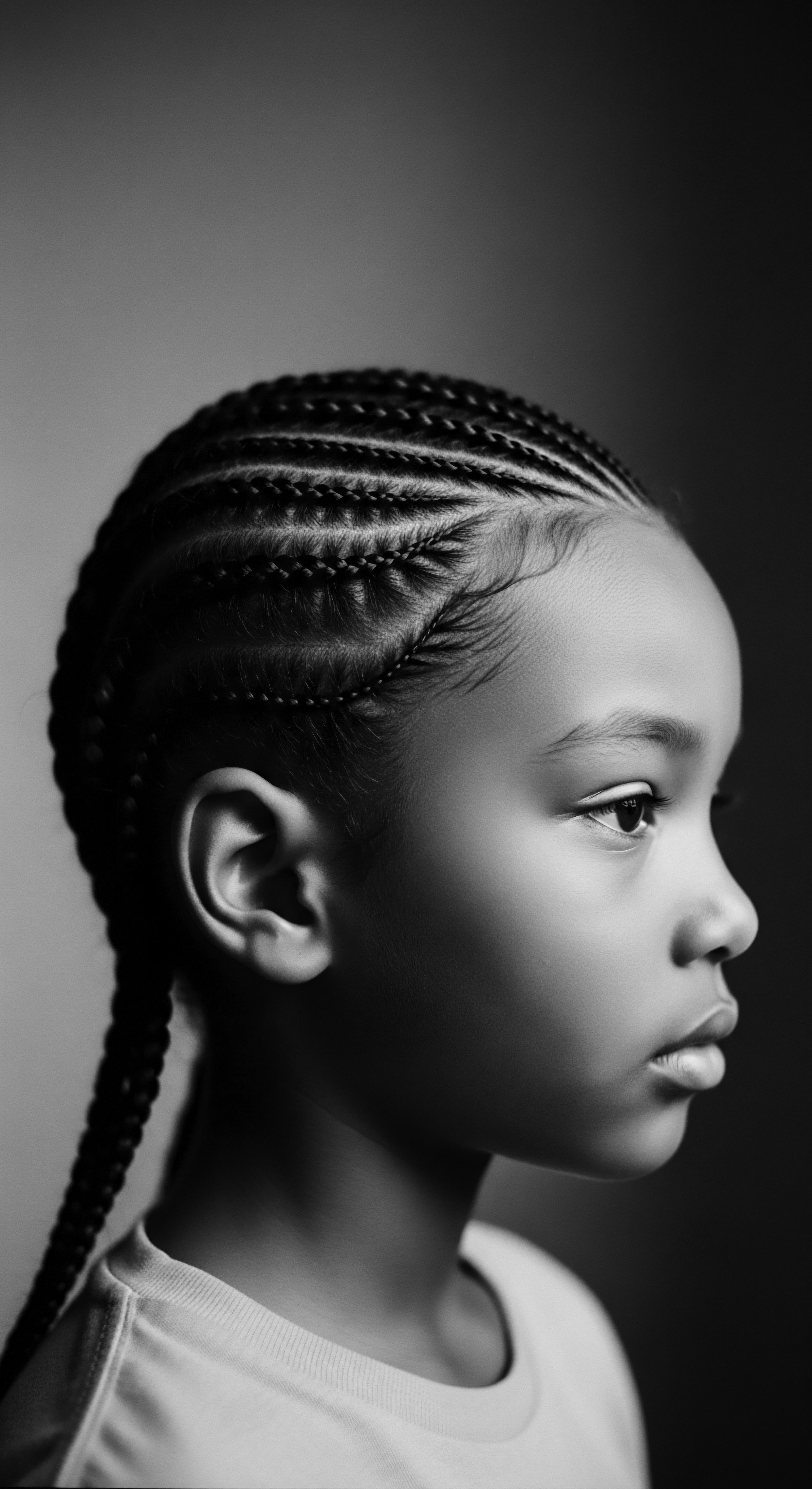
Ancestral ingredients like shea butter and Chebe powder enhance cornrow durability by providing deep moisture and protection, rooted in textured hair heritage.
Meaning ❉ Black Self-Reliance signifies the innate capacity of Black communities to define their reality and well-being through cultural ingenuity and collective strength.
Historical West African cleansing plants like African Black Soap, Moringa, and Hibiscus are used today, connecting modern hair care to textured hair heritage.
Enslaved Africans preserved heritage through hair practices by transforming styling into covert communication, a symbol of resistance, and a vessel for cultural memory.
African heritage offers botanicals like Shea butter, Baobab oil, and Chebe powder, historically used to moisturize, strengthen, and protect textured hair.
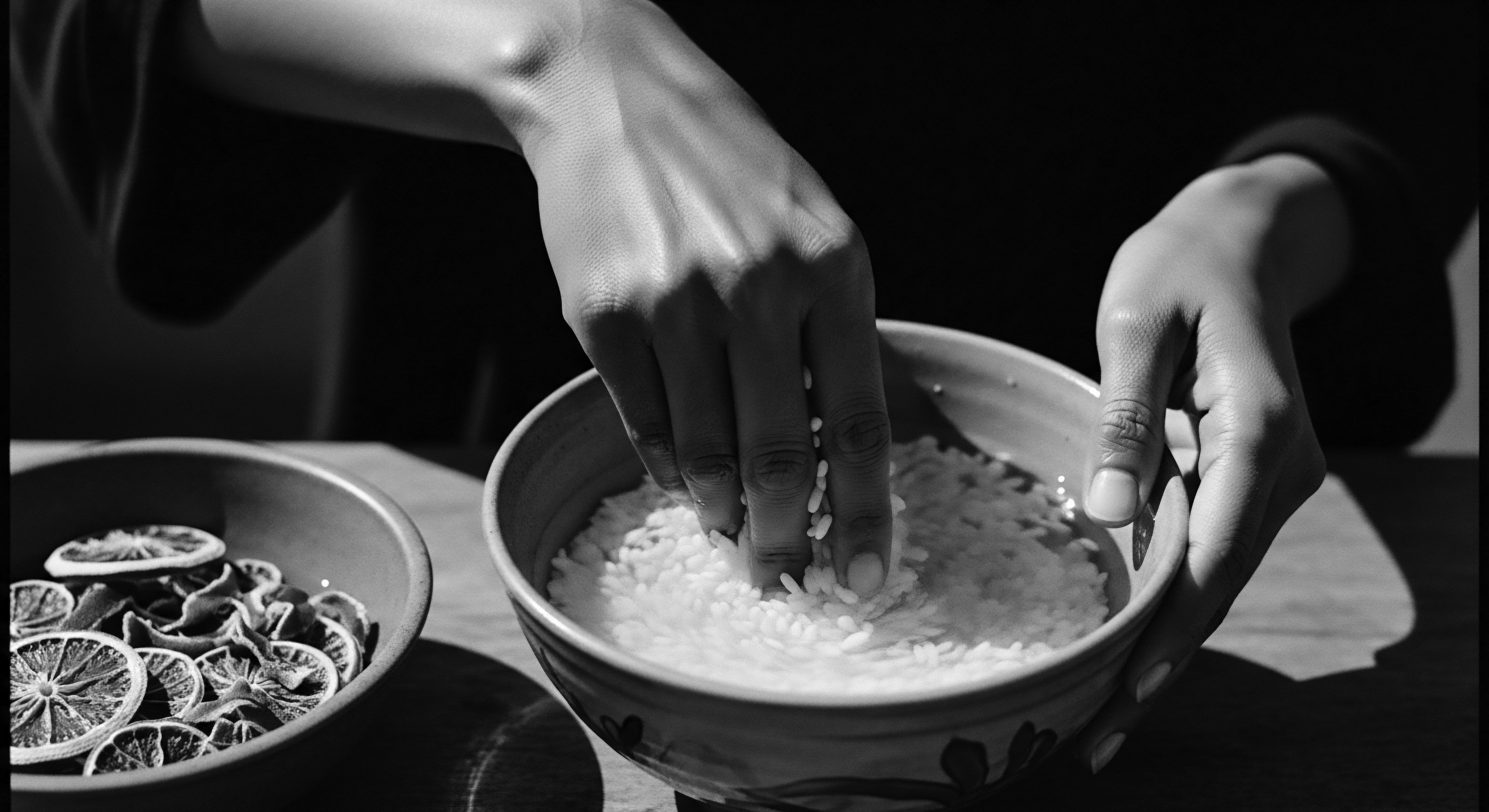
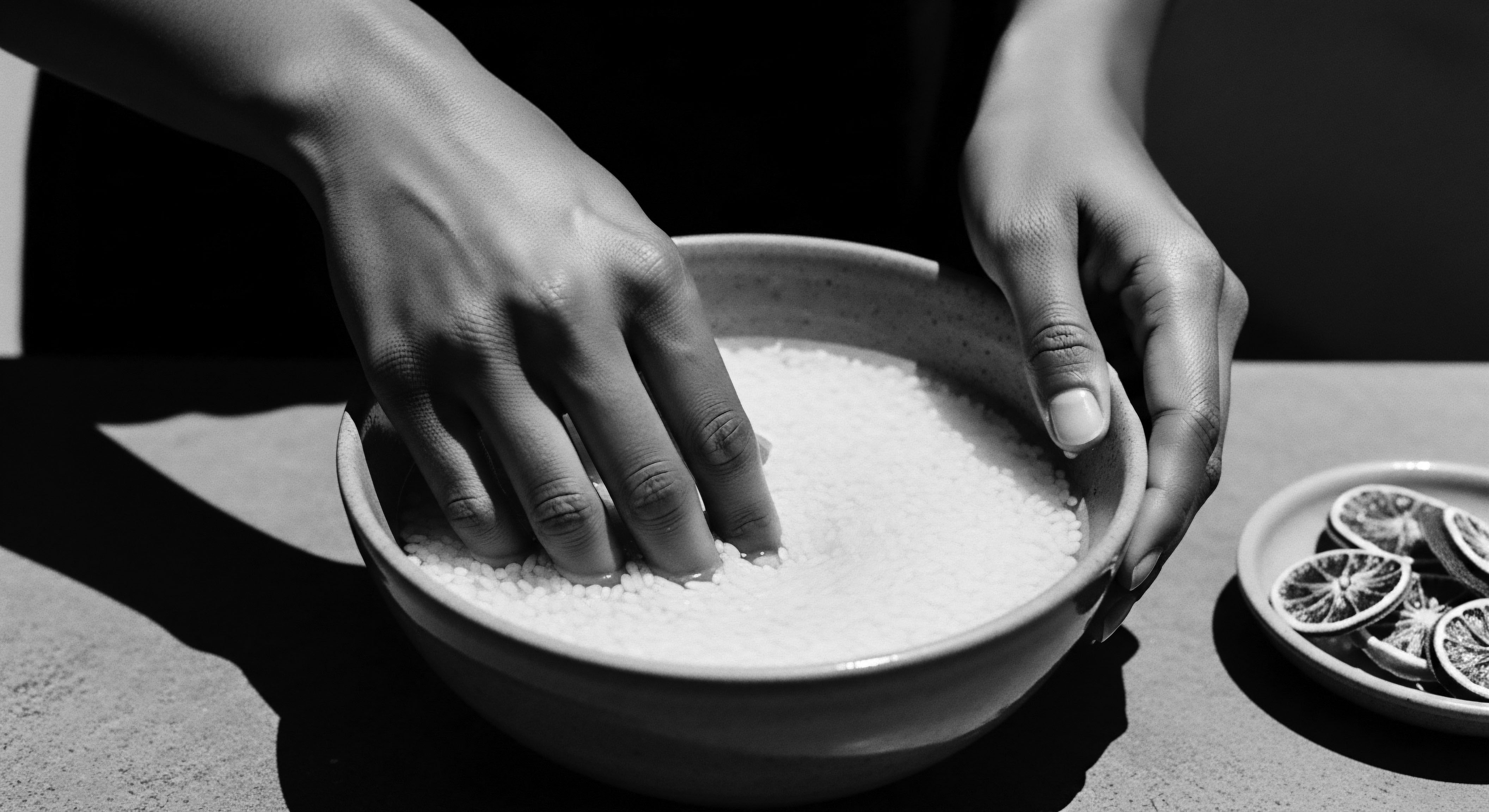
Ancient cultures utilized plant-based saponins, mineral clays, and acidic rinses for gentle hair cleansing, directly supporting textured hair heritage.
Ancient Egyptians used oils like castor, moringa, and sesame to condition and protect textured hair, a practice echoing through Black and mixed-race hair heritage today.
Traditional textured hair heritage relied on plant-based emollients like shea butter, castor oil, and coconut oil for their deeply nourishing and protective qualities.
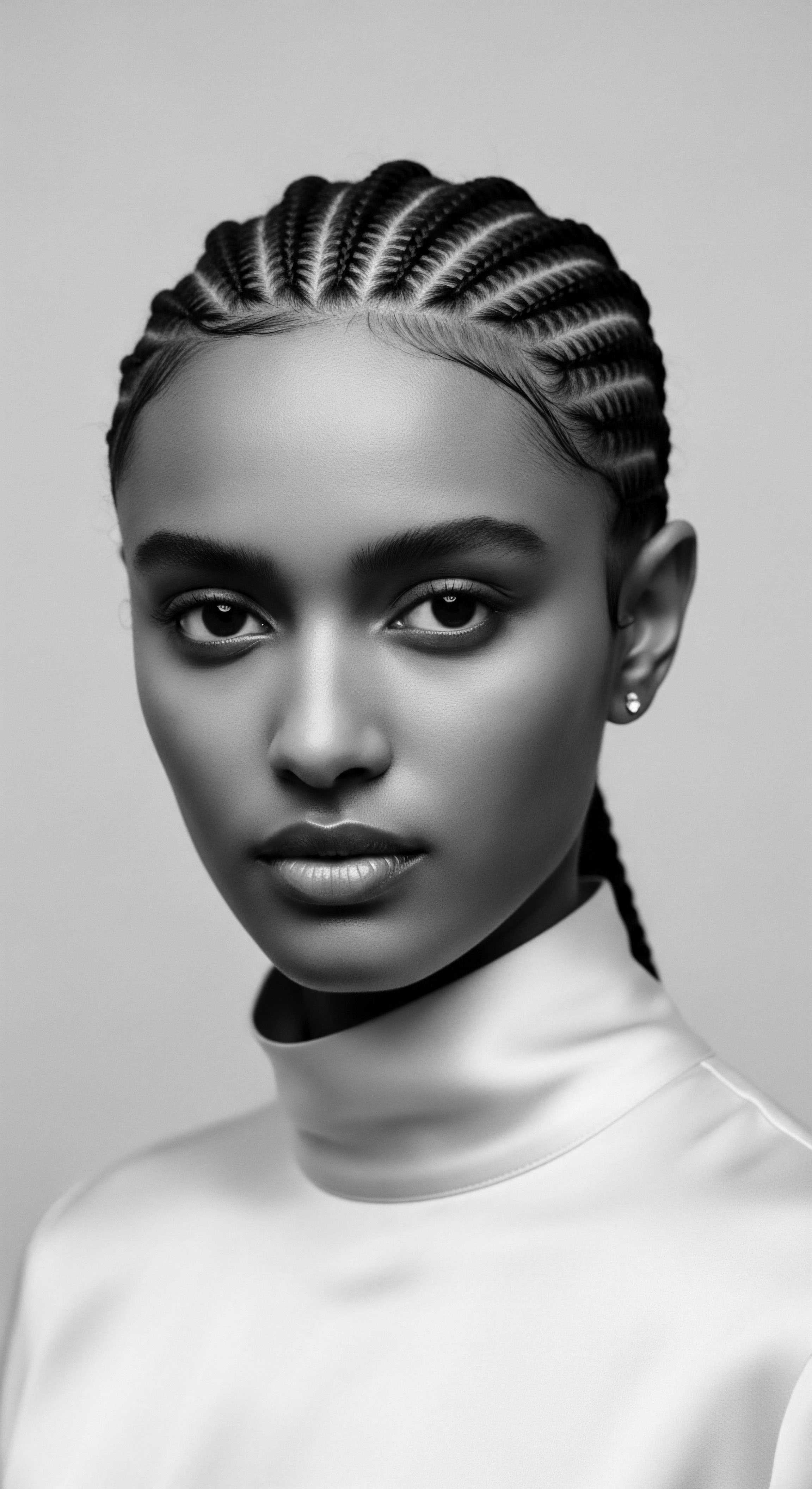
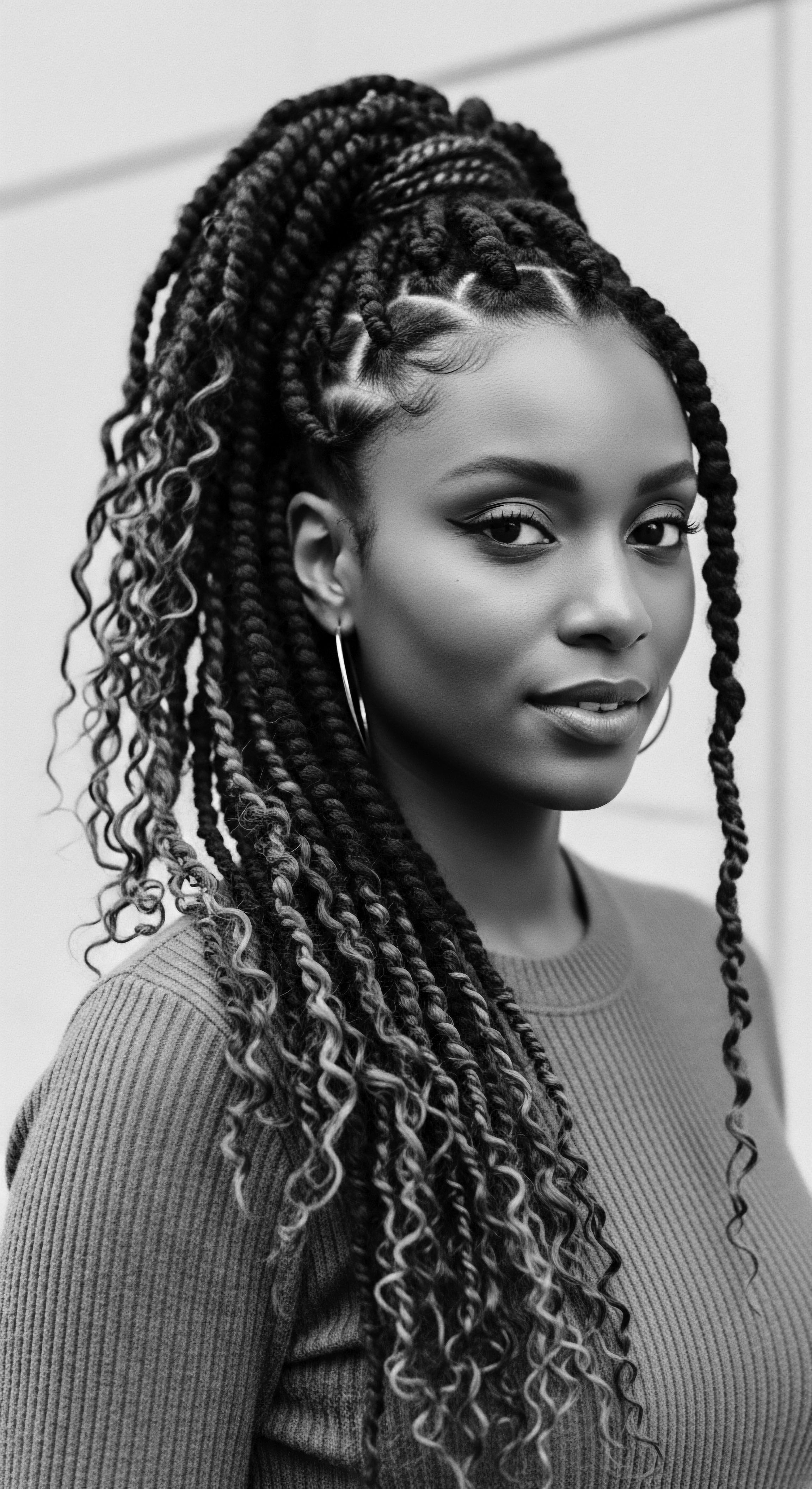
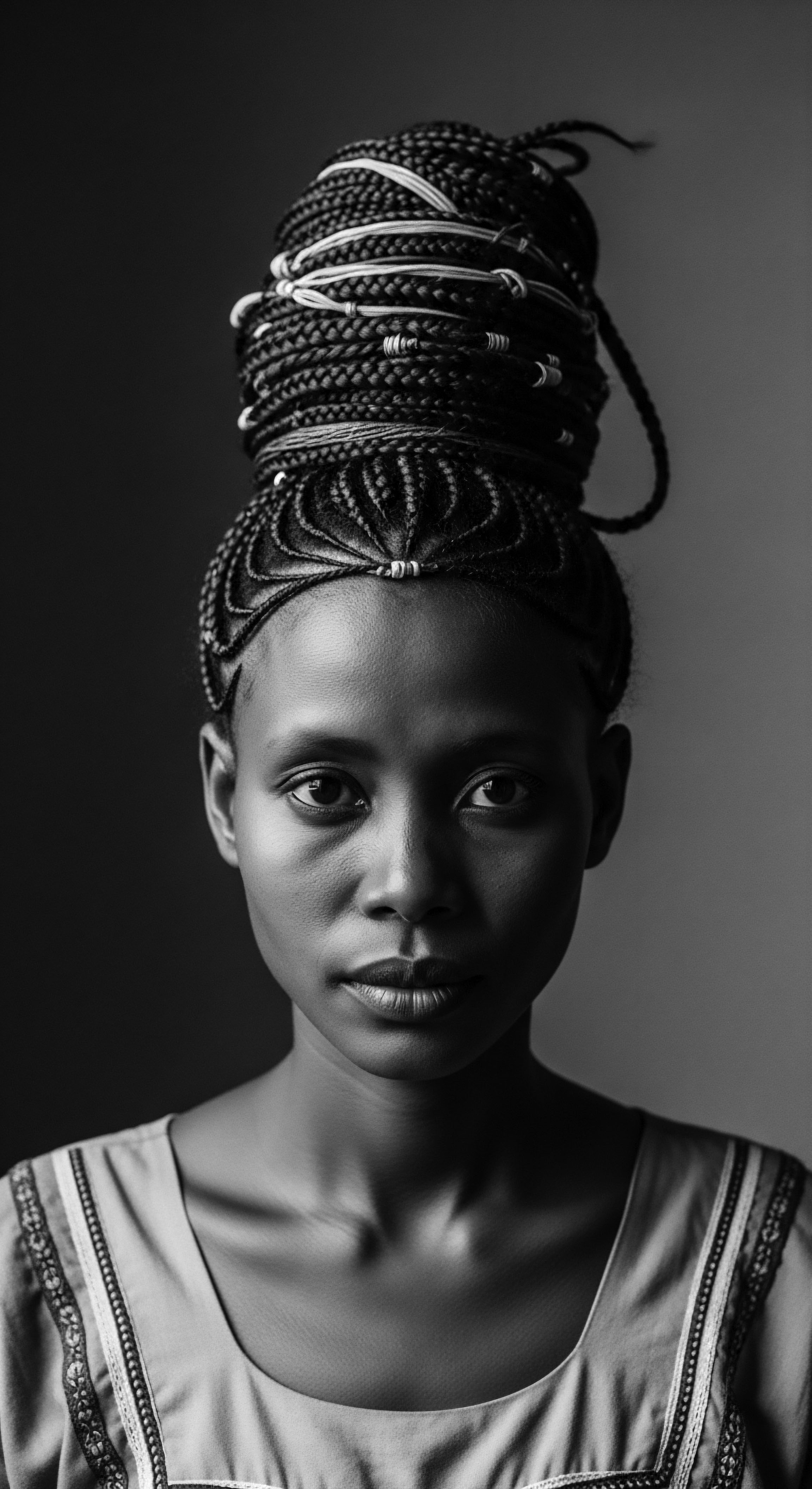
Meaning ❉ Traditional African Braids are ancient, culturally rich hairstyles signifying identity, social status, and spiritual connection for textured hair.
Historical hair rituals for textured hair serve as the blueprint for modern wellness practices, deeply connecting contemporary care to ancestral knowing and cultural resilience.
Slave diets, critically deficient in vital nutrients, led to brittle, thin, and dull hair, impacting its appearance and growth, a legacy shaping textured hair heritage.
We use cookies to personalize content and marketing, and to analyze our traffic. This helps us maintain the quality of our free resources. Manage your preferences below.
This helps support our free resources through personalized marketing efforts and promotions.
Analytics cookies help us understand how visitors interact with our website, improving user experience and website performance.
Personalization cookies enable us to customize the content and features of our site based on your interactions, offering a more tailored experience.