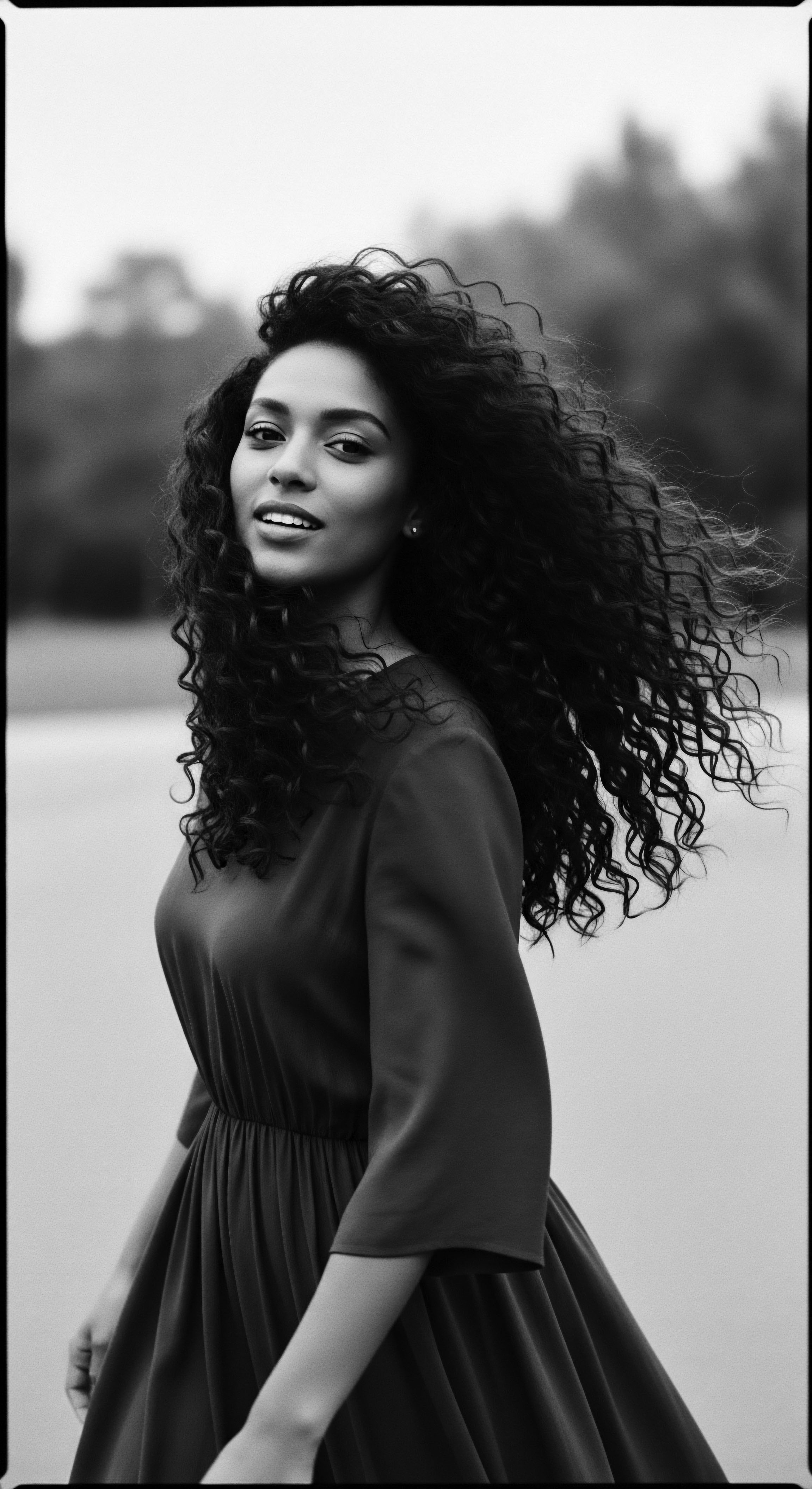
Meaning ❉ Sun Exposure Hair defines the structural and aesthetic changes in hair fibers from prolonged solar radiation, particularly impacting textured hair.
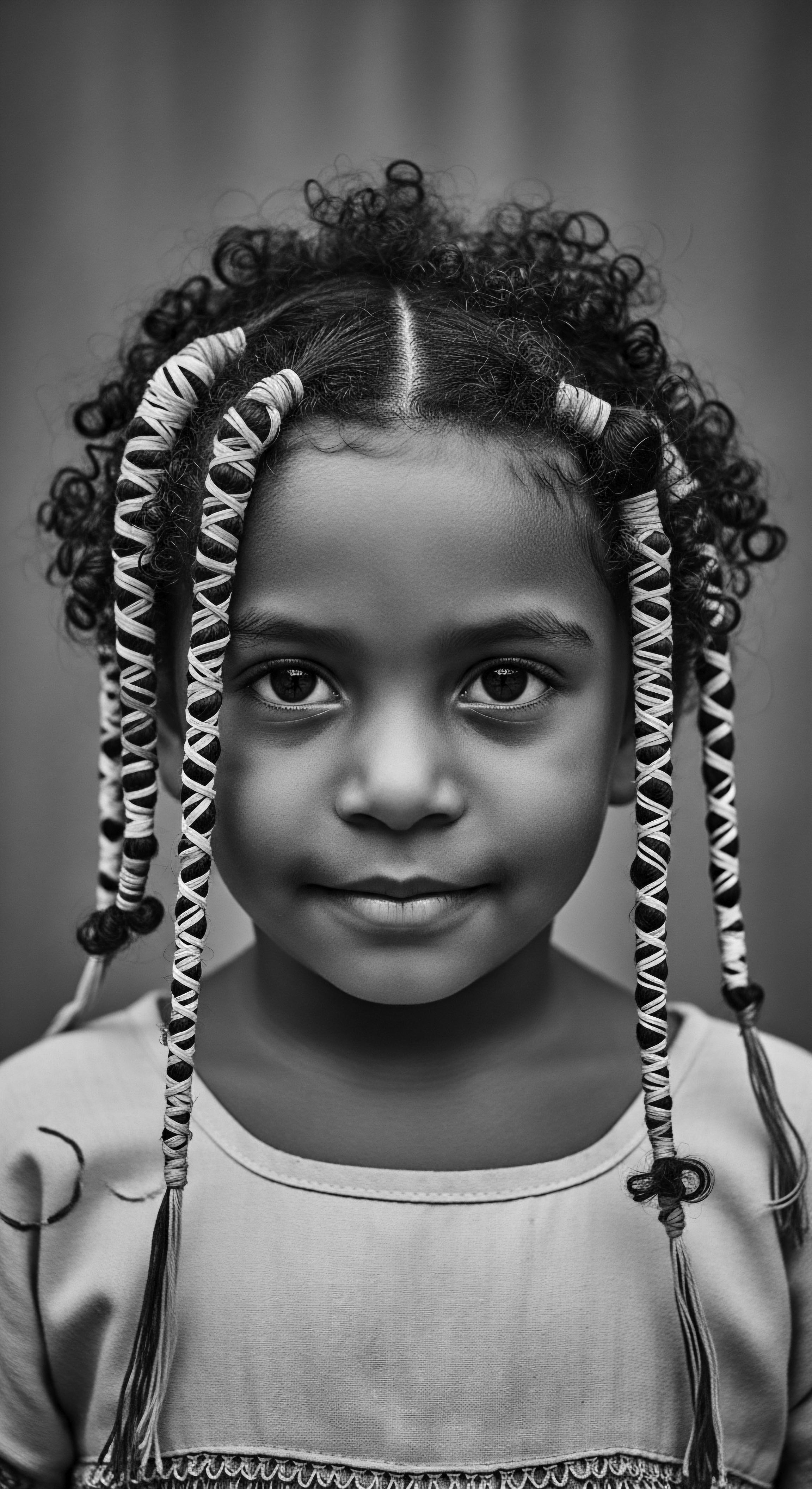
Ancient styling methods offer deep connections to Black and mixed-race identity by preserving historical narratives, cultural practices, and ancestral wisdom within textured hair heritage.
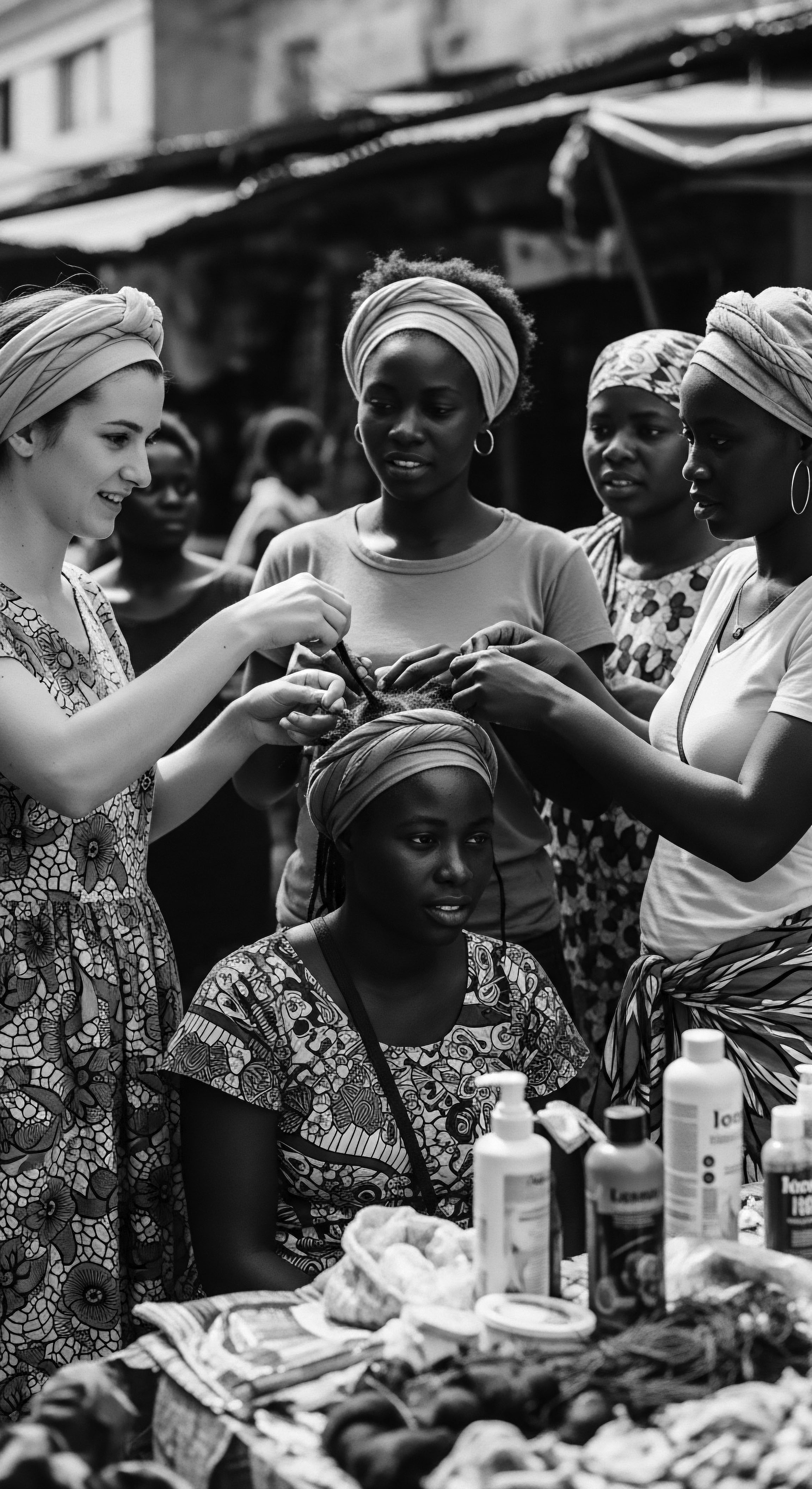
Scientific inquiry corroborates that traditional African hair care practices intuitively address textured hair's unique needs, honoring its ancestral heritage.
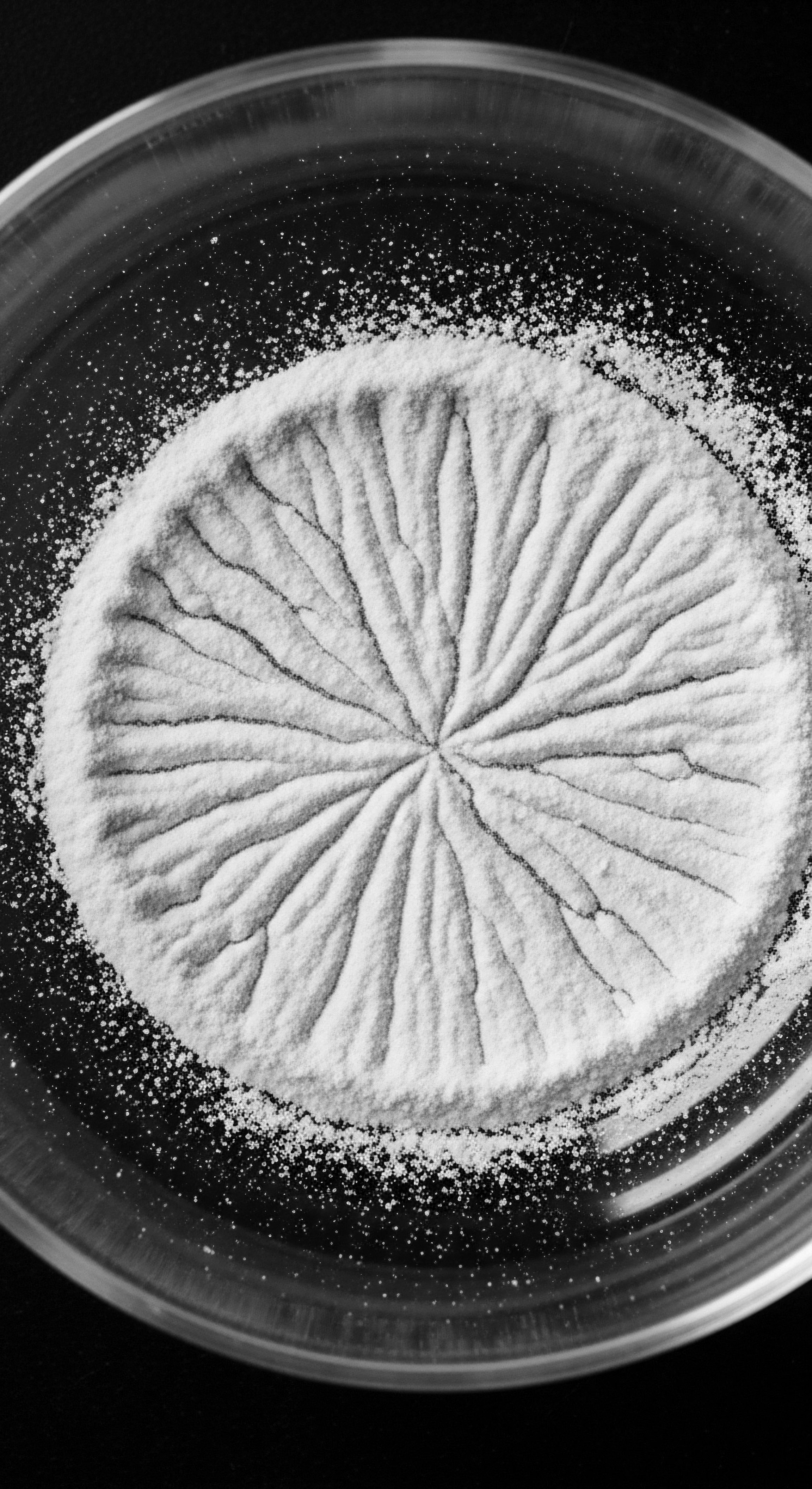
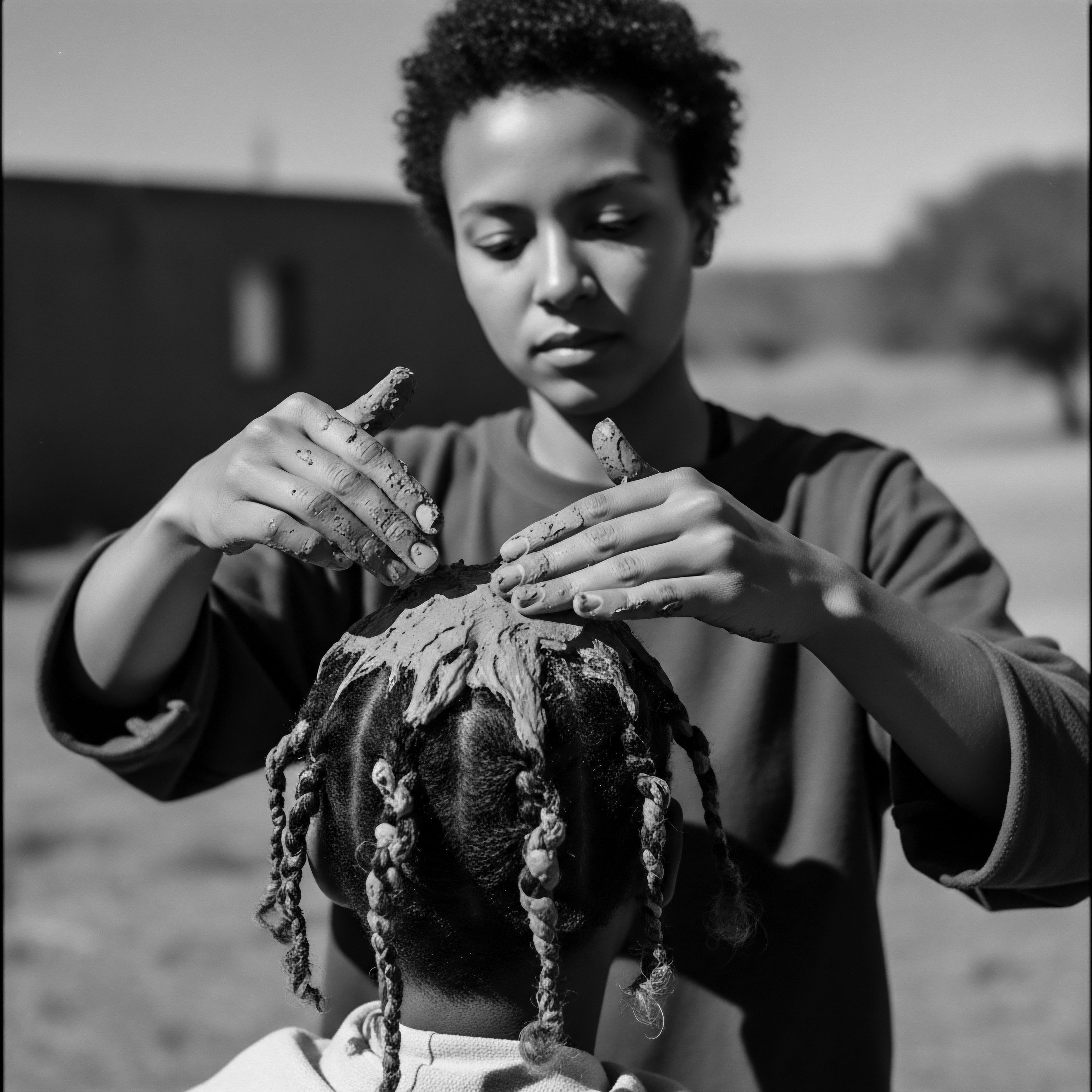
Traditional clay practices, rooted in ancestral knowledge, validate modern hair science by demonstrating effective, heritage-driven cleansing and balancing for textured hair.
Traditional African ingredients, when combined with ancestral care rituals, provide sustained nourishment and protection for textured hair, significantly aiding length retention and vigor.
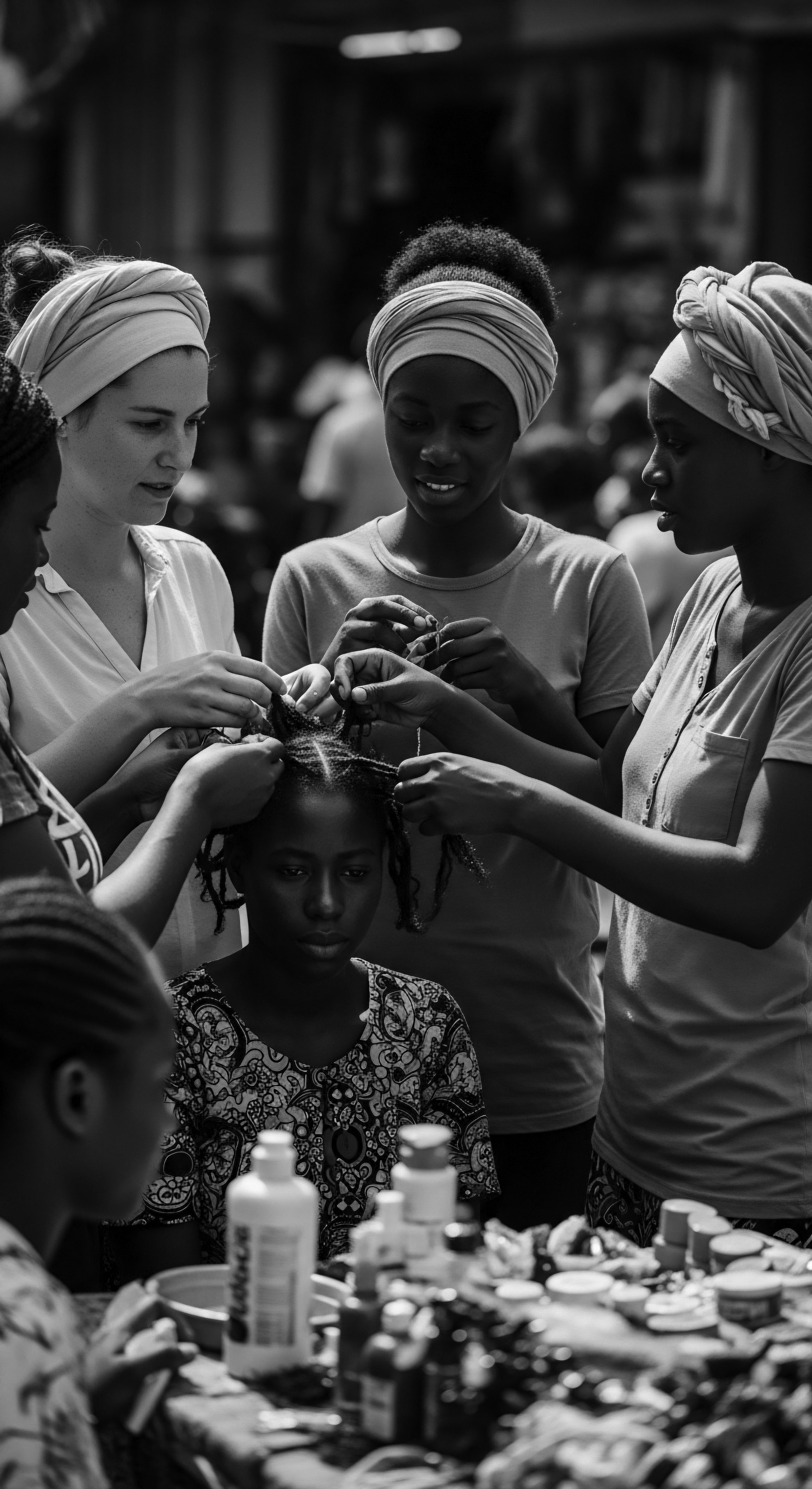
Ancestral hair care rituals shaped identity by forging connections to heritage, social status, and communal narratives through specific styling practices.
Protective styling in historical African contexts deeply signified identity and heritage through its coded patterns, communal rituals, and spiritual connections.
Black hair heritage fundamentally influenced early care formulations by prioritizing deep moisture and protection for textured hair through intuitive botanical wisdom.
Oil structure influences textured hair moisture by either penetrating the strand for internal hydration or forming a protective barrier to reduce water loss, honoring ancestral care wisdom.
Meaning ❉ Hair Adornments History explores the profound significance and evolving role of embellishing hair across cultures, particularly within textured hair heritage.
Ancestral practices shape modern hair care by providing a foundational understanding of textured hair, emphasizing communal care, and offering timeless protective styling methods.
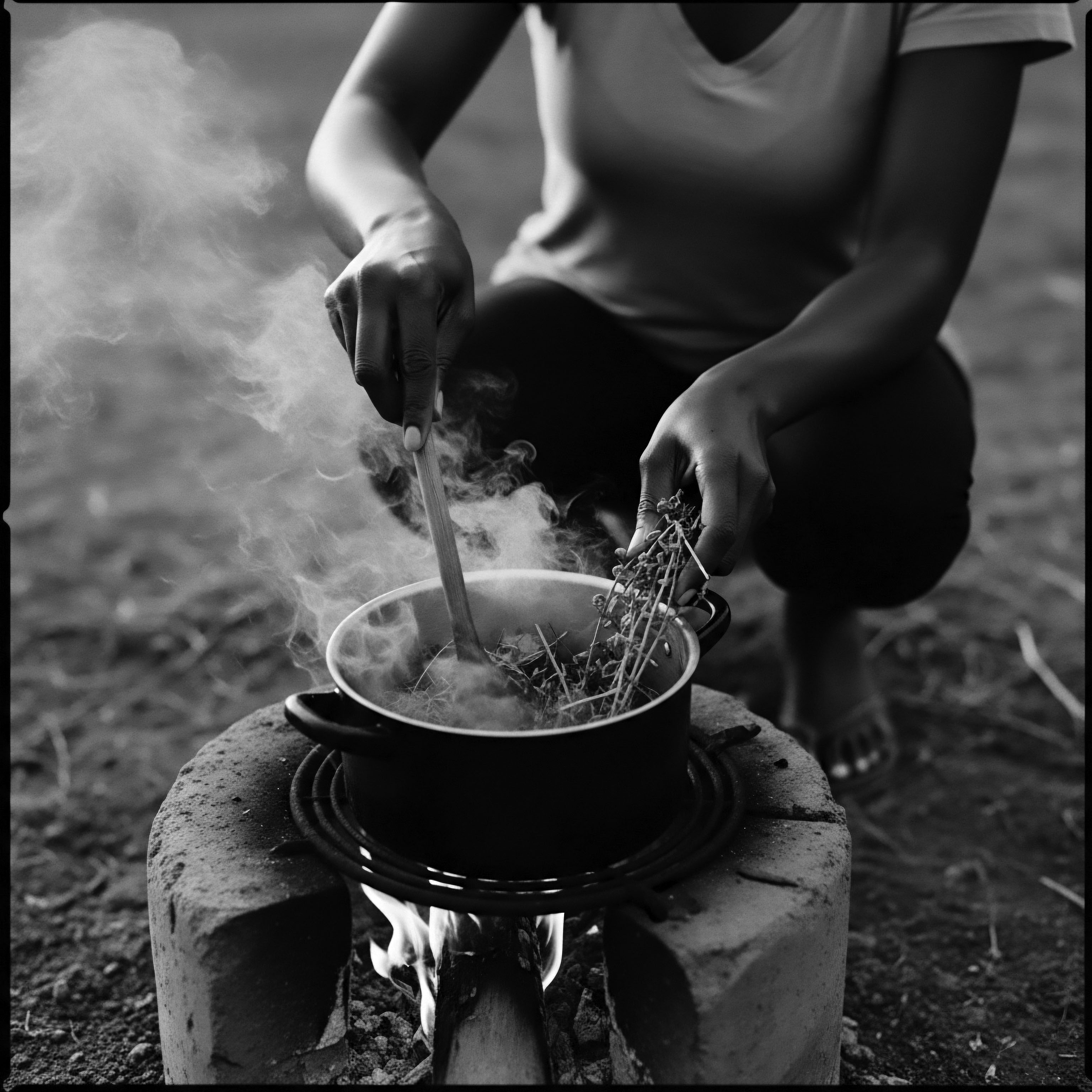
Ancient African hair care rituals provide profound insights for contemporary scalp health through time-tested herbal remedies and protective practices rooted in heritage.
Shea butter’s ancestral meaning for textured hair care rests in its deep West African heritage as a protective, nourishing balm and a symbol of women’s economic strength.
Understanding historical textured hair practices deepens cultural identity and self-care by connecting individuals to rich ancestral wisdom and resilience.
Meaning ❉ Pre-Colonial Wisdom encompasses ancestral African knowledge and practices for textured hair care, symbolizing identity, community, and resistance.
Modern science affirms the efficacy of ancestral textured hair care by revealing the precise biological and chemical benefits of long-standing practices.
We use cookies to personalize content and marketing, and to analyze our traffic. This helps us maintain the quality of our free resources. Manage your preferences below.
This helps support our free resources through personalized marketing efforts and promotions.
Analytics cookies help us understand how visitors interact with our website, improving user experience and website performance.
Personalization cookies enable us to customize the content and features of our site based on your interactions, offering a more tailored experience.