Textured Hair Supply Chain
Meaning ❉ The Textured Hair Supply Chain encompasses the entire historical journey of resources and practices for textured hair, rooted in ancestral wisdom and evolving through cultural resilience.
What specific properties of castor oil assist textured hair health?
Castor oil, a heritage botanical, assists textured hair by sealing moisture, fortifying strands, and fostering scalp wellness through its unique fatty acid composition.
What ancestral styling methods shielded textured hair from harm?
Ancestral methods protected textured hair through low-manipulation styles, natural oils, and communal care, preserving its vitality and heritage.
What is the biological reason for textured hair’s vulnerability at night?
Textured hair’s unique structure makes it prone to friction and moisture loss overnight, a vulnerability long recognized and addressed by inherited protective heritage.
Which traditional ingredients shield textured hair from sun damage?
Traditional ingredients like shea butter, baobab oil, and moringa oil, often combined with protective styling, historically shielded textured hair from sun damage.
Gourd Ethnobotany
Meaning ❉ Gourd Ethnobotany explores the profound historical and cultural connection between gourds and textured hair care across generations.
What scientific principles confirm historical clay hair care for textured strands?
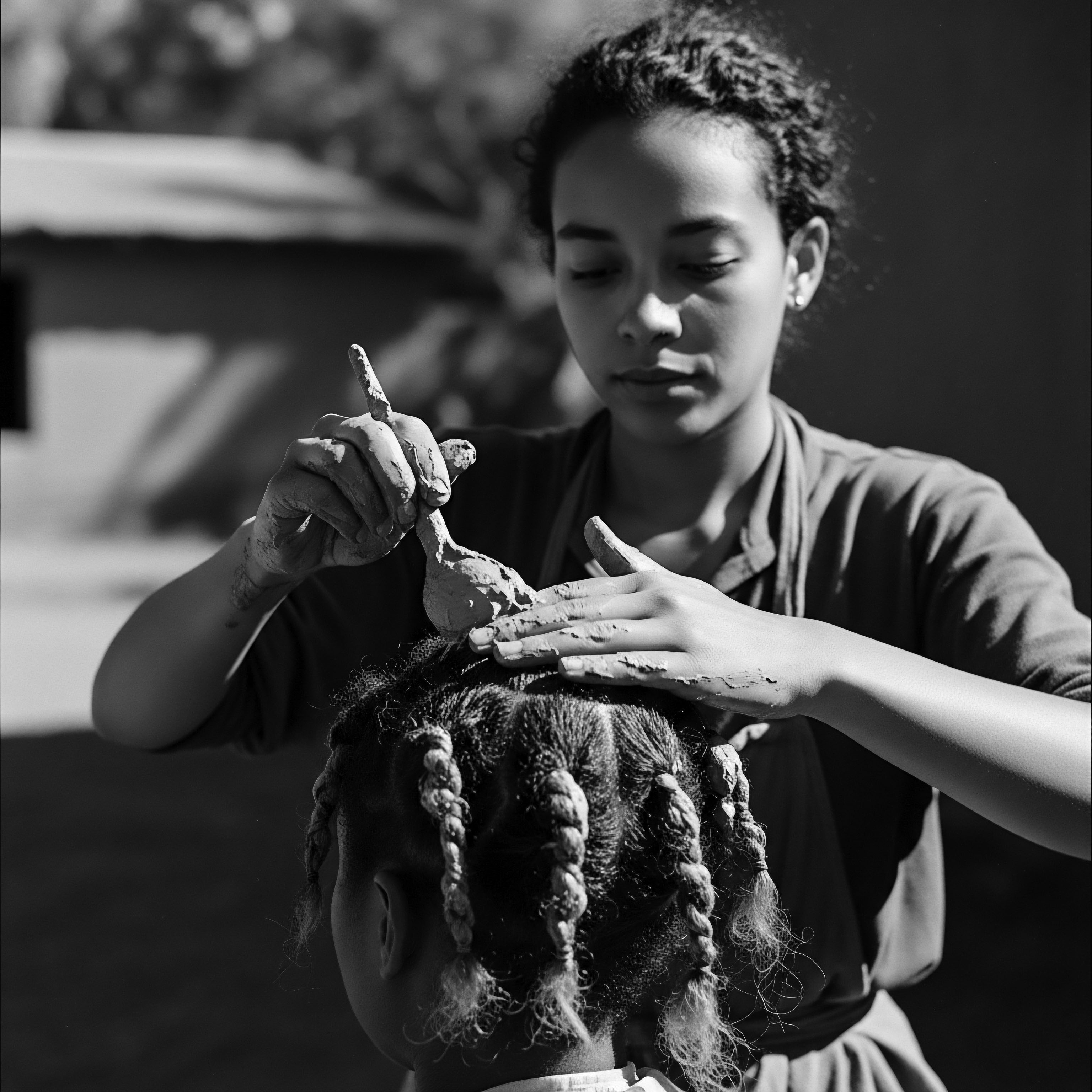
Historical clay hair care for textured strands is validated by clay's adsorption, mineral enrichment, and pH-balancing properties, rooted in ancestral wisdom.
Heavy Metal Contamination
Meaning ❉ Heavy metal contamination refers to the unwanted presence of dense metallic elements in hair, often rooted in historical exposures affecting textured hair heritage.
How does textured hair’s structure influence ancestral coloring practices?
Textured hair's coiled shape and cuticle structure dictated how ancestral colorants adhered and penetrated, deeply shaping heritage practices.
How does textured hair’s biology benefit from Chebe’s protective properties?
Chebe protects textured hair by forming a moisturizing, strengthening barrier, deeply rooted in African ancestral heritage to retain length and resist breakage.
Hair Pigment Degradation
Meaning ❉ Hair pigment degradation is the natural reduction or loss of color in hair strands, deeply intertwined with cultural heritage.
Why do textured hair types need more oil?
Textured hair's unique helical structure impedes natural sebum distribution, necessitating external oils to honor its ancestral need for moisture.
What are ancestral practices for textured hair cleansing?
Ancestral practices for textured hair cleansing prioritized gentle, natural ingredients and methods to preserve moisture and honor cultural heritage.
What historical evidence connects henna to textured hair strength?
Henna's historical use across African and Asian cultures provides evidence of its ability to strengthen textured hair.
What is the ancestral understanding of textured hair biology?
Ancestral wisdom on textured hair biology rooted in practical care, communal significance, and environmental harmony.
Clay Scalp Care
Meaning ❉ Clay Scalp Care is the deep, heritage-infused practice of using mineral-rich earths to cleanse and nurture textured hair and scalp.
How do fermented ingredients support textured hair health?
Fermented ingredients enhance textured hair health by increasing nutrient absorption, balancing scalp microbiome, and strengthening strands, connecting to deep ancestral care.
How does rhassoul clay connect to ancestral wellness practices for textured hair?
Rhassoul clay deeply connects to textured hair heritage by providing ancient, mineral-rich cleansing and conditioning, honoring ancestral wellness traditions.
Eugenol Benefits
Meaning ❉ Eugenol Benefits encompass the myriad ways this natural compound supports scalp vitality and hair strength, rooted in ancient traditions and validated by science.
How did plant oils nourish ancient textured hair?
Ancient plant oils sustained textured hair by providing moisture and protection, a testament to enduring heritage.
Can historical cleansing ingredients explain textured hair’s moisture needs?
Historical cleansing ingredients, rooted in heritage, reveal how gentle, natural formulations supported textured hair’s moisture needs by nourishing while purifying.
Can modern science validate clay’s ancestral uses for textured hair?
Modern science confirms ancestral insights, demonstrating how clays enhance textured hair health through mineral properties and cleansing actions.
Herbal Washes
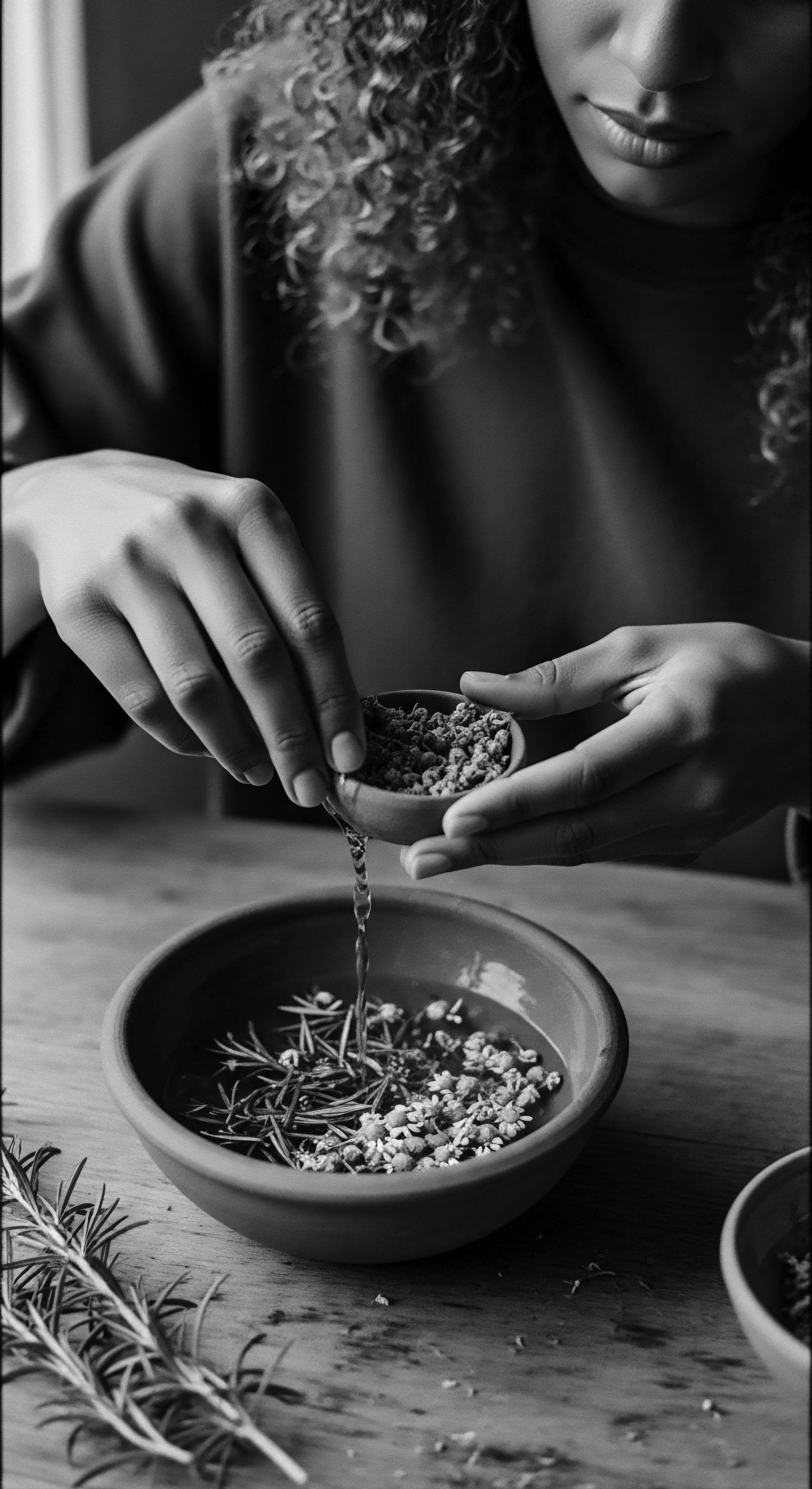
Meaning ❉ Herbal Washes are plant-derived liquid preparations for gentle hair and scalp cleansing, deeply rooted in diverse ancestral and cultural practices.
What is the ancestral meaning behind textured hair wash days?
Textured hair wash days symbolize an ancestral grounding in holistic care, community bonds, and the enduring celebration of Black and mixed-race identity.
Does silk help retain moisture in textured hair?
Silk helps textured hair retain moisture by reducing friction and not absorbing natural oils, echoing centuries of ancestral hair protection methods.
In what ways do ancient hair care methods influence modern textured hair practices and identity?
Ancient hair practices deeply shape modern textured hair care and identity by transmitting ancestral wisdom and cultural resilience.
What ancestral techniques enhanced textured hair moisture?
Ancestral techniques enhanced textured hair moisture through protective styling, natural emollients, and communal rituals rooted in heritage.
What is the ancestral significance of hair protection for textured hair?
Ancestral hair protection for textured hair holds profound heritage, reflecting survival, identity, and spiritual connection woven through generations of intentional care.
What historical oils nourished dry textured strands?
Historical oils like shea, castor, and coconut nurtured dry textured strands, reflecting ancestral wisdom and cultural heritage.