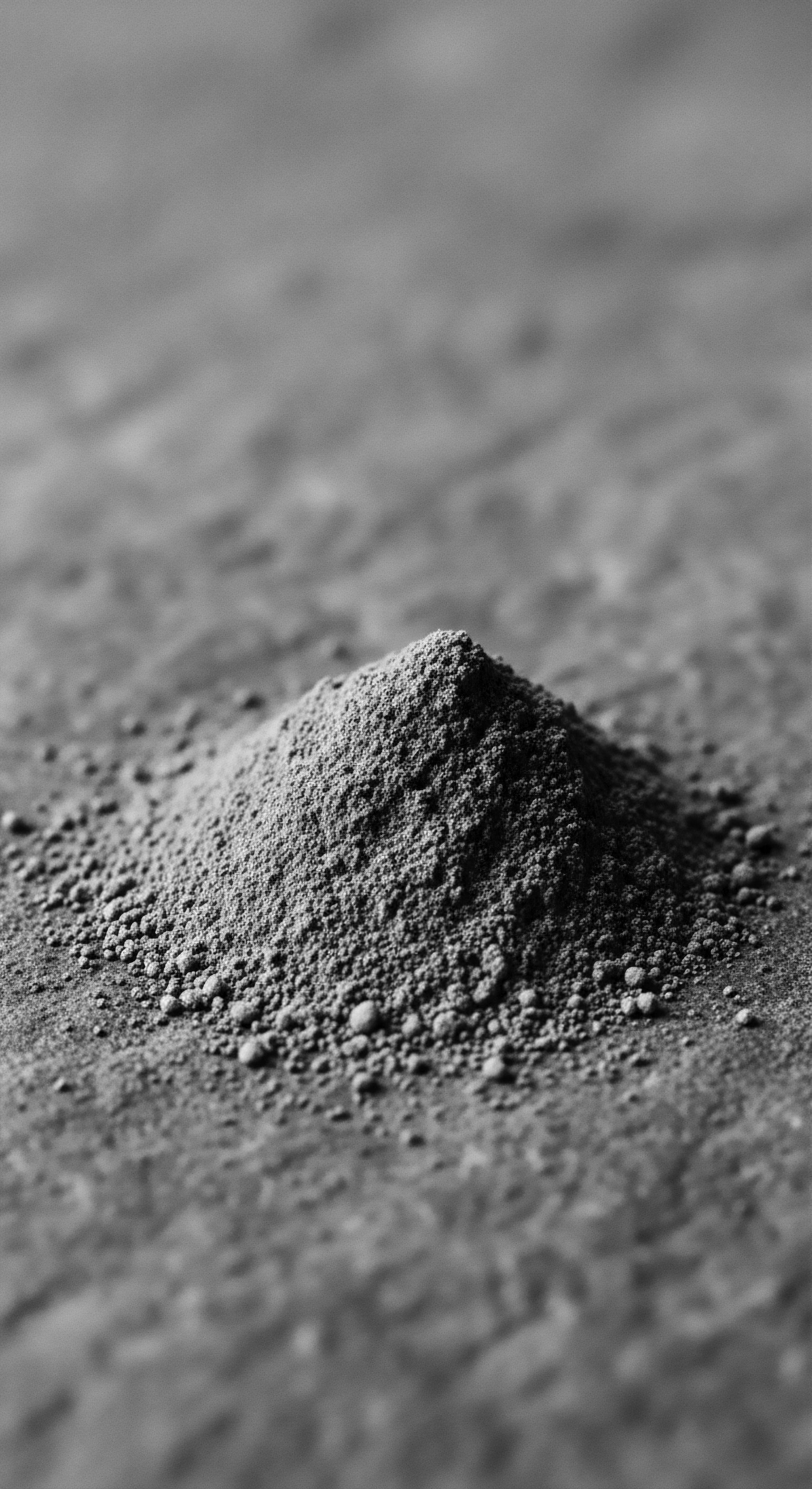
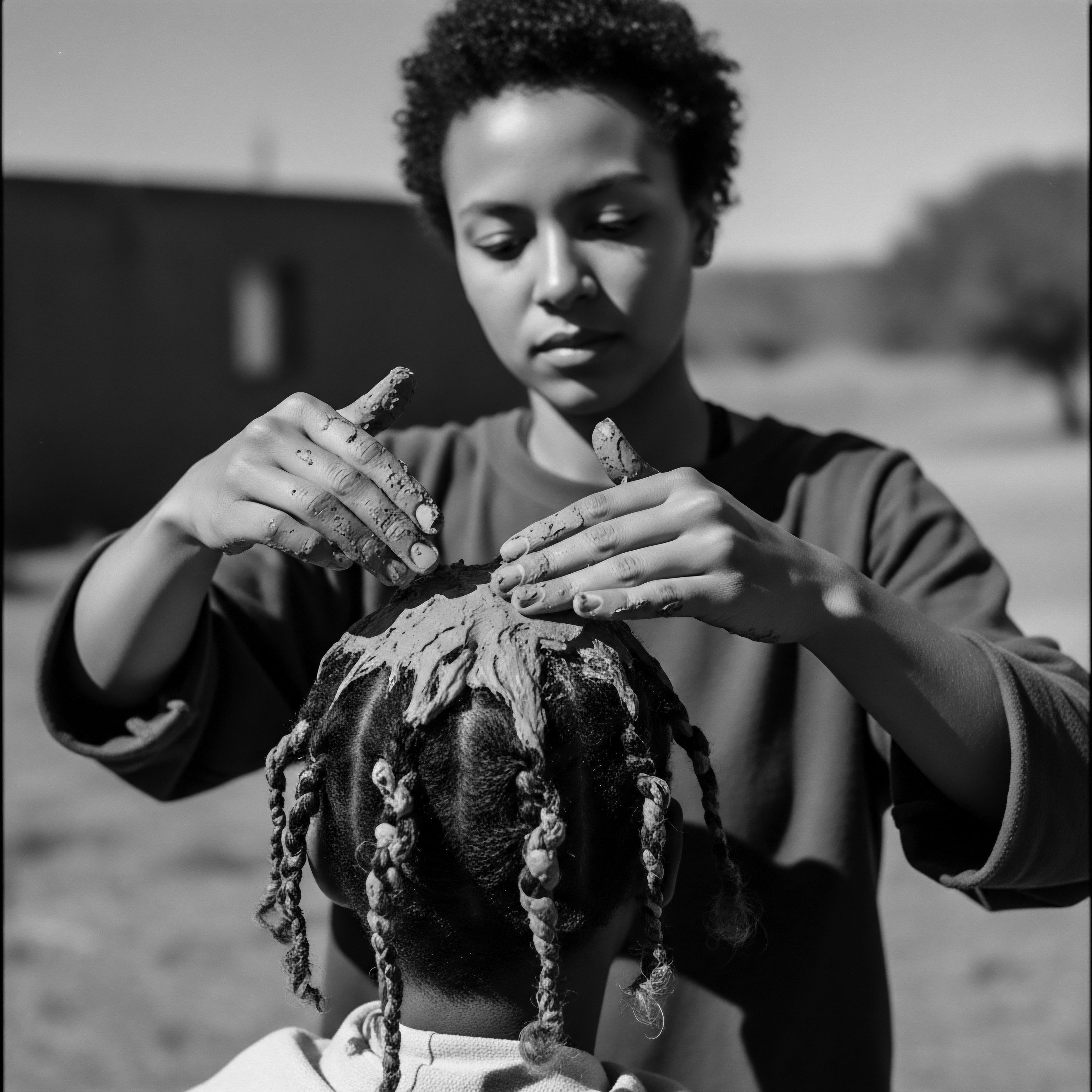
What mineral properties in clays benefit coiled hair heritage?
Clays offer minerals like silica and magnesium, providing traditional cleansing, strength, and moisture balance for coiled hair heritage.
Black Walnut Hair
Meaning ❉ Black Walnut Hair signifies hair enriched by the traditional use of Juglans nigra for color and care, embodying a deep connection to ancestral wisdom and natural resilience.
How did ancestral communities prepare henna for textured hair?
Ancestral communities prepared henna for textured hair by grinding dried leaves into a paste, often with acidic liquids and beneficial herbs, nurturing hair health and cultural identity.
What traditional ingredients from African heritage supported nighttime hair nourishment?
Traditional African ingredients such as shea butter and various botanical oils offered deep conditioning and protection to textured hair during nighttime rest.
How did head coverings safeguard hair health and cultural heritage during sleep?
Head coverings protect textured hair during sleep by reducing friction, retaining moisture, and preserving intricate styles, a practice deeply rooted in ancestral heritage.
What traditional plant ingredients were used for cleansing textured hair?
Traditional plant ingredients like rhassoul clay, soap nuts, and aloe vera gently cleansed textured hair, honoring ancestral heritage and unique needs.
Textured Hair Origin
Meaning ❉ The Textured Hair Origin defines the inherited biological blueprint and ancestral practices that shape and honor hair's diverse natural patterns.
What historical comb materials were best for textured hair?
Historical combs for textured hair primarily featured natural materials like wood, bone, and horn, chosen for their gentle interaction with hair and their deep cultural significance within textured hair heritage.
How does African heritage influence hair practices?
African heritage profoundly shapes hair practices by infusing them with historical purpose, communal ritual, and resilient identity.
What historical botanical practices still nourish textured hair?
Historical botanical practices for textured hair care, deeply rooted in ancestral knowledge, emphasize natural ingredients for moisture and protection.
Can traditional African practices validate modern textured hair science?
Traditional African hair practices offer empirical validation for modern textured hair science, rooted in centuries of heritage.
How does textured hair heritage connect to identity?
Textured hair heritage shapes identity through ancestral practices, historical resistance, and ongoing cultural affirmation.
What ancestral knowledge of textured hair did early cultures possess?
Early cultures possessed deep knowledge of textured hair, utilizing natural ingredients, protective styles, and tools that expressed identity and heritage.
What ancestral practices supported textured hair growth?
Ancestral practices for textured hair growth centered on natural ingredients, protective styling, scalp care, and holistic well-being, deeply honoring heritage.
Did ancient hair practices influence modern textured hair care heritage?
Ancient hair practices profoundly influence modern textured hair care, rooting it in a rich heritage of cultural meaning and resilient wisdom.
What ancestral hair traditions mirror modern textured hair care?
Ancestral hair traditions mirror modern textured hair care through shared principles of moisture, protection, and cultural expression.
What historical sources document the use of specific oils in textured hair heritage?
Historical sources reveal specific oils, like shea, palm, and castor, were essential for nourishing textured hair heritage across African and diaspora communities.
What historical connection do plant ingredients have to textured hair care?
Plant ingredients historically formed the foundation of textured hair care, deeply connecting ancestral practices with enduring heritage.
Why does textured hair need special night care?
Textured hair needs special night care to shield its delicate structure from friction, preserve essential moisture, and honor ancestral practices.
What botanical remedies calm dry, irritated textured scalps from a heritage viewpoint?
Botanical remedies, rooted in textured hair heritage, calm dry, irritated scalps through ancestral wisdom and natural ingredients.
Calabash Gourd
Meaning ❉ The Calabash Gourd is a traditional vessel, embodying ancestral wisdom, cultural identity, and historical resilience in textured hair practices.
What cultural heritage does oiling textured hair represent?
Oiling textured hair embodies a deep cultural heritage of protection, identity, and intergenerational wisdom for Black and mixed-race communities.
What ancient beauty rituals benefited textured hair?
Ancient beauty rituals for textured hair centered on protective styling and natural botanicals, rooted deeply in heritage and cultural expression.
Which historical practices illuminate plant extract benefits for textured hair heritage?
Historical practices reveal plant extracts like shea butter, chebe powder, and castor oil were foundational in nurturing textured hair heritage.
What ancient plant remedies strengthened textured hair heritage?
Ancient plant remedies, born from generational wisdom, profoundly fortified textured hair heritage by providing deep moisture, protection, and vital nutrients.
What historical significance do hair care rituals hold for textured hair communities?
Hair care rituals for textured hair communities are living archives of identity, defiance, and communal wisdom, deeply rooted in ancestral heritage.
Which traditional ingredients benefit textured hair porosity?
Traditional ingredients like shea butter, coconut oil, and rice water historically sealed and nourished hair, particularly benefiting textured hair porosity through ancestral practices.
Which traditional ingredients shielded textured hair from UV exposure?
Traditional ingredients like shea butter, palm oil, and henna provided a protective shield against UV exposure for textured hair.