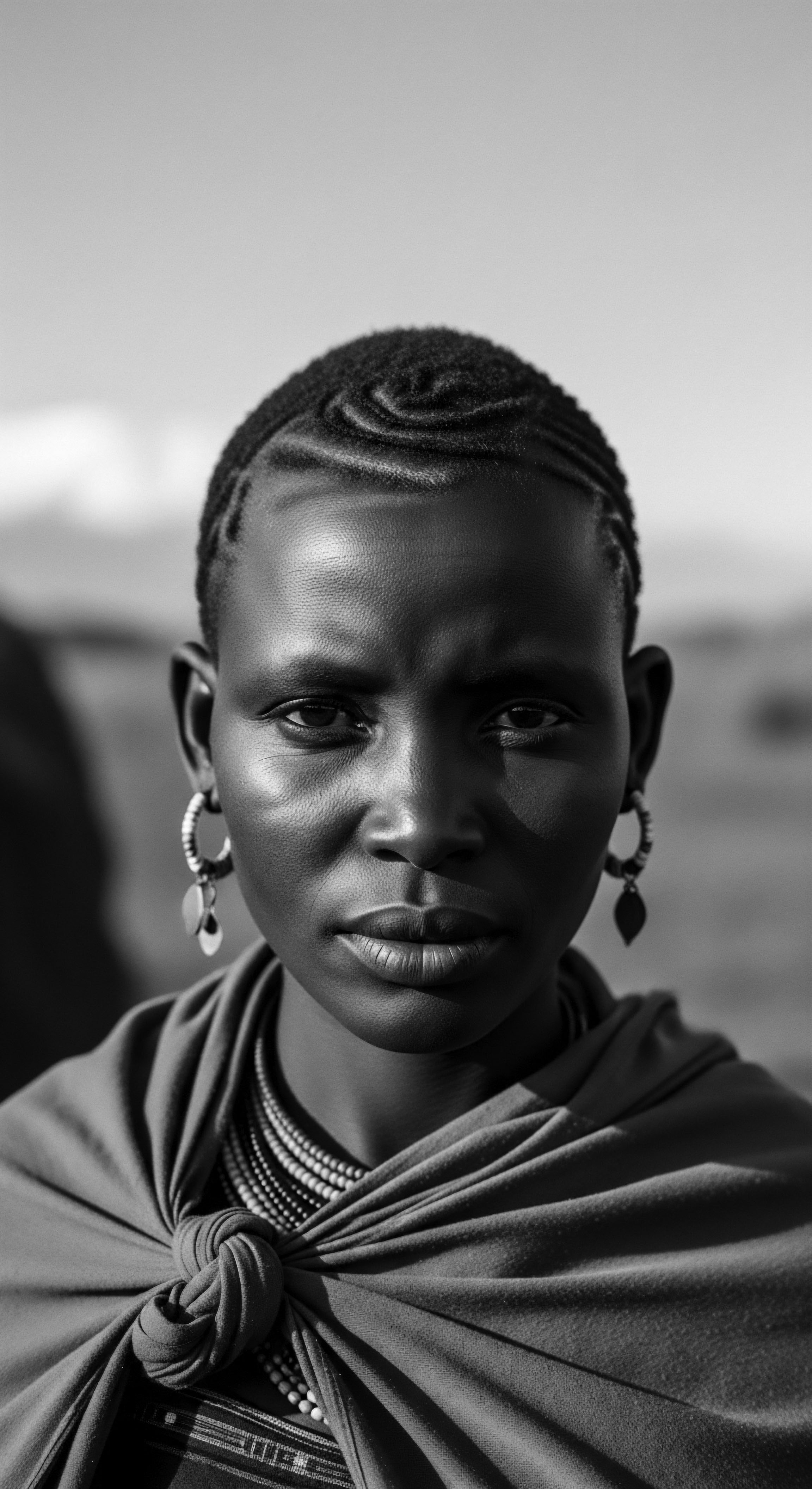
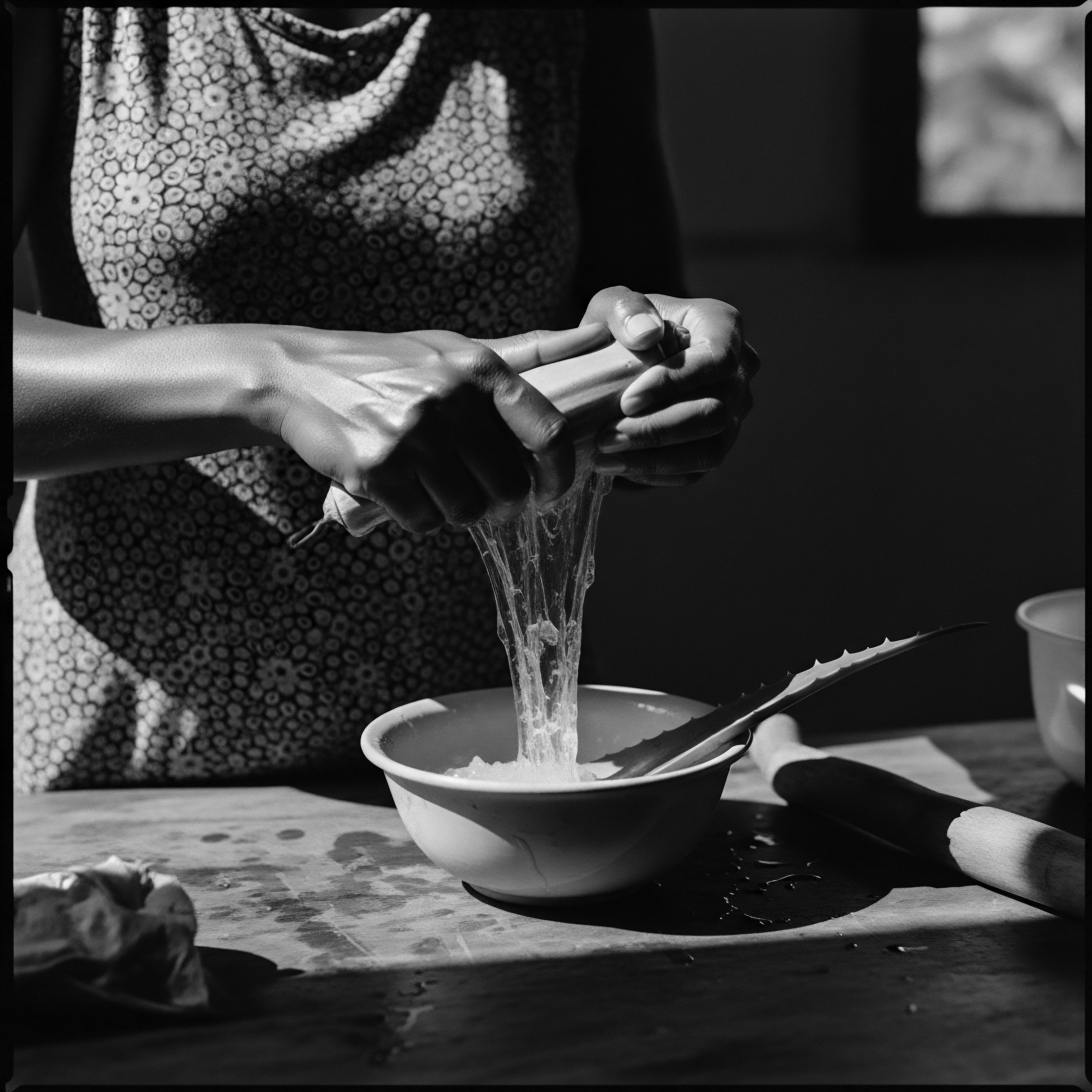
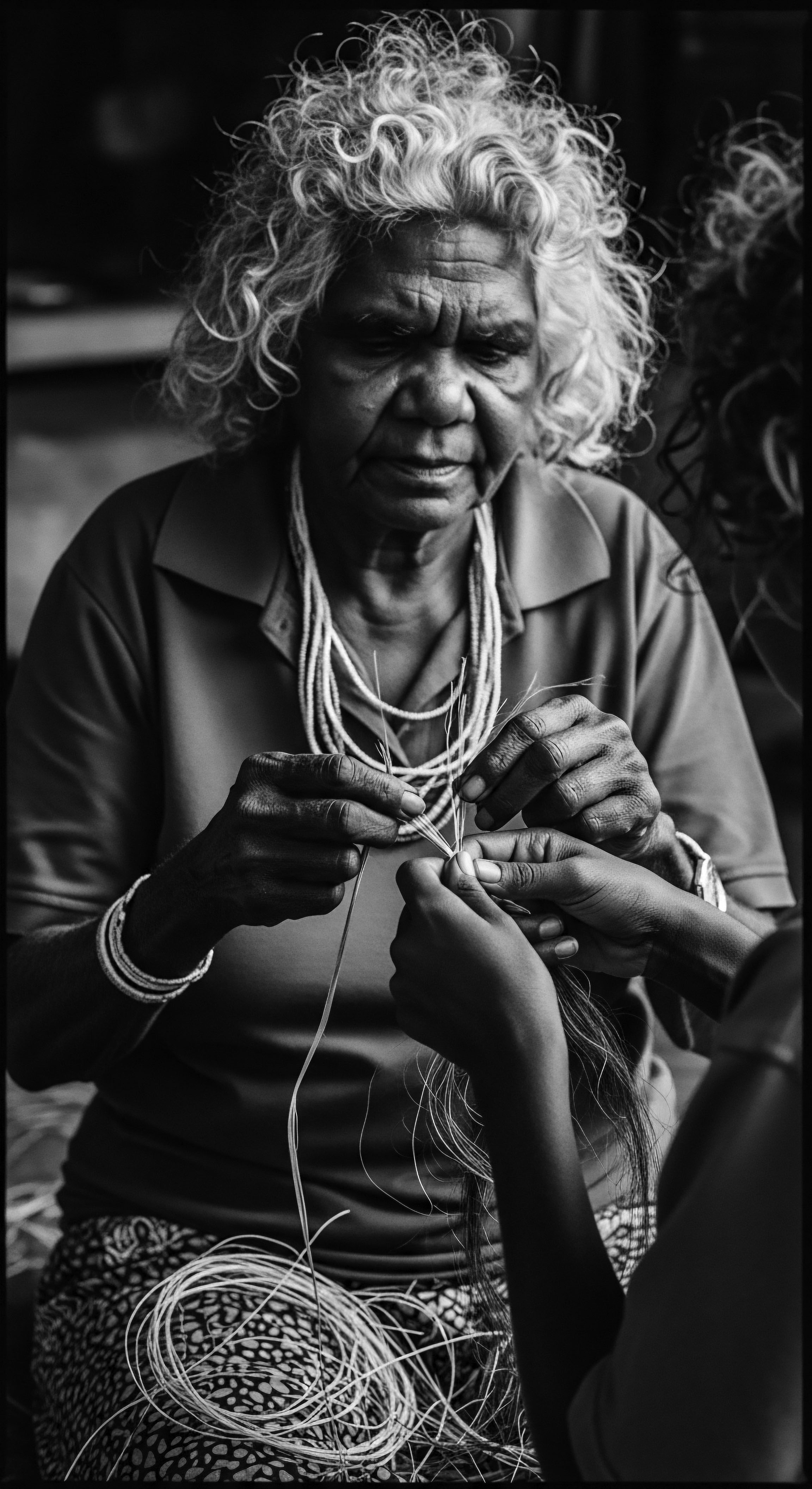
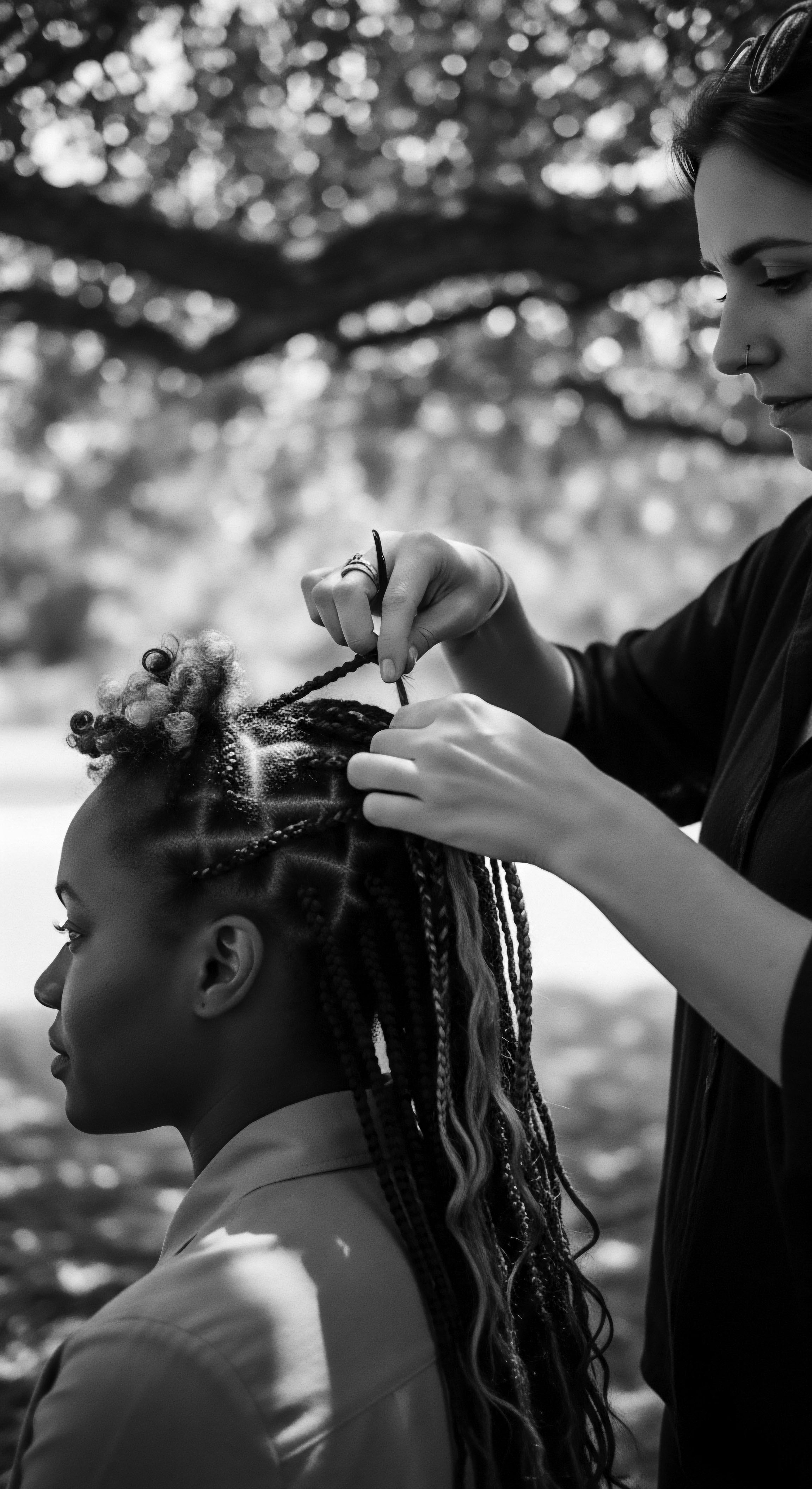
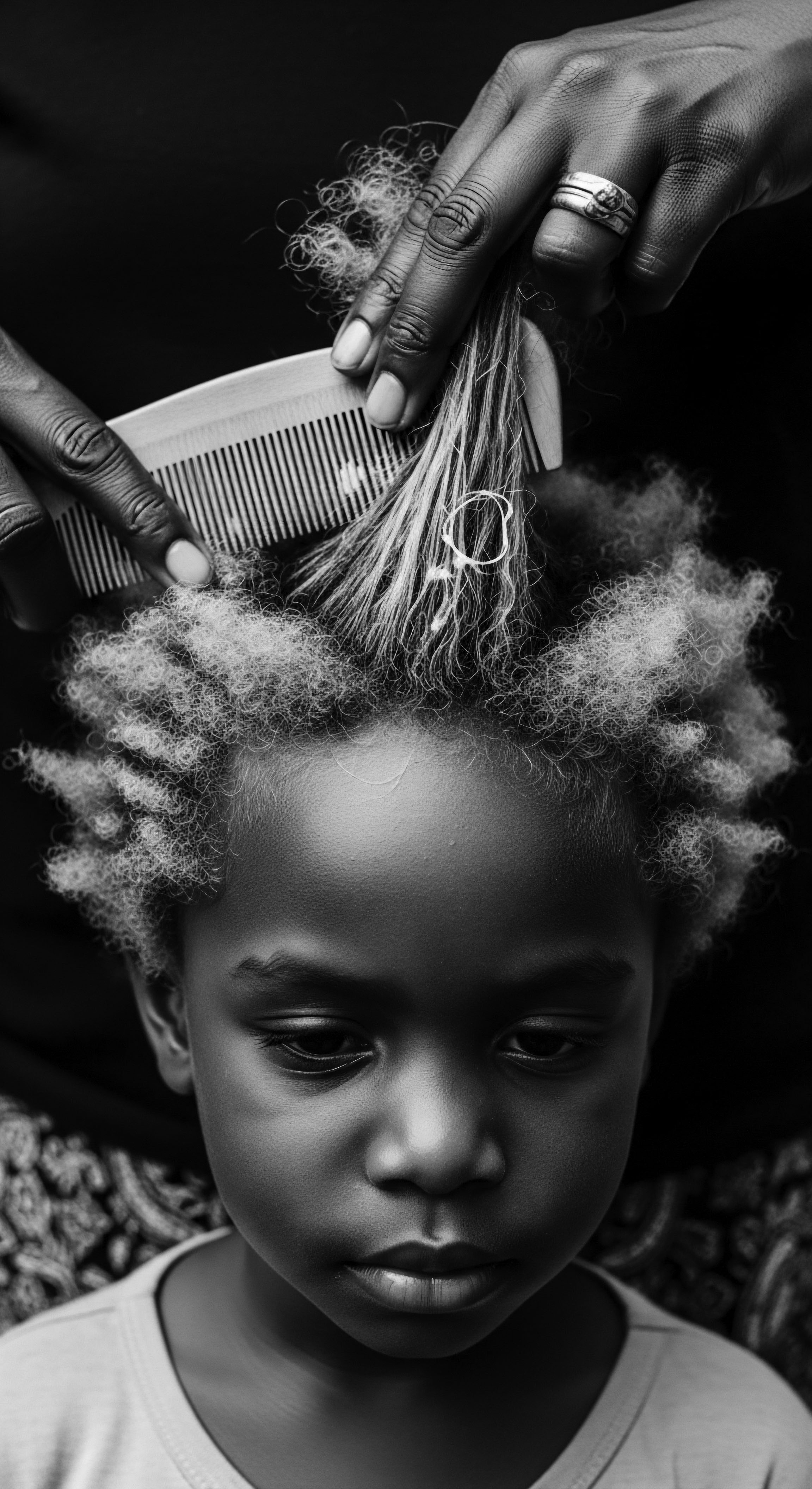
In what ways does textured hair represent enduring cultural identity?
Textured hair signifies enduring cultural identity through ancestral practices, historical resilience, and a living heritage of unique self-expression.
How do historical hair oiling traditions connect to textured hair identity today?
Historical hair oiling traditions are fundamental to textured hair identity, preserving ancestral practices and symbolizing cultural resilience and deep self-care.
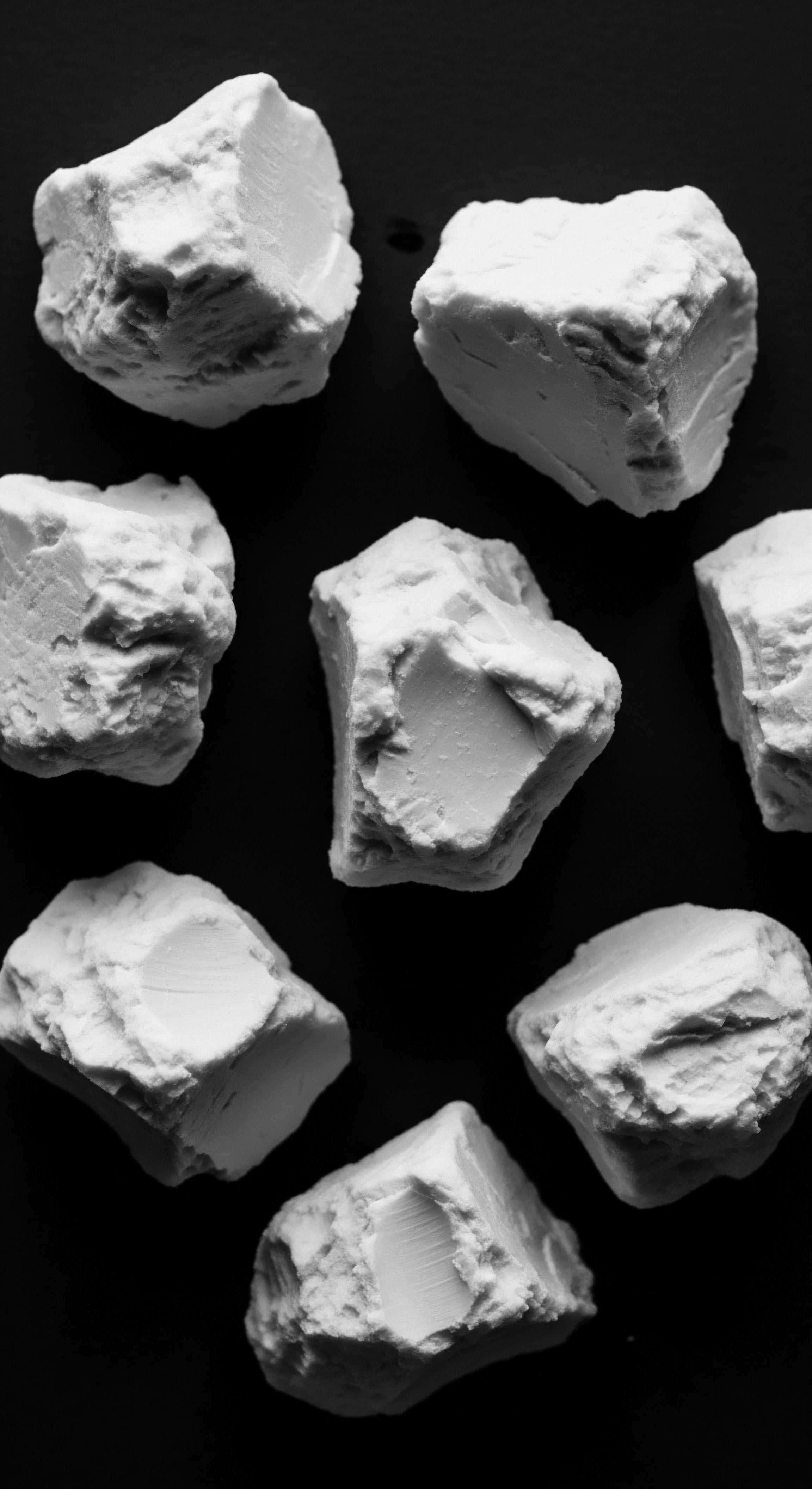
What ancestral hair care practices involved earth materials for textured strands?
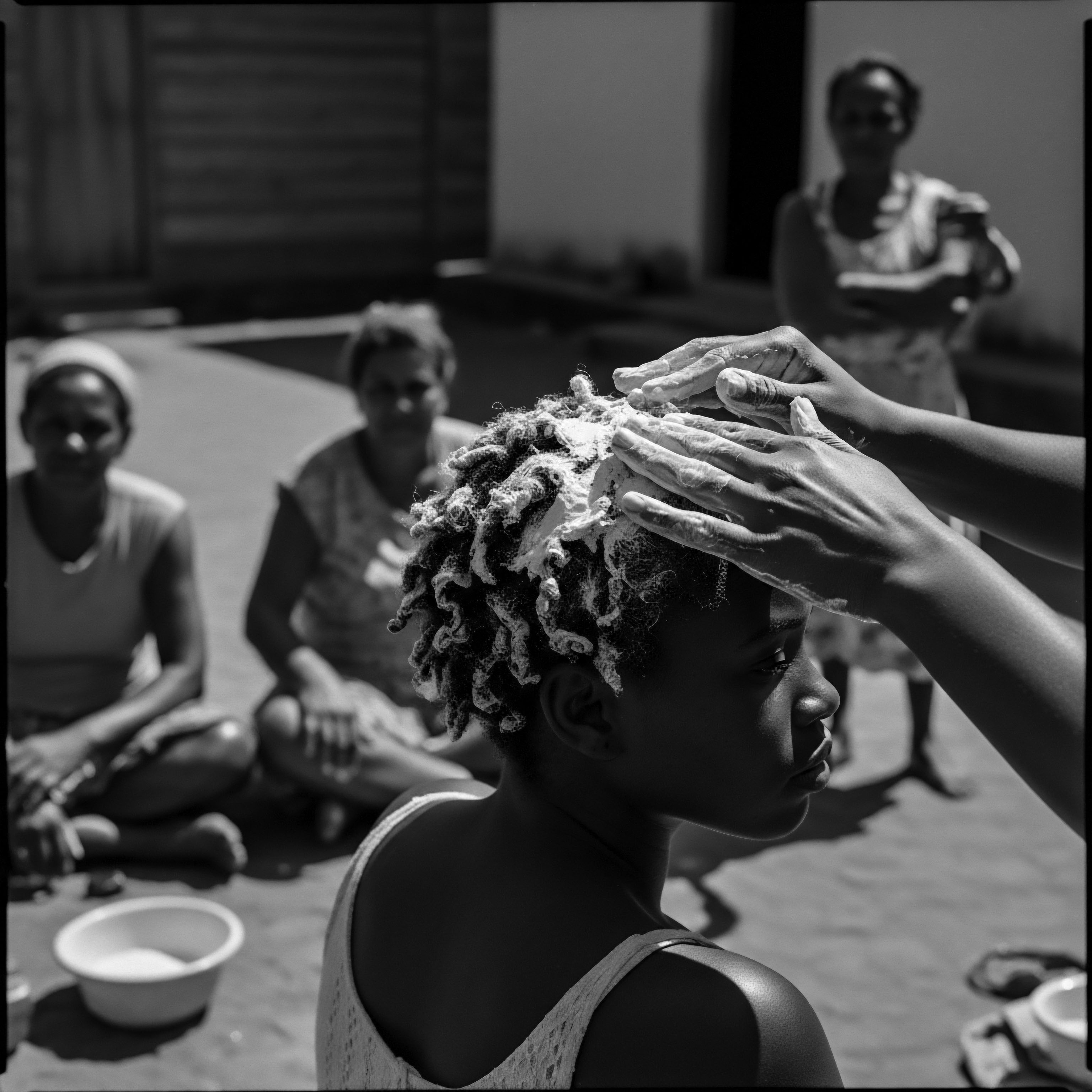
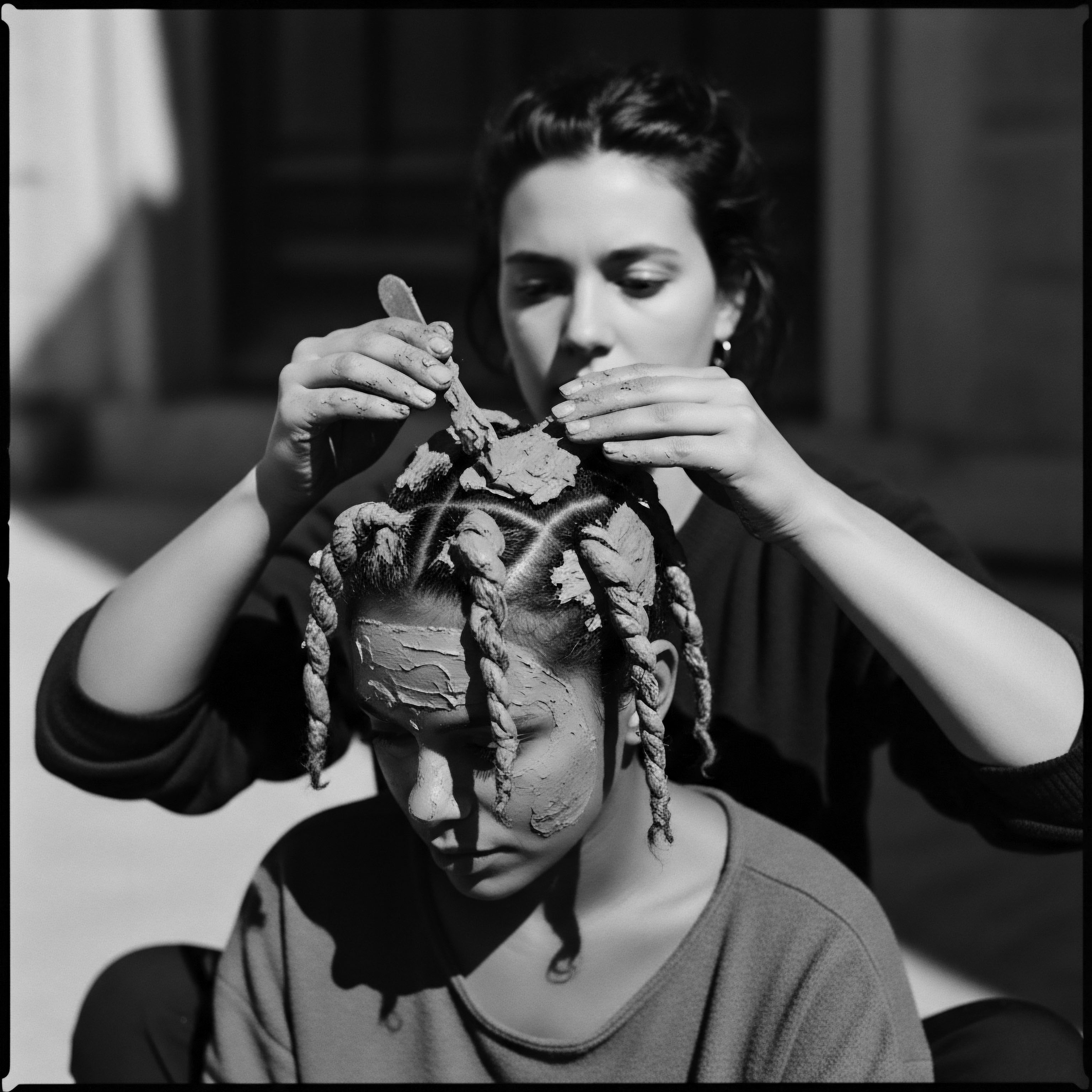
Ancestral textured hair care involved clays and mineral pigments from the earth, used for cleansing, conditioning, and protective styling.
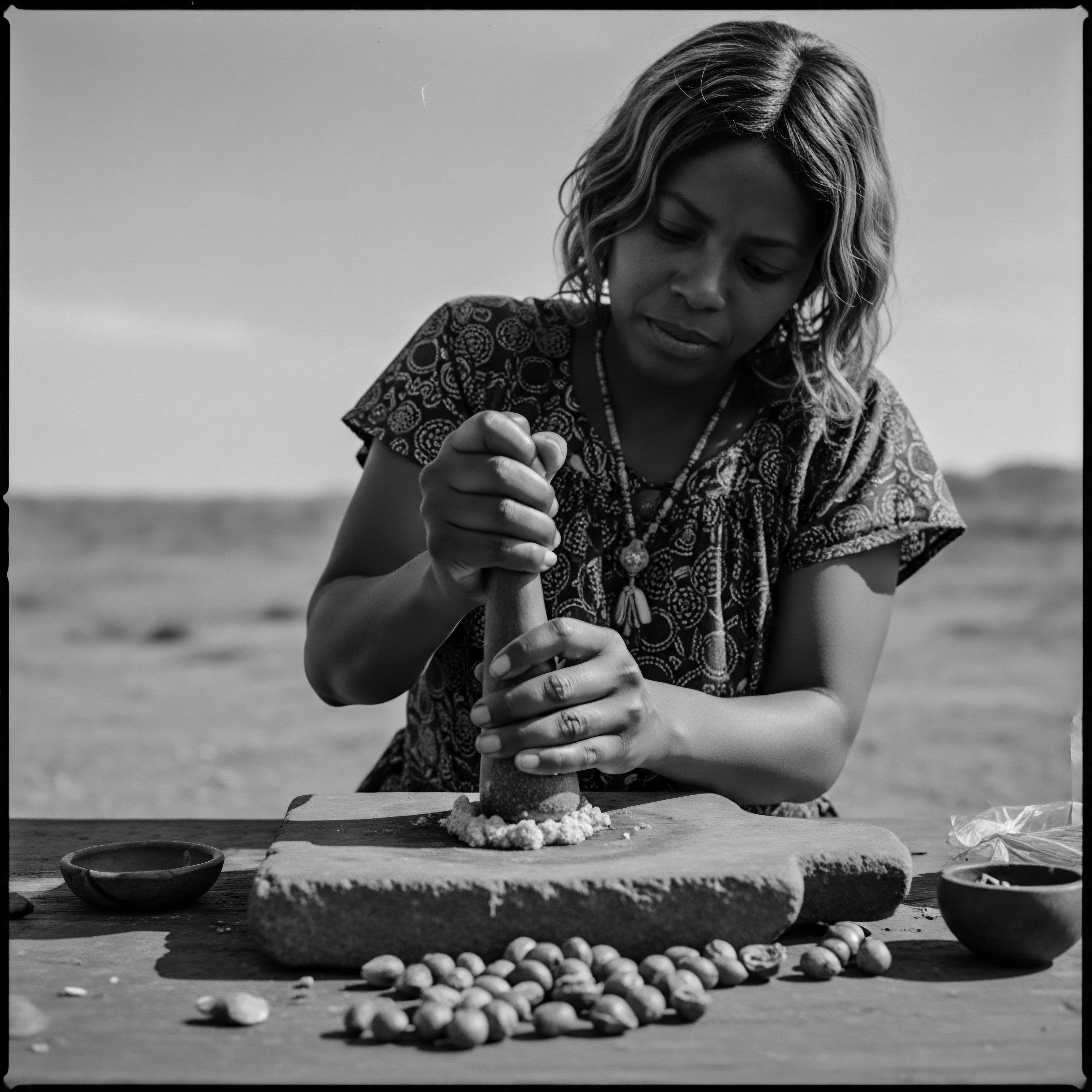
What historical significance does Shea butter hold for textured hair wellness?
Shea butter holds ancient heritage as a vital protective and nourishing balm for textured hair wellness across generations.
Does Rahua oil’s heritage influence its modern use?
Rahua oil's heritage profoundly influences its modern use, providing deep nourishment for textured hair through ancient Amazonian wisdom.
What traditional nighttime rituals supported textured hair health and heritage?
Traditional nighttime rituals for textured hair involved protective styling and natural balms, deeply rooted in ancestral heritage for health and preservation.
Why did ancient cultures value clay for textured hair care?
Ancient cultures valued clay for textured hair for its cleansing, detangling, and mineral-rich properties, deeply rooted in heritage.
Can baobab oil help preserve the historical integrity of textured hair?
Baobab oil, from Africa's "Tree of Life," helps preserve textured hair's historical integrity through its ancestral care and nourishing properties.
What traditional ingredients conditioned textured coils?
Traditional ingredients like shea butter, argan oil, and plant-based powders nourished textured coils, preserving their heritage through ancestral practices.
How did textured hair care adapt during the era of enslavement?
Textured hair care adapted through ingenious improvisation, secret communal rituals, and the transformation of traditional practices into acts of enduring heritage and subtle resistance.
What molecular interactions explain oil benefits in traditional textured hair care?
Oils enhance textured hair by penetrating strands or coating surfaces, reducing protein loss and fortifying ancestral care rituals.
What evolutionary advantages did textured hair provide early human ancestors?
Textured hair provided early human ancestors with crucial thermoregulatory protection against intense solar radiation, a heritage safeguarding brain health and water conservation.
How can earth minerals benefit scalp health for textured hair?
Earth minerals, rooted in ancestral traditions, cleanse, nourish, and rebalance textured hair scalp health, connecting heritage with vitality.
What historical significance do plant-based oils hold for textured hair heritage?
Plant-based oils historically safeguarded textured hair, providing protection, nourishment, and cultural meaning rooted in ancestral practices.
What historical role do oils play in textured hair moisture?
Oils historically provided essential moisture, protection, and symbolic value for textured hair across Black and mixed-race heritage, adapting ancestral wisdom for resilience.
Why do historical beauty standards persist for textured hair?
Historical beauty standards persist for textured hair due to ongoing systemic legacies, economic structures, and colonial impositions impacting self-perception.
What is the role of historical context in modern textured hair care choices?
Historical contexts shape modern textured hair choices through ancestral practices and enduring heritage.
How does Ghassoul clay sustain textured hair heritage?
Ghassoul clay sustains textured hair heritage by gently cleansing, conditioning, and connecting users to ancient North African beauty traditions.
How does the inherited hair wisdom guide modern textured hair care routines?
Inherited hair wisdom offers time-tested principles, deeply rooted in ancestral practices, that guide modern textured hair care.
How do traditional sleep coverings maintain textured hair moisture?
Traditional sleep coverings maintain textured hair moisture by reducing friction and creating a protective microclimate, honoring ancestral care methods.
Can modern science validate the traditional wisdom of textured hair care?
Modern science confirms ancestral textured hair care wisdom, particularly in moisture retention and breakage prevention.
Can ancient oiling rituals offer guidance for modern textured hair care?
Ancient oiling rituals offer profound guidance for modern textured hair care by connecting contemporary needs to ancestral wisdom and protective practices.
What historical knowledge informs textured hair oil practices?
Textured hair oil practices are deeply rooted in ancestral knowledge, reflecting centuries of care and cultural preservation.
Can ancient hair tools improve contemporary textured hair regimens?
Ancient hair tools, rooted in ancestral knowledge, offer profound insights for contemporary textured hair care, fostering a deeper connection to heritage.
Plant Dyes History
Meaning ❉ A detailed look at plant dyes' historical significance for hair, focusing on ancestral Black and mixed-race hair traditions.
How did historical laws influence the perception of Afro-textured hair?
Historical laws altered Afro-textured hair's public perception, forcing conformity but sparking powerful acts of cultural heritage preservation.
What is the role of traditional oils in modern textured hair care?
Traditional oils preserve textured hair heritage by offering deep moisture, protection, and cultural connection through generations of ancestral wisdom.
In what rituals did clay connect to textured hair identity?
Clay rituals connected to textured hair identity through cleansing, protection, and symbolic adornment, reflecting deep ancestral heritage.
What ancestral wisdom shapes textured hair care practices?
Ancestral wisdom shapes textured hair care through intuitive biology, symbolic styling, and holistic well-being, deeply honoring heritage.