How does textured hair’s unique structure influence sun damage?
Textured hair's unique structure, inherited from ancestors, influences how it interacts with sunlight, requiring specific care rooted in heritage.
How do hair oils affect moisture retention in textured hair?
Hair oils form a lipid barrier on textured strands, preserving hydration and honoring ancestral care traditions.
Socio-Political Movements
Meaning ❉ Socio-political movements concerning hair embody collective efforts to reshape societal views on textured hair, affirming cultural identity and heritage.
How did ancestral tools evolve into contemporary textured hair care instruments?
Ancestral tools for textured hair, born from necessity and cultural meaning, evolved into modern instruments, preserving a rich heritage of care.
What ancestral oils shield textured hair from sun?
Ancestral oils like shea, coconut, and buriti were historically used to shield textured hair from sun, rooted in deep heritage.
How do current textured hair regimens honor past wisdom?
Current textured hair regimens honor past wisdom by deeply integrating ancestral knowledge of biology, styling, and holistic care into modern practices.
How do plant-based ingredients support textured hair vitality?
Plant-based ingredients support textured hair vitality through ancestral practices of moisture, protection, and fortification, echoing a profound heritage of care.
In what ways did environment shape traditional textured hair care routines?
Environment intimately shaped textured hair care routines by dictating available resources and necessitating specific protective or nourishing practices.
How do historical hair care techniques validate modern science for textured hair?
Historical hair practices validate modern science by showing ancestral wisdom in moisturizing and protecting textured hair’s unique structure.
Beyond its physical benefits, how does shea butter maintain cultural identity for textured hair?
Shea butter maintains cultural identity by embodying ancestral wisdom, fostering community, and symbolizing resilience within textured hair heritage.
Does ancient hair oiling protect textured hair?
Ancient hair oiling protected textured hair by sealing moisture, reducing friction, and nourishing the scalp, honoring ancestral heritage.
How does textured hair connect to cultural identity and community?
Textured hair is a powerful symbol, linking cultural identity, community bonds, and ancestral resilience through shared heritage.
What are the scientific validations of traditional textured hair care practices?
Traditional textured hair care practices, rooted in ancestral wisdom, are scientifically validated for their efficacy in promoting hair health and resilience.
Why is coconut oil uniquely effective for textured hair’s protein and moisture?
Coconut oil’s deep penetration and protein affinity honor ancestral hair practices, safeguarding textured strands from within.
What is the biological basis of textured hair strength?
Textured hair strength arises from unique coiled keratin architecture and disulfide bonds, a biological fortitude long understood and honored by ancestral heritage practices.
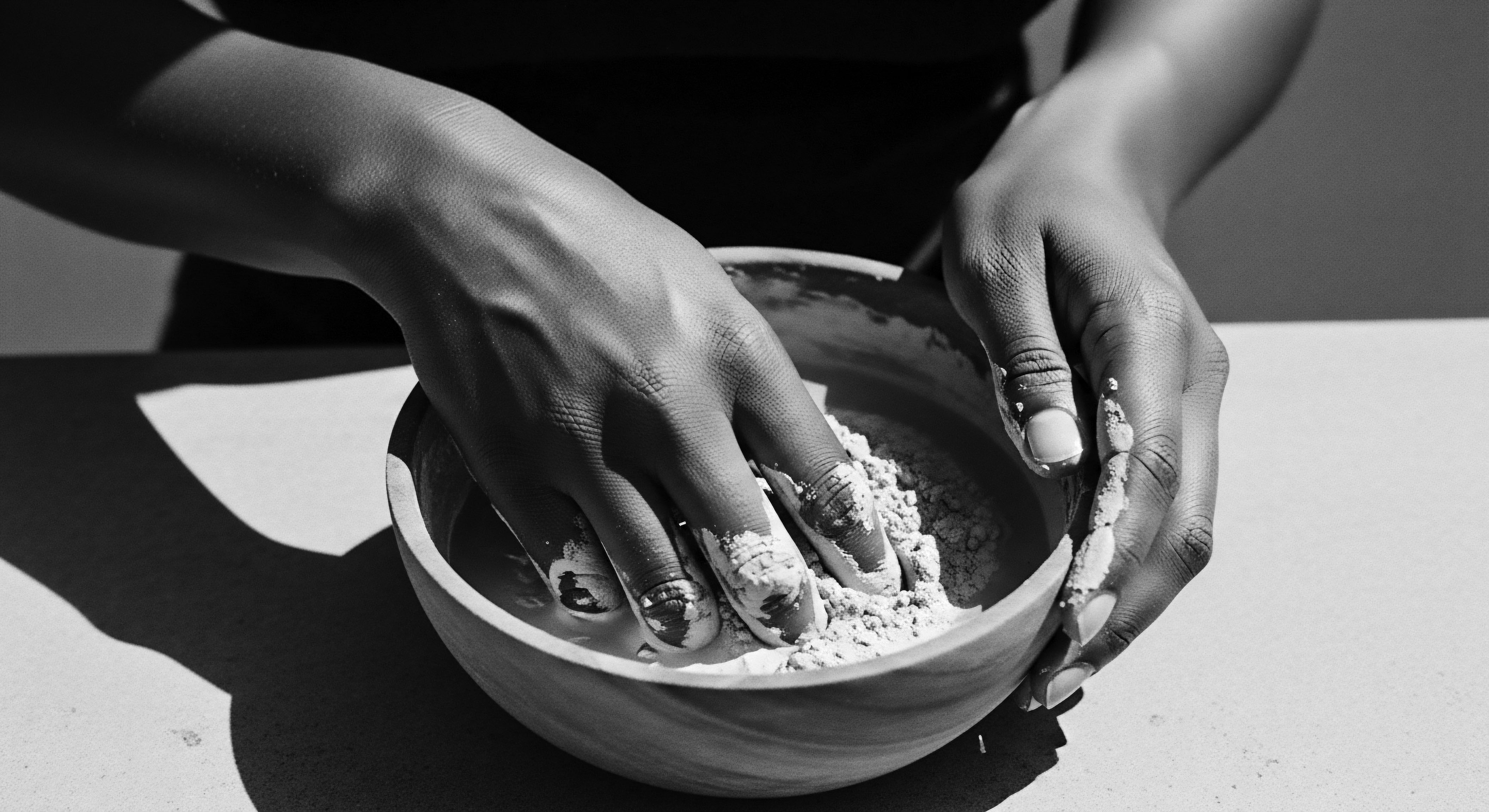
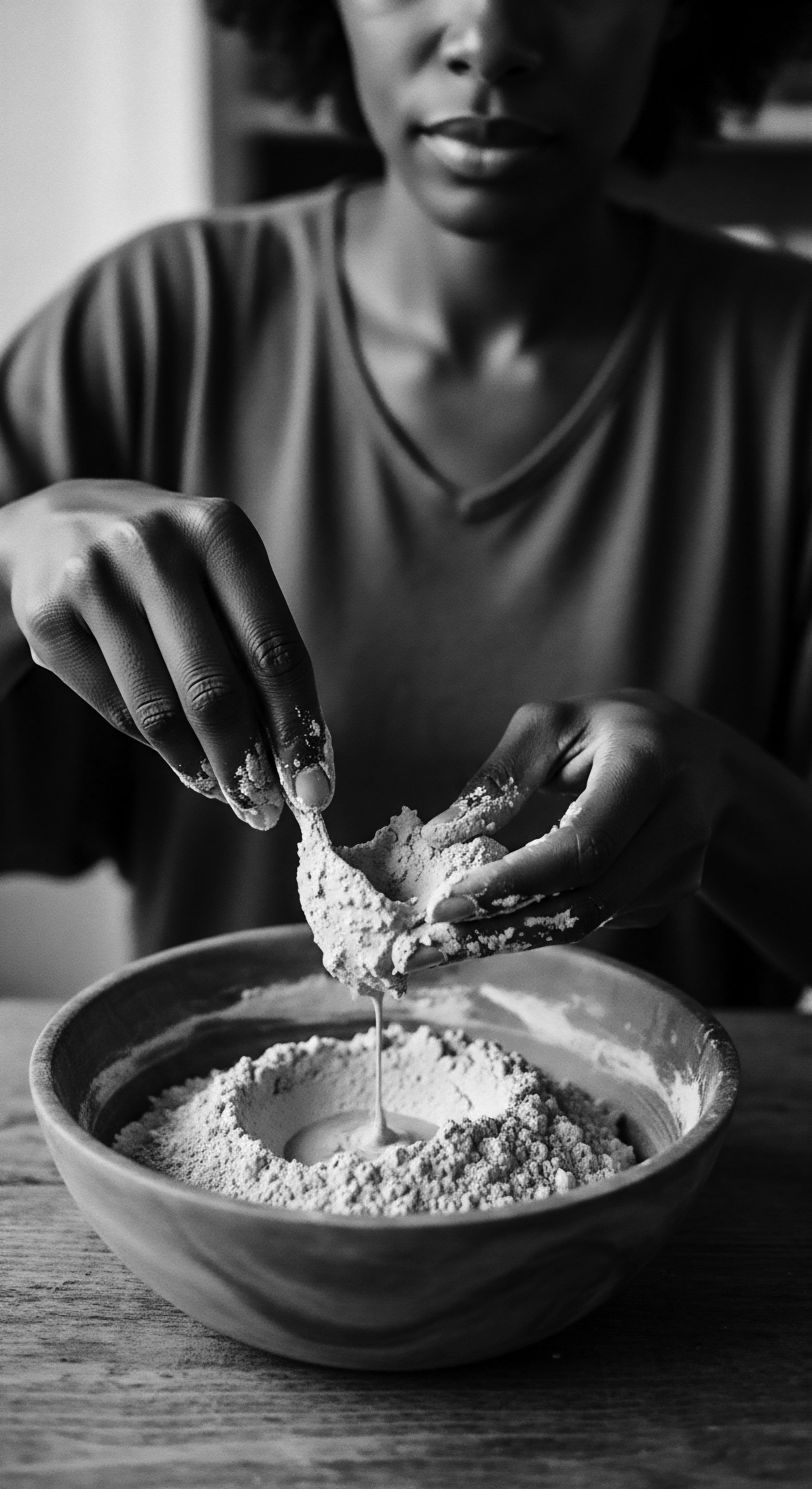
Which cultures used clay for cleansing textured hair?
Many ancient cultures, including those in North Africa, Mesoamerica, and Indigenous North America, used various clays for cleansing textured hair.
What ancestral hair practices did science validate for heritage?
Science affirms ancestral textured hair practices like oiling and protective styling preserve vitality and nurture heritage.
Can ancient hair oiling practices be integrated into modern textured hair care?
Ancient hair oiling practices are deeply integrated into modern textured hair care, embodying a heritage of intuitive knowledge and resilience.
What is the historical significance of natural cleansing agents for Black hair heritage?
Natural cleansing agents for Black hair heritage are historical symbols of resilience, deeply connecting communities to ancestral wisdom and earth-given care.
How do plant compounds nourish textured hair’s distinctive structure?
Plant compounds nourish textured hair's distinctive structure by complementing its inherent needs, echoing ancestral practices of hydration, strength, and protection.
In what ways do traditional plant-based practices connect to textured hair identity?
Traditional plant-based practices connect to textured hair identity by preserving ancestral methods, supporting biomechanical integrity, and serving as a defiant expression of heritage and cultural belonging.
Which heritage oils protected coiled strands?
Heritage oils from diverse ancestral practices deeply nourished and shielded coiled strands, a legacy echoing through textured hair heritage.
Can modern science explain traditional textured hair care with shea butter?
Modern science affirms the deep ancestral wisdom behind traditional textured hair care with shea butter, validating its protective and nourishing properties.
What ancient African ingredients support modern textured hair care routines?
Ancient African ingredients, through ancestral wisdom, offer deep moisture, strength, and protection crucial for modern textured hair care routines.
What ancestral ingredients are still relevant in textured hair care?
Ancestral ingredients like shea butter and aloe vera remain vital for textured hair, rooted in heritage for moisture, strength, and cultural identity.
CROWN Act Legacy
Meaning ❉ The CROWN Act Legacy is a legal and cultural movement affirming the inherent right to wear natural hair and protective styles without discrimination.
What ancestral wisdom does rhassoul clay offer modern textured hair routines?
Rhassoul clay offers ancestral cleansing and conditioning for textured hair, rooted in Moroccan heritage for balanced, vibrant strands.
What traditional ingredients from heritage practices enhance hair resilience and protein structure?
Traditional heritage ingredients enhance textured hair resilience by fortifying protein structure through protection, moisture, and ancestral wisdom.