Do bonnets truly shield textured hair?
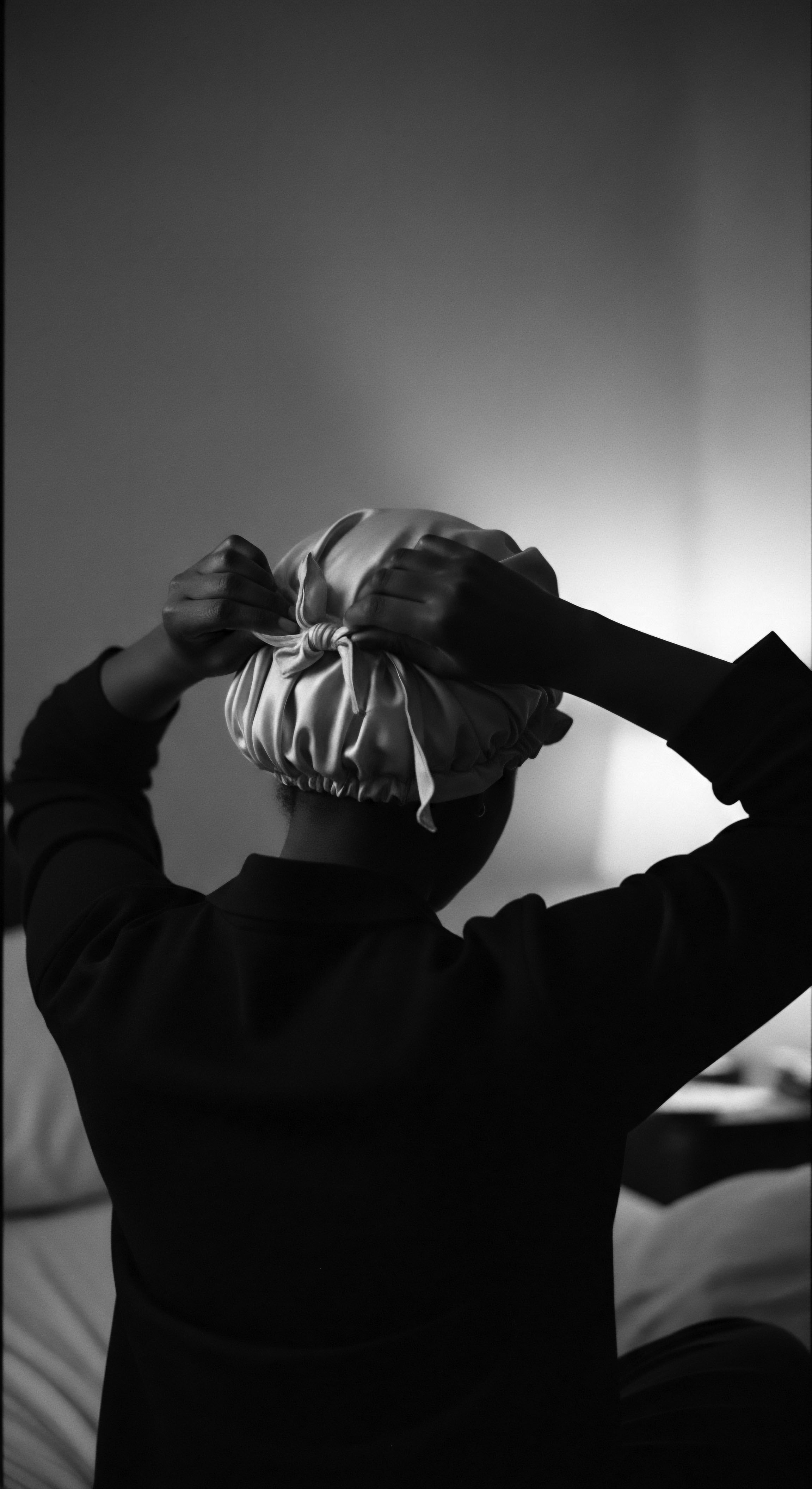
Bonnets provide vital physical protection and moisture retention for textured hair, continuing a long-standing heritage of ancestral care.
What ancestral hair traditions fortify textured strands over time?
Ancestral traditions fortify textured strands through protective styling, natural emollients, and holistic wellness practices deeply rooted in heritage.
What historical foods strengthen textured strands against breakage?
Historical foods, rich in specific proteins, vitamins, and minerals, fortified textured strands against breakage, reflecting deep ancestral nutritional wisdom.
Why is porosity understanding central to textured hair care?
Understanding porosity in textured hair care honors ancient wisdom on moisture interaction, connecting heritage to holistic hair wellness.
What is the deep historical significance of specific textured hair styles?
Textured hair styles embody centuries of ancestral wisdom, expressing identity, resilience, and profound cultural heritage.
What ancestral hair care practices highlight botanical strength for textured hair?
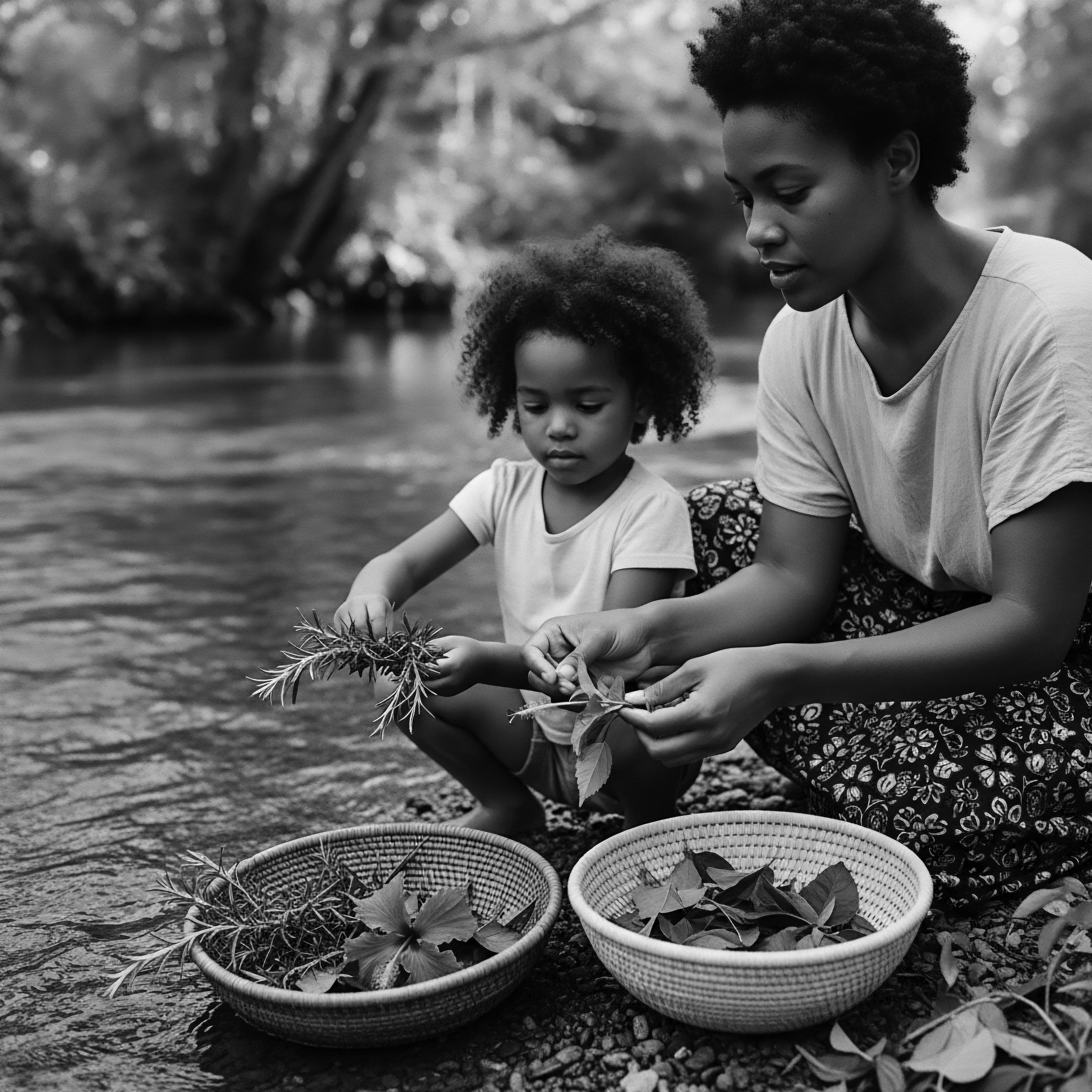
Ancestral practices for textured hair care primarily highlight botanical strength through plant-based oils, butters, and herbs, profoundly rooted in heritage.
What historical importance do textured hairstyles hold?
Textured hairstyles hold profound historical importance as symbols of identity, communication, and resilience within Black and mixed-race heritage.
What historical tools shaped textured hair grooming?
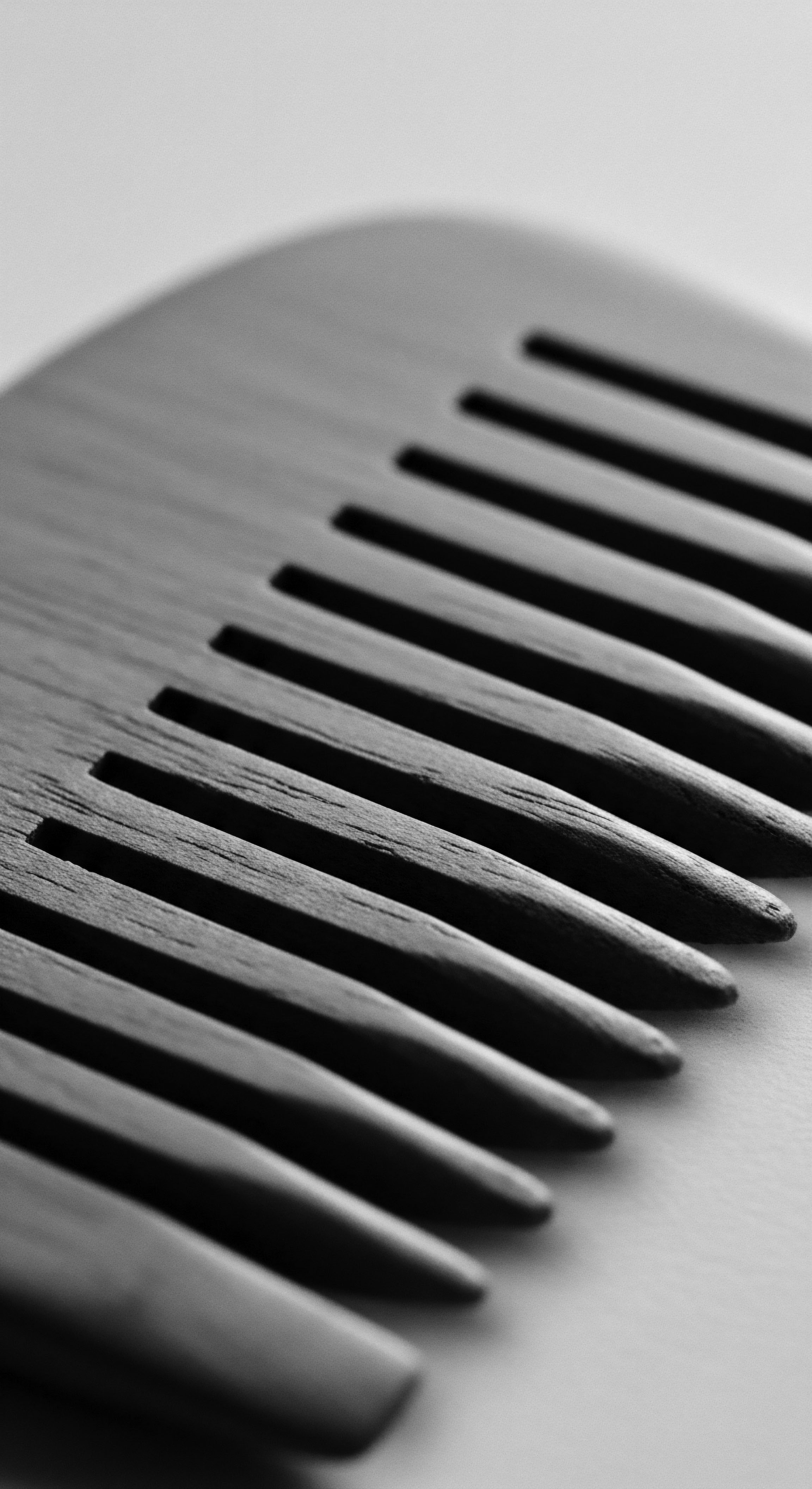
Historical tools, from ancient combs to hot picks, shaped textured hair grooming as profound extensions of heritage.
Which ancestral ingredients offered environmental protection for textured hair?
Ancestral ingredients like shea butter, mongongo oil, and okra mucilage offered deep environmental protection for textured hair.
Can ancient African hair traditions inform contemporary scientific understanding of textured hair?
Ancient African hair traditions offer profound insights into hair science, validating modern understanding through a deep heritage of empirical care.
Why do textured strands benefit from fatty acids?
Fatty acids deeply nourish textured hair, honoring ancestral wisdom in moisture, strength, and heritage.
How does cultural heritage shape Black hair rituals today?
Cultural heritage profoundly shapes Black hair rituals by connecting modern care to ancestral practices, resilience, and identity.
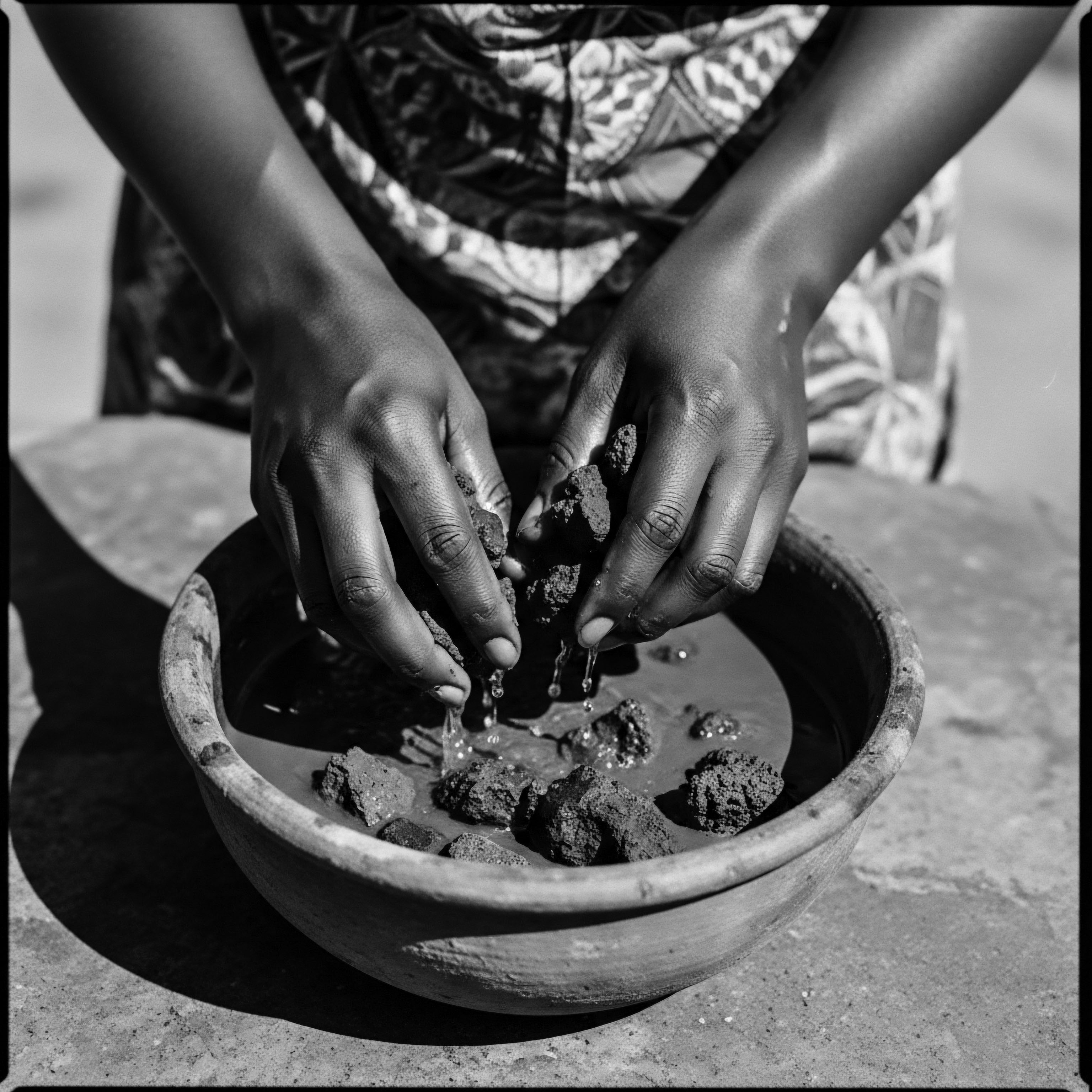
Can rhassoul clay applications build a deeper lineage for textured hair care?
Rhassoul clay deepens textured hair care lineage by linking modern practices to ancestral cleansing rituals and earth-derived nourishment.
What is the heritage of castor oil in African diaspora hair care?
Castor oil, rooted in ancient African traditions, became a cherished heritage ingredient in diaspora hair care, symbolizing resilience and cultural continuity for textured strands.
What are traditional methods for textured hair health?
Traditional methods for textured hair health are ancestral practices rooted in communal care and the use of natural ingredients like shea butter.
What historical role does rhassoul play in Black hair heritage?
Rhassoul clay historically served as a foundational, mineral-rich cleanser and ritual element within North African textured hair heritage.
How do modern bonnets benefit textured hair?
Modern bonnets extend ancestral practices of hair protection and cultural identity for textured hair.
What historical botanical practices shaped Afro-textured hair aesthetics?
Historical botanical practices shaped Afro-textured hair aesthetics through plant-based nourishment, cleansing, and styling, deeply preserving cultural heritage.
What cultural significance holds historical textured hair sealing?
Historical textured hair sealing safeguards curls through ancestral methods of protection and moisture preservation, rooted in deep heritage.
Arid Oil Heritage
Meaning ❉ Arid Oil Heritage defines the ancient and enduring wisdom of using resilient plant oils from dry lands for textured hair care and cultural identity.
Which traditional African oils offer profound benefits for textured hair?
Traditional African oils offer unparalleled benefits for textured hair, rooted in ancient practices and ancestral knowledge.
Why is moisture crucial for textured hair health in protective styles?
Moisture is central to textured hair health in protective styles, reflecting centuries of ancestral knowledge and preservation practices.
Can modern science validate the traditional uses of shea butter for textured hair?
Modern science validates traditional shea butter uses for textured hair by confirming its moisturizing, protective, and anti-inflammatory properties rooted in heritage.
What ancestral cleansing methods support textured hair moisture?
Ancestral cleansing methods supported textured hair moisture by using gentle, natural ingredients and rituals that respected the hair's heritage.
Natural Hair Food
Meaning ❉ Natural Hair Food refers to the holistic care of textured hair using earth-derived ingredients and ancestral methods, deeply rooted in cultural heritage.
How did Black women reclaim their hair heritage through evolving tools?
Black women reclaimed hair heritage by evolving tools from ancestral methods to modern innovations, affirming their textured beauty.
Can ancient hair styling techniques offer effective sun defense for modern textured hair?
Ancient hair styling techniques, deeply rooted in heritage, provide effective sun defense for modern textured hair.
What historical events impacted textured hair’s ability to retain hydration?
Historical events, from forced migration to beauty standards, significantly compromised textured hair’s natural ability to retain hydration.
Why does head wrapping protect textured hair?
Head wrapping protects textured hair by minimizing friction and environmental exposure, a practice steeped in ancestral wisdom and cultural resilience.