How did ancestral washes benefit textured hair?
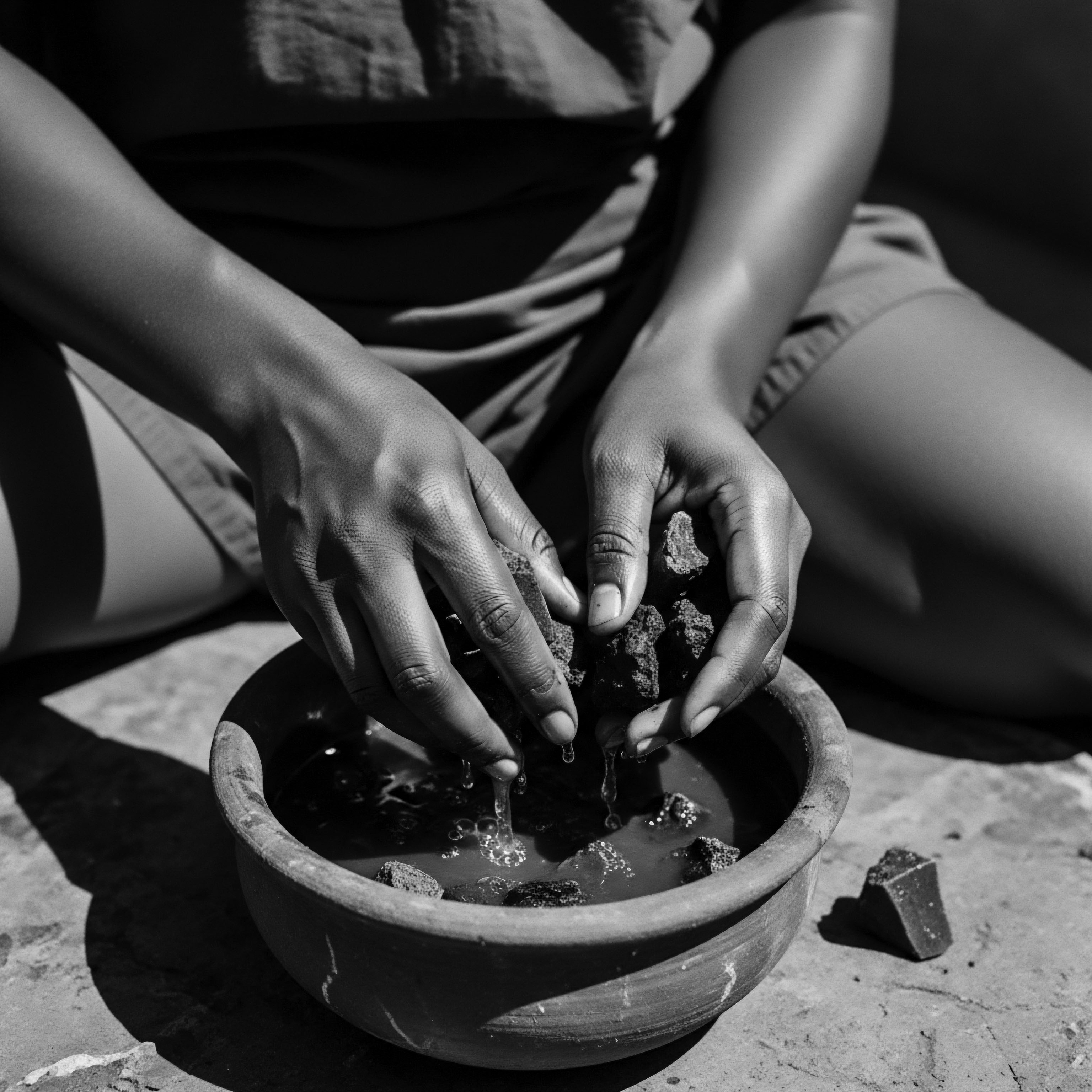
Ancestral washes cleansed textured hair gently, preserving natural oils and promoting scalp health through botanical wisdom passed down generations.
What plant properties benefit textured hair?
Plants offer emollients, humectants, and strengthening compounds deeply rooted in textured hair heritage, sustaining its unique structure and vitality.
What ancestral oils penetrate textured hair?
Ancestral coconut oil uniquely penetrates textured hair, a heritage practice affirmed by its deep molecular interaction.
Hair Care Instruments
Meaning ❉ Hair Care Instruments are tools with profound cultural, historical, and identity-shaping significance for textured hair.
Can traditional African hair oiling practices strengthen textured hair?
Traditional African hair oiling strengthens textured hair by preserving moisture and protecting strands, a wisdom deeply rooted in cultural heritage.
What scientific properties of desert oils relate to moisture retention in textured hair?
Desert oils, rich in specialized lipids, offer vital moisture retention for textured hair, echoing ancient wisdom from cultures who protected their coils in arid lands.
Molecular Aspects
Meaning ❉ The Molecular Aspects of hair delineate its fundamental biophysical and biochemical properties, shaping its unique form and cultural significance.
Why did textured hair traditions value shea butter?
Textured hair traditions valued shea butter for its exceptional moisturizing and protective qualities, deeply rooted in ancestral heritage.
What environmental factors threatened ancient textured hair?
Ancient textured hair faced threats from harsh climates, water scarcity, and environmental particulates, met with ingenious ancestral protective practices.
Why did textured hair become a marker of social standing?
Textured hair’s social standing reflects a complex heritage, shifting from ancestral pride to colonial oppression and modern reclamation.
How does ancestral knowledge of clays benefit textured hair?
Ancestral knowledge harnesses clays for textured hair by providing gentle cleansing, mineral enrichment, and protective styling rooted in historical practices.
Diasporic Survival
Meaning ❉ Diasporic Survival, in the context of textured hair, represents the enduring cultural, biological, and communal resilience of displaced populations.
What is the historical significance of oils for textured hair resilience?
Oils historically provided essential moisture and protection, symbolizing resilience and heritage for textured hair communities.
What historical care practices align with modern textured hair science?
Historical textured hair care, deeply rooted in heritage, intuitively aligns with modern science through practices of moisture retention and protective styling.
What historical impact do alkaline treatments have on textured hair?
Alkaline treatments historically reshaped textured hair, influencing identity and cultural norms amidst societal pressures.
How does textured hair connect to ancestral practices today?
Textured hair profoundly connects to ancestral practices by preserving historical care methods, cultural identity, and communal bonding through its unique heritage.
What ancestral rituals connect to textured hair care?
Ancestral rituals connect to textured hair care through deep heritage, identity preservation, and the sustained wisdom of natural methods.
What traditional oils hydrate textured hair types?
Traditional oils like shea butter and coconut oil, deeply rooted in Black and mixed-race heritage, hydrate textured hair by sealing in moisture and nourishing strands.
What is the biological basis for textured hair needing protection?
Textured hair’s elliptical follicle and unique cuticle structure mean it is more vulnerable to damage, necessitating protective care deeply rooted in ancestral practices.
In what ways do historical cleansing practices influence modern textured hair care?
Historical cleansing practices for textured hair, rooted in ancestral wisdom, emphasized natural ingredients and gentle care for lasting hair health.
How does material choice in head coverings affect textured hair’s ancestral protection?
Material choice in head coverings, guided by ancestral wisdom, preserved textured hair by mitigating friction and retaining moisture, a practice rooted deeply in heritage.
What is length retention for textured hair?
Length retention for textured hair is the art of preserving inherent growth, deeply connected to ancient protective styles and moisturizing rituals from textured hair heritage.
What traditional practices protected textured hair from moisture loss?
Traditional practices protected textured hair through natural oils, butters, and strategic styling that honored its unique heritage and preserved its inherent moisture.
Can traditional care practices offer guidance for modern textured hair wellness?
Traditional care practices offer enduring guidance for textured hair wellness by honoring ancestral wisdom and cultural heritage.
What scientific understanding validates historical textured hair moisture rituals?
Historical textured hair moisture rituals are validated by scientific understanding of hair structure, porosity, and the emollients and humectants in traditional ingredients, preserving a rich heritage of care.
Which oils penetrate textured hair for ancestral benefits?
Penetrating oils for textured hair, rooted in ancestral practices, nourish from within, supporting the hair's heritage of strength.
What specific oils strengthened textured hair historically?
Historically, specific oils like shea, coconut, and Jamaican Black Castor Oil reinforced textured hair, rooted in ancestral knowledge.
What is the historical significance of oils in textured hair?
Oils have historically been crucial for nourishing, protecting, and symbolizing identity in textured hair heritage across cultures and generations.
What traditional practices influenced textured hair?
Traditional practices, steeped in ancestral wisdom and community, deeply influenced textured hair care, its meaning, and its legacy.